The Watering Mistake That Stresses Arizona Citrus Trees In May
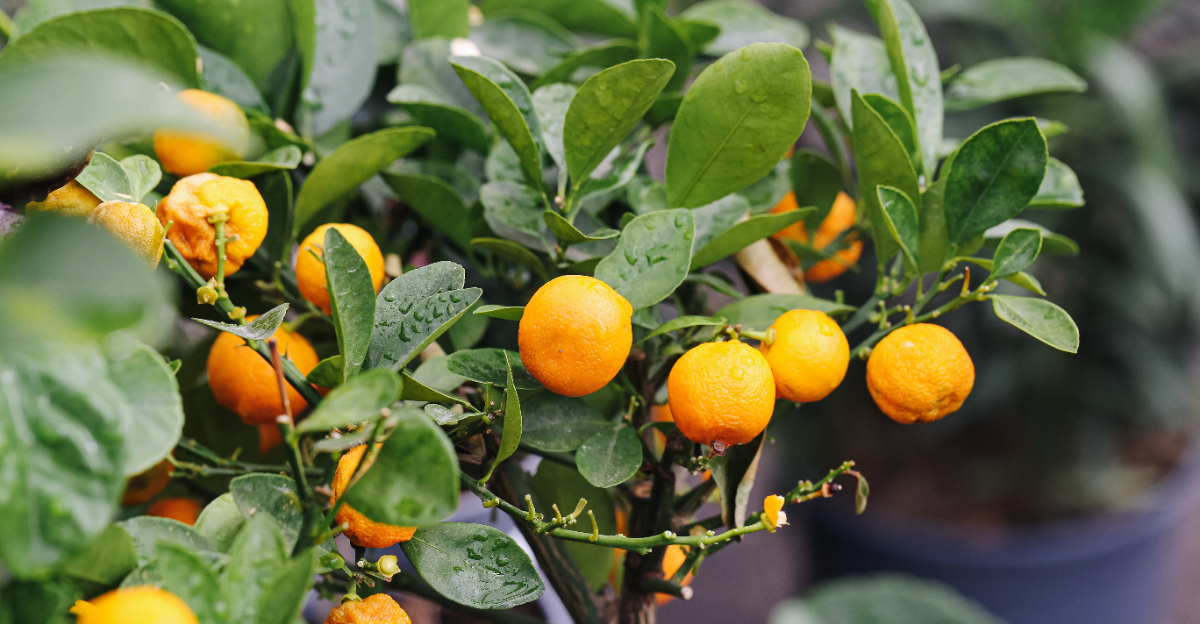
Citrus trees start drawing a lot more attention in May once leaves curl slightly, soil dries faster, and afternoon heat begins sticking around longer every day. That usually leads to more watering and second guessing around the yard.
Small watering habits can create bigger problems than expected this time of year, especially during the transition between mild spring weather and intense summer heat.
Trees that looked perfectly healthy earlier in the season may suddenly start acting differently once temperatures rise and watering routines change too quickly.
Arizona citrus tends to respond fast when moisture levels become inconsistent in late spring, which is why May often becomes the point where hidden watering mistakes finally start showing up.
1. Shallow Watering Often Leaves Roots Vulnerable
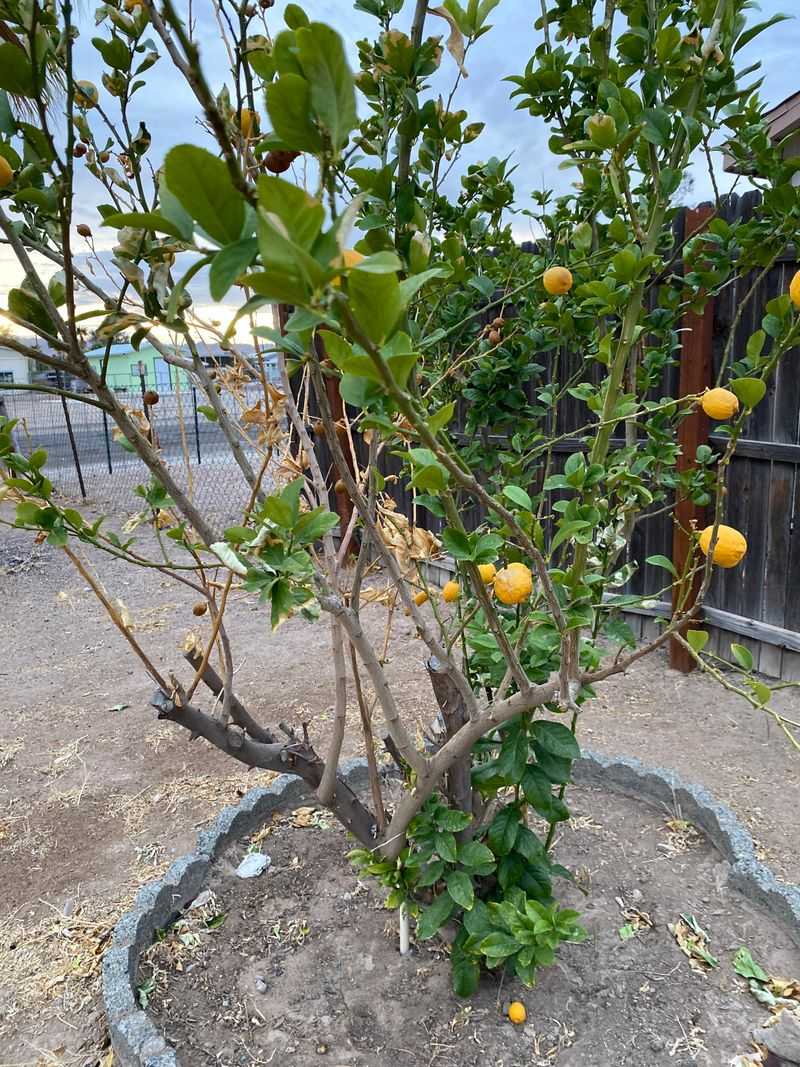
Roots that never have to reach deep are roots that struggle when heat arrives. Shallow watering is one of the most common mistakes Arizona gardeners make with citrus trees, especially heading into May when surface soil dries out within hours of getting wet.
When you water lightly and briefly, moisture barely penetrates past the top inch or two of soil. Citrus roots follow that moisture, staying close to the surface instead of growing down where temperatures stay cooler and water lasts longer.
Over time, those shallow roots become incredibly sensitive to the intense Arizona heat.
A tree with shallow roots has very little buffer when temperatures spike into the triple digits. Surface soil in Phoenix or Tucson can reach extreme temperatures in May, basically cooking roots that have nowhere else to go.
You might not notice a problem right away, but stress builds up quietly over weeks.
Watering deeply and less frequently trains roots to grow downward, where conditions are more stable. Most citrus trees in Arizona benefit from slow, deep soaking sessions that push moisture down 18 to 24 inches.
A soil probe or long screwdriver can help you check how far water is actually reaching after each session.
2. Wet Soil Around The Trunk Can Create Problems
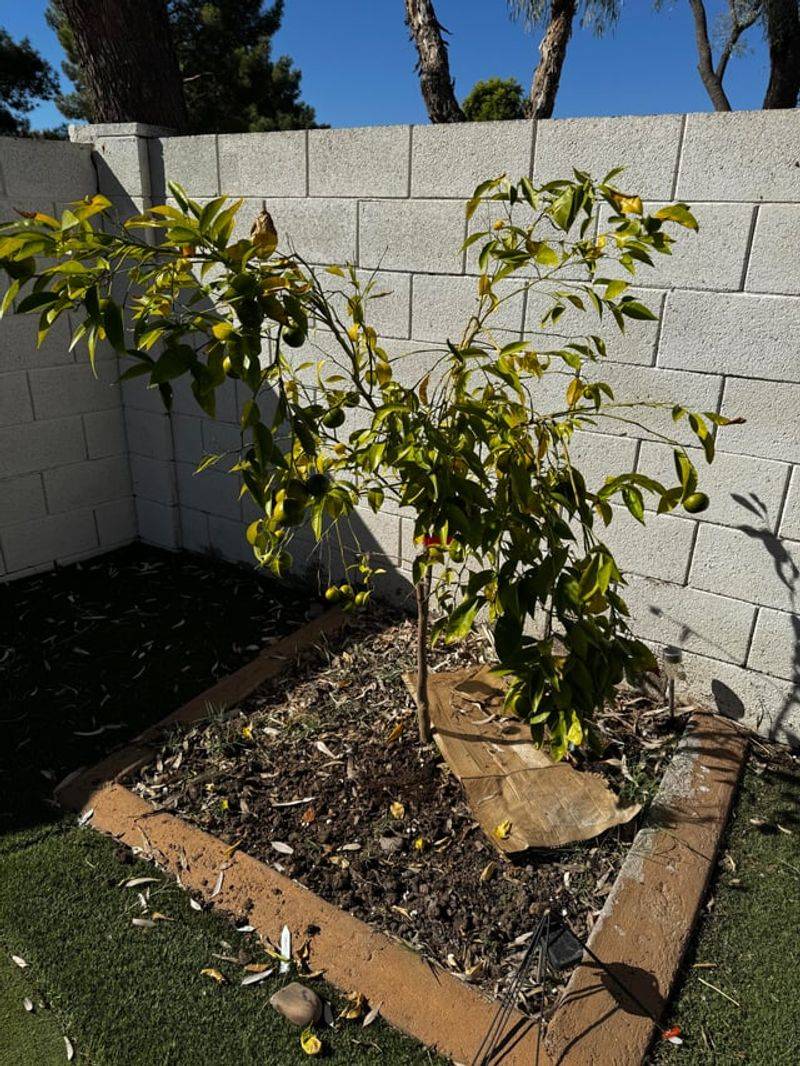
Keeping water pooled right against the trunk of your citrus tree is a habit worth breaking immediately.
Wet soil sitting against bark creates the kind of damp, warm conditions that invite fungal problems and root collar rot, both of which can quietly weaken even a healthy tree.
Arizona soil tends to be clay-heavy in many areas, meaning water does not drain away from the trunk as quickly as you might expect. Even in our dry desert climate, consistently wet bark is a real issue.
Citrus trees are not swamp plants, and their lower trunk is not designed to sit in moisture for extended periods.
Proper watering technique means keeping the wet zone out toward the drip line of the tree, which is roughly where the outer edge of the canopy sits. That is where the feeder roots actually are.
Watering right at the trunk misses the active roots entirely and puts moisture where it causes the most harm.
Building a small berm or ring of soil several inches away from the trunk helps direct water outward to the right zone.
Your Arizona Garden Changes Every Week. Your Plan Should Too.
Gardening in Arizona changes quickly throughout the season. Every Friday you’ll receive a simple weekly plan showing exactly what to plant, prune, fertilize, harvest, and protect so you never miss the right timing.
Many experienced Arizona gardeners keep a dry zone of at least six to twelve inches around the base of the trunk, especially during warm months when fungal activity increases.
3. Afternoon Irrigation Sometimes Increases Heat Stress
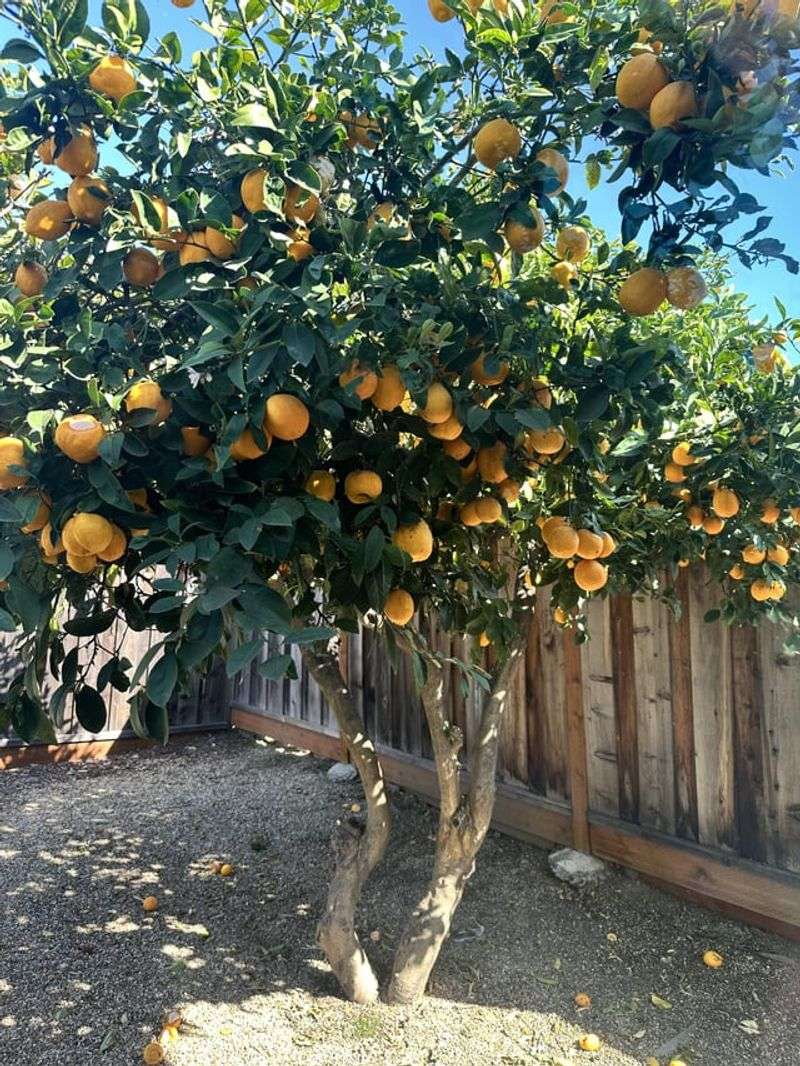
Watering your citrus in the middle of a blazing Arizona afternoon sounds helpful, but it can actually add stress to an already struggling tree.
When hot, dry air meets wet foliage and warm soil, the combination creates conditions that work against the tree rather than helping it recover from the heat.
Beyond leaf damage, afternoon irrigation also loses a significant amount of water to evaporation before it even reaches the root zone. In Arizona during May, that loss can be surprisingly high.
Wet soil in extreme afternoon heat also creates a humid microclimate around the root zone that some fungal pathogens enjoy.
While Arizona is generally dry, localized moisture combined with heat can encourage problems that would not normally show up in a well-managed yard.
Early morning is widely considered the best time to water citrus in Arizona. Temperatures are cooler, evaporation is lower, and the tree has time to absorb moisture before the day heats up.
Evening watering is a second option, though it can leave soil wet overnight, which carries its own risks depending on your drainage situation.
4. Dry Surface Soil Can Be Misleading In May
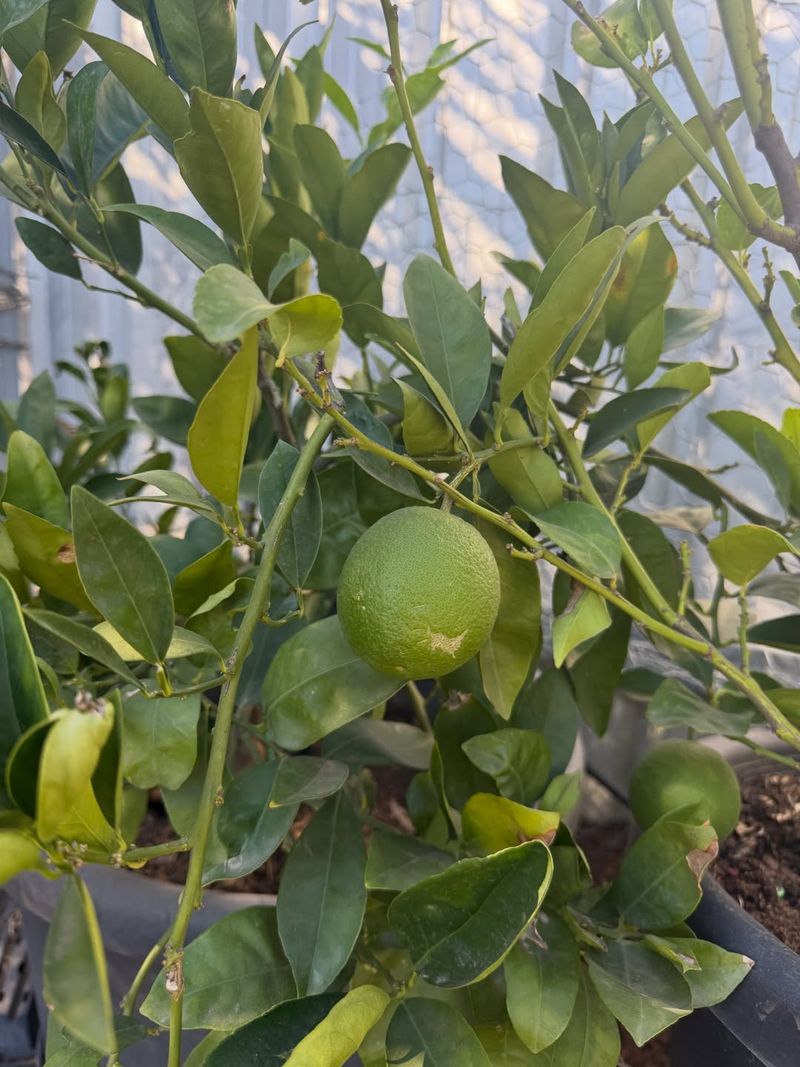
Glancing at the top of your soil and assuming the tree needs water is a trap many Arizona homeowners fall into every spring. Surface soil in the desert dries out incredibly fast, sometimes within an hour of watering or after a warm breeze passes through.
That crusty, pale top layer tells you almost nothing about what is happening a foot below.
Citrus roots pull water from deeper in the soil profile, not from the surface. If you water every time the top looks dry, you will likely overwater before the deeper root zone has had a chance to dry out appropriately.
Overwatering in Arizona is actually a more common problem than most people realize, and May is when it tends to sneak up on gardeners who are anxious about the heat.
Checking soil moisture properly means getting past that deceptive surface layer. Push a wooden dowel, screwdriver, or soil probe about six to eight inches into the ground near the drip line.
If it comes out with moist soil clinging to it, your tree likely does not need water yet regardless of how parched the surface looks.
Learning to read deeper soil rather than surface appearance takes a little practice but saves a lot of trouble.
5. Frequent Light Watering Weakens Deep Root Growth
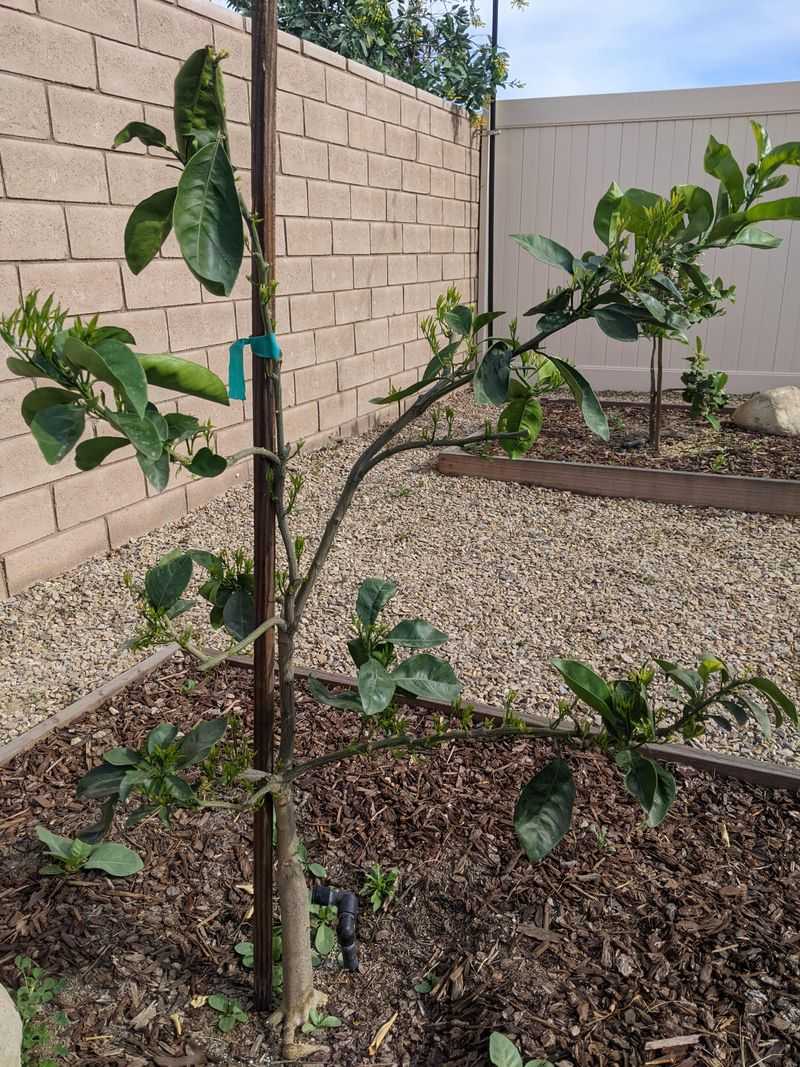
Running your drip system for ten minutes every day feels responsible, but for citrus trees in Arizona it can quietly work against you.
Short, frequent watering cycles keep moisture concentrated in the top few inches of soil, and roots have zero reason to grow deeper when everything they need is right there at the surface.
Root depth is directly linked to drought resilience. A citrus tree with roots stretching two feet or more into the ground can handle a missed watering, a hot weekend, or an irrigation system glitch without immediately showing stress.
A tree trained on shallow daily watering has none of that buffer, making it fragile heading into Arizona’s intense summer months.
Frequent light watering also tends to leach nutrients unevenly. Water that never penetrates deeply can carry salts and minerals into the top few inches, creating a zone of buildup that affects how well roots absorb what they need.
Arizona soils already have natural salt and mineral challenges, so adding more surface saturation compounds the issue.
Switching to longer, less frequent watering sessions encourages roots to chase moisture downward.
6. Citrus Trees Often Need Longer Soaking Sessions
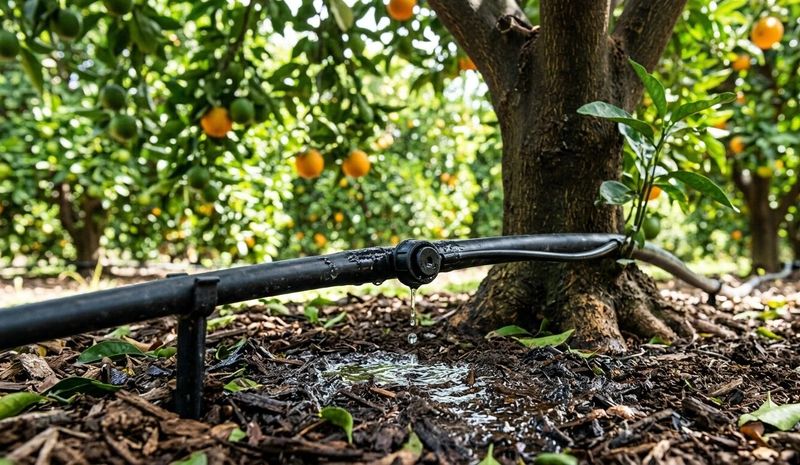
Speed-watering a citrus tree and moving on is a habit worth reconsidering. Citrus trees, especially mature ones growing in Arizona’s sandy or caliche-heavy soils, need water delivered slowly enough to actually soak down to where the roots are working.
A quick blast from a hose rarely accomplishes that, no matter how much water you use.
Caliche, which is that hard white layer of calcium carbonate found in many Arizona soils, can block downward water movement completely.
If your tree is sitting above a caliche layer, fast watering just pools on top and runs off rather than penetrating.
Slow irrigation over a longer period gives water time to find pathways through or around those barriers.
Drip irrigation set to run for 45 minutes to over an hour at a slow rate tends to outperform short high-volume bursts for most citrus situations in Arizona.
The goal is to move moisture down through the full active root zone, which for an established tree can extend 18 inches or deeper depending on soil conditions and tree age.
Watching where water goes during an irrigation session is genuinely useful.
If runoff starts before moisture has had time to soak in, you may need to break the session into two shorter cycles with a pause in between, giving soil time to absorb before more water is added.
7. Rising Temperatures Can Change Watering Needs Fast
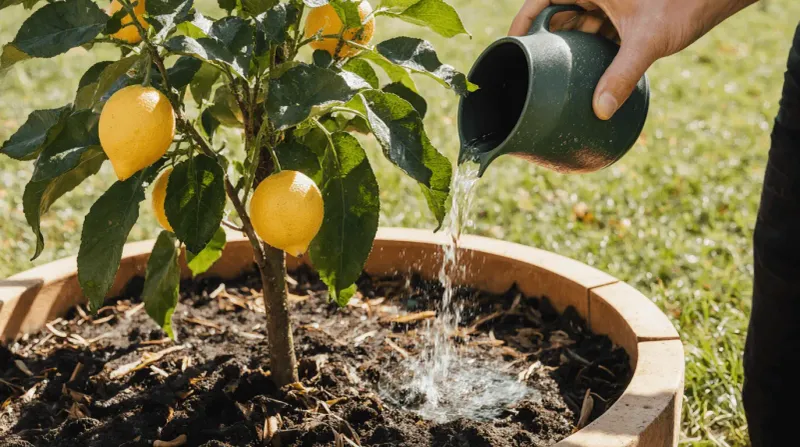
A watering schedule that worked perfectly in March can become completely inadequate by mid-May in Arizona. Temperatures across the state can jump 15 to 20 degrees in just a few weeks during spring, and citrus trees feel every bit of that shift.
What was a comfortable routine for your tree earlier in the season may leave it under-watered and stressed as May heats up.
Evapotranspiration, which is the combined loss of water from soil and from the tree itself, increases significantly as temperatures climb.
A citrus tree in Tucson or Mesa is losing moisture at a much faster rate on a 100-degree day than it was on a 75-degree day in early spring.
Sticking rigidly to an old schedule without adjusting for that change is a setup for visible stress symptoms like leaf curl and fruit drop.
Paying attention to your tree rather than just the calendar is genuinely important. Slight leaf curling in the morning, before afternoon heat arrives, can be an early indicator that water needs have outpaced your current schedule.
Waiting for dramatic symptoms before adjusting means the tree has already been stressed for days or longer.