These Pennsylvania Plants Smother Weeds Without Chemicals
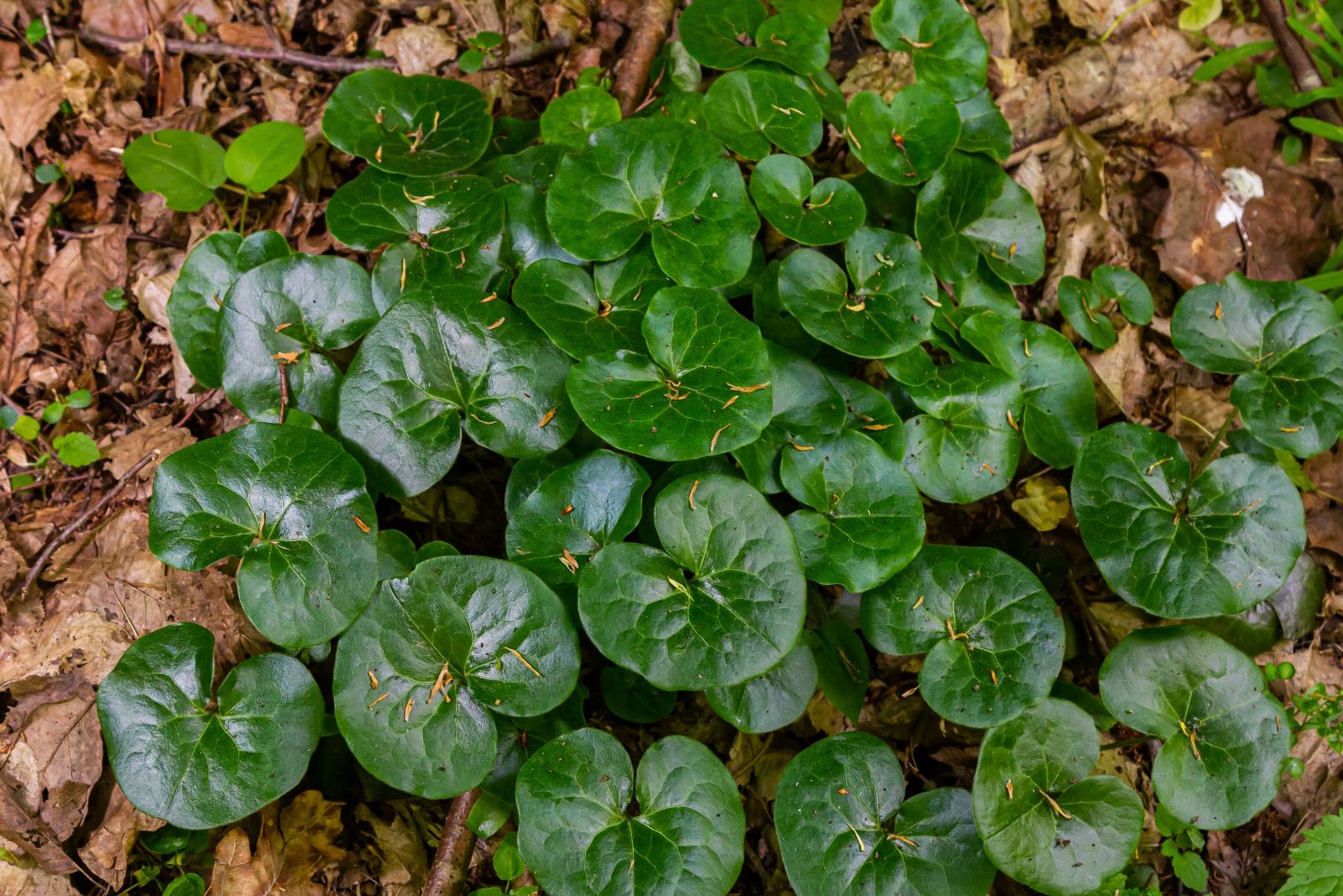
What if the most effective weed control strategy in your Pennsylvania garden didn’t come from a spray bottle at all?
It sounds too simple to be the real answer, but the gardeners who have figured this out will tell you that dense, well-chosen ground-level plants do more to suppress weeds than most chemical treatments manage over the same time period, and they keep doing it season after season without any reapplication or ongoing cost.
Weeds are fundamentally an opportunity problem. They show up where soil is exposed, light is available, and competition is minimal.
Remove those conditions by covering the ground with plants that spread thick and low, and weed seeds simply can’t find what they need to establish.
Pennsylvania’s growing season is long enough for the right plants to create that kind of coverage quickly, and once they’re established, the weed pressure in those areas drops to almost nothing.
These are the Pennsylvania plants worth growing if you want the ground covered and the weeds genuinely outcompeted.
1. Pennsylvania Sedge
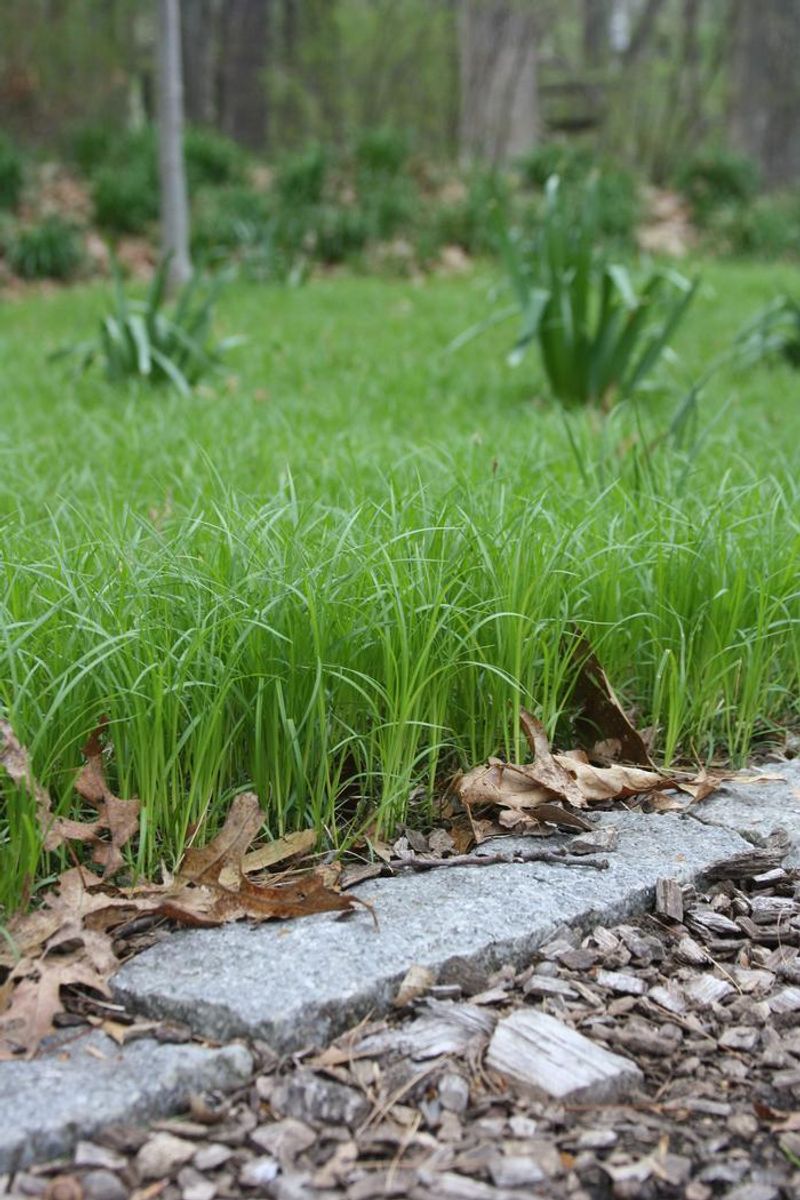
Not every hero looks dramatic, and Pennsylvania Sedge is proof of that. This modest, grass-like plant quietly spreads into thick, low-growing clumps that crowd out weeds before they even get a chance to grow.
It is one of the best-kept secrets among Pennsylvania gardeners who want a natural, chemical-free lawn alternative.
Pennsylvania Sedge (Carex pensylvanica) is actually named after the state, which makes it feel like it was practically born for this job. It thrives in shady spots where traditional grass struggles, making it perfect for woodland gardens or areas under large trees.
The fine, arching blades stay green for most of the year and rarely grow taller than about eight inches.
Because it spreads slowly through underground rhizomes, it fills in gaps gradually and forms a dense mat that leaves little room for weeds to take hold. You do not need to mow it often, and it handles dry shade better than almost any other ground cover in Pennsylvania.
That makes it extremely low-maintenance once it gets established. Planting Pennsylvania Sedge is straightforward. Space plugs about six to twelve inches apart and water them regularly during the first growing season.
After that, the plant largely takes care of itself. It works especially well when paired with other native plants like Wild Ginger or Foamflower to create a layered, weed-resistant garden bed.
If you have been fighting weeds in a shady corner of your Pennsylvania yard, this sedge might be exactly what you need to finally get the upper hand without reaching for a single bottle of herbicide.
2. Wild Ginger
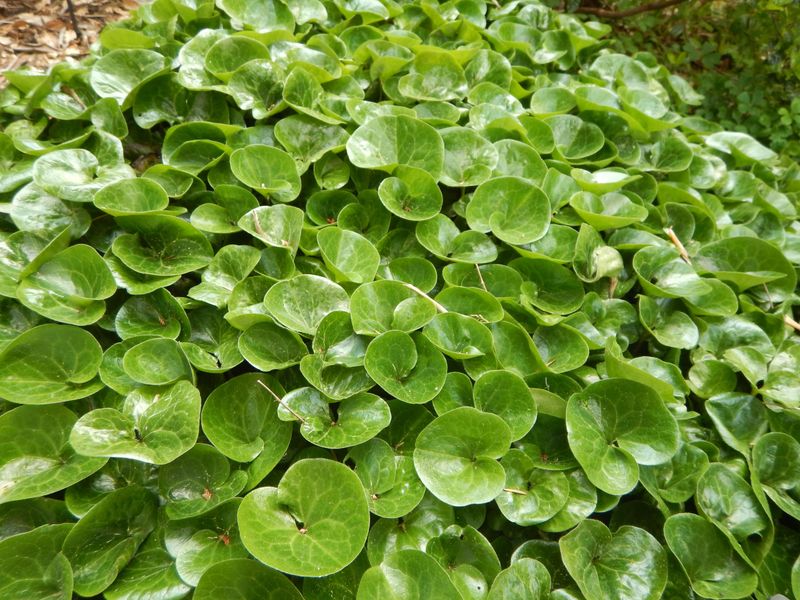
There is something almost magical about Wild Ginger. Walk through a Pennsylvania woodland in spring, and you might spot its broad, velvety leaves carpeting the forest floor in a rich, deep green.
What looks like a simple plant is actually one of nature’s most effective weed blockers. Wild Ginger (Asarum canadense) grows low to the ground and produces large, heart-shaped leaves that overlap each other as the plant spreads.
Your Pennsylvania Garden Changes Every Week. Your Plan Should Too.
Gardening in Pennsylvania changes quickly throughout the season. Every Friday you’ll receive a simple weekly plan showing exactly what to plant, prune, fertilize, harvest, and protect so you never miss the right timing.
That thick leafy canopy shades the soil so well that weed seeds simply cannot get enough light to sprout. Over time, a healthy patch of Wild Ginger becomes nearly impossible for weeds to crack.
This plant loves shade, which makes it a perfect fit for the shaded areas found in many Pennsylvania backyards. It spreads slowly but steadily through underground rhizomes, and once it gets going, it forms an impressive, weed-smothering mat.
You will not need to do much once it is established, just water it during dry spells and let it do its thing.
One fun fact: Wild Ginger does have a ginger-like scent when the leaves are crushed, though it is not the same plant used in cooking.
That scent comes from aromatic compounds in the roots and leaves. It is a cool little detail that makes this plant even more interesting to grow.
Pennsylvania homeowners who have shady slopes or woodland edges will find Wild Ginger to be a reliable, beautiful, and completely chemical-free solution for keeping weeds at bay. Plant it once, and it rewards you for years with almost zero effort required.
3. Creeping Phlox
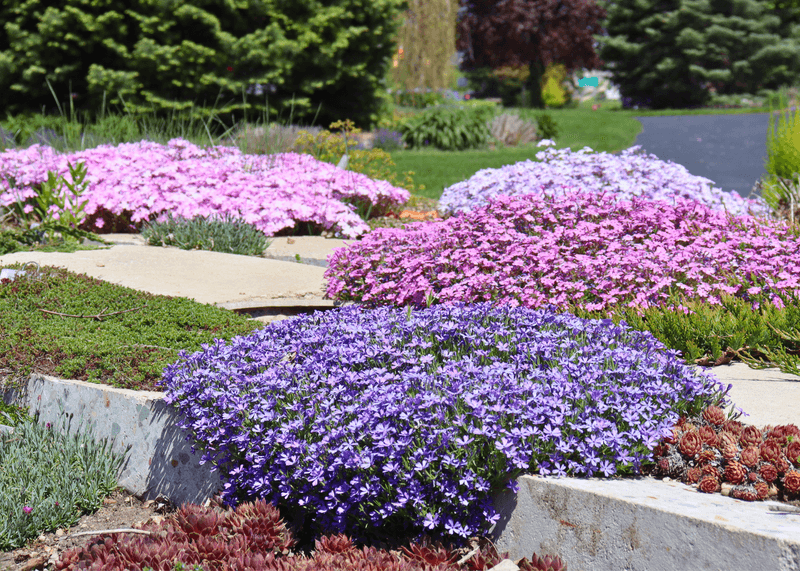
Few plants put on a show quite like Creeping Phlox. Every spring, it explodes into a waterfall of color, covering the ground in pink, purple, white, or lavender blooms.
But beyond its good looks, Creeping Phlox is a seriously hardworking weed fighter that Pennsylvania gardeners absolutely love.
Creeping Phlox (Phlox subulata) forms a dense, low-growing mat that spreads quickly across bare soil in sunny spots. It hugs the ground tightly, leaving almost no space for weeds to squeeze through.
Once it fills in, the coverage is so thick that even stubborn weeds have a hard time getting started. That makes it one of the most reliable choices for sunny slopes, rock gardens, and garden borders across Pennsylvania.
This plant is also incredibly tough. It handles dry conditions, poor soil, and full sun without much complaint.
You do not need to fertilize it heavily or water it constantly. After the first season, Creeping Phlox becomes largely self-sufficient, spreading a little more each year and keeping your soil covered without any chemical help.
After the spring bloom fades, the needle-like evergreen foliage stays in place year-round. That means your soil stays covered even in fall and winter, which is when many weeds try to sneak in. The plant essentially works as a living mulch through every season.
If you have a sunny, bare patch in your Pennsylvania yard that keeps filling up with weeds, Creeping Phlox is one of the smartest and most colorful fixes you can plant. It earns its place in the garden every single year.
4. Foamflower
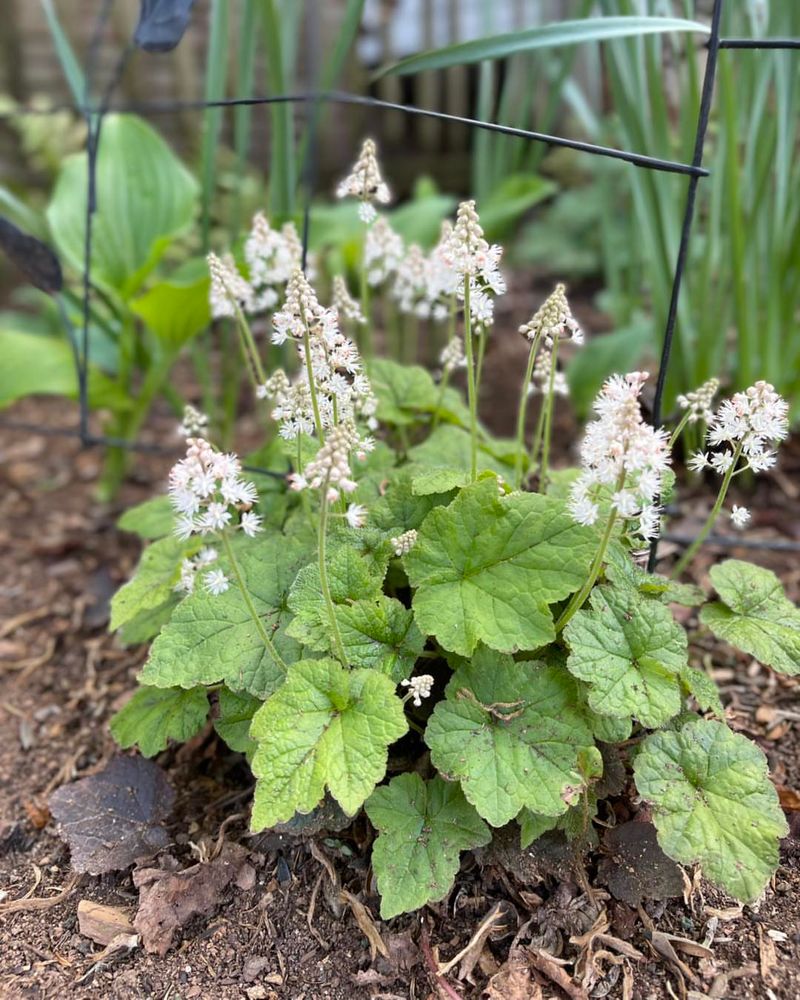
Walk into a shaded Pennsylvania garden in late spring, and Foamflower will stop you in your tracks. Its frothy white flower spikes rise above a carpet of deeply lobed leaves, creating a look that is both elegant and wildly effective at keeping weeds out of the picture.
Foamflower (Tiarella cordifolia) is a native perennial that spreads steadily through woodland beds using runners called stolons. As it spreads, it creates a thick, leafy mat that covers bare soil and blocks out the light that weed seeds need to germinate.
The result is a garden bed that stays clean and weed-free with very little effort on your part.
One of the best things about Foamflower is how well it handles the conditions found in many Pennsylvania backyards. It loves shade and moist, rich soil, which describes a lot of the woodland edges and garden beds throughout the state.
It pairs beautifully with Wild Ginger and Pennsylvania Sedge, and together these plants create a layered, weed-resistant ground cover system that looks completely natural.
Foamflower also provides wildlife value. Pollinators like native bees visit the flowers in spring, and the dense foliage offers shelter for small ground-dwelling insects.
So while it is busy blocking weeds, it is also supporting the local ecosystem in Pennsylvania, which is always a bonus.
Caring for Foamflower is simple. Keep the soil moist during establishment, divide clumps every few years to keep them vigorous, and enjoy watching it fill in your garden beds season after season without a single weed pulling session needed.
5. Green-And-Gold
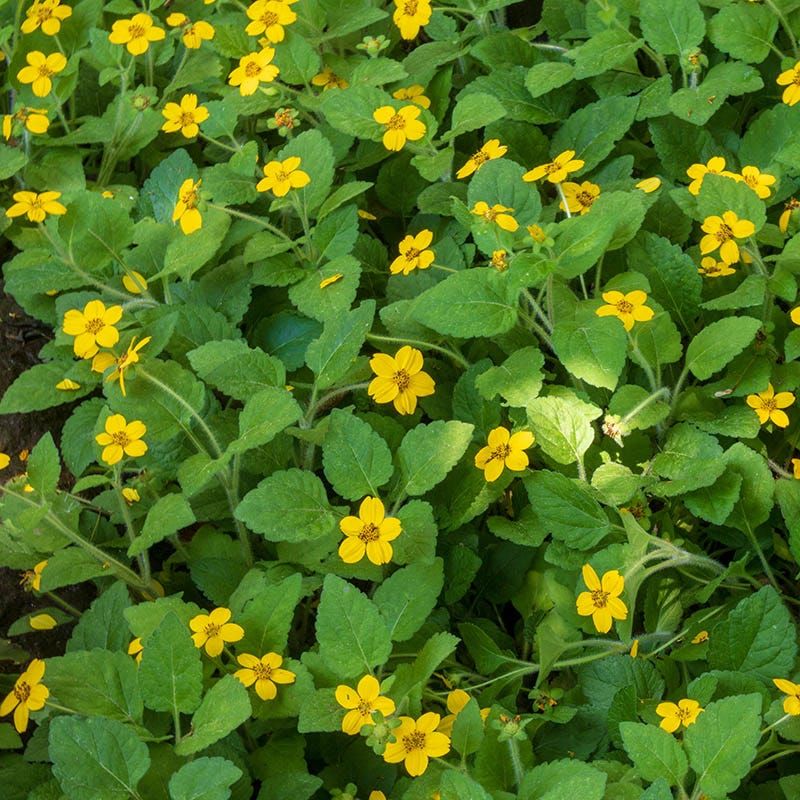
Some plants just have a personality that makes you smile, and Green-and-Gold is one of them.
Its cheerful yellow flowers pop up against a backdrop of dark green leaves from spring through fall, brightening up any garden while quietly doing the serious work of crowding out weeds.
Green-and-Gold (Chrysogonum virginianum) is a low-growing native plant that works incredibly well in Pennsylvania gardens. It fills in gaps between other plants quickly and competes aggressively against weeds, leaving little open soil for anything unwanted to take root.
The plant stays low, usually reaching only about six to nine inches tall, which makes it a great option for borders, pathways, and shaded garden beds.
What really sets Green-and-Gold apart is its long blooming season. While most ground covers offer foliage alone, this plant keeps producing flowers from spring all the way into autumn in many parts of Pennsylvania.
That extended bloom time also attracts native pollinators, adding even more value to your garden beyond just weed control.
Green-and-Gold handles both sun and partial shade, which gives it a lot of flexibility in the garden. It spreads through stolons and self-seeding, gradually expanding to fill whatever space you give it.
Once established, it is remarkably drought-tolerant and requires almost no extra care to keep it healthy and spreading.
Pennsylvania gardeners who struggle with patchy, weedy areas between larger plants will find Green-and-Gold to be a reliable filler that brings color, coverage, and wildlife value all in one package. It is one of those plants that works harder than it looks.
6. Christmas Fern
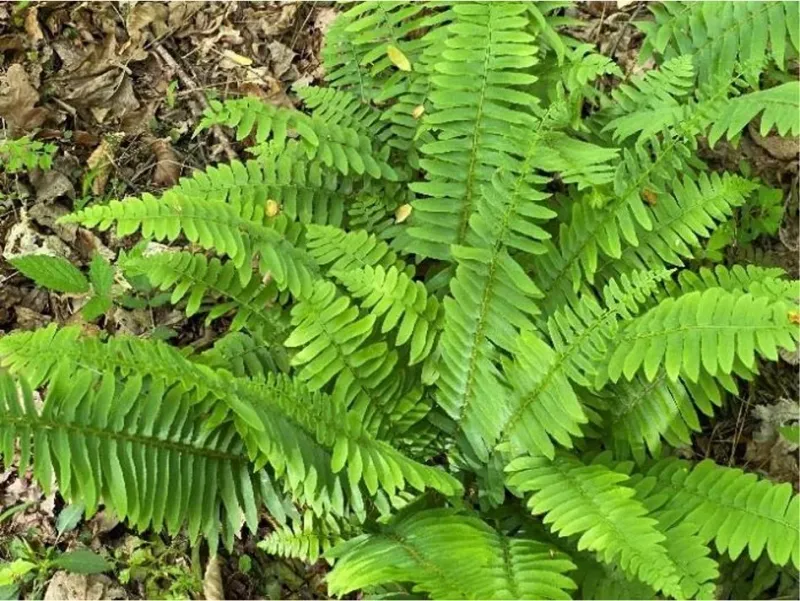
If you have ever noticed a cluster of dark, glossy green fronds thriving in the middle of winter while everything else looks bare and brown, you have probably spotted a Christmas Fern.
This tough native plant earned its name because its fronds stay green through the holiday season, and that year-round coverage is exactly what makes it such a powerful weed blocker.
Christmas Fern (Polystichum acrostichoides) grows in dense, arching clumps that spread outward and press down on the soil beneath them. That physical coverage reduces the open soil space where weeds love to sprout.
In Pennsylvania, where winters can be long and spring weeds are quick to emerge, having a plant that stays active and covering the ground year-round is a huge advantage.
This fern thrives in shaded areas with moist, well-drained soil, conditions that are common throughout much of Pennsylvania. It grows well on slopes and hillsides, where its root system also helps prevent erosion.
That makes it a practical choice not just for weed control but for stabilizing tricky terrain in your yard.
Christmas Fern is also extremely long-lived. Once established, a single clump can persist for decades with almost no maintenance required.
You do not need to fertilize it, spray it, or fuss over it. Just plant it in the right spot, water it through its first summer, and let it settle in for the long haul.
For Pennsylvania homeowners who want a dependable, beautiful, and completely hands-off approach to weed suppression, Christmas Fern delivers steady results through every season of the year without fail.