The Most Useful Native Tree You Can Plant In Texas
Texas has no shortage of impressive native trees, but every once in a while a single species rises above the rest in a way that’s hard to argue with.
It shows up in the oldest neighborhoods and the newest developments, along highways and in carefully designed landscapes, in backyards that have been gardened for generations and in yards where someone just made their very first planting decision.
Its presence across the Texas landscape isn’t accidental – it’s the result of a tree that genuinely delivers on every level that matters to a homeowner or gardener.
The most useful native tree you can plant in Texas earns that title through a combination of shade production, wildlife value, drought tolerance, longevity, and a deep-rooted connection to the ecosystem that imported ornamental trees simply cannot replicate.
It supports hundreds of species of insects, birds, and wildlife while providing the kind of structural presence in a landscape that takes decades to build with anything else. Plant one and you’re making a decision your property will benefit from for generations.
Live Oak Is The Most Useful Native Tree In Texas
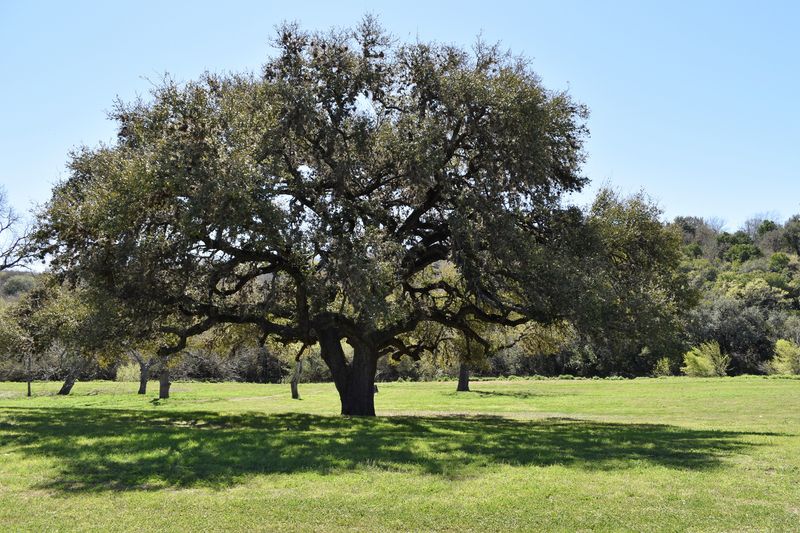
If you could only plant one tree in your yard, live oak would be hard to beat.
This tough, beautiful native tree has been growing across Texas for thousands of years, and it still earns its place in modern landscapes today.
From beating the summer heat to feeding local wildlife, live oak does it all.
Whether you live in Austin or Houston, or anywhere across the Lone Star State, planting a live oak is one of the smartest decisions you can make for your yard and the environment around you.
It Creates Valuable Shade During Extreme Heat
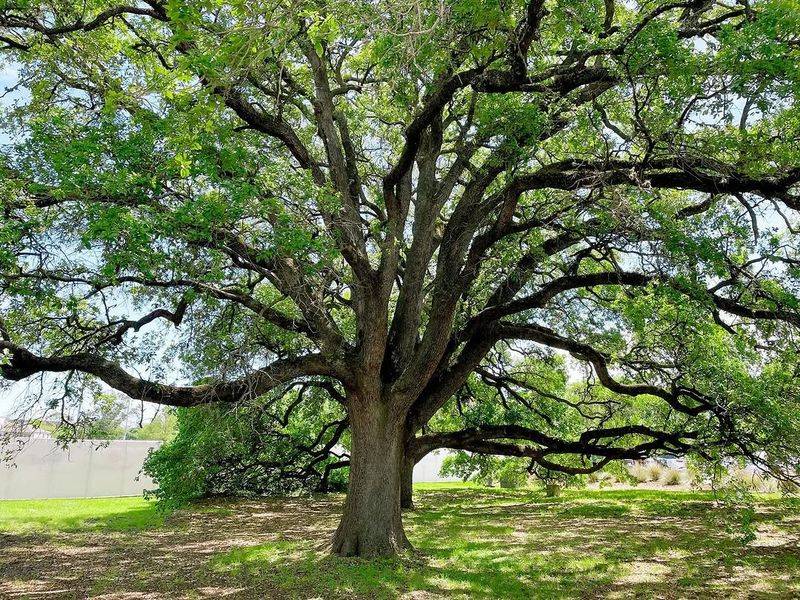
Walk outside on a July afternoon in Texas, and you will understand why shade is not a luxury. It is a necessity.
Temperatures in cities like Dallas, Austin, and San Antonio regularly climb past 100 degrees Fahrenheit during summer. A well-placed live oak can make your yard feel like a completely different world.
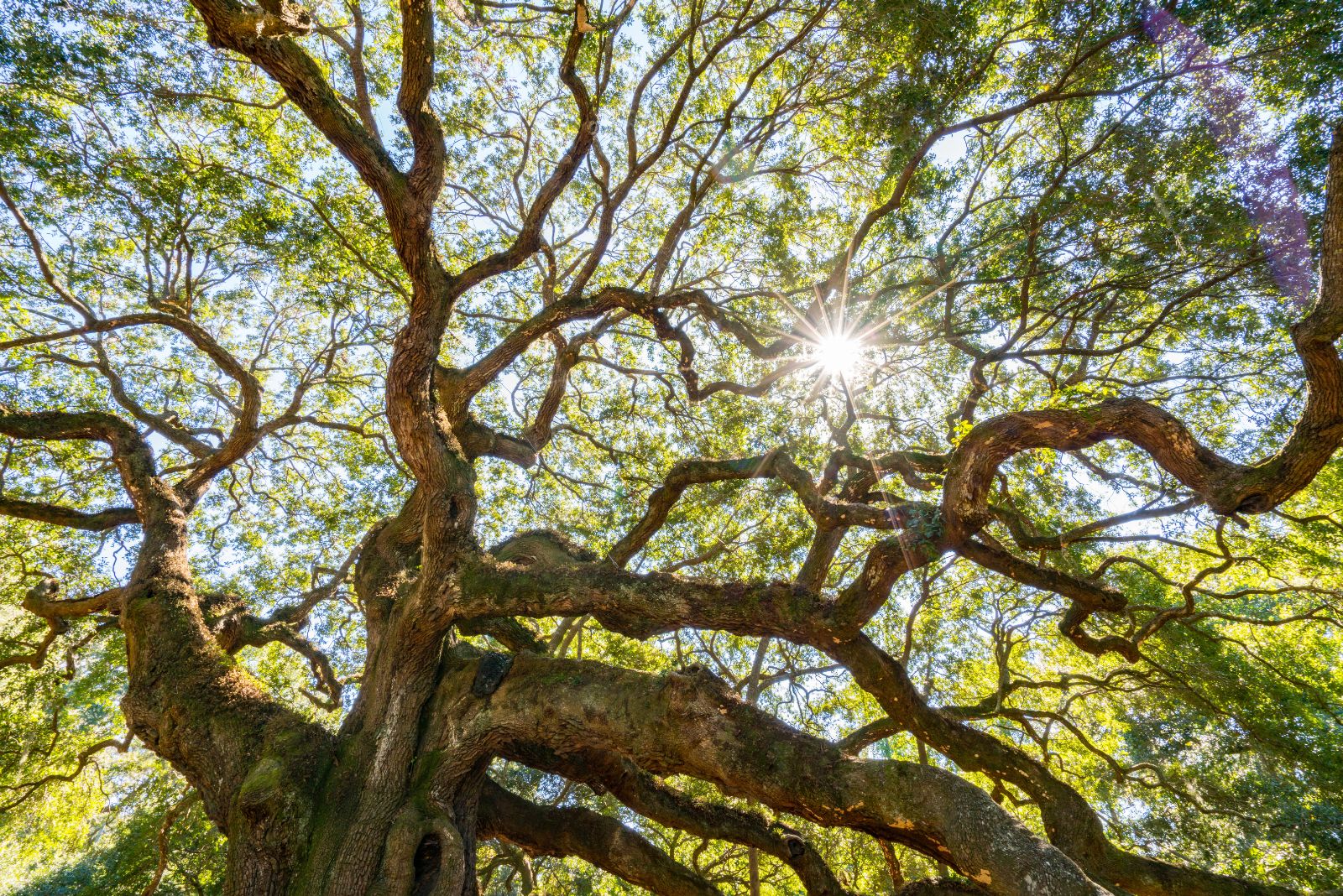
Live oaks grow wide, spreading canopies that can stretch 50 to 80 feet across at full maturity. That thick layer of evergreen leaves blocks direct sunlight from hitting your lawn, patio, and even your home.
Less direct sun means cooler ground temperatures, which makes outdoor activities far more comfortable during those brutal summers.
Planting a live oak on the south or west side of your home is especially smart. Those are the sides that take the most punishment from the afternoon sun.
When the tree matures, it creates a natural sunscreen that shades your walls and windows. This can noticeably reduce indoor temperatures without running your air conditioner as hard.
Beyond comfort, shade from live oaks protects garden plants that struggle in full sun. Hostas, ferns, and other shade-loving plants thrive underneath a live oak canopy. The tree basically creates its own little ecosystem below its branches.
Unlike many fast-growing shade trees that turn brittle with age, live oak builds strong, dense wood over time. It handles wind and storms far better than weaker alternatives.
Your Texas Garden Changes Every Week. Your Plan Should Too.
Gardening in Texas changes quickly throughout the season. Every Friday you’ll receive a simple weekly plan showing exactly what to plant, prune, fertilize, harvest, and protect so you never miss the right timing.
You get reliable, lasting shade that grows better every single year you leave it in the ground.
It Handles Drought Better Than Many Other Shade Trees
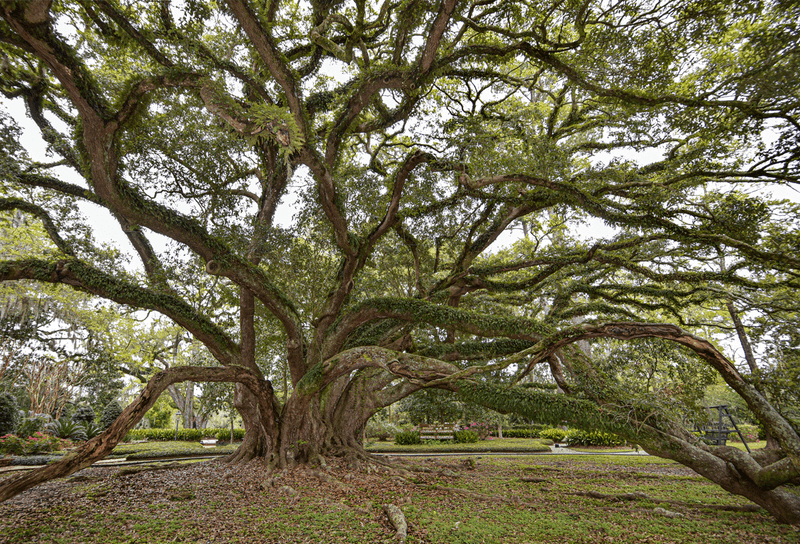
Texas weather is unpredictable. One season might bring flooding rains, and the next could bring months of dry, cracked earth.
Many trees struggle to survive those swings, but live oak was practically built for it. This tree has been rooted in Texas soil for thousands of years, and it knows how to handle the tough times.
The secret is underground. Live oaks develop incredibly deep and wide root systems. Those roots reach far into the soil to find water that other trees simply cannot access.
Once a live oak gets established, usually within the first two to three years after planting, it needs very little extra watering from you.
Non-native trees planted across Texas often require regular irrigation just to survive the summer. That means higher water bills and more work for you.
A live oak flips that equation. After the establishment period, you can mostly let it do its own thing, even during extended dry spells that hit central and west Texas hard.
Native trees like live oak have adapted over centuries to the specific rainfall patterns, soil types, and temperature extremes found across the state.
That adaptation is not something you can buy or manufacture. It is earned through generations of growth in Texas conditions.
Choosing a drought-tolerant native tree is also a responsible choice for water conservation. Texas communities face real water challenges, and every yard that plants a low-water tree makes a small but meaningful difference.
Live oak gives you all the beauty and function of a large shade tree without the heavy water demands of many alternatives.
It Supports Texas Wildlife
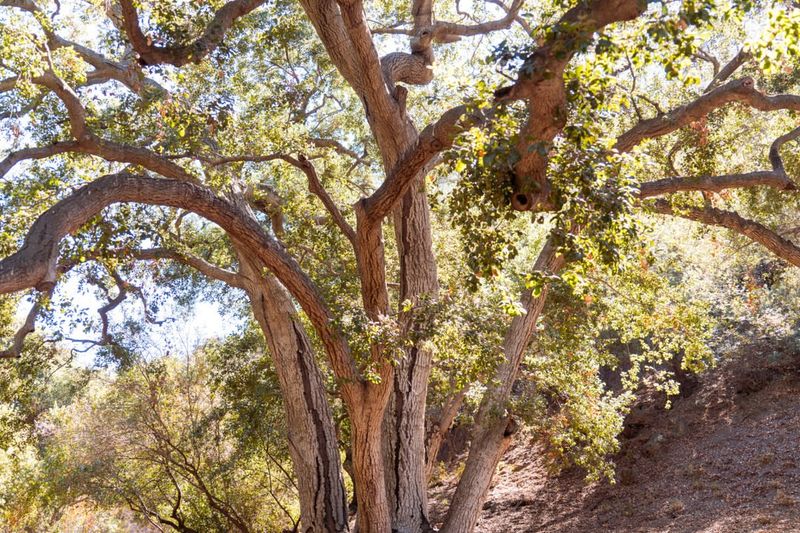
Some trees are just pretty to look at. Live oak is different. It is an active, living habitat that feeds and shelters dozens of species found across Texas.
If you care about birds, butterflies, or beneficial insects, planting a live oak is one of the best things you can do for your local ecosystem.
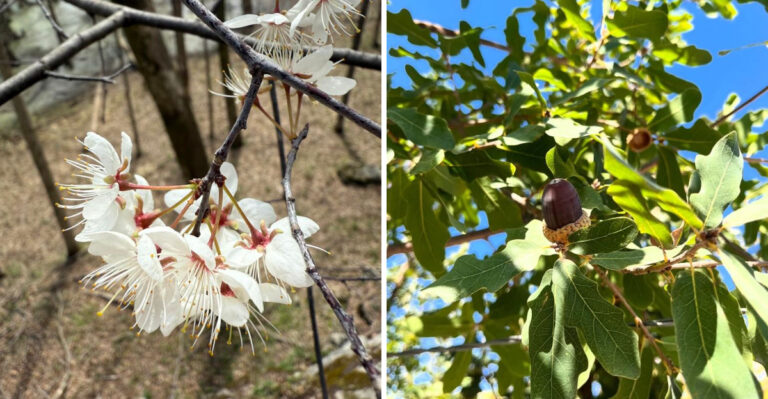
Acorns are the big story here. Live oaks produce acorns every fall, and those small nuts are a critical food source for white-tailed deer, wild turkeys, squirrels, and many songbirds.
In parts of Texas where natural habitat has been replaced by development, a single live oak in a suburban yard can become a genuine wildlife lifeline.
The tree also supports hundreds of insect species, including many that are beneficial to your garden. Caterpillars of several native butterfly and moth species feed on live oak leaves.
Those caterpillars then become food for nesting birds trying to feed their young. The whole food chain connects right there in your backyard.
Beyond insects and birds, live oaks provide strong nesting sites. The wide, horizontal branches are perfect for squirrels and cavity-nesting birds.
Larger, older trees develop rough bark textures that offer hiding spots for small lizards and beneficial spiders that keep pest populations in check.
Texas is home to incredible biodiversity, but that biodiversity depends on native plants doing their part. A non-native ornamental tree might look nice, but it often offers very little to local wildlife.
Live oak pulls its weight in a way that few other trees can match, making your yard a true piece of the ecosystem.
It Requires Less Maintenance Than Many Non-Native Trees
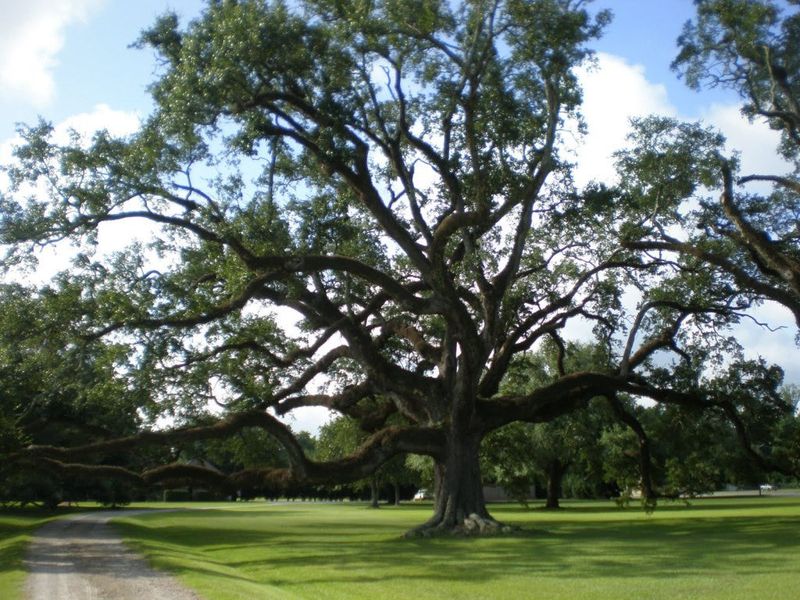
Nobody wants a tree that creates more work than it is worth. Constant watering, frequent pruning, pest problems, and disease issues can turn a beautiful tree into a frustrating chore.
Live oak sidesteps most of those headaches because it evolved right here in Texas and knows how to take care of itself.
Once established, live oak needs very little supplemental watering. That alone saves homeowners significant time and money each year.
Compare that to many popular non-native shade trees that need regular irrigation, fertilizer applications, and careful monitoring just to stay healthy through summer.
Live oaks are also naturally resistant to many of the pests and diseases that plague non-native trees in Texas. They have co-evolved with local insects and fungi over thousands of years.
While no tree is completely immune to problems, live oaks tend to bounce back from stress far better than trees that were never meant to grow in this climate.
Pruning needs are minimal compared to many alternatives. Live oak grows at a steady, manageable pace.
You will not find yourself constantly cutting back aggressive new growth or dealing with branches that snap under their own weight. The wood is dense and strong, which means fewer storm-related cleanup jobs after those wild thunderstorms roll through.
Leaf cleanup is one area that surprises new live oak owners. Unlike deciduous trees, live oaks drop their old leaves in late winter and early spring rather than all at once in fall.
The drop happens quickly and is easily managed. For most homeowners, the minor seasonal cleanup is a small price to pay for everything this tree delivers.
It Adds Long-Term Property Value
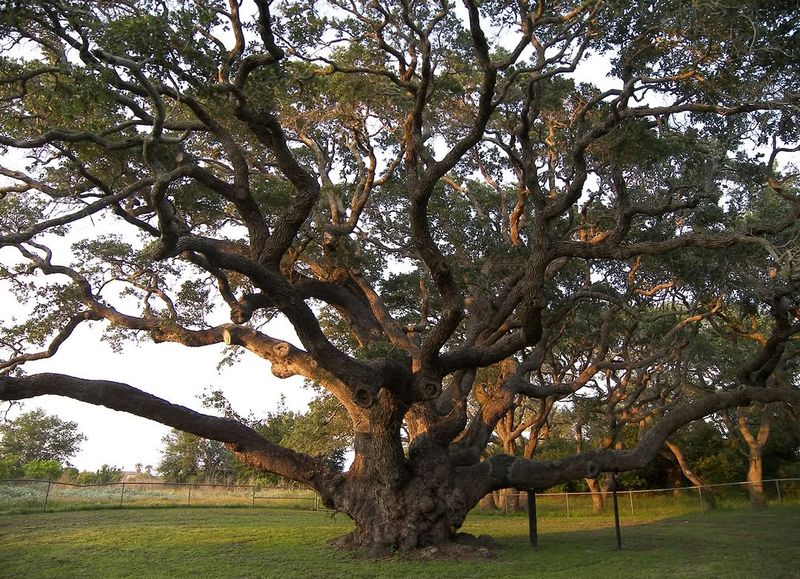
Real estate agents in Texas will tell you the same thing: mature trees sell homes. A large, healthy live oak in your front yard is not just landscaping.
It is a selling point that buyers notice before they even walk through the front door. In competitive markets like Austin, Houston, and San Antonio, a mature live oak can meaningfully boost your home’s appraised value.
Studies have shown that mature shade trees can add anywhere from five to fifteen percent to a property’s market value.
That is a significant return on investment for something that costs relatively little to plant and costs almost nothing to maintain once it gets going. Few other landscaping choices offer that kind of long-term financial payoff.
Energy savings are another financial benefit worth considering. A live oak planted on the south or west side of your home creates natural shade that reduces the amount of work your air conditioner has to do.
In Texas, where summer cooling costs can be enormous, that shade translates directly into lower monthly utility bills year after year.
Curb appeal is hard to put a number on, but buyers respond to it emotionally. A home shaded by a grand live oak looks established, cared for, and inviting.
It signals that the property has deep roots, literally and figuratively, which makes a strong first impression on anyone driving by.
Live oaks planted today can grow for 500 years or longer. That kind of staying power is rare in any investment.
Planting one in your yard is a gift to yourself, your family, and every future owner of the property for generations to come.
It Is A Living Piece Of Texas Heritage
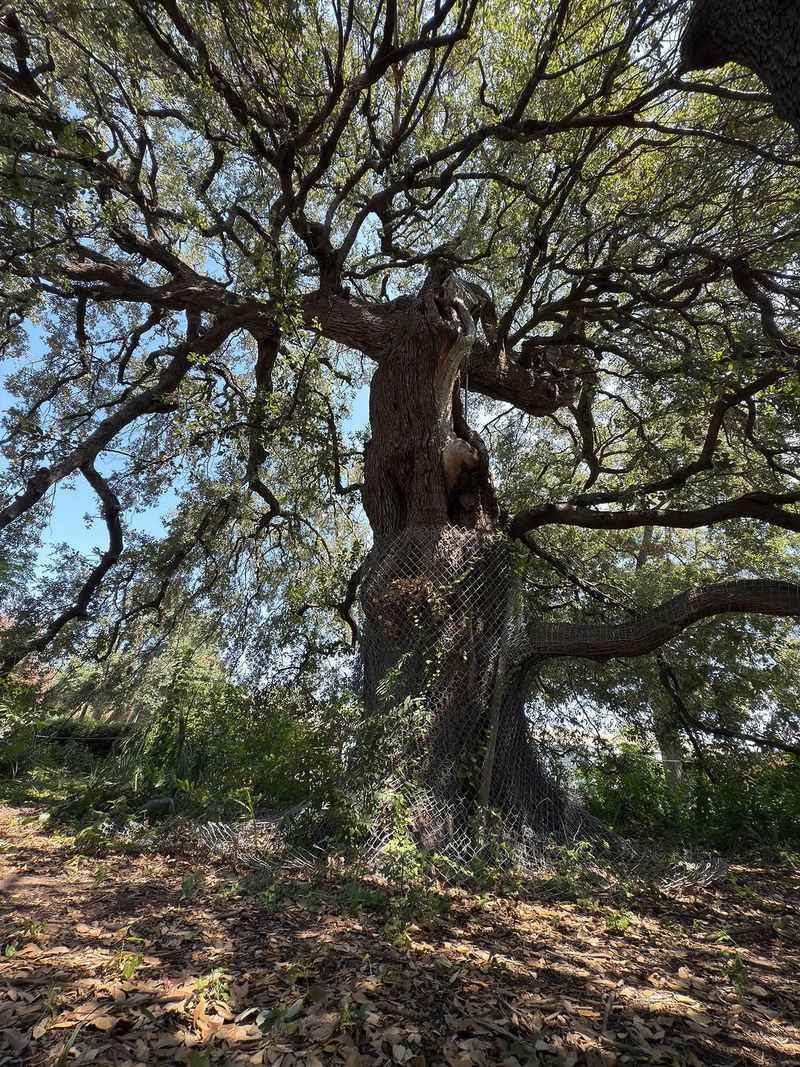
There is something deeply meaningful about planting a tree that has shaped the identity of a place for centuries. Live oak is not just a tree in Texas.
It is a symbol. From the famous Treaty Oak in Austin to the sprawling giants that line old plantation roads in East Texas, live oaks have witnessed Texas history from the very beginning.
Indigenous peoples across Texas relied on live oaks long before European settlers arrived. Acorns were processed into food.
The dense wood was used for tools and fuel. The shade provided gathering places during scorching summers.
When you plant a live oak today, you are continuing a relationship between people and this land that stretches back thousands of years.
Texas has a strong culture of pride in its land, its history, and its natural resources. Live oak fits perfectly into that identity.
It is tough, independent, deeply rooted, and built to last. Those qualities resonate with people who call Texas home, and they make live oak more than just a practical landscaping choice.
Schools, parks, and public spaces across Texas plant live oaks to mark significant moments and honor important figures. The tree carries a sense of permanence and dignity that few other plants can match.
When you add one to your yard, you are joining a long tradition of Texans who understood what this tree means to the land.
Planting a live oak is an act of optimism. You are investing in something that will outlive you and keep giving back to the soil, the wildlife, and the people of Texas for a very long time. That is a legacy worth leaving behind.