7 Vegetables Florida Gardeners Plant In May That Almost Never Work Out (And Better Swaps)
Nobody wants to hear it, but May is a brutal month to be a vegetable in Florida. The heat index is already punishing, the humidity is off the charts, and most of the vegetables that work beautifully up north in summer?
They’ll throw in the towel on you faster than you can say “crop failure.”
Yet every May, well-meaning gardeners across the state push tomatoes back in the ground, tuck in some peppers, and cross their fingers like this year will somehow be different.
It won’t.
Florida doesn’t care about your optimism. The good news is you don’t have to sit out the season with an empty garden.
You just have to stop fighting the climate and start working with it. Some vegetables were practically built for this heat and humidity.
So before you waste another dollar on plants that never stood a chance, let’s talk about what to ditch and what to grow instead.
1. Skip Lettuce And Grow Malabar Spinach
Most gardeners who try lettuce in May end up with a bitter, bolted mess within two to three weeks. Lettuce is a cool-season crop that simply was not built for these summers.
Once daytime temperatures push into the upper 80s and nights stay above 70 degrees, lettuce shifts its energy from producing leaves to producing seeds. That process, called bolting, makes the leaves tough, intensely bitter, and basically inedible.
You may notice the center of the plant shooting upward quickly, leaves curling or turning pale, and the whole plant looking stressed even with regular watering. Sandy soil dries fast, and lettuce roots are shallow, which makes heat stress happen even faster.
No amount of shade cloth or extra watering fully fixes the problem once May temperatures settle in.
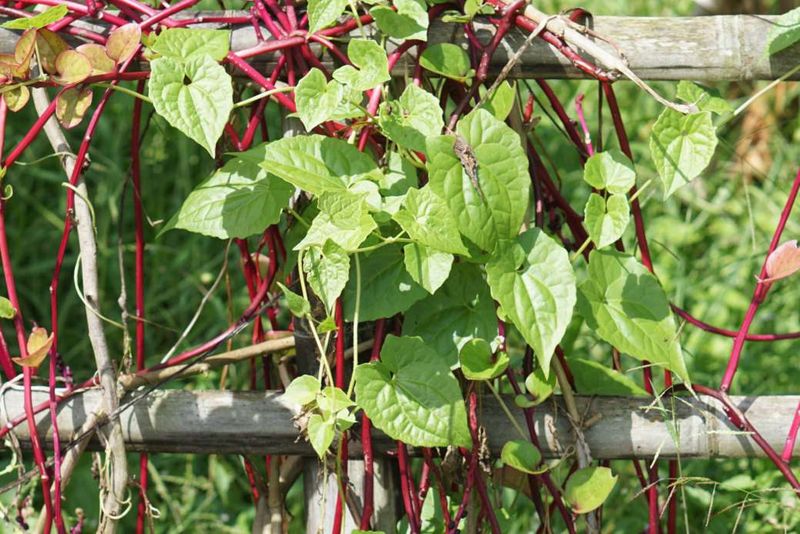
Malabar spinach is the smarter swap for warm-season leafy greens. Despite the name, it is not related to true spinach at all.
It is a tropical vine that actually loves heat and humidity, producing thick, glossy, edible leaves from late spring straight through summer. The flavor is mild with a slight earthiness, and the leaves hold up well in stir-fries, soups, and sauteed dishes.
Give Malabar spinach a sturdy trellis or fence to climb. Without support, the vines sprawl and become harder to manage and harvest.
Plant it in a spot with full sun and keep the soil consistently moist, especially during dry spells before the rainy season kicks in.
Once established, it is surprisingly tough and productive, filling the leafy green gap that cool-season crops cannot cover in summer gardens.
2. Replace Spinach With Sweet Potato Greens
Planting true spinach in May is a gamble that almost never pays off here. Spinach is a cool-weather crop that performs best when soil temperatures stay below 70 degrees.
By May, the soil is already well above that threshold, and germination becomes unreliable.
Seeds may sprout weakly or not at all, and any plants that do emerge tend to bolt fast, producing spindly stems and leaves with little flavor or substance.
Your Florida Garden Changes Every Week. Your Plan Should Too.
Gardening in Florida changes quickly throughout the season. Every Friday you’ll receive a simple weekly plan showing exactly what to plant, prune, fertilize, harvest, and protect so you never miss the right timing.
Gardeners often notice poor germination rates, yellowing seedlings, and plants that seem to stall out no matter how much they water. The warm nights are especially hard on spinach because the plant never gets the cool recovery period it needs.
Adding fertilizer or adjusting watering schedules rarely saves a spinach planting that goes in too late in the calendar.
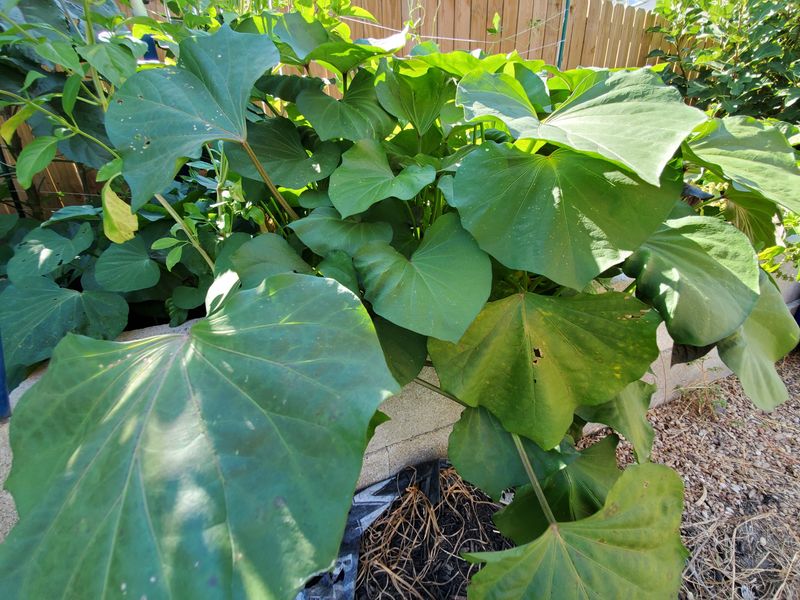
Sweet potato greens are one of the most underappreciated leafy vegetables for summers.
The tender young leaves and vine tips are edible, nutritious, and genuinely tasty when sauteed with garlic or added to soups and stir-fries.
Sweet potato vines handle heat, humidity, and even brief dry spells with ease, making them a reliable summer green when almost nothing else cooperates.
The key to harvesting sweet potato greens is to pick young leaves and the top few inches of new vine growth regularly. Avoid stripping entire vines bare, since the plant needs foliage to support the roots developing underground.
Regular light harvesting actually encourages bushier, more productive growth.
Plant slips in full sun, water consistently while plants are getting established, and mulch around the base to keep moisture in the soil through hottest weeks.
3. Avoid Broccoli And Plant Okra
Broccoli belongs to fall and winter garden, not the May planting calendar. By the time May arrives, temperatures are already too high for broccoli to form the tight, dense heads that make it worth growing.
Broccoli needs a long stretch of mild, stable weather to develop properly.
Rapidly warming spring cuts that window short, and most May plantings end up producing loose, scattered florets, with no heads at all. Many plants put all their energy into flowering instead of forming edible crowns.
Pest pressure makes things worse. Caterpillars, aphids, and whiteflies all become more active as temperatures rise, and broccoli is one of their favorite targets.
A struggling plant in warm weather attracts more pest damage than a healthy cool-season planting ever would. The combination of heat stress and insect pressure makes May broccoli one of the most discouraging vegetables a gardener can attempt.
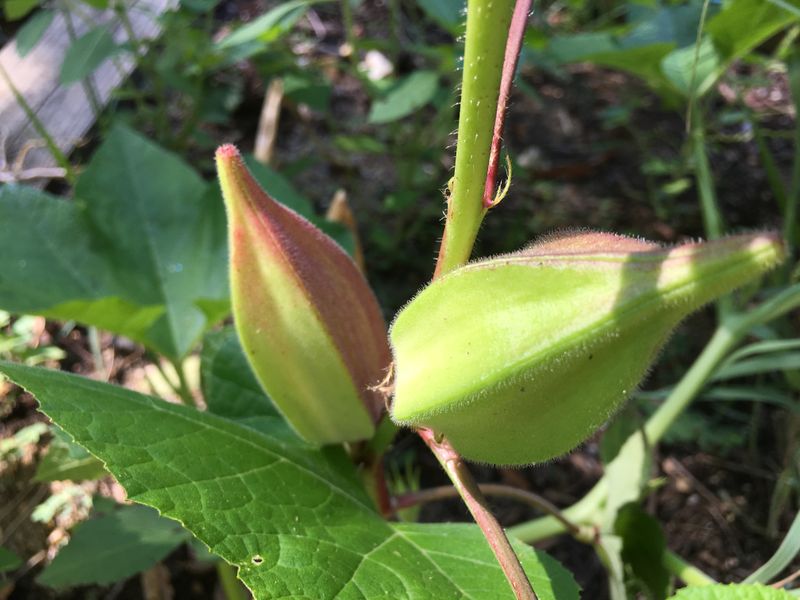
Okra thrives exactly where broccoli fails. It loves heat, tolerates humidity, and keeps producing pods through the hottest summers.
Plants grow fast once temperatures are consistently warm, and a single row of okra can supply a steady harvest for months. The pods are best picked when they are two to four inches long and still tender.
Left too long on the plant, pods become woody and fibrous.
Harvest okra every day or two during peak production because pods grow surprisingly fast in summer heat. Wear gloves and long sleeves when harvesting since the plants have fine spines that can irritate skin.
Plant okra in full sun with good drainage, space plants about 18 inches apart, and water deeply but allow soil to dry slightly between waterings to encourage stronger roots.
4. Stop Starting Peas And Try Southern Peas
English peas and snow peas have a loyal following among gardeners who grew up in cooler climates, but May conditions turn them into a frustrating experiment. Both types prefer cool weather, and they perform well in Florida only during the fall and winter months.
Starting them in May means planting into soil that is already too warm, with air temperatures that climb higher every week.
Germination may be spotty, and young plants that do emerge often look healthy for a short time before fading fast once nights stay warm.
The telltale signs of failure come quickly. Plants may stop flowering, produce empty pods, or simply stop growing and decline.
The warm nights rob peas of the recovery period they need. The combination of heat and humidity can bring on powdery mildew and other fungal issues that finish off weakened plants.
No amount of extra care turns May into a good season for traditional peas in most parts of the state.
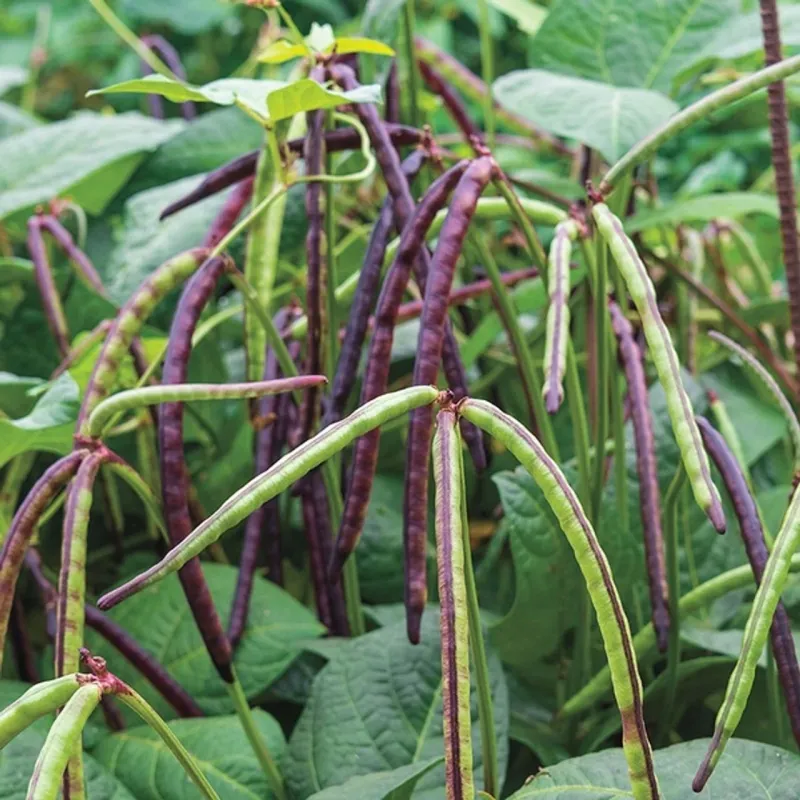
Southern peas – including cowpeas, black-eyed peas, crowder peas, and field peas – were practically built for our summers. They handle heat and humidity with ease, fix nitrogen in the soil as they grow, and produce reliable harvests even through the hottest months.
Southern peas are a staple of traditional Southern gardens for good reason, and our summer climate suits them well.
Vining types need a fence, trellis, or support to climb, which also improves air circulation and makes harvesting easier. Bush types work well in smaller beds.
Plant seeds directly in the ground in full sun, water consistently until established, and then let the plants grow with minimal fuss. Southern peas are not heavy feeders and generally perform well in sandy soil without a lot of amendment.
5. Skip Radishes And Keep Established Eggplant Going
Radishes are one of the fastest-growing vegetables in the garden, which makes them tempting to plant almost any time. In cooler seasons, they live up to that reputation.
But in May heat, radishes go sideways fast. The roots become pithy, cracked, and sharp-tasting before they ever reach a usable size.
Long days and warm soil push radishes toward flowering instead of root development, and the eating quality drops sharply within days of the roots beginning to form.
Gardeners planting radishes in May often pull them up and find hollow, woody, or oddly shaped roots with a harsh bite that bears little resemblance to the crisp radishes.
The problem is not poor soil or bad technique – it is simply the wrong crop for the season.
Radishes belong in fall, winter, and early spring garden, where cool soil and shorter days let roots develop slowly and properly.
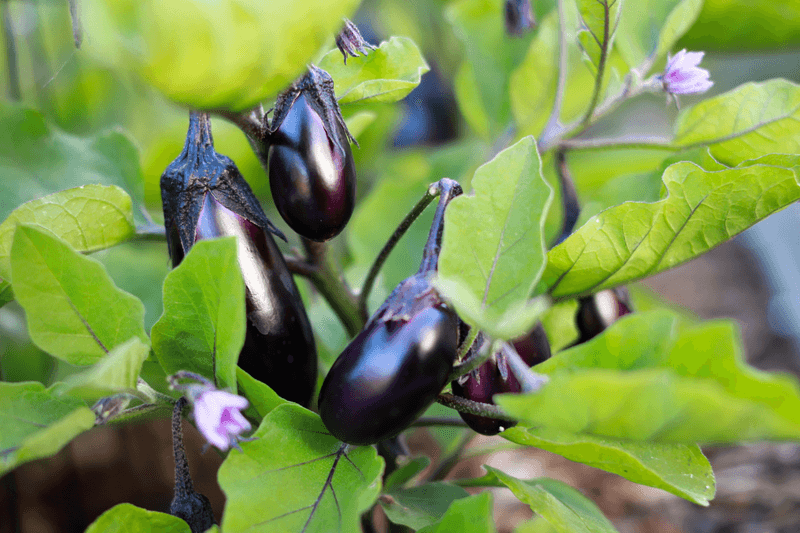
Eggplant is one of the best May swaps for sunny garden beds. It handles heat far better than most vegetables, thrives in full sun, and produces fruit steadily through summer and into fall.
There are many varieties suited to Florida gardens, including long Asian types and the classic Italian globe shapes. Eggplant plants take a few weeks to get established, but once they are growing well, they reward consistent care with a long harvest season.
Water eggplant consistently and deeply, since uneven moisture can cause poor fruit development. Watch for flea beetles, which leave tiny holes in the leaves and are common in summer gardens.
Row cover or insecticidal soap can help manage them early. Space plants about 24 inches apart, mulch the base to retain moisture, and harvest fruit while the skin is still glossy and firm for the best flavor and texture.
6. Skip Cilantro And Grow Basil
Cilantro is one of those herbs that seems like it should grow anywhere, but May heat exposes its limitations quickly. The moment temperatures start climbing consistently into the mid-80s, cilantro shifts into bolt mode.
The plant rushes to produce flowers and seeds, which is its natural response to heat and long days. Once bolting starts, the leaves become sparse, feathery, and much weaker in flavor.
The window between planting and harvest can shrink to just a couple of weeks in May.
Even with shade cloth or extra watering, cilantro rarely holds on long enough to provide a satisfying harvest in late spring and summer conditions.
Gardeners who keep replanting it every few weeks find themselves in a constant battle against the heat rather than enjoying a productive herb garden.
Cilantro is genuinely better suited to cooler months, roughly October through March, when it grows steadily and stays leafy much longer.
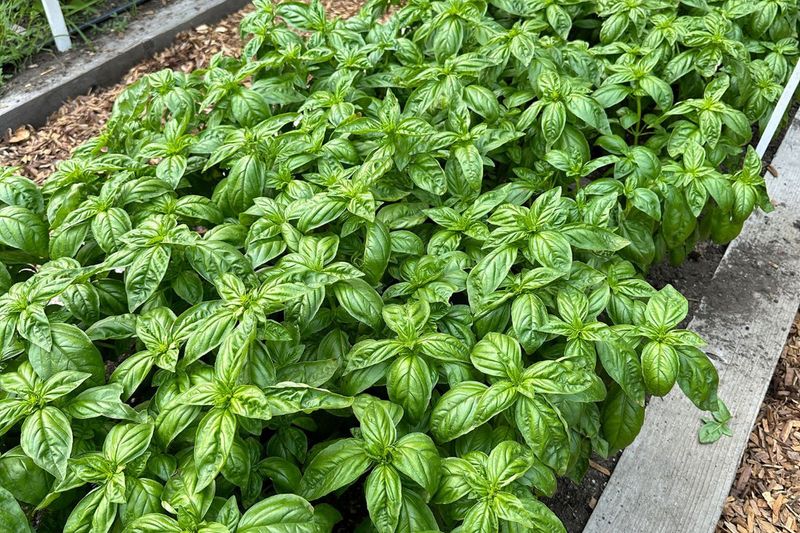
Basil is the natural warm-season swap and one of the most rewarding herbs a gardener can grow in summer. It thrives in heat, loves full sun, and produces abundantly with regular care.
Sweet basil, Thai basil, and Genovese basil all perform well in summer gardens. The flavor is best when leaves are harvested before the plant flowers, making pinching an important part of basil care.
Pinch out flower buds as soon as they appear to keep the plant producing fresh leaves instead of going to seed. Regular harvesting from the top of the plant encourages bushier growth and delays bolting significantly.
Keep basil consistently moist but not waterlogged, and give it a spot with at least six hours of direct sun each day. Mulching around the base helps retain moisture during dry spells before the rainy season begins.
7. Avoid Cauliflower And Plant Yardlong Beans
Cauliflower is even more demanding than broccoli when it comes to temperature, and May is genuinely one of the worst times to try it here.
The crop needs cool, stable weather to form its characteristic tight white heads, and any heat stress during head development causes loose, discolored, or completely absent curds.
Spring moves too fast for this plant to catch up, and by the time transplants are established, temperatures are already pushing into the range where head formation breaks down.
Pest pressure compounds the problem significantly. The same caterpillars, aphids, and beetles that attack broccoli hit cauliflower just as hard, and a heat-stressed plant has even less ability to recover from insect damage.
Gardeners who push cauliflower into May often end up with plants that look reasonable in the early weeks but then stall out, produce poor quality heads, or bolt without ever forming anything worth harvesting.
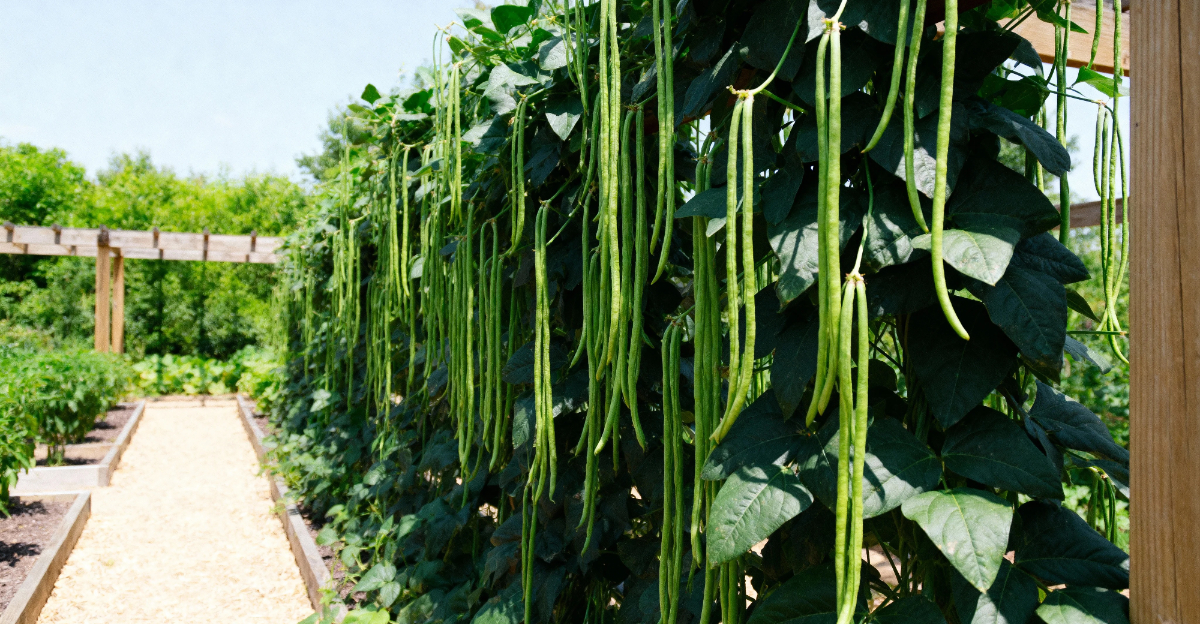
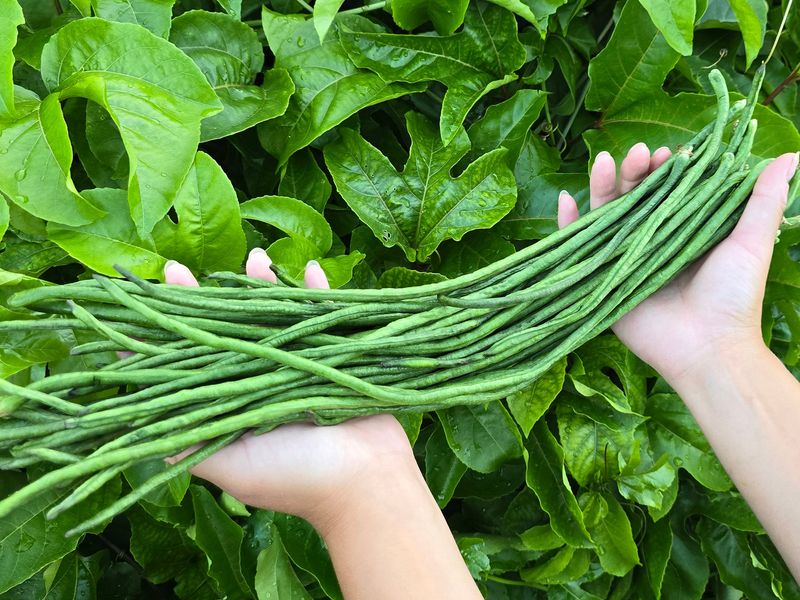
Yardlong beans – also called asparagus beans or Chinese long beans – are a much better fit for summer conditions. They are heat-tolerant, productive, and genuinely easy to grow once temperatures are warm.
The pods can grow over a foot long and are best harvested while still slender and tender, usually around 12 to 18 inches. Left too long, the pods become tough and the beans inside start to bulge.
Yardlong beans are climbing plants and need a trellis, fence, or sturdy support to grow well. A six-foot support structure works well for most varieties.
Plant seeds directly in the ground after any risk of cool nights has passed, space them about six inches apart along the base of your support, and water consistently. Harvest pods regularly to keep production going strong all summer long.