Why Michigan Roses Rarely Bloom And The Exact Time Of Year You Should Be Fertilizing Them
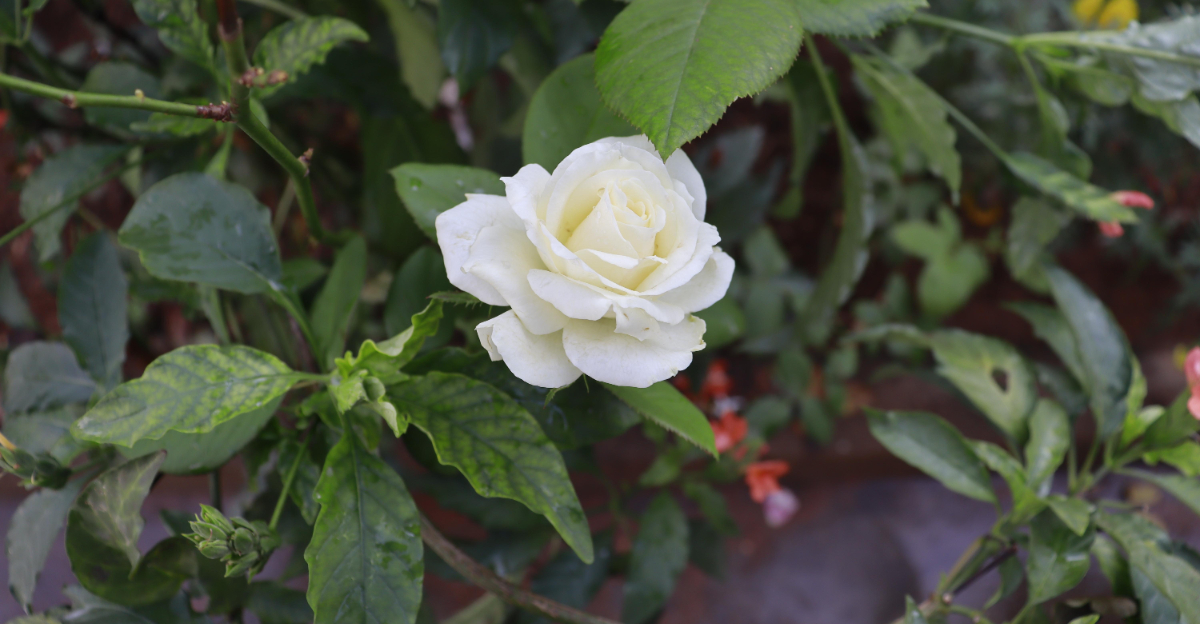
Roses that produce a flush of blooms in June and then coast through the rest of the season on sparse flowers and tired foliage are a frustratingly common sight in Michigan yards.
Most gardeners assume the climate is working against them, and while Michigan does present some real challenges for roses, the bloom problem usually traces back to something more correctable.
Fertilizing at the wrong time is one of the most common reasons roses underperform, and it catches people off guard because the logic of feeding a struggling plant feels intuitive even when the timing works against the result you want.
Nitrogen pushed at the wrong point in the season drives leafy growth instead of flowers, weakens stems heading into winter, and sets up a cycle that repeats itself year after year without an obvious connection to what happened months earlier.
Getting the fertilizing calendar right for Michigan’s specific seasons is one of the fastest ways to turn a rose that barely performs into one that blooms with real consistency from early summer through fall.
1. Michigan Roses Often Get Too Much Nitrogen And Not Enough Flowers
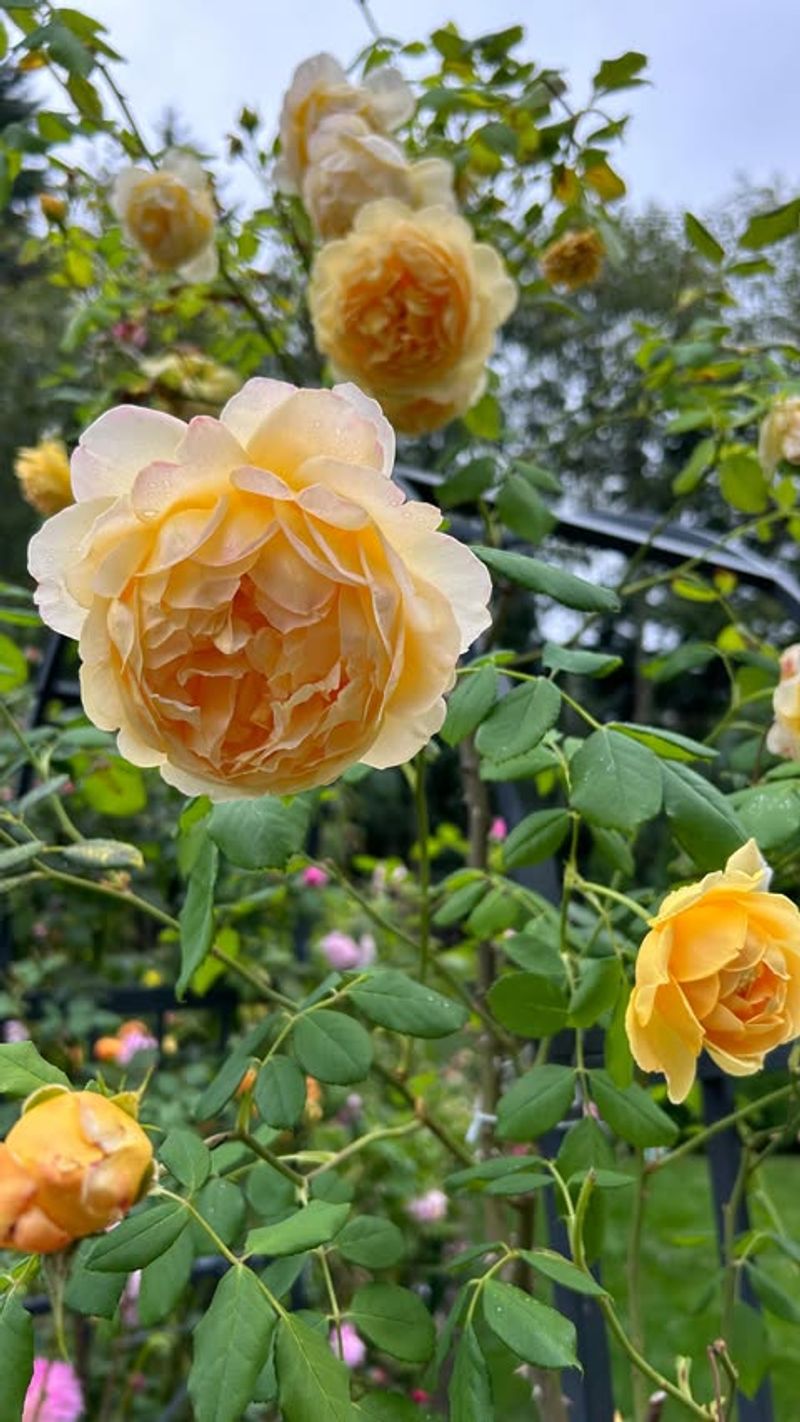
Fertilizer bags can be misleading, and many gardeners accidentally give their roses too much of a good thing. Nitrogen is the nutrient that pushes leafy, green growth, but when roses get too much of it, the plant focuses entirely on producing leaves instead of flowers.
You end up with a gorgeous green bush that never blooms, which is one of the most common frustrations in rose gardens.
Hybrid tea roses, shrub roses, and landscape roses all respond differently to feeding, but none of them benefit from heavy nitrogen applications during the growing season.
A balanced fertilizer like a 5-10-5 or 6-12-6 blend works much better for encouraging flower production in gardens.
Phosphorus, the middle number, is the real key to strong blooms, so always look for that higher middle value when shopping for rose food.
Timing matters just as much as the fertilizer type. In Michigan, start feeding roses in early spring once you see about two to three inches of new growth emerging, usually around mid-April in southern Michigan and early May further north.
Feed again after the first bloom cycle finishes to encourage a second flush of flowers. Stop all fertilizing by mid-August so plants can naturally slow down before cold weather settles in across the state.
2. Too Much Shade Is One Of The Biggest Reasons Roses Rarely Bloom

Sunlight is basically rose fuel, and without enough of it, your plants simply cannot build the energy needed to produce flowers. Roses need at least six full hours of direct sunlight every single day to bloom reliably, and that number is not flexible.
Anything less than six hours and you will start to notice fewer buds, weaker stems, and a plant that looks like it is just barely surviving rather than thriving.
In Michigan, sunlight placement matters a lot depending on where you live. Southern Michigan gardeners near Detroit or Kalamazoo often have more options for sunny spots, but large trees and fences can still create unexpected shade.
Your Michigan Garden Changes Every Week. Your Plan Should Too.
Gardening in Michigan changes quickly throughout the season. Every Friday you’ll receive a simple weekly plan showing exactly what to plant, prune, fertilize, harvest, and protect so you never miss the right timing.
Central and northern Michigan gardeners near Traverse City or Petoskey need to be especially thoughtful about garden placement since the growing season is shorter and every hour of sunlight counts even more.
Morning sun is particularly valuable for rose gardens because humid Great Lakes summers create wet conditions overnight.
When morning sunlight hits the leaves early, it dries off moisture quickly, which reduces the risk of fungal problems like black spot and powdery mildew.
Afternoon shade is actually acceptable and can even protect blooms from fading during the hottest days in July and August.
Choosing a spot with strong eastern or southeastern exposure gives roses the best possible start toward reliable, beautiful blooming all season long.
3. Gardeners Often Prune Roses At The Wrong Time
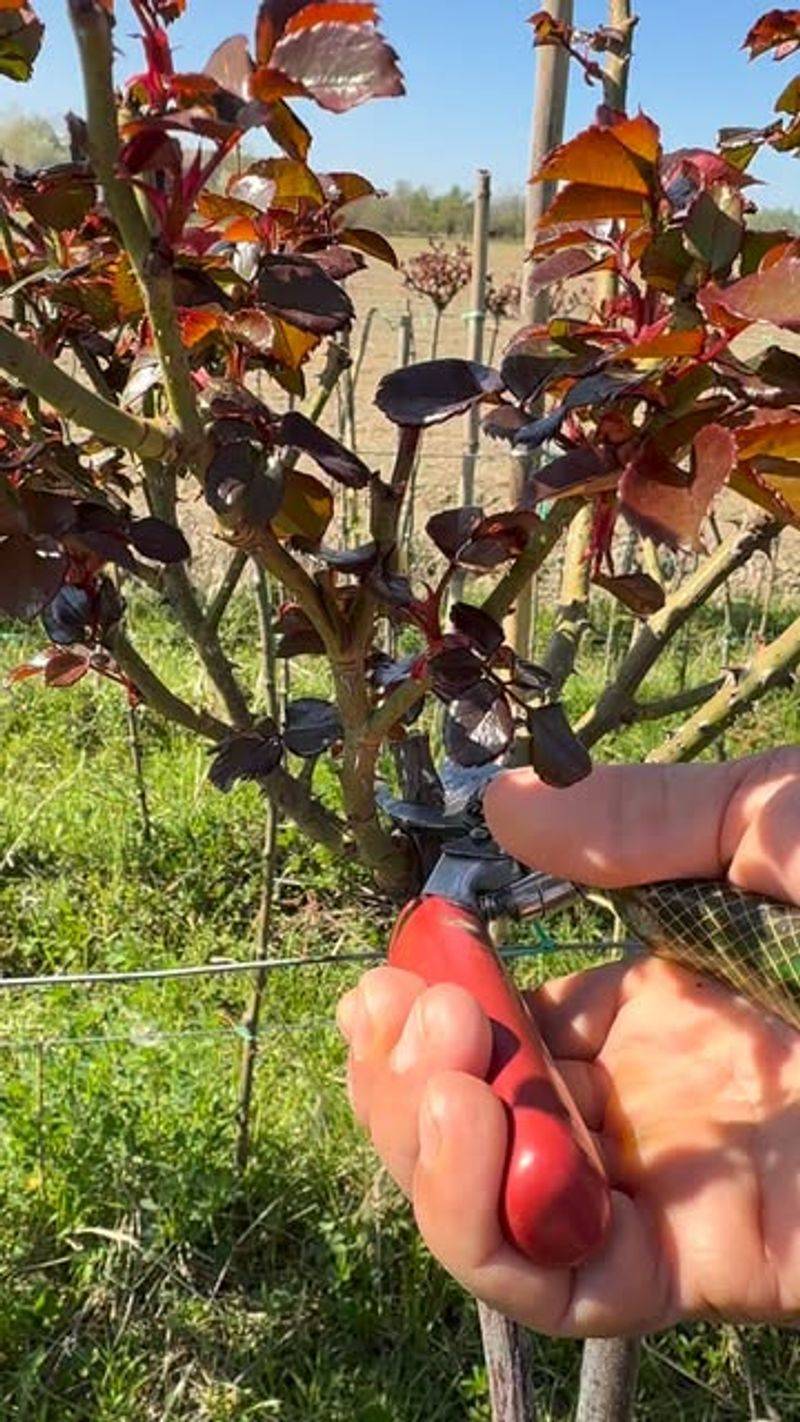
Grab your pruning shears too early in Michigan, and you might accidentally set your roses back by weeks. Spring here is notoriously unpredictable, with warm days in March sometimes followed by hard freezes well into April.
Cutting roses back before the cold weather finishes can expose fresh cuts and tender new growth to frost damage, which weakens the plant heading into the main blooming season.
The safest approach in Michigan is to wait until forsythia shrubs are blooming in your area before doing any major rose pruning. Forsythia timing is a reliable local indicator that soil temperatures are rising and hard freezes are mostly behind you.
In southern Michigan, that window usually opens around late March or early April, while northern Michigan gardeners closer to the Upper Peninsula should wait until late April or even early May to be safe.
Another common mistake is pruning roses that bloom on old wood, like once-blooming climbing roses or certain heritage varieties. Cutting those back hard in spring removes the very canes that would have flowered that season.
Save heavy pruning on old-wood bloomers for right after their flowers fade in early summer.
For repeat-blooming roses, regular deadheading throughout summer, which means removing spent flowers just above a five-leaflet leaf, keeps new buds forming steadily from June all the way through September in our gardens.
4. Overcrowded Roses Struggle In Humid Summers

Michigan summers bring a specific kind of humidity that most gardeners underestimate until they start losing plants to fungal disease.
The Great Lakes influence keeps moisture levels high from June through August, and roses that are planted too close together trap that moisture right around the leaves and stems where fungal spores love to grow.
Poor airflow is one of the sneakiest reasons roses stop blooming, because the plant spends its energy fighting off disease instead of producing flowers.
Proper spacing makes a huge difference in how well your roses perform all season. Hybrid tea and grandiflora roses need about three feet of space between plants, while larger shrub roses and landscape varieties often need four to five feet to breathe comfortably.
When plants overlap and their canopies touch, air cannot circulate, and moisture stays trapped for hours longer than it should after rain or heavy dew.
Pruning for airflow is just as important as spacing when it comes to rose care. Removing crossing canes, branches that grow toward the center of the plant, and any weak twiggy growth opens up the interior of the bush so air can move through freely.
Companion planting with low-growing perennials like catmint or salvia around the base of roses also helps by keeping the soil from staying wet too long after rains, which supports healthier roots and stronger blooming throughout the season.
5. Incorrect Watering Can Reduce Rose Flower Production
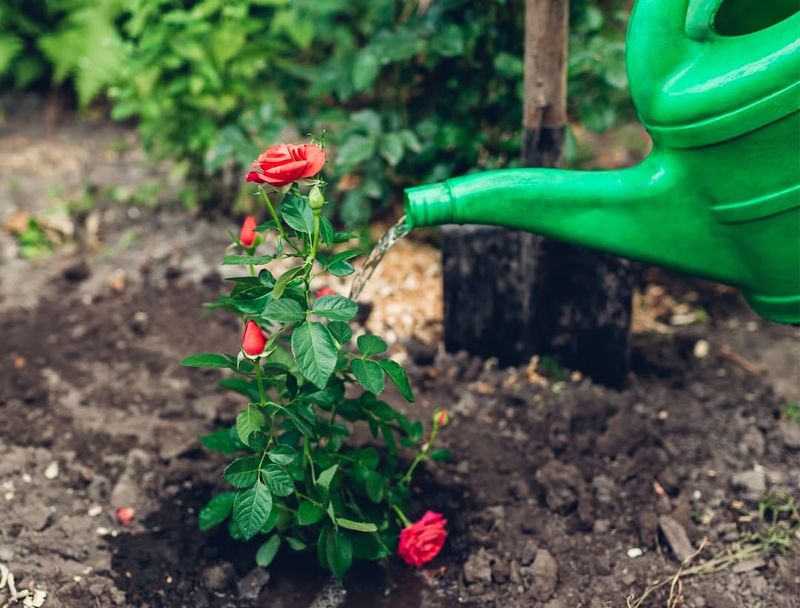
Watering roses sounds simple, but the way you water matters far more than most people realize. Frequent shallow watering trains rose roots to stay near the soil surface where they are vulnerable to heat and drought stress.
Roses with shallow roots simply cannot access the consistent moisture and nutrients they need to push out strong flower cycles, and summers can get dry enough in July and August to really stress an under-rooted plant.
Deep, infrequent watering is the approach that builds strong, productive roses. Aim to give roses about one inch of water per week, applied slowly and directly at the soil level rather than sprayed overhead.
Soaker hoses and drip irrigation are excellent choices for rose gardens because they deliver water right to the root zone without wetting the foliage, which dramatically reduces fungal pressure during humid Great Lakes weather.
Soil type changes your watering strategy quite a bit across Michigan. Clay-heavy soils common in southeast Michigan and around the Thumb region hold water longer, so you can water less frequently but need to watch for standing water that suffocates roots.
Sandy soils in west Michigan near the lakeshore drain quickly and may need watering twice a week during dry spells.
Raised beds and containers dry out fastest of all, so check those every day during hot summers and water deeply whenever the top inch of soil feels dry to the touch.
6. Clay Soil Can Limit Rose Growth And Blooming
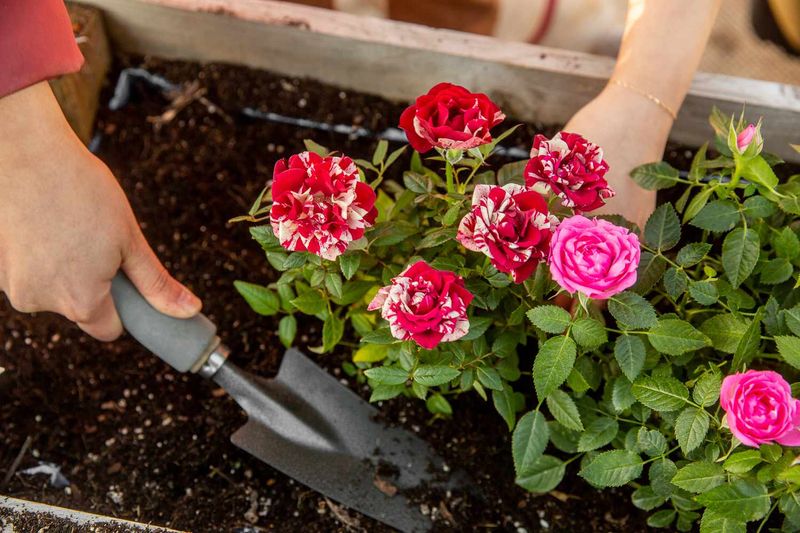
Our soil has a reputation for being stubborn, and anyone who has tried to dig a planting hole in southeast Michigan or the Flint area knows exactly what that means.
Heavy clay soil compacts easily, drains poorly, and creates conditions where rose roots struggle to expand and breathe.
When roots are cramped and sitting in waterlogged soil, they cannot absorb the nutrients they need, and flower production drops noticeably even in plants that look fairly healthy above ground.
Improving clay soil before planting makes a remarkable difference in how well roses perform over the long term. Work in two to three inches of finished compost deeply into the planting area to loosen the soil structure and improve drainage.
Aged wood chips, perlite, and coarse sand mixed into heavy clay beds also help create the kind of loose, well-draining environment where rose roots can spread out and thrive through the growing season.
Raised planting beds are one of the smartest solutions gardeners can use when clay soil is too heavy to fix quickly.
Building a raised bed just eight to twelve inches above grade and filling it with a blend of topsoil, compost, and a bit of coarse material gives roses the rich but well-draining home they need to produce strong blooms reliably.
Mulching around the base of roses with two to three inches of shredded bark also helps moderate soil temperature swings, which gardens experience frequently between late spring cold snaps and summer heat waves.
7. Fertilizing Roses Too Late In The Season Weakens Plants Before Winter
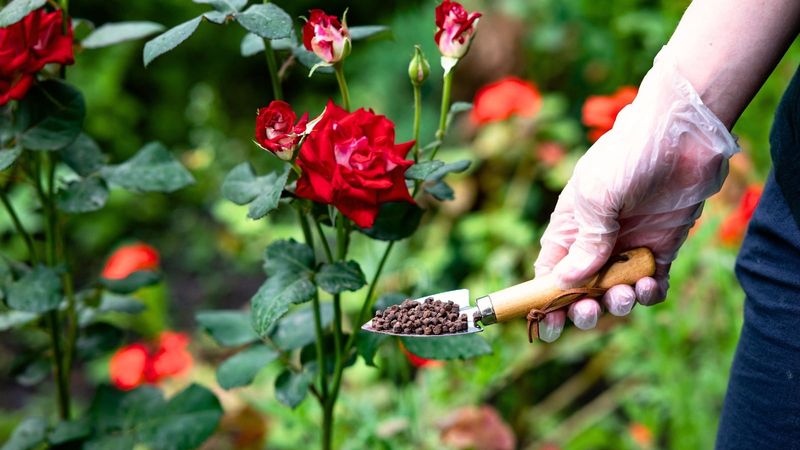
Late-season fertilizing is one of those well-meaning mistakes that Michigan gardeners make without realizing the consequences until the following spring.
When you feed roses nitrogen-rich fertilizer in September or October, the plant responds by pushing out a flush of soft, tender new growth.
That fresh growth has no time to harden off before winters arrive, and it often suffers significant cold damage that sets the entire plant back heading into the next bloom season. The fertilizing cutoff date in Michigan depends on where you garden.
Southern Michigan gardeners in the Detroit metro area, Grand Rapids, or Lansing should stop all fertilizing by mid-August to give plants a full six to eight weeks to naturally slow down before the first frost typically arrives in late October.
Northern Michigan gardeners near Traverse City, Petoskey, or the Upper Peninsula should stop even earlier, around late July or early August, since first frost can arrive as early as late September in those regions.
A smart late-season approach is to switch to a low or zero-nitrogen fertilizer like a 0-10-10 blend in midsummer if you want to give roots a small boost heading into fall.
Potassium and phosphorus support root strength and overall hardiness without pushing leafy growth, making them safe options for a final midsummer feeding.
Keeping a consistent schedule through spring and early summer gives roses everything they need to bloom beautifully without any risk of weakening them before cold weather takes hold across the state.