These 7 Plants Keep Mosquitoes And Gnats Away From A Michigan Patio All Summer Long
Summer evenings on a Michigan patio should be one of the better parts of the season, but mosquitoes and gnats have a way of cutting those moments short faster than almost any other outdoor frustration.
Sprays and citronella candles work temporarily and inconsistently, and the chemical options come with tradeoffs most people would rather avoid in a space where they eat, relax, and spend time with kids or pets.
Certain plants offer a more permanent and visually appealing solution, releasing compounds through their foliage and flowers that mosquitoes and gnats are naturally wired to avoid.
Positioned strategically around a patio, these plants create a living buffer that stays active all season without any reapplication or effort beyond basic care.
Several of them are genuinely attractive, pull double duty as herbs or pollinator plants, and fit naturally into container arrangements or border plantings right where the pest pressure tends to be highest.
These seven work consistently in Michigan’s summer conditions and are worth making room for near your outdoor living space.
1. Lavender (Lavandula angustifolia) Helps Your Patio Smell Better And Feel More Comfortable
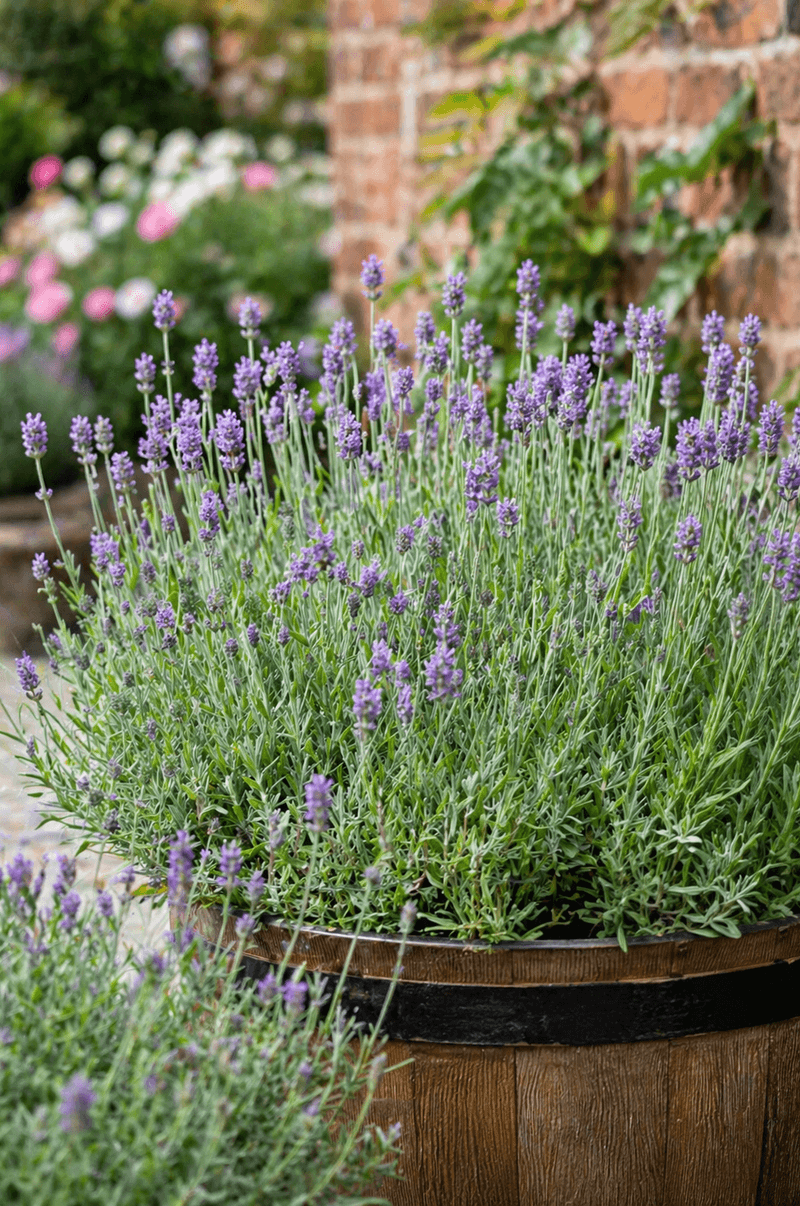
Few plants make a patio feel more inviting than Lavender, with its soft purple blooms and that unmistakable calming fragrance drifting through warm air.
The strong scent that people love so much is exactly what seems to discourage mosquitoes and gnats from lingering nearby.
While no plant is a guaranteed fix, Lavender placed near seating areas can noticeably reduce how many insects settle in around you.
Michigan summers can get humid, and Lavender actually handles that well when it has good airflow and excellent drainage.
Plant it in a raised bed or container with sandy, well-draining soil and give it at least six hours of full sun daily.
Avoid overwatering since soggy roots are the quickest way to lose this plant. After the first bloom cycle, trim back the spent flower stems to encourage a second flush of blooms later in summer.
This keeps the plant compact and productive throughout the season. Bees and butterflies absolutely love Lavender, so your patio becomes a pollinator-friendly space as well.
In Michigan, Lavender can survive winters in zones 5 and 6 with proper mulching, but growing it in containers allows you to bring it indoors when temperatures drop hard.
English Lavender varieties like Hidcote and Munstead are the most cold-hardy options for gardeners.
Either way, this plant is one of the most rewarding additions you can make to any outdoor space.
2. Citronella Grass (Cymbopogon nardus) Adds Strong Summer Fragrance Around Patios
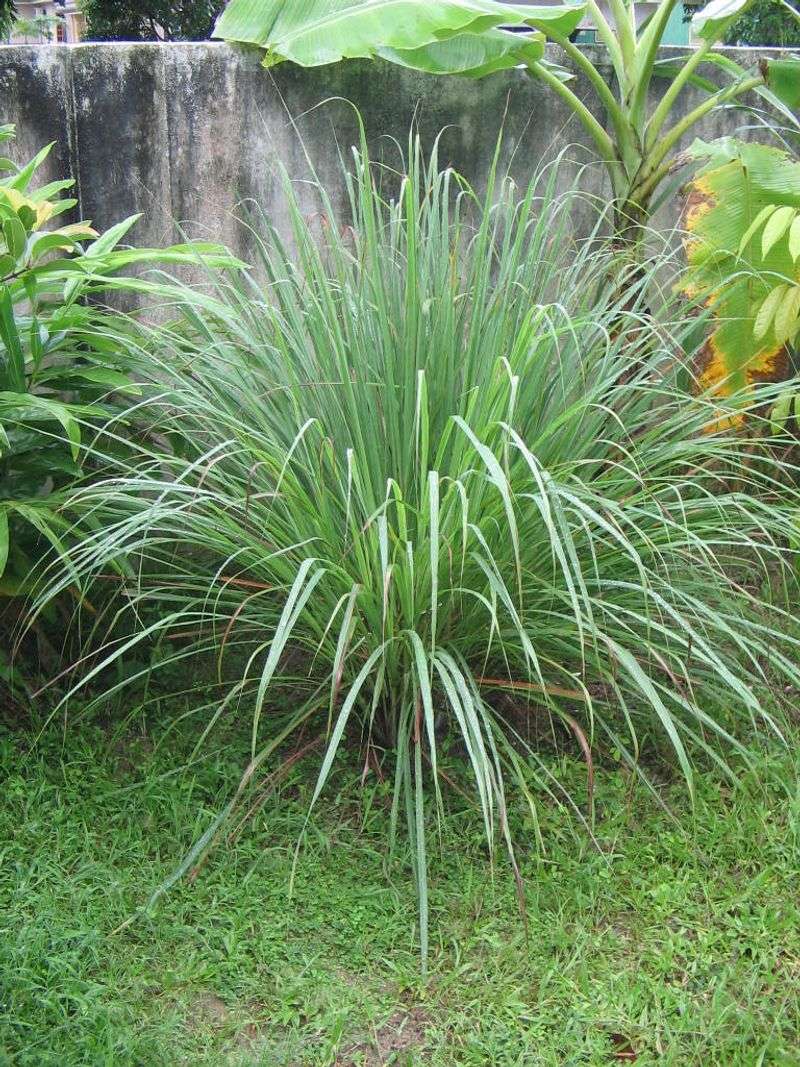
You have probably seen citronella listed as an ingredient in candles and sprays, but the actual plant itself brings that same bold, lemony fragrance straight to your patio.
Citronella Grass grows in dramatic, arching clumps that can reach four to six feet tall, making it a real statement piece in any outdoor space.
When you brush against the leaves or crush them slightly, the scent releases strongly and may help keep mosquitoes from settling too close.
Your Michigan Garden Changes Every Week. Your Plan Should Too.
Gardening in Michigan changes quickly throughout the season. Every Friday you’ll receive a simple weekly plan showing exactly what to plant, prune, fertilize, harvest, and protect so you never miss the right timing.
Michigan gardeners need to know that Citronella Grass is a tropical plant and cannot survive outdoor winters here.
Treat it as an annual, or grow it in a large container that you can move indoors before the first frost arrives in fall.
A container that holds at least five gallons of well-draining potting mix gives the roots enough room to support healthy growth.
Full sun is non-negotiable for this plant. It needs at least six to eight hours of direct sunlight daily to grow vigorously through the summer season.
Water it regularly but never let it sit in standing water, as soggy soil weakens the root system quickly.
If you want to overwinter your Citronella Grass indoors, bring it inside before nighttime temperatures drop below 50 degrees Fahrenheit.
Place it near a bright, sunny window and reduce watering during the cooler months. Come spring, move it back outside after the last frost date for your region.
3. Basil (Ocimum basilicum) Helps Reduce Gnats Around Outdoor Seating Areas
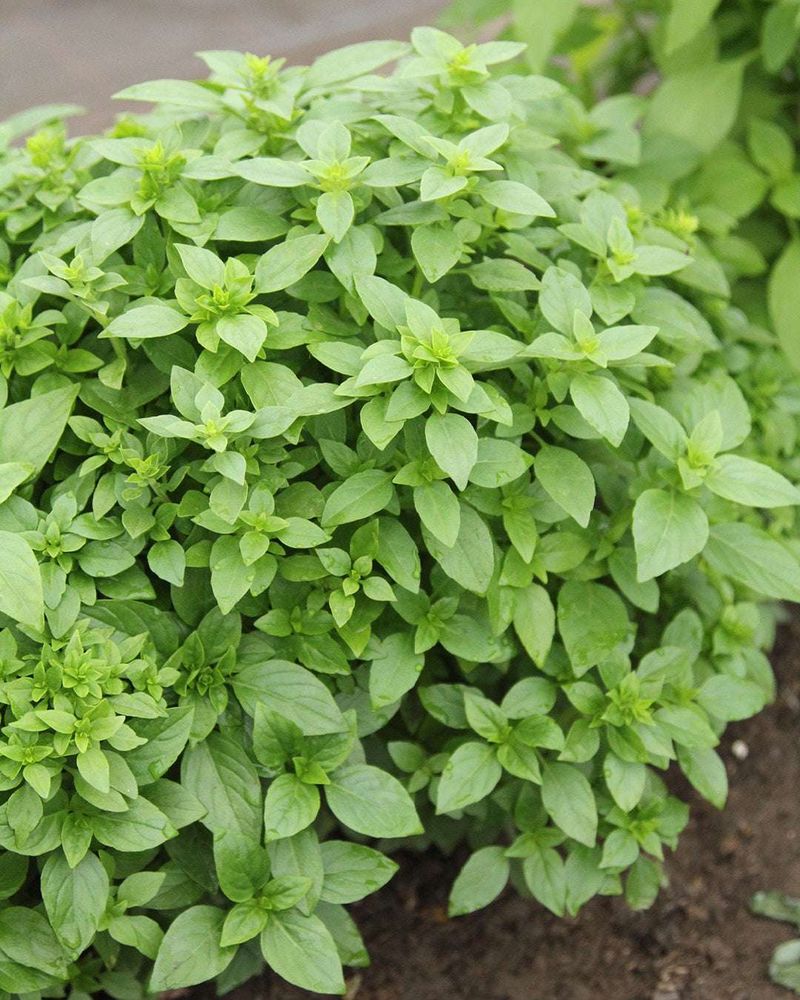
Basil is one of those plants that pulls double duty in the best possible way.
Not only does it give you fresh leaves for cooking all summer long, but the powerful aroma from its foliage may also help discourage gnats and some other flying insects from hovering around your patio seating area.
The oils in basil leaves are strong enough that even an undisturbed plant releases a noticeable scent in warm weather.
Michigan summers are actually ideal for basil because this herb absolutely thrives in warm temperatures and full sun.
Plant it in a container near your outdoor chairs or table where it gets at least six hours of direct sunlight each day.
Use rich, well-draining potting mix and water consistently to keep the soil evenly moist but never waterlogged. Pruning is one of the most important things you can do for basil.
Pinching off the flower buds as soon as they appear keeps the plant bushy and productive rather than tall and leggy.
Once basil starts flowering heavily, the leaf flavor and fragrance both decline, so stay on top of regular trimming throughout the season.
Sweet Basil is the most popular variety, but Lemon Basil and Thai Basil also work well in patio containers and each carries its own distinct scent profile.
Growing two or three varieties together creates a fragrant, layered effect around your seating area. Plus, you always have fresh herbs within arm’s reach for summer cooking.
4. Catmint (Nepeta × faassenii) Thrives In Michigan Summers And Handles Heat Well
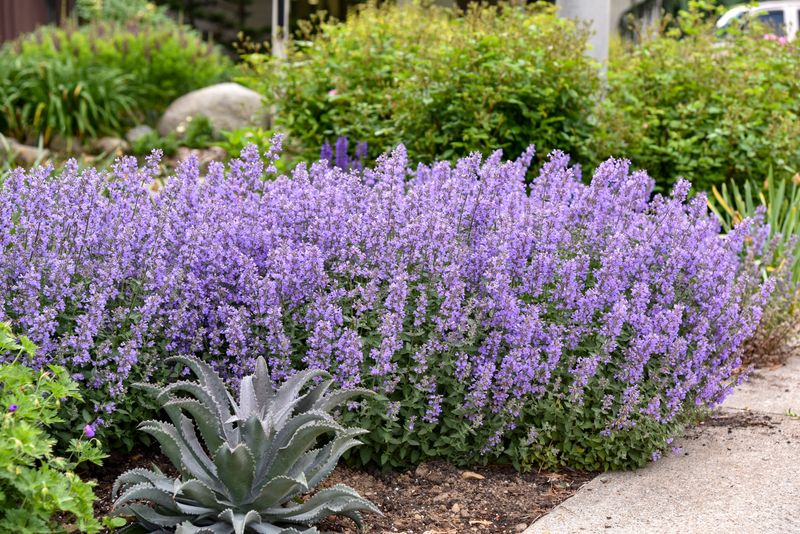
Catmint is one of those reliable perennials that gardeners return to year after year, and for good reason.
Its soft, silvery-green foliage and waves of lavender-blue flowers look beautiful along patio edges, and the aromatic leaves may help discourage mosquitoes from gathering nearby.
Unlike many plants that struggle through heat and humidity, Catmint handles both with impressive ease once it gets established.
Plant Catmint in a sunny spot with well-draining soil, and it will reward you with minimal fuss all summer.
It tolerates dry spells better than most herbs, which makes it a smart choice for gardeners who do not always have time for frequent watering.
Space plants about 18 to 24 inches apart to allow good airflow, which is especially helpful during humid summers when fungal issues can develop.
After the first big bloom cycle in early summer, cut the plant back by about one third to encourage a fresh flush of flowers and new aromatic foliage.
This second bloom often lasts well into late summer or early fall, keeping pollinators and your patio looking lively.
Bees in particular are strongly attracted to Catmint, so expect plenty of beneficial insect activity around your garden. Catmint is also a solid choice for container growing on patios.
Use a pot with good drainage holes and a quality potting mix, and water when the top inch of soil feels dry.
As a hardy perennial, established in-ground plants come back reliably each spring across most of Michigan without any special winter protection needed.
5. Lemon Balm (Melissa officinalis) Gives Patios A Fresh Citrus Scent
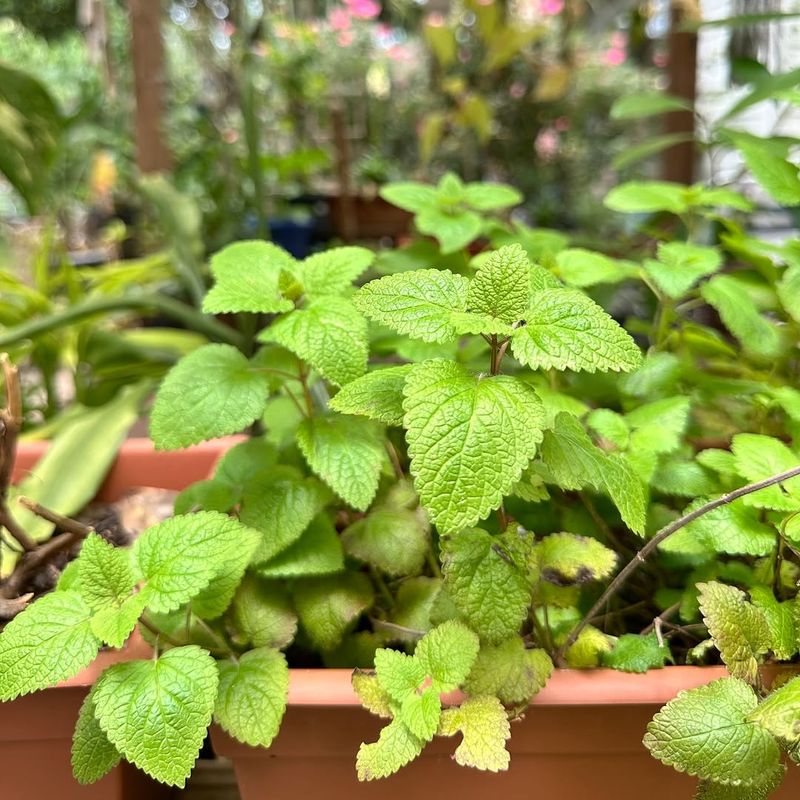
There is something genuinely cheerful about brushing your hand across a Lemon Balm plant and getting that bright, clean citrus scent on your fingers.
This herb belongs to the mint family, and just like mint, it grows with real enthusiasm once it settles in.
The lemon-scented oils in the leaves are thought to help discourage mosquitoes when the plant is disturbed or when leaves are crushed near an outdoor seating area.
Michigan summers suit Lemon Balm well because it handles both sun and partial shade without complaint. It grows happily in containers or directly in garden beds near your patio.
If you plant it directly in the ground, be aware that Lemon Balm spreads aggressively through self-seeding, so container growing is often the smarter choice for keeping it manageable on any patio.
Water the plant regularly to keep the soil evenly moist, especially during the hottest stretches of summer when heat can dry out containers quickly.
Trim the plant back regularly to prevent it from getting too tall and floppy, which also encourages fresh new growth with a stronger fragrance. Removing flower stalks before they go to seed helps control spreading significantly.
Lemon Balm is a hardy perennial across most of Michigan, meaning it comes back each spring without replanting.
The leaves also make a genuinely pleasant herbal tea, and some gardeners use them in cooking and homemade drinks throughout the season.
Growing it near your patio gives you both a functional herb and a naturally fragrant addition to your outdoor space.
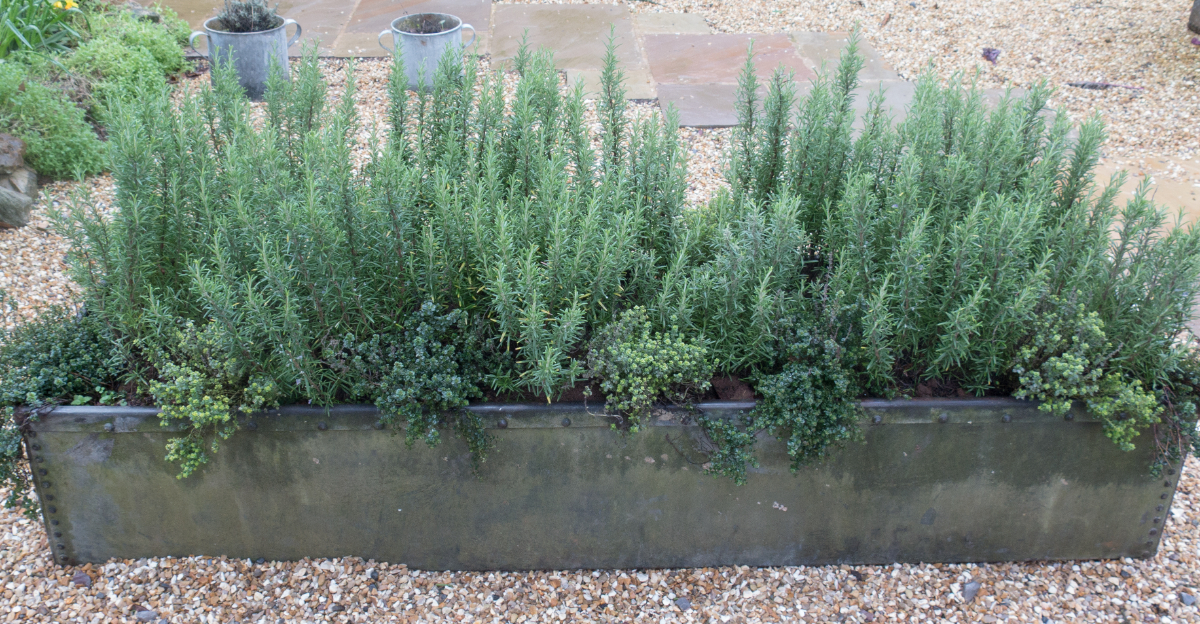
6. Rosemary (Salvia rosmarinus) Works Well In Sunny Patio Containers
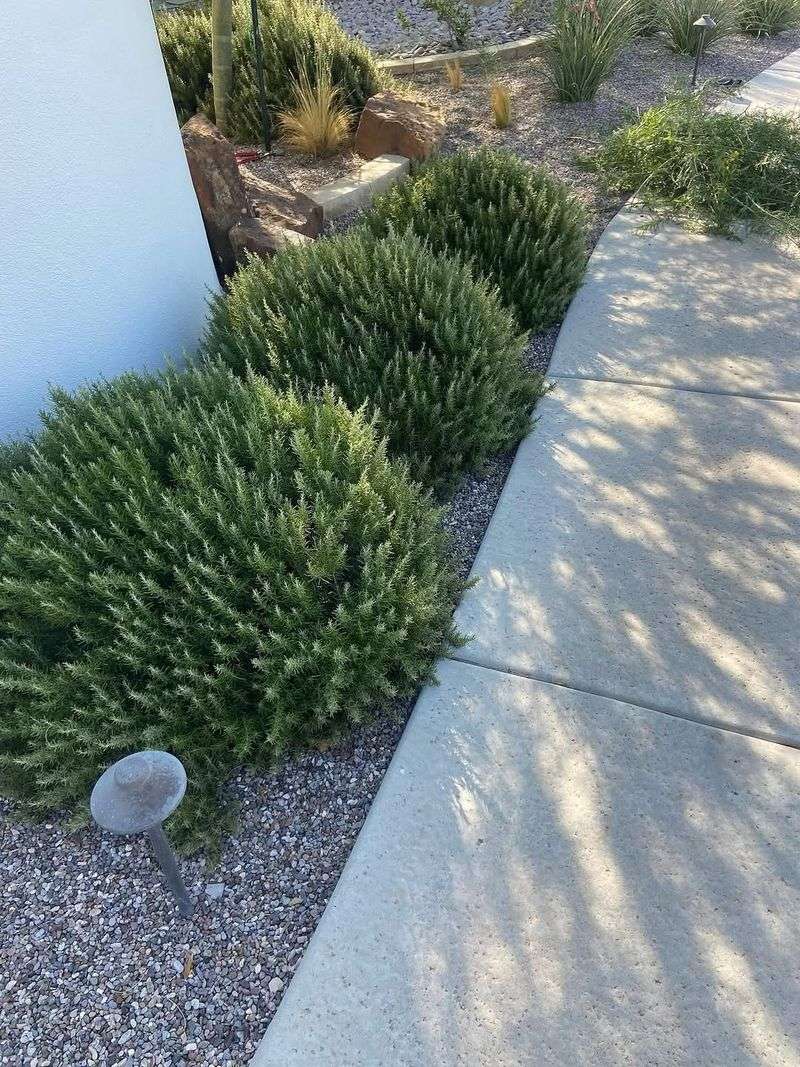
Rosemary brings a bold, piney fragrance to any outdoor space, and that strong herbal scent is exactly what may help reduce mosquito activity around your patio seating area.
Beyond its potential pest-discouraging qualities, Rosemary is also one of the most useful culinary herbs you can grow, giving you fresh sprigs for grilling, roasting, and seasoning all summer long.
It looks striking in containers with its upright or trailing woody stems and narrow, aromatic leaves. Full sun is absolutely essential for Rosemary to thrive.
Give it at least six to eight hours of direct sunlight each day, and make sure the container has excellent drainage because this plant strongly dislikes wet roots.
Use a sandy or gritty potting mix rather than standard potting soil, which tends to hold too much moisture for Rosemary’s preferences. Water deeply but infrequently, allowing the soil to dry out somewhat between waterings.
During Michigan’s humid summer periods, Rosemary actually benefits from slightly drier conditions compared to many other herbs.
Good airflow around the plant also helps prevent powdery mildew from developing on the foliage. Overwintering is where gardeners need to plan ahead.
Rosemary is not reliably cold-hardy across most of Michigan and typically struggles to survive outdoors through a full winter.
Bring container-grown plants indoors before the first hard frost, placing them near a bright south-facing window.
Reduce watering during winter months but never let the roots dry out completely, and your plant should come back strong the following spring.
7. Marigolds (Tagetes patula) Add Color While Helping Reduce Some Flying Pests
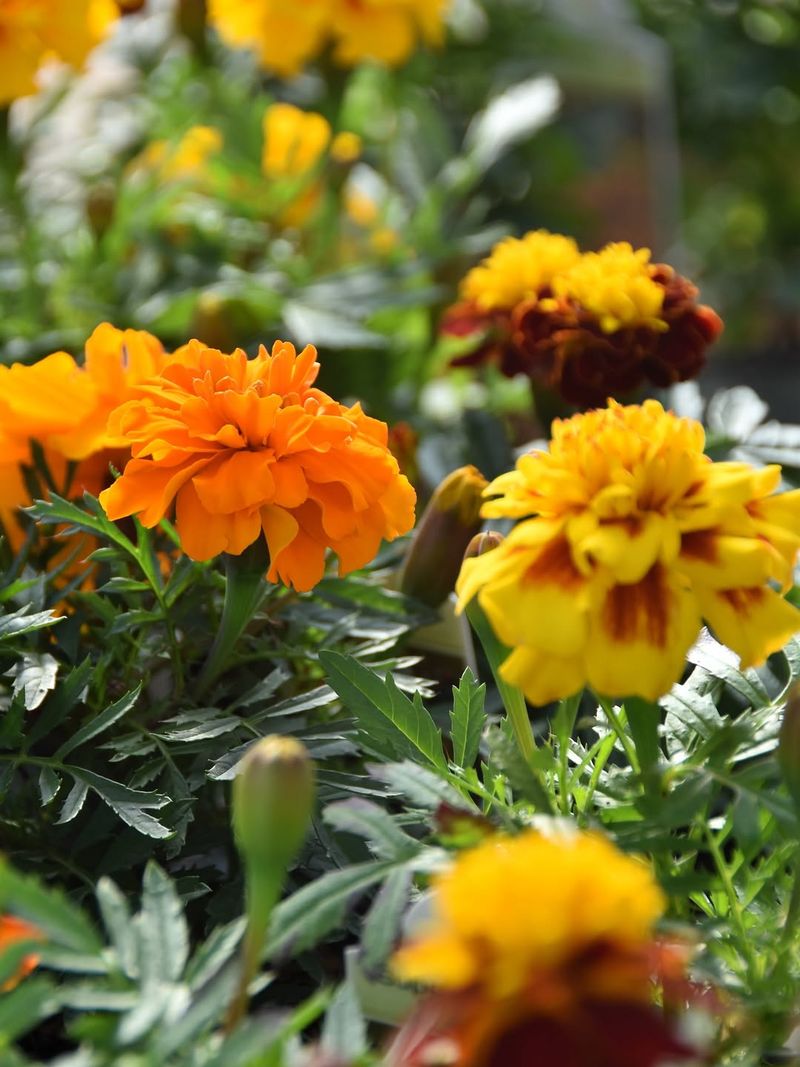
Marigolds are one of the most cheerful and recognizable summer flowers in gardens, and they bring more than just color to your patio.
French Marigolds in particular produce a sharp, distinct scent from their foliage and blooms that some flying insects find unappealing.
While marigolds are not a complete solution on their own, planting them around your outdoor seating area adds a useful and beautiful layer to a broader approach for keeping pests at bay.
These plants are incredibly easy to grow in Michigan and thrive in full sun with regular watering.
Start seeds indoors about six to eight weeks before your last frost date, or simply pick up transplants from a local nursery once the weather warms reliably in late May.
Plant them in containers or along patio borders where they will get maximum sunlight throughout the day.
Removing spent blooms is the single most important thing you can do to keep marigolds flowering all summer.
Removing faded flowers every few days encourages the plant to keep producing new buds rather than putting energy into seed production.
This keeps your patio looking colorful and vibrant from late spring right through the first fall frost.
Michigan summers can bring stretches of heat and humidity, and French Marigolds handle both reasonably well.
Water at the base of the plant rather than overhead to reduce the chance of fungal issues on the foliage.
Mix different colors together in containers for a bold, eye-catching display that makes your patio feel welcoming and alive all season long.