I Tested 10 Tomatoes For Wisconsin And These Won
Wisconsin doesn’t exactly roll out the welcome mat for tomatoes. Short summers, moody springs, and a late frost that shows up like an uninvited guest who overstays its welcome. It can feel like a hostile work environment for anything that dares to ripen.
And yet, every June, optimistic gardeners across the state shove little green seedlings into the ground and cross their fingers for the best. I decided to do something slightly more scientific than hoping.
Last summer, I turned my central Wisconsin backyard into an unofficial tomato trial ground, tracking varieties, obsessing over ripening times, and yes, occasionally talking to my plants. The results? Some tomatoes absolutely crushed it. Others looked me dead in the leaves and gave up by August.
So before you gamble another season on a variety that can’t handle a Wisconsin curveball, let me save you the heartbreak. These are the tomatoes that actually earned their garden real estate.
1. Stupice
Some tomatoes make you wait all summer.
Stupice is not one of them.
This Czech heirloom variety starts producing fruit faster than almost anything else I planted, and in Wisconsin, that speed matters more than most gardeners realize.
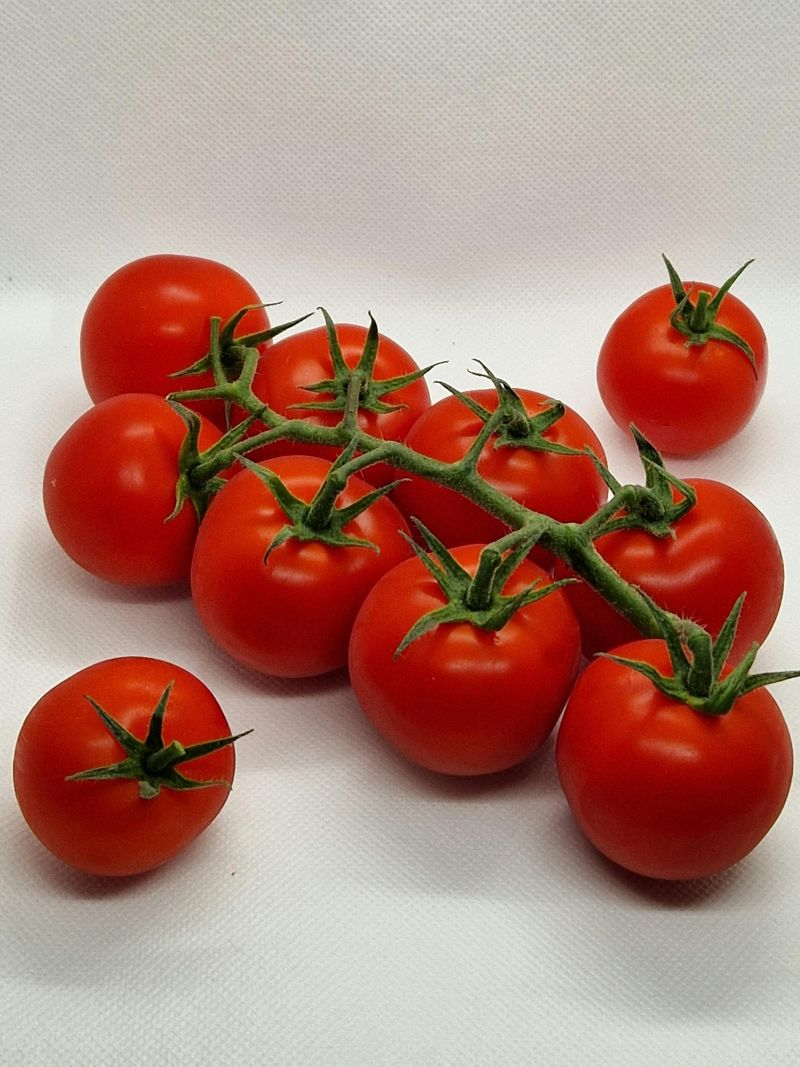
Stupice is a small to medium-sized tomato with a deep red color and a rich, complex flavor that surprised me the first time I tasted it straight off the vine.
It handled our cool Wisconsin nights without flinching.
While other varieties sulked in the cold, Stupice just kept setting fruit.
The plant stays compact, which makes it manageable in raised beds or smaller garden plots.
I grew mine alongside some larger varieties, and Stupice consistently outpaced them in early production.
If you only have room for one early-season tomato in Wisconsin, this is the one to choose.
The flavor leans slightly sweet with a hint of earthiness that pairs beautifully with fresh bread and olive oil.
Gardeners who want reliability and great taste without waiting until late August will love this variety.
Stupice proved to me that heirloom tomatoes from cooler European climates can be absolute game changers in the upper Midwest.
2. Sun Gold
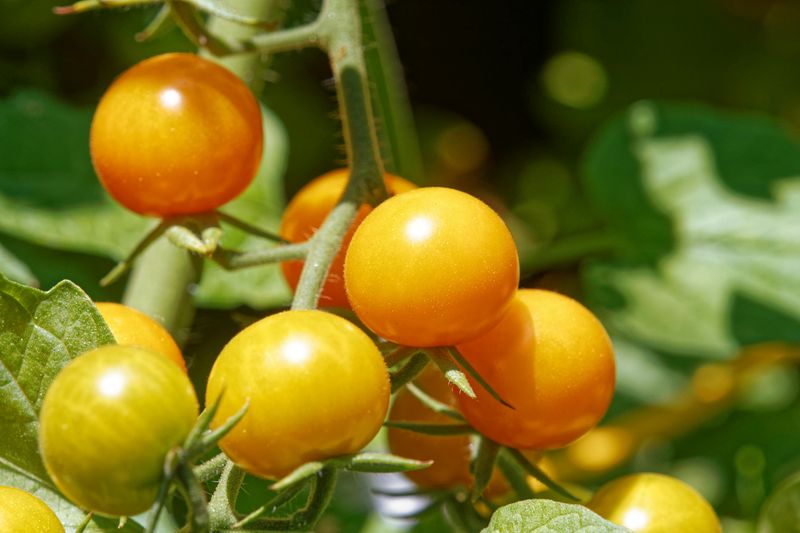
Honestly, Sun Gold is one of the most rewarding cherry tomatoes I have grown.
These little orange cherry tomatoes are so sweet and bursting with tropical flavor that I found myself eating them right off the vine before they even made it inside.
Wisconsin summers can be stingy with warmth, but Sun Gold soaks up every bit of sunshine it can get.
The plants grow vigorously and produce enormous clusters of fruit throughout the season.
I was harvesting Sun Gold from late July all the way through the first frost, which is a serious win in a state where the growing window is tight.
The vines do get tall, so staking or caging them early saves a lot of headaches later.
Flavor-wise, Sun Gold stands in a category of its own among cherry tomatoes.
That natural sweetness with a mild citrus note makes it a favorite for salads, snacking, and roasting.
Your Wisconsin Garden Changes Every Week. Your Plan Should Too.
Gardening in Wisconsin changes quickly throughout the season. Every Friday you’ll receive a simple weekly plan showing exactly what to plant, prune, fertilize, harvest, and protect so you never miss the right timing.
Kids who claim to dislike tomatoes will often eat it straight from the bowl without complaint.
For Wisconsin gardeners who want high yields and crowd-pleasing flavor from a cherry tomato variety, this tomato delivers season after season without much fuss.
It earned a permanent spot in my garden rotation.
3. Early Girl
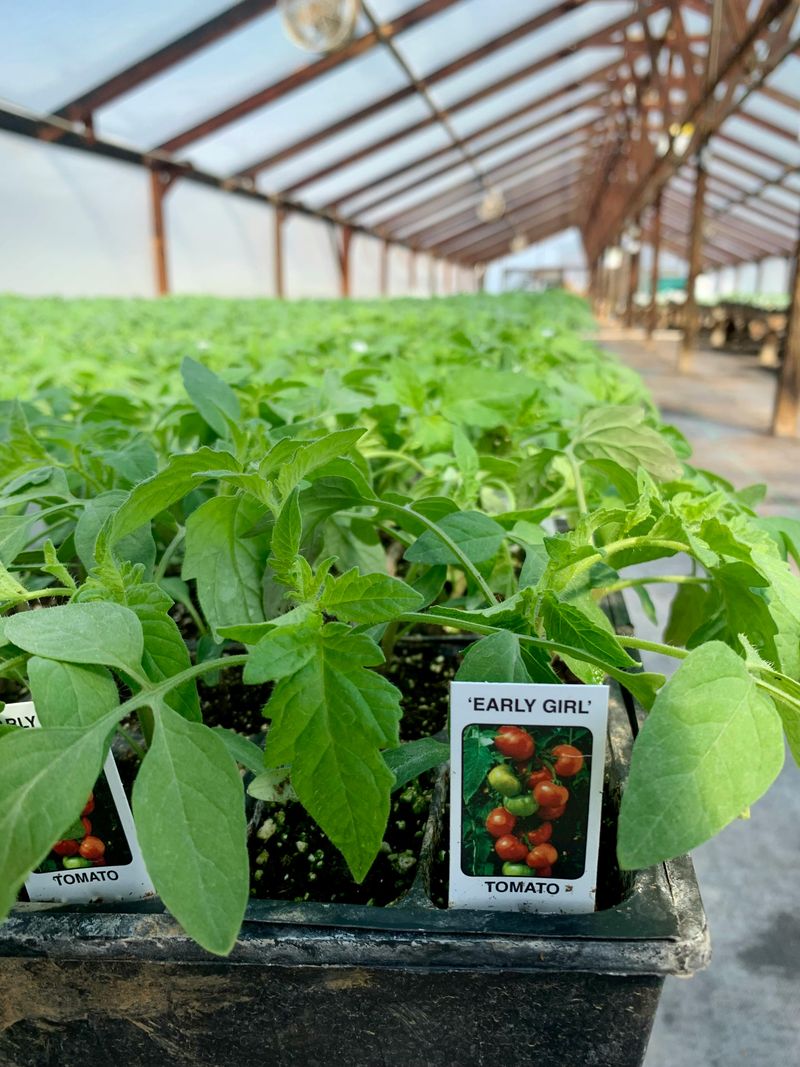
Image Credit: © Jonathan David / Pexels
Early girl has been a trusted name in home gardening for decades, and after testing it in Wisconsin, I completely understand why.
This classic variety was bred specifically to produce in cooler climates with shorter growing seasons, which makes it an obvious candidate for gardeners in the upper Midwest.
It does not disappoint.
My Early Girl plants started setting fruit quickly after transplanting, and by mid-July I was already slicing tomatoes for sandwiches.
The fruit itself is medium-sized with smooth red skin and a balanced flavor that works in almost every kitchen application.
Nothing too bold, nothing too bland, just a solid, dependable tomato you can count on.
One thing I appreciated was how consistently the plant produced throughout the season.
Even during stretches of cooler weather that slowed down other varieties, Early Girl kept going.
In Wisconsin, that kind of resilience is genuinely valuable.
Early Girl is not the flashiest tomato on this list, but it is one of the most practical.
For gardeners who want a reliable, no-drama producer that fits the Wisconsin growing season without any special tricks, Early Girl is a smart and satisfying choice that earns its place in any garden bed.
4. Siletz
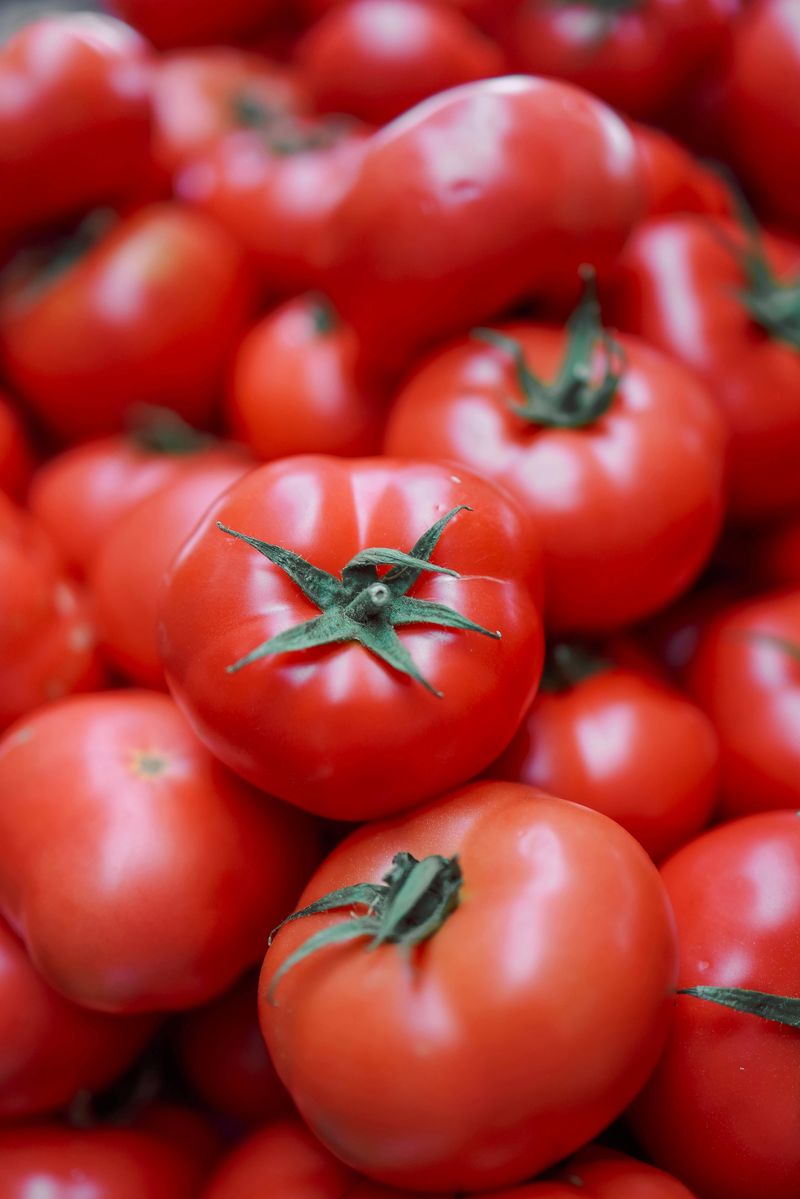
Siletz was developed in the Pacific Northwest specifically for cool, short growing seasons, and the moment I learned that, I knew it belonged in my Wisconsin garden.
This variety produces large, meaty tomatoes with thick walls and very few seeds, which makes it excellent for slicing, cooking, and canning.
What really impressed me was how Siletz handled the temperature swings we get in Wisconsin in late spring and early summer.
Many large tomato varieties struggle to set fruit when nights dip below 55 degrees, but Siletz kept pushing through.
I got full-sized fruit earlier than I expected from a tomato this big.
The flavor is mild and slightly sweet, leaning more toward a classic beefsteak style without the long wait that most beefsteak types require.
It is not the most complex tomato you will ever taste, but its reliability and size make it incredibly useful.
For sauce-making or a thick BLT, Siletz is hard to beat.
Gardeners in Wisconsin who want a large-fruited tomato that actually performs in our climate should absolutely try Siletz.
It fills a gap that not many other varieties can fill this far north, and it does so with a quiet, steady consistency that I found deeply satisfying.
5. Celebrity
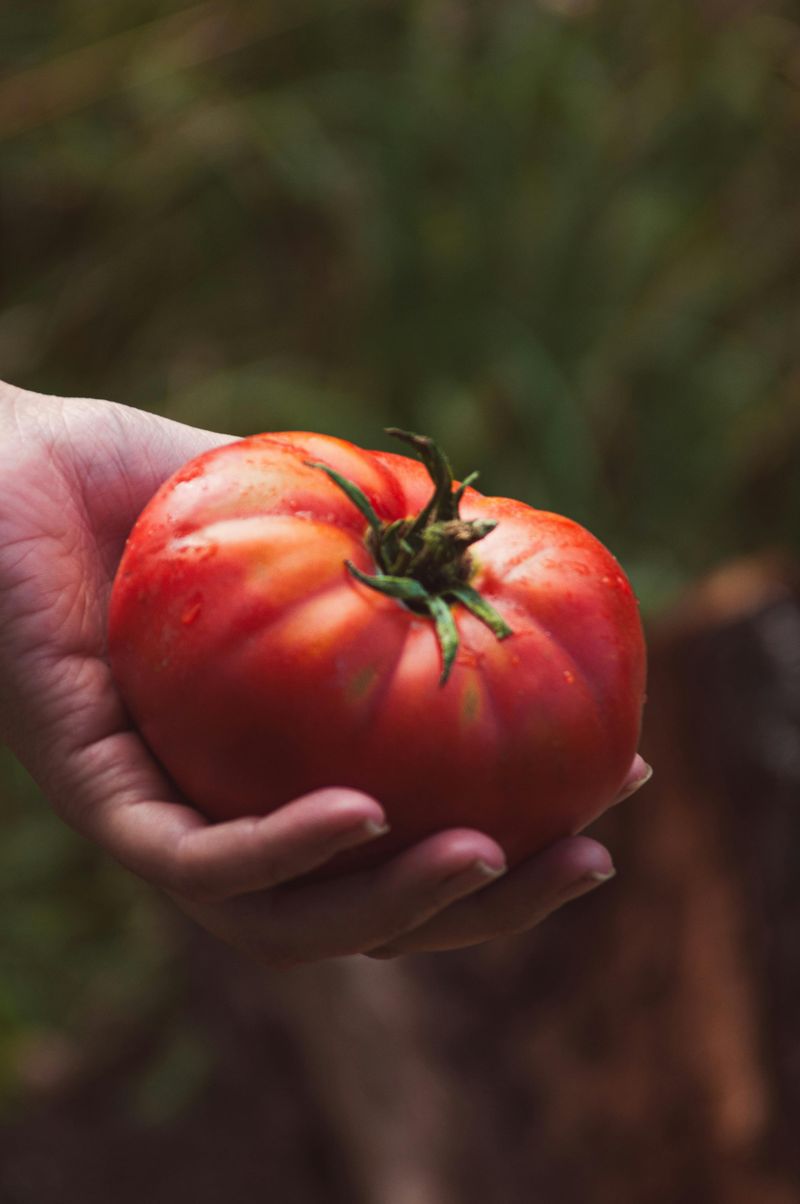
Celebrity is the kind of tomato that shows up, does its job, and never causes drama.
I planted it mostly as a control variety to compare against the others, but it ended up being one of the most consistent performers in my Wisconsin garden all season long.
Sometimes the classics are classics for a reason.
This variety carries resistance to several common tomato problems, which is a meaningful advantage in Wisconsin where humidity and temperature shifts can stress plants mid-season.
The fruit comes in round, uniform, and bright red with a firm texture that holds up well whether you are eating it fresh or cooking it down into sauce.
Celebrity tomatoes tend to ripen in a concentrated window, which is actually useful if you want to process a big batch at once for canning or freezing.
I filled two large bowls from just two plants during peak week.
That kind of output from a mid-season variety felt like a real reward for the spring prep work.
For Wisconsin gardeners who want dependability and solid production without chasing after unusual varieties, Celebrity is a smart pick.
It is widely available, easy to grow, and produces fruit that actually tastes like a real tomato should.
That is more than enough.
6. Black Krim
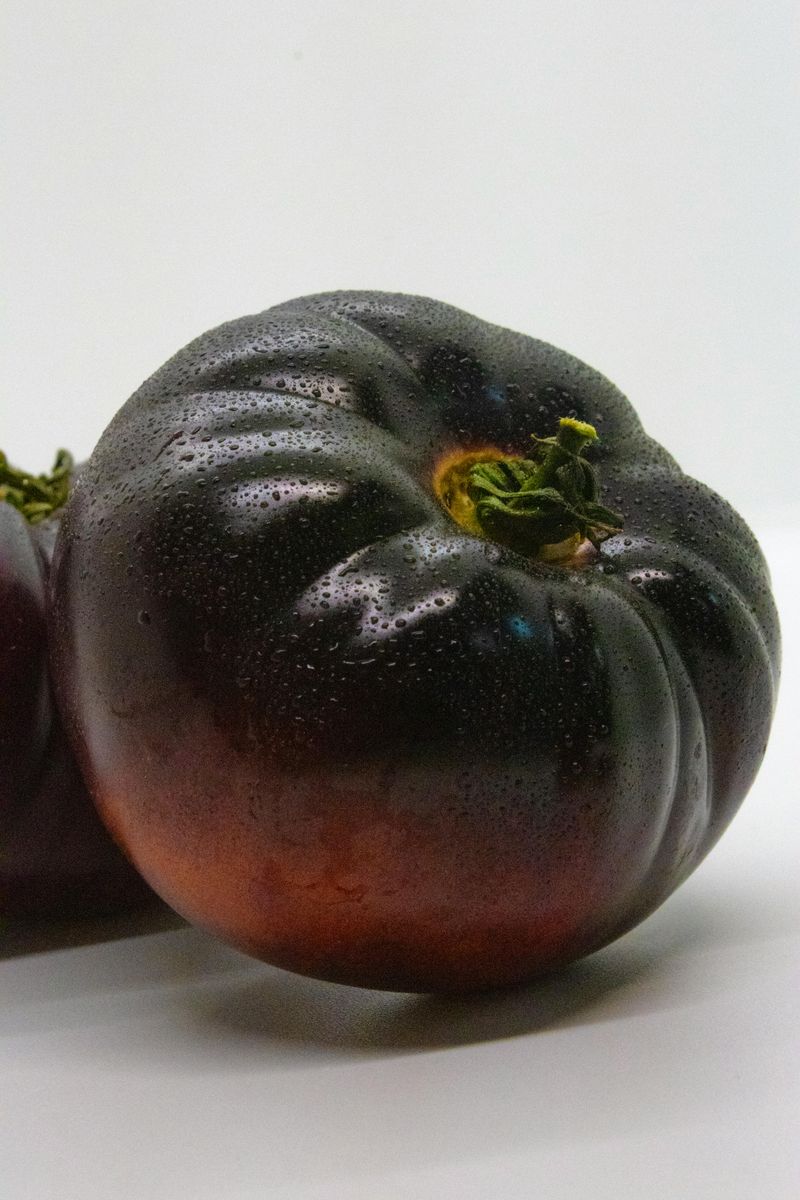
Black Krim is one of the more striking tomatoes you can grow, deep reddish-purple skin and a rich, smoky flavor that genuinely stands apart.
This heirloom variety from the Crimean Peninsula grows into large tomatoes with a rich, smoky, slightly salty flavor that is unlike anything else in the garden.
I was skeptical at first, but one taste changed everything.
Growing Black Krim in Wisconsin requires a bit of patience.
It is not the fastest variety on this list, and it needs a decent stretch of warm weather to develop its full flavor.
That said, in a good Wisconsin summer, Black Krim absolutely delivers.
The skin can crack near the stem end if rainfall is inconsistent, which is something to watch in our region.
Keeping moisture levels steady with mulch and consistent watering helps a lot.
Once you manage that, the fruit is stunning both visually and on the plate.
Sliced thick and laid on a plate with sea salt and fresh basil, Black Krim is the kind of tomato that makes people stop mid-bite and ask what variety it is.
For Wisconsin gardeners who want something adventurous and deeply flavorful, Black Krim is worth every bit of extra attention it asks for during the growing season.
7. Glacier
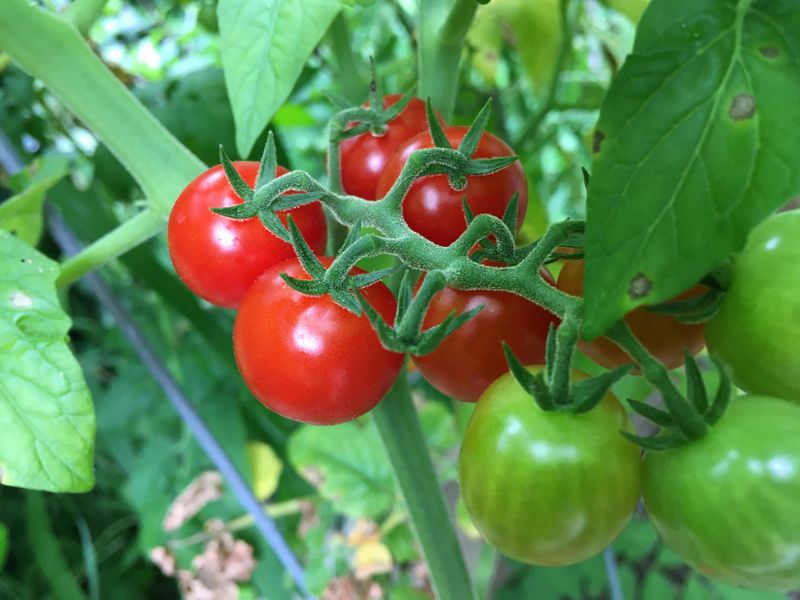
Glacier is not a tomato you hear about at every garden center, but in Wisconsin, it should be far more popular than it is.
This variety was bred for extremely short seasons and cold conditions, making it one of the most cold-tolerant options available to upper Midwest gardeners.
I planted it in a slightly shaded corner of my garden just to see what would happen, and it thrived.
The fruit is small to medium-sized with a pale orange-red color and a surprisingly sweet, mild flavor.
Glacier ripens very early in the season, often before other varieties have even set their first fruit.
For Wisconsin gardeners who get anxious waiting for that first ripe tomato of the year, Glacier is genuinely therapeutic.
The plant itself stays compact and does not need heavy staking, which makes it a solid option for container gardening on patios or decks.
I found it particularly useful for extending the season on both ends, planting it early in spring and letting it go as late as the weather allowed.
Glacier will not win any awards for bold, complex flavor, but it wins on timing and reliability in a state where the growing season is precious.
For Wisconsin, that timing advantage is worth its weight in gold.
8. Cherokee Purple
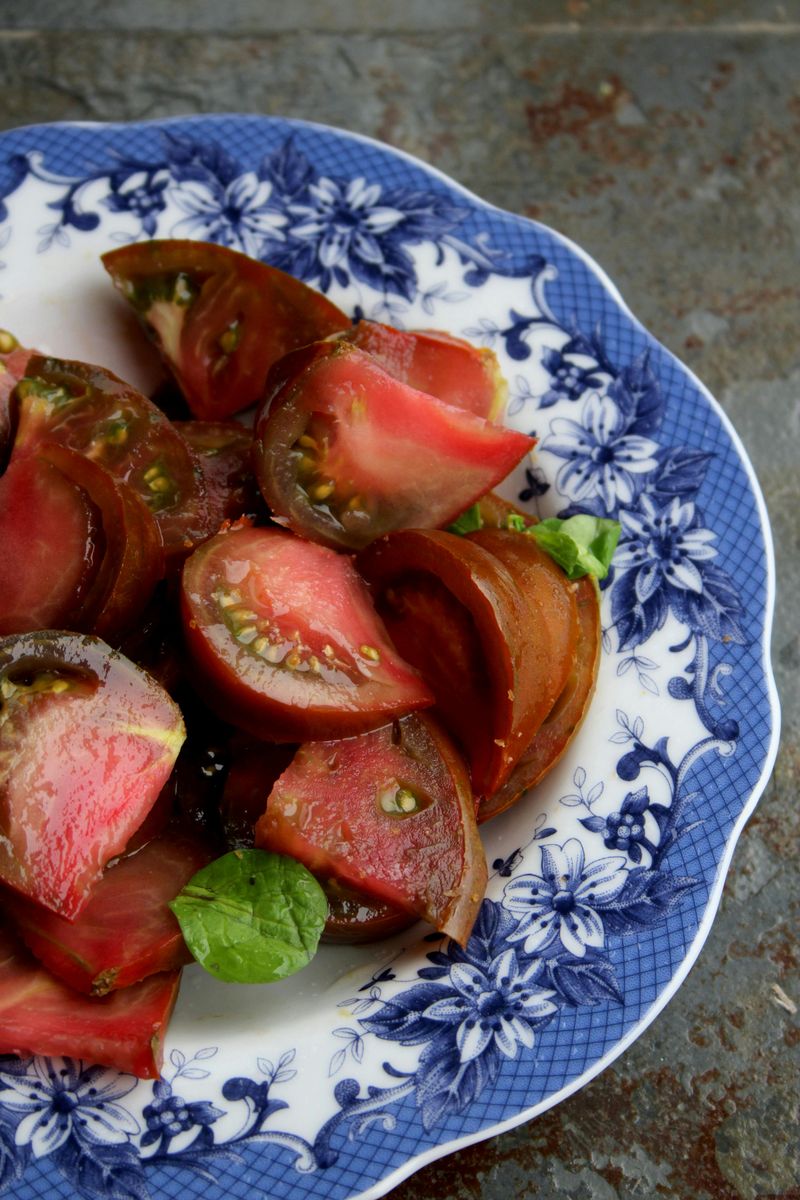
Cherokee Purple carries a kind of old-world charm that you feel the moment you slice one open.
The inside is a gorgeous deep crimson with greenish shoulders and a flavor that hits with rich, earthy sweetness and a savory finish.
This heirloom tomato has been passed down through generations of gardeners, and tasting it makes that devotion completely understandable.
In Wisconsin, Cherokee Purple needs a warm summer to really shine.
I grew it during a season with decent heat, and the results were stunning.
The fruit grew large, some reaching nearly a pound, with that signature irregular shape that tells you it was never bred for a grocery store shelf.
Cracking can be an issue during wet spells, so consistent watering and good drainage help protect the fruit as it matures.
The plants grow tall and benefit from strong caging early in the season.
Once you have a system in place, Cherokee Purple rewards you generously.
Served on a summer charcuterie board or layered into a caprese salad, Cherokee Purple is the tomato that always gets the most comments from guests.
For Wisconsin gardeners who want to grow something with history, beauty, and genuine flavor depth, Cherokee Purple is a standout choice worth every bit of extra care.
9. San Marzano
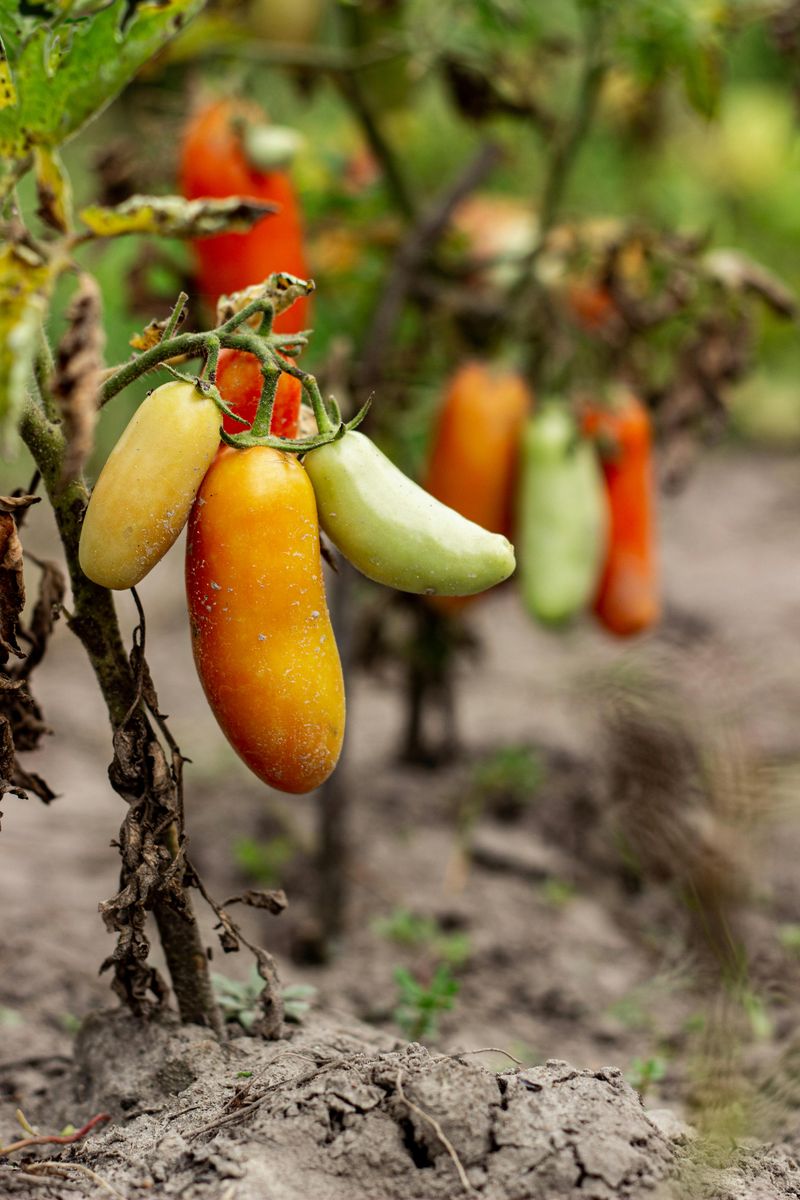
San Marzano is the gold standard of paste tomatoes, and yes, you can grow it in Wisconsin if you plan your season carefully.
These elongated, meaty tomatoes have thick walls, minimal seeds, and a concentrated sweetness that makes the most incredible homemade sauce you will ever taste.
Once you cook with homegrown San Marzano, it is hard to go back to store-bought paste.
The variety does need a reasonably warm summer to produce well, and Wisconsin can be inconsistent in that department.
I started my seeds indoors in early March to give them maximum time, and that extra head start made a noticeable difference in production by late summer.
Patience and planning are key with this one.
San Marzano plants are indeterminate and will keep growing and producing until frost shuts them down.
I ended up with enough fruit for several large batches of sauce that I froze for winter use.
There is something deeply satisfying about eating a tomato from your Wisconsin garden in the middle of January.
For gardeners who love to cook and want to fill their freezer with homemade sauce, San Marzano is worth the extra planning.
The flavor payoff at the end of the season makes every early morning spent in the garden completely worthwhile.
10. Jet Star
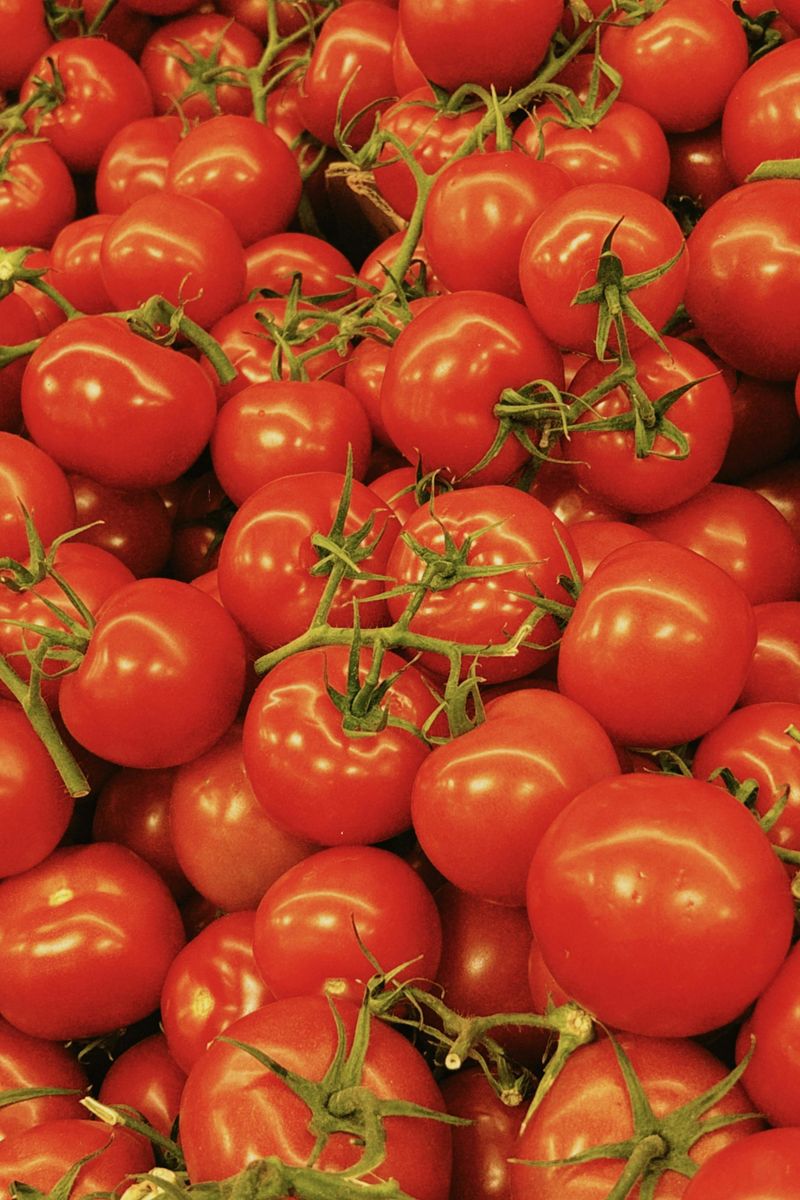
Image Credit: © Necip Duman / Pexels
Jet Star has been a Midwest gardening staple for good reason, and after growing it in Wisconsin this past season, I am fully on board.
This hybrid variety produces medium to large, smooth red tomatoes with low acidity and a mild, sweet flavor that appeals to just about everyone.
It is the kind of tomato that works for the whole family without anyone complaining.
What sets Jet Star apart in Wisconsin is its ability to set fruit during cooler stretches of weather without stalling out.
I noticed that even during a cool, rainy week in late June, my Jet Star plants kept developing fruit while some of the more heat-hungry varieties paused completely.
That adaptability is genuinely valuable in our state.
The fruit has a beautiful uniform shape and a firm texture that holds up well for slicing, sandwiches, and fresh eating.
Jet Star does not have the bold complexity of an heirloom, but its consistent quality and low-maintenance growth habit make it one of the most practical tomatoes for Wisconsin home gardeners.
If you want a reliable, crowd-pleasing tomato that fits our growing season without requiring a lot of extra attention, it is an excellent choice.
It earned its spot on this list by simply showing up and producing, season after season, without complaint.