The Texas Citrus Watering Rules Gardeners Should Follow In May
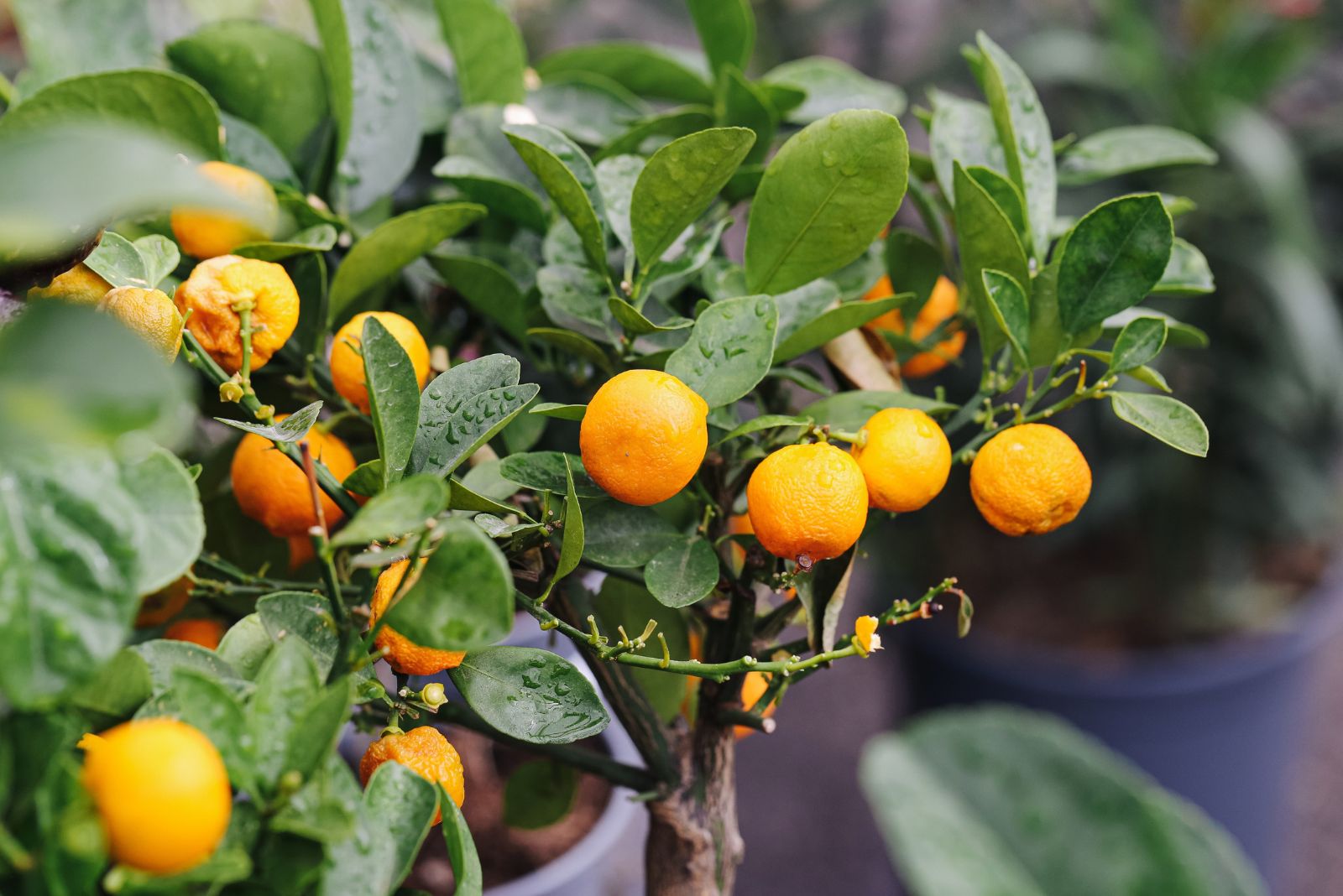
May is the month Texas citrus trees start making real demands, and the gardeners who pay attention to those demands during this window are the ones who end up with healthy trees and strong fruit production later in the season.
The ones who operate on autopilot with a watering routine that hasn’t been adjusted for May’s specific conditions often don’t see the consequences until summer, when fixing moisture-related problems becomes significantly more complicated.
Texas in May sits in that transitional zone where temperatures are climbing fast, soil is drying out more quickly than it did in March and April, and citrus trees are simultaneously pushing new growth and setting fruit – two processes that have real and competing water requirements that a single fixed watering schedule often fails to address properly.
Understanding what Texas citrus actually needs from your watering routine this month, and why the specifics matter more than most gardeners realize, sets the tree up for a genuinely productive season ahead.
1. Water Deeply Instead Of Watering Lightly
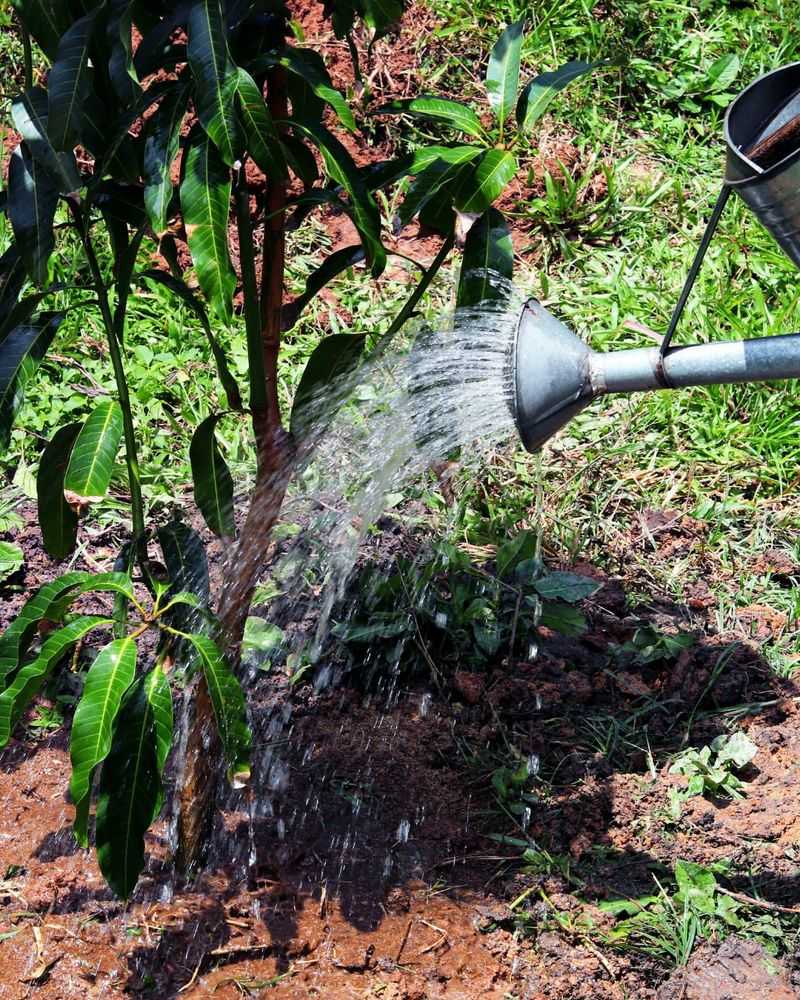
Shallow watering might seem like it is doing the job, but your citrus tree tells a different story underground. When you only wet the top few inches of soil, the roots stay close to the surface to chase that moisture.
Surface roots are far more vulnerable to heat, drought, and temperature swings, especially during Texas summers.
Deep watering means letting water soak down at least 12 to 18 inches into the soil. This encourages roots to grow deeper, where the soil stays cooler and holds moisture longer.
Deeper roots give your tree a stronger anchor and better access to nutrients locked in the lower soil layers.
A slow, steady watering session works best. Use a drip system, a soaker hose, or simply let your garden hose run at low pressure near the base of the tree for 20 to 45 minutes. Fast watering often causes runoff before the water has a chance to soak in properly.
In May, Texas heat picks up quickly, and the top soil can dry out within a day or two. Trees with deep root systems handle these dry spells much better than trees with shallow roots. Think of deep watering as building your tree’s long-term strength and resilience.
Young citrus trees especially need consistent deep watering during their first few years. Established trees are hardier, but they still benefit from thorough watering sessions over quick sprinkles.
Making this a regular habit in May sets your tree up for a strong, healthy growing season ahead.
2. Let The Top Soil Dry Slightly Between Waterings
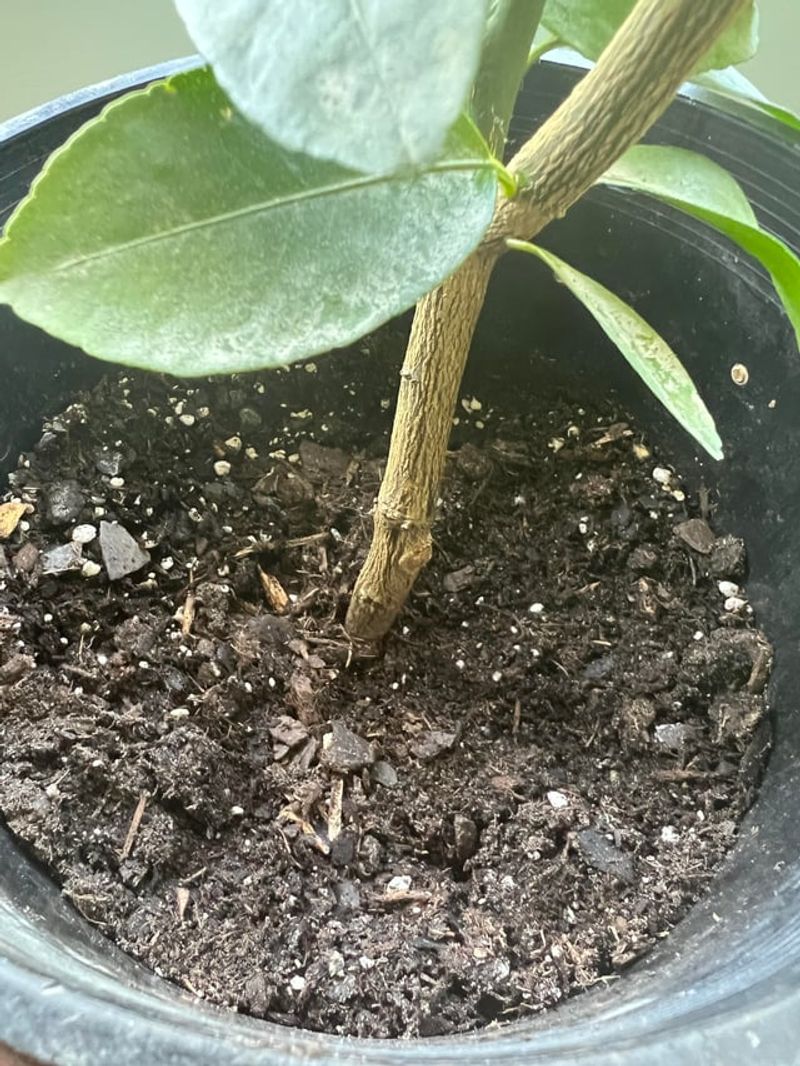
Citrus trees love moisture, but they absolutely cannot stand sitting in soggy soil for days at a time. Constantly wet soil pushes oxygen out of the root zone, and roots need air just as much as they need water.
Without oxygen, roots begin to weaken and become a target for fungal infections and root rot.
A good rule to follow is the finger test. Push your finger about two inches into the soil near the base of your citrus tree.
Your Texas Garden Changes Every Week. Your Plan Should Too.
Gardening in Texas changes quickly throughout the season. Every Friday you’ll receive a simple weekly plan showing exactly what to plant, prune, fertilize, harvest, and protect so you never miss the right timing.
If it feels damp, wait another day or two before watering again. If it feels dry at that depth, it is time to water thoroughly.
Root rot is one of the most serious problems citrus growers face in humid or overwatered conditions. The fungus Phytophthora is the most common offender, and it thrives in waterlogged soil.
Once root rot sets in, it can be very hard to reverse, so prevention is always the smarter move.
Letting the top inch or two of soil dry out slightly between waterings also encourages your tree’s roots to spread outward and downward in search of moisture. That natural searching behavior builds a stronger, more extensive root system over time.
May weather in Texas can be unpredictable. Some weeks bring afternoon thunderstorms, and others stay completely dry.
Checking the soil before watering every single time helps you avoid overwatering during wetter stretches. Your tree will reward your attention with healthier growth, greener leaves, and better fruit production throughout the season.
3. Water Early In The Morning
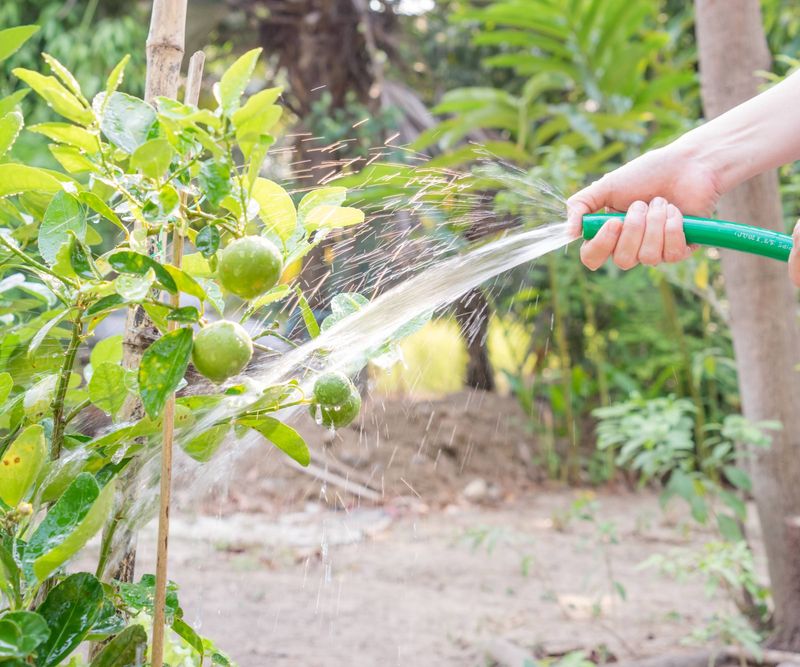
There is something almost magical about a garden in the early morning. The air is cooler, the sun is low, and your citrus tree is ready to soak up everything you give it.
Morning watering is hands-down the best time to water citrus in Texas, especially as May temperatures start climbing into the 90s.
Watering in the morning gives the soil and the tree’s root zone time to absorb moisture before the afternoon heat arrives. When the sun is at its strongest, wet soil near the surface can evaporate quickly, wasting water and leaving your tree thirsty.
Early watering reduces that evaporation loss significantly. Afternoon watering is especially problematic in Texas heat. The intense sun can cause rapid moisture loss from the soil surface before roots even get a chance to pull water in.
Evening watering creates its own problems by leaving foliage damp overnight, which invites fungal diseases to take hold.
Morning watering also helps reduce overall stress on your citrus tree during hot days. A well-hydrated tree heading into a hot afternoon handles temperature extremes far better than a dry one.
Think of it like making sure you drink plenty of water before heading out into the summer heat yourself.
Try to aim for watering between 6 a.m. and 9 a.m. if possible. Setting up a simple timer on a drip system makes this routine almost effortless.
Consistency is key, and once morning watering becomes a habit, your citrus trees will show their appreciation with lush green growth and strong fruit development all through the season.
4. Adjust Watering Based On Texas Weather Conditions
Texas weather in May can be a real wildcard. One week brings steady afternoon thunderstorms rolling across the Hill Country, and the next week feels bone dry with hot winds sweeping in from the west.
Smart citrus growers know that watering on a fixed schedule without checking conditions is a recipe for trouble.
During rainy periods, cut back your watering significantly. Rainfall can easily provide all the moisture your citrus tree needs for several days.
Continuing to water on your usual schedule after heavy rain leads to oversaturation, which stresses roots and creates the perfect environment for fungal problems.
Dry, windy weather is a different challenge entirely. Strong winds pull moisture from the soil and from the tree’s leaves faster than most gardeners expect.
During dry, breezy stretches in May, you may need to water your citrus tree more frequently than usual to compensate for that extra moisture loss.
Keeping a simple rain gauge in your yard is one of the easiest tools you can use. When your gauge shows an inch or more of rainfall, skip your next watering session.
When it reads very little, increase your output. Many modern irrigation controllers also allow you to set weather-based adjustments automatically.
Texas May weather is also known for sudden temperature spikes. When temperatures jump above 95 degrees for several days in a row, citrus trees need more water to stay balanced.
Paying attention to both rainfall and temperature together gives you the clearest picture of what your tree actually needs. Flexibility is everything when gardening in Texas.
5. Use Mulch To Hold Moisture Around Citrus Trees
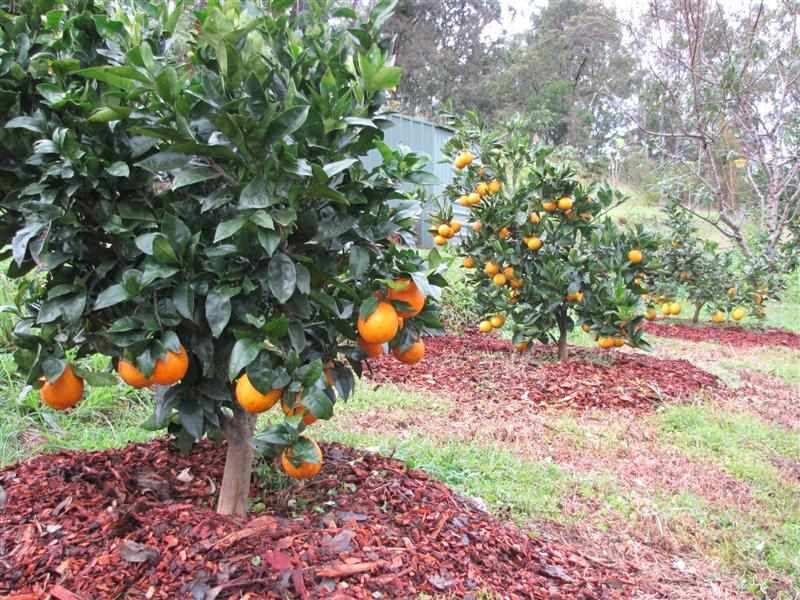
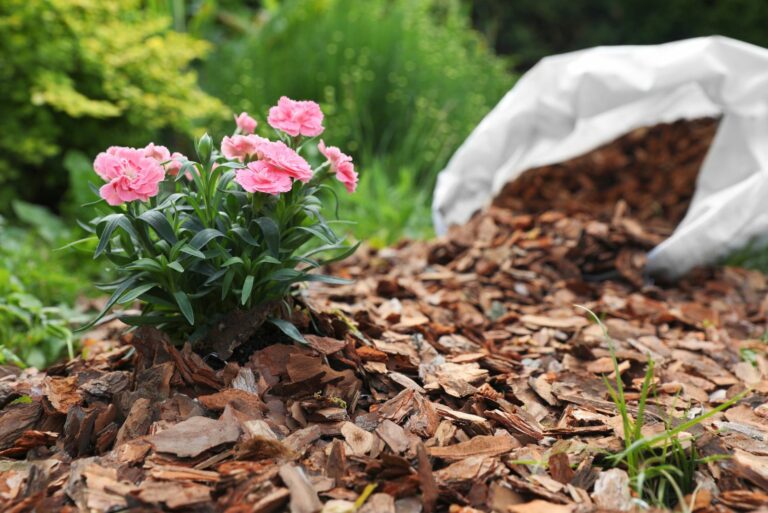
Mulch might be the most underrated tool in a Texas citrus grower’s toolkit. A thick layer of organic mulch spread around the base of your tree works like a blanket for the soil, slowing evaporation and keeping moisture right where your roots need it most.
In the intense May sun, that moisture retention can make a noticeable difference within just a few days.
Wood chips, straw, and shredded bark are all excellent mulch choices for citrus trees. Spread a layer about three to four inches thick in a wide ring around the base of the tree, but keep the mulch a few inches away from the actual trunk.
Mulch pressed directly against the trunk can trap moisture and create conditions that weaken the bark over time.
Beyond moisture retention, mulch also helps regulate soil temperature. Texas soil can heat up dramatically in May, and extreme soil temperatures stress citrus roots.
A good layer of mulch keeps the root zone noticeably cooler throughout the hottest parts of the day, which allows roots to function more efficiently.
As organic mulch breaks down over time, it also feeds the soil with nutrients, improving overall soil health around your citrus tree. That slow decomposition benefits earthworms and beneficial soil microbes that support healthy root development.
Refreshing your mulch layer each spring is a great gardening habit to build. Over winter and early spring, mulch breaks down and thins out.
Adding fresh mulch in May before the real Texas heat arrives prepares your citrus tree for the months ahead and reduces the amount of watering you need to do all summer long.
6. Watch For Signs Of Overwatering And Underwatering
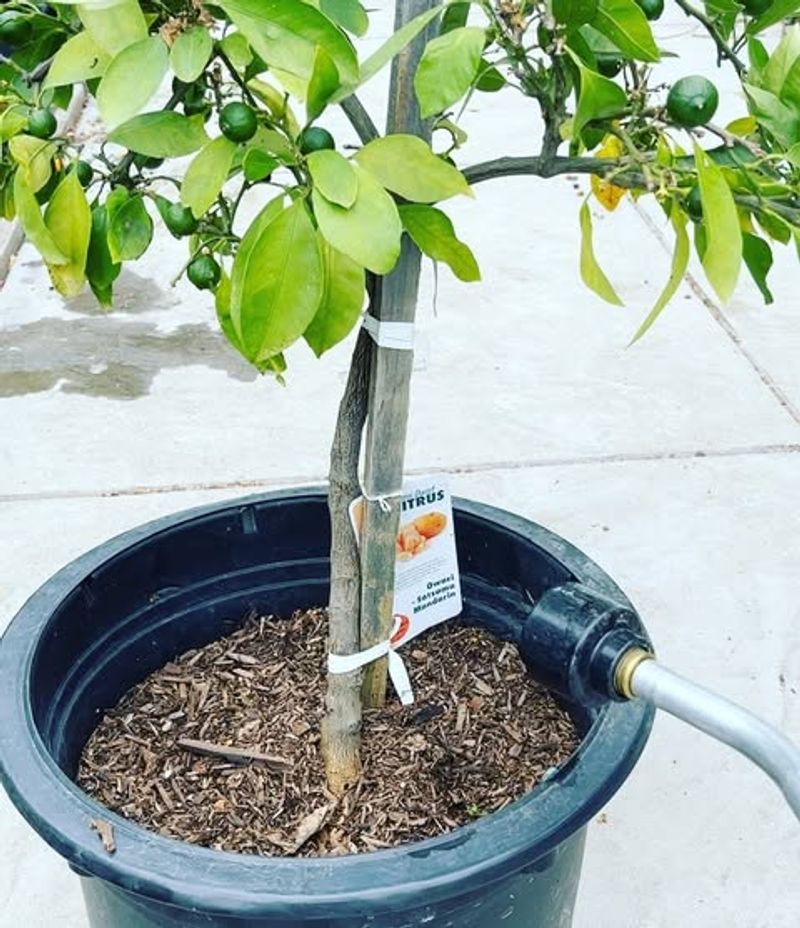
Your citrus tree is always communicating with you. The leaves, the soil, and even the fruit give you clues about whether your watering habits are on point or need adjusting.
Learning to read these signals early can save your tree from serious long-term damage before problems become too difficult to fix.
Yellow leaves are one of the most common signs that something is off with your watering routine. Overwatered citrus trees often show yellowing across many leaves at once, especially on lower branches.
The leaves may also feel soft or look slightly wilted even though the soil is wet. Root rot caused by excess moisture is often the hidden cause.
Underwatered trees show different symptoms. Leaves may curl inward, turn dry at the edges, or drop off entirely.
The soil around the tree will feel very dry several inches down, and the tree may look dull rather than vibrant green. Fruit on underwatered trees can also drop prematurely before it has a chance to fully develop.
One helpful trick is to check both the leaves and the soil together rather than relying on just one sign alone. A wilting tree in wet soil points to overwatering, while a wilting tree in dry soil signals the opposite problem entirely. Context matters every time.
Getting into the habit of inspecting your citrus trees a few times each week during May pays off in a big way. Early detection gives you time to correct your watering approach before stress builds up too much.
Healthy citrus trees in Texas grow best when gardeners stay attentive and respond quickly to what the tree is showing them.