5 Things Floridians Should Compost And 4 That Can Ruin The Whole Pile
Florida gardeners, listen up. You are sitting on a goldmine and throwing it straight into the trash.
Every orange peel, every coffee ground, every wilted vegetable from your fridge is pure black gold waiting to happen, and most of you are sleeping on it completely. Composting here is a different beast than anywhere else in the country.
The heat, the humidity, the wildlife that treats your backyard like an all-you-can-eat buffet, it all changes the game. But here is the part nobody warns you about: most people are accidentally sabotaging their own pile before it even gets started.
One wrong addition and the whole thing goes south fast, turning into a stinking, pest-attracting mess that makes your neighbors want to have a serious talk with you.
So let’s cut to the chase.
Not everything “natural” belongs in your compost, and Florida’s climate makes those mistakes cost you double.
1. Add Fruit And Vegetable Scraps
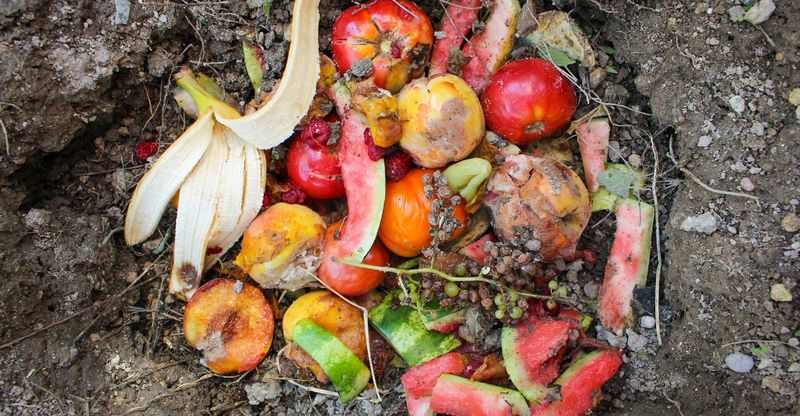
Every kitchen generates a steady stream of peels, cores, rinds, and stems that are almost too good to throw away.
Fruit and vegetable scraps are nitrogen-rich, moisture-heavy materials that give a compost pile the biological fuel it needs to heat up and break down quickly.
In our warm climate, that breakdown can happen surprisingly fast, which is both a benefit and a small challenge to manage well.
The real trick is handling those scraps before pests or odors become a problem. Chop large pieces into smaller chunks so they decompose faster and take up less air space.
Always bury scraps at least six inches deep in the center of the pile, then cover them immediately with dry leaves, pine straw, or shredded cardboard.
Burying scraps discourages fruit flies, raccoons, and other wildlife from investigating your pile. The mistake most beginners make is dumping a full bowl of wet scraps right on top without covering them.
That exposed wet layer turns sour fast in summer heat, creates odors, and signals every hungry critter in the neighborhood.
Keep a small bin with a lid near your kitchen, collect scraps throughout the week, and add them to the pile in manageable batches with a generous layer of browns on top.
2. Toss In Coffee Grounds And Filters
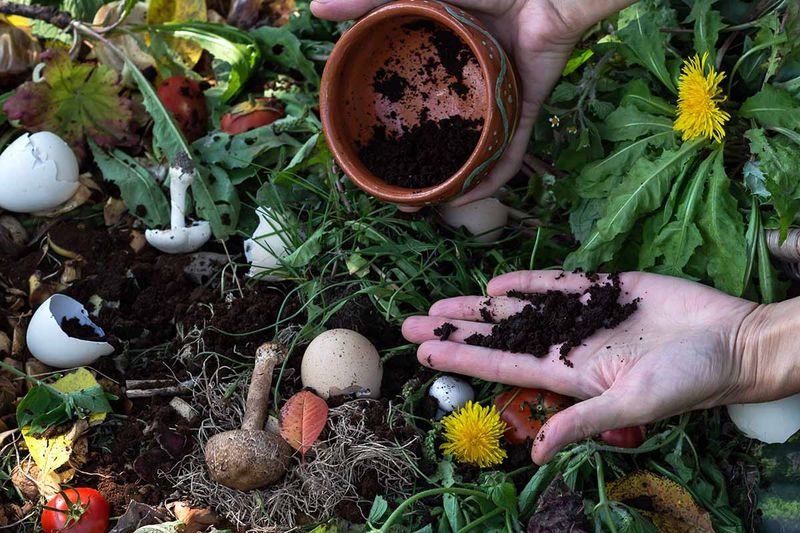
Most households brew coffee daily, which means there is a reliable source of excellent compost material sitting right next to the sink every morning.
Coffee grounds are packed with nitrogen, have a fine texture that microbes love, and help a pile stay active between larger batches of kitchen scraps.
Plain, uncoated paper filters can go right in too, counting as a modest brown material that adds a little carbon to the mix.
Humidity creates one specific challenge with coffee grounds: they clump. A thick, wet layer of grounds can form a dense mat that blocks airflow and slows the whole pile down.
Spread grounds thinly and mix them right into the pile with dry leaves, shredded newspaper, or pine straw rather than dumping them in one spot.
The other thing to watch for is filter type. Plain paper coffee filters, whether brown unbleached or standard white paper, can usually go in the compost.
Your Florida Garden Changes Every Week. Your Plan Should Too.
Gardening in Florida changes quickly throughout the season. Every Friday you’ll receive a simple weekly plan showing exactly what to plant, prune, fertilize, harvest, and protect so you never miss the right timing.
Plastic-lined filters, synthetic reusable filters, and most single-serve pods should stay out unless they are specifically certified compostable and accepted by your composting system.
3. Layer Dry Leaves For Balance
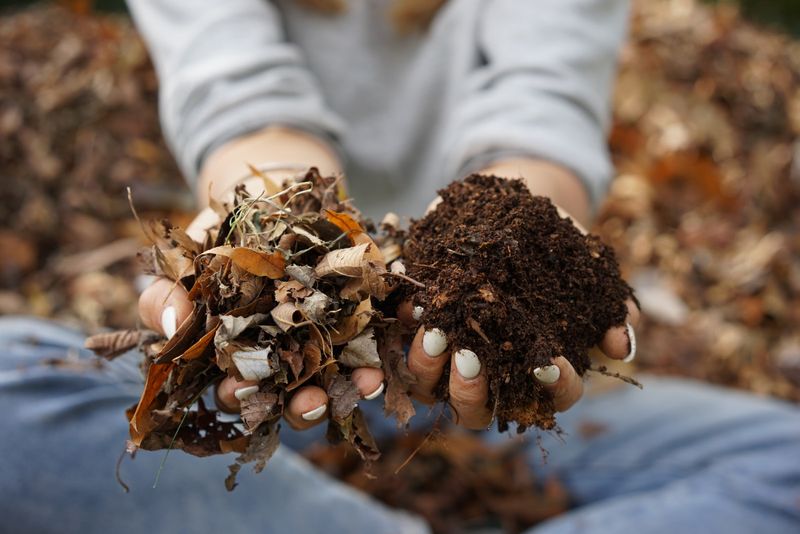
Ask any experienced composter what their most valuable ingredient is and the answer is almost always dry leaves.
Live oaks, magnolias, and countless other trees drop leaves year-round. It gives gardeners a nearly endless supply of carbon-rich brown material to balance out wet kitchen scraps and fresh grass clippings.
Without that balance, a compost pile can turn wet, sour, and smelly within a week during the rainy season.
Dry leaves improve airflow, soak up excess moisture, and give the pile structure so air can circulate through the layers. Shredding leaves before adding them makes a real difference.
Whole leaves, especially large magnolia or oak leaves, can mat together tightly when they get wet, forming soggy layers that block the oxygen microbes need to do their work.
Keep a pile of dry shredded leaves nearby as a dedicated covering material. Every time food scraps go into the pile, add a generous layer of shredded leaves on top.
During heavy summer rains, leaves also help absorb extra moisture that would otherwise make the pile too wet to function. The one mistake to avoid is adding thick, wet leaf mats all at once.
Layer them gradually with greens to maintain that carbon-to-nitrogen balance that keeps the pile cooking steadily.
4. Mix In Grass Clippings Carefully
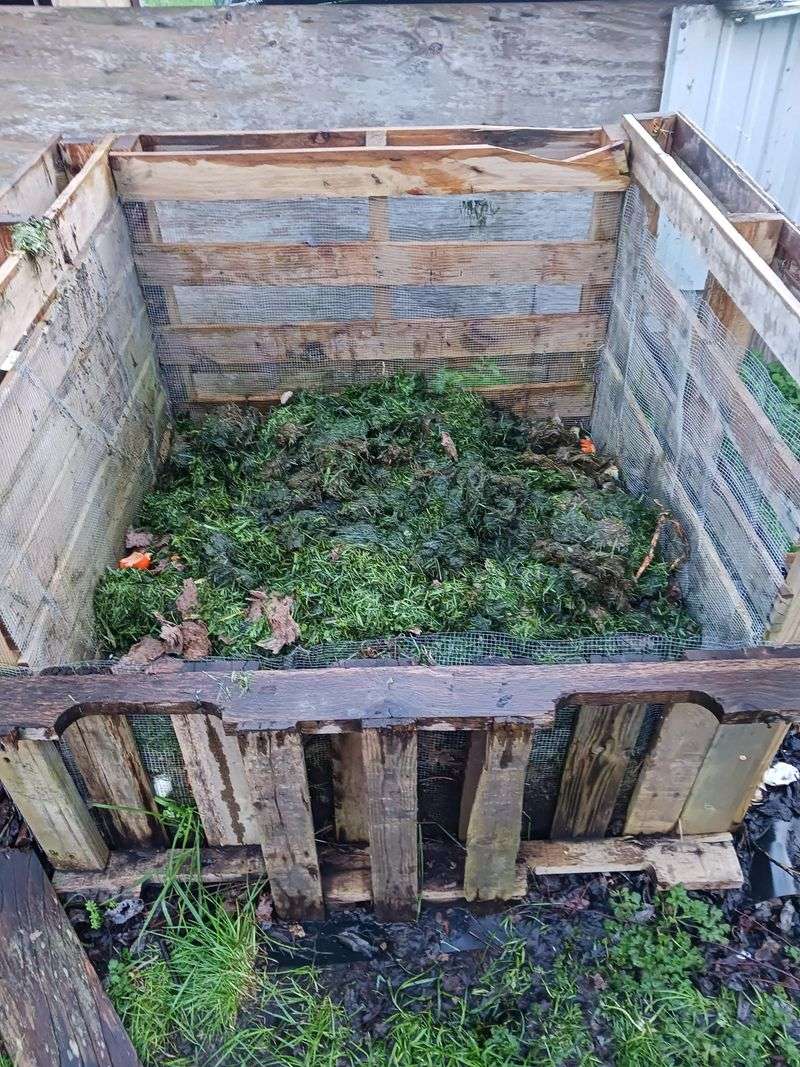
Right after mowing, that pile of fresh green clippings might look like perfect compost material, and in the right amount, it absolutely is. Grass clippings are high in nitrogen and can help a pile heat up quickly, which is useful for speeding decomposition.
Lawns grow fast and get mowed often, so there is usually no shortage of clippings available throughout the growing season.
The problem comes when clippings get dumped in thick, dense layers. In Florida’s humidity, a big clump of fresh grass clippings can turn into a slimy, anaerobic mat within days.
That mat cuts off oxygen to the rest of the pile and produces a sulfur-like odor that is hard to ignore and hard to fix without a lot of turning and adding dry material.
Mix clippings in thin layers with dry leaves, pine straw, or shredded paper every time you add them. Think of it as making a lasagna rather than a single thick layer of one ingredient.
Also check the label on any lawn treatment products before composting clippings. Some herbicides used on lawns can persist through composting and affect garden plants.
Most residential fertilizers are fine, but clippings from recently treated lawns with persistent herbicides should follow label guidance before going into the pile.
5. Use Plant Trimmings Without Seeds
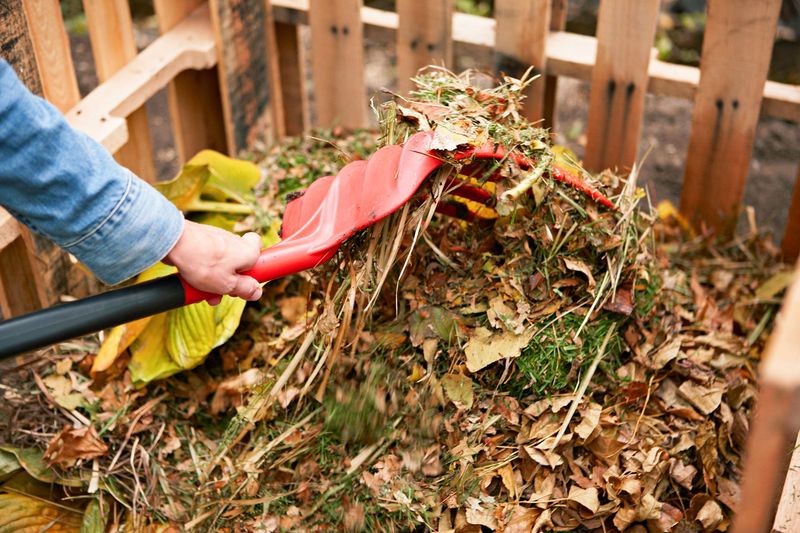
Garden cleanup days generate piles of spent flowers, soft stems, trimmed hedges, and pulled weeds, and most of that material is genuinely useful compost fodder.
Plant trimmings add organic matter, help build pile volume, and break down into the kind of rich humus that sandy soils really need.
The key is being selective about what goes in.
Trimmings without seed heads are the safest choice for a standard backyard pile.
Most casual home compost setups do not get hot enough consistently to break down viable seeds. This means weed seeds that go in can sprout right back up when you spread finished compost in the garden.
Florida also has several invasive or aggressive plants that should not go in a casual backyard compost pile.
This includes air potato vines and bulbils, torpedo grass rhizomes, and Brazilian pepper material, because seeds, bulbils, rhizomes, or fragments can survive and spread.
Chop bulky stems and woody trimmings into smaller pieces so they break down faster. Soft green trimmings can go in freely alongside your dry leaves.
Reserve the compost pile for non-invasive, seed-free garden material and use a separate disposal method for anything questionable.
A properly managed hot compost system can handle more variety. However, that requires consistent monitoring of internal pile temperatures, which is a step beyond what most backyard piles achieve on a casual basis.
6. Keep Meat And Dairy Out
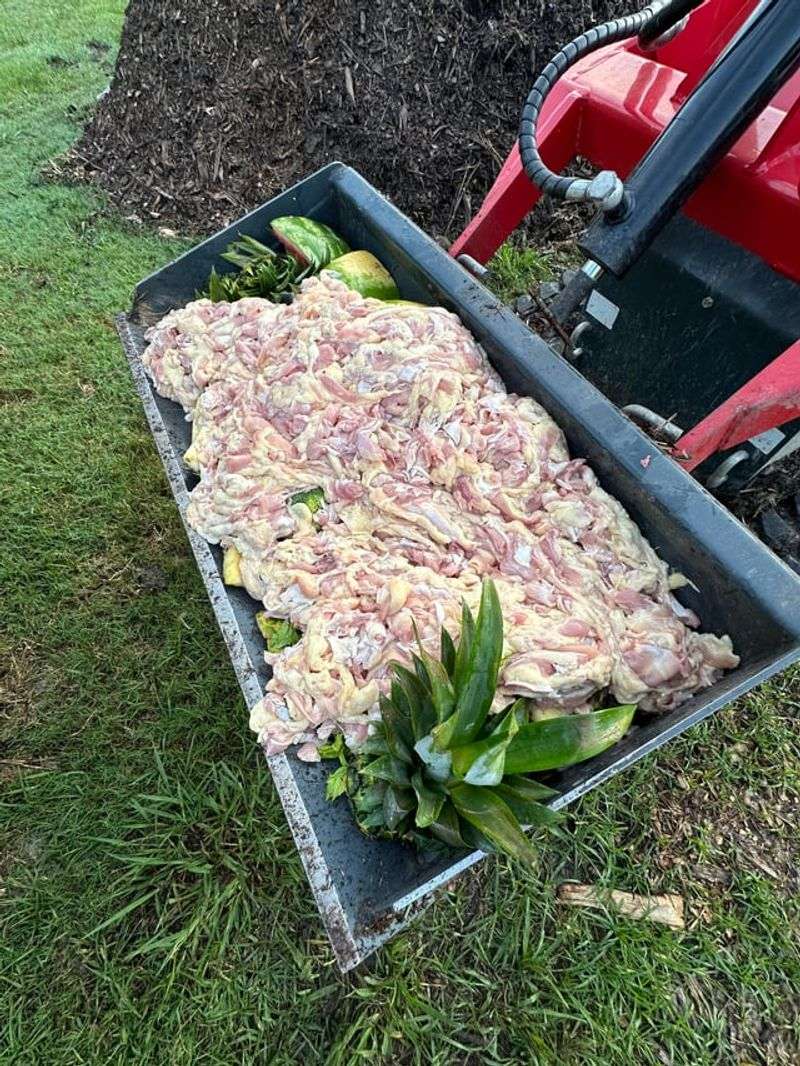
Florida summers make the pest problem with meat and dairy very real, very fast. Raccoons, opossums, rats, and flies are already active year-round in most parts of the state, and they have excellent noses.
Tossing a chicken bone or a chunk of cheese into the backyard compost pile is essentially sending out a dinner invitation to every animal in the neighborhood.
Meat, fish, bones, cheese, milk, yogurt, and other dairy products can all create intense odors as they break down, especially in heat. Those odors travel far and draw persistent scavengers that will dig through a pile repeatedly once they know food is there.
Beyond the pest issue, these materials can also slow the composting process and create conditions that are difficult to balance back out.
Standard backyard compost bins and open pile systems are not designed for these materials. Municipal composting programs and specialized systems like bokashi fermentation can handle meat and dairy safely, but a regular open pile cannot.
Check with your local solid waste program to see what options exist in your county.
For everyday home composting, keeping meat and dairy completely out of the equation.
It makes the whole process easier, less smelly, and far less likely to attract a midnight visitor tearing apart your carefully built pile.
7. Skip Greasy Food And Cooking Oil
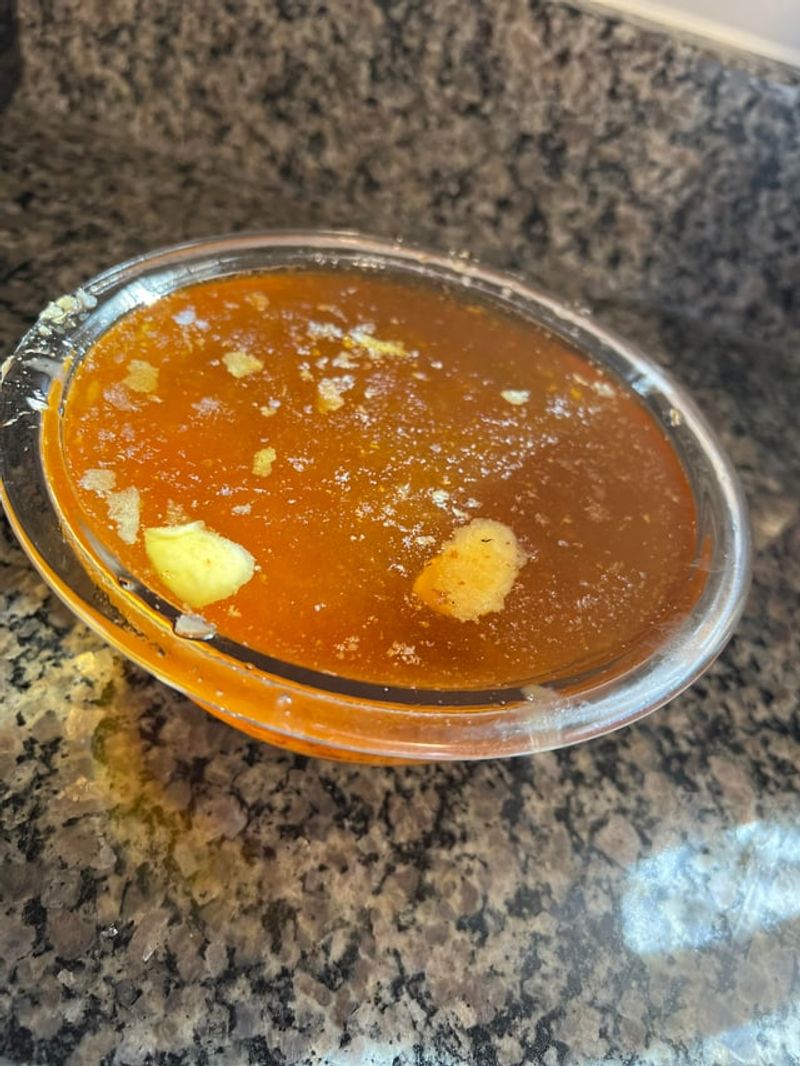
Leftover cooking oil, greasy pizza boxes, fried food scraps, buttery bread, and salad dressing-coated vegetables all share one trait that makes them a problem in compost: fat.
Greasy materials coat the surfaces of compost particles and essentially waterproof them, blocking the moisture and oxygen exchange that microbes depend on to function.
The result is a pile that stalls, develops hot spots, and starts producing unpleasant odors.
Heat makes this worse by amplifying those odors and making greasy smells stronger and more persistent. A pile that smells rancid in July is not just unpleasant for you, it is a beacon for pests.
Flies, ants, and larger scavengers are drawn to the smell of decomposing fats in a way that is hard to reverse once they have found the source.
Scrape plates thoroughly before washing and keep greasy food waste out of the compost bucket entirely. Used cooking oil should be cooled, sealed, and disposed of according to your local guidelines rather than poured into the yard or the pile.
Even small amounts of grease added repeatedly can build up over time and degrade pile quality. Keeping fats out is one of the simplest habits to build and one of the most effective ways to keep a compost pile healthy and pest-free through the humid summer months.
8. Avoid Diseased Plant Material
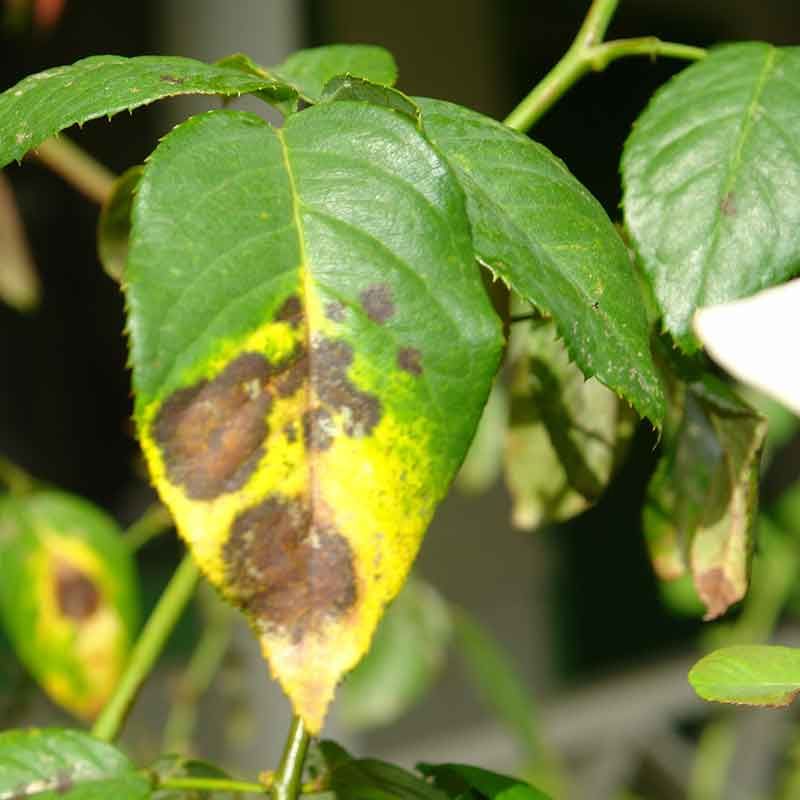
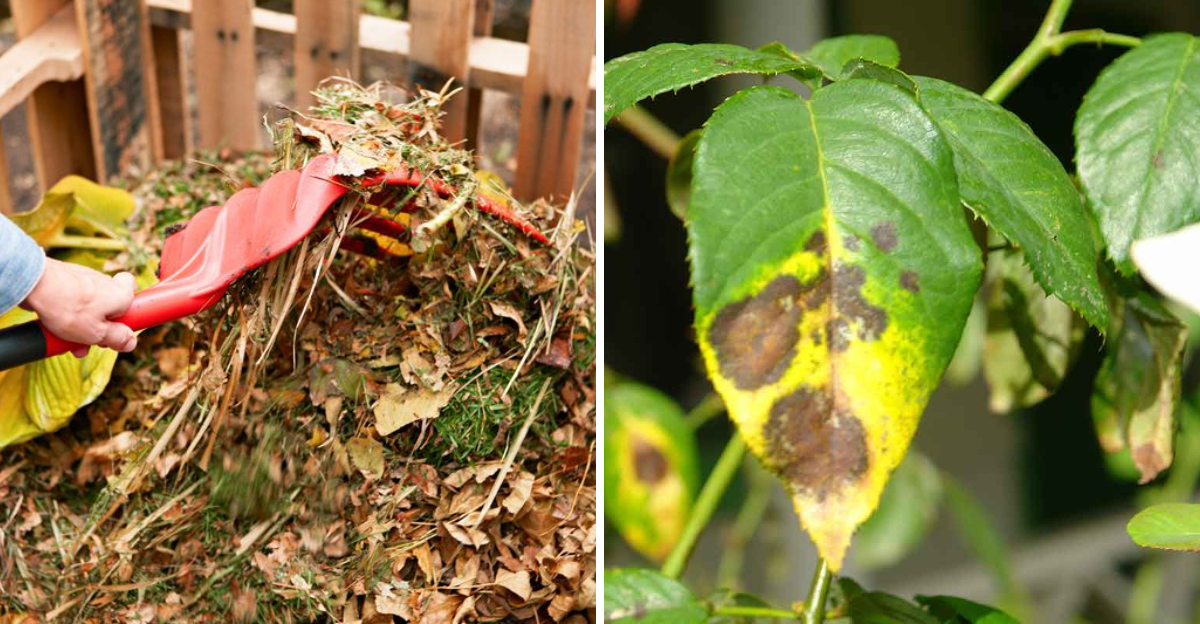
The combination of heat, humidity, and frequent rain creates ideal conditions for fungal diseases, bacterial rots, and pest pressure on plants.
Gardeners who deal with black spot on roses, root rot on tomatoes, or powdery mildew on squash might be tempted to toss that spent material into the compost pile and move on.
That instinct makes sense, but it can create problems down the road.
Most backyard compost piles do not maintain the sustained internal temperatures needed to reliably break down fungal spores, bacterial pathogens, or pest eggs.
A hot compost system managed carefully can reach temperatures high enough to neutralize many problem organisms. However, casual piles with inconsistent turning and variable moisture rarely hit that threshold consistently throughout the entire pile.
Material with serious disease symptoms, visible fungal growth, or signs of heavy pest infestation is better disposed of in yard waste bags. Also, you can contact your local solid waste program.
Spreading finished compost that came from a questionable pile around susceptible plants can reintroduce the same problems you were trying to solve.
Reserve the compost bin for healthy plant trimmings and save yourself the headache of diagnosing whether a pile ran hot enough to make diseased material safe. Disease pressure is high enough without adding risk to your own garden beds.
9. Leave Pet Waste Out Completely
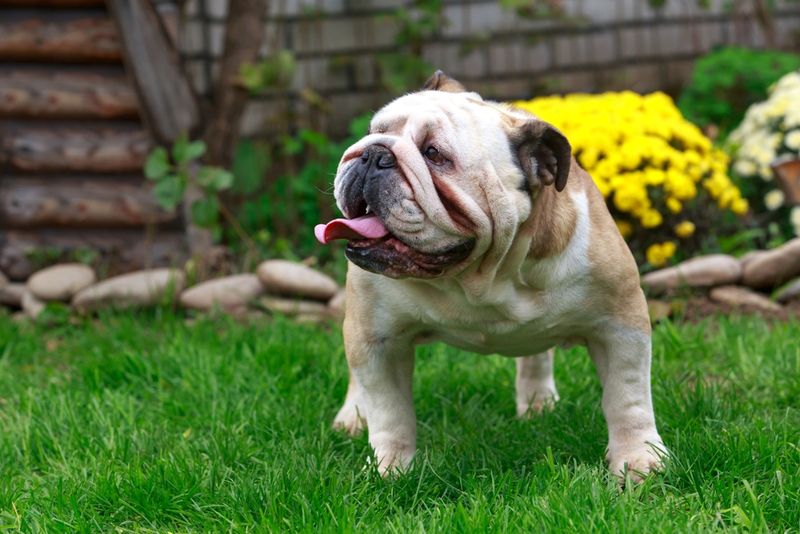
Dog waste sitting in a backyard on a hot August afternoon is a good reminder of just how quickly organic material breaks down in this climate. But speed of breakdown does not equal safety, and that distinction matters a lot when pet waste is involved.
Dog, cat, and other carnivore pet waste can carry pathogens and parasites including roundworms, hookworms, and harmful bacteria that standard backyard compost piles are not equipped to neutralize.
Warm soil and wet summers actually help certain parasites survive and spread more easily than in cooler climates.
Adding pet waste to a home compost pile creates real risk, especially if that compost will ever be used around vegetables, herbs, fruit trees, or any space where children play.
The finished compost may look and smell fine while still containing organisms that can cause illness.
Designated pet waste composting systems do exist and are designed specifically for this purpose. But they are separate systems from standard garden compost and the output should never be used on edible crops.
For most homeowners, the simplest and safest approach is to follow local solid waste disposal guidelines for pet waste.
Keep it out of the regular compost pile entirely and protect the quality of the compost you work hard to create all season long.