7 Reasons Your Roses Stop Blooming In Texas Heat
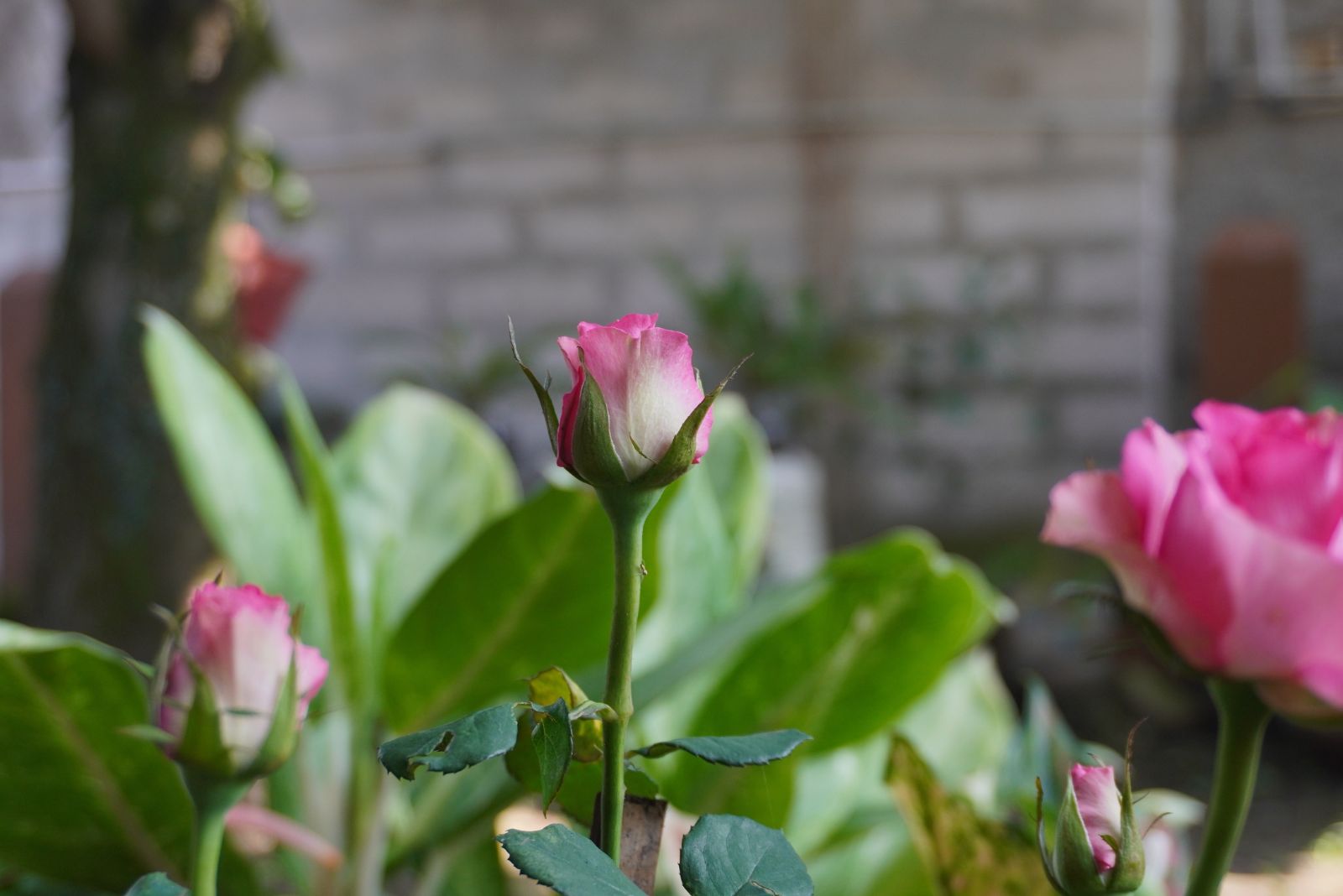
Did your Texas roses put on a beautiful show in spring and then essentially stop performing the moment real heat arrived? You’re not imagining it, and you’re definitely not alone.
This is one of the most common and most frustrating experiences Texas rose growers deal with. The reasons behind it are more specific and more fixable than most people realize when they’re standing in front of a healthy-looking plant that simply refuses to bloom.
Roses in Texas operate on a different schedule than roses in cooler climates, and understanding that difference is the starting point for everything else.
The spring flush is often spectacular precisely because conditions are ideal, and then the same plants that looked so impressive in April and May seem to check out entirely once June and July temperatures take hold.
What’s actually happening during that shutdown period, and what you can do to change it, makes all the difference between a Texas rose that blooms once and one that keeps going all season.
1. Extreme Afternoon Heat Stress
When Texas summer hits full force, temperatures can soar well above 100 degrees Fahrenheit, and your roses feel every bit of it. Roses are tough plants, but they have limits.
Once the heat gets too intense, they shift into a kind of survival mode where all their energy goes toward staying alive rather than producing flowers.
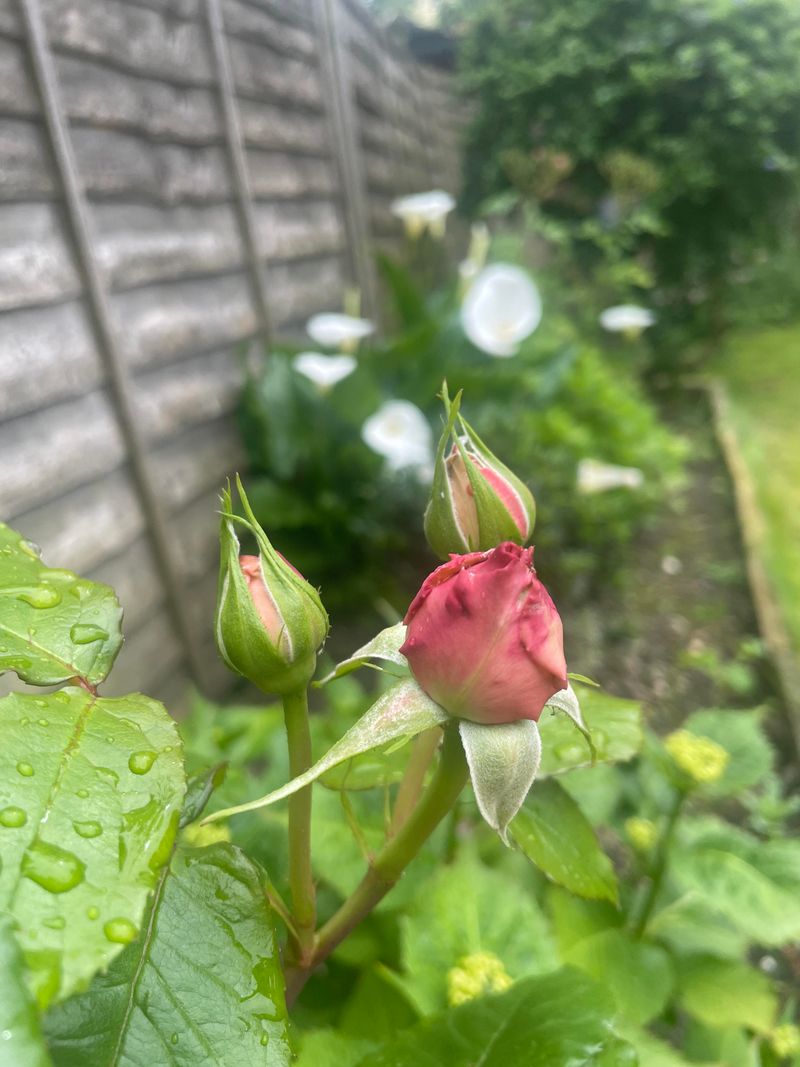
This is called heat-induced dormancy, and it is completely normal for roses in hot climates. You might notice the leaves looking a little dull, the stems slowing their growth, and the buds refusing to open.
Some buds may even drop off before they get a chance to bloom. The plant is not giving up. It is just protecting itself.
The best thing you can do during this time is to stop pushing the plant to perform. Avoid heavy pruning or fertilizing during peak heat.
Instead, focus on keeping the roots cool and moist. Applying a thick layer of mulch around the base of the plant, about two to three inches deep, can make a huge difference. Mulch keeps the soil temperature lower and holds in moisture longer.
You can also try shading your roses during the hottest part of the afternoon, usually between 2 p.m. and 5 p.m. A shade cloth or even a strategically placed garden umbrella can reduce heat stress significantly.
Once temperatures drop in late summer or early fall, your roses will likely wake back up and reward you with a fresh round of beautiful blooms.
2. Too Much Nitrogen Fertilizer
Fertilizer is supposed to help your roses, right? Well, yes, but only when you use the right kind at the right time.
Too much nitrogen is one of the sneakiest reasons roses stop blooming, especially during the hot Texas summer months. Nitrogen is the nutrient that pushes leafy, green growth, and when there is too much of it in the soil, your rose plant gets confused.
Instead of putting its energy into making flowers, the plant goes all in on growing big, bushy green leaves. It looks healthy on the outside, but there are zero blooms to show for it.
Your Texas Garden Changes Every Week. Your Plan Should Too.
Gardening in Texas changes quickly throughout the season. Every Friday you’ll receive a simple weekly plan showing exactly what to plant, prune, fertilize, harvest, and protect so you never miss the right timing.
Gardeners sometimes make this mistake when they use a general-purpose lawn fertilizer near their rose beds. Lawn fertilizers are loaded with nitrogen, which is great for grass but not so great for blooming roses.
During the summer heat, roses need a fertilizer that is balanced or even higher in phosphorus, which is the nutrient that supports flower production. Look for fertilizers labeled for roses or flowering plants, and check the three numbers on the bag.
The middle number represents phosphorus, so something like 5-10-5 is a better summer choice than a high-nitrogen formula.
Also, avoid fertilizing during the absolute peak of summer heat. Feeding a heat-stressed rose can actually make things worse by pushing new tender growth that scorches quickly.
Wait until temperatures start to ease a bit before giving your plants a feeding boost. Timing really does matter when it comes to fertilizing roses in Texas.
3. Inconsistent Watering
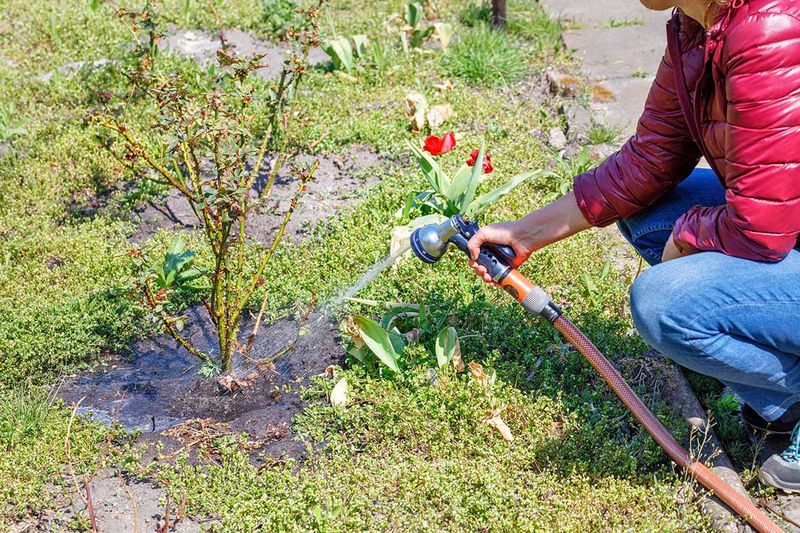
Watering roses in Texas is a bit of an art form. Too little water and the plant dries out. Too much all at once after a dry spell and the roots get shocked. Either way, inconsistent watering is one of the top reasons roses stop producing flowers during the summer.
Roses like steady, reliable moisture, not a feast-or-famine routine. When the soil gets bone dry and then suddenly receives a huge soaking, the plant goes through a kind of stress cycle.
The roots struggle to absorb water properly, and the plant redirects its energy away from blooming and toward basic survival.
You might notice yellowing leaves, wilting even after watering, or buds that form but never fully open.
A good rule of thumb for Texas roses is to water deeply about two to three times per week during the hottest months.
Deep watering means letting the water soak down at least six to eight inches into the soil, reaching the roots where it counts. Shallow watering just wets the surface and evaporates quickly in the heat.
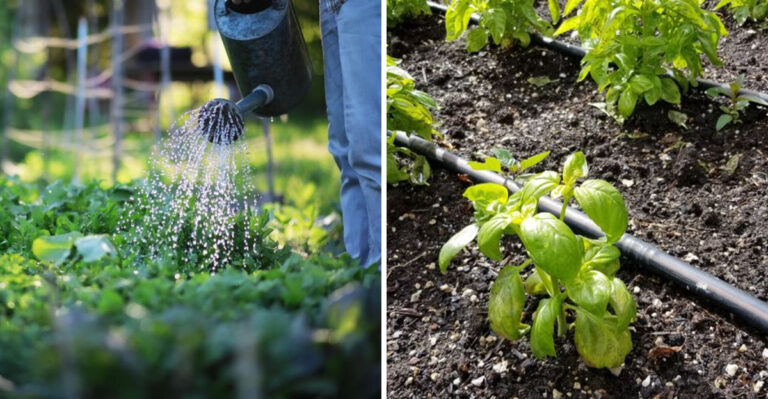
Drip irrigation systems are a fantastic investment for rose gardeners in Texas. They deliver water slowly and directly to the root zone, reducing waste and keeping moisture levels more consistent.
If you water by hand, try to do it in the early morning so the plant has moisture available as the heat builds through the day. Consistent watering is one of the simplest ways to keep your roses blooming through summer.
4. Lack Of Morning Sunlight
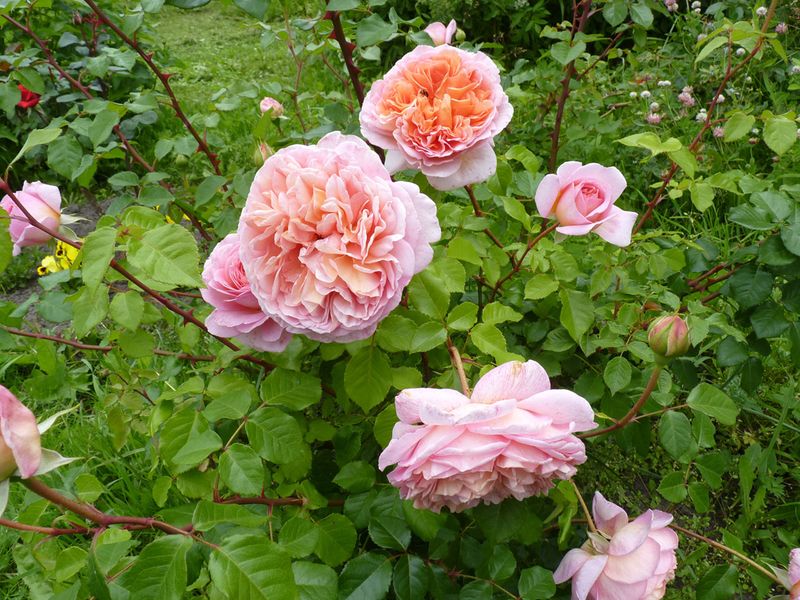
Sunlight is basically food for roses. Without enough of it, especially in the morning hours, your rose plants simply cannot produce the energy they need to make flowers.
Most rose varieties need at least six hours of direct sunlight each day to bloom consistently, and morning sun is the best kind they can get.
Morning sunlight is gentler than the harsh afternoon rays that blast Texas gardens in the summer. It warms the plant gradually, dries off any overnight dew that can cause fungal problems, and kick-starts the photosynthesis process early in the day.
When roses are stuck in a spot that gets mostly afternoon shade or is blocked by a fence or large tree, they often produce lots of leaves but very few flowers.
If your roses are not getting enough morning light, consider whether transplanting them to a better location is possible.
The ideal spot in a Texas garden gets full sun from early morning until around noon or early afternoon, then receives some natural shade during the hottest hours.
This setup gives roses the light they need without cooking them in the intense late-day heat.
If moving the plant is not an option, try trimming nearby shrubs or tree branches that might be casting shade during the morning hours. Even opening up a little more light can make a noticeable difference in how many blooms your roses produce.
Placement really is one of the most important decisions you can make for rose success in Texas.
5. Failure To Remove Spent Blooms
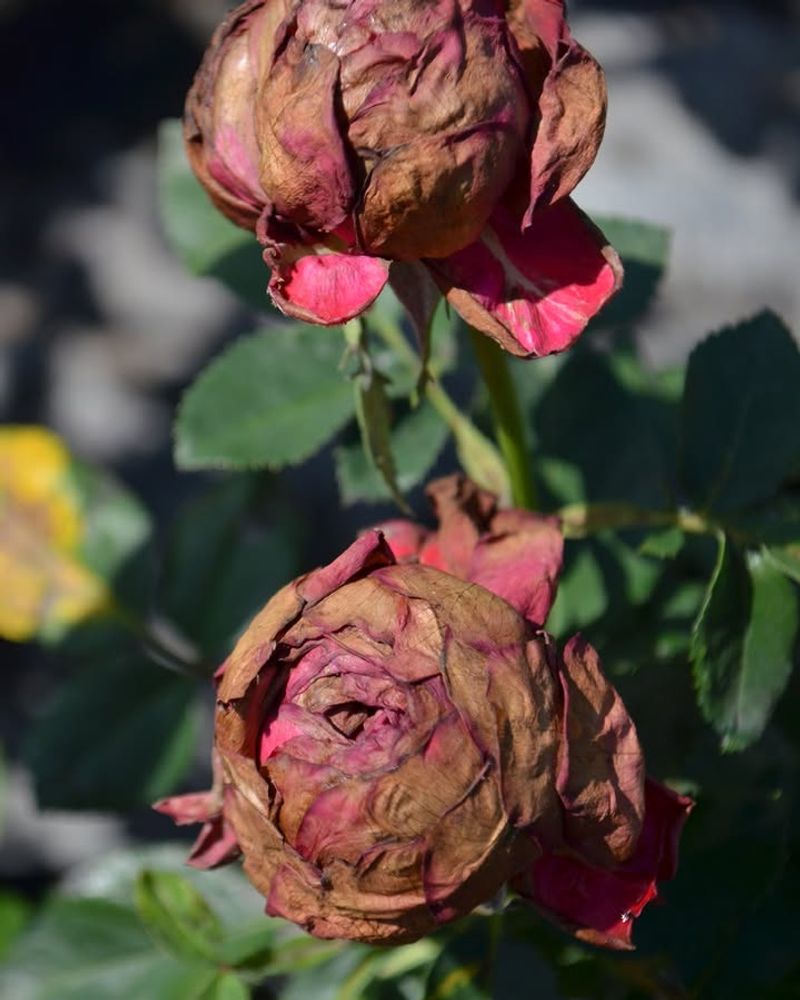
Here is something a lot of new rose growers do not realize: leaving old, faded flowers on the plant actually signals the rose to stop making new ones.
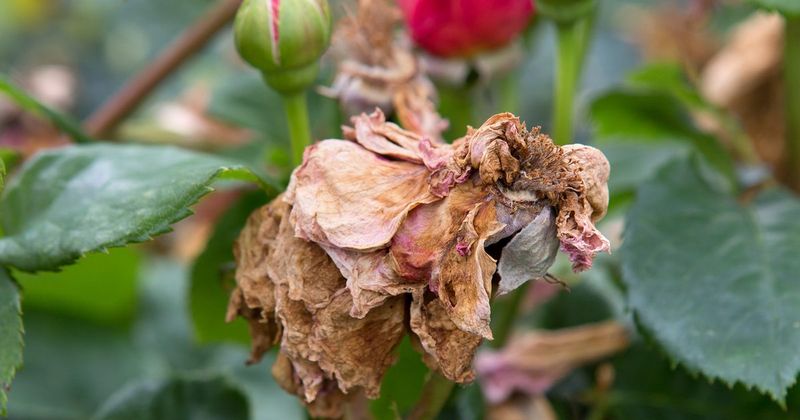
Once a rose bloom starts to fade and form a seed pod called a hip, the plant thinks its job is done. It shifts its energy toward ripening that seed rather than producing more flowers.
Deadheading, which is the process of removing spent blooms, is one of the easiest and most effective ways to keep roses blooming all season long.
When you snip off that old flower before it forms a hip, you are basically telling the plant to try again. The rose responds by pushing out new buds and eventually new flowers.
In Texas, where summer heat already stresses roses, leaving spent blooms on the plant adds another layer of unnecessary burden. The plant wastes precious energy on seed development instead of using it to stay healthy and produce fresh flowers.
Regular deadheading, done every few days during the blooming season, can dramatically increase the number of flowers your roses produce.
When removing spent blooms, cut the stem back to just above the first set of five-leaflet leaves. This is where the new growth will emerge.
Use clean, sharp pruning shears to make a clean cut at a slight angle. Avoid tearing or crushing the stem.
Keeping your tools clean also helps prevent the spread of disease from one plant to another, which is especially important during the humid Texas summer months.
6. Spider Mites And Thrips
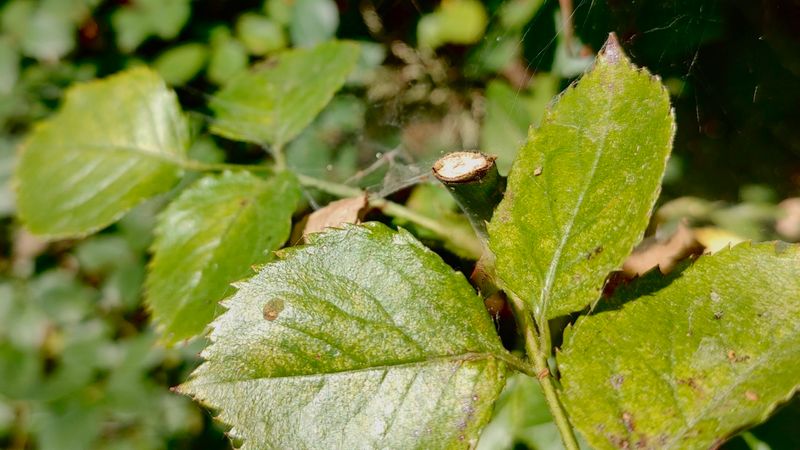
Texas heat does not just stress your roses. It also creates the perfect conditions for some very damaging pests.
Spider mites and thrips are two of the worst offenders when it comes to stopping roses from blooming, and both of them thrive in hot, dry weather. If your roses suddenly look off and the buds are not opening properly, these tiny troublemakers might be the reason.
Spider mites are so small you can barely see them with the naked eye, but their damage is hard to miss. They feed on the underside of leaves, sucking out the plant juices and leaving behind a silvery, stippled look.
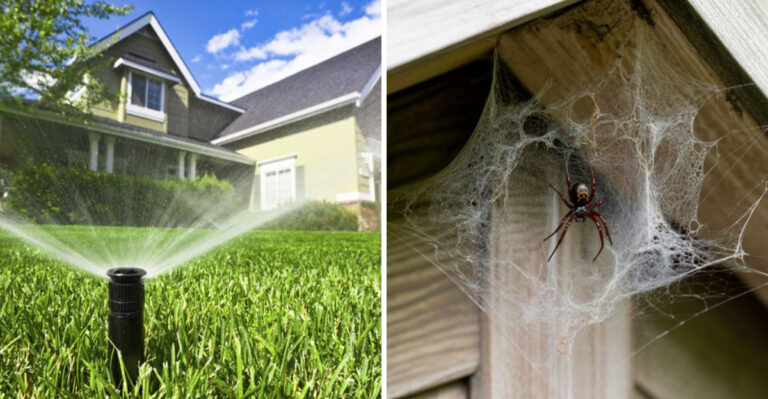
In heavy infestations, you might even notice fine webbing on the leaves and stems. Thrips are equally sneaky.
They hide inside flower buds and feed on the tender petals, causing blooms to look streaked, deformed, or brown before they even open.
Checking your roses regularly for these pests is the best way to catch an infestation early. Look under the leaves for mites and inside any unopened buds for thrips.
A strong blast of water from a garden hose can knock mites off the plant and reduce their numbers quickly. For thrips, removing and disposing of damaged buds helps cut down the population.
Insecticidal soap or neem oil are both effective and relatively gentle options for treating both pests. Apply them in the early morning or evening to avoid burning the leaves in the heat.
Consistency is key. Treating once is rarely enough, so plan on reapplying every five to seven days until the problem is under control.
7. Poor Air Circulation Around Plants
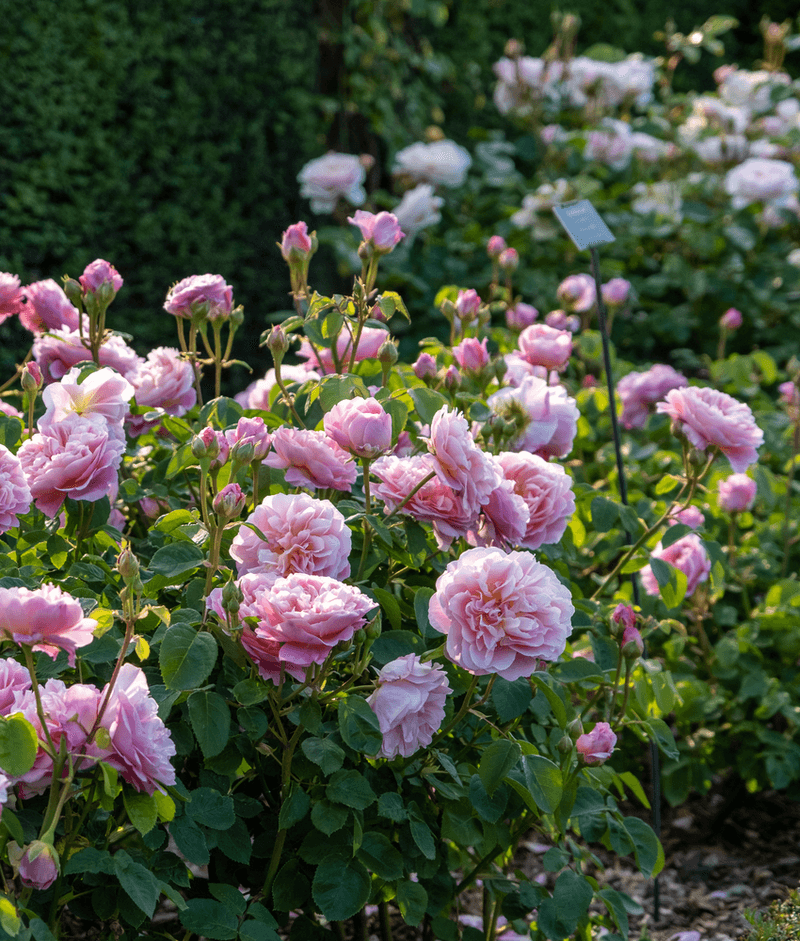
Planting roses too close together might seem harmless, but in Texas, crowded plants can become a real problem during the summer. When rose bushes are packed tightly with little space between them, air cannot move freely through the foliage.
That trapped heat and humidity creates a stressful environment that makes it harder for roses to bloom and much easier for diseases to spread.
Fungal diseases like black spot and powdery mildew love warm, humid, stagnant air. Once these diseases take hold, the plant spends so much energy fighting the infection that it has little left for flower production.
You might notice leaves dropping off, dark spots on the foliage, or a white powdery coating on the stems and leaves. All of these are signs that something is wrong with the growing environment.
Good air circulation starts with proper spacing at planting time. Most rose varieties need at least two to three feet of space between plants to allow for healthy airflow.
If your roses are already crowded, you can help by pruning out some of the interior branches to open up the center of the plant. This lets air and light reach the inside of the bush.
Avoid watering in the evening, since wet leaves overnight in a poorly ventilated space are practically an invitation for fungal growth. Keeping the area around your roses tidy by removing fallen leaves and debris also reduces disease pressure.
When your roses have room to breathe, they are healthier, stronger, and far more likely to keep producing those gorgeous blooms even through the toughest Texas summers.