Texas Native Plants To Replace Your Liriope Borders (They Look Better And Need Less Water)
Liriope shows up along Texas garden borders with such regularity that it’s practically become part of the landscape by default.
Drive through almost any established neighborhood and you’ll find it edging beds, lining walkways, and filling in the spaces between larger plants in yard after yard, block after block.
It stays green, and it doesn’t ask for much, which is probably why nobody questions it very often. But Texas has native alternatives that make liriope look like a placeholder once you see what’s possible.
Plants that bring genuine seasonal interest, support the native bee and butterfly populations that liriope completely ignores, and handle Texas drought conditions with a toughness that comes from actually belonging here rather than just tolerating the climate.
The water savings alone are worth paying attention to, especially in a state where summer irrigation costs add up fast and drought restrictions are never far from the conversation.
1. Inland Sea Oats
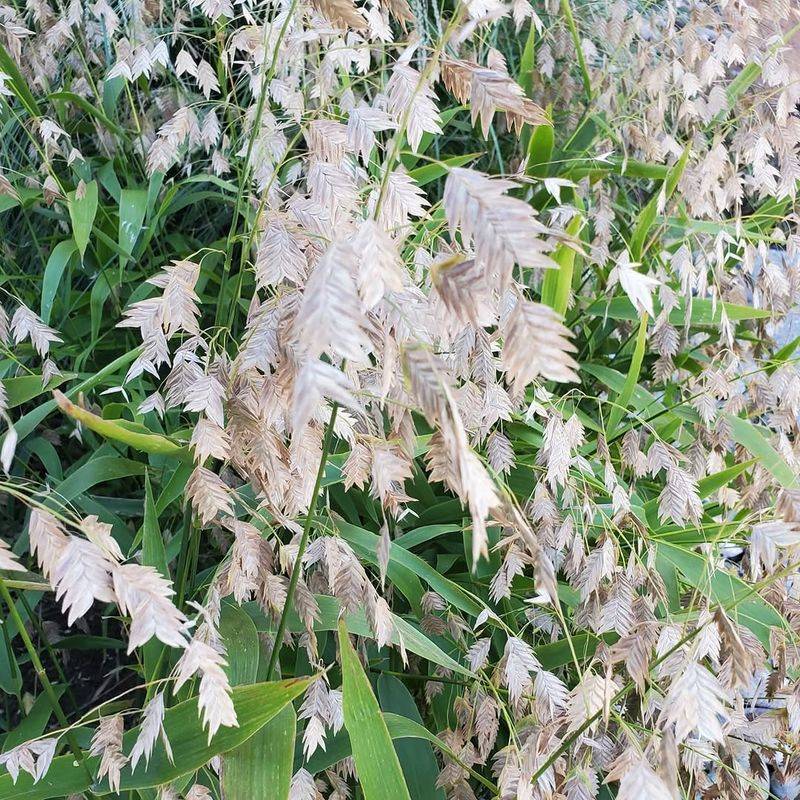
Walk through any shaded Texas woodland in summer and you will likely spot inland sea oats swaying gently in the breeze. That soft, graceful movement is exactly what makes this native grass such a standout choice for garden borders.
Unlike liriope, which sits stiff and uniform, inland sea oats bring a relaxed, natural energy to any space they occupy.
This plant grows about two to three feet tall and spreads slowly over time, filling in borders without becoming aggressive. The flat, paddle-shaped seed heads dangle from arching stems and catch the light in a way that feels almost magical in the late afternoon sun.
They start green in summer and shift to a warm copper-bronze by fall, giving your border a seasonal color change that liriope simply cannot offer.
One of the biggest advantages of inland sea oats is its love for shade. Most Texas yards have at least one shady corner where grass refuses to grow well.
This plant thrives in those spots. It handles dry shade once established, though it also does fine with occasional watering.
Birds love the seeds, especially during fall and winter when food is harder to find. Planting a border of inland sea oats near a patio or walkway gives you built-in wildlife activity right outside your window.
It spreads by seed, so you may find new seedlings popping up nearby each year, which is actually a bonus since it fills in gaps on its own over time.
2. Turk’s Cap
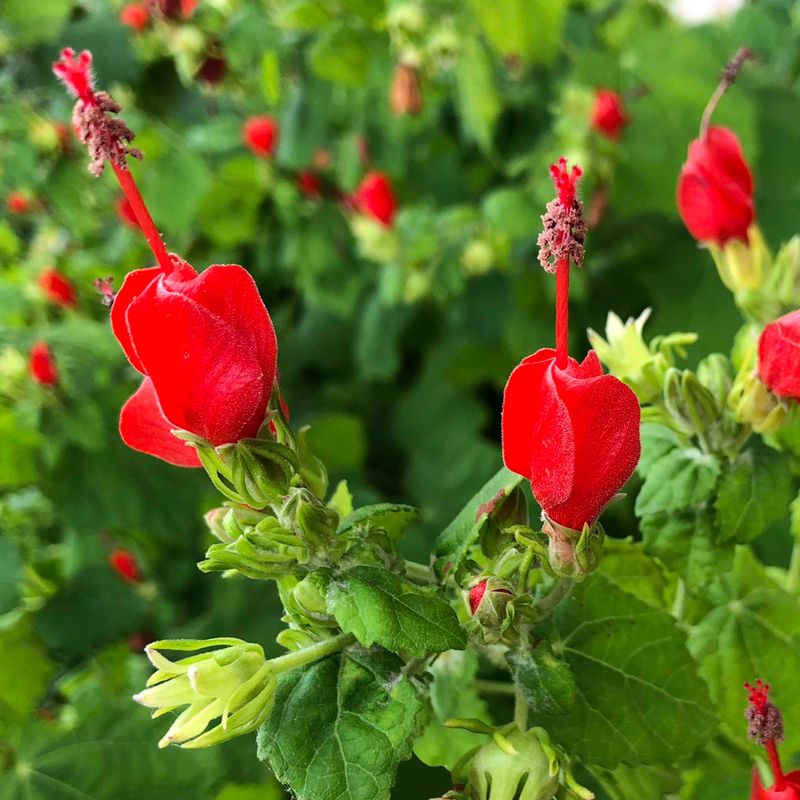
If you have ever wanted a plant that basically takes care of itself while still putting on a show, Turk’s cap is your answer.
This Texas native grows with an almost tropical boldness, producing large, deep green leaves and bright red flowers that twist into a tight spiral shape. Those flowers look like tiny turbans, which is exactly how this plant got its quirky name.
Turk’s cap blooms from late spring all the way through fall, which is a long run compared to many flowering plants. During that time, hummingbirds, butterflies, and bees visit constantly.
Your Texas Garden Changes Every Week. Your Plan Should Too.
Gardening in Texas changes quickly throughout the season. Every Friday you’ll receive a simple weekly plan showing exactly what to plant, prune, fertilize, harvest, and protect so you never miss the right timing.
Planting it along a border near a window or porch means you get a front-row seat to all that wildlife activity without doing much of anything to encourage it.
Drought tolerance is one of Turk’s cap’s strongest qualities. Once it gets established in your yard, it can handle long stretches without rain and still come back looking full and lush.
It does best in partial to full shade, making it ideal for the spots under trees where other plants struggle to perform.
In fall, small red fruits appear after the flowers fade. These fruits are edible and have a mild, apple-like flavor, which surprises most people who try them for the first time.
The plant dies back to the ground in winter but returns reliably each spring with even more vigor than the year before. For low-effort, high-reward borders in Texas shade, few plants can compete with this one.
3. Frogfruit
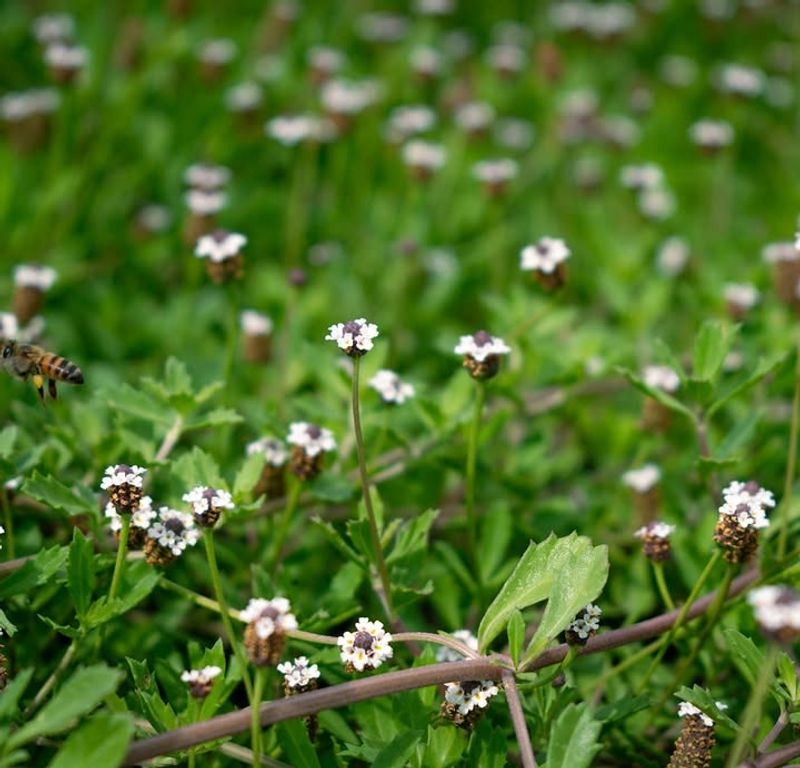
Frogfruit might have the most underrated name in the plant world, but do not let that fool you. This low-growing native ground cover is a powerhouse when it comes to filling in borders and bare spots fast.
It hugs the ground and spreads outward in dense mats, creating a clean, carpet-like look that works beautifully along walkways, garden edges, and between stepping stones.
The tiny flowers are white with a hint of lavender and bloom almost continuously through the warm months. They may be small, but pollinators go absolutely wild for them.
Frogfruit is actually a host plant for several butterfly species, including the white peacock and the phaon crescent. If you want butterflies in your yard, this plant is one of the best ways to invite them.
Frogfruit handles both sun and partial shade, which gives it a lot of flexibility in the landscape. It tolerates drought reasonably well once established and does not need fertilizer to spread and thrive.
You can mow it lightly if it gets too tall, but most of the time it stays naturally low and tidy on its own.
Compared to liriope, frogfruit is far more interesting to look at up close. The texture is finer, the flowers add real color, and the wildlife value is significantly higher.
It does spread quickly, so plant it where you want good coverage. Once it fills in, you will have a living mat that outperforms any traditional border plant you have tried before.
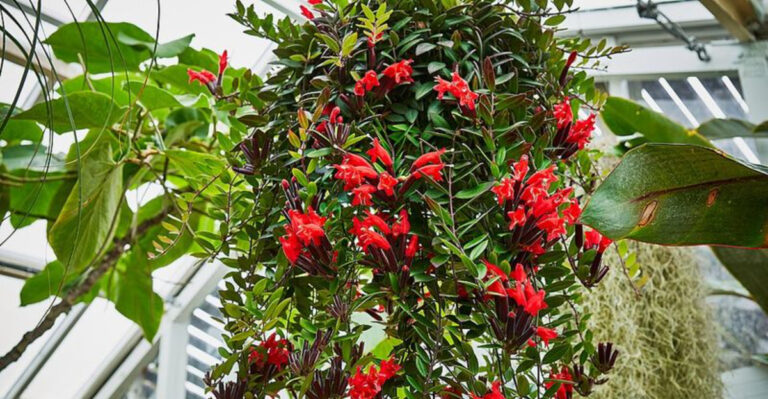
4. Cedar Sage
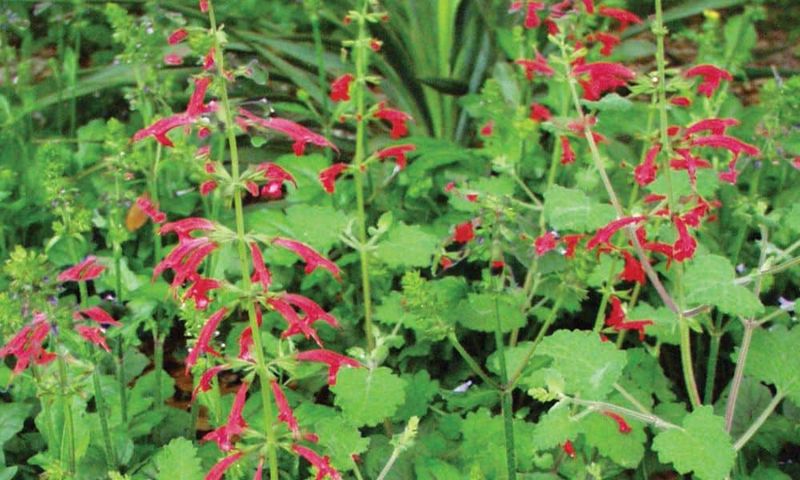
Picture a shady corner of your yard coming alive with bright red flowers and hummingbirds darting in and out every few minutes. That is exactly what cedar sage delivers.
Native to the Hill Country and Edwards Plateau regions of Texas, this low-growing sage has a quiet toughness that makes it perfectly suited for dry, rocky, or shaded garden borders where other plants give up.
Cedar sage grows about one to two feet tall and spreads gently over time without taking over. The leaves are dark green, slightly rough in texture, and heart-shaped, giving the plant a bold, attractive look even when it is not in bloom.
When those bright red tubular flowers appear in late winter through spring, hummingbirds notice immediately and return again and again throughout the season.
One of the best things about cedar sage is how little it asks of you. Plant it in a shaded or partially shaded spot with decent drainage, water it until it gets established, and then mostly leave it alone.
It handles drought well and does not need regular fertilizing or trimming to look good. In fact, too much attention can actually work against it.
Cedar sage also works beautifully as an understory plant beneath live oaks and cedar elms, two of the most common trees in Texas landscapes. It fills in the shaded ground beneath those trees in a way that liriope never quite manages.
The red flowers against dark green leaves create a color combination that looks intentional and polished throughout the blooming season.
5. Texas Sedge
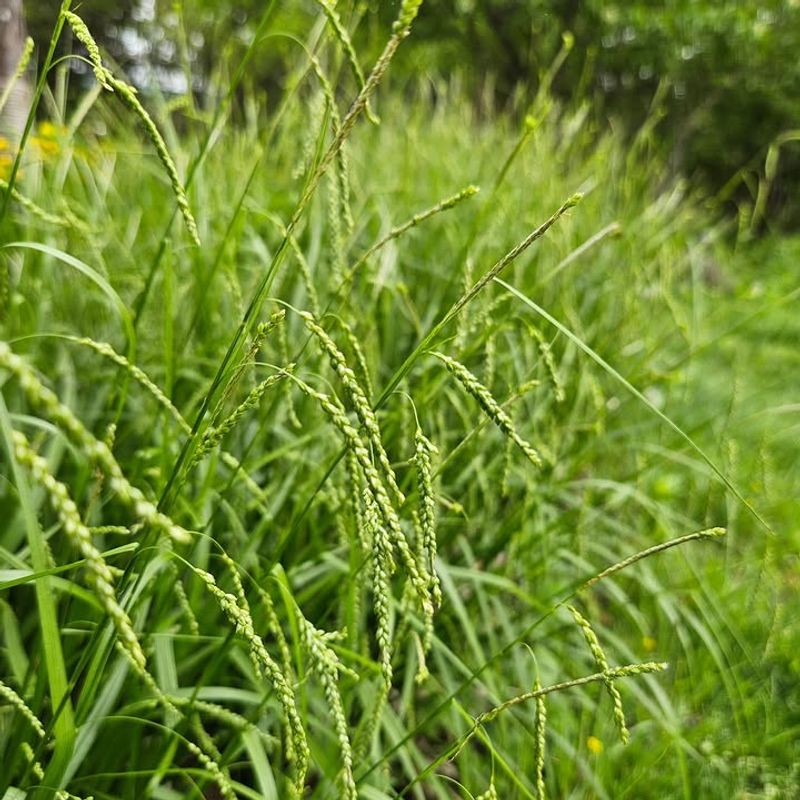
At first glance, Texas sedge looks a lot like liriope. Both form low, grassy clumps along borders.
But spend a little time with Texas sedge and the differences become clear fast. The blades are finer, softer, and brighter green, giving borders a lighter, more delicate texture that feels more natural and less manicured than the thick, dark straps of liriope.
Texas sedge grows about six to twelve inches tall and forms tidy clumps that spread slowly through underground runners. It does not get aggressive or invasive, which makes it easy to manage in a garden setting.
You can space plants about a foot apart and they will gradually fill in to create a smooth, flowing edge along walkways, patios, or planting beds.
Shade is where Texas sedge really shines. It thrives under trees and in spots that get limited direct sunlight, which are often the hardest areas to plant successfully.
Once established, it needs very little supplemental water, especially in central and east Texas where rainfall is more consistent. That reduced water need is one of the main reasons to make the switch from liriope.
There is something refreshing about a border plant that actually looks like it belongs in a Texas landscape. Texas sedge has that quality.
It blends naturally with other native plantings, creates habitat for small insects and ground-dwelling creatures, and stays attractive through most of the year with minimal upkeep.
For anyone wanting a cleaner, more sustainable border solution, this sedge is an honest and reliable choice.
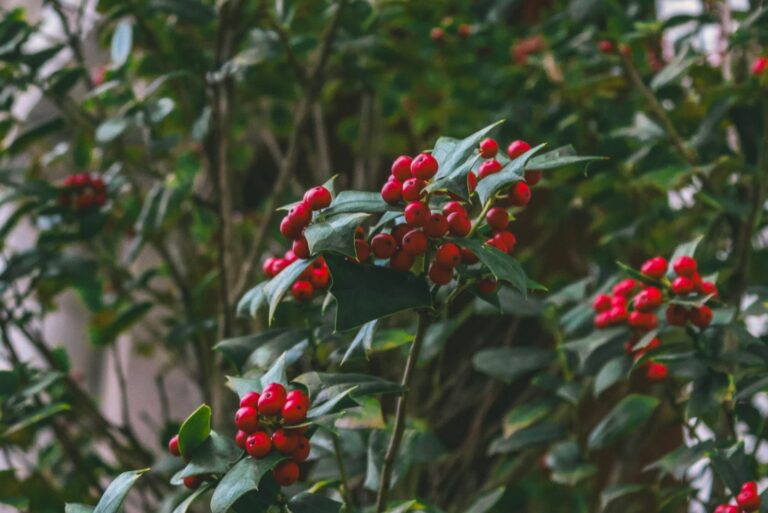
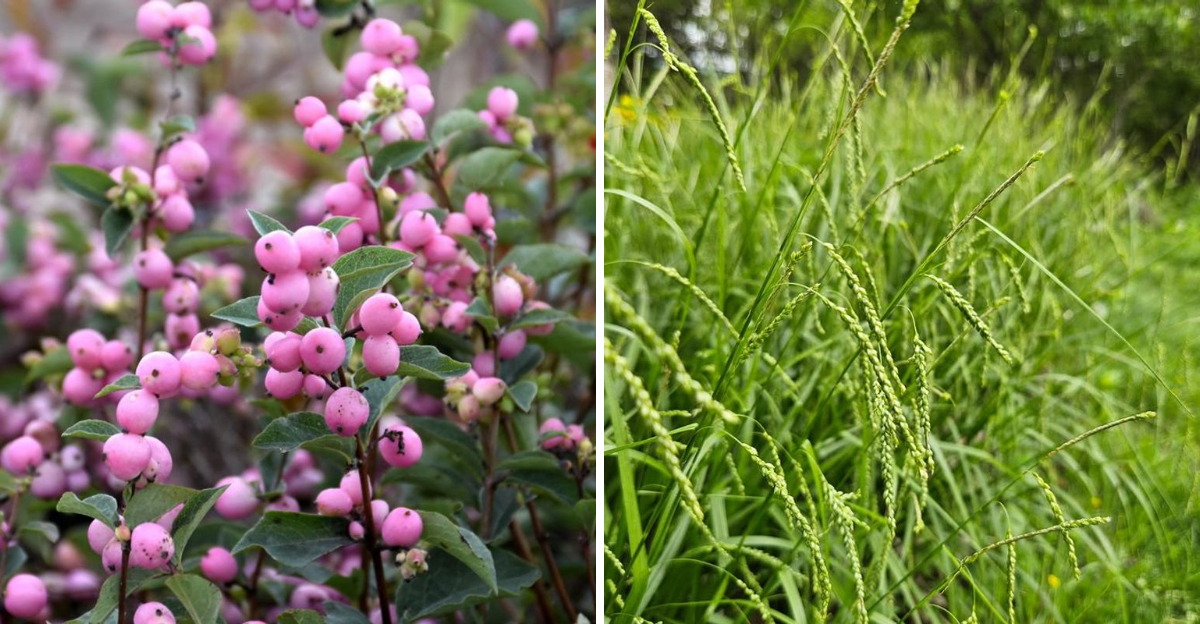
6. Coralberry
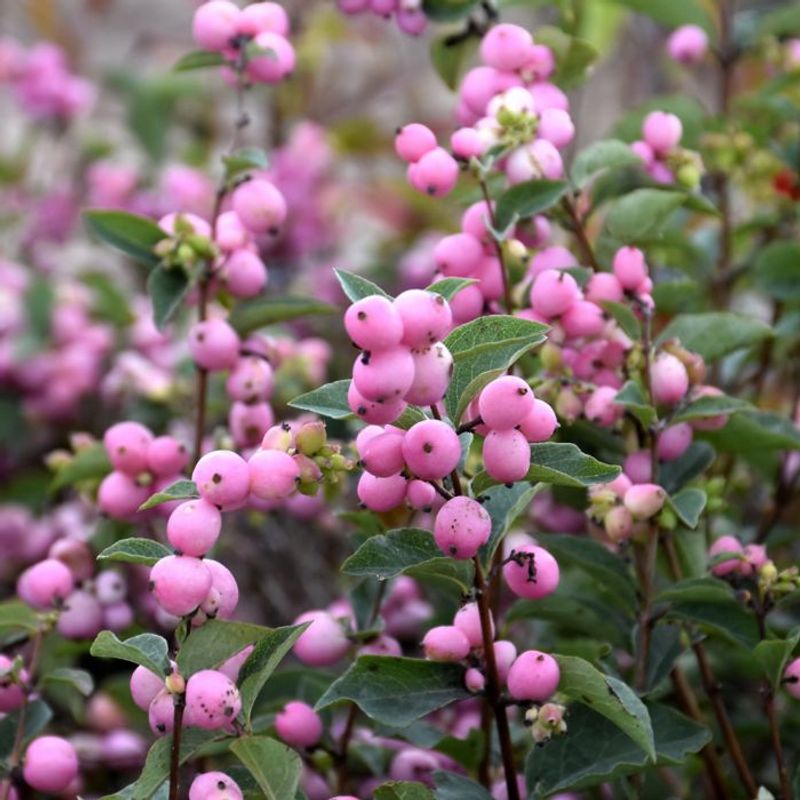
Most people have never heard of coralberry, but once they see it loaded with bright pink-purple berries in the fall, they never forget it.
Native across much of Texas and the south-central United States, coralberry is a low-growing shrub that works wonderfully as a border plant, a slope stabilizer, or a naturalistic hedge.
It brings a kind of wild charm to the landscape that more common border plants cannot replicate.
Coralberry grows about three to five feet tall and spreads through underground suckers, forming loose colonies over time. This spreading habit makes it excellent for covering ground along fence lines, shaded slopes, or the back edge of a planting bed.
The arching branches give it a relaxed, graceful shape that softens hard edges in the landscape naturally.
The berries are the real showstopper. They appear in late summer and persist well into winter, giving your yard color during a season when most plants look bare and tired.
Birds love the berries too, so you can expect regular visits from mockingbirds, robins, and other species once fruiting season begins.
Coralberry handles shade, drought, and poor soils better than almost any other shrub in its size range. It asks for very little once it gets going.
You do not need to fertilize it, you rarely need to water it after the first year, and it does not require any special soil preparation. For homeowners who want a tough, attractive native that earns its space in the yard, coralberry delivers in every season.
7. Horseherb
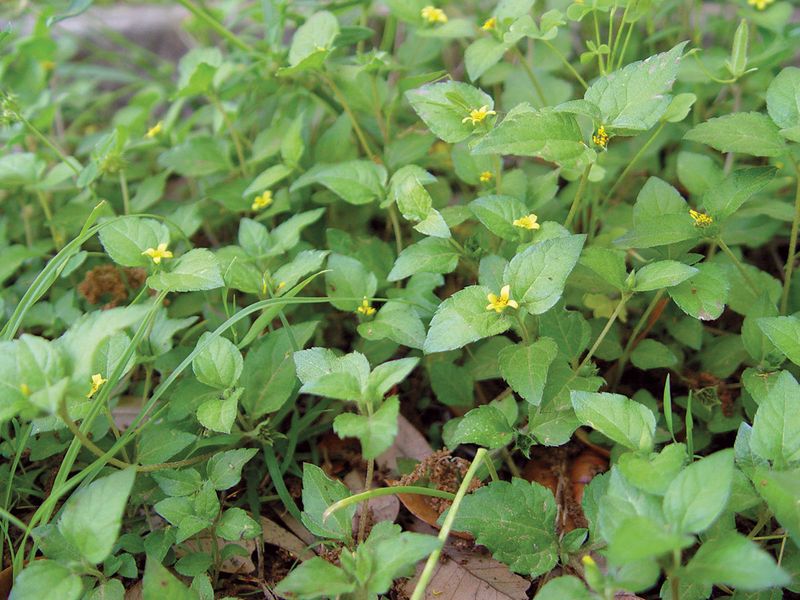
Horseherb has a reputation for being unstoppable, and once you see what it can do in a dry, shaded yard, you will understand why that reputation is well earned.
Native to Texas and much of the southwestern United States, this low-growing ground cover spreads across bare ground under trees and along shaded borders where almost nothing else wants to grow.
It basically solves one of the hardest landscaping problems Texas homeowners face. The leaves are small, bright green, and slightly heart-shaped, creating a dense, soft-looking carpet that stays low to the ground without any mowing or trimming.
Horseherb grows only about six to eight inches tall at most, and it hugs the soil closely as it spreads.
Tiny yellow flowers appear throughout the warm season, adding subtle color and attracting small native bees and other pollinators.
Dry shade under live oaks is where horseherb truly earns its keep. That combination of deep shade and root competition from oak trees makes most plants miserable.
Horseherb not only tolerates those conditions, it actively thrives in them. Once established, it needs almost no supplemental watering, even during hot Texas summers.
Replacing liriope with horseherb in shaded borders is one of the lowest-effort upgrades you can make to your yard. You do not need to amend the soil, fertilize regularly, or fuss over it after planting.
It spreads on its own, fills in gaps naturally, and keeps looking good year after year. For dry, shaded spots that have stumped you for years, horseherb is the straightforward solution you have been looking for.