7 Tough Texas Plants That Make Shady Spots Look Full
Shady spots in a Texas garden present a specific kind of challenge that most gardeners underestimate until they’re standing in one trying to figure out what on earth to put there.
The usual sun-loving Texas plants that handle heat so well are useless in deep shade, and the plants that tolerate low light often struggle with the additional challenge of competing root systems from the trees creating that shade in the first place.
Finding plants that genuinely thrive rather than just survive in Texas shade requires a different approach than most online plant lists account for. Texas shade isn’t the cool, moist, gentle shade of a Pacific Northwest garden.
It’s often hot, root-competitive shade that sits under live oaks and cedar elms and demands plants with a specific combination of toughness and shade tolerance that’s harder to find than it sounds.
The plants on this list check both boxes, filling shady Texas spots with real presence and genuine fullness without needing the conditions they’re never going to get.
1. Turk’s Cap
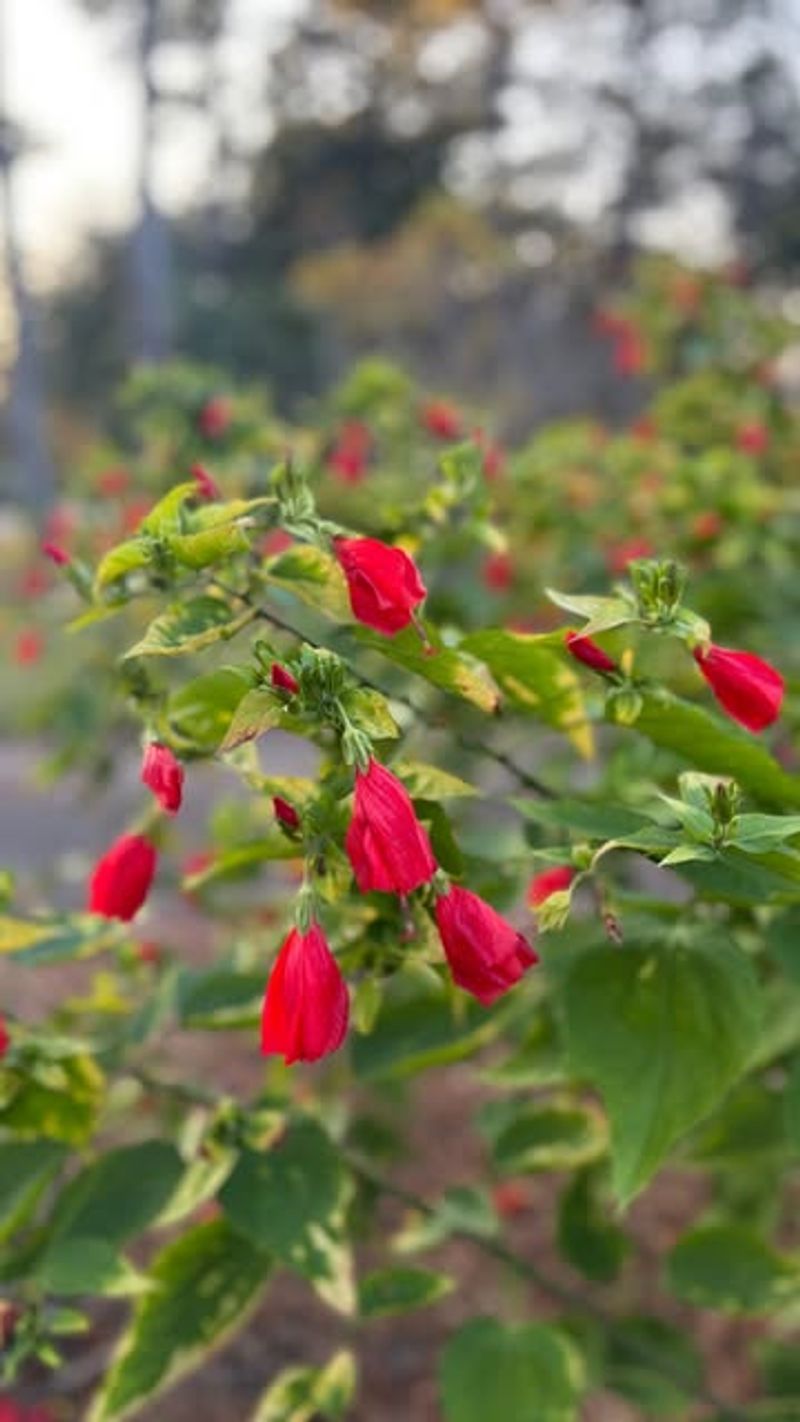
Walk past a Turk’s Cap in full bloom and you will stop in your tracks. Those bright red, twisted flowers look like tiny turbans, which is exactly where the name comes from.
Hummingbirds and butterflies absolutely love them, so planting Turk’s Cap basically turns your shady yard into a little wildlife sanctuary.
This plant is native to Texas, which means it already knows how to handle the heat, the drought, and the unpredictable weather.
It spreads over time by sending out new stems and roots, slowly filling in bare shady areas under trees or along fences. You do not need to baby it. Once it gets established, it pretty much takes care of itself.
Turk’s Cap blooms from late spring all the way through fall, giving you months of color in spots where most plants just give up. It can handle deep shade, but it also does fine in partial shade, making it very flexible for different yard situations.
The plant can grow anywhere from two to nine feet tall depending on how much light and water it gets.
Cutting it back in late winter encourages fresh, full growth in spring. You can also divide clumps and move them to new spots if you want to spread the love around your yard.
Turk’s Cap is truly one of those plants that rewards you for doing almost nothing. If you want color, wildlife, and fullness in a shady bed without a lot of work, this one is a no-brainer.
2. Cast Iron Plant
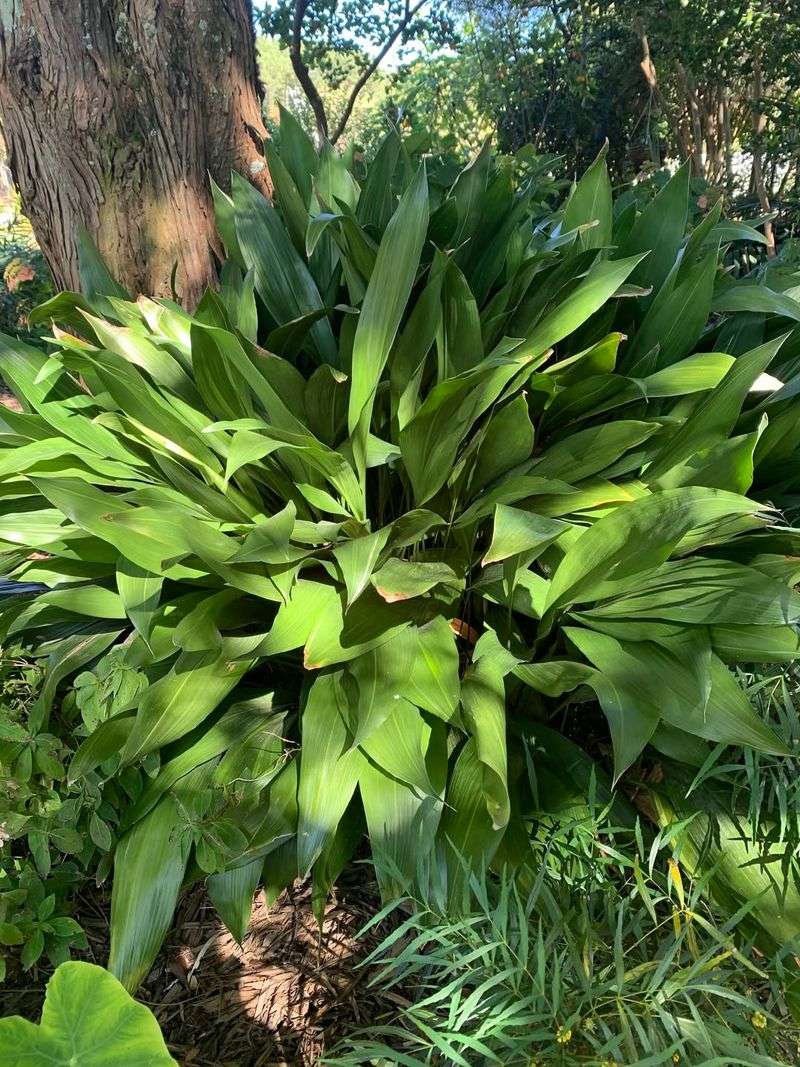
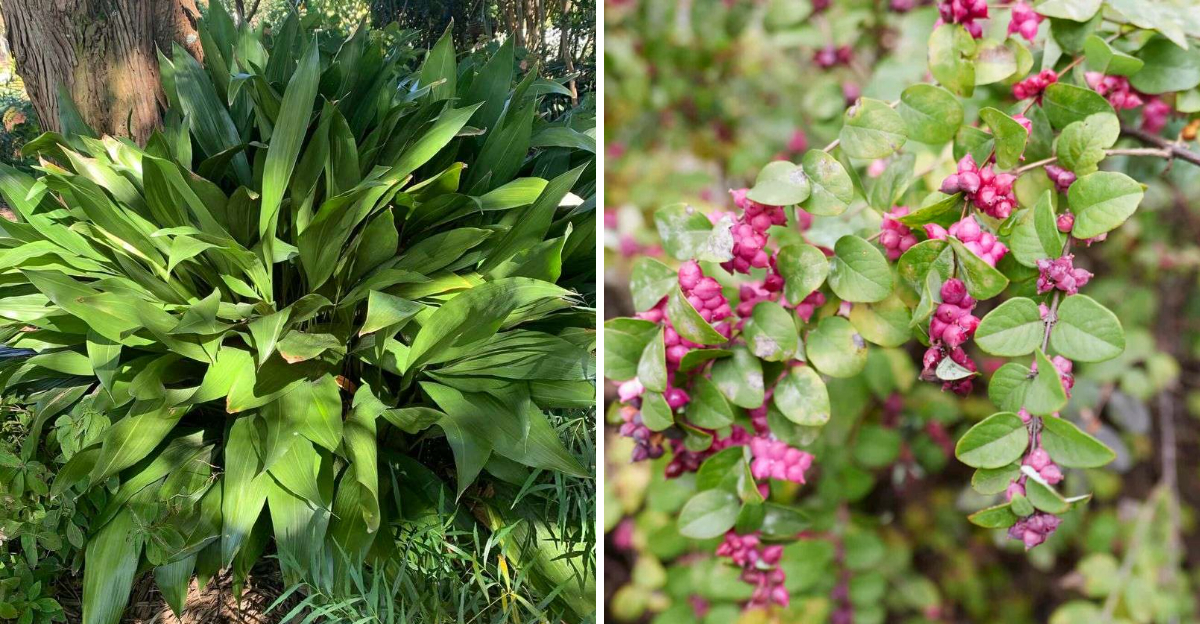
Some plants are drama queens. Cast Iron Plant is the complete opposite. It earned its tough nickname honestly, because it handles deep shade, poor soil, drought, and even neglect without missing a beat.
If you have a dark corner where nothing else will grow, this is your plant. The leaves are wide, dark green, and glossy, growing in tall upright clumps that look full and elegant without any fuss.
Your Texas Garden Changes Every Week. Your Plan Should Too.
Gardening in Texas changes quickly throughout the season. Every Friday you’ll receive a simple weekly plan showing exactly what to plant, prune, fertilize, harvest, and protect so you never miss the right timing.
Each leaf can grow up to two or three feet long, giving your shady spots a lush, tropical feel even in the Texas heat.
It does not need fertilizer, it does not need frequent watering once established, and it rarely has pest problems.
Cast Iron Plant grows slowly, but that is actually a good thing. It stays put and does not spread aggressively into places you do not want it.
Over several years, a single clump will thicken up nicely and give you a reliable, handsome ground layer under trees or along shaded walls. Pair it with colorful flowers like Turk’s Cap for a nice contrast.
One fun fact: Cast Iron Plant actually produces small, purple flowers at the base of the plant, close to the soil. Most people never notice them because the leaves cover them, but they are there.
Cleaning up dry leaves occasionally keeps the plant looking its best. This is the kind of plant that garden beginners and experienced gardeners both love, because the results are consistently great with almost zero effort.
3. Inland Sea Oats
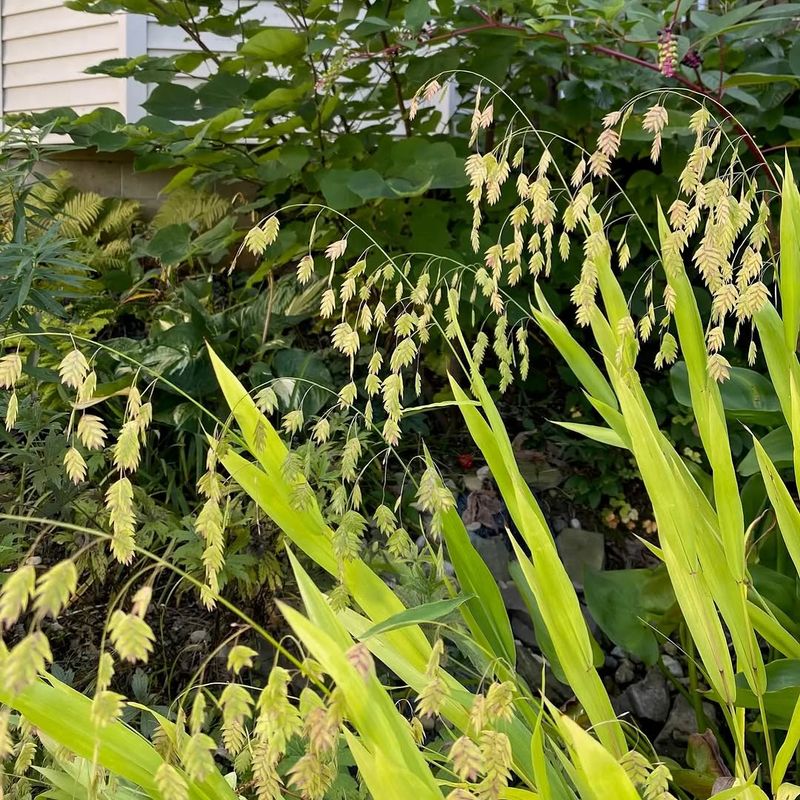
There is something almost magical about the way Inland Sea Oats moves in a breeze. The arching stems hold flat, dangling seed heads that shimmer and sway, adding a kind of gentle rhythm to your garden that feels alive.
It is one of those plants that looks good in every season, even in winter when the seed heads turn a warm golden brown.
Native to Texas and much of the eastern United States, Inland Sea Oats thrives in shady, moist spots under trees. It grows about two to four feet tall and spreads by both seeds and underground rhizomes, filling in empty spaces faster than you might expect.
This spreading habit is actually a huge plus when you are trying to cover bare shady ground.
Because it self-seeds, you may find baby plants popping up nearby each year. This is easy to manage by pulling unwanted seedlings, or you can let it naturalize and create a full, meadow-like look under your trees.
Either way, it gives you a lot of texture and visual interest without any spraying or complicated care routines.
Inland Sea Oats pairs beautifully with ferns, Turk’s Cap, and other shade lovers. It provides a soft, layered look that makes a shady bed feel designed and intentional rather than just neglected.
Plant it along a shaded path or near a water feature for the best effect. Birds also love eating the seeds in fall and winter, so you get a little wildlife bonus too.
4. Texas Sedge
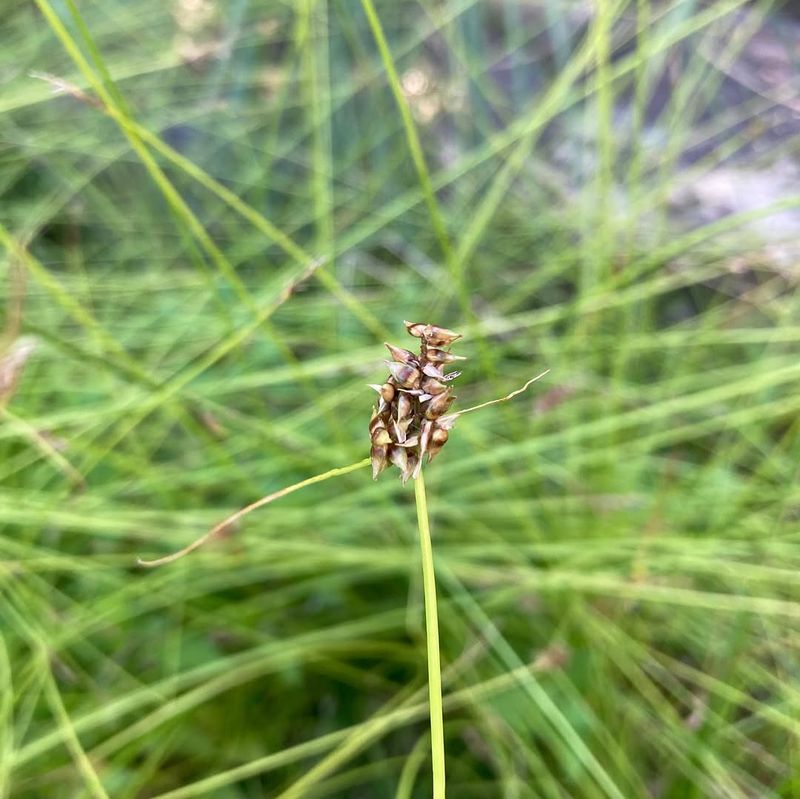
If you have ever wished for something that looks like a lawn but does not need mowing, watering every week, or full sun, Texas Sedge might just change your life. It forms soft, dense clumps of fine, grass-like foliage that stay green through most of the year.
Under trees or in shaded areas where regular turf grass fails, Texas Sedge steps in and does the job beautifully.
This native sedge grows naturally in the understory of Texas woodlands, so it is perfectly adapted to low light and dry shade conditions.
It grows about six to twelve inches tall and spreads slowly by underground runners, gradually knitting together to form a lush, carpet-like ground cover. You can plant individual plugs and watch them fill in over a season or two.
Texas Sedge looks tidy and natural at the same time, which is a combination that is hard to beat. It works well as a ground cover under large trees where nothing else seems to take hold.
It also looks great along shaded pathways or mixed into a native plant garden with wildflowers and shrubs.
Watering it occasionally during extreme drought helps it stay full and green, but honestly it is one of the most low-maintenance ground covers available for Texas landscapes. You can mow it once a year in early spring to tidy it up and encourage fresh growth.
Texas Sedge proves that filling a shady, difficult spot does not have to be a constant struggle. Sometimes the right native plant is all you need.
5. Coralberry
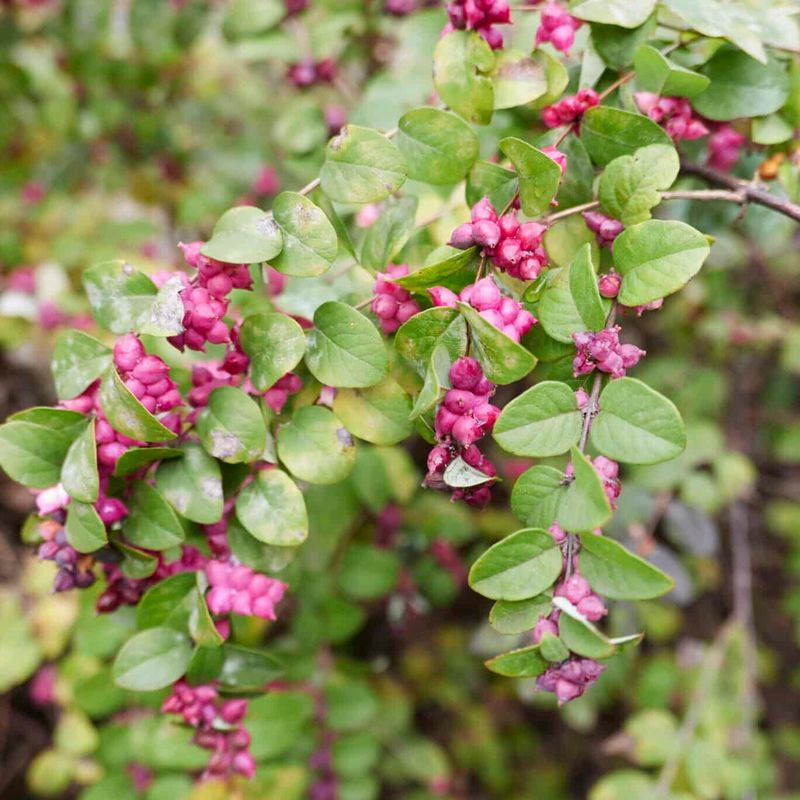
Not every shade plant brings berries to the table, but Coralberry does, and that is what makes it stand out. By late summer and into fall, this adaptable shrub is loaded with clusters of bright pinkish-red berries that look stunning against its deep green leaves.
Birds love the berries, and the shrub gives them both food and cover, making your yard more welcoming to wildlife.
Coralberry is native to Texas and much of the central United States. It grows naturally in shaded woodland edges, stream banks, and rocky slopes, which tells you a lot about how tough it really is.
It handles clay soil, rocky soil, drought, and shade without complaining. Once established, it is one of the most dependable shrubs you can plant in a challenging spot.
The plant spreads by underground stems, slowly forming a colony that fills in bare shaded areas. This spreading habit is great for erosion control on slopes or under trees where the soil tends to wash away.
You can keep it trimmed to a tidy shape, or let it grow more naturally for a wilder, fuller look. Either way, it typically stays between two and five feet tall.
Small pinkish-white flowers appear in spring before the berries develop, adding another layer of seasonal interest. Coralberry is a fantastic choice for homeowners who want a shady shrub that earns its place in the landscape all year long.
Plant it where you need coverage and texture, and it will reward you with berries, foliage, and wildlife activity season after season.
6. Autumn Fern
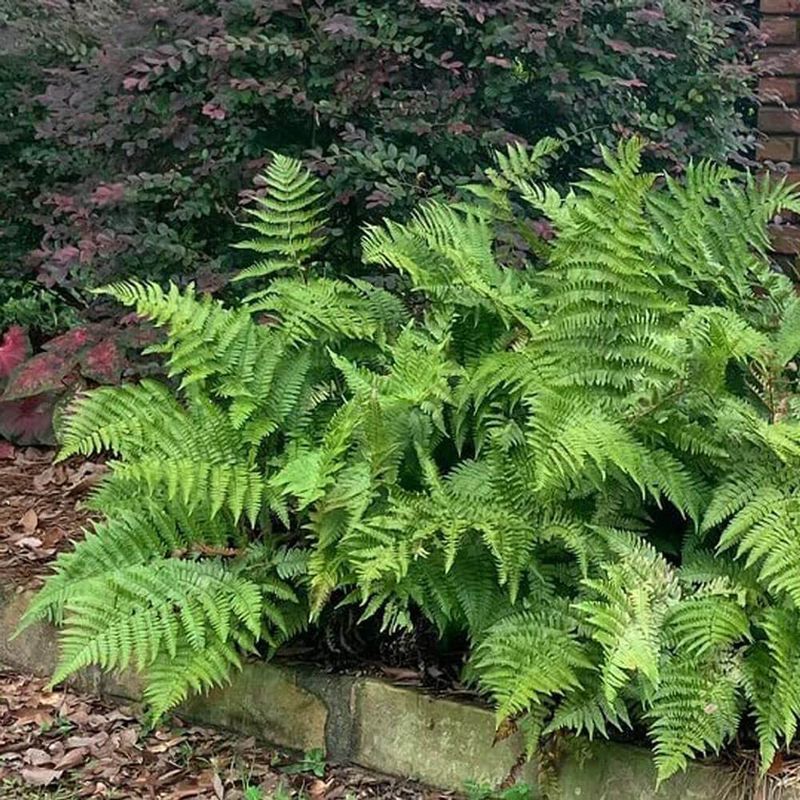
Autumn Fern earns its name in the most beautiful way possible. When new fronds emerge in spring and again after a trim, they come out a warm coppery-red or bronze color before maturing to a rich, glossy green.
That color shift gives you something exciting to look forward to, and it makes the fern look unlike anything else in a shady bed.
Originally from Asia, Autumn Fern has proven itself as a tough performer in Texas shade gardens, especially in the eastern and central parts of the state where humidity runs high.
It handles the muggy Texas summers much better than many other ferns, staying full and upright rather than flopping over or looking worn out.
It grows about eighteen to twenty-four inches tall and spreads gradually into a nice, rounded clump.
Autumn Fern thrives in moist, well-drained soil with plenty of organic matter. Adding compost when you plant it gives it a strong start.
It does best with consistent moisture, so watering during dry spells keeps it looking its best. Mulching around the base helps hold moisture in the soil and keeps the roots cool during summer heat.
Pairing Autumn Fern with Cast Iron Plant or Turk’s Cap creates a layered shade garden with great texture and color contrast. The fern’s fine, feathery fronds complement the bold leaves of its neighbors in a really satisfying way.
Remove old or damaged fronds in late winter to make room for fresh, colorful new growth. It is a showstopper that requires far less effort than it looks like it should.
7. Horseherb
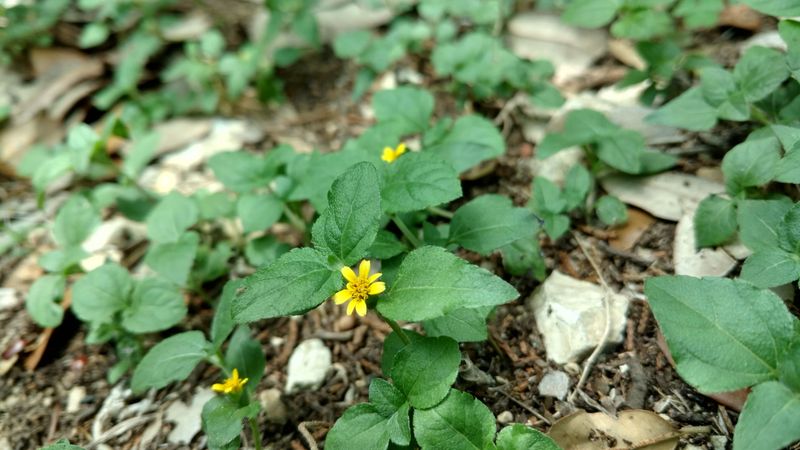
Horseherb might not have the most glamorous name in the plant world, but do not let that fool you. This scrappy little native is one of the fastest and most reliable ways to cover bare, shady ground in Texas.
It spreads quickly by seeds and runners, forming a dense, low mat of bright green leaves dotted with tiny yellow flowers nearly year-round in warmer climates.
Found naturally growing in the shade of Texas oak trees and along roadsides, Horseherb is perfectly suited to the state’s heat, drought, and alkaline soils.
It grows only about six to twelve inches tall, making it an ideal ground cover under trees where you want something low and full rather than tall and bushy.
It also handles foot traffic better than most ground covers, bouncing back quickly after being walked on.
One of the best things about Horseherb is how little attention it needs. You do not need to fertilize it, spray it, or fuss over it.
Plant it in a shady spot, water it a few times while it gets settled, and then step back and watch it fill in. Within a single growing season, it can cover a surprisingly large area.
Pollinators, especially bees and small butterflies, visit the tiny yellow flowers regularly. So while it is doing the practical job of covering bare ground, it is also quietly supporting local wildlife.
Horseherb works beautifully as a lawn alternative under trees or as a filler between larger shade plants. It is honest, hardworking, and genuinely useful in any Texas shade garden.