Vegetables Oregon Homeowners Are Surprised They Can Grow In Their Backyards
Some vegetables feel like they belong on farms or in perfect greenhouse setups, not tucked beside a patio or squeezed into a raised bed. Then they grow beautifully, and suddenly the backyard feels full of possibilities.
Oregon homeowners are often surprised by how many crops can handle local conditions when they get the right spot and a little steady care. Cool-season vegetables can thrive before summer heat arrives.
Other crops do better than expected once the soil warms up. Even small yards can produce more than people think. Have you ever wondered what your garden could grow if you tried something new?
The fun part is discovering vegetables that look impressive but are not as fussy as they seem. Some may even become regulars in your planting plans after one good harvest.
1. Artichokes Are More Forgiving Than Most People Think
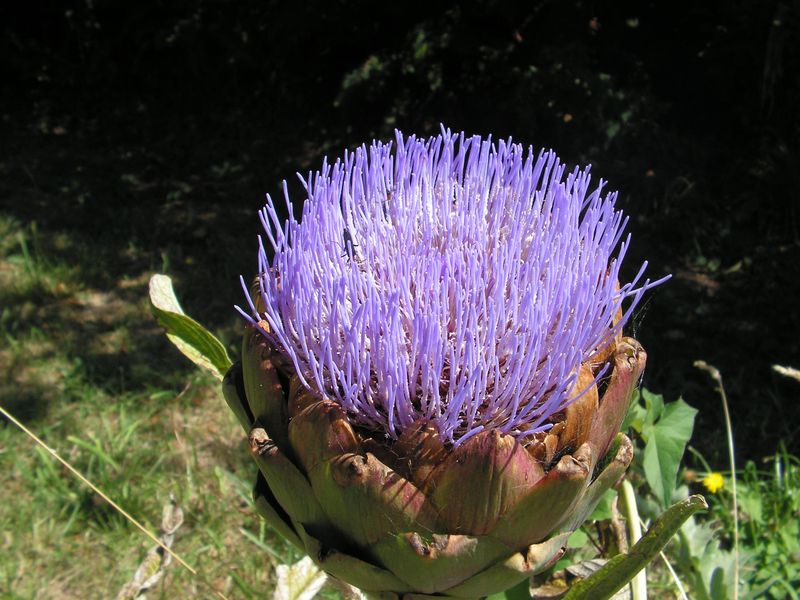
Few vegetables look as dramatic in a garden as the artichoke. With its giant silvery-green leaves and towering stems, it almost looks like it belongs in a fairy tale rather than a backyard plot.
But here, artichokes are surprisingly well-suited to the climate, especially in coastal and valley areas where winters stay mild and summers are not too brutally hot.
Artichokes are perennials, which means once you plant them, they come back year after year. That alone makes them a smart investment for any home gardener.
They need full sun and well-drained soil, but they are not especially picky about much else. Plant them in spring, give them room to spread out, and they will reward you with beautiful, edible flower buds.
The edible part is the bud before it blooms. You steam or boil it and pull off the leaves one by one, dipping them in butter or aioli.
The heart at the center is the real prize. Our cool, moist springs are almost identical to the California coastal conditions where artichokes are farmed commercially.
Many gardeners who try them once end up expanding their patch every single year because the harvest is so satisfying and the plants look gorgeous even when they are not producing.
2. Sweet Potatoes Actually Love A Warm Summer
Sweet potatoes have a reputation for being a Southern crop, and most people assume they need long, scorching hot summers to produce well. That assumption stops a lot of gardeners from ever trying them.
But with the right variety and a little planning, sweet potatoes can absolutely thrive in the Pacific Northwest.
The key is choosing short-season varieties like Beauregard or Georgia Jet. These types mature faster and do not need as many heat days as traditional Southern varieties.
Starting slips indoors in early spring and using black plastic mulch to warm the soil can make a huge difference. In the Willamette Valley and southern Oregon especially, summer heat is often enough to get a solid harvest by fall.
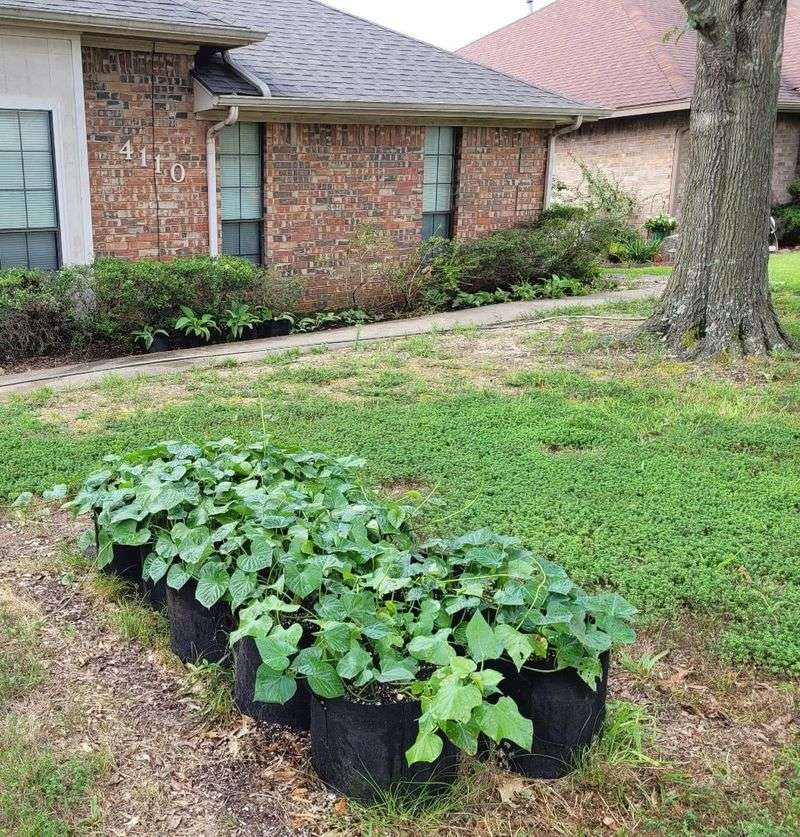
Beyond the harvest, sweet potato vines are genuinely beautiful. They spread quickly and produce lush, heart-shaped leaves that look great as ground cover.
The plants are also very low maintenance once established. They do not need much fertilizer, they handle dry spells reasonably well, and pests tend to leave them alone.
Your Oregon Garden Changes Every Week. Your Plan Should Too.
Gardening in Oregon changes quickly throughout the season. Every Friday you’ll receive a simple weekly plan showing exactly what to plant, prune, fertilize, harvest, and protect so you never miss the right timing.
When you finally dig up those orange roots in late September or October, it feels like finding buried treasure in your own backyard. Roast them, mash them, or turn them into soup.
Either way, homegrown sweet potatoes taste incredible.
3. Okra Is Easier To Grow Than Its Reputation Suggests
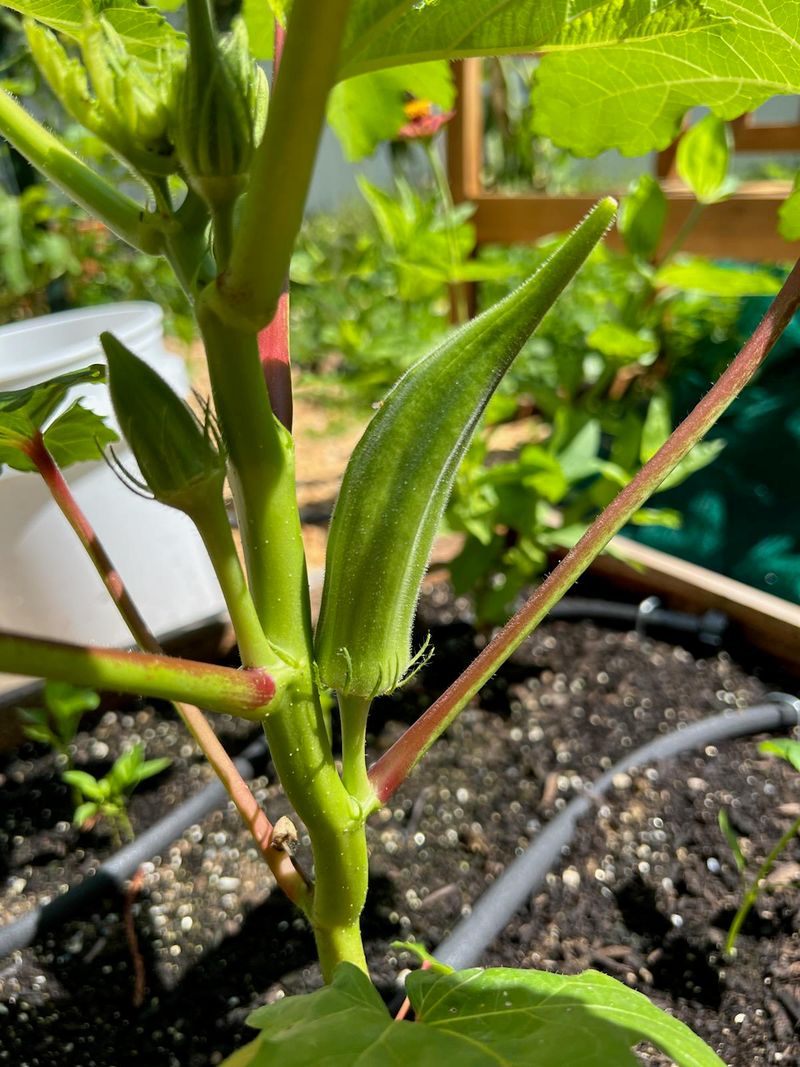
Okra is one of those vegetables that surprises even seasoned gardeners when it shows up thriving in an backyard. Most people think of it as a Deep South ingredient, famous in gumbo and Southern fried cooking.
And yes, okra does love heat. But our summers, especially in the southern part of the state, can get warm enough to make it work.
The trick is starting seeds indoors about four to six weeks before the last frost date. Transplant them outside once the soil has warmed up to at least 65 degrees.
Choose fast-maturing varieties like Clemson Spineless or Jambalaya for the best results in shorter growing seasons. Raised beds can help, too, since they warm up faster than in-ground plots.
Okra plants are genuinely beautiful. They produce large, hibiscus-like flowers that are cream-colored with deep red centers.
The pods grow quickly once the plant gets going, so you need to harvest every couple of days to keep production going. Leave them too long and the pods get tough and stringy.
Pick them young and tender for the best texture. Roasted okra is a revelation for people who have only ever had it fried.
A little olive oil, salt, and high heat transforms it into something crispy and completely addictive. Give it one season and you will be hooked.
4. Melons Are Absolutely Worth The Extra Effort
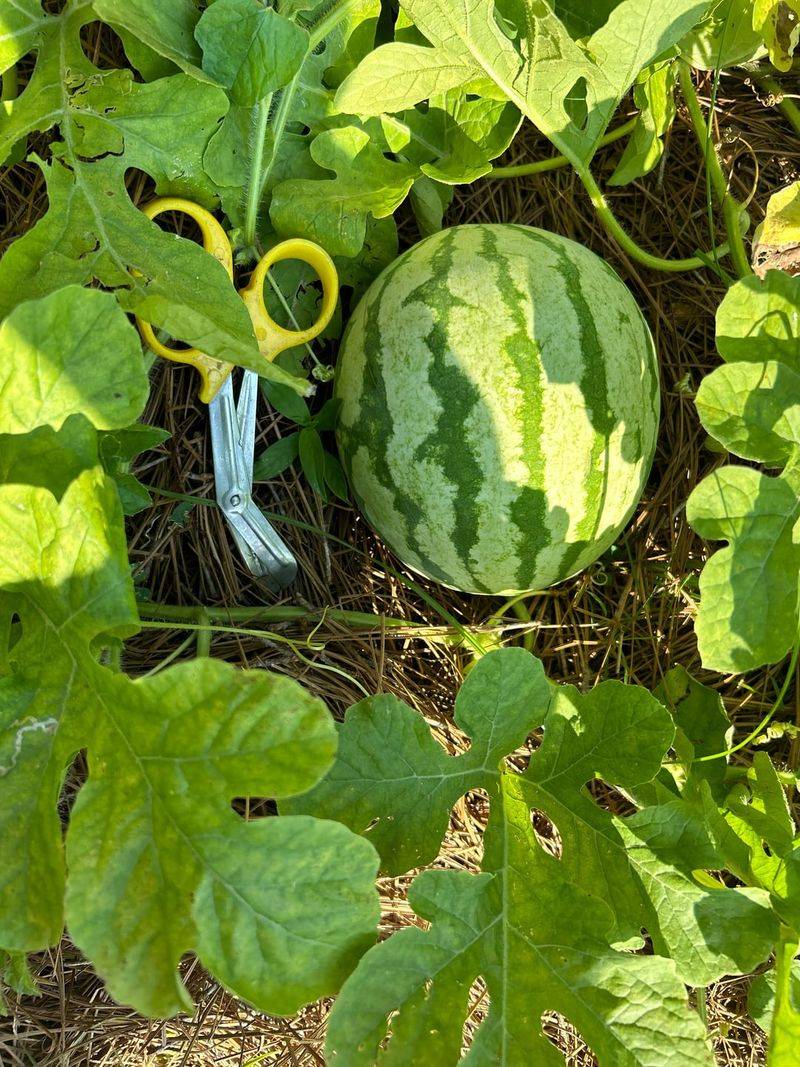
Growing melons sounds like a stretch, but many gardeners do it every year with great results. Watermelons, cantaloupes, and honeydews all have a shot in the right conditions.
The secret is choosing compact or icebox varieties bred for shorter growing seasons and starting them early enough to take full advantage of the summer warmth.
Varieties like Sugar Baby watermelon and Earli-Dew honeydew are popular choices for Pacific Northwest gardens. Start seeds indoors two to three weeks before transplanting, and use row covers early in the season to trap heat around young plants.
Melons love warmth, so growing them against a south-facing fence or wall can dramatically boost their performance. Black plastic mulch also helps keep soil temperatures up on cooler nights.
The reward at the end of a successful melon season is hard to beat. Cutting open a cantaloupe you grew yourself on a warm August afternoon feels like a genuine accomplishment.
Homegrown melons are often sweeter and more fragrant than anything you find at the grocery store because you can let them fully ripen on the vine. In Rogue Valley and parts of the Willamette Valley, summer conditions are especially favorable.
Even in cooler zones, with a little extra effort, a backyard melon harvest is absolutely within reach for determined gardeners.
5. Eggplant Hits Its Stride Once The Heat Arrives
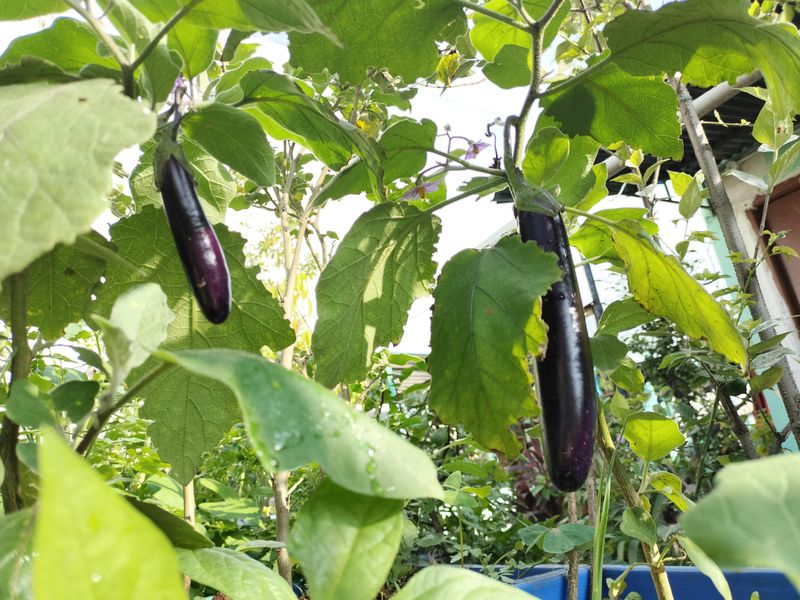
Eggplant has a reputation for being fussy, and in cooler climates, that reputation is somewhat earned. But gardeners who give it the right conditions are often amazed at how well it produces.
The key is warmth, and there are several easy ways to create a warmer microclimate right in your own backyard.
Start seeds indoors eight to ten weeks before your last expected frost. Eggplant seedlings need warmth to germinate, so a heat mat helps a lot.
Transplant them only when nighttime temperatures are consistently above 55 degrees. Raised beds, black plastic mulch, and south-facing spots against a wall or fence all help trap the heat eggplant craves.
Compact varieties like Ichiban, Hansel, or Patio Baby do especially well in Oregon’s shorter summers.
Once the plants get going, they are actually quite productive and beautiful. The deep purple fruits are glossy and striking, and the plants themselves are ornamental enough to look good in a front yard bed.
Eggplant is incredibly versatile in the kitchen. Grill it with olive oil, roast it into baba ganoush, layer it into eggplant parmesan, or slice it into stir-fries.
Growing your own means you can harvest them small and tender, which is when the flavor is at its absolute best. Many gardeners who try eggplant once add it to their permanent rotation.
6. Peppers Reward Every Gardener Who Stays Patient
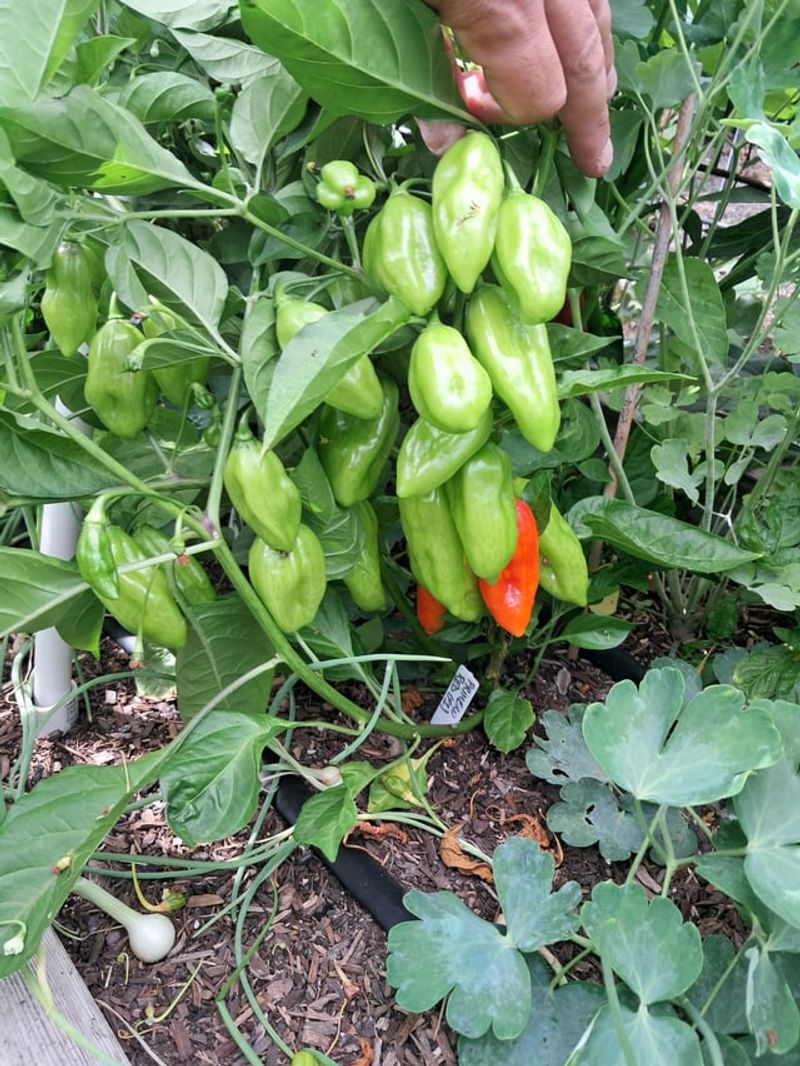
A lot of gardeners assume peppers are too heat-demanding for the Pacific Northwest, but that is only partly true. Sweet bell peppers and many hot pepper varieties can absolutely produce well with the right setup.
The state’s long summer days actually work in your favor, giving plants plenty of light even when temperatures are moderate.
Starting peppers indoors is non-negotiable. Get them going eight to ten weeks before your last frost date.
They need warm soil to really take off, so wait until late May or early June to transplant them outside. Wall-O-Waters or cloches can help extend the season on both ends.
Varieties like Carmen sweet pepper, Shishito, and early-maturing jalapeños are reliable performers in our climate.
Hot pepper fans will be especially pleased. Many chili varieties actually prefer slightly cooler nights because it slows their growth just enough to concentrate the capsaicin and flavor compounds.
Oregon-grown hot peppers can be incredibly flavorful and complex. Even in years when the summer is cooler than average, you can still get a respectable harvest of smaller peppers that pack serious punch.
Roast them, dry them, pickle them, or make your own hot sauce. Growing peppers at home puts you in control of the heat level and the harvest timing, and that kind of control is something grocery store shoppers simply do not have.
7. Tomatillos Grow Like They Were Always Meant To Be Here
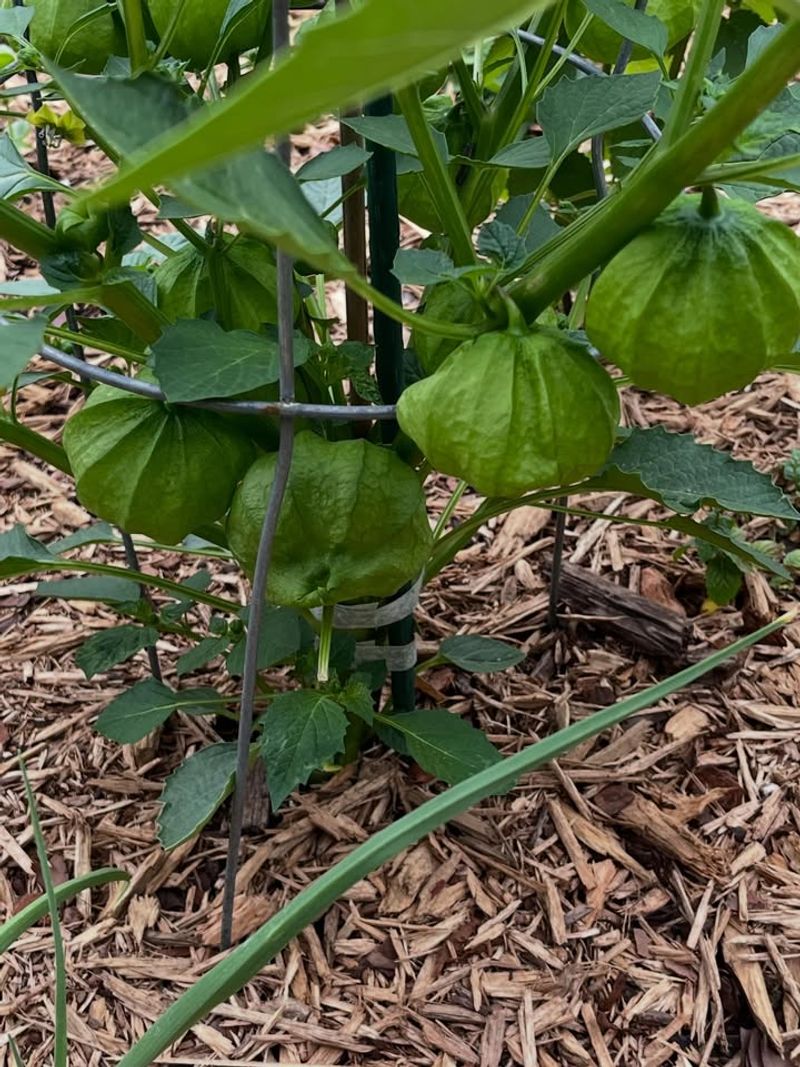
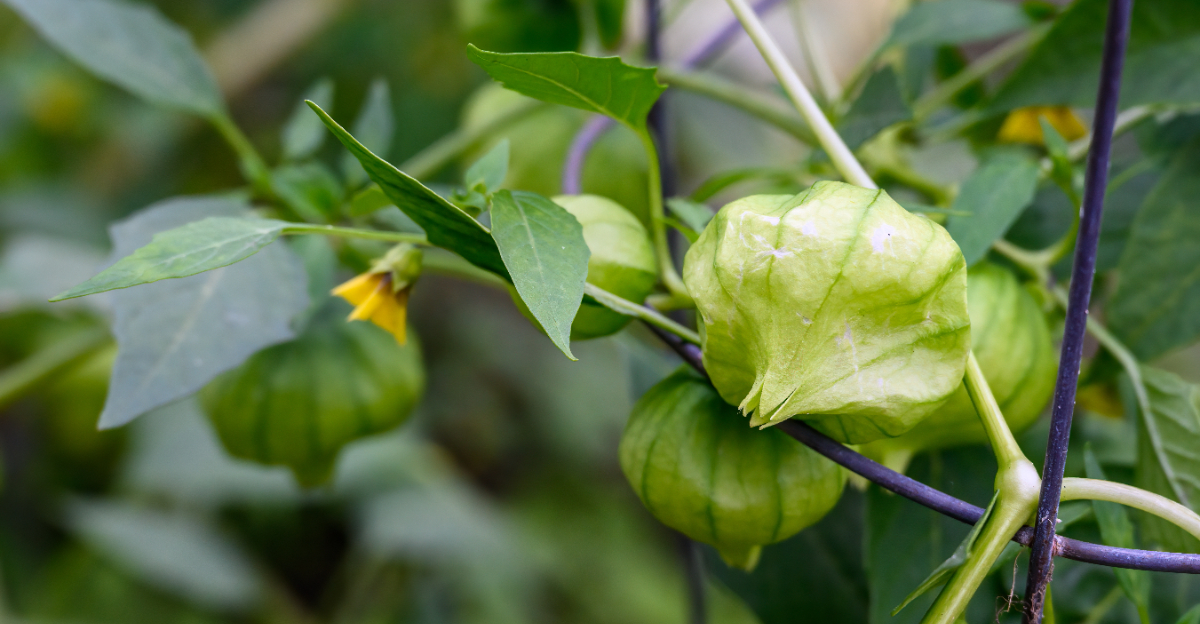
Tomatillos are one of the most underrated vegetables in the Pacific Northwest gardening world. They look like small green tomatoes wrapped in a papery husk, and they are the base ingredient in salsa verde and many traditional Mexican dishes.
What most Oregon gardeners do not realize is that tomatillos actually prefer cooler conditions than regular tomatoes, making them an excellent fit for the state’s climate.
One very important thing to know: you need at least two tomatillo plants for pollination. A single plant will flower beautifully but produce almost no fruit.
Plant two or more, and they cross-pollinate easily. They are vigorous growers and can get quite tall, so staking or caging them early prevents a tangled mess later in the season.
Start seeds indoors four to six weeks before your last frost date and transplant after danger of frost has passed.
Tomatillos are incredibly productive once they get going. A single healthy plant can produce dozens and dozens of fruits over the course of a season.
The flavor is tart, bright, and slightly citrusy, nothing like a tomato at all. Roast them under the broiler with garlic, onion, and jalapeño for a quick homemade salsa verde that will completely change how you feel about store-bought salsa.
Oregon gardeners who discover tomatillos tend to wonder why they waited so long to try growing them.
8. Fava Beans Are The Cool Season Secret Most Gardeners Overlook
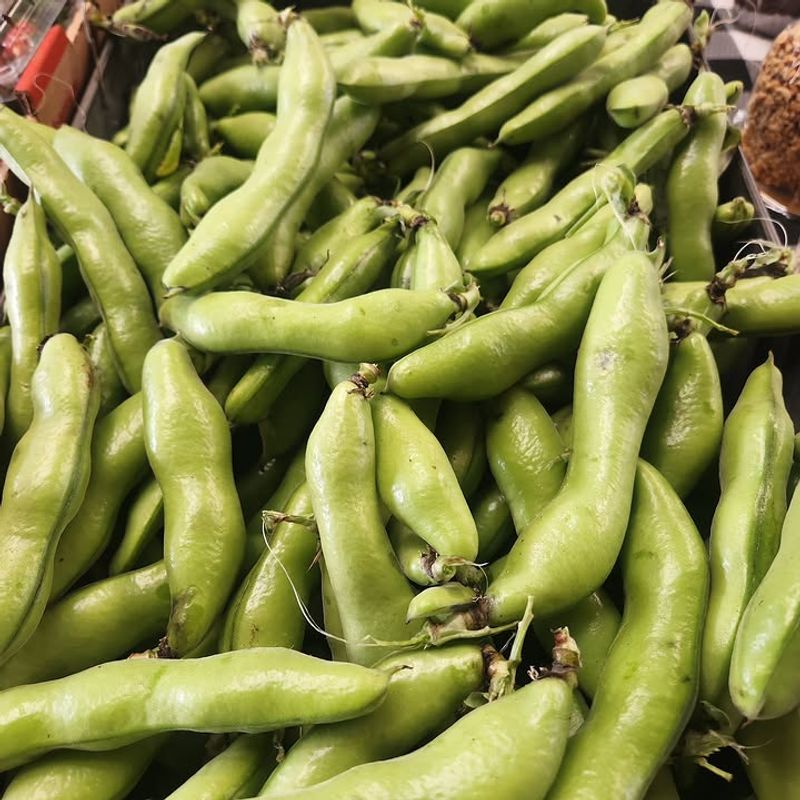
This might be the most Oregon-friendly vegetable on this entire list, and yet so many homeowners have never tried growing them. Unlike most warm-season crops, fava beans actually thrive in cool, wet weather.
That means they are perfectly suited for our long, mild springs and falls. In many parts of the state, you can plant them in October or November and harvest them the following spring.
These plants are cold-hardy, nitrogen-fixing, and genuinely beautiful. The flowers are white with striking black markings and have a light, sweet fragrance.
As a legume, fava beans improve your soil by pulling nitrogen from the air and depositing it in the ground, which feeds the plants that come after them. That makes them not just a food crop but a garden investment.
The beans themselves are large, creamy, and rich in protein and fiber. Fresh favas have a slightly nutty, buttery flavor that is completely different from the dried version you might find at a specialty store.
They do require a bit of work to prepare because you shell the pod and then peel the individual beans, but the flavor payoff is absolutely worth it. Saute them with olive oil and garlic, toss them into pasta, or mash them onto toast with a squeeze of lemon.
Our cool growing season is practically tailor-made for a generous fava bean harvest.
9. Brussels Sprouts Thrive When Most Other Vegetables Give Up
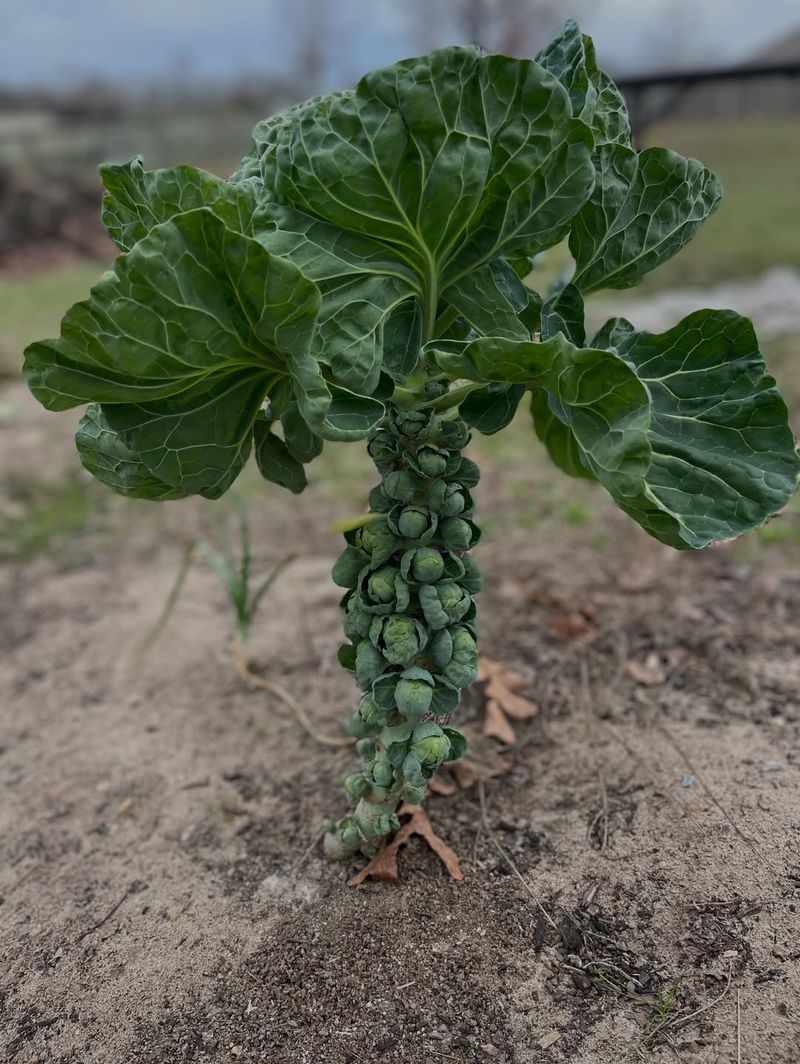
Once considered the most dreaded vegetable at the dinner table, they are now a restaurant favorite roasted with bacon, balsamic, or parmesan. And here is the thing: Oregon might actually be the best place in the country to grow them at home.
The cool, moist climate is almost identical to the conditions in Belgium where they originated.
These plants need a long growing season, usually around 90 to 180 days depending on the variety. Start seeds indoors in late spring and transplant them out in early summer.
They will grow slowly through the warm months and then really hit their stride as fall temperatures drop. A light frost actually improves the flavor of Brussels sprouts by converting some of their starches into sugars.
Fall weather is practically designed for this process.
The plants themselves are tall and architectural, growing up to three feet high with a central stalk covered in tightly packed little sprouts from top to bottom. Harvest from the bottom up as sprouts reach about an inch in diameter.
They are packed with vitamins C and K and are incredibly versatile in the kitchen. Roast them at high heat with olive oil until the outer leaves get crispy and caramelized.
That simple preparation turns even the most skeptical eater into a Brussels sprouts believer.