These Are The Best Berry Plants To Grow In Pots In California
Not everyone has a yard in California, but that does not mean you have to skip growing your own berries. Pots and containers work better than most people expect, and California’s long growing season gives potted berry plants a real advantage.
The right varieties actually do better in containers because you can control the soil, the drainage, and how much sun they get throughout the day.
Berries grown in the ground often struggle with California’s clay soil or dry summers, but a pot changes the whole equation.
You get fresher fruit, less mess, and a setup that works whether you have a small balcony or a spacious patio. Some berry plants are built for this kind of growing.
Others will frustrate you all season. Knowing which ones to pick makes all the difference before you spend a single dollar at the nursery.
1. Strawberries
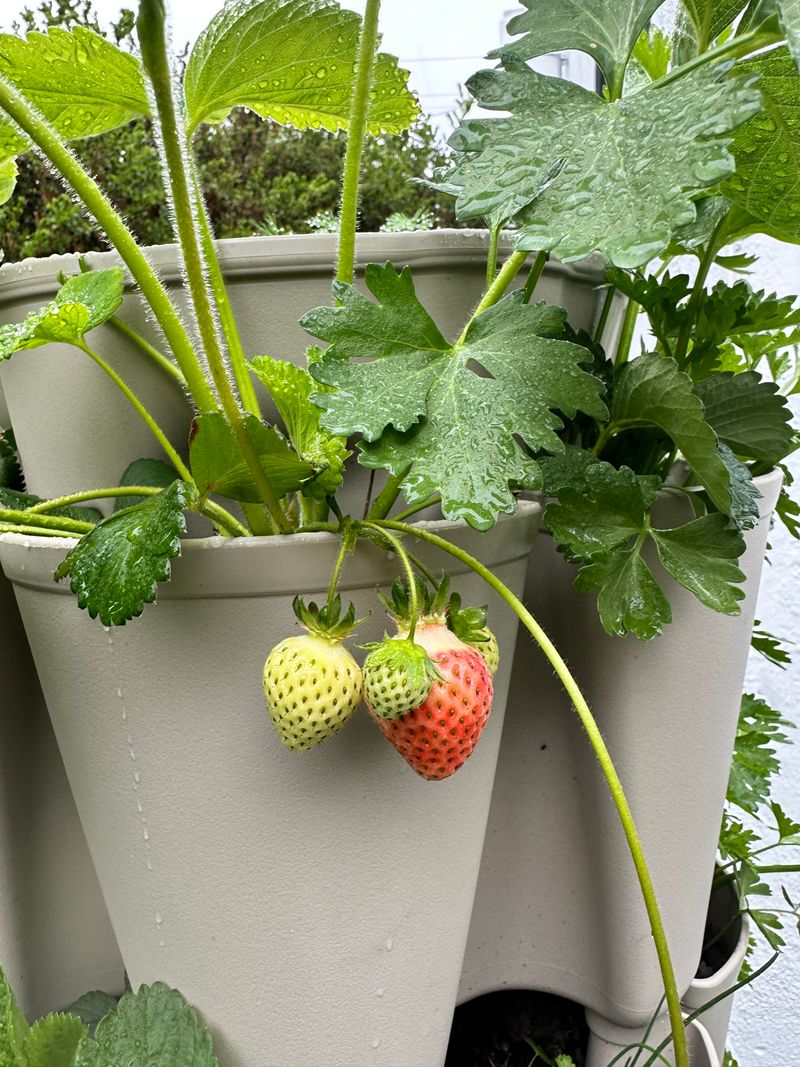
Few things beat the taste of a sun-warmed strawberry picked fresh from your own pot. Strawberries are one of the easiest berry plants to grow in containers, making them a top choice for California gardeners of all skill levels.
They do not need a lot of space, and they actually thrive when their roots are slightly snug in a pot.
Choose a wide, shallow container with good drainage holes. Fill it with a quality potting mix that drains well but holds some moisture.
Day-neutral varieties like Seascape or Albion are excellent picks for California because they produce fruit throughout the growing season, not just once a year.
Place your pot in a sunny spot that gets at least six hours of direct sunlight each day. Water regularly but avoid letting the soil get soggy.
Feed your plants with a balanced fertilizer every few weeks during the growing season. Strawberries also send out runners, which are little offshoots you can trim or pot up to grow even more plants for free.
With minimal effort, you can enjoy bowls of sweet, homegrown strawberries all spring and summer long right from your patio or balcony in California.
2. Blueberries
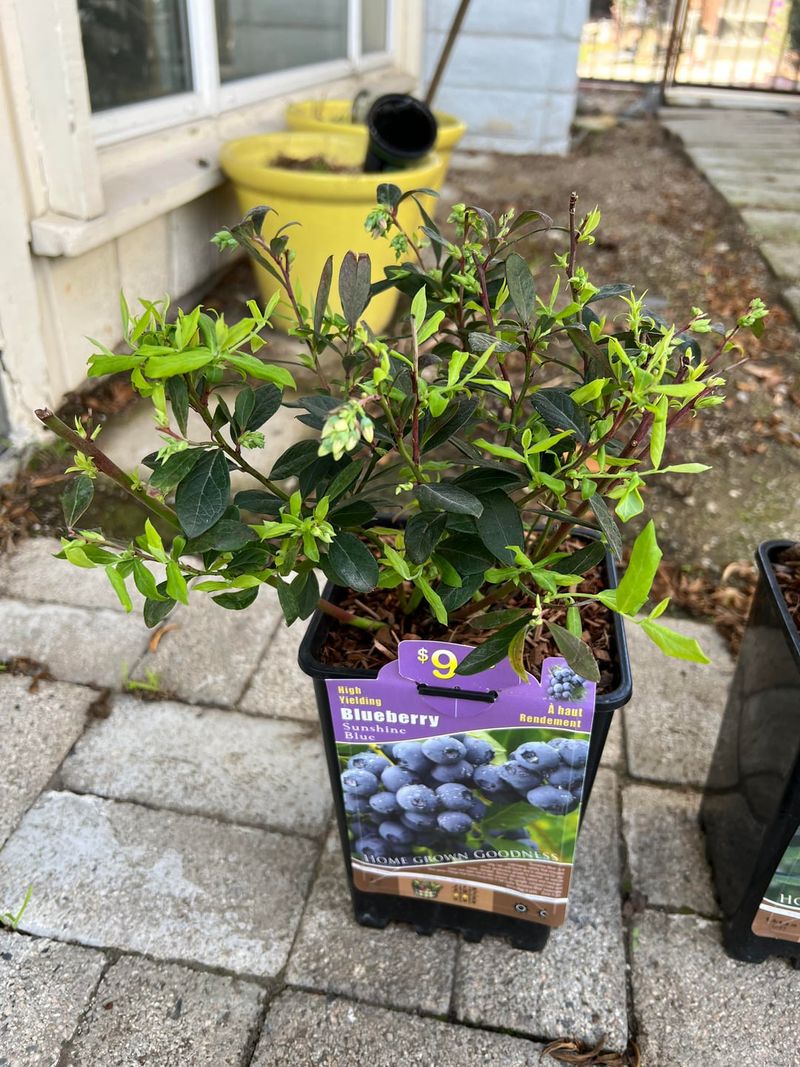
Blueberries are a powerhouse of flavor and nutrition, and they look gorgeous in a pot too. These bushy plants produce clusters of sweet, deep-blue berries that are hard to resist.
Many gardeners are surprised to learn that blueberries actually prefer growing in containers because it makes it easier to control the soil conditions they love.
The biggest key to success with blueberries is soil pH. They need acidic soil, ideally between 4.5 and 5.5.
Use a potting mix designed for acid-loving plants, like an azalea or blueberry mix. Southern Highbush varieties such as Sunshine Blue or O’Neal perform especially well in California’s climate and are compact enough for container life.
Plant two different varieties near each other to help with pollination and get a better harvest. Choose a large pot, at least 18 inches wide, to give the roots room to spread.
Set your container in a spot with full sun and water consistently. Blueberry plants can live for many years in the same pot if you repot them every few years and refresh the soil.
Your California Garden Changes Every Week. Your Plan Should Too.
Gardening in California changes quickly throughout the season. Every Friday you’ll receive a simple weekly plan showing exactly what to plant, prune, fertilize, harvest, and protect so you never miss the right timing.
The patience pays off big time when those beautiful blue clusters start forming each summer.
3. Raspberries
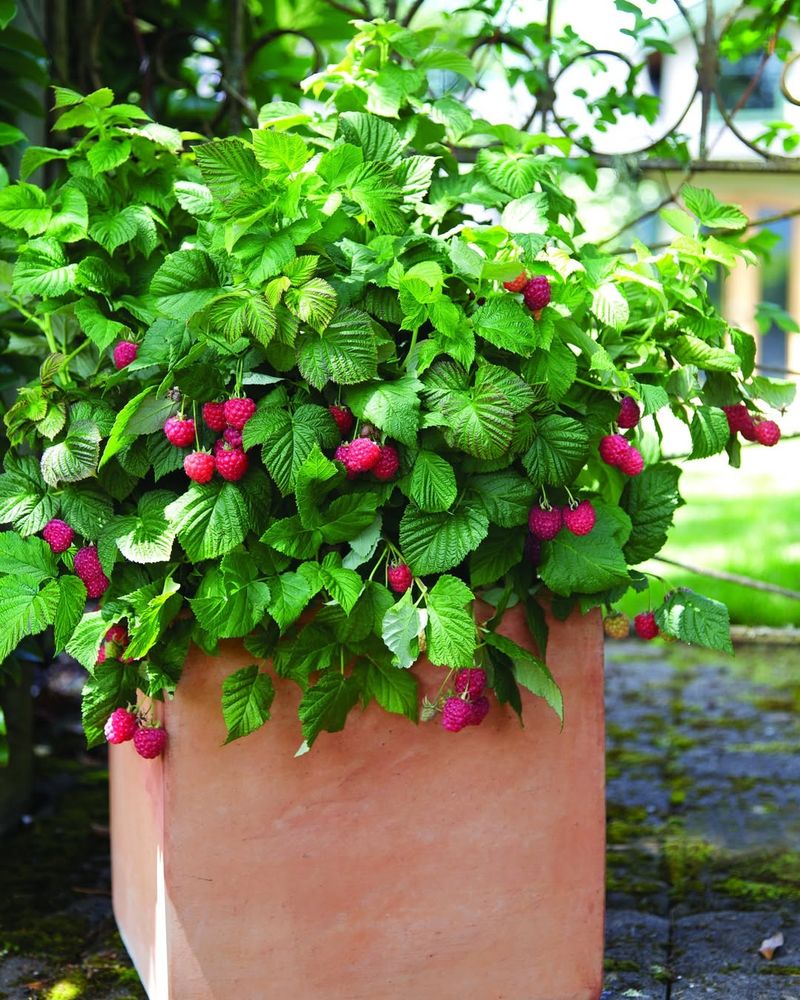
There is something almost magical about picking a plump raspberry straight off the cane and popping it in your mouth. Raspberries are surprisingly well-suited to container growing, especially in California where the mild winters and warm summers create ideal conditions.
Many people think raspberries need a big garden, but compact varieties prove otherwise.
Look for dwarf or patio varieties like Raspberry Shortcake or Heritage. These stay small enough to manage in a large pot while still producing a generous crop of juicy berries.
Use a container that is at least 15 to 18 inches deep and wide, and fill it with rich, well-draining potting mix. Add some compost to give your plant a nutrient boost right from the start.
Raspberries love full sun, so find the sunniest spot on your patio or balcony. Water them deeply but let the top inch of soil dry out slightly between waterings.
Canes can get tall, so stake them or place the pot near a trellis for support. In California, fall-bearing varieties can give you two crops per year, one in summer and one in fall.
That means double the fresh raspberries with very little extra work on your part.
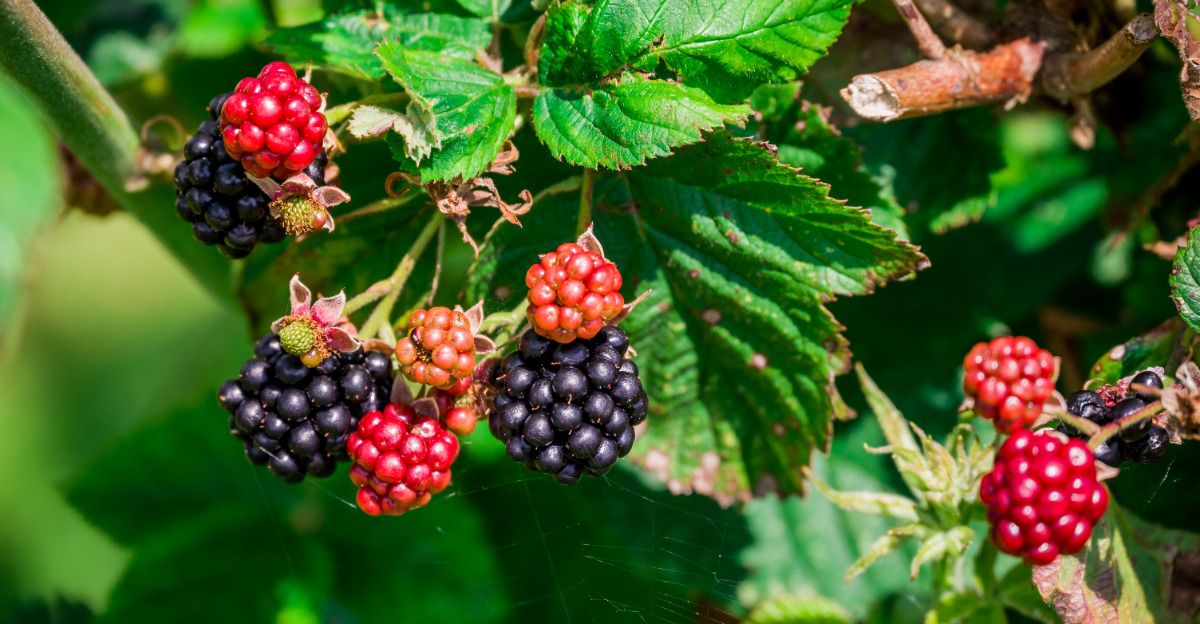
4. Blackberries
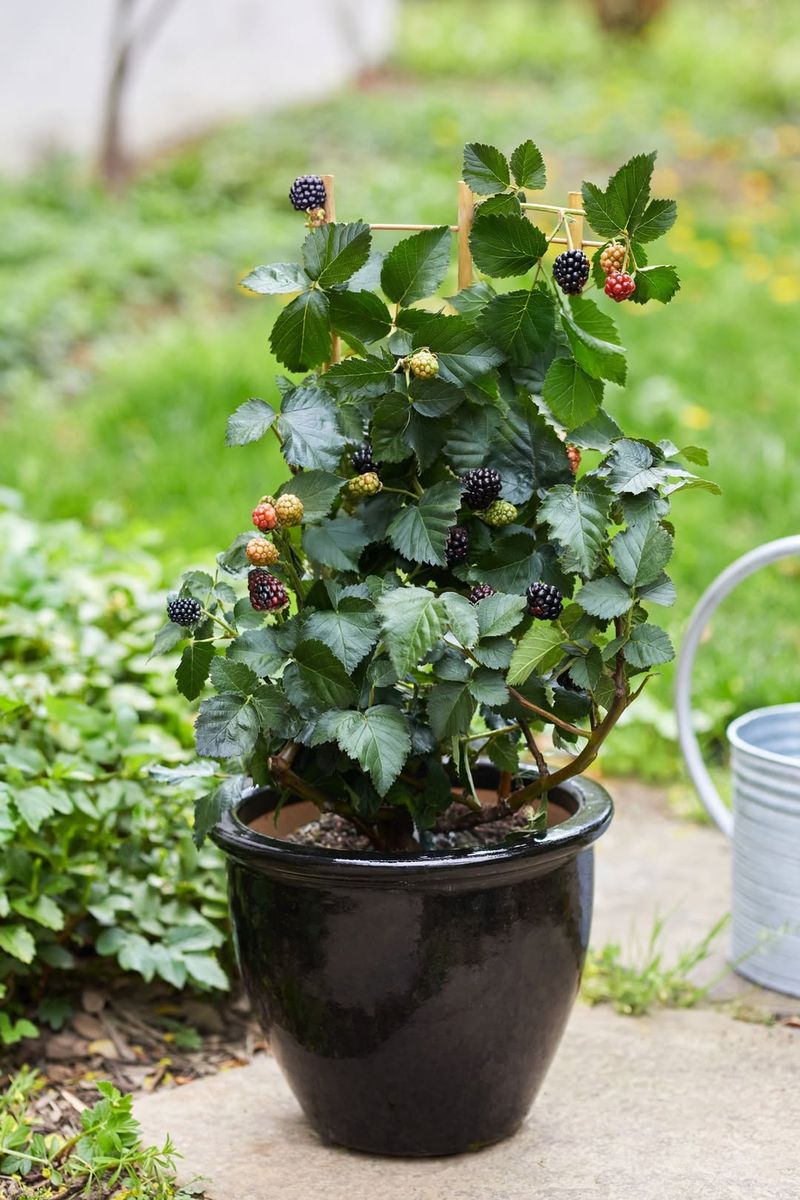
Bold, sweet, and slightly tart, blackberries are one of the most satisfying berries you can grow at home. They are vigorous growers and can produce a surprisingly large harvest even when kept in a container.
California’s warm climate suits them very well, and thornless varieties make them even easier to handle in a small space.
Go for thornless varieties like Triple Crown or Apache if you want to avoid scratches while harvesting. These varieties are also compact enough for pots and produce big, juicy berries with excellent flavor.
Use a large container, at least 20 inches wide, since blackberry roots spread out quite a bit. Fill it with rich, loamy potting soil mixed with compost for the best results.
Place your pot in a location with full sun, at least six to eight hours per day. Blackberries are drought-tolerant once established, but they fruit better with regular watering during the growing season.
A trellis or support stake helps keep the canes upright and makes harvesting much easier. Feed with a balanced fertilizer in spring and again when berries start forming.
With the right care, a single potted blackberry plant can reward you with pounds of gorgeous fruit every summer season.
5. Boysenberries
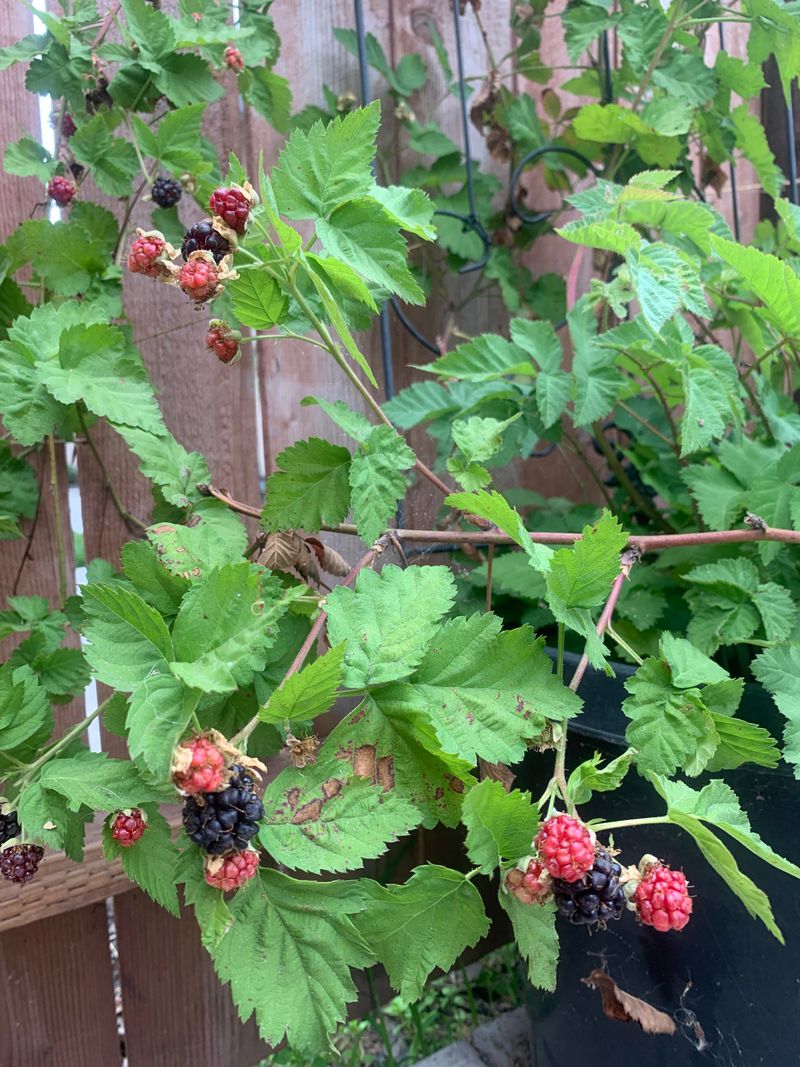
Boysenberries have a fascinating backstory. They were actually developed in California back in the 1920s by horticulturist Rudolph Boysen, making them a truly Golden State berry.
They are a cross between a raspberry, blackberry, and loganberry, and the result is a large, deep-purple fruit with an incredibly rich and complex flavor that is both sweet and tangy.
Growing boysenberries in pots requires a bit of space since the canes can grow long, but thornless varieties make them much easier to manage. Use a large, deep container and set up a small trellis or cage inside the pot to support the canes as they grow.
Rich, well-draining soil with added compost gives them the nutrients they need to thrive.
They love full sun and warm temperatures, which makes California an almost perfect home for them. Water consistently and fertilize every few weeks during the growing season.
Boysenberries are not as commonly found in grocery stores, so growing your own is a real treat. The berries are larger than most other varieties and absolutely delicious fresh, in jams, or baked into desserts.
Once your plant gets established, it will reward you with a generous harvest each year.
6. Loganberries
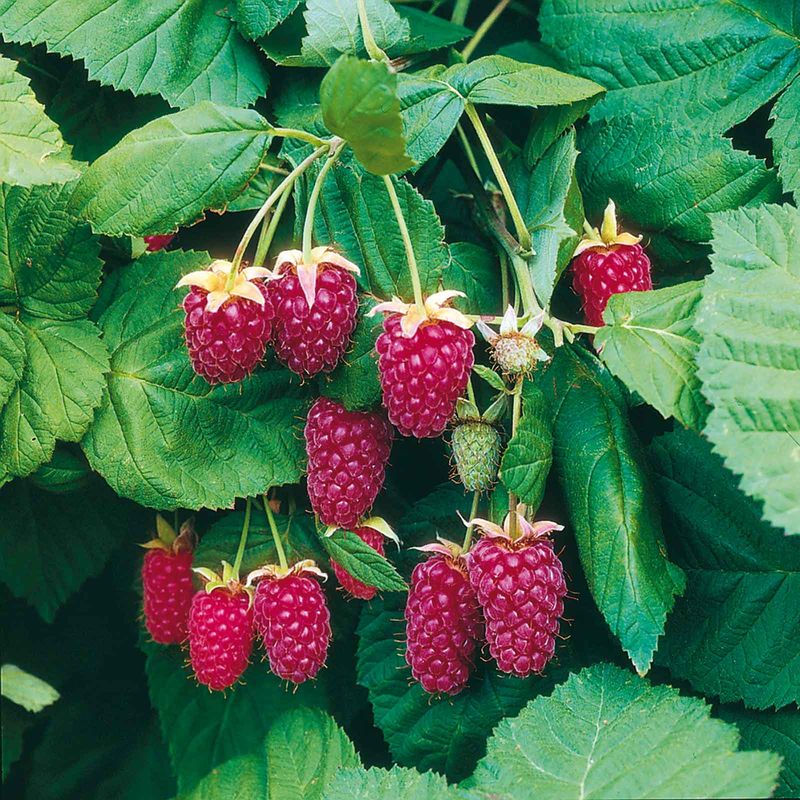
They are one of those underrated gems that most people have never tried growing at home. They look a bit like a long, dark raspberry and taste like a bold mix of raspberry and blackberry.
The flavor is more tart than sweet, which makes them fantastic for jams, pies, and juices. And yes, they grow beautifully in pots.
Like boysenberries, loganberries also have California roots. They were first bred in Santa Cruz in the late 1800s by Judge James Harvey Logan, which is how they got their name.
That California connection means they are naturally well-adapted to the state’s climate and growing conditions, making them a smart choice for container gardeners here.
Choose a large container, at least 15 to 20 gallons, and use rich potting soil with good drainage. Loganberry canes can get long, so a sturdy trellis is helpful.
Place the pot in full sun and water regularly, especially during hot spells. They are fairly low-maintenance once established and tend to produce fruit in midsummer.
Prune old canes after harvest to keep the plant healthy and encourage strong new growth the following season. The effort is minimal compared to the reward of fresh, homegrown loganberries.
7. Gooseberries
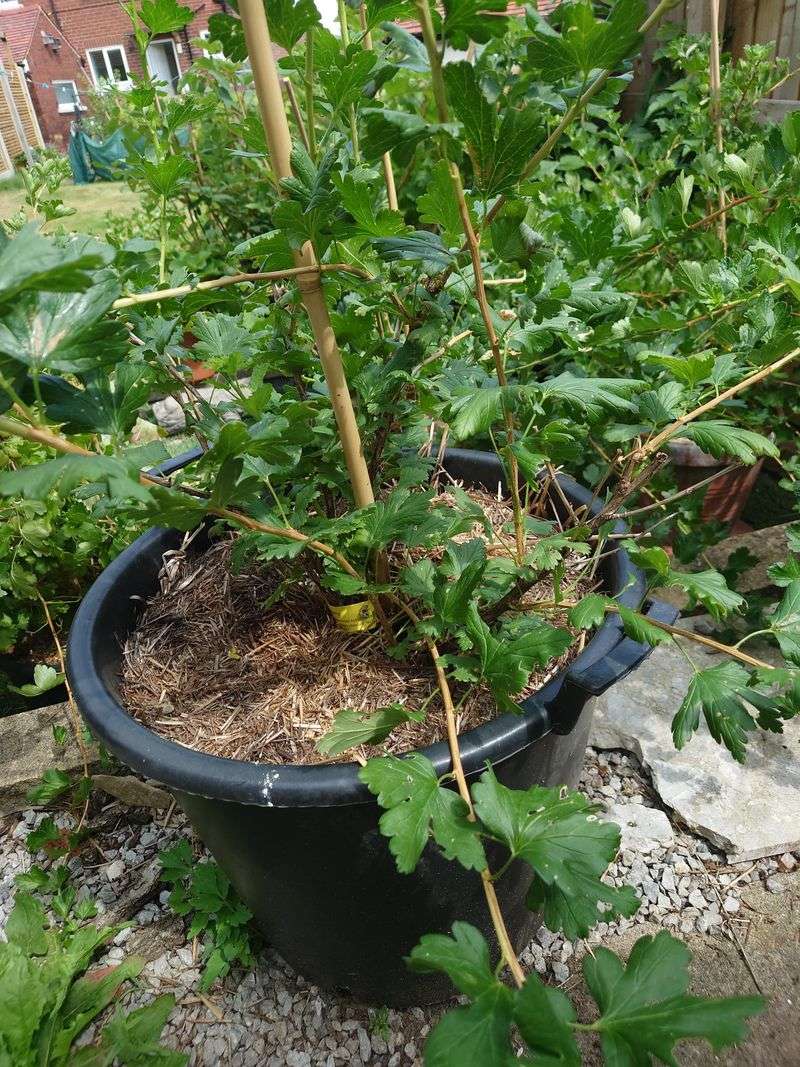
Gooseberries might not be the first berry that comes to mind, but they deserve a spot on every California gardener’s wish list. These small, round berries come in green, yellow, and red varieties and have a tart, refreshing flavor that is totally unique.
They are packed with vitamins and antioxidants, and they make incredible jams and desserts.
One of the best things about gooseberries is that they are quite happy in pots. They are compact shrubs that do not take up much room, making them ideal for balconies and small patios.
Choose a container that is at least 12 to 15 inches wide and deep. Fill it with well-draining potting mix and add some compost to boost nutrition.
Varieties like Invicta or Pixwell are reliable producers that handle container life well.
Unlike most berries, gooseberries prefer a bit of afternoon shade, especially in warmer parts of California where summer heat can be intense. Morning sun with some shade in the afternoon is the sweet spot for these plants.
Water regularly and feed with a balanced fertilizer in spring. Gooseberries are also self-fertile, meaning you only need one plant to get fruit.
That makes them incredibly convenient for small-space gardeners who want variety without needing multiple plants.
8. Currants
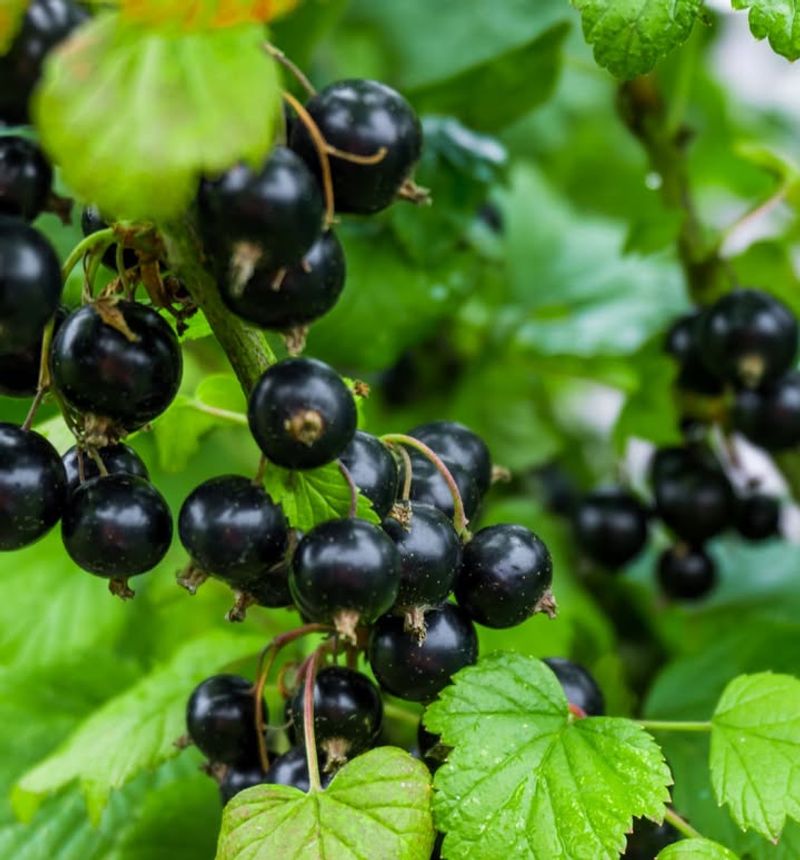
These tiny, jewel-like berries grow in clusters and come in red, black, and white varieties. Red currants are sweet-tart and gorgeous, black currants have a deep, rich flavor, and white currants are the mildest of the three.
All of them are excellent for jams, syrups, juices, and fresh eating straight off the plant.
What makes currants especially appealing for container gardening is how well they adapt to pots. They are naturally compact shrubs that stay manageable in size.
A container that is 12 to 15 inches wide and deep works well for a single plant. Use a good quality potting mix with added compost, and make sure the pot has plenty of drainage holes to prevent waterlogging.
Currants prefer cooler conditions compared to some other berries, so they do best in coastal areas or regions of California that do not get extreme summer heat. They enjoy full sun to partial shade and consistent moisture.
Avoid letting the soil dry out completely during fruiting. Feed with a balanced fertilizer in early spring before new growth begins.
Like gooseberries, currants are self-fertile, so one plant is all you need to enjoy a steady harvest. They are a fantastic, low-fuss addition to any container garden setup.
9. Mulberries
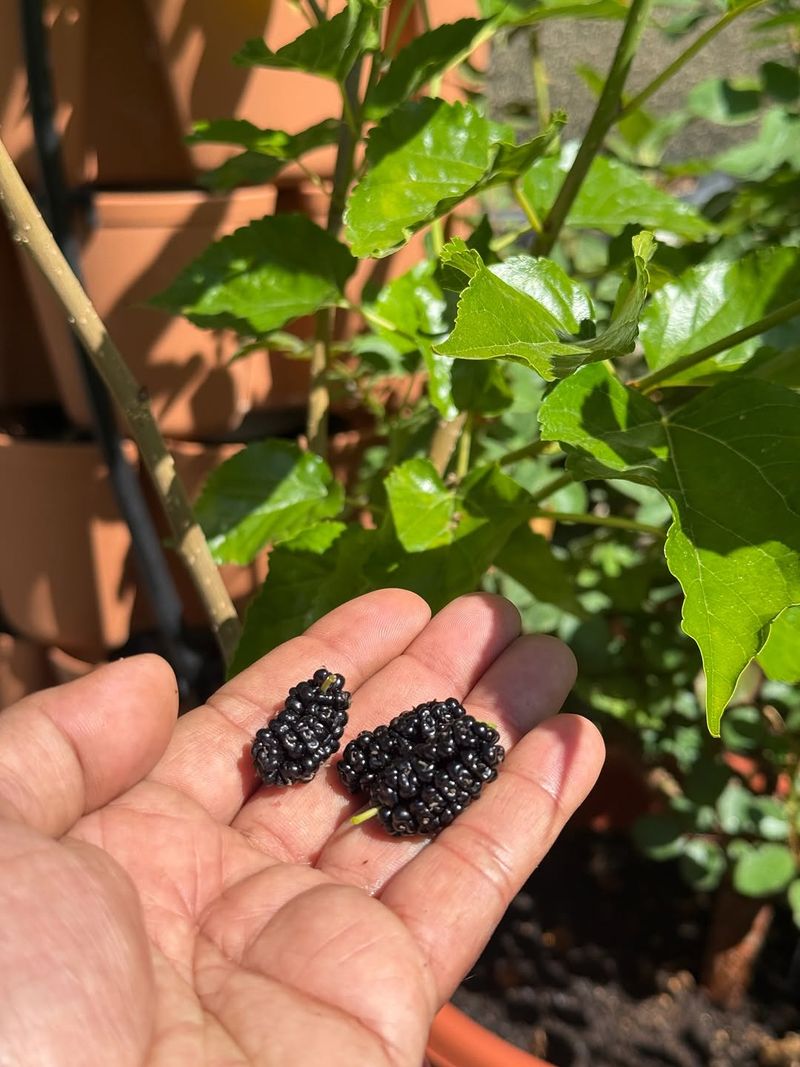
Mulberries are one of those old-fashioned fruits that are making a serious comeback in home gardens. They look like elongated blackberries and have a sweet, wine-like flavor that is absolutely delicious.
The best part for container gardeners is that dwarf mulberry varieties can thrive in large pots and still produce an impressive amount of fruit each season.
Dwarf varieties like Issai or Dwarf Everbearing are perfect for growing in containers. They stay compact, usually reaching only four to six feet tall, and they are incredibly productive.
Use a large pot, at least 20 to 25 gallons, to give the roots enough room to grow. Fill it with rich, well-draining potting soil and place the container in a sunny spot with at least six hours of direct sunlight daily.
Mulberries are very adaptable and handle California’s warm summers with ease. They are also quite drought-tolerant once established, though regular watering during fruit development leads to juicier berries.
Fertilize in early spring with a balanced fertilizer to encourage healthy growth. One thing to keep in mind is that mulberries stain easily, so consider placing your pot on a surface you do not mind getting a little colorful.
The fruit is absolutely worth it, and birds love them too, so a net can help protect your harvest.