Why Bougainvillea Stops Blooming In California Summer And How To Fix It
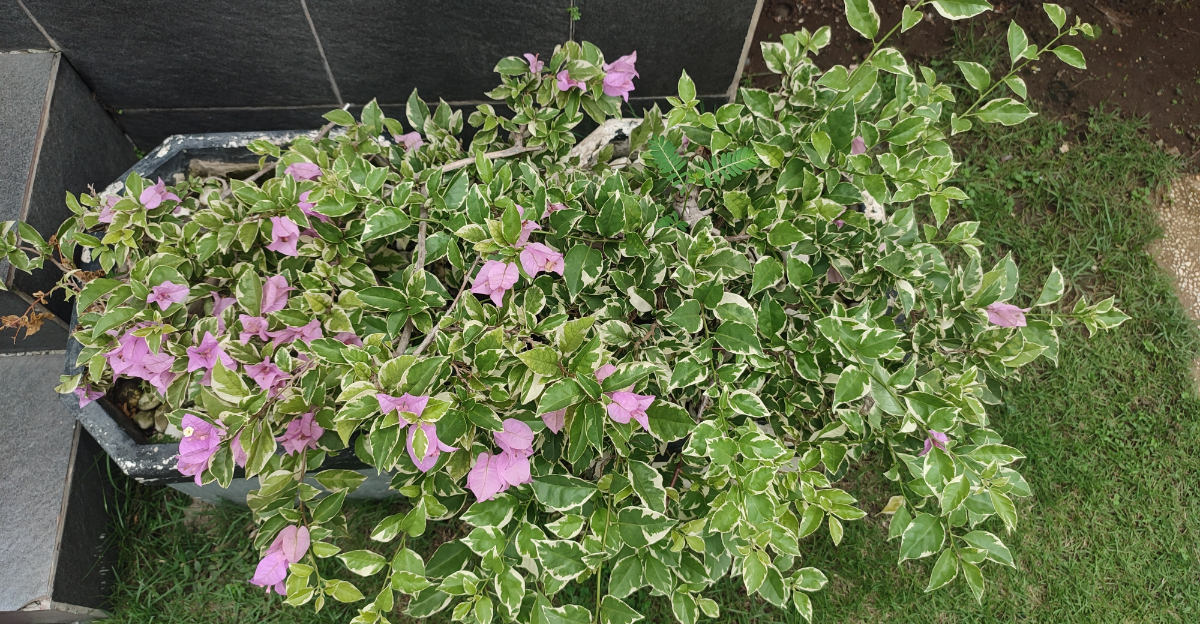
Bougainvillea is supposed to thrive in California summers. Full sun, warm temps, dry conditions.
It sounds like the perfect setup. So when the blooms disappear right in the middle of peak season, it catches a lot of gardeners off guard.
The truth is, summer in California can actually work against bougainvillea in ways most people do not expect.
Too much water, the wrong kind of fertilizer, or even a little too much shade from a nearby tree can shut down the flowering cycle fast.
Stress from repotting, pruning at the wrong time, or inconsistent watering can also play a bigger role than most people realize.
Bougainvillea is a plant that blooms best when it feels a little neglected, not pampered. Push it too hard in either direction and it pulls back. The good news is that it is resilient.
Once you figure out what threw it off, getting it back to full bloom does not take long. Most fixes are simple and do not require any special products or major changes to your routine. You just need to know where to look and what to adjust.
1. Too Much Water During The Hottest Months
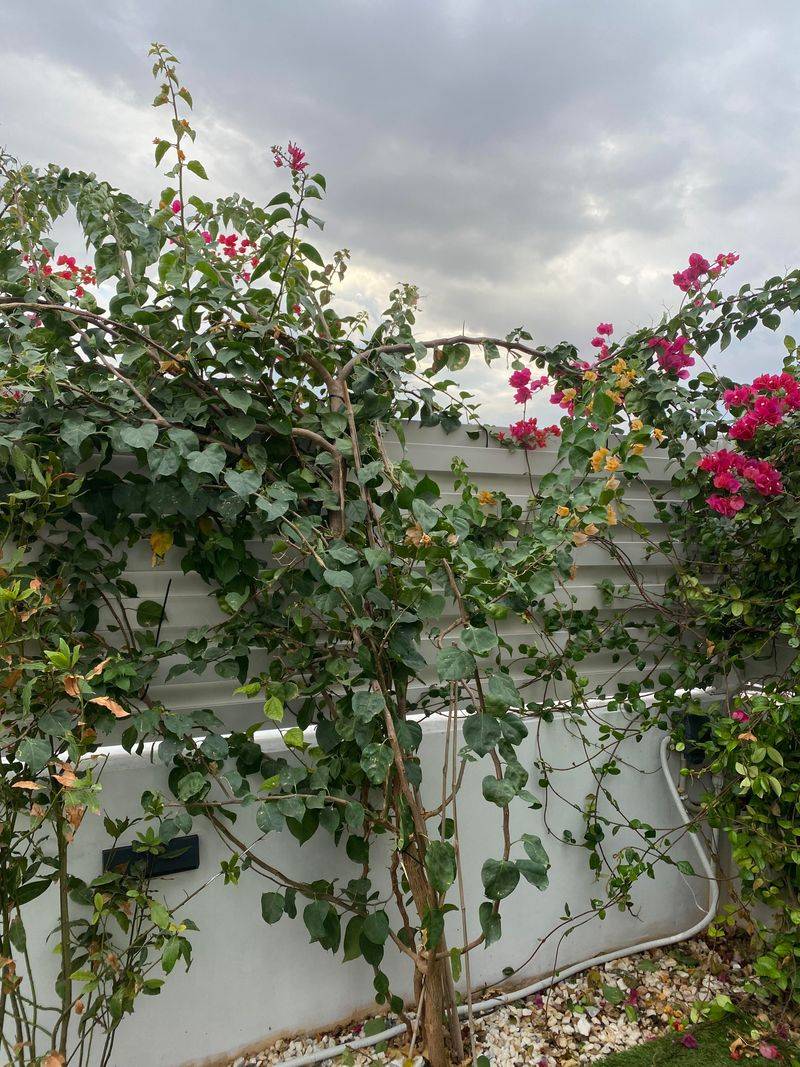
Watering more during a heatwave sounds like common sense, but with bougainvillea, that instinct can backfire badly. This plant actually needs a bit of stress to push out flowers.
When the soil stays consistently wet, the roots get lazy and the plant focuses all its energy on growing leaves instead of blooming.
In California summers, the heat dries out soil quickly, which might tempt you to water every day. But bougainvillea prefers to dry out between waterings.
A good rule of thumb is to water deeply once or twice a week and then let the top few inches of soil dry out completely before watering again.
Yellowing leaves, mushy stems near the base, and a total lack of flowers are classic signs of too much water. Cut back on watering immediately if you spot these symptoms.
Giving the plant a chance to experience mild drought stress is one of the most reliable tricks for triggering a fresh flush of blooms. Less water truly means more flowers with this plant.
2. Not Enough Direct Sunlight For Strong Blooms
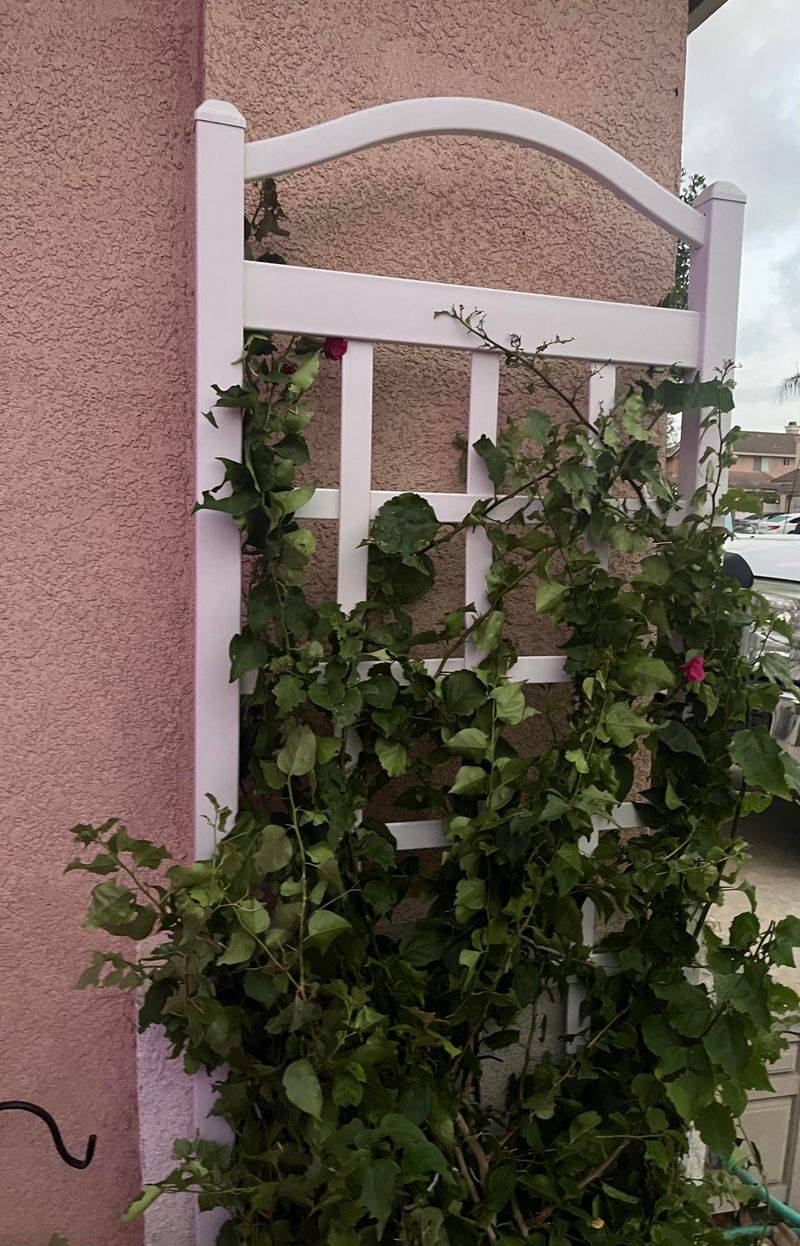
Sunlight is the fuel that powers bougainvillea blooms. Without enough of it, the plant simply cannot produce the energy needed to form those brilliant colored bracts that make it so eye-catching.
Most people do not realize just how sun-hungry this plant really is.
Bougainvillea needs a minimum of six hours of direct sunlight each day, but it truly thrives with eight hours or more. In California, where sunshine is plentiful for most of the year, placement still matters a lot.
A spot near a tall fence, a shady tree, or the north side of a house can cut off the light the plant desperately needs.
If your plant is getting fewer than six hours of direct sun, consider moving it to a sunnier spot. Container-grown plants have the advantage here because you can simply roll them into a better location.
Your California Garden Changes Every Week. Your Plan Should Too.
Gardening in California changes quickly throughout the season. Every Friday you’ll receive a simple weekly plan showing exactly what to plant, prune, fertilize, harvest, and protect so you never miss the right timing.
For plants in the ground, trimming back nearby shrubs or trees that cast shade can make a real difference. More sun almost always means more flowers, so do not underestimate the power of finding the perfect bright spot in your yard.
3. Using Fertilizer That Pushes Leaves Instead Of Flowers
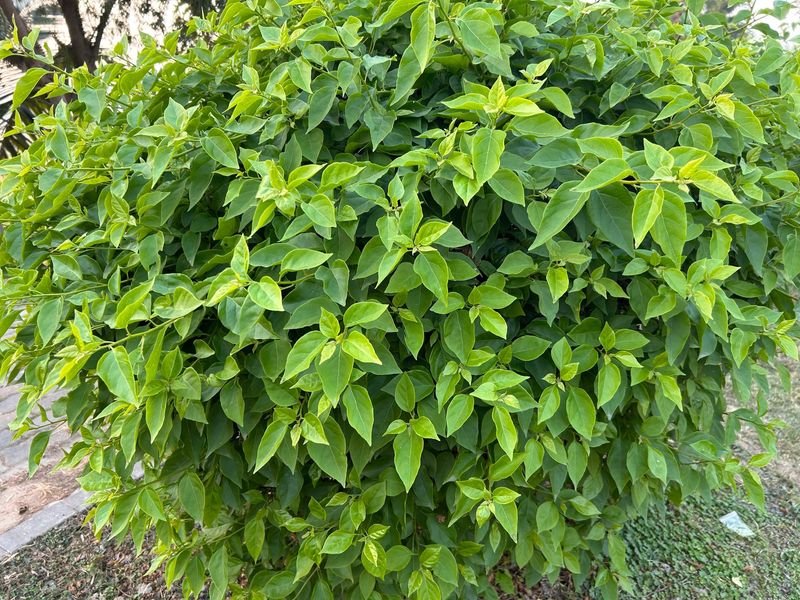
Not all fertilizers are created equal, and choosing the wrong one is one of the most common reasons bougainvillea stops blooming in summer. High-nitrogen fertilizers are great for lawns and leafy vegetables, but they send bougainvillea into a leafy frenzy with zero flowers to show for it.
Nitrogen encourages fast, green, leafy growth. When bougainvillea gets too much of it, the plant puts all its resources into producing big leaves and long vines.
The flowers, which are actually modified leaves called bracts, get left out entirely. Switching to a low-nitrogen, high-phosphorus fertilizer changes the game completely.
Look for fertilizers labeled for blooming plants or those with a formula where the middle number, which represents phosphorus, is the highest. Apply it every four to six weeks during the growing season.
Some gardeners in California swear by fertilizers specifically formulated for bougainvillea, which are easy to find at local nurseries. Cutting back on nitrogen and boosting phosphorus is often the fastest way to coax a stubborn plant back into full, colorful bloom without changing anything else in your routine.
4. Pruning At The Wrong Time And Removing Flowering Growth
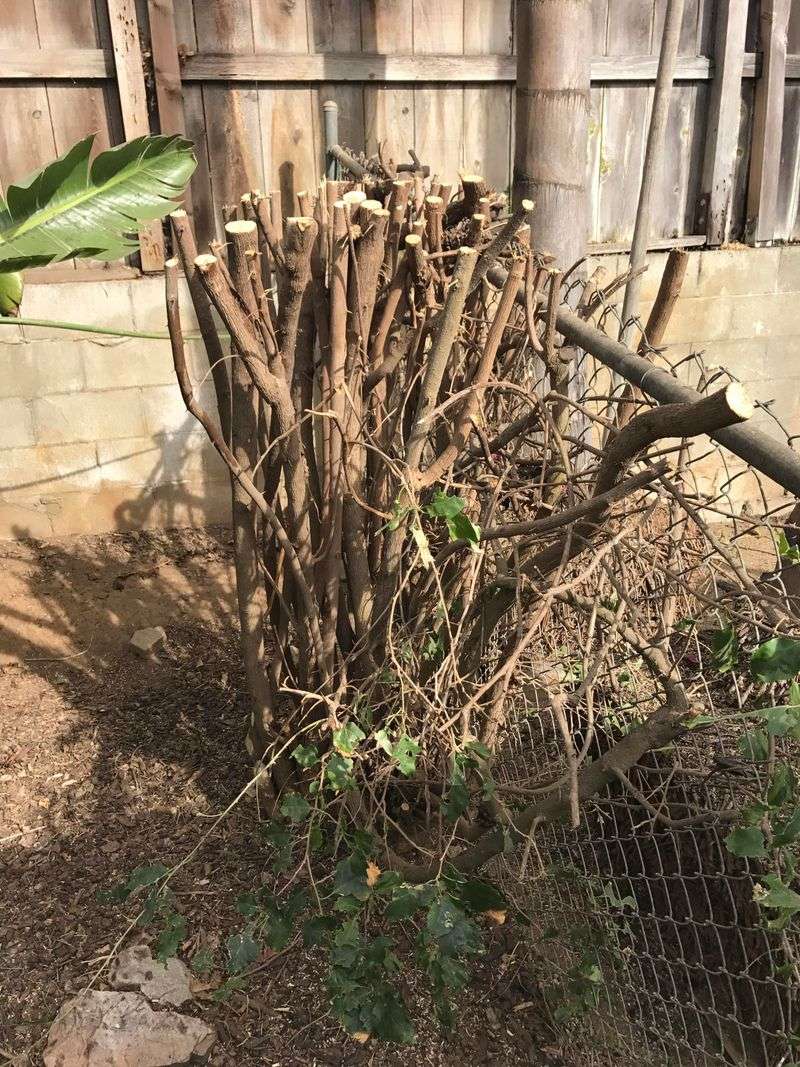
Pruning bougainvillea at the wrong time is like cutting off your own nose to spite your face. Many well-meaning gardeners trim their plants during late spring or early summer, not realizing they are snipping off the very growth that would have produced flowers just weeks later.
Bougainvillea blooms on new growth, but that new growth needs time to mature before it can flower. If you prune heavily right before or during the blooming season, you reset the clock and force the plant to start over.
The result is a green, leafy plant with no color for weeks or even months.
The best time to prune bougainvillea in California is right after a blooming cycle ends, typically in late winter or early fall. Light shaping during the growing season is fine, but avoid cutting back large sections of new growth during peak summer.
When you do prune, focus on removing dead wood, crossing branches, and stems that are growing in the wrong direction. Save the big cuts for the right season, and your plant will reward you with a spectacular flush of color right on schedule.
5. Letting The Plant Sit In Poorly Draining Soil
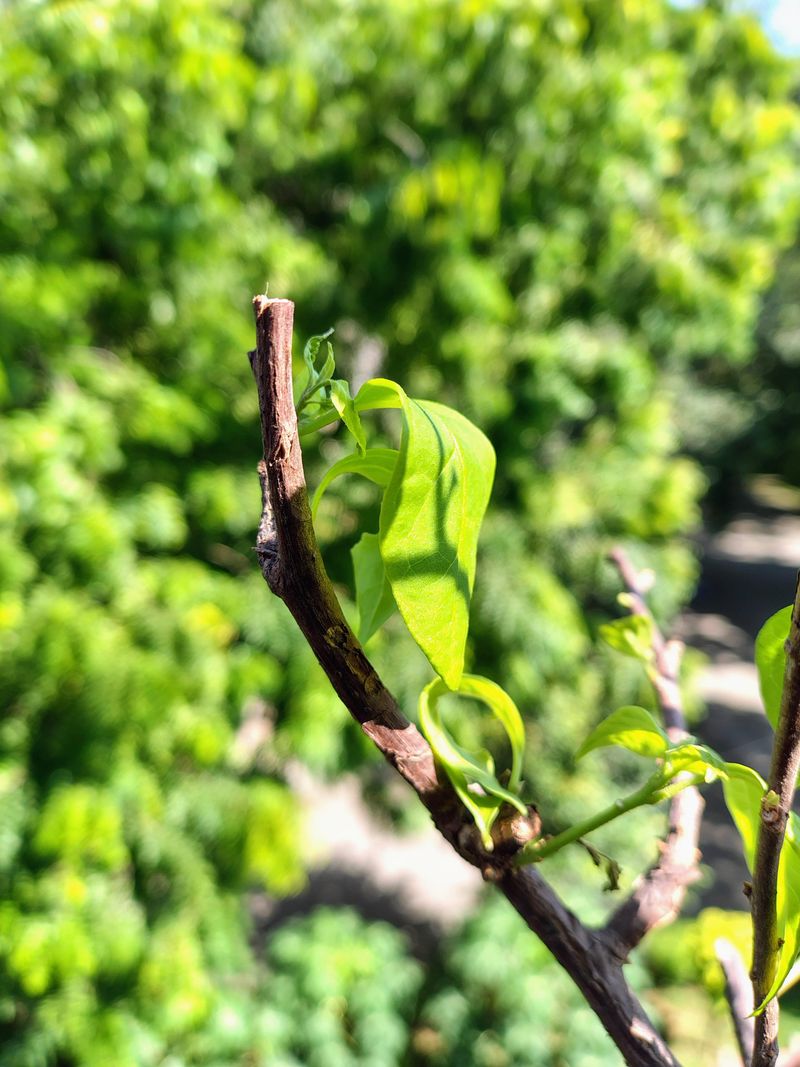
Soil quality plays a bigger role in bougainvillea blooming than most gardeners expect. Heavy clay soil or compacted ground holds water around the roots for too long, which stresses the plant in a way that shuts down flower production almost completely.
Good drainage is non-negotiable for this plant.
When roots sit in soggy soil, they cannot absorb oxygen properly. This leads to root stress, which the plant signals by dropping leaves and refusing to bloom.
In many parts of California, native soil can be quite dense and slow-draining, making it a poor match for bougainvillea without some amendments.
Fixing drainage issues does not have to be complicated. Mix coarse sand and perlite into your planting area to loosen up heavy soil and allow water to move through more freely.
Raised beds are another excellent option for areas where drainage is a persistent problem. If you are planting in a container, always choose a pot with large drainage holes and use a fast-draining potting mix.
Improving the soil around an established plant by top-dressing with compost and gritty material can also make a noticeable difference over time.
6. Growing Bougainvillea In A Pot That Is Too Large
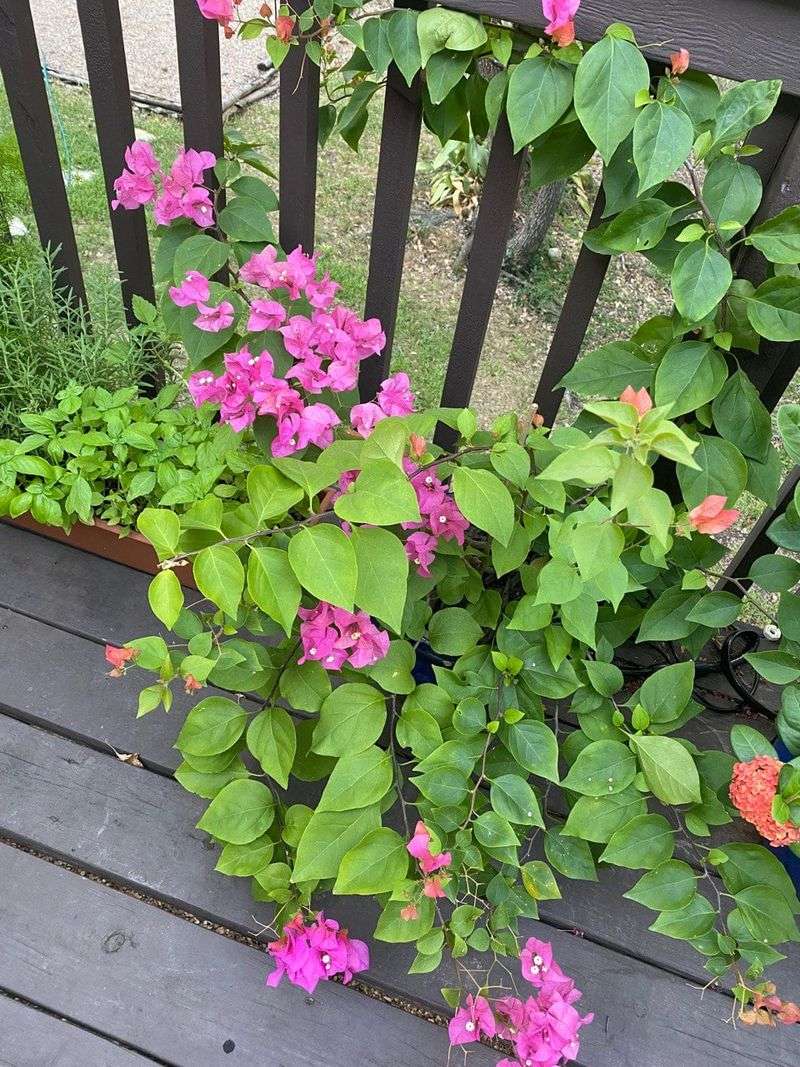
Bigger is not always better when it comes to pots, and bougainvillea is a perfect example of why. Planting this vine in an oversized container might seem like a smart move for future growth, but it actually works against blooming in a very specific way.
When a pot is too large, the excess soil around the roots holds moisture for much longer than the plant prefers. Bougainvillea roots also tend to spread outward to fill the container before the plant shifts its energy toward flowering.
The plant essentially spends all its time exploring its new home instead of putting on a show.
A slightly snug pot encourages bougainvillea to bloom. Choose a container that is only a few inches larger than the root ball.
Terracotta pots are a popular choice in California because they are porous and help soil dry out more quickly between waterings, which bougainvillea absolutely loves. When roots start peeking out of the drainage holes, it is time to move up just one pot size.
Keeping the plant a little root-bound is one of the oldest and most effective tricks for getting consistent, vibrant blooms all season long.
7. Heat Stress From Reflected Sun And Dry Winds
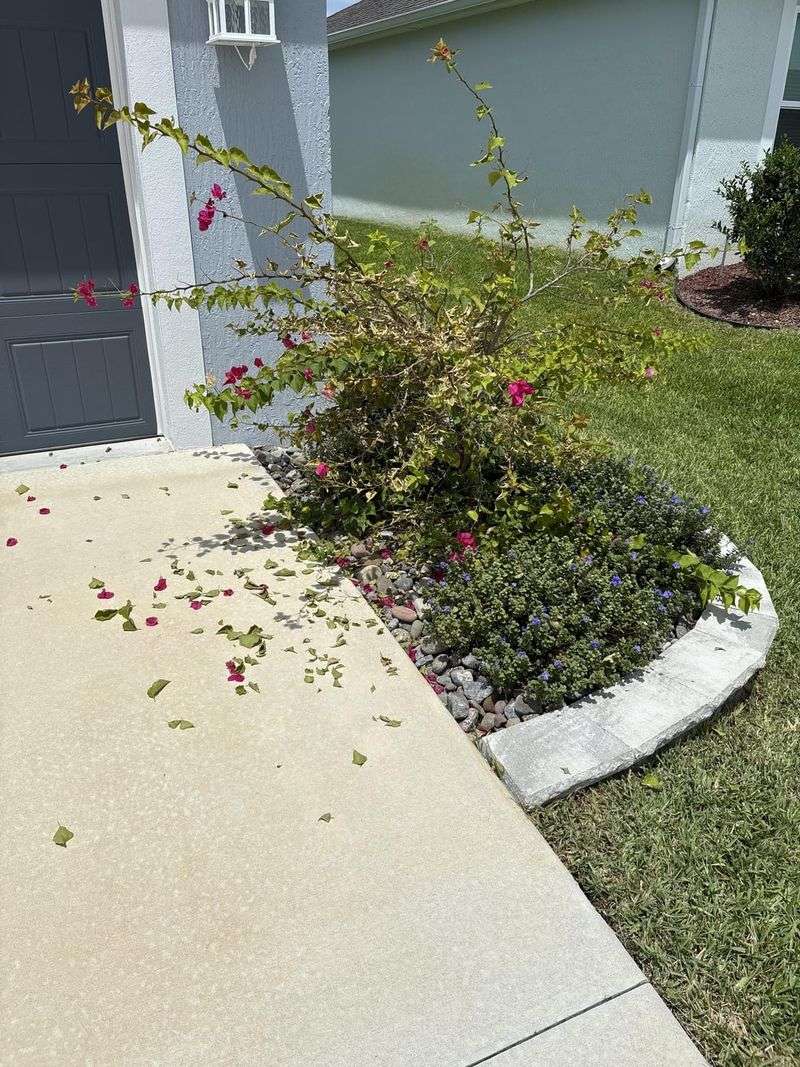
California summers can get intense, and while bougainvillea loves heat, there is a point where extreme conditions cause real stress. Reflected heat from stucco walls, concrete patios, and light-colored fences can push temperatures around the plant well beyond what even this tough vine can handle comfortably.
Dry, hot winds that blow through many parts of the state during summer pull moisture from leaves faster than roots can replace it. This causes the plant to close its pores to conserve water, which slows down every process including flowering.
A stressed plant in survival mode simply will not waste energy on producing blooms.
Providing some afternoon shade during the peak heat hours of the day, usually between 1 p.m. and 4 p.m., can reduce heat stress without cutting into the morning sunlight the plant needs. A shade cloth rated at around 30 percent works well without blocking too much light.
Mulching around the base of the plant also helps keep root temperatures cooler and retains a bit of soil moisture. Positioning your plant where it gets morning sun and some shelter from hot afternoon winds can make a big difference in how consistently it blooms through the summer months.
8. How To Bring Bougainvillea Back Into Bloom
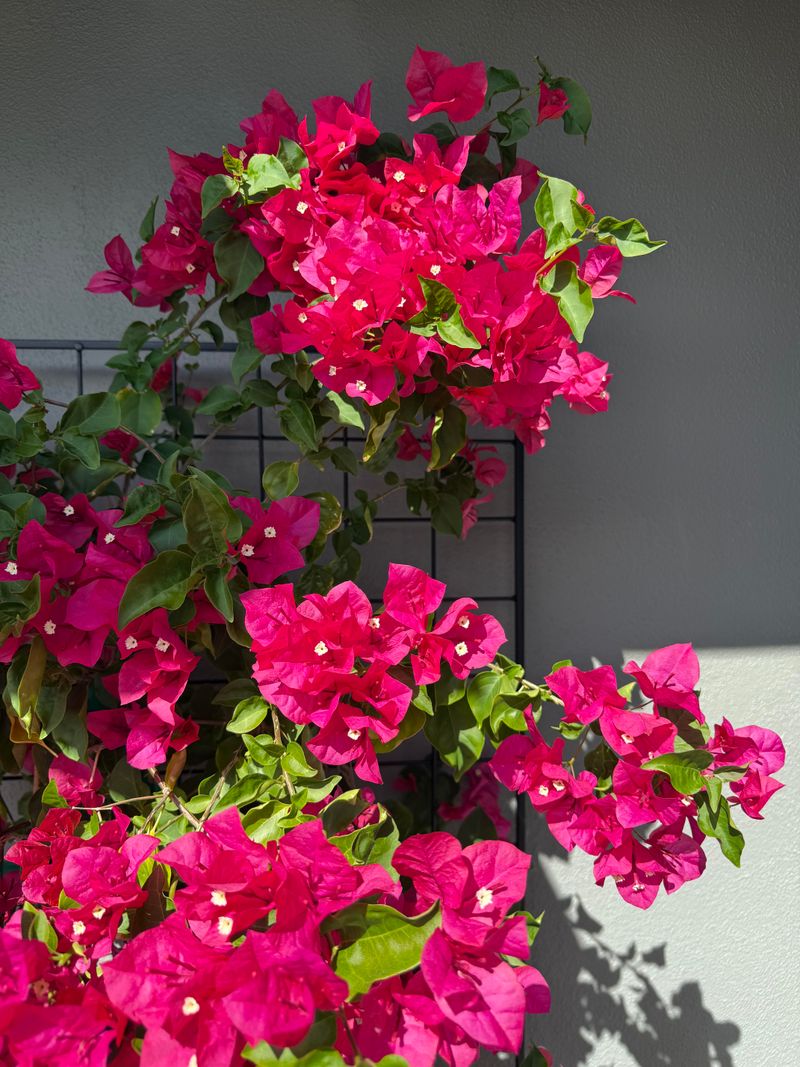
Getting bougainvillea to bloom again after a long quiet spell feels incredibly rewarding, and the steps to make it happen are simpler than most people expect. Start by pulling back on watering and letting the soil dry out between sessions.
Drought stress is one of the fastest natural triggers for flower production in this plant.
Switch to a bloom-boosting fertilizer with low nitrogen and higher phosphorus, and apply it consistently every four to six weeks. Check that your plant is getting at least six to eight hours of direct sunlight each day.
If it is in a shaded spot, move it or trim back whatever is blocking the light.
Make sure the soil drains well and that the pot, if you are using one, is not oversized. A little root stress goes a long way toward triggering blooms.
Avoid heavy pruning during active growth periods, and instead save big cuts for after the current blooming cycle finishes. With these adjustments in place, most plants in California start showing color within four to eight weeks.
Patience and consistency are your best tools, and once those first bright bracts appear, you will know the effort was completely worth it.