7 Rose Tricks That Lead To Bigger Blooms In Arizona Summers
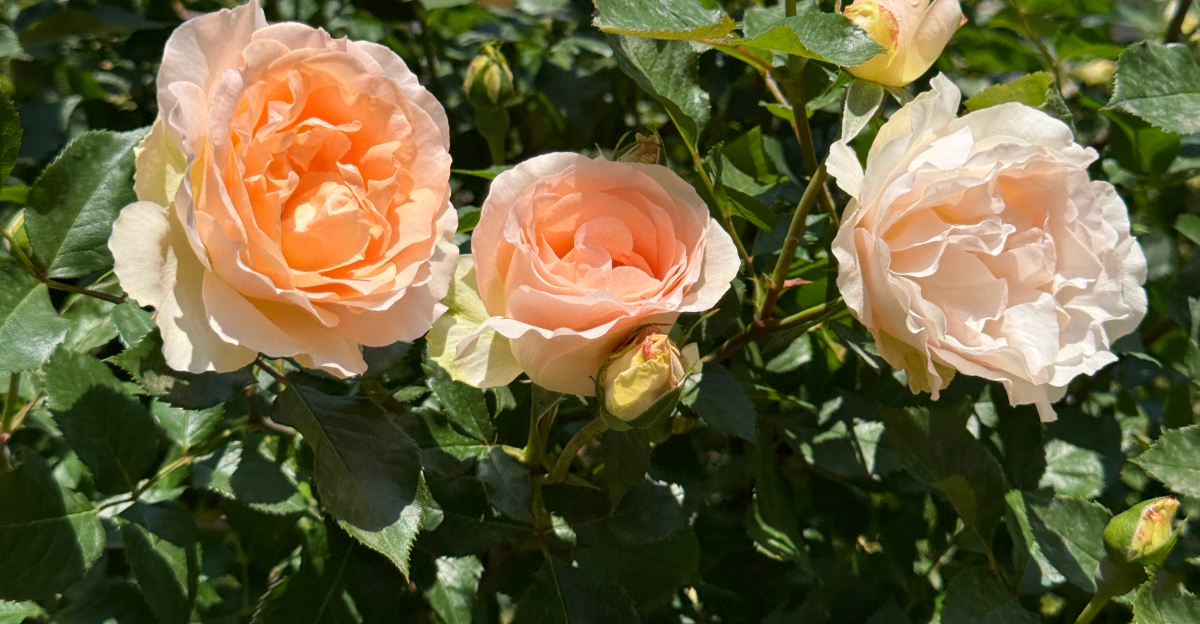
Roses can look incredible one week, then suddenly start putting out smaller blooms once real summer heat settles in. A lot of gardeners assume the plant just gets tired this time of year, but that usually is not the real problem.
Arizona summers change how roses use water, nutrients, and even morning sunlight much faster than many people expect.
Tiny habits that barely matter in spring suddenly make a huge difference once temperatures keep climbing.
Some rose bushes still push out big colorful blooms deep into summer while others slow down early and start looking stressed by June.
Most of the difference comes down to a few simple tricks that many gardeners never hear about until after their roses already struggle.
1. Deep Morning Watering Helps Roses Handle Heat Better
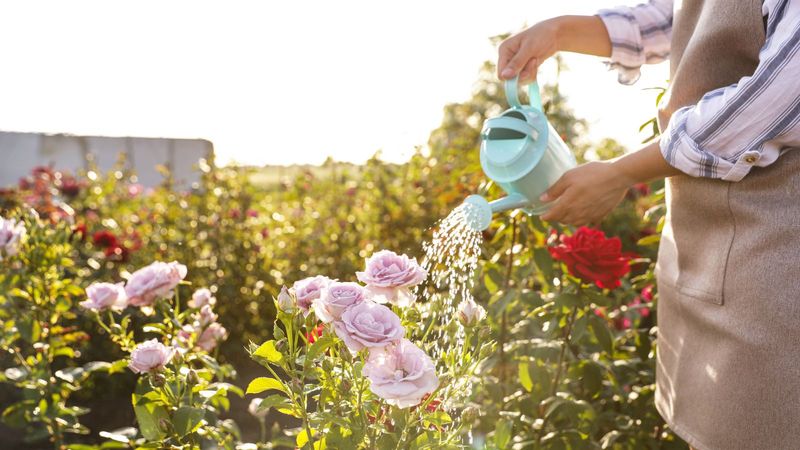
Watering at the wrong time of day can quietly work against everything you are trying to accomplish with your roses. In Arizona, the soil surface can reach scorching temperatures by midday, and shallow watering evaporates before roots ever get a real drink.
Morning watering, done deeply and slowly, gives water time to soak down where it actually matters.
Roots need to chase moisture downward, and that only happens when you give them enough water to make the journey worthwhile. A quick sprinkle every day trains roots to stay near the surface, where heat does the most damage.
Watering deeply two to three times per week encourages roots to grow deeper into cooler soil layers, making your plants far more resilient during Arizona heat waves.
Drip irrigation systems work exceptionally well for roses in the desert. Placing emitters close to the base of each plant delivers water directly to the root zone without wetting the foliage, which helps prevent fungal issues common in humid morning air.
If you water by hand, use a slow, steady stream at the base for several minutes rather than a fast blast.
Checking soil moisture before watering is always a smart habit. Push a finger about two inches into the soil near the plant base.
If it feels dry at that depth, it is time to water. Skipping this simple check often leads to either overwatering or underwatering, both of which reduce bloom size and overall plant vigor in the Arizona summer heat.
2. Spent Flowers Should Be Removed Quickly
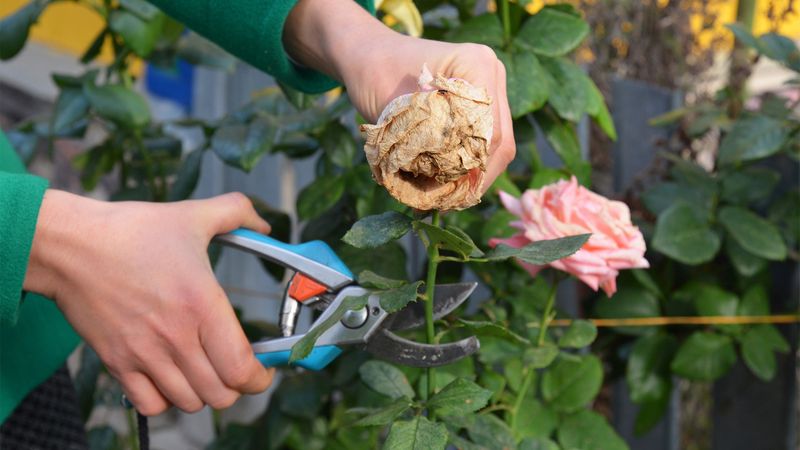
A faded rose left on the stem is not just an eyesore. It is actually pulling energy away from new blooms trying to push through.
Once a flower finishes blooming, the plant shifts its focus toward producing seeds inside that old bloom, and that process drains resources fast. Removing spent flowers regularly redirects that energy straight back into producing fresh buds.
Deadheading, which is the gardening term for removing old blooms, is one of the simplest and most impactful habits you can build for Arizona rose care.
During the hottest summer months, roses can go through bloom cycles quickly, so checking your plants every two to three days keeps you ahead of the energy drain.
Your Arizona Garden Changes Every Week. Your Plan Should Too.
Gardening in Arizona changes quickly throughout the season. Every Friday you’ll receive a simple weekly plan showing exactly what to plant, prune, fertilize, harvest, and protect so you never miss the right timing.
Snip just above the first set of five leaves below the spent bloom for the cleanest result.
Sharp, clean pruning shears matter more than most people realize. Dull blades crush stems rather than cutting them cleanly, leaving ragged edges that are slower to heal and more vulnerable to pests.
Wiping your shears with rubbing alcohol between plants also prevents spreading any bacterial issues from one rose to another.
Some gardeners in Arizona report noticeably faster rebloom cycles when they stay consistent with deadheading through June and July.
Bloom size also tends to improve because the plant is not dividing its energy across old and new growth at the same time.
It takes only a few minutes per plant, and the results over a full season are genuinely worth the effort.
3. Mulch Helps Roots Stay Cooler Longer
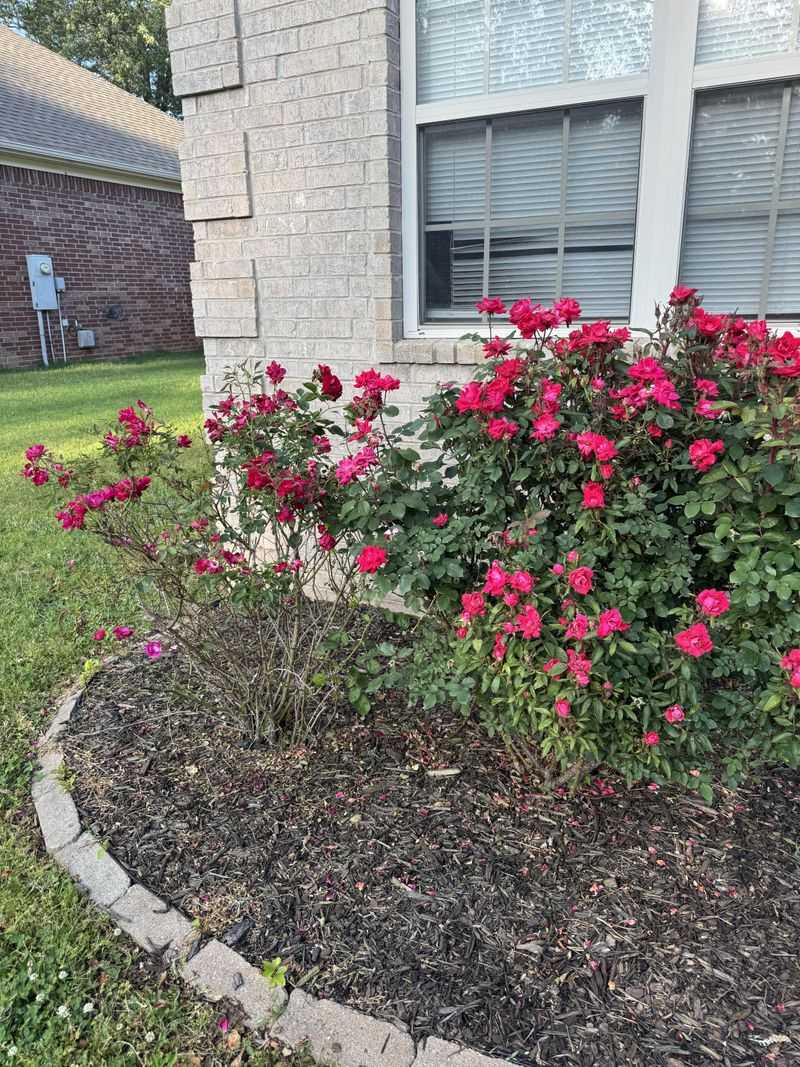
Bare soil in an Arizona summer acts almost like a frying pan.
Ground temperatures without any cover can exceed 140 degrees Fahrenheit on a hot afternoon, and rose roots sitting in that kind of heat struggle to absorb water and nutrients efficiently.
A good layer of mulch changes everything about how the soil behaves under pressure.
Organic mulches like wood chips, shredded bark, or even straw create an insulating barrier between the sun and the soil. A layer about three to four inches thick can drop soil temperature by 20 degrees or more compared to bare ground.
That difference is enormous for root health and directly affects how well your roses bloom through the peak of Arizona summer.
Mulch also slows down moisture evaporation significantly. In the desert, water disappears from unprotected soil surprisingly fast, sometimes within hours of watering.
Keeping that moisture in the ground longer means roots stay hydrated between watering sessions, which reduces stress on the plant and supports bigger, longer-lasting flowers.
Pull the mulch back slightly from the main stem to avoid trapping too much moisture directly against the bark, which can sometimes encourage rot. Leave a small gap of about an inch or two around the base.
Refreshing your mulch layer every few months keeps it working effectively, since organic material breaks down over time.
Compost-based mulches also slowly add nutrients back into the Arizona soil as they decompose, giving your roses a quiet but steady boost throughout the season.
4. Afternoon Shade Reduces Stress On Blooms
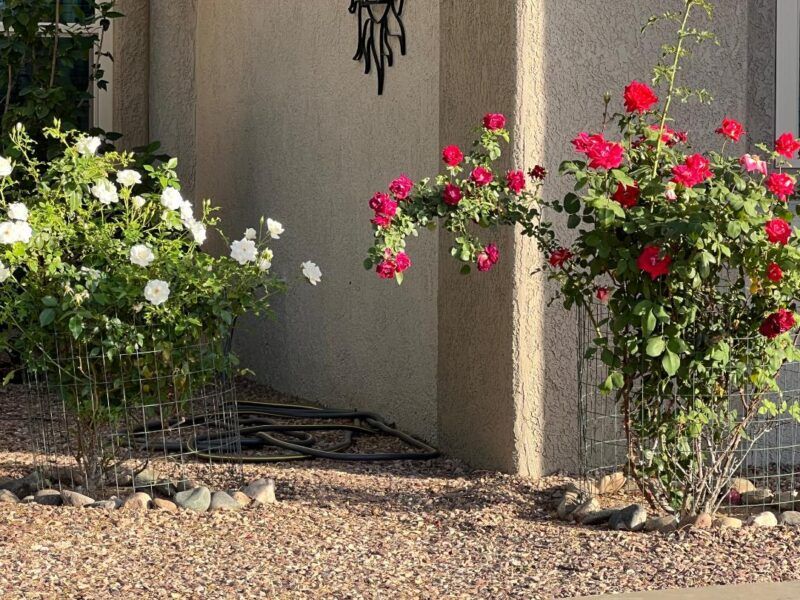
Full sun sounds ideal for roses, but Arizona afternoons play by completely different rules. When temperatures climb past 105 degrees and direct sun hits petals for hours without relief, blooms fade fast, colors wash out, and plants drop buds before they even open.
A few hours of afternoon shade can genuinely transform how your roses perform through the worst of summer.
Roses generally do best with morning sun and shade starting around 1 or 2 in the afternoon. Morning light is gentler and gives plants the energy they need for photosynthesis without the brutal intensity of the late-day Arizona sun.
Positioning roses near a wall, fence, or larger plant that blocks western sun exposure is one of the most practical adjustments desert gardeners can make.
Shade cloth is another option worth considering if your garden layout does not naturally provide afternoon cover.
A 30 to 40 percent shade cloth stretched over a simple frame can protect plants during peak heat hours without blocking enough light to affect overall plant health.
Many Arizona gardeners use this approach successfully through June, July, and August.
Bloom color also benefits noticeably from afternoon shade. Reds, pinks, and oranges tend to hold their intensity much better when protected from harsh afternoon exposure.
Without that protection, pigments in the petals break down faster, leaving flowers looking pale and washed out within a day or two of opening.
Protecting blooms from afternoon sun is one of those small changes that makes a surprisingly visible difference in overall garden appearance.
5. Slow Release Feeding Supports Bigger Flowers
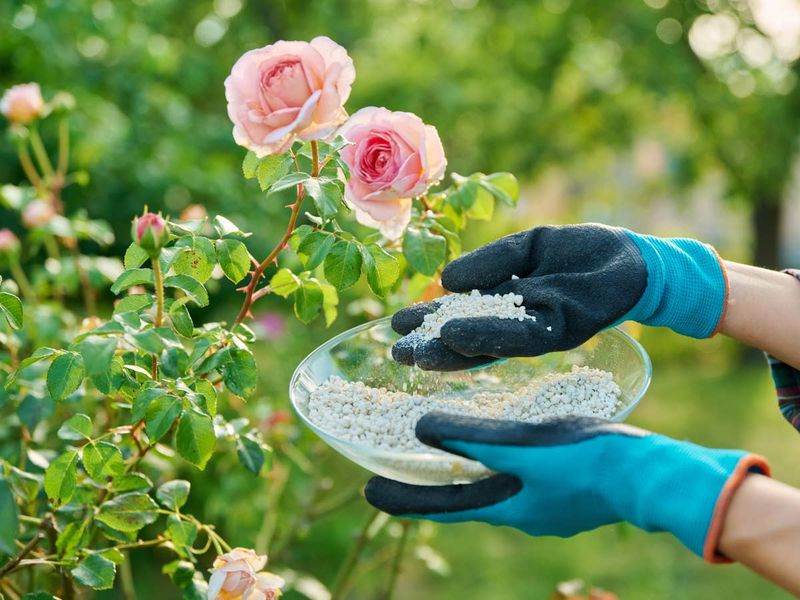
Feeding roses in Arizona requires a different approach than in cooler climates. Liquid fertilizers applied during peak summer heat can actually stress plants more than help them, especially when soil temperatures are already extreme.
Slow-release granular fertilizers work more gently, breaking down gradually and delivering nutrients steadily over weeks rather than all at once.
Roses are heavy feeders, meaning they need consistent nutrition to produce large, healthy blooms. Nitrogen supports strong green growth, phosphorus encourages root development and flower production, and potassium builds overall plant resilience.
A balanced slow-release fertilizer formulated specifically for roses covers all three of these needs without overwhelming the plant during hot weather.
Timing matters quite a bit in the Arizona growing calendar. Many experienced local gardeners apply slow-release fertilizer in early spring before the heat builds, then again in late summer as temperatures begin to ease slightly in September.
Feeding during the absolute peak of July heat is generally not recommended because stressed plants cannot process nutrients effectively and the risk of fertilizer burn increases in dry, hot soil.
Always water thoroughly before and after applying granular fertilizer. Dry soil can concentrate nutrients in ways that damage fine root hairs, reducing the plant’s ability to absorb water and food.
Watering first softens the soil and helps the fertilizer work its way down toward the root zone more evenly.
Consistent feeding through the growing season, done carefully and at the right times, is one of the clearest paths to noticeably larger blooms on Arizona roses.
6. Crowded Stems Often Reduce Airflow
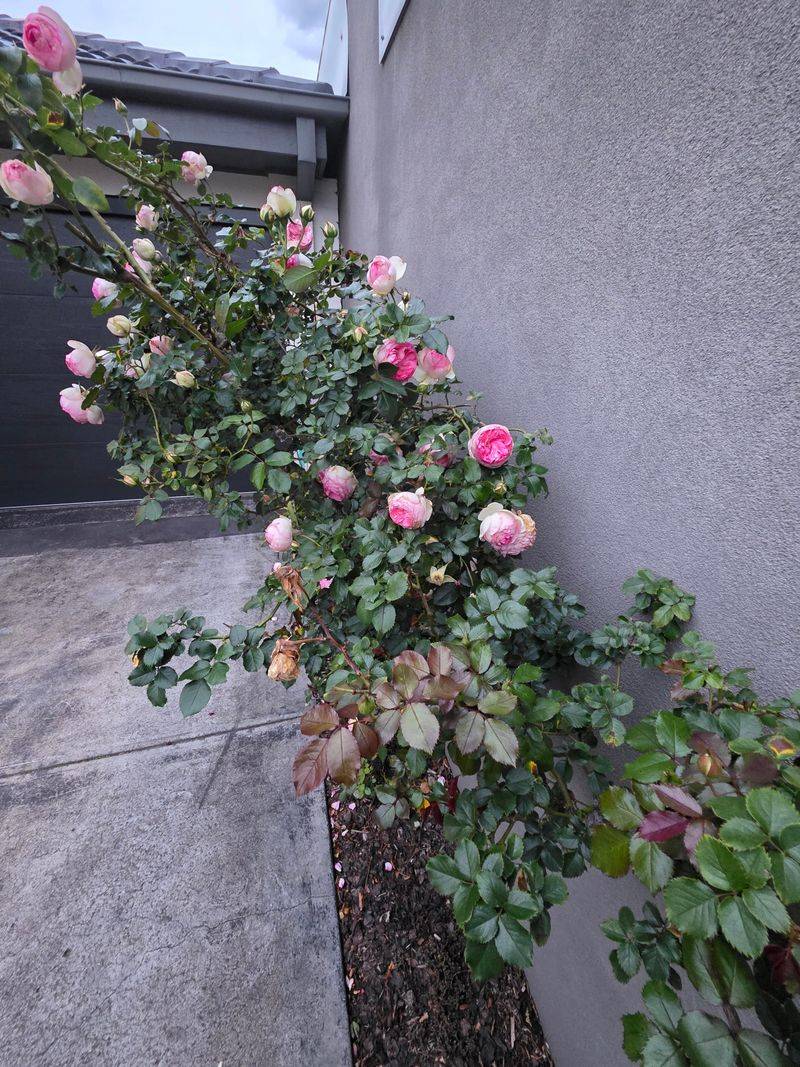
Packed stems inside a rose bush create a hidden problem that does not always look serious from the outside. When canes grow too close together, air cannot move freely through the plant, and moisture gets trapped between leaves and stems.
In Arizona, where summer humidity spikes during monsoon season, that trapped moisture becomes a breeding ground for powdery mildew and black spot.
Thinning out crowded growth is not the same as aggressive pruning. The goal is simply to open up the center of the plant so air can circulate naturally.
Removing crossing canes, rubbing branches, and any stems thinner than a pencil gives the remaining healthy growth more room to breathe and more access to sunlight. Healthier individual canes produce noticeably larger, stronger blooms.
Look at your rose bush from above when deciding which stems to remove. Ideally, you want to see an open, vase-like shape rather than a dense tangle of overlapping growth.
Canes growing toward the center of the plant rather than outward are usually the first to remove, since they contribute most to the airflow problem without adding much productive blooming wood.
Doing this kind of light thinning in early summer, before monsoon humidity arrives in Arizona, sets your plants up for a much healthier mid-season.
Cleaner airflow also means any moisture from irrigation or rain dries off leaves faster, which further reduces the conditions that allow fungal problems to take hold.
Healthier foliage and better airflow together create a noticeably more productive and attractive rose bush throughout the season.
7. Light Summer Pruning Encourages More Blooms
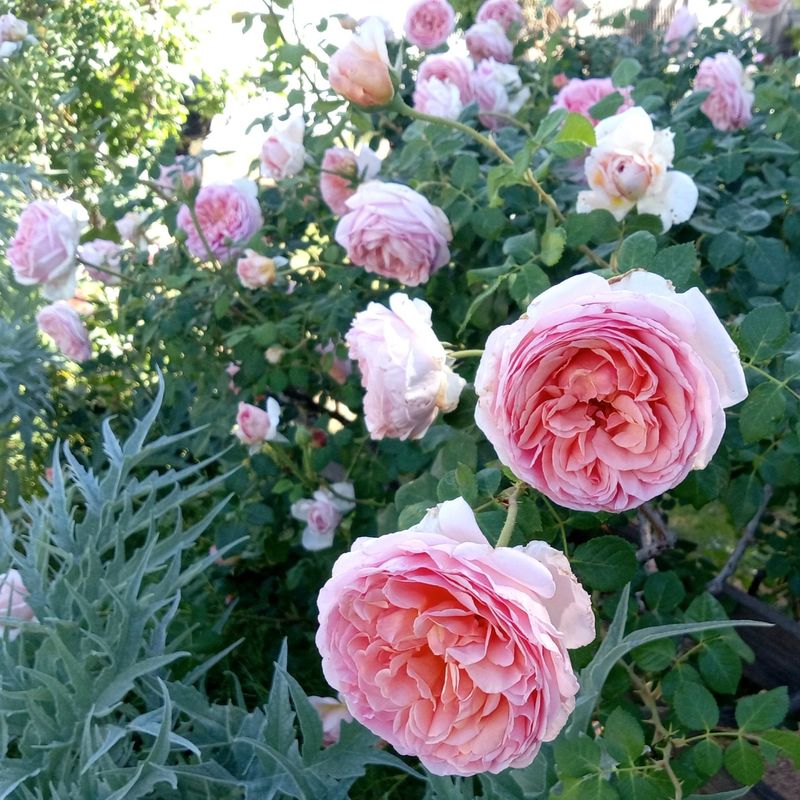
Most gardeners associate pruning with late winter, but a lighter version of that same practice during summer can push Arizona roses into another strong blooming cycle.
Heavy pruning in extreme heat is too stressful, but selectively cutting back by about one-third of the plant height encourages fresh new growth from lower on the cane, where the most productive buds tend to develop.
After a flush of blooms finishes in early summer, roses often go into a brief rest period where they look a little tired and sparse. A light trim during this pause signals the plant to redirect energy into new shoot development.
Those new shoots carry the next round of buds, and with enough heat and sunlight, Arizona roses can push through two or even three more bloom cycles before the season ends.
Cutting to an outward-facing bud is the standard technique for a reason. New growth follows the direction of the bud you cut above, so choosing an outward-facing one keeps the plant’s shape open and prevents new canes from crowding the center again.
Using clean, sharp pruning shears makes each cut smooth and quick, which helps the plant seal the wound faster.
Timing light summer pruning for early morning on a cooler day, or even waiting for a slightly overcast morning during the monsoon season, gives cut stems a better chance to begin healing before intense heat arrives.
Arizona gardeners who combine light summer pruning with consistent watering and mulching often see their rose plants rebound with noticeably fuller, more vibrant blooms within three to five weeks after cutting.