This Is Why Your Ohio Watermelons Split Before You Can Pick Them
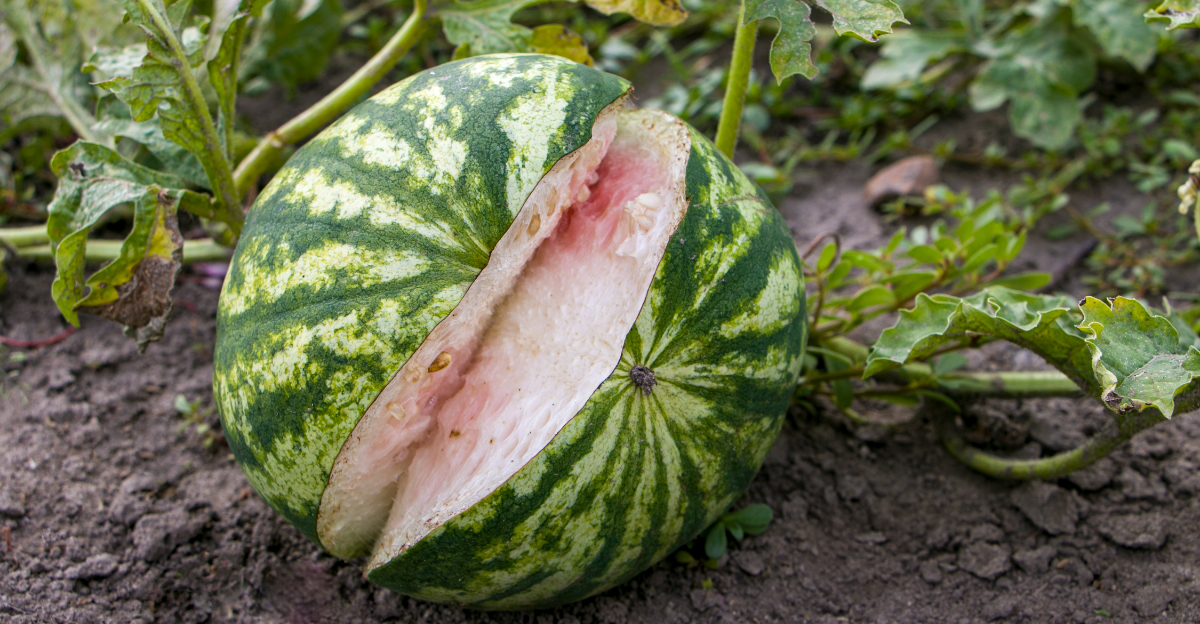
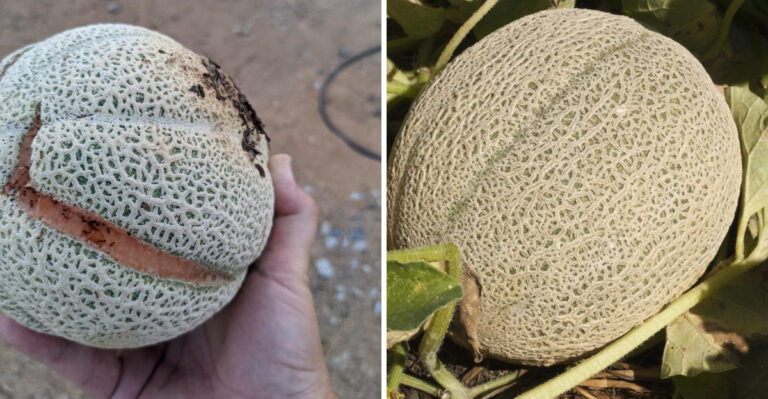
Watermelons do not split for no reason, and if it happened to you this season, the culprit was already baked into the situation long before that crack showed up. Most Ohio gardeners blame the rain, write it off as bad timing, and move on.
But splitting often follows a pattern, and patterns have explanations. Ohio throws a specific kind of curveball at watermelon growers.
Long dry stretches that tighten the skin, followed by heavy summer rain that floods the roots all at once. The fruit takes on water faster than the rind can stretch to keep up, and something has to give.
That is usually the part you were planning to slice open this weekend. The maddening part is how preventable most of it is once you understand what is actually happening beneath the surface.
Irrigation consistency, soil management, and knowing when to pull the fruit before nature makes that call for you. That is where this conversation starts.
1. Blame Sudden Water Swings First
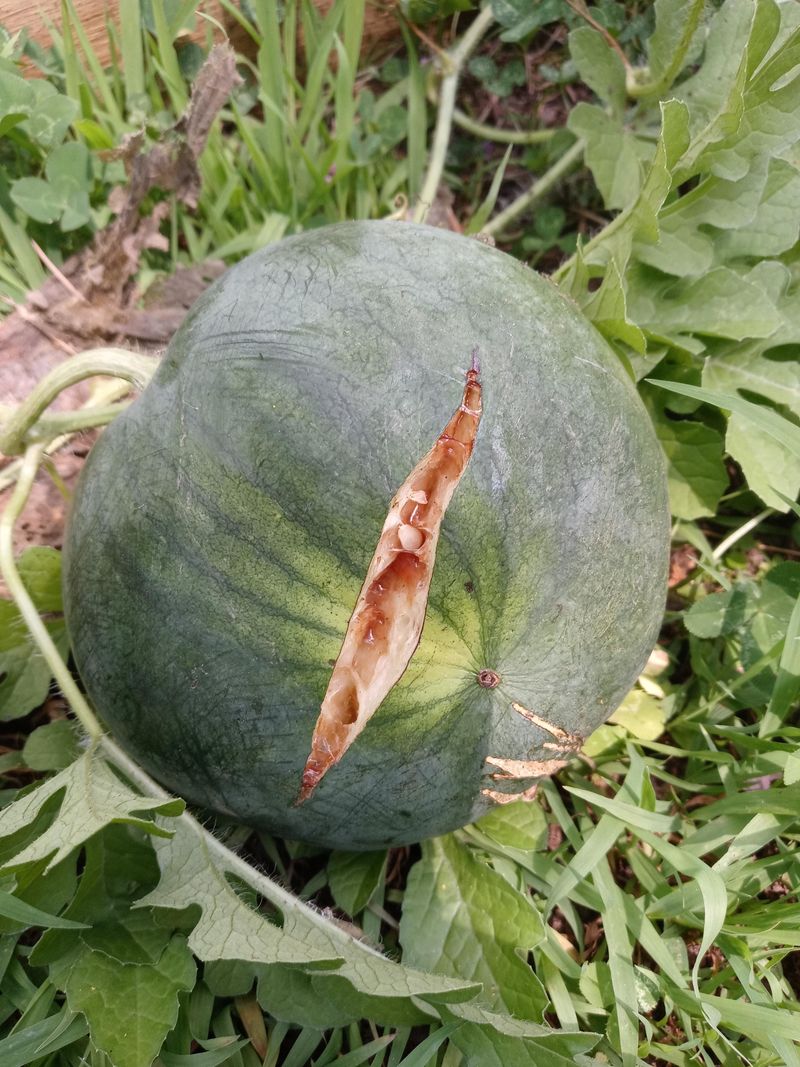
So, you watch that watermelon sitting in dry soil for two weeks, slowly building up a tough rind. Then a soaking rain rolls through overnight.
The roots suddenly pull in a rush of water, the flesh inside expands quickly, and the rind cannot stretch fast enough to keep up. That pressure from the inside is the most common reason watermelons crack before harvest.
Moisture swings are especially risky when fruit is actively sizing up or getting close to ripe. At those stages, the flesh is full of sugar and water, and the rind is already under tension.
A sudden influx of water can push that tension past the breaking point.
Dry spells followed by heavy soaking are the usual trigger, but that does not mean a moisture swing is the only thing that can cause splitting. Variety, rind thickness, fruit ripeness, soil drainage, and storm intensity all play a role too.
Keeping soil moisture as steady as possible throughout the growing season is the most practical way to lower the risk. That means paying attention to watering habits before problems show up, not just after a storm rolls through.
2. Watch Heavy Rain After A Dry Stretch
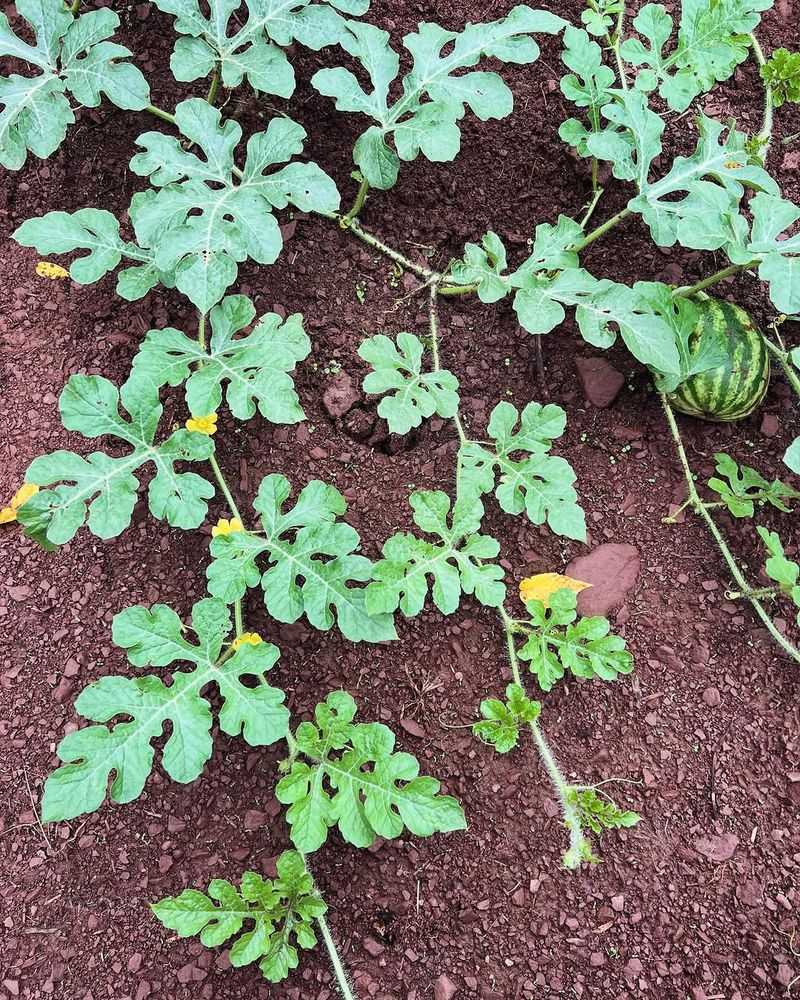
Our summers have a rhythm and every gardener learns to respect it. July and August can bring stretches of hot, dry weather that bake the soil, followed by strong thunderstorms that drop an inch or more of rain in a single afternoon.
That back-and-forth pattern is exactly the kind of condition that puts watermelons at risk.
The problem is not the rain itself. Rain is welcome after a dry stretch.
The trouble is the speed at which moisture becomes available to roots that have been sitting in dry ground. Roots that were working hard to find water suddenly have more than they need, and the fruit responds by taking in water faster than the rind can handle.
Gardeners cannot stop a summer storm, but there are things worth doing ahead of one.
Checking a weather forecast regularly during the growing season gives you a heads-up before a big rain event.
Your Ohio Garden Changes Every Week. Your Plan Should Too.
Gardening in Ohio changes quickly throughout the season. Every Friday you’ll receive a simple weekly plan showing exactly what to plant, prune, fertilize, harvest, and protect so you never miss the right timing.
If a watermelon looks ripe or very close to ripe and a heavy storm is coming, picking it early is a reasonable call. Low spots in the garden tend to collect water after heavy rain, so watch those areas closely.
Keeping soil moisture more even before storms arrive reduces how dramatic that sudden uptake becomes.
3. Keep Soil Moisture Steady As Melons Size Up
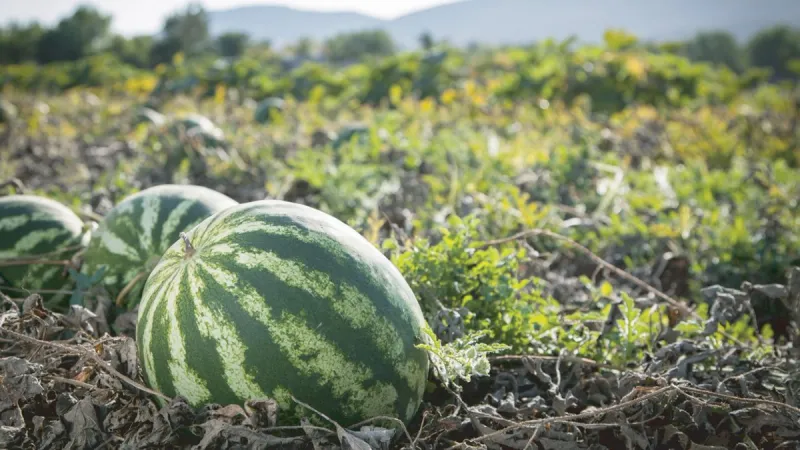
Consistent watering sounds simple, but it is one of the harder habits to maintain through a busy summer. Watermelons need steady moisture while vines are actively growing and while fruit is enlarging.
Going a week without water and then giving plants a heavy soaking creates exactly the kind of swing that stresses fruit.
Deep, infrequent watering works better than frequent shallow sprinkles. Watering at the soil level rather than overhead keeps the foliage drier and gets moisture down where roots can actually use it.
Before watering again, push a finger a few inches into the soil near the vine. If it still feels damp, hold off.
If it feels dry, water thoroughly.
Drip irrigation and soaker hoses are worth considering if you grow melons regularly. They deliver water slowly and directly to the root zone, which helps keep moisture more consistent than occasional heavy soaking from a hose or sprinkler.
University Extension recommends consistent moisture management as part of good cucurbit production, and that advice holds especially well during the fruit development stage when splitting risk is highest.
Skipping watering during hot weeks and then making up for it all at once is the habit most likely to cause problems.
4. Mulch Around Vines Before Ohio Heat Builds
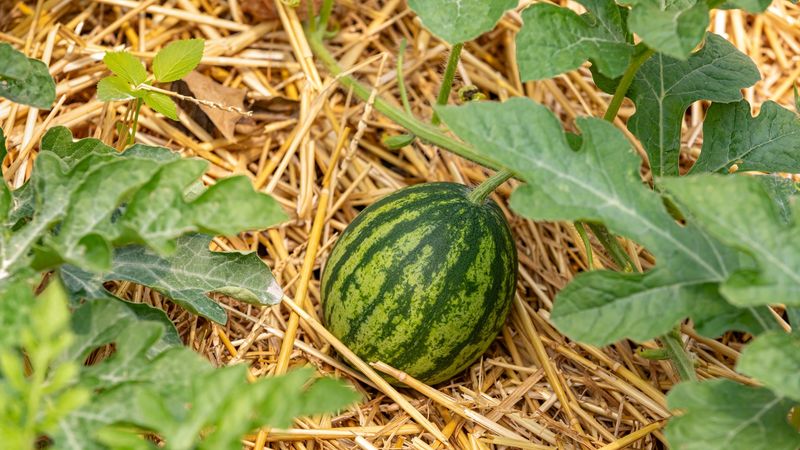
Laying down mulch before summer heat peaks is one of those garden tasks that pays off in ways you might not notice right away.
Bare soil in an Ohio garden can heat up fast in June and July, and that heat speeds up evaporation, dries out the root zone, and sets the stage for the kind of moisture swings that stress watermelon fruit.
Straw is a popular mulch for vegetable gardens because it is light, easy to spread, and breaks down over time to add organic matter. Shredded leaves work well too.
Untreated grass clippings can be used, but apply them in thin layers so they do not mat down and block water from reaching the soil.
Whatever material you choose, keep it a few inches away from the base of the vine stems to avoid trapping moisture directly against the plant.
A layer of mulch two to three inches deep can slow evaporation noticeably, which helps keep soil temperature and moisture more stable between waterings and between rain events.
Applying mulch before the hottest part of summer means the soil underneath starts the tough weather in better shape.
For gardeners dealing with clay-heavy soil that can bake hard on top after dry spells, mulch can make a real difference in how the soil responds to rain or irrigation.
5. Do Not Overfeed Vines Late In The Season
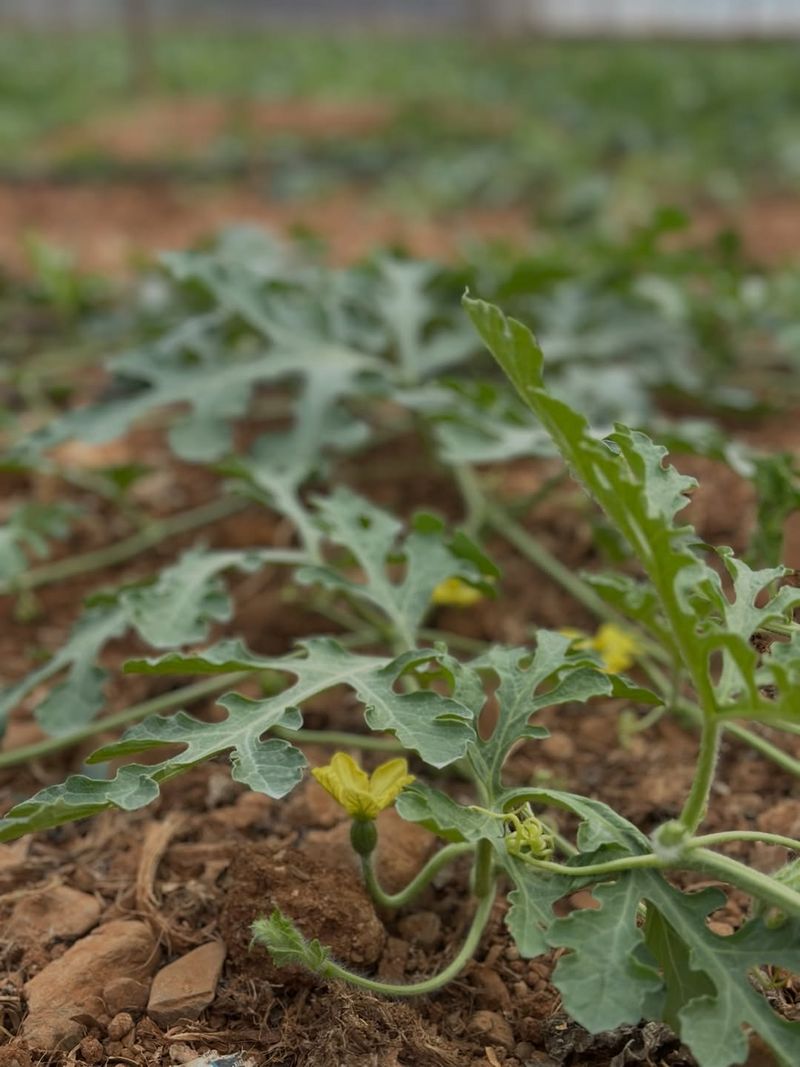
More fertilizer does not always mean better fruit. Late in the season, pushing vines with heavy nitrogen feeding can encourage a burst of leafy, vigorous growth at a time when the plant should be putting energy into finishing and ripening fruit.
That imbalance can contribute to uneven development and make fruit more sensitive to moisture stress.
Getting a soil test before the season starts is a smarter approach than guessing at fertilizer rates.
Ohio State University Extension offers soil testing guidance through local county offices, and knowing what your soil actually needs helps you feed plants appropriately rather than overloading them.
Good soil preparation in the spring, including working in compost or aged organic matter, sets vines up for a steadier growing season.
Fertilizer alone is unlikely to cause splitting on its own, but excessive vine growth combined with uneven watering can add stress to developing fruit.
Watermelons that are pushing out a lot of new growth late in the season while sitting in fluctuating soil moisture may be more vulnerable.
Avoiding heavy nitrogen once fruit is well established and sizing up is a reasonable step. Let the plant focus on what it has already started rather than sending energy into new growth that will not have time to contribute to the harvest.
6. Check Ripeness Before The Rind Gives Way
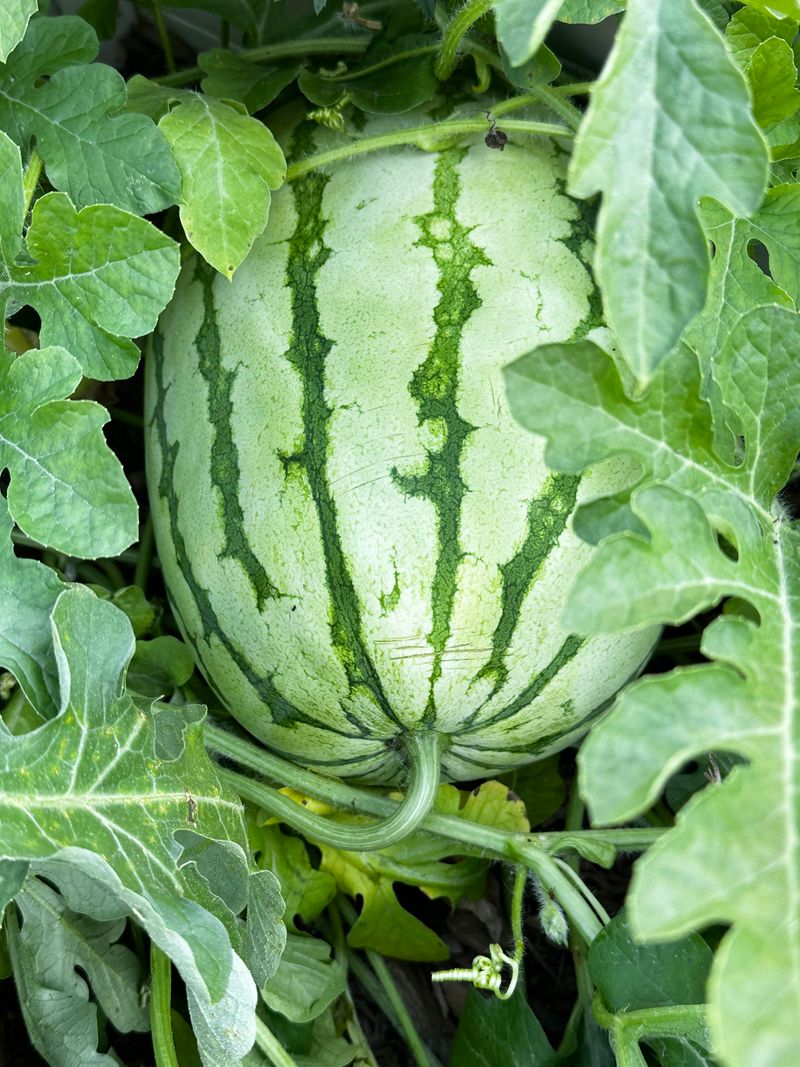
A watermelon that is past its prime is more likely to crack under pressure than one harvested at the right time. As fruit gets fully ripe and beyond, the rind loses some of its flexibility, and the flesh inside is already at maximum expansion.
That combination makes overripe fruit more vulnerable when moisture levels shift quickly.
Learning to read ripeness signs is more reliable than guessing by size alone. The field spot, which is the patch on the underside where the melon rested on the soil, should be creamy yellow or golden rather than white or pale green.
The tendril closest to the fruit on the vine often dries and turns brown when the fruit is ripe. The rind surface tends to look duller rather than shiny as ripeness approaches.
Days to maturity listed on a seed packet gives a useful starting point, but our weather can push or pull that number depending on the season. A cool, cloudy stretch slows ripening, while a hot week can speed it up.
Thumping can give a general sense of hollowness, but it takes practice and varies by variety.
Using several ripeness clues together, rather than relying on just one, gives a much better picture of whether a melon is ready to pick before a storm or a heat wave pushes it past the point of no return.
7. Choose Varieties Less Prone To Splitting
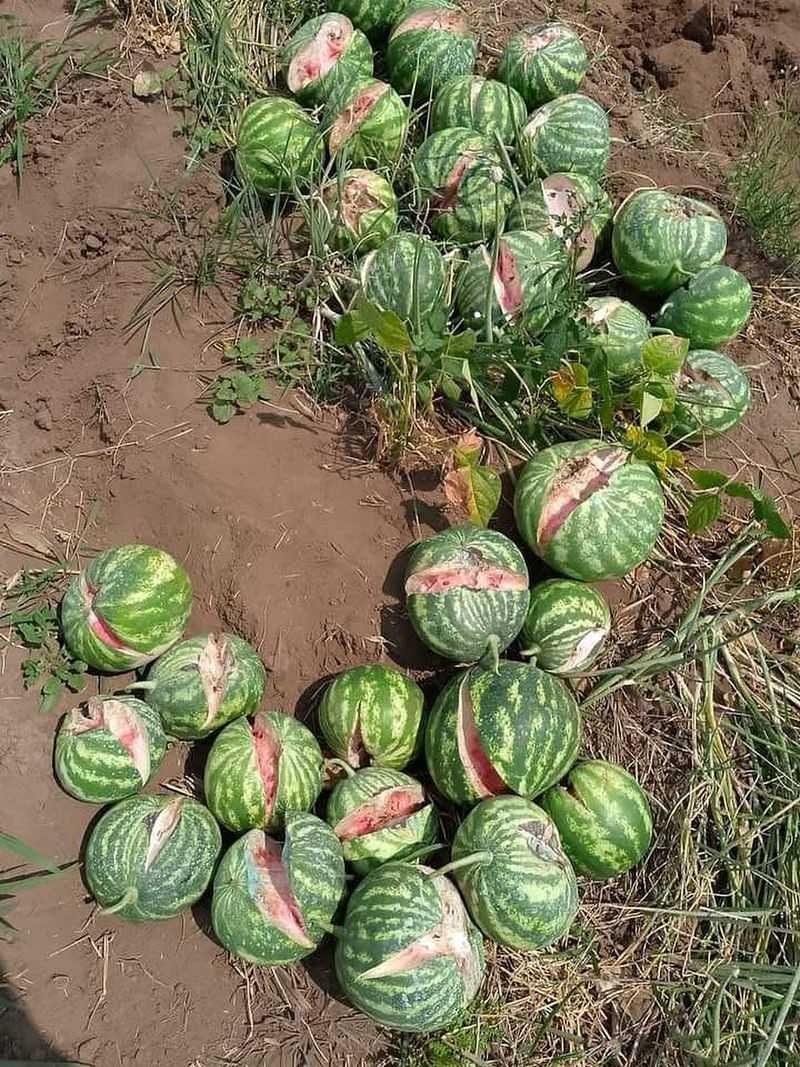
Not all watermelons are built the same. Some varieties carry thicker rinds or have been selected for better field holding ability, which can make them slightly more forgiving when moisture swings happen.
No variety is fully immune to cracking under extreme conditions, but variety selection is worth thinking about when you plan your garden each spring.
Shorter-season varieties can be a smart choice for gardeners, especially in northern regions where the growing window is shorter and summer storms can arrive earlier in the fall transition.
Smaller personal-sized melons like Sugar Baby or similar compact varieties may mature faster and give you more flexibility in harvest timing.
Longer-season varieties can produce impressive fruit but may face more exposure to late summer storm events before they are ready to pick.
Seed descriptions from reputable companies sometimes mention rind strength or field holding quality.
University Extension vegetable production resources and Midwest university trial results can also offer guidance on varieties that have performed well in regional conditions.
Asking at a local garden center or county Extension office about what varieties other gardeners have had success with is a practical step.
Variety choice will not eliminate splitting risk, but starting with a variety suited to your region and conditions is a reasonable way to stack the odds in your favor.
8. Protect Melons From Stress In Raised Beds And Containers
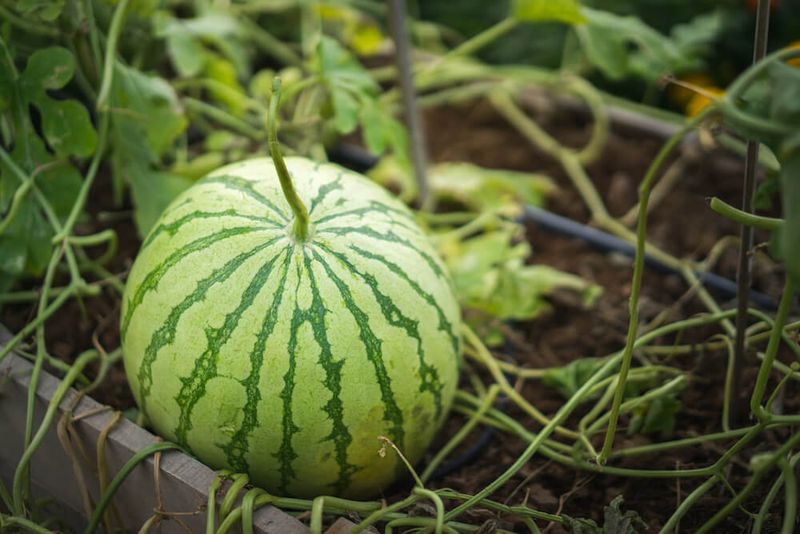
Growing watermelons in a raised bed or a large container changes the rules a little. Raised beds drain faster than in-ground garden soil, which is usually a benefit, but it also means the root zone can dry out more quickly during hot weather.
In a container, that effect is even more pronounced. A pot that feels adequately moist in the morning can be quite dry by late afternoon on a hot day.
That faster drying cycle means watering consistency matters even more than in a traditional garden bed.
Missing a day or two of watering during a hot stretch and then making up for it with a heavy soaking creates the same moisture swing problem that causes splitting in any growing situation.
Checking soil moisture in raised beds every day during peak summer heat is a practical habit.
Containers used for watermelons need to be large, at least 15 to 20 gallons, to give roots enough room and to hold enough soil moisture to buffer temperature swings. Mulching the surface of raised beds helps slow evaporation just as it does in traditional beds.
Drip irrigation or soaker hoses work especially well in raised beds because they deliver water slowly and evenly.
If your raised bed mix includes heavy native soil, blending in compost can improve structure and drainage while still helping the bed hold steady moisture.
9. Harvest Promptly When Ohio Storms Are Coming
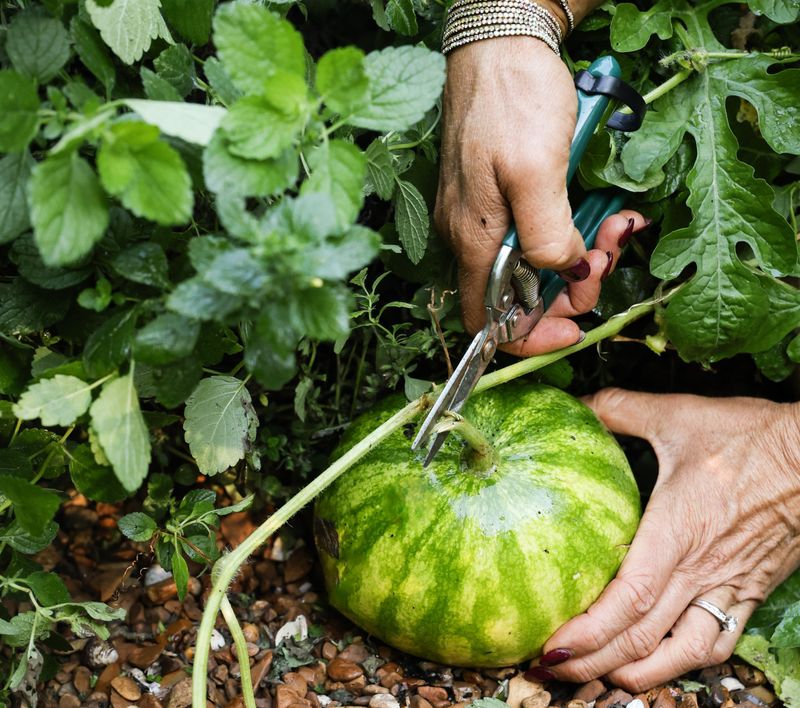
When a big storm is in the forecast and a watermelon in your garden is showing all the signs of being ripe, waiting is not always the right call.
A heavy rain event hitting a nearly ripe or fully ripe melon is one of the most common scenarios that leads to cracking, and harvesting before the storm arrives is a straightforward way to avoid it.
Checking ripeness signs in the days leading up to a predicted storm gives you time to make a decision. Look at the field spot, the nearest tendril, the rind surface, and compare where the fruit is against the days-to-maturity estimate for your variety.
If everything points to ripe or very close to ripe, picking before the storm is the practical move.
One important thing to keep in mind is that watermelons do not continue ripening off the vine the way peaches or tomatoes do. A watermelon picked too early will not sweeten up on your kitchen counter.
That means picking too soon out of worry is its own kind of disappointment. Use the ripeness clues together and make a judgment call based on what you actually see, not just on fear of rain.
A summer storm can arrive fast, so staying in the habit of checking your melons regularly as harvest time approaches puts you in the best position to act when the weather shifts.