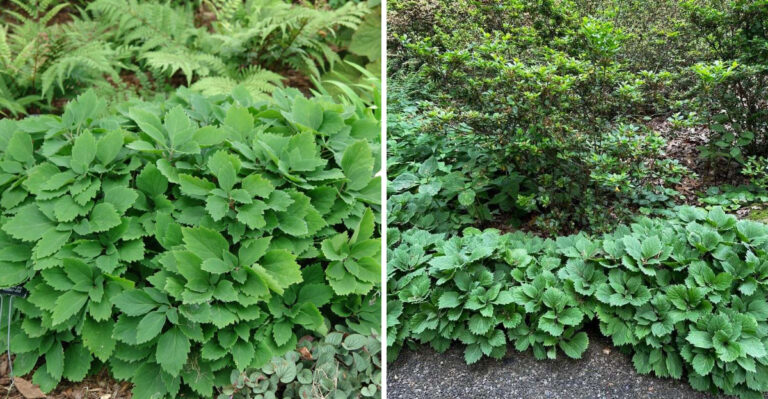
These Yard Mistakes Are Making Tick Problems Worse In North Carolina This Spring
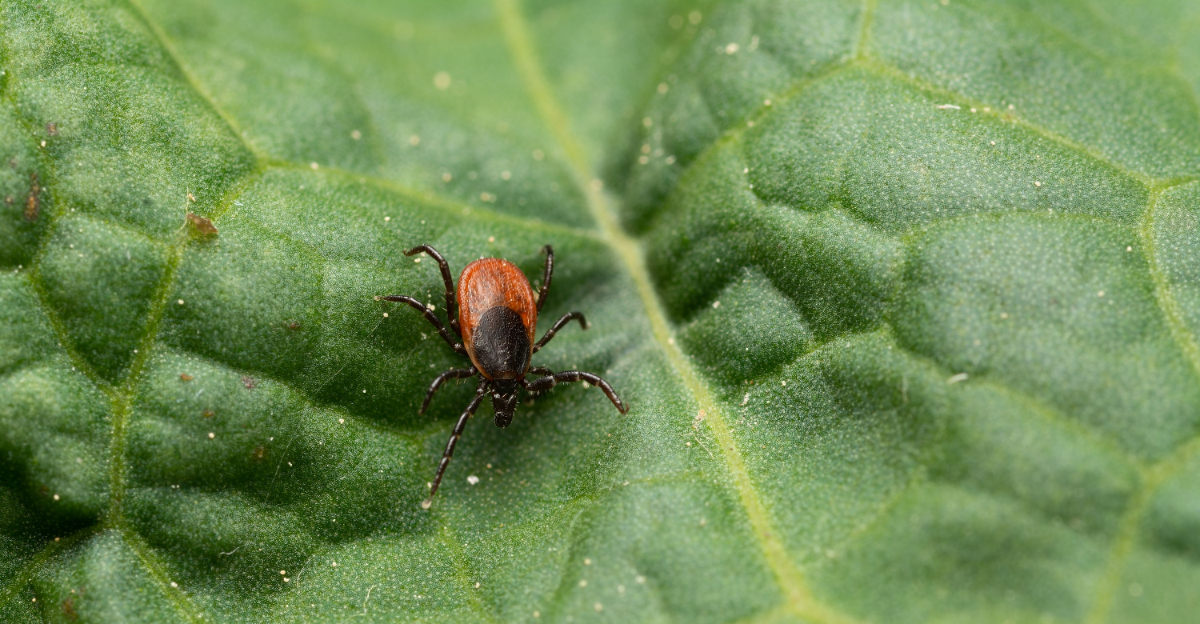
Tick populations in North Carolina have been expanding, and spring is when activity picks up fast. Most homeowners are aware of the problem but fewer realize that common yard habits are actively making it worse.
Ticks do not just wander in from the woods. They thrive in specific conditions that many North Carolina yards create without anyone intending to.
Leaf litter left over from fall, overgrown border areas, certain ground covers that hold moisture, and yard layouts that invite wildlife traffic all contribute to tick pressure in ways that are easy to change once you know what to look for.
Addressing these mistakes does not require chemicals or expensive treatments.
It starts with understanding what makes a yard hospitable to ticks in the first place and making a few practical adjustments before the season gets fully underway.
1. Letting Tall Grass Grow Near Walkways Gives Ticks More Places To Wait
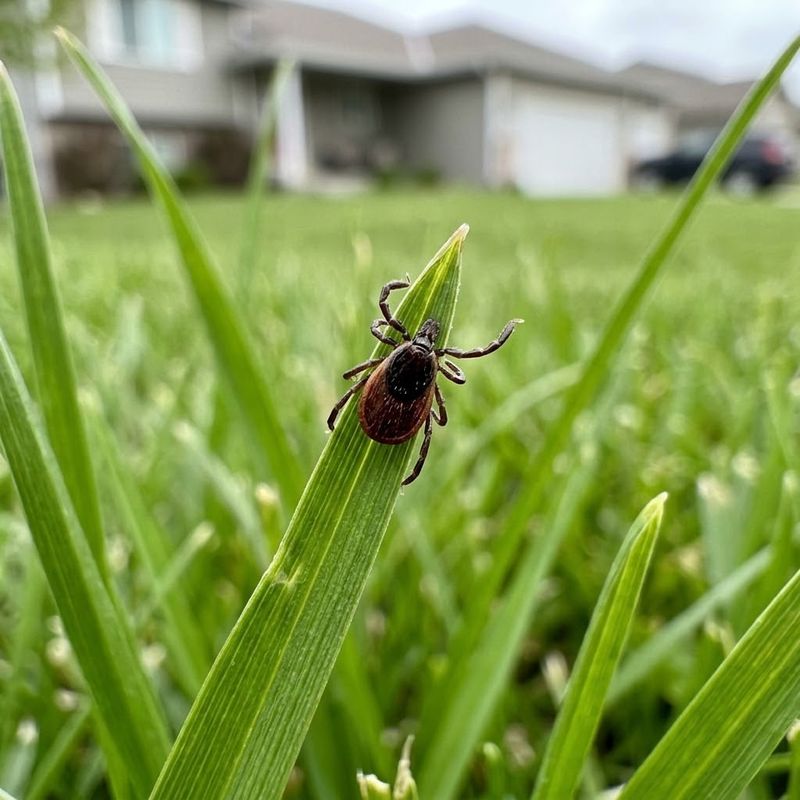
Picture walking to your mailbox and brushing against knee-high grass on both sides. That casual contact is exactly how ticks move from plants onto people and pets.
Ticks do not jump or fly. They cling to the tips of tall grass and low vegetation, waiting patiently for a warm body to pass by, a behavior called questing.
North Carolina’s spring humidity creates the perfect environment for this. Ticks need moisture to survive, and tall grass near walkways, patios, and yard edges holds that moisture close to the ground.
Even a few extra inches of growth can dramatically increase the number of hiding spots available to them throughout the warmer months.
Keeping your lawn mowed to around three inches is one of the most effective and straightforward steps you can take. Pay special attention to the edges along fences, garden beds, and any path you or your family uses regularly.
Trimming those borders consistently removes the shaded, humid microhabitats ticks rely on. A well-maintained lawn also dries out faster after rain, making the whole yard less inviting for tick activity.
Mowing every seven to ten days during peak spring growth keeps grass from rebounding too quickly between cuts, giving you a real advantage in managing tick exposure around your home.
2. Thick Leaf Piles Hold Moisture That Ticks Love
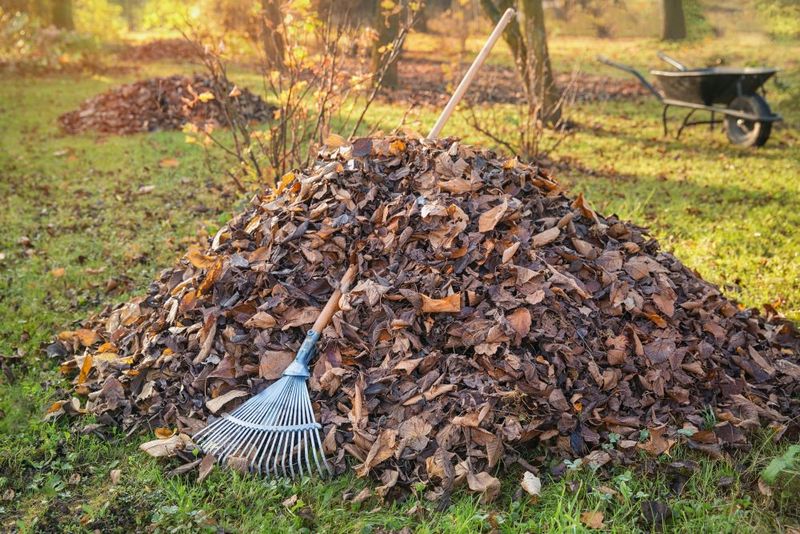
Old leaf piles from last fall might seem harmless sitting in the corner of your yard, but they are quietly working against you. As leaves break down, they trap moisture underneath and create a cool, protected layer that ticks find incredibly comfortable.
That damp, shaded environment is exactly where ticks prefer to spend their time between hosts.
Small animals like mice and chipmunks also love burrowing into leaf debris, and they are among the primary carriers of the bacteria that ticks spread.
So a leaf pile does double duty as both a tick hangout and a wildlife feeding station, which compounds the problem fast.
North Carolina’s spring warmth speeds up this cycle, making early cleanup genuinely important.
Raking and removing leaf piles before temperatures climb in April gives you a real head start. Composting leaves in a managed bin away from the house is a smart option rather than leaving them scattered across the yard.
Your North Carolina Garden Changes Every Week. Your Plan Should Too.
Gardening in North Carolina changes quickly throughout the season. Every Friday you’ll receive a simple weekly plan showing exactly what to plant, prune, fertilize, harvest, and protect so you never miss the right timing.
If you use leaves as mulch in garden beds, keep the layer thin, no more than two inches, and pull it back from the base of plants and structures. Woodland edges where leaves naturally accumulate need the most attention.
A quick cleanup along those borders reduces the humid hiding zones ticks depend on and limits the rodent activity that brings them closer to your home.
3. Dense English Ivy Creates Perfect Tick Habitat Around Homes

English ivy looks lush and elegant draping across a foundation or climbing a garden wall, but underneath that pretty surface lies a surprisingly tick-friendly environment.
Hedera helix, the scientific name for this common groundcover, grows so densely that air can barely move through it.
That stagnant, shaded layer stays damp long after rain, creating exactly the cool humid conditions ticks need to stay active and comfortable.
Beyond moisture retention, dense ivy is a favorite hiding spot for mice and other small rodents. These animals tunnel through the thick mat of stems and leaves, and where rodents travel, ticks often follow.
Having ivy growing right against your home’s foundation means ticks could be living just a few feet from your front door without you realizing it.
Removing English ivy is not always easy, but it is worth the effort. Pulling it out by hand works well for smaller patches, though gloves and long sleeves are a must.
For larger areas, cutting stems at the base and treating regrowth over several seasons is a realistic approach.
Once it is gone, replacing it with native groundcovers like creeping phlox, wild ginger, or native sedges gives you a lower-maintenance, tick-unfriendly alternative.
These plants tend to grow less densely, allow better airflow, and support local wildlife in a far more balanced way that does not create a hidden tick corridor around your home.
4. Overgrown Shrubs Trap Humidity And Encourage Tick Activity
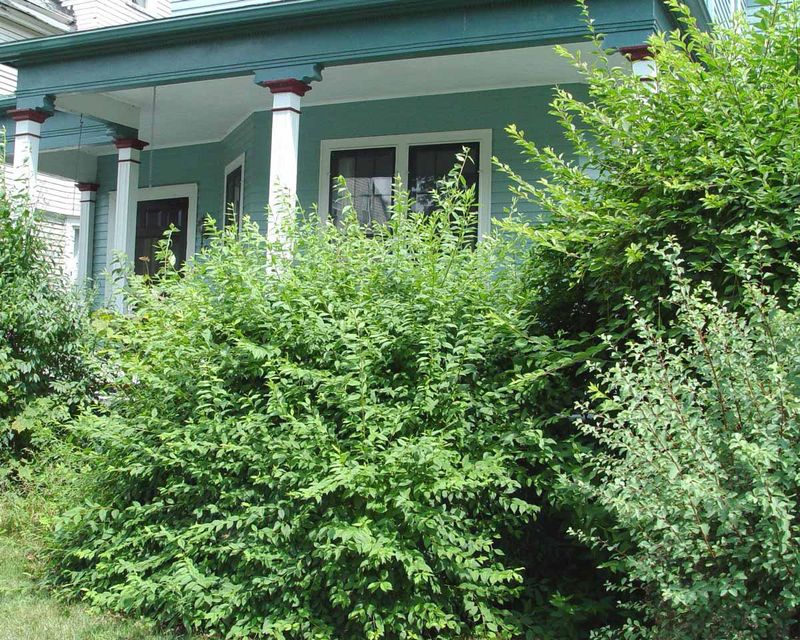
Shrubs that have not been pruned in a season or two start to develop a problem that goes beyond aesthetics. When branches grow too close together, air circulation drops dramatically, and the interior of the plant stays wet and shaded for hours after a rainstorm.
That kind of stagnant, humid microclimate is a comfortable retreat for ticks looking to survive between feedings during North Carolina’s warm spring months.
Overgrown shrubs also tend to touch fences, walls, and the ground, creating natural bridges and corridors that make it easier for ticks to move through your yard unnoticed.
The dense understory growth that builds up at the base of neglected shrubs adds another layer of cool, moist habitat that compounds the issue.
Deer and rodents are also more likely to browse and nest near thick, sheltered shrub clusters.
Pruning your shrubs properly each spring does more than make your yard look sharp. Opening up the canopy allows sunlight and airflow to reach the interior, which speeds up drying after rain and removes the sheltered conditions ticks prefer.
Aim to leave a few inches of space between shrubs and nearby structures, and thin out any crossing or crowded branches. Spacing new plantings with mature size in mind prevents the problem from repeating.
A well-maintained shrub border is both attractive and far less hospitable to the ticks that thrive in humid, undisturbed corners of your landscape.
5. Letting Brush Piles Sit Too Long Attracts Tick-Carrying Wildlife
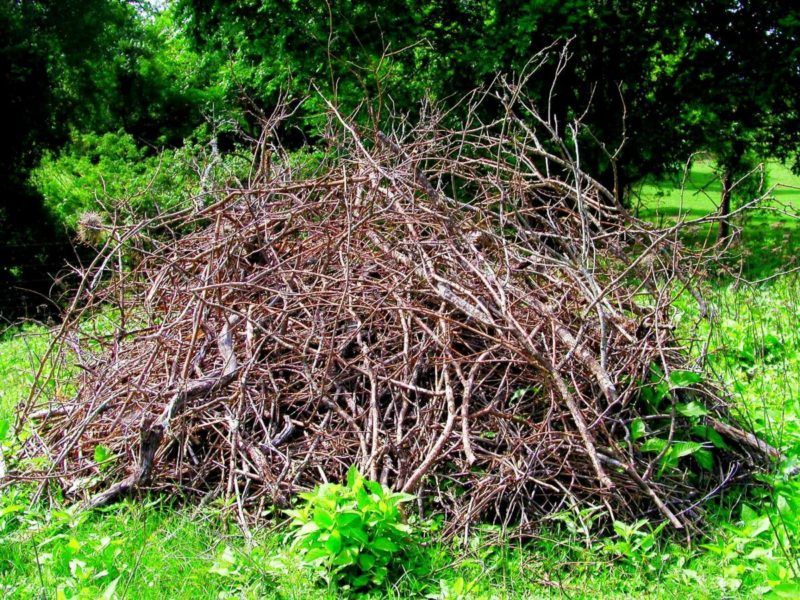
That pile of branches and yard trimmings you meant to deal with last fall is doing more than cluttering the edge of your yard.
Brush piles are prime real estate for mice, chipmunks, rabbits, and other small animals that happen to be the most common carriers of tick-borne pathogens.
Once wildlife moves in, ticks follow, and the whole setup ends up much closer to your living spaces than you would want.
Spring is actually the worst time to leave brush piles sitting because wildlife is most active, ticks are emerging from overwintering, and the mild humid weather accelerates the whole cycle.
North Carolina’s mix of forested neighborhoods and suburban yards makes this especially relevant, since wildlife corridors run right through many residential properties across the state.
The good news is that clearing brush piles is a satisfying spring project with an immediate payoff. Chipping branches into mulch, hauling debris to a composting facility, or bundling it for yard waste pickup all work well.
If you want to keep a small wildlife habitat feature, move it to the far edge of your property, away from patios, play areas, and garden beds.
Leaving at least a ten-foot gap between any brush or wood debris and your main lawn area reduces the chances of ticks migrating toward high-traffic zones.
A cleaner yard edge genuinely makes a measurable difference in tick pressure through the spring and summer months.
6. Groundcovers Planted Too Densely Can Increase Tick Hiding Areas
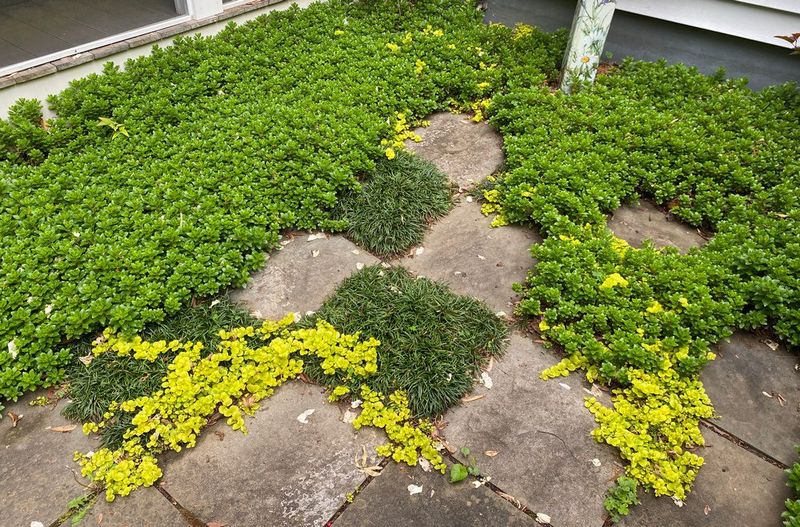
Groundcovers are popular in North Carolina gardens for good reason. They suppress weeds, prevent erosion, and fill in spaces where grass struggles to grow.
But when planted too densely or left untrimmed for too long, they create a thick, humid mat close to the soil that functions almost like a tick nursery.
Moisture gets trapped, airflow disappears, and the cool shaded environment underneath becomes surprisingly active with small insects and animals.
Vinca, pachysandra, liriope, and similar popular groundcovers are all capable of growing into impenetrable mats if left unchecked. The problem is not the plants themselves but the density and depth of coverage that builds up over time.
Ticks are small enough to move comfortably through that layer, and rodents often tunnel beneath it, especially when the mat is thick enough to provide real shelter.
Thinning out groundcover beds every spring makes a noticeable difference. Pulling back overcrowded sections, leaving a few inches of spacing between plants, and trimming edges along walkways and patios reduces the moisture-trapping effect significantly.
Choosing groundcovers with an open, airy growth habit, like native creeping phlox or native sedges, also helps because they do not form the same impenetrable mats. Keeping mulch depth in check within these beds adds to the benefit.
A well-spaced groundcover planting still looks full and attractive while allowing sunlight and airflow to reach the soil and reduce the humid hiding spots that make tick management so much harder.
7. Feeding Deer Near The Yard Brings More Ticks Closer To The House

Deer are beautiful, and watching them from a back window feels like a genuine treat.
The problem is that white-tailed deer are among the most significant carriers of adult blacklegged ticks, also known as deer ticks, and actively attracting them to your yard dramatically increases tick pressure around your home.
Every deer that visits brings along a potential load of ticks that can drop off and establish themselves in your lawn and garden beds.
Putting out deer feed, planting highly attractive browse plants near patios, or allowing fruit to fall from trees near the house all send a welcome signal to deer in the area.
North Carolina has a substantial deer population across all regions, so the invitation rarely goes unanswered for long.
Once deer begin visiting regularly, the tick exposure risk for your family and pets rises with each visit.
A few changes can shift this dynamic without requiring you to fence your entire property. Moving any bird feeders or supplemental food sources well away from the house is a strong first step.
Replacing deer-favored plants like hostas and tulips near patios with less attractive options, such as lavender, rosemary, or native grasses, reduces browsing activity near high-traffic areas.
Planting a low hedge or installing a simple fence along the yard perimeter also helps redirect deer travel away from your main living spaces.
Reducing deer visits is one of the most impactful changes you can make for spring tick management.
8. Wood Piles Too Close To The House Encourage Rodents And Ticks
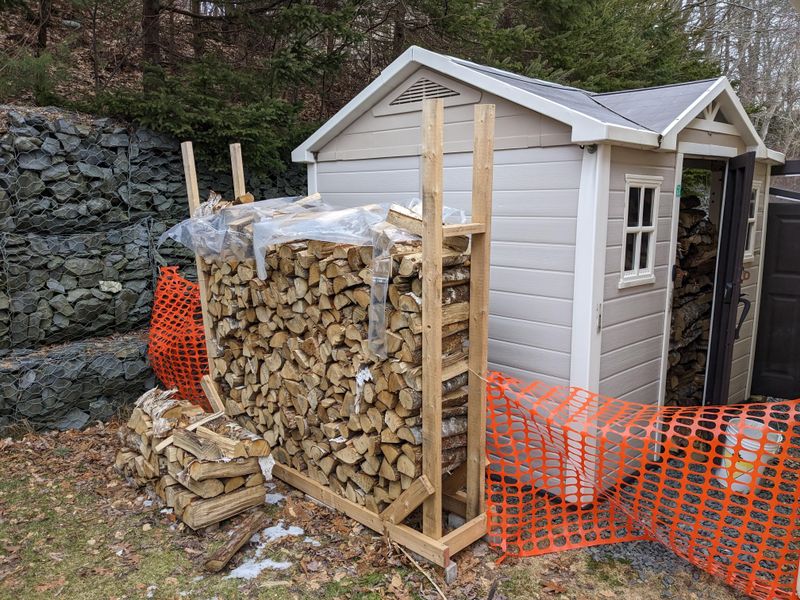
Stacking firewood right next to the house feels convenient, especially when you want easy access on a cool spring evening. But that cozy pile of logs is quietly creating a five-star shelter for mice, chipmunks, and other small rodents.
These animals carry ticks on their bodies and move in and out of wood piles constantly, which means ticks can drop off and establish themselves in the grass and soil just a few feet from your back door.
North Carolina’s mild spring weather encourages rodents to become very active early in the season, and a well-stacked wood pile next to a warm house is exactly the kind of habitat they seek out.
Gaps between logs offer protected nesting spots, and fallen bark and debris around the base add even more shelter.
The combination creates a reliable tick hotspot that many homeowners never think to address.
Moving your wood pile at least twenty feet from the house is one of the simplest and most effective changes you can make. Stack wood on a raised platform or pallets to improve airflow and reduce ground moisture, which discourages both rodents and ticks.
Keep the area around the pile clear of leaf litter, weeds, and debris. Store only the amount of wood you realistically need for the current season rather than maintaining a large stockpile close to the home.
These small adjustments significantly reduce the rodent and tick activity that builds up around poorly placed firewood storage throughout spring and summer.
9. Heavy Mulch Layers Can Hold Too Much Moisture In Humid North Carolina Yards

Fresh mulch smells great and makes garden beds look polished, but piling it on too thick creates a problem that works quietly against your tick management efforts.
A layer deeper than three inches holds moisture for extended periods, especially in North Carolina’s humid spring climate where rain is frequent and temperatures are rising.
That persistently damp environment is genuinely comfortable for ticks, which need moisture to stay active and survive between hosts.
Many homeowners add new mulch on top of old layers every season without removing what is already there. Over time, this builds up a thick, compacted mat that rarely fully dries out, even on sunny days.
Ticks can move through this layer easily, and small rodents often tunnel beneath it, creating the same wildlife-and-tick combination that shows up in other dense yard features.
Keeping mulch at a consistent two-inch depth is the sweet spot for most North Carolina gardens. Before adding fresh mulch in spring, rake out and remove old decomposed layers underneath rather than simply topping them off.
Pull mulch back a few inches from plant stems, tree trunks, and foundation walls to improve airflow at the base. Hardwood mulch and pine straw both work well at the right depth and dry faster than thick wood chip applications.
A properly managed mulch layer still suppresses weeds and retains just enough moisture for healthy plants while keeping the environment far less welcoming to ticks throughout the season.
10. Ignoring Sunny Buffer Zones Between Woods And Lawn Increases Tick Contact

The strip of land where your lawn meets the woods is one of the most tick-active zones on your entire property. Ticks prefer shaded, humid environments, and that wooded edge delivers both in abundance.
Without a clear buffer zone between the trees and your main lawn, ticks can move freely from the woodland understory into the grass where your family and pets spend most of their time outdoors.
Research from tick management studies consistently shows that most tick encounters happen within a few yards of wooded edges and ornamental plantings rather than in the open center of a yard.
North Carolina’s densely forested neighborhoods make this transition zone especially relevant for homeowners across the Piedmont and mountain regions.
Deer and small animals also tend to travel along these edges, depositing more ticks as they move.
Creating a sunny buffer zone at least three feet wide, and ideally wider, along any wooded border significantly reduces tick movement into your yard. Mow this strip regularly and keep it free of tall weeds, shrubs, and debris.
A layer of wood chip mulch or gravel in this zone can also serve as a physical barrier that ticks are reluctant to cross because it dries quickly and lacks the cool, moist cover they need.
Wider, sunnier borders between your lawn and any wooded areas are one of the most effective and low-maintenance strategies available for reducing tick exposure throughout the spring season.
11. Bird Feeders Near Patios Can Accidentally Increase Tick Problems
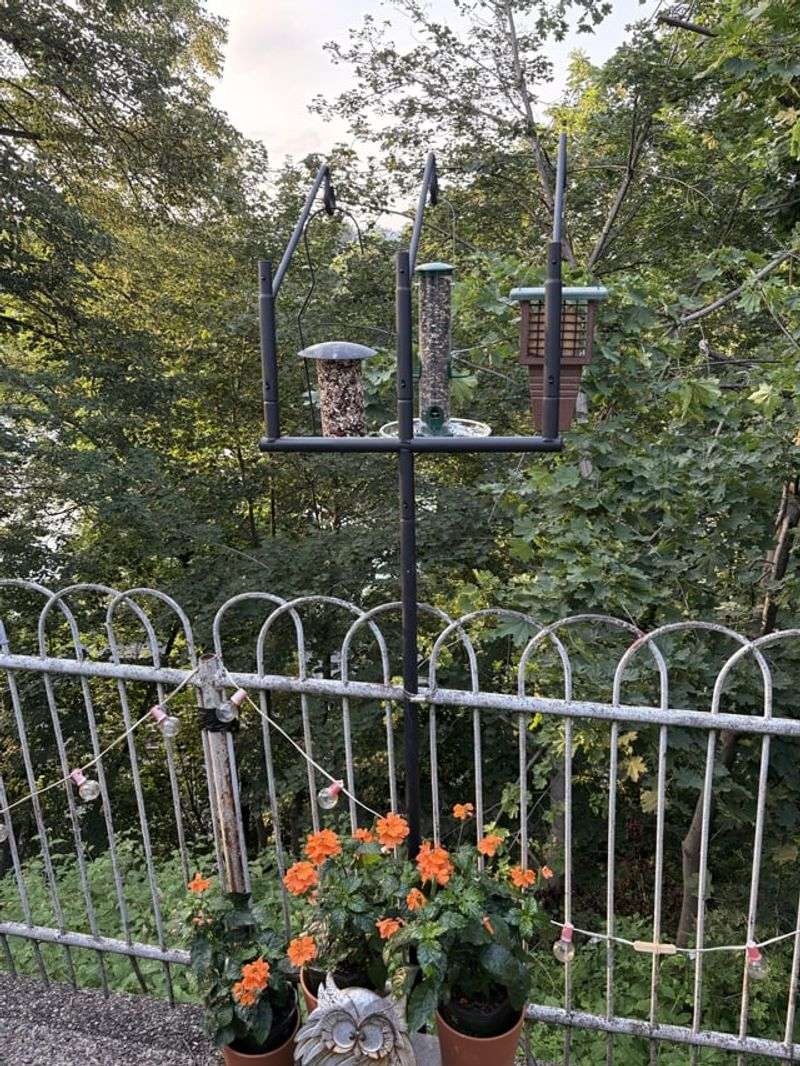
Bird feeders bring so much joy to a backyard, and watching cardinals and chickadees visit throughout the day is one of spring’s simple pleasures. But the location of that feeder matters more than most people realize.
Seed that falls to the ground beneath a feeder quickly attracts mice, squirrels, chipmunks, and other small animals, all of which carry ticks. When that activity happens right next to your patio or main outdoor living area, the tick exposure risk goes up considerably.
Spilled seed creates a reliable food source that keeps rodents returning to the same spot day after day. Over time, those animals establish regular travel routes through your yard, and ticks hitchhike along with them.
North Carolina’s mild spring weather accelerates this cycle because animals are active early and tick populations are already building up after winter.
Moving bird feeders at least ten to fifteen feet away from patios, play areas, and frequently used outdoor spaces is a straightforward fix. Choosing feeders with catch trays helps reduce seed spillage onto the ground.
Cleaning up fallen seed regularly, especially after rainy days when it clumps and becomes even more attractive to rodents, keeps the area tidy and less inviting.
Switching to seed types like safflower, which squirrels and many rodents tend to avoid, also reduces unwanted animal traffic.
A few thoughtful adjustments to your feeder setup can make a real difference in the tick activity level around your outdoor living spaces this spring.
12. Neglected Fence Lines Become Hidden Tick Corridors In Spring
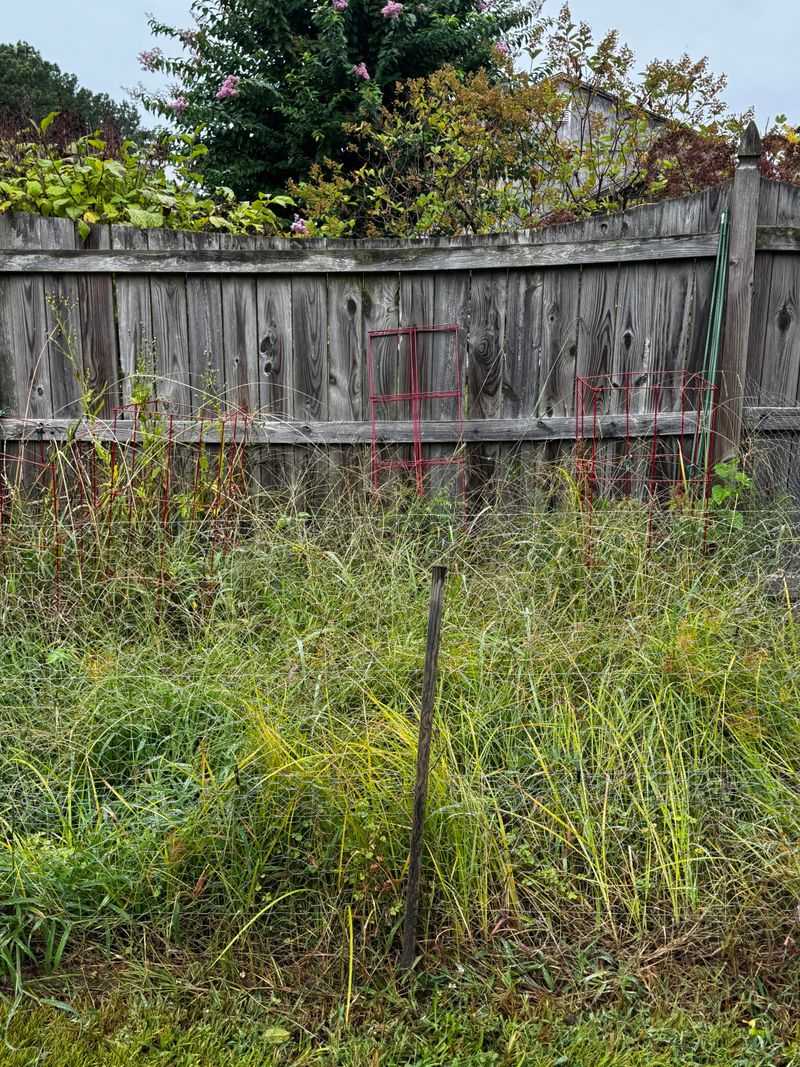
Fence lines have a way of becoming invisible over time. You focus on the main lawn, the garden beds, the patio, and the fence edge just quietly grows over with weeds, vines, and accumulated debris.
By spring, that narrow strip has transformed into a dense, humid corridor that ticks and the animals carrying them use as a regular travel route through your property.
Deer, rabbits, and rodents tend to move along fence lines because the dense vegetation offers cover and a clear path. As they travel, they deposit ticks along the way.
The combination of shade, trapped moisture, and regular wildlife traffic makes overgrown fence lines one of the most overlooked tick hotspots in residential yards across North Carolina.
The problem is easy to miss precisely because the fence itself draws the eye rather than what is growing at its base.
Setting a regular trimming schedule for fence lines is one of the most impactful spring maintenance tasks you can add to your routine. Clear weeds, vines, and debris from the base of fences every few weeks during the growing season.
Keeping a mowed or mulched strip at least two feet wide on each side of the fence removes the shaded, sheltered conditions that make this zone so attractive to ticks and wildlife. For wooden fences, check for gaps where animals might nest, and seal them where possible.
A clean, open fence line is a simple but genuinely effective barrier against tick activity spreading through your yard.