7 Ways To Keep Your Begonias Blooming Longer In Arizona
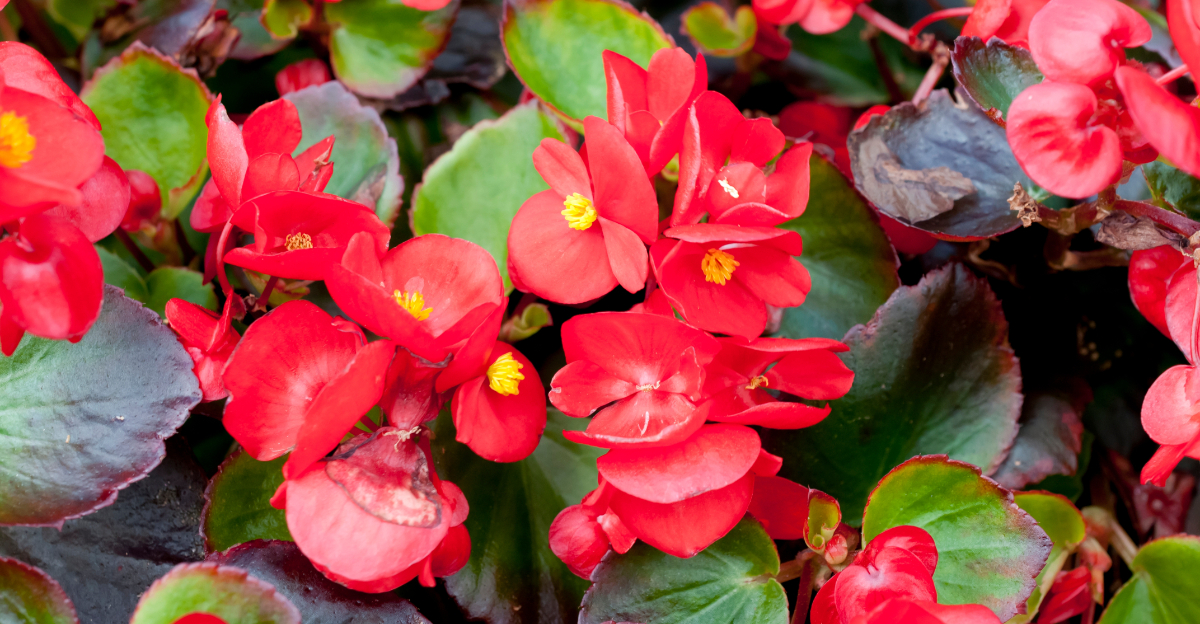
Begonias usually give clear signs when the blooming period starts slowing down. Fresh buds appear less often, colors lose some intensity, and the plant stops looking as full as it did earlier in Arizona.
Heat plays a role, though daily care habits often cause the bigger problems. Too much harsh afternoon sun or inconsistent moisture can wear begonias down surprisingly fast once temperatures stay warm consistently.
Some begonias keep flowering much longer without needing constant attention.
Small adjustments often help the plant stay healthier and continue pushing out blooms well past the point where weaker growth normally starts fading.
1. Morning Sun Usually Keeps Begonia Flowers Looking Better Longer
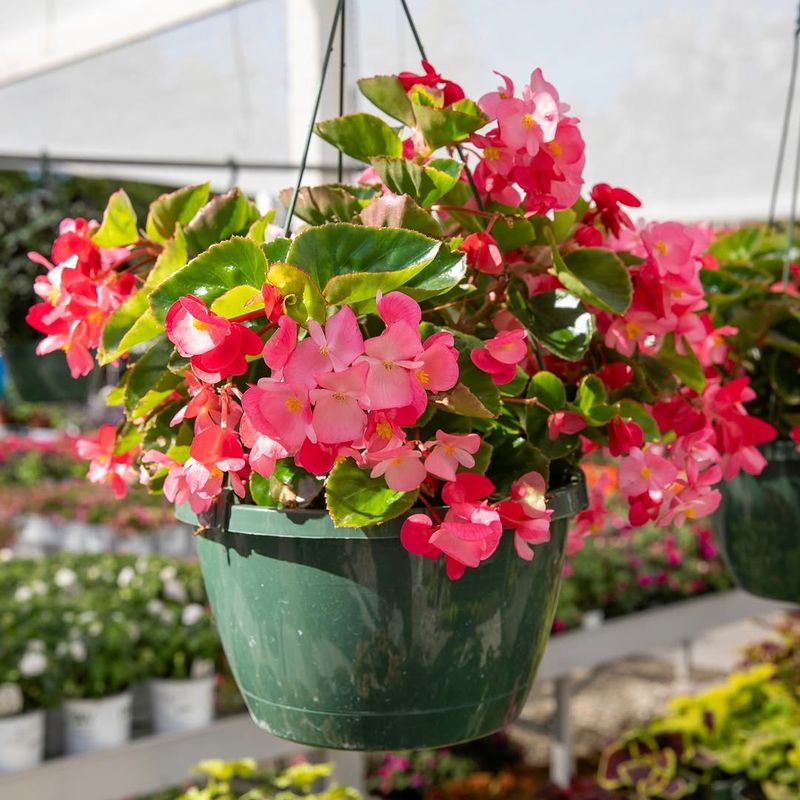
Sunlight timing matters more than most Arizona gardeners realize. Begonias are sensitive to heat, and the difference between morning sun and afternoon sun can mean the difference between flowers that last weeks and flowers that fade within days.
Positioning your begonias where they catch sun from roughly 7 a.m. to 11 a.m. gives them the light they need without exposing them to the scorching midday rays that are common across Arizona from late spring through early fall.
Morning light is softer and cooler, which allows photosynthesis to happen without stressing the plant. When begonias are stressed by excessive heat, they tend to drop buds before those buds even open.
Placing pots or garden beds along east-facing walls or fences is a simple way to take advantage of that gentler early light while naturally blocking the brutal western exposure that hits hard in the afternoon.
Wax begonias tend to handle more sun than tuberous varieties, but even they appreciate shade by noon in Arizona.
If your begonias are already in a spot that gets full sun all day, consider moving container plants or adding a shade cloth rated at 30 to 40 percent.
Small adjustments to sun exposure can noticeably extend bloom time, especially during peak summer months.
Observing your plants every few days and checking for wilting or bleached petals will tell you quickly whether your current sun situation needs tweaking.
2. Dry Soil Too Often Can Slow Down New Flower Growth
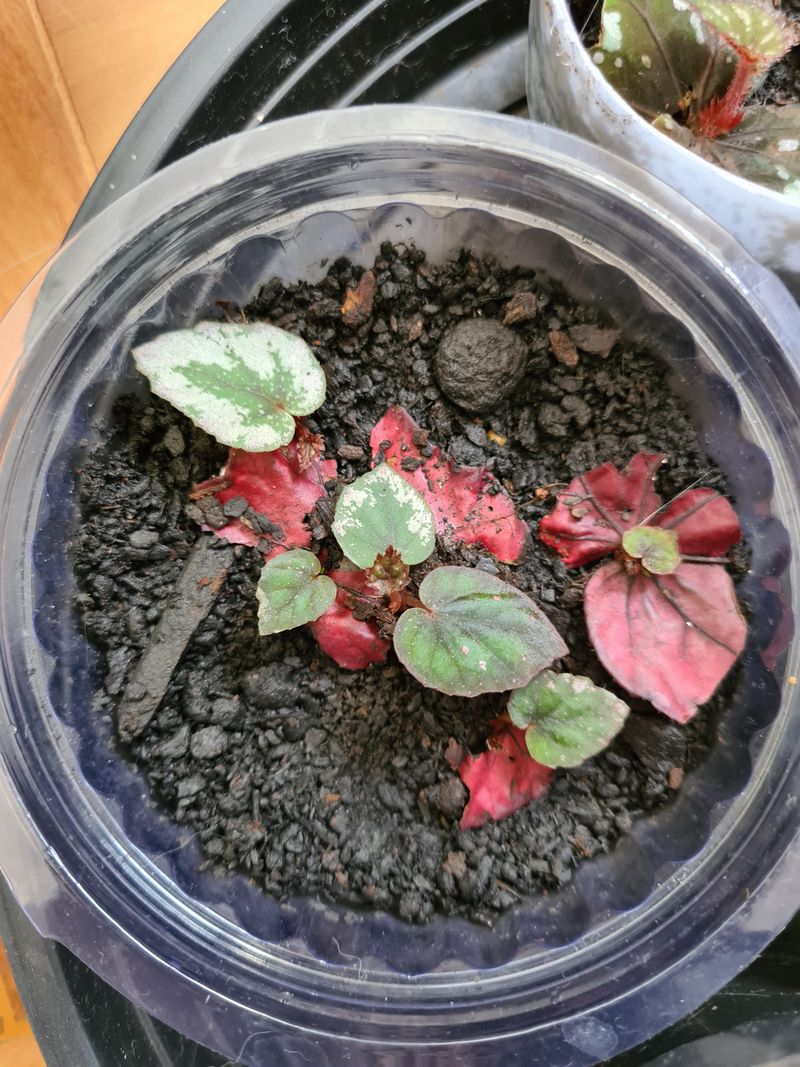
Soil moisture is one of the biggest factors controlling how often your begonias produce new flowers. When the soil dries out completely and repeatedly, the plant shifts its energy away from blooming and toward basic survival.
In Arizona, where evaporation rates are extremely high, this can happen faster than gardeners in other states might expect, sometimes within a single day during a hot stretch in July or August.
Checking soil moisture before watering rather than following a fixed schedule is a smarter approach. Push your finger about an inch into the soil near the base of the plant.
If it feels dry at that depth, it is time to water. If it still feels slightly damp, wait another day.
Begonias prefer consistently moist soil, not soggy, not bone dry. That balance is harder to maintain in Arizona but absolutely achievable with a little attention.
Using a moisture-retaining potting mix with perlite added for drainage can help regulate soil conditions between waterings. Mulching around in-ground begonias with a thin layer of organic material also slows evaporation noticeably.
Your Arizona Garden Changes Every Week. Your Plan Should Too.
Gardening in Arizona changes quickly throughout the season. Every Friday you’ll receive a simple weekly plan showing exactly what to plant, prune, fertilize, harvest, and protect so you never miss the right timing.
Containers dry out faster than garden beds, so potted begonias in Arizona may need watering every day or every other day depending on pot size and current temperatures.
Grouping containers together can slightly reduce moisture loss by lowering the air temperature immediately around the plants.
Keeping soil from going bone dry on a regular basis is one of the most straightforward ways to encourage steady new bloom production throughout the season.
3. Faded Blooms Should Be Removed Before Seed Production Starts
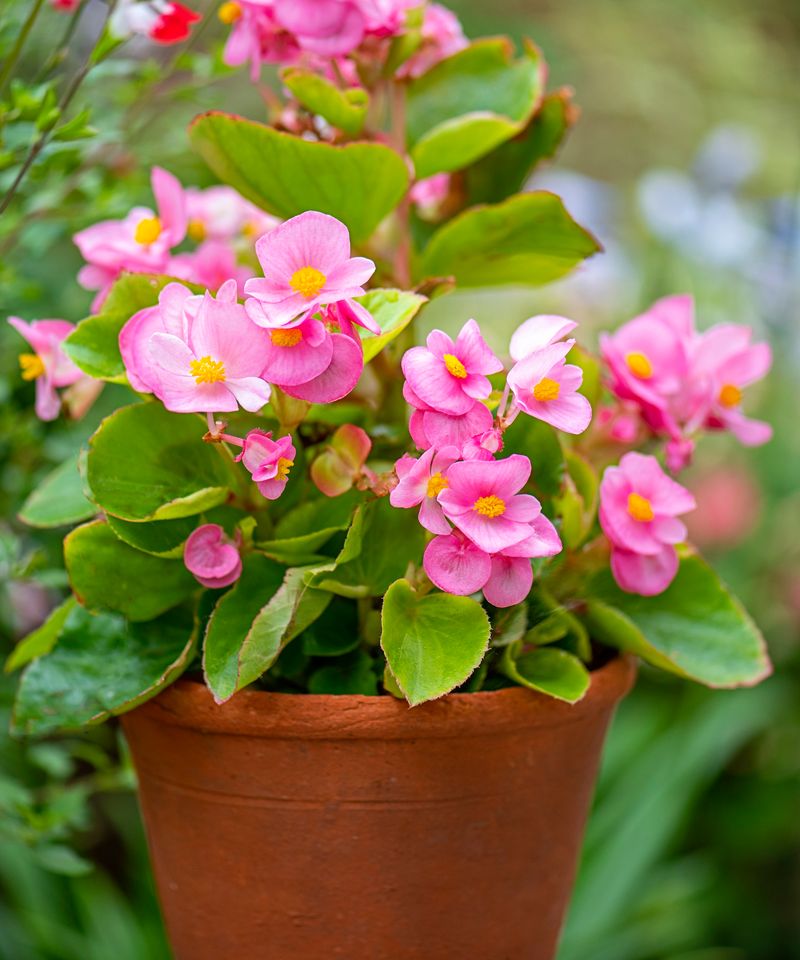
Once a begonia flower starts to fade, the plant begins redirecting energy toward producing seeds. From a survival standpoint, that makes sense for the plant, but from a gardening standpoint, it works against you.
Seed production pulls resources away from developing new buds, which means fewer flowers over time. Removing spent blooms before seeds form keeps that energy flowing back into new flower development instead.
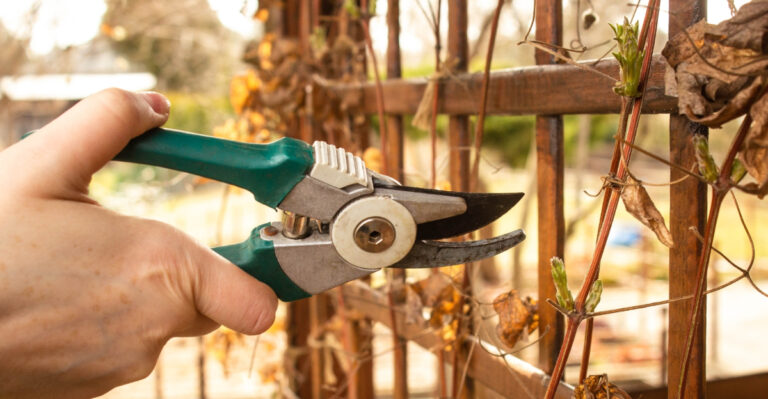
Deadheading, as this process is called, does not require any special tools for most begonia varieties. Many spent flowers can be pinched off cleanly with your fingers right at the base of the bloom.
For thicker stems, small pruning scissors work well. The key is to remove the entire flower head along with its small stem, not just the petals.
Leaving the base behind can still allow seed development to begin, which partially defeats the purpose.
Making deadheading part of a twice-weekly routine during peak blooming season in Arizona keeps plants looking tidy and encourages faster reblooming. It also gives you a chance to inspect your plants up close for early signs of pest activity or leaf issues.
In Arizona’s dry climate, spider mites are a common problem for begonias, and catching them early makes management much easier.
Some gardeners find that consistent deadheading in combination with proper watering leads to noticeably longer bloom periods through the summer months.
It is a low-effort habit that delivers real results without requiring any additional products or treatments.
4. Afternoon Shade Helps Flowers Last During Extreme Heat
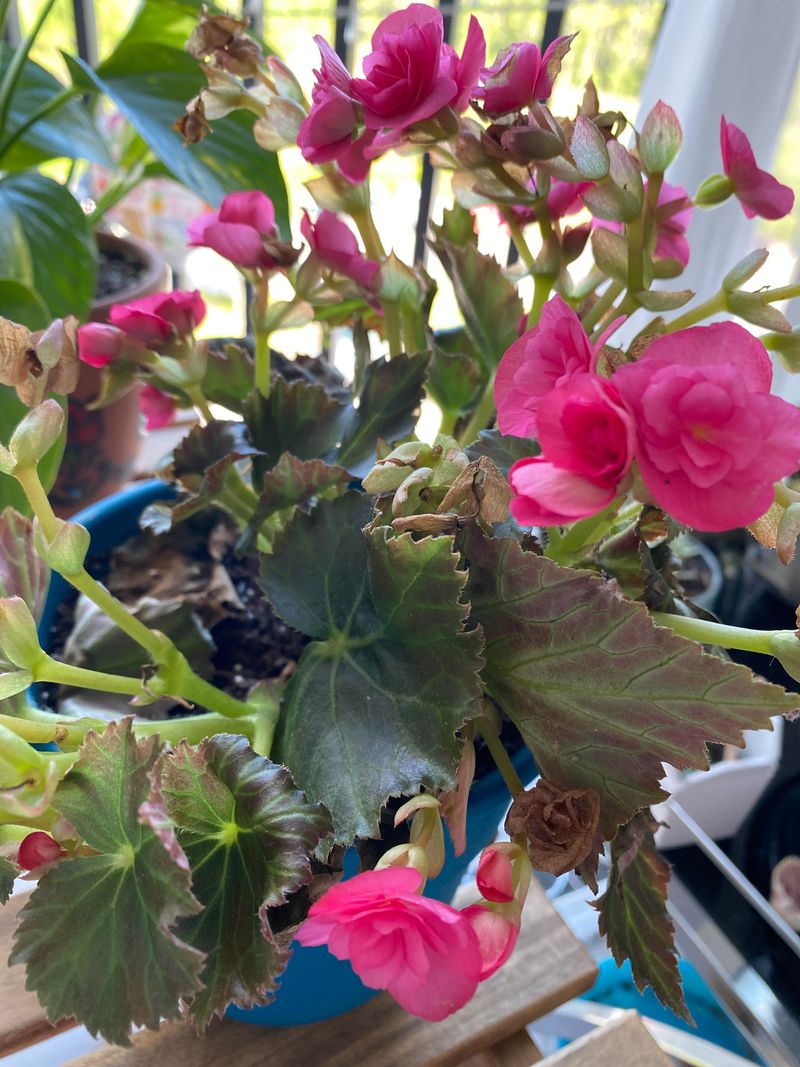
Arizona afternoons are no joke. Temperatures regularly climb above 105 degrees in cities like Phoenix during July and August, and that level of heat is genuinely tough on begonia flowers.
Even heat-tolerant varieties can show signs of stress when exposed to direct afternoon sun during peak summer. Flowers may bleach out, wilt quickly, or drop entirely if afternoon shade is not available.
Creating shade does not require a major landscaping project. A patio umbrella, a pergola with shade cloth, or even a tall potted plant placed strategically can block enough afternoon sun to make a real difference.
South and west-facing exposures receive the most intense heat in Arizona, so begonias placed on those sides of a home or fence are particularly vulnerable without some kind of shade buffer.
Moving container plants to a more protected spot during the hottest weeks of the year is often the simplest solution.
Shade cloth rated between 30 and 50 percent is a popular and affordable option for Arizona gardeners who want to protect beds and containers without blocking all light.
It allows enough filtered light through to keep plants healthy while cutting down on heat stress significantly.
Begonias under adequate afternoon shade tend to hold their flowers longer and produce new buds more consistently than those left in full sun all day. Even a couple of hours of afternoon protection can extend individual flower life noticeably.
Experimenting with placement during the hottest months often reveals spots in your yard that offer surprisingly good natural shade.
5. Overcrowded Containers Often Reduce Airflow Around Leaves
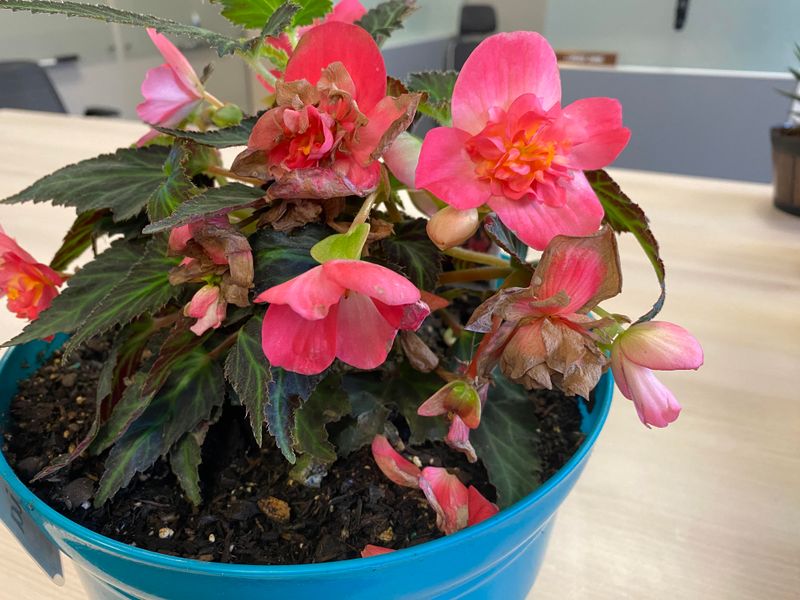
Packing too many begonias into a single container might look lush at first, but it creates problems that build up over time. When plants are crowded together, air cannot move freely between leaves and stems.
Poor airflow in Arizona’s warm, humid monsoon season creates the exact conditions that powdery mildew and other fungal issues prefer. Once those problems take hold, they can reduce blooming and overall plant health fairly quickly.
A general rule of thumb for container planting is to leave at least six to eight inches between begonia plants, depending on the variety. Larger tuberous begonias need even more space.
Crowding also means roots compete for the same water and nutrients, which can leave some plants in the container consistently underfed even when you are fertilizing regularly.
Uneven growth and patchy blooming in a pot are often signs that spacing is the issue rather than watering or feeding habits.
Repotting overcrowded containers into larger pots or splitting plants into separate containers is the most direct fix.
In Arizona, terracotta pots are popular but dry out faster than plastic or glazed ceramic options, so keep that in mind when choosing containers.
If repotting mid-season is not practical, removing a plant or two from an overfull container can immediately improve conditions for the remaining plants.
Better airflow reduces stress, lowers the risk of fungal issues, and gives each plant enough root space to support consistent blooming through the season.
Sometimes less really is more when it comes to container gardening.
6. Consistent Moisture Helps Prevent Sudden Flower Drop
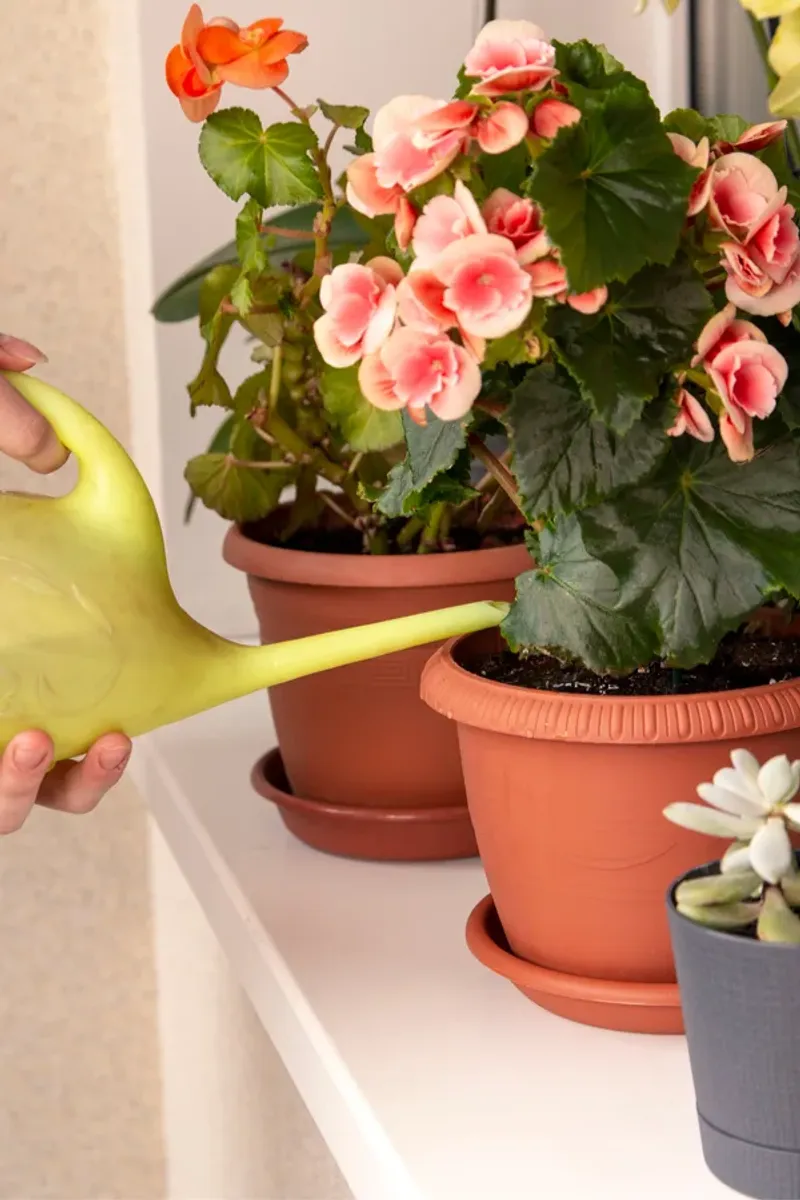
Sudden flower drop is one of the more frustrating things begonia growers encounter, especially when plants looked perfectly healthy just a day or two before. Inconsistent watering is one of the most common triggers.
When soil swings between very dry and then suddenly very wet, the plant experiences stress that can cause it to shed buds and open flowers as a response. In Arizona, where heat accelerates soil drying, those swings can happen faster than in most other states.
Building a consistent watering schedule based on actual soil conditions rather than the calendar helps avoid those stressful swings.
Drip irrigation systems are particularly useful for Arizona begonia growers because they deliver water slowly and steadily at the root level, reducing both overwatering and underwatering risks.
Even a basic timer attached to a drip line can take a lot of guesswork out of daily watering during the hottest stretches of summer.
Water quality also plays a small but real role. Arizona tap water tends to be hard and high in minerals, which can build up in potting soil over time and affect how well roots absorb moisture.
Flushing containers thoroughly once a month by watering until water runs freely from the drainage holes helps clear out mineral buildup.
Using collected rainwater during monsoon season is a great option when available, as it is naturally softer and more plant-friendly.
Keeping moisture levels steady rather than reactive is one of the more reliable ways to reduce unexpected flower drop throughout the blooming season.
7. Light Feeding Encourages More Continuous Flowering
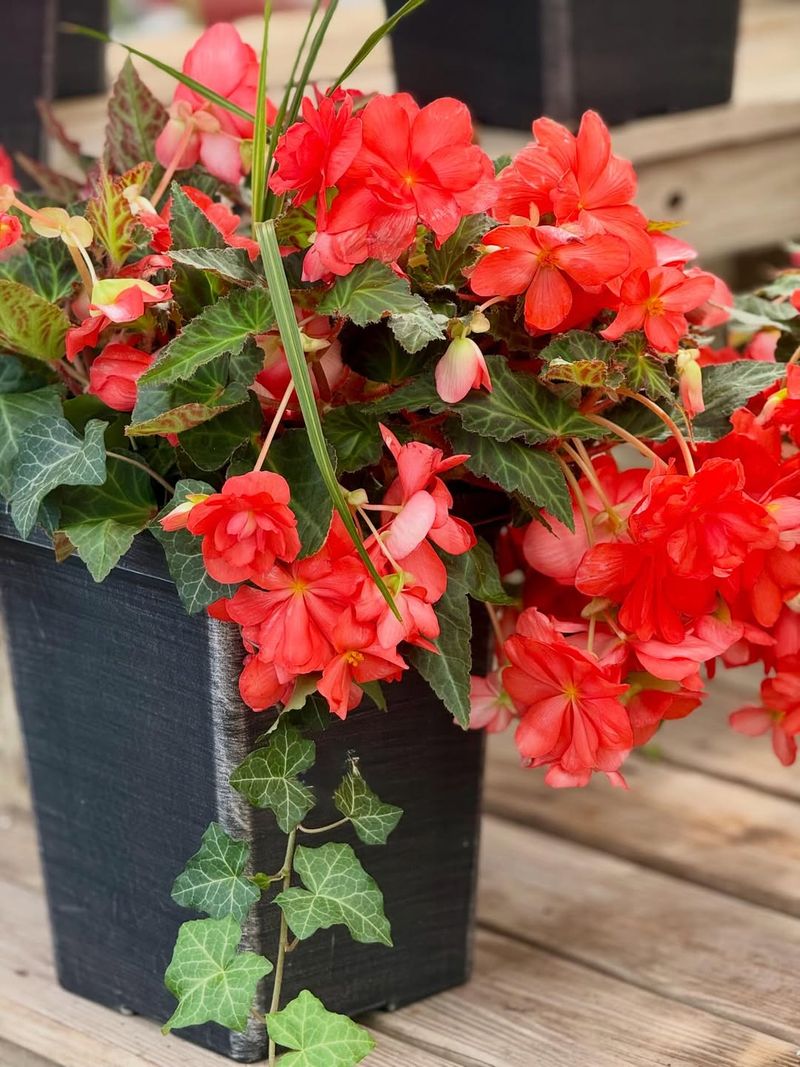
Fertilizer is not a magic fix, but used correctly, it makes a noticeable difference in how long begonias keep blooming. Heavy feeding with high-nitrogen fertilizers tends to push plants toward producing more leaves rather than more flowers.
A lighter touch with a balanced or bloom-focused fertilizer, something like a 10-30-10 or similar formula, supports flower development without triggering excessive leafy growth that competes with blooming.
Applying a diluted liquid fertilizer every two to three weeks during the active growing season works well for most Arizona gardeners.
Starting with half the recommended dose on the label is a reasonable approach, especially if your plants are already showing some stress from heat.
Overfertilizing stressed plants can make things worse rather than better, so matching feeding intensity to plant health is important. Slow-release granular fertilizers are another option and work well mixed into potting soil at the start of the season.
Feeding begonias in Arizona during the hottest weeks of summer requires a bit of caution. When temperatures are consistently above 100 degrees, plants slow their growth naturally, and their ability to absorb nutrients decreases.
Fertilizing heavily during those periods can lead to fertilizer burn, especially in containers where salts accumulate more easily.
Reducing feeding frequency slightly during peak heat and resuming a regular schedule as temperatures ease in September is a sensible approach.
Begonias in Arizona often get a second wind in fall as conditions cool, and keeping up with light feeding during that period can extend blooming well into October in many parts of the state.