Things You Should Never Add To Your Pennsylvania Vegetable Garden No Matter What You Read Online
The internet has strong opinions about vegetable gardening, and Pennsylvania gardeners have access to more advice than any one person could reasonably sort through. Some of it is genuinely useful.
A surprising amount of it is oversimplified, regionally irrelevant, or based on gardening logic that sounds reasonable in theory but falls apart in actual Pennsylvania growing conditions when you try to put it into practice.
The specific problem with bad vegetable garden advice is that the consequences aren’t always immediate.
You add something to your beds based on a recommendation that seemed credible, nothing dramatic happens right away, and by the time the soil imbalance, toxicity issue, or pest problem shows up, the connection back to what you added weeks or months earlier isn’t obvious.
The damage gets done quietly before anyone connects the dots. Knowing what to keep out of your Pennsylvania vegetable garden regardless of what you read online is some of the most protective gardening knowledge you can have going into the season.
1. Fresh Manure Right Before Planting
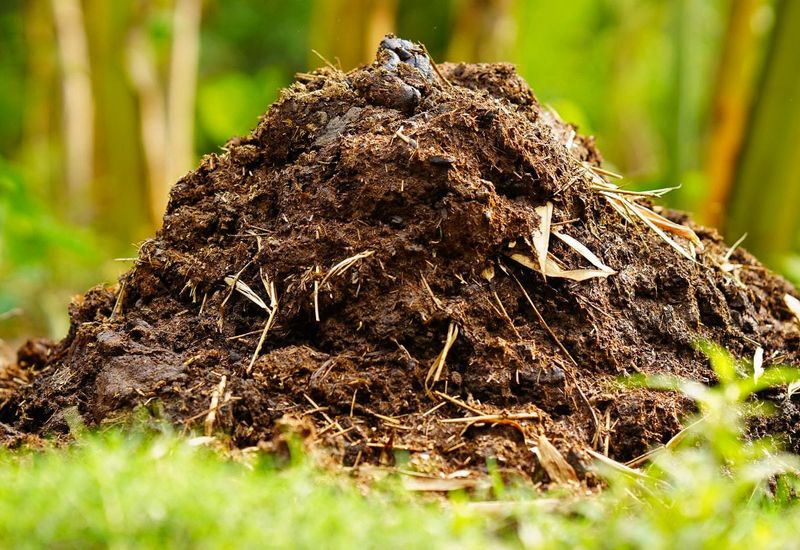
Farmers have used manure to feed their soil for hundreds of years, and for good reason. It is packed with nutrients that vegetables love.
But there is a big difference between fresh manure and composted manure, and mixing them up can seriously hurt your garden.
Fresh manure is raw animal waste. It has not broken down yet, which means it still contains high levels of ammonia and nitrogen.
When you add it directly to your vegetable beds, those concentrated nutrients can actually burn your plant roots before they even get a chance to grow.
Even more concerning is the bacteria issue. Fresh manure from cows, horses, and chickens can carry harmful pathogens like E. coli and Salmonella.
These bacteria can contaminate your vegetables, especially root crops and leafy greens that grow close to the soil.
Pennsylvania gardeners need to be especially careful because the state follows food safety guidelines that recommend avoiding fresh manure on edible crops within 90 to 120 days of harvest. That window is tight, and many gardeners misjudge it.
The safer and smarter approach is to use fully composted manure. Composted manure has gone through a heating process that removes most harmful bacteria and breaks down the ammonia. It feeds your soil gently without the risk of burning or contamination.
If you want to use manure in your Pennsylvania vegetable garden, plan ahead. Add composted manure in the fall so it has all winter to blend into the soil before spring planting. Your plants will thank you with stronger roots and better harvests.
2. Too Much Wood Ash
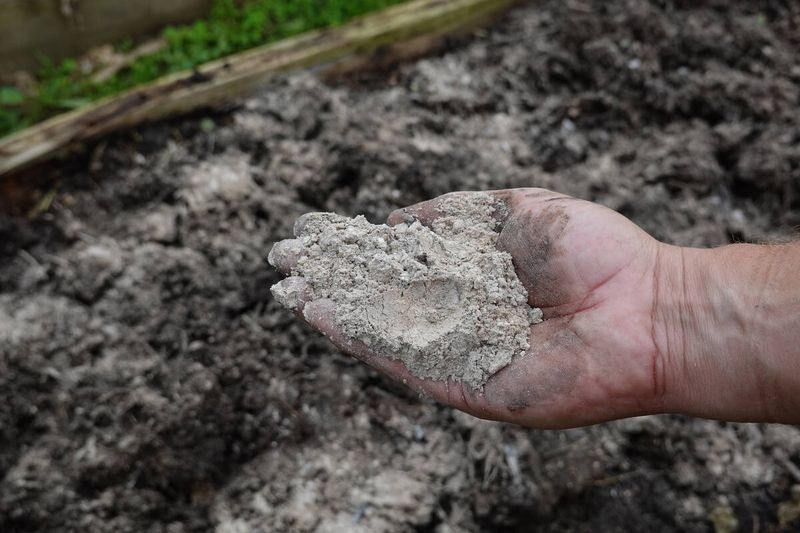
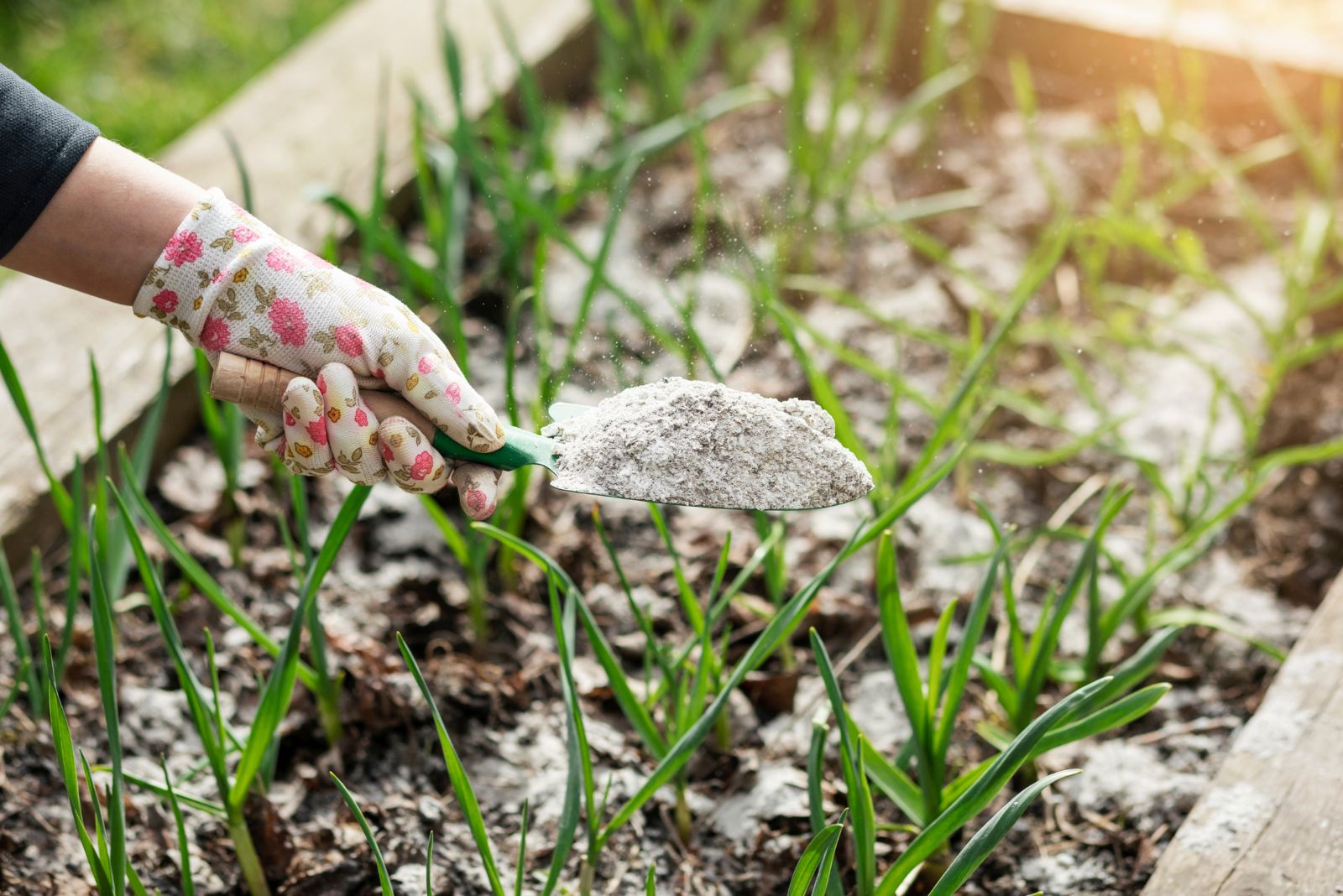
Wood ash sounds like a brilliant garden hack. It is free, it comes from a natural source, and plenty of old-timers swear by it.
But here is the thing: a little goes a long way, and too much can throw your entire garden off balance.
Wood ash is very alkaline. When you spread large amounts of it on your vegetable beds, it raises the soil pH quickly.
Your Pennsylvania Garden Changes Every Week. Your Plan Should Too.
Gardening in Pennsylvania changes quickly throughout the season. Every Friday you’ll receive a simple weekly plan showing exactly what to plant, prune, fertilize, harvest, and protect so you never miss the right timing.
Pennsylvania soils already tend to run on the slightly acidic side, which is actually perfect for most common vegetables like tomatoes, peppers, and cucumbers. Those crops prefer a pH between 6.0 and 7.0.
When you dump too much ash into the mix, the pH can spike above 7.5 or even higher. At that point, vegetables start struggling to absorb important nutrients like iron, manganese, and zinc, even if those nutrients are already present in the soil.
The plants look pale and weak, and gardeners often make the mistake of adding more fertilizer when the real problem is the pH.
Another issue with wood ash is potassium buildup. Ash is high in potassium, and excess potassium blocks magnesium absorption. That leads to its own set of nutrient problems that are frustrating to diagnose and fix.
If you want to use wood ash in your Pennsylvania vegetable garden, get a soil test first. Penn State Extension offers affordable soil testing services that tell you exactly what your soil needs.
Apply wood ash sparingly, no more than 20 pounds per 1,000 square feet, and only when your test shows the soil actually needs it.
3. Landscape Fabric Under Vegetable Beds
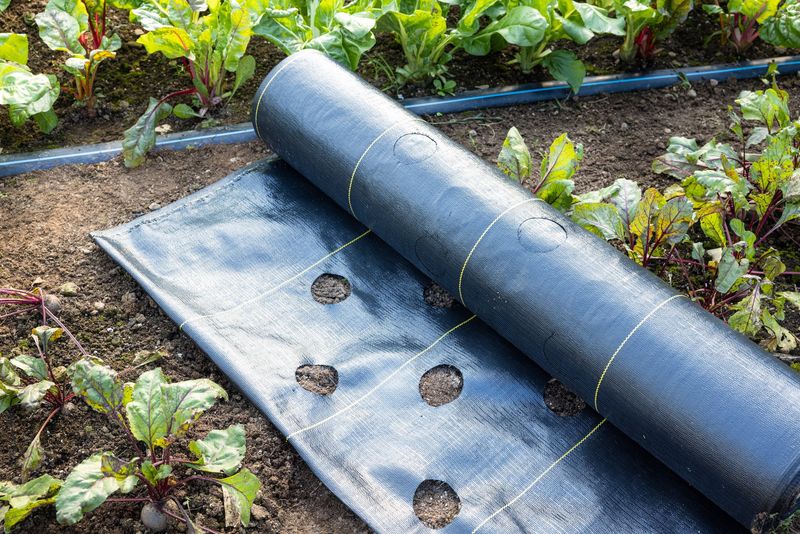
Walk into any garden center and you will see rolls of landscape fabric lined up and marketed as a weed-blocking miracle solution. It looks practical, it feels sturdy, and the packaging makes it sound like every gardener needs it.
For ornamental beds with mulch and shrubs, it can work reasonably well. For vegetable gardens, though, it creates more problems than it solves.
Vegetable gardens are living, breathing ecosystems. Healthy soil depends on earthworms moving through it, organic matter breaking down, and water draining naturally.
Landscape fabric cuts off all of that activity. Over time, it suffocates the beneficial organisms that your vegetable plants rely on to stay healthy and productive.
Water movement becomes a real problem too. Heavy Pennsylvania rains can cause water to pool on top of fabric rather than soaking into the soil where roots need it.
In dry spells, moisture has a harder time reaching deeper soil layers because the fabric disrupts normal capillary movement.
Weeds are also sneakier than fabric manufacturers admit. Within a season or two, roots from nearby weeds find their way through the fabric or grow on top of it in accumulated debris.
Removing those weeds becomes much harder because you cannot simply pull them without dealing with the fabric underneath.
The better approach for vegetable gardens is thick layers of organic mulch like straw, shredded leaves, or wood chips placed directly on the soil.
These materials suppress weeds, hold moisture, feed soil organisms as they break down, and are easy to move around when you need to plant or harvest. Skip the fabric entirely.
4. Dog Or Cat Waste
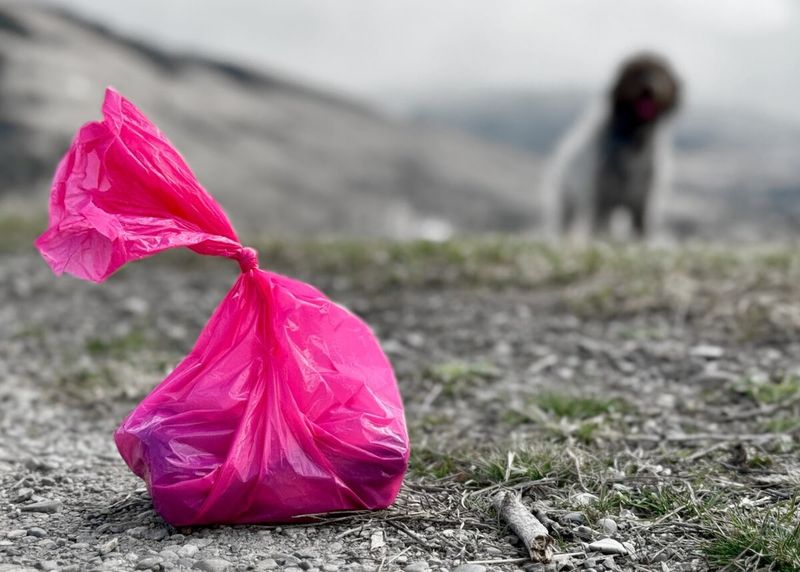
Pet owners love their dogs and cats, and many of them also love gardening. It might seem logical to recycle pet waste the same way you would compost other organic material.
After all, manure from farm animals is used in gardens, so why not waste from household pets? The answer comes down to what is actually inside that waste, and it is not something you want anywhere near food you plan to eat.
Dog and cat waste carries a range of parasites and pathogens that are genuinely unsafe for humans. Toxocara, a roundworm found in dog and cat feces, can survive in soil for years.
Toxoplasma gondii, a parasite commonly found in cat waste, poses serious health risks, especially for pregnant women and people with weakened immune systems.
Unlike cow or horse manure, pet waste does not compost safely in a standard backyard compost pile. The temperatures needed to neutralize dangerous pathogens are much higher than what a typical home compost system reaches.
Simply burying pet waste near vegetable beds does not solve the problem either, since pathogens can leach into the surrounding soil.
Pennsylvania gardeners should keep a firm boundary between pet activity areas and vegetable growing spaces. If your dog or cat has access to your garden, consider fencing off the beds to prevent accidental contamination.
There are pet waste composters specifically designed to handle dog and cat feces safely, using enzyme-based systems. Even those should be kept well away from edible gardens.
When it comes to food safety, it is always better to be cautious and keep pet waste completely out of your vegetable space.
5. Non-Composted Black Walnut Leaves
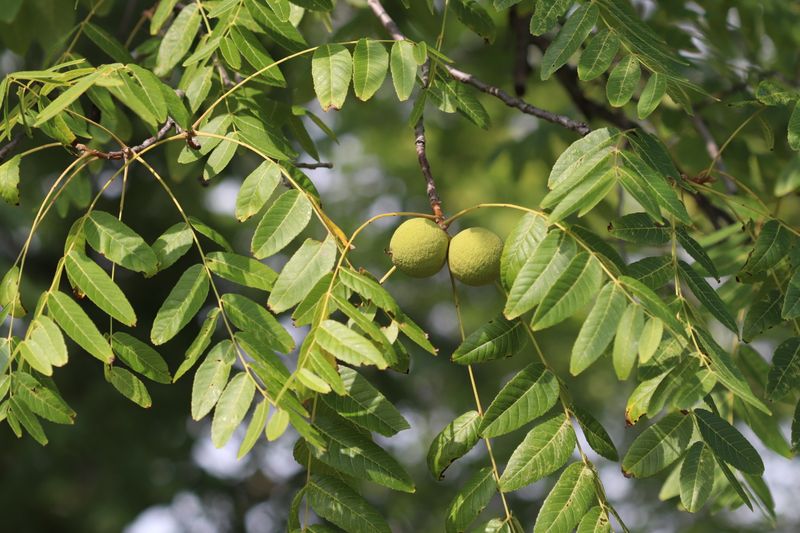
Pennsylvania is home to a lot of black walnut trees, and they are beautiful. In the fall, they drop piles of leaves just like any other tree.
If you are the type of gardener who loves free organic material, you might be tempted to rake those leaves right into your vegetable beds. Stop right there, because black walnut is not like other trees.
Every part of the black walnut tree, including the leaves, hulls, bark, and roots, contains a natural chemical called juglone. Plants produce juglone as a defense mechanism to reduce competition from other plants growing nearby.
For many common vegetables, juglone is genuinely toxic. Tomatoes, peppers, eggplants, and potatoes are especially sensitive to juglone. Even small amounts in the soil can cause these plants to wilt, turn yellow, and fail to produce.
Gardeners often spend an entire season wondering why their tomatoes look terrible, never realizing the culprit is a black walnut tree standing 50 feet away.
The tricky part is that juglone does not break down quickly in regular backyard compost. You would need a very hot, well-managed compost system running for an extended period to reduce juglone levels enough to make the material safe for vegetable beds.
Most home compost setups simply do not get hot enough. The safest move is to keep black walnut leaves completely out of your vegetable garden.
Use them as mulch in areas where you grow juglone-tolerant plants like corn, beans, or squash, or dispose of them separately from your garden compost.
Your vegetable plants will grow much better without that chemical interference working against them.
6. Excessive Epsom Salt Applications
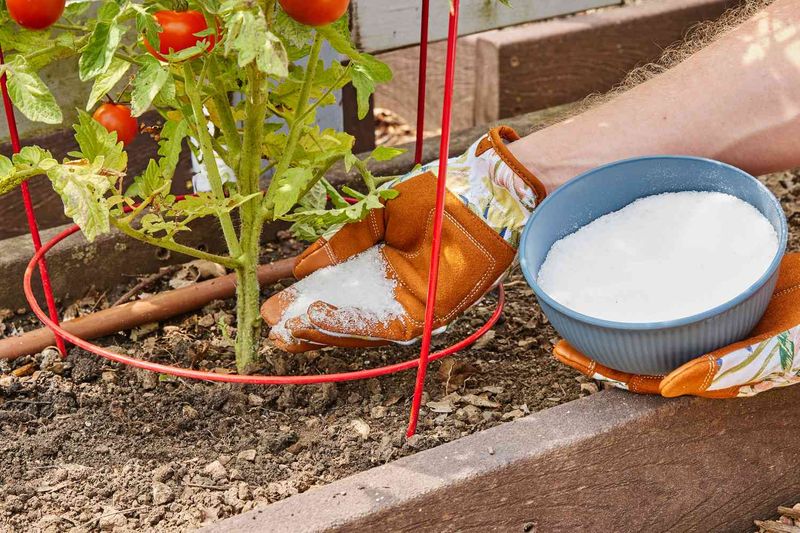
Somewhere along the way, Epsom salt became one of the most overhyped garden remedies on the internet. Search for almost any vegetable problem online and someone, somewhere will suggest adding Epsom salt as the fix.
Yellowing leaves? Epsom salt. Slow growth? Epsom salt. Poor tomato harvest? You guessed it. But the science behind most of these claims is much shakier than the advice suggests. Epsom salt is magnesium sulfate. It provides magnesium and sulfur to the soil.
Those nutrients do matter for plant health, but most Pennsylvania soils already have adequate magnesium levels, especially if you have been adding compost or balanced fertilizer regularly.
Adding Epsom salt when your soil does not actually need it does not help your plants grow better. It just creates an imbalance.
Too much magnesium in the soil competes with calcium uptake. Calcium is critical for vegetables, particularly tomatoes and peppers.
When calcium absorption is blocked, you end up with blossom end rot, a frustrating condition where the bottom of your tomatoes turns dark and leathery. Ironically, some gardeners then add more Epsom salt thinking it will fix the problem, making things worse.
Excess sulfur from repeated Epsom salt applications can also lower soil pH over time, which creates its own set of complications for vegetable crops.
Before reaching for any amendment, including Epsom salt, get a proper soil test. Penn State Extension offers reliable testing that shows exactly what your soil is missing.
Treat what your soil actually needs rather than chasing internet trends. Your vegetables will respond far better to targeted, evidence-based care than to guesswork and popular online shortcuts.