8 Flowers That Thrive In Arizona Dry Soil When Others Fade Fast
Dry soil changes a flower bed fast once the hotter months settle into Arizona.
Plants that looked healthy in spring can suddenly stop blooming well, start looking thinner, or burn out much earlier than expected once the ground stays hot day after day.
That is usually the point where low maintenance flowers become much more noticeable. A few varieties keep pushing out color without needing constant watering just to stay alive.
Gardens tend to hold up much better with flowers already built for dry conditions instead of plants that struggle through every hot stretch of weather.
1. Blanket Flower Keeps Color Going Through Long Dry Spells
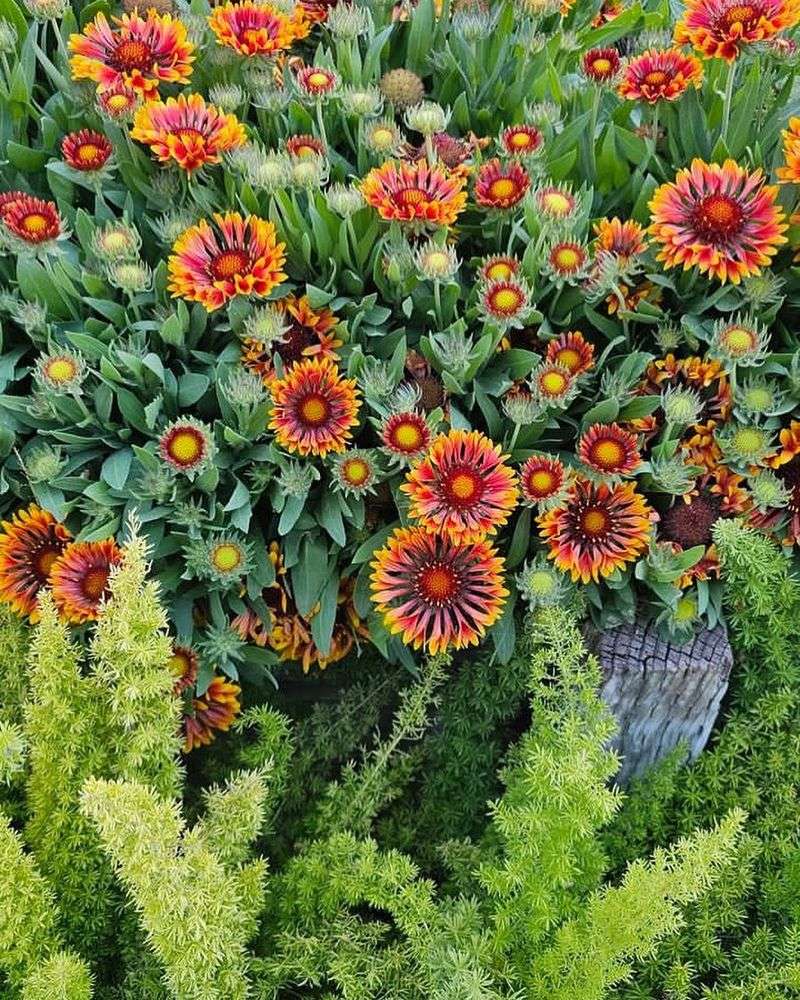
Blanket flower does not just survive Arizona summers, it actually seems to enjoy them. While other plants look stressed and sad by July, Gaillardia keeps pushing out bold red, orange, and yellow blooms like the heat is no big deal at all.
Native to North America, blanket flower has adapted to thin, fast-draining soils over centuries. In Arizona, that means it fits right in with rocky beds, sandy patches, and spots where nothing else wants to grow.
Once established, it rarely needs watering more than once every week or two, even during triple-digit stretches.
Plant it in full sun and give it decent drainage, and it will reward you with flowers from spring all the way through fall. Avoid heavy clay or soil that holds moisture too long, because soggy roots are what actually cause problems for this plant.
Deadheading spent blooms encourages more flowers and keeps the plant looking tidy. If you skip deadheading, blanket flower will still bloom, just with a slightly wilder look that some Arizona gardeners actually prefer.
It also reseeds itself, so you may find new plants popping up in nearby spots each spring without any effort on your part.
During extreme heat waves, the flowers may slow down briefly in the afternoon sun, but the plant usually bounces back quickly once temperatures settle later in the evening.
2. Angelita Daisy Handles Harsh Ground Without Constant Water
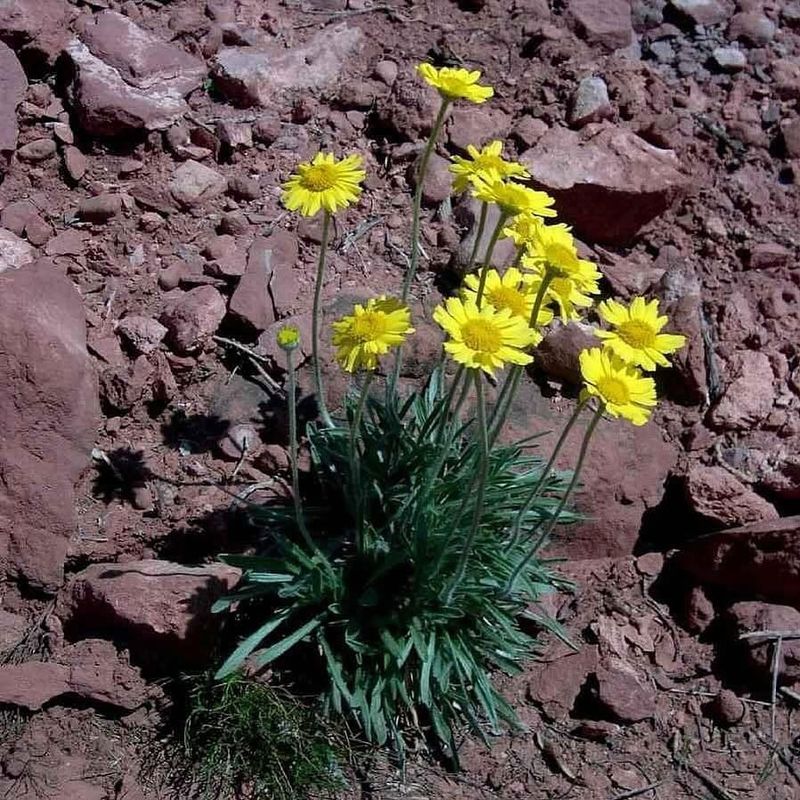
Walk past a neglected corner of an Arizona yard and you might spot Angelita daisy still blooming away like nobody forgot about it. Tiny golden flowers on a compact mound of fine green foliage, this plant looks almost too cheerful for how little care it actually gets.
Tetraneuris acaulis, its scientific name, is native to the Southwest and thrives in the kind of rough, gravelly soil that most garden plants would refuse to grow in.
Arizona gardeners love it because it stays green year-round in lower elevations and blooms heavily in spring and fall, with scattered flowers in between.
Full sun is non-negotiable. Shade makes it stretch and flop, and too much water causes root rot faster than most people expect.
Once established, Angelita daisy is genuinely low maintenance, needing only occasional deep watering during the hottest dry months.
Size-wise, it stays small, usually under a foot tall and about a foot wide, making it a smart choice for borders, rock gardens, or tucked between larger desert shrubs. In Tucson and Phoenix landscapes, it pairs well with gravel mulch and native grasses.
Your Arizona Garden Changes Every Week. Your Plan Should Too.
Gardening in Arizona changes quickly throughout the season. Every Friday you’ll receive a simple weekly plan showing exactly what to plant, prune, fertilize, harvest, and protect so you never miss the right timing.
Occasional light trimming after heavy bloom cycles can help keep its shape neat and encourage another round of flowers within a few weeks.
Unlike many flowering plants, Angelita daisy rarely becomes leggy with age if the soil stays lean and the plant is not overwatered.
3. Globe Mallow Continues Flowering During Triple Digit Heat
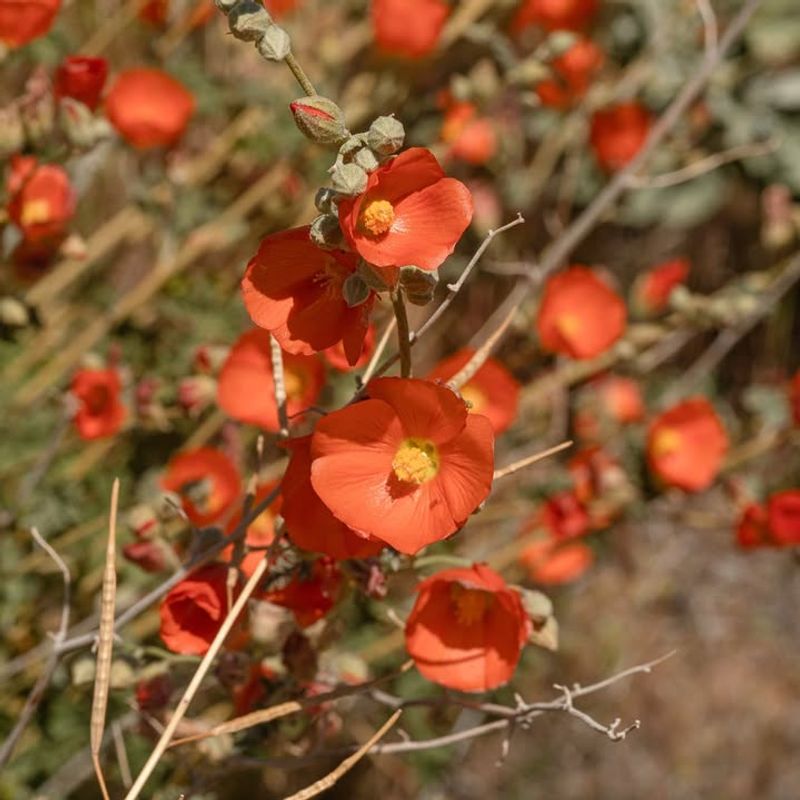
Seeing globe mallow bloom in the middle of an Arizona heat wave is genuinely surprising.
Most plants are struggling just to stay upright in 110-degree temperatures, but Sphaeralcea ambigua keeps pushing out clusters of bright orange, red, or pink flowers without skipping a beat.
Globe mallow is native to the Sonoran Desert, so it is essentially built for these conditions.
Its deep root system pulls moisture from far below the surface, which is how it manages to keep flowering when shallow-rooted plants have long since gone dormant or worse.
Established plants can go weeks without supplemental water during summer.
It grows tall, sometimes reaching four feet or more, which makes it useful for adding vertical interest to Arizona gardens without needing irrigation infrastructure. Plant it in full sun with gravelly or sandy soil and very little amendment.
Rich, heavily amended soil actually makes globe mallow soft and prone to flopping over.
One thing worth knowing is that the tiny hairs on globe mallow leaves can irritate sensitive skin, so gloves are a good idea when pruning. Cut it back hard in late winter before new growth starts, and it will come back fuller and more floriferous than the year before.
In Phoenix and surrounding areas, it is a reliable workhorse that earns its spot every single season.
Hummingbirds and native bees visit globe mallow flowers frequently, especially during spring bloom periods when fewer desert plants are flowering heavily.
4. Blackfoot Daisy Fits Rocky Areas Where Many Flowers Struggle
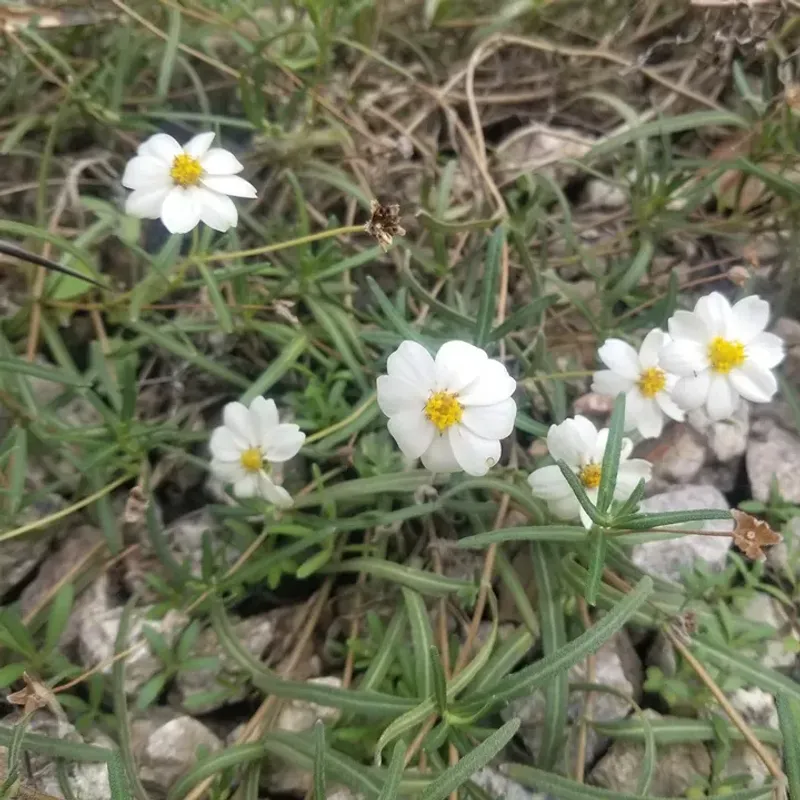
Rocky slopes, caliche-heavy ground, and spots where the soil barely qualifies as soil at all, that is exactly where blackfoot daisy feels most at home.
Melampodium leucanthum is a small but mighty wildflower that blankets itself in white blooms with yellow centers for most of the year across Arizona landscapes.
Unlike more demanding flowers that need regular feeding and consistent moisture, blackfoot daisy actually prefers being left alone. Too much water leads to a short-lived plant.
Too much fertilizer makes it grow fast but bloom less. The sweet spot is benign neglect in a sunny, well-drained spot.
Bloom time stretches from early spring through late fall in lower Arizona elevations, with a brief slowdown during the absolute peak of summer heat. Even during that pause, the plant stays green and compact, usually between six and twelve inches tall.
It does not sprawl or flop, which makes it easy to work with in designed landscapes.
Honey-scented flowers are a bonus that most people do not expect from such a tough little plant. Pollinators, especially native bees and butterflies, visit regularly throughout the bloom season.
In Tucson and Scottsdale rock gardens, blackfoot daisy often outperforms fancier, higher-maintenance flowers by staying attractive with almost no intervention from the gardener at all. It is one of the most reliable plants in the Arizona desert toolkit.
5. Red Yucca Sends Up Tall Flower Stalks In Low Water Conditions
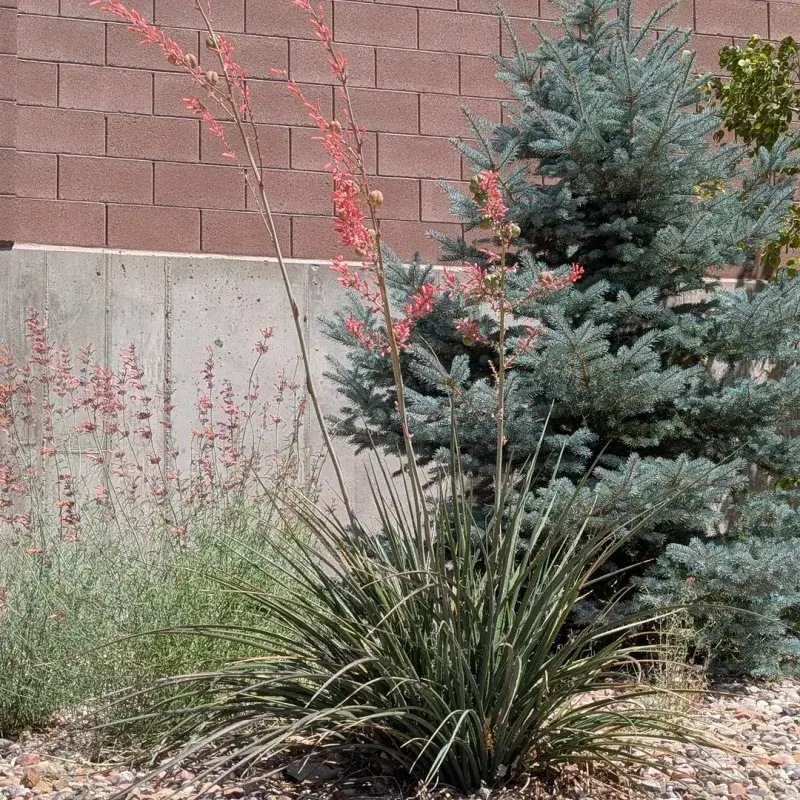
Nothing in an Arizona garden commands attention quite like red yucca sending up its flower stalks.
Hesperaloe parviflora shoots up coral-pink to red tubular blooms on stalks that can reach six feet tall, and it does all of this while using almost no supplemental water once established.
Despite the name, red yucca is not a true yucca. Its foliage is softer, grassier, and far less sharp, which makes it much easier to plant near walkways or in spots where people pass by regularly.
It forms a graceful clump of arching green leaves that stays attractive year-round in most Arizona climates.
Hummingbirds absolutely love the tubular flowers and will visit repeatedly throughout the long bloom season, which typically runs from late spring through summer and sometimes into early fall.
Orioles are frequent visitors too, which makes red yucca a great choice for anyone who enjoys watching wildlife in the garden.
Plant it in full sun with excellent drainage and minimal soil amendment. In Phoenix and Tucson, red yucca thrives in gravel gardens and against south or west-facing walls where reflected heat would overwhelm most other plants.
Older clumps spread slowly by offsets that can be divided and replanted. Aside from removing old flower stalks after bloom, it needs almost nothing from the gardener to look its absolute best year after year.
Red yucca also handles windy desert conditions remarkably well, with sturdy flower stalks that usually stay upright even during strong summer monsoon storms.
6. Damianita Stays Full Even During Long Hot Periods
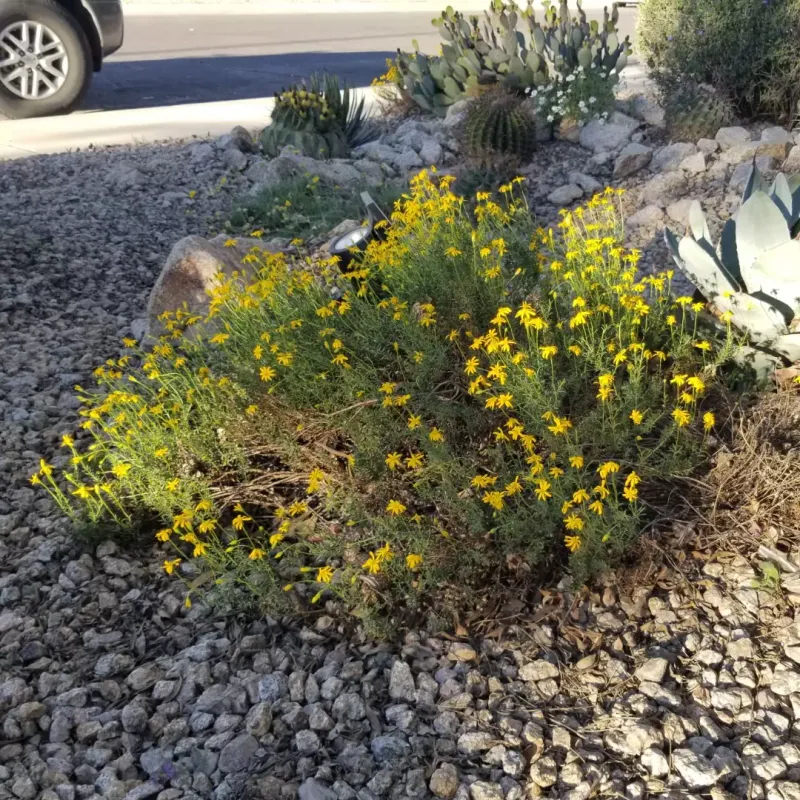
Damianita looks like someone shrunk a golden wildflower meadow into a tidy little shrub.
Chrysactinia mexicana forms a dense, rounded mound covered in tiny yellow daisy-like flowers during spring and fall, and its fine needle-like foliage smells pleasantly herbal when brushed against.
Long stretches of dry heat that flatten most ornamental plants barely register for damianita.
In Arizona, where summer can drag on for months without meaningful rainfall, this plant holds its shape and keeps its foliage looking fresh even without regular irrigation.
Established plants are remarkably drought-tolerant once their roots have had a season to settle in.
It grows slowly, reaching around two feet tall and wide at maturity, which makes it easy to fit into tight spots or use as a low border along pathways and driveways. Full sun and fast-draining soil are the two things it genuinely needs.
Clay soil or overwatering will cause problems faster than the heat ever would.
One underrated quality is how well damianita handles reflected heat from walls, pavers, and gravel. In Tucson and Phoenix landscapes, those hot microclimates near south-facing walls are often the hardest spots to plant.
Damianita handles them with ease. Trim it lightly after each major bloom flush to encourage the next round of flowers and prevent the center from getting too woody.
It is a compact powerhouse that earns its place in any Arizona xeriscape design.
7. Trailing Verbena Lasts Longer In Fast Draining Soil
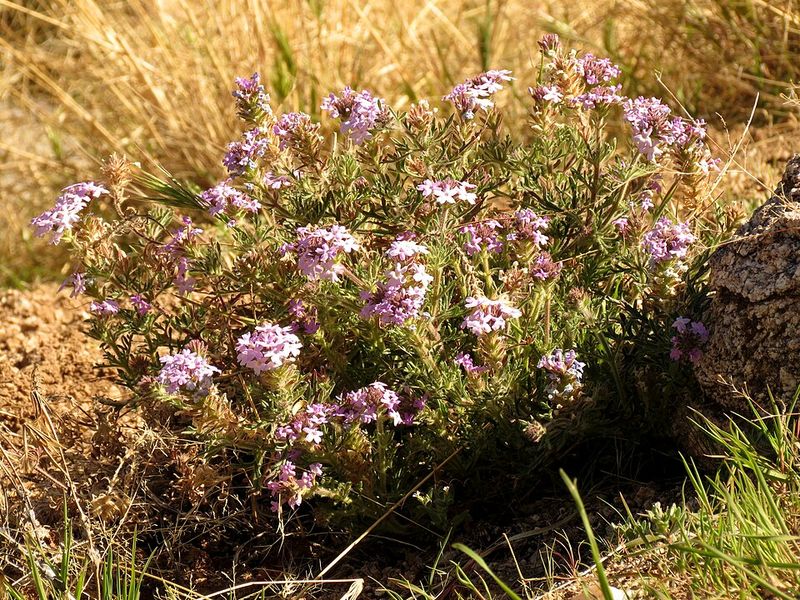
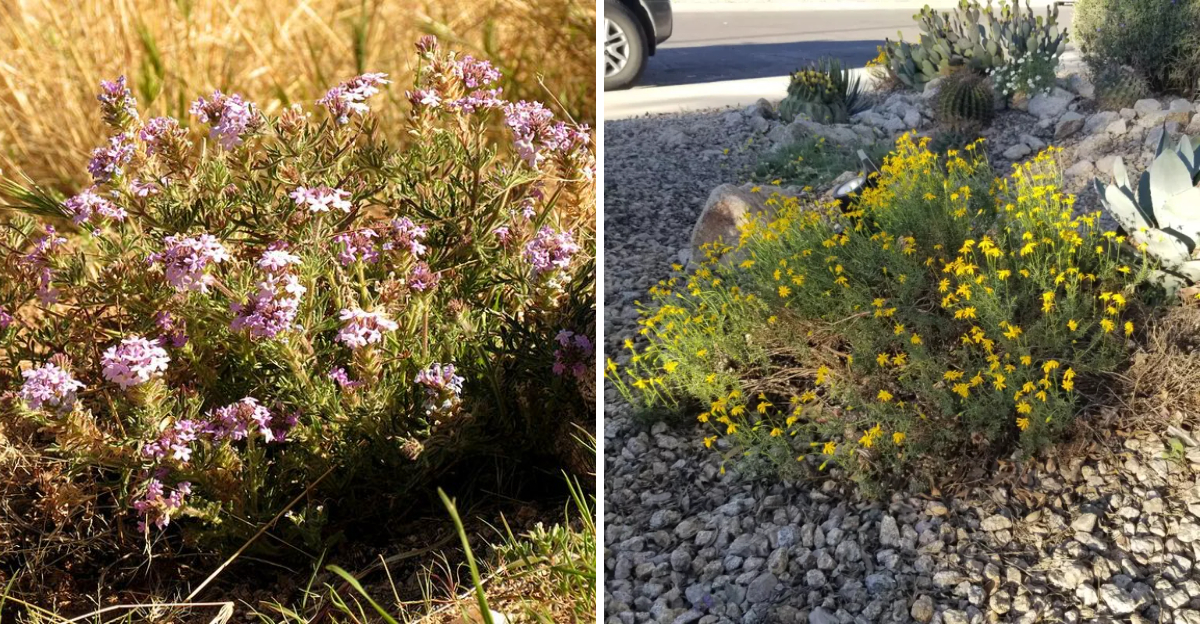
Purple, pink, or red clusters tumbling across gravel and spilling over garden edges, trailing verbena brings serious color to Arizona gardens without asking for much in return.
Glandularia species native to the Southwest are especially well-suited to the fast-draining, low-organic soils that define so much of the Arizona landscape.
What makes trailing verbena stand out is how it handles soil that other flowering plants reject outright. Sandy or gravelly ground with almost no organic matter is exactly where it performs best.
Rich, moisture-retaining soil is actually its enemy, leading to weak growth and a much shorter lifespan overall.
Bloom season runs from late winter through spring, with another solid push in fall when temperatures back off from summer extremes.
During the hottest months in Phoenix and Tucson, it may slow down or look a little ragged, but it bounces back reliably once the heat breaks in September or October.
Spacing plants about two to three feet apart gives them room to spread and fill in gaps between rocks or larger shrubs without overcrowding. Water deeply but infrequently to encourage deep root growth that helps the plant handle dry stretches on its own.
Avoid overhead watering if possible, since wet foliage in humid conditions can invite powdery mildew. Light trimming after each bloom flush keeps trailing verbena looking tidy and encourages fresh new growth to take over quickly.
8. Desert Marigold Returns Even In Rough Dry Locations
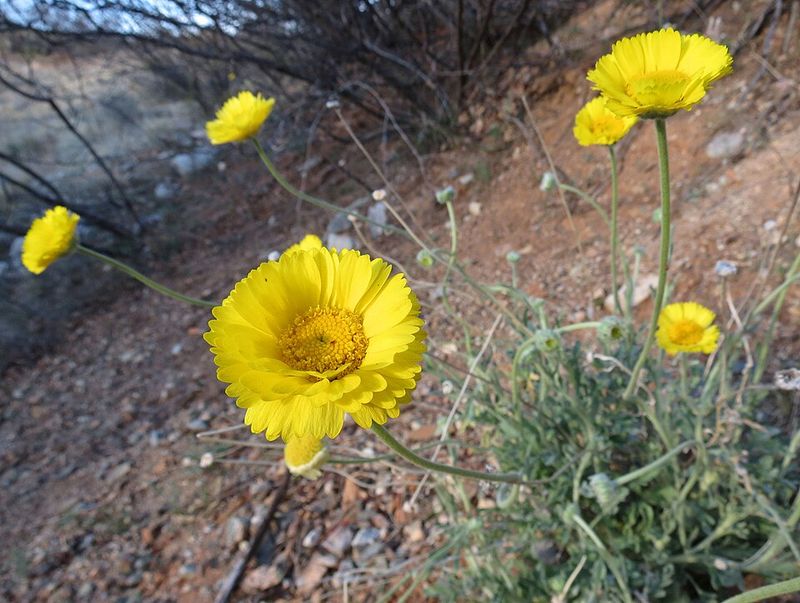
Few flowers in Arizona are as dependably cheerful as desert marigold.
Baileya multiradiata lights up roadsides, vacant lots, and carefully designed xeriscape gardens alike with nonstop bright yellow blooms from spring through fall, sometimes even stretching into early winter at lower elevations.
What really sets it apart is the ability to reseed and return year after year in spots where conditions are genuinely rough. Compacted caliche, sandy washes, and gravel-covered slopes are all fair game for desert marigold.
It does not need amended soil, regular fertilizing, or any kind of fuss to come back strong each season.
Silvery-white woolly foliage is part of its survival strategy. That fuzzy coating reflects intense sunlight and slows moisture loss, which is exactly what a plant needs to handle Arizona summers without constant irrigation.
Full sun and sharp drainage are the only real requirements, and both are easy to provide in most Arizona garden settings.
Pollinators visit the flowers heavily, especially native bees and painted lady butterflies during peak bloom. Letting spent flowers go to seed instead of deadheading them ensures new plants will fill in nearby areas the following spring.
In Tucson, Phoenix, and across the Sonoran Desert region, desert marigold is one of the most visible and reliable wildflowers around, proving that a plant does not need coddling to put on a genuinely impressive show season after season.