8 Smells In Your Pennsylvania Garden That Critters Absolutely Hate
Squirrels, chipmunks, and other critters can do serious damage to a Pennsylvania garden, and by the time you notice, a lot of your hard work is already gone. Fencing helps, but it is not always practical, and repellent sprays wear off fast and need constant reapplication.
What actually stops critters for the long term is something most gardeners overlook completely: smell.
Animals rely on their sense of smell far more than humans do, and certain scents are so offensive to them that they will avoid an area entirely just to get away from it.
The interesting part is that most of these smells are perfectly pleasant to people. Growing the right plants in and around your garden creates a natural buffer that works every single day without any extra effort from you.
Pennsylvania critters are persistent, but they are no match for a garden that smells like their worst nightmare.
1. Lavender
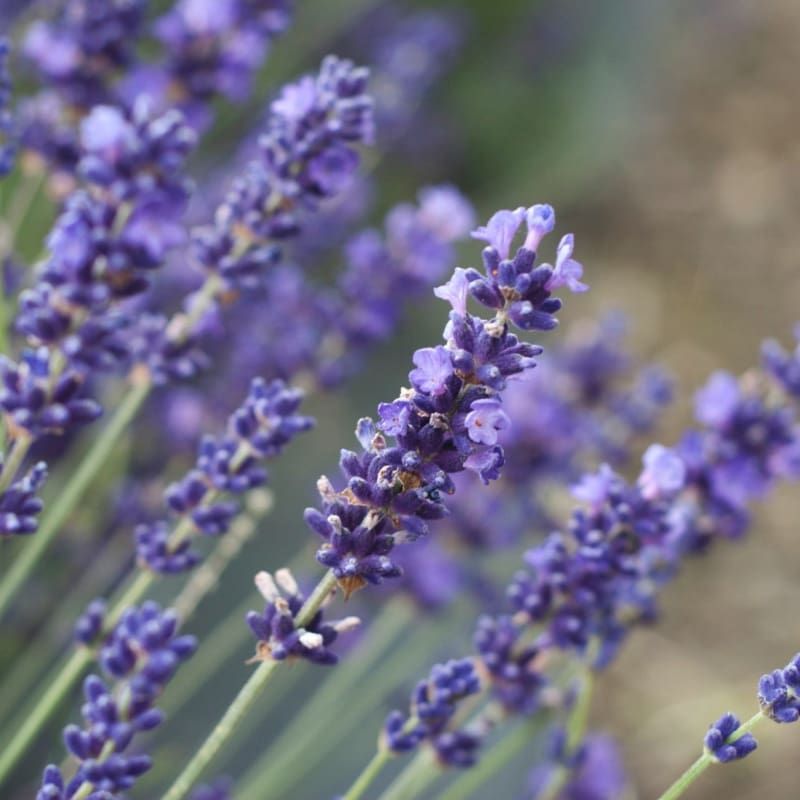
Few plants are as beloved by gardeners and as despised by critters as lavender. With its rich, sweet, and unmistakably floral fragrance, lavender has been used for centuries in perfumes, sachets, and gardens all over the world.
But while humans find the scent relaxing, deer and rabbits tend to steer clear of it. Lavender grows really well in Pennsylvania’s climate, especially in well-drained soil with plenty of sunlight.
Once established, it is a tough and low-maintenance plant that comes back year after year. You can plant it along garden borders or near vegetable beds to create a natural scented barrier that browsing animals tend to avoid.
The strong oils in lavender’s flowers and leaves are what make the scent so powerful. Animals with sensitive noses, like deer and rabbits, find it overwhelming.
Planting lavender near roses, lettuce, or other plants that critters love can help give those plants a little extra protection.
Beyond pest control, lavender also attracts bees and butterflies, which are great for your garden’s health. It blooms in beautiful shades of purple and adds real visual charm to any yard.
It is a win-win situation. You get a gorgeous, fragrant plant, and your garden gets a natural shield that keeps unwanted visitors away without any extra effort on your part.
2. Mint
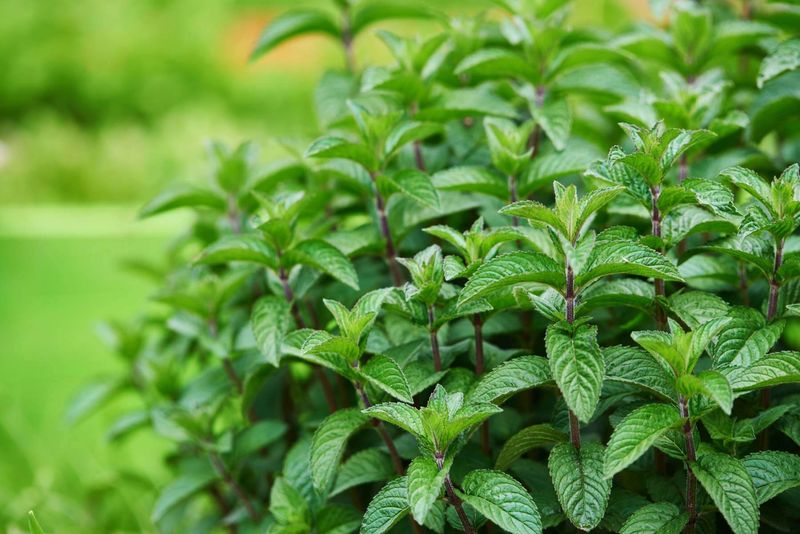
Walk through a patch of mint and you will instantly understand why so many small pests want nothing to do with it. The smell hits you right away, sharp, cool, and incredibly intense.
That same intensity is exactly what makes mint such a useful plant for keeping critters out of your garden.
Mint contains natural compounds like menthol that are overwhelming to insects and small animals. Aphids, ants, flea beetles, and even some rodents tend to avoid areas where mint is growing.
For Pennsylvania gardeners dealing with pest pressure on vegetable beds, planting mint nearby can make a real difference.
One thing to keep in mind is that mint spreads fast. It can take over a garden bed if you are not careful.
A smart approach is to grow mint in containers and place those containers near the plants you want to protect. That way you get all the benefits without the plant running wild through your yard.
Your Pennsylvania Garden Changes Every Week. Your Plan Should Too.
Gardening in Pennsylvania changes quickly throughout the season. Every Friday you’ll receive a simple weekly plan showing exactly what to plant, prune, fertilize, harvest, and protect so you never miss the right timing.
Spearmint, peppermint, and chocolate mint are all great options that grow well in Pennsylvania. They prefer moist soil and partial shade, though they can handle full sun too.
As a bonus, you can harvest the leaves all season long for use in teas, cooking, and homemade pest sprays. Fresh mint is genuinely one of the most useful plants a Pennsylvania gardener can grow.
3. Rosemary
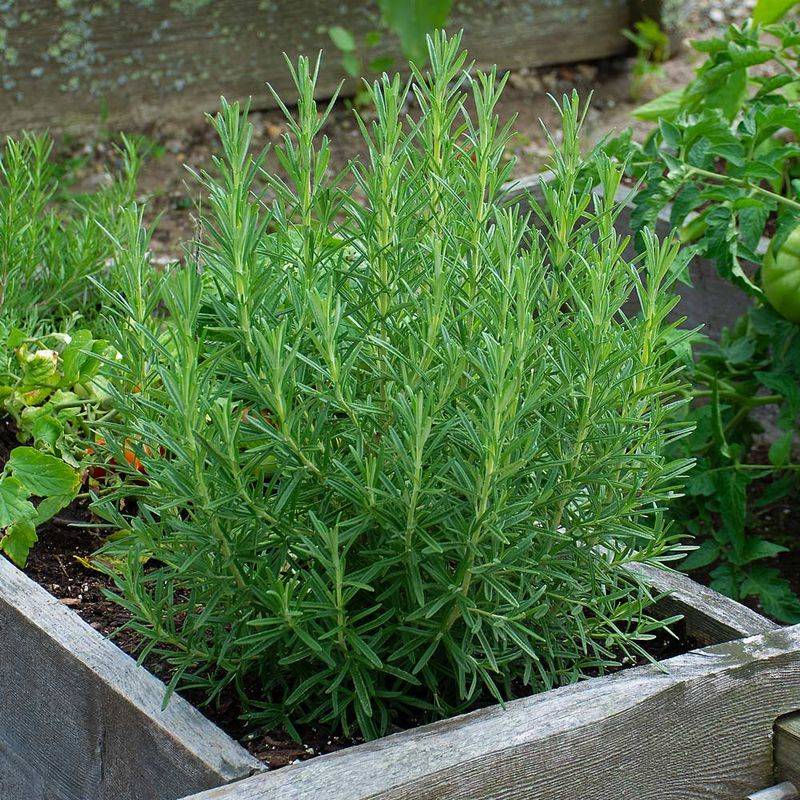
Rosemary has a sharp, piney, and distinctly herbal scent that most people associate with roasted chicken and holiday cooking.
But out in the garden, that same bold fragrance does a fantastic job of making browsing animals think twice before getting too close. Deer especially seem to dislike the strong aroma that rosemary releases.
In Pennsylvania, rosemary grows best in a sunny spot with well-drained soil. It is a Mediterranean herb, so it loves heat and does not like sitting in wet ground.
During harsh winters, you may need to bring potted rosemary indoors or give it some extra protection, but it is well worth the effort for the pest-deterring benefits it provides all season long.
Placing rosemary around the edges of your vegetable garden or near flower beds can help create a scented boundary that deer and rabbits prefer to avoid.
The plant is also useful for repelling certain insects, including cabbage moths and carrot flies, which makes it a great companion plant for vegetables like carrots and cabbage.
Did you know that rosemary has been used as a natural insect repellent for thousands of years? Ancient cultures burned it to keep bugs away during outdoor gatherings.
Today, you can crush a few fresh rosemary sprigs and rub them on your skin for a natural bug deterrent. Growing it in your Pennsylvania garden gives you pest protection and a ready supply of fresh herbs at the same time.
4. Garlic
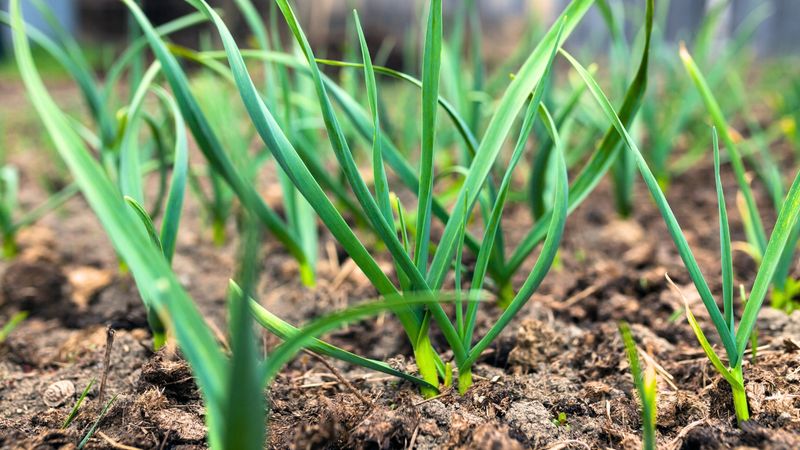
Garlic might be a kitchen superstar, but in the garden, it plays a completely different role. The pungent, sulfur-rich aroma that makes garlic so flavorful in food is absolutely unbearable to deer, rabbits, and many insects.
Their sensitive noses pick up on that sharp smell from a distance, and most of them want nothing to do with it.
Planting garlic throughout your Pennsylvania garden is one of the oldest natural pest control tricks in the book. You can tuck garlic cloves between rows of vegetables, around flower beds, or along the garden’s edge.
As the plants grow, they continuously release their strong scent into the surrounding air and soil, creating a natural barrier.
Garlic is also known to help discourage Japanese beetles, aphids, and spider mites, which are all common problems in Pennsylvania gardens during the summer months.
Some gardeners even make a simple garlic spray by blending garlic with water and a little dish soap, then applying it to plant leaves for extra protection.
Hardneck garlic varieties tend to do especially well in Pennsylvania’s climate because they handle cold winters better than softneck types. Plant cloves in the fall for a summer harvest, and enjoy double duty benefits all season long.
The plants take up very little space, so even a small garden can fit a few rows. Few smells work as hard as garlic does when it comes to keeping critters at bay.
5. Marigold
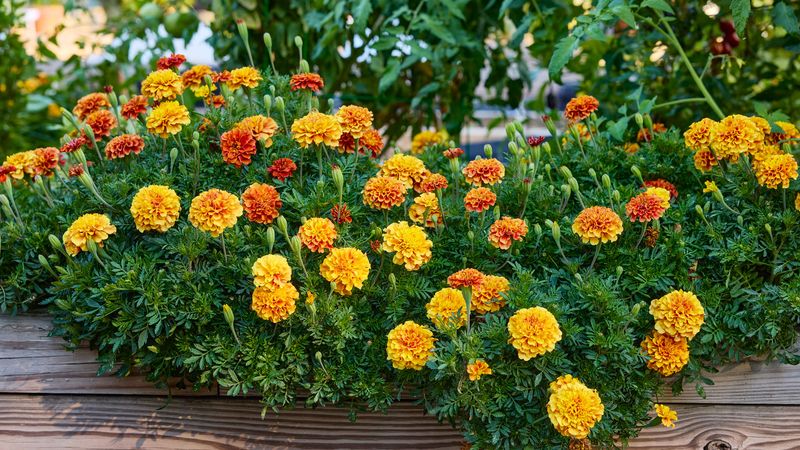
Marigolds are one of the most cheerful and hardworking plants you can add to a Pennsylvania garden. Their bold orange and yellow blooms bring a pop of color from summer all the way through fall.
But underneath that sunny appearance is a surprisingly powerful smell that many garden pests find deeply off-putting.
The scent comes from compounds in the marigold’s foliage and roots. It is a strong, slightly bitter, almost musky odor that deer, rabbits, and certain insects tend to avoid.
Many experienced gardeners plant marigolds around the perimeter of their vegetable gardens or right alongside tomatoes and peppers to help keep pests from moving in.
Marigolds are also famous for their effect on nematodes, which are tiny soil pests that can damage plant roots. French marigold varieties in particular release chemicals from their roots that help reduce nematode populations in the surrounding soil.
That makes them especially valuable when planted near root vegetables like carrots and potatoes.
Growing marigolds in Pennsylvania is easy. They prefer full sun and average soil, and they do not need much watering once established.
You can start them from seed indoors in early spring or buy transplants from a local nursery. Either way, they grow quickly and reward you with months of blooms.
Plus, pollinators like bees love them, so your whole garden benefits from having marigolds around.
6. Chives
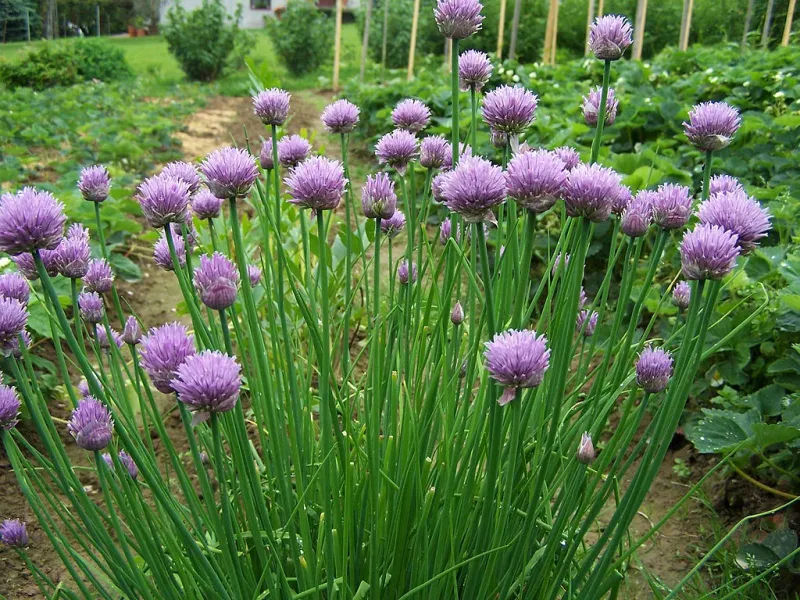
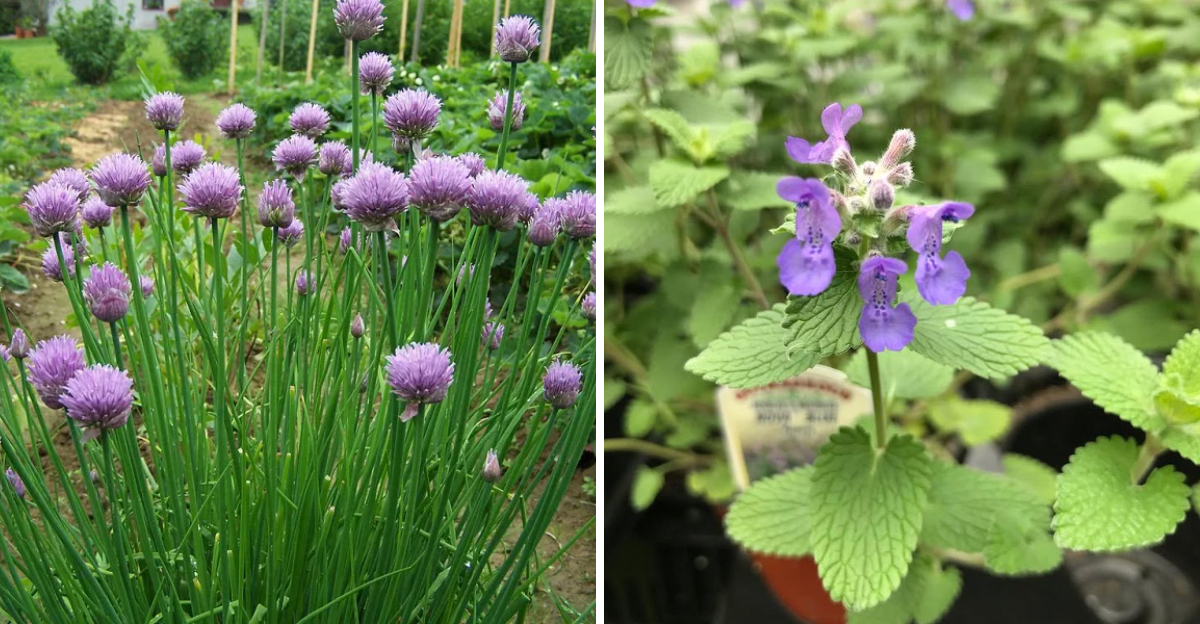
Chives are one of those quiet overachievers in the garden. They look delicate with their thin green stalks and pretty purple pom-pom flowers, but they pack a serious punch when it comes to smell.
The strong onion-like aroma that chives release is enough to make many critters rethink their dinner plans.
Deer and rabbits have extremely sensitive noses, and they rely on smell to figure out what is safe to eat. The sulfur compounds in chives give off an odor that is similar to garlic and onions, and browsing animals generally want to avoid that kind of scent.
Planting chives near lettuce, strawberries, or other plants that critters love can help make those beds less appealing.
Chives are also great at discouraging aphids and Japanese beetles, two pests that can cause real damage in Pennsylvania gardens during the warmer months.
Their scent seems to confuse and repel these insects before they even land on nearby plants. Some gardeners use chives as a border plant specifically for this reason.
One of the best things about chives is how easy they are to grow. They come back every year, tolerate a wide range of soil types, and need very little attention once they get going.
You can harvest the leaves regularly for use in cooking, and the flowers are edible too. Chives are genuinely one of the most practical and pest-resistant herbs you can grow in a Pennsylvania garden.
7. Catmint
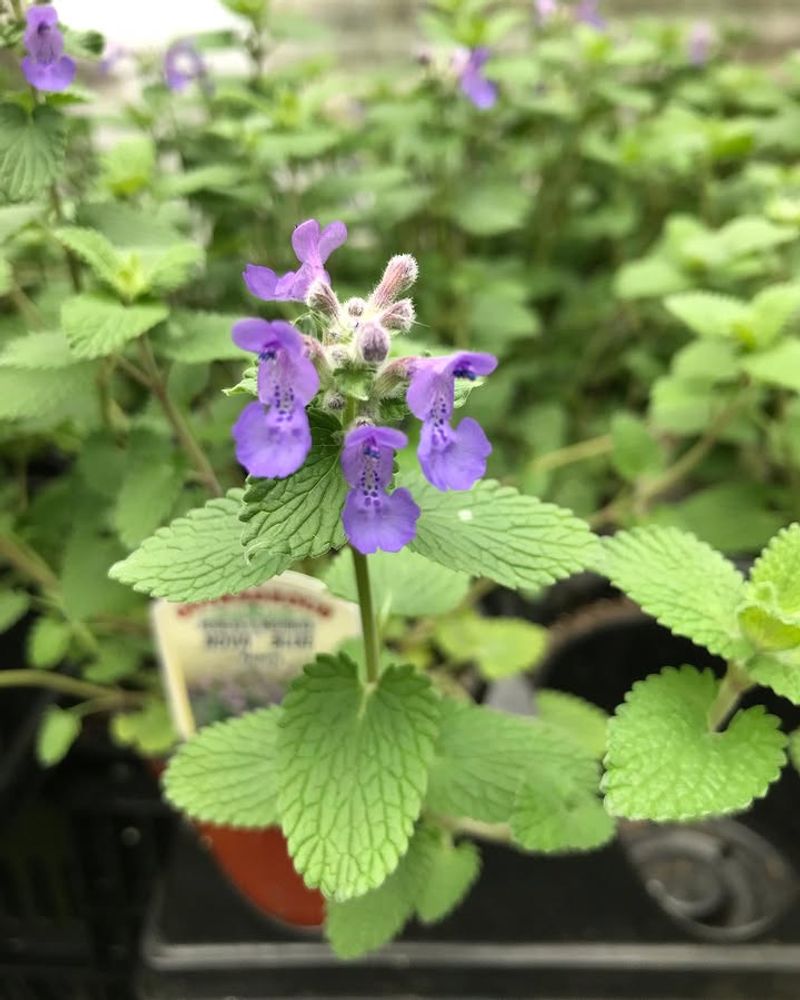
Catmint might have a name that sounds like something cats would love, and while felines do enjoy rolling in it, the story is very different for deer and rabbits.
These common Pennsylvania garden pests tend to avoid catmint entirely, thanks to its strong and distinctly aromatic foliage. It is one of those plants that quietly does its job without asking for much in return.
The leaves and stems of catmint contain nepetalactone, the same compound found in catnip. This chemical produces a sharp, herbal, almost medicinal smell that is simply unappealing to most browsing animals.
Deer especially seem to give catmint a wide berth, which makes it a smart choice for planting alongside more vulnerable garden plants.
Catmint is a beautiful plant too. It produces soft clouds of lavender-blue flowers from late spring through summer, and if you cut it back after the first bloom, it will often flower again.
It grows in neat, mounding clumps that work well as a border plant or a ground cover in sunny spots around your yard.
Pennsylvania gardeners will find catmint easy to grow and maintain. It tolerates drought, poor soil, and full sun without complaint.
Deer resistance and low maintenance make it a popular choice for Pennsylvania landscapes.
Plus, bees and butterflies absolutely love the flowers, so you are supporting local pollinators at the same time. Catmint earns its place in any garden looking for natural, scent-based protection.
8. Lemon Balm
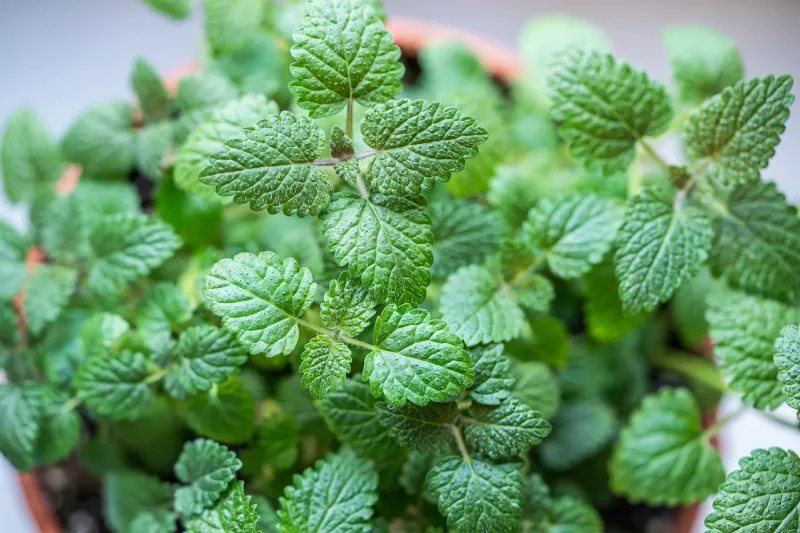
Lemon balm has a fresh, citrusy smell that most people find absolutely wonderful. It is often used in teas, desserts, and homemade remedies.
But despite how pleasant it smells to humans, many insects and browsing animals find the sharp lemon fragrance overwhelming and tend to avoid plants that are growing near it.
The strong scent comes from compounds like citronellal and linalool, which are naturally present in lemon balm’s leaves. These same compounds are used in many commercial insect repellents.
Mosquitoes, gnats, and certain flying insects seem especially sensitive to the scent and tend to stay away from areas where lemon balm is thriving. That makes it a great plant to grow near a patio or outdoor seating area.
For Pennsylvania gardeners dealing with deer or rabbits, lemon balm can serve as a helpful deterrent when planted around more vulnerable plants.
While no plant is completely critter-proof, the strong citrus aroma does seem to make nearby plants less attractive to browsing animals that rely heavily on scent to find food.
Lemon balm grows vigorously and can spread quickly, similar to mint. Keeping it in containers is a good way to manage its growth while still getting all the benefits.
It prefers partial shade and moist soil, which is easy to find in many Pennsylvania gardens. Harvest the leaves regularly to keep the plant tidy and to release even more of that powerful lemon fragrance into your garden space.