North Carolina Gardeners Should Do These 7 Things The Moment Their Tomatoes Start Flowering
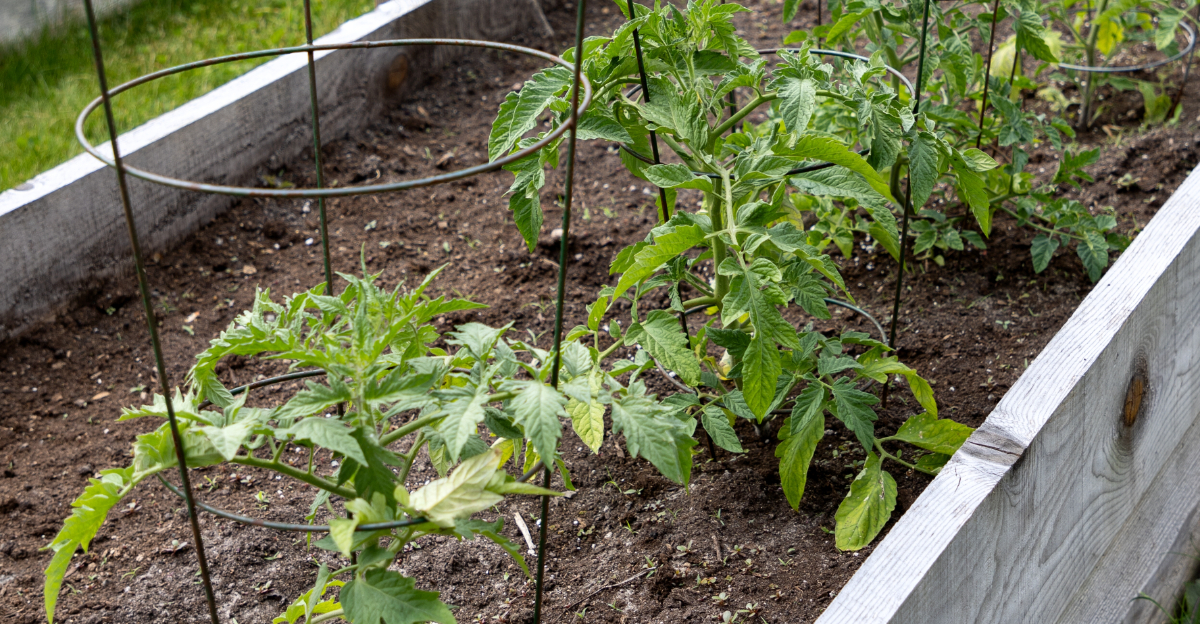
Tomato flowers are easy to overlook. They’re small, quiet, and the plant produces them without any help from you.
But the moment those first yellow blooms appear, something important has shifted. The plant is no longer focused on growing.
It’s focused on producing, and what you do in the weeks that follow has more influence on your harvest than almost anything you did before. North Carolina summers move fast and hit hard.
Heat, humidity, and unpredictable rain can all interfere with fruit set in ways that catch gardeners off guard. A few simple steps taken early make the difference between a plant loaded with tomatoes and one that flowers beautifully but never quite delivers.
None of these steps are complicated. Most take only a few minutes. But timing matters, and right now, when the first flowers are just opening, is exactly when they need to happen.
1. Start Consistent Deep Watering
Watering tomatoes feels simple until flowering begins, and suddenly the stakes get a whole lot higher. Once those yellow blooms appear on your plants, water demand jumps significantly.
Your tomato plant is now working hard to set fruit, and every drop of water you give it matters more than it did before.
North Carolina summers heat up fast, and inconsistent watering during the flowering stage is one of the top reasons gardeners end up with blossom end rot.
That dark, sunken patch on the bottom of a tomato is not a disease, it is actually a calcium uptake problem caused by uneven soil moisture.
Even if your soil has plenty of calcium, dry spells followed by heavy watering prevent the plant from absorbing it properly.
Deep watering is the key. Instead of a light sprinkle every day, aim to water deeply two to three times per week, soaking the soil to at least six inches down.
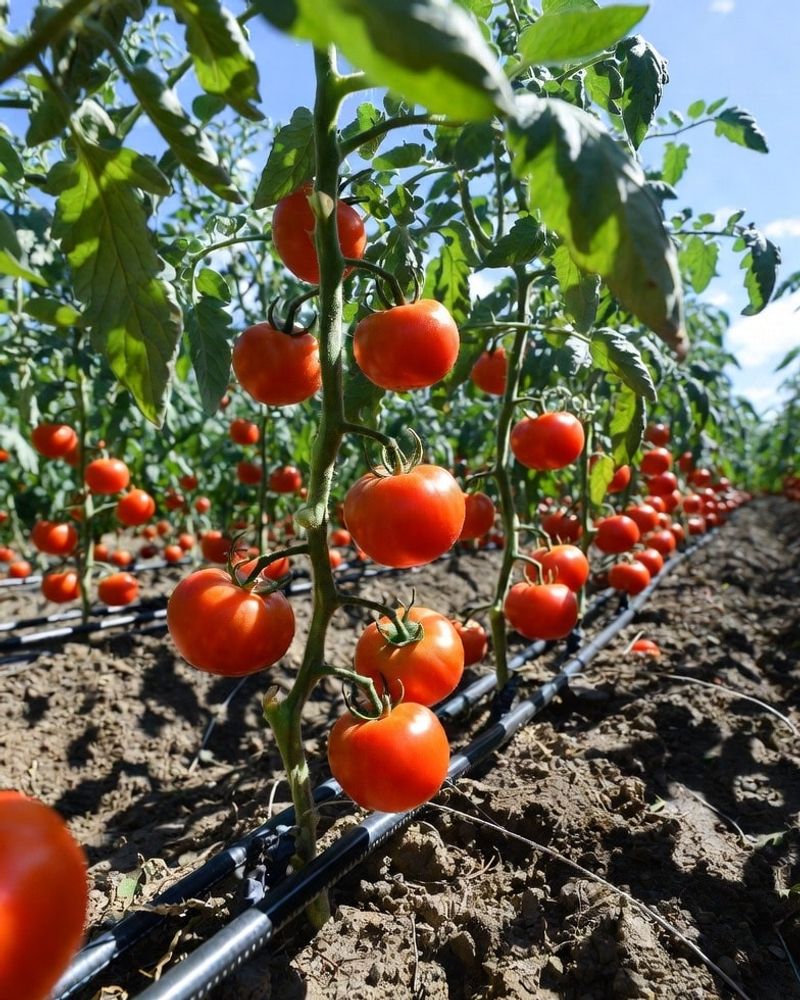
This encourages roots to grow deeper, making plants more resilient during dry spells. Soaker hoses and drip irrigation are excellent tools for this, keeping moisture right at the root zone without wasting water on leaves or walkways.
Morning is the best time to water. You give the soil time to absorb moisture before the afternoon heat kicks in, and the plant stays hydrated through the hottest part of the day.
Stick to a schedule and your North Carolina tomatoes will reward you with strong, healthy fruit set from the very first flower.
2. Mulch Around Your Plants Right Away
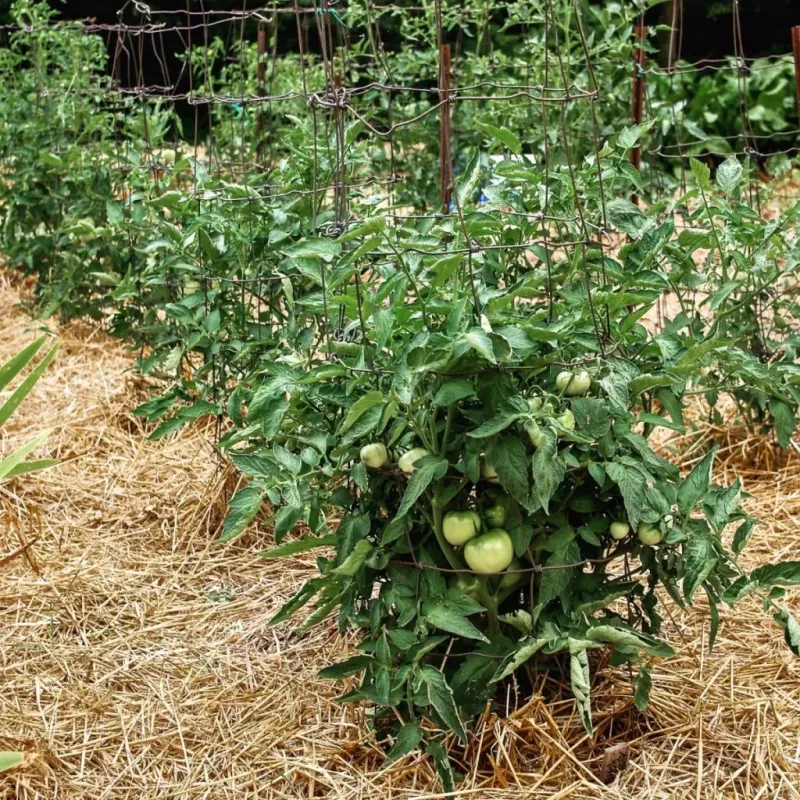
Mulch might look like a simple finishing touch, but for North Carolina tomato growers, it is one of the most powerful tools you have once flowering begins.
The summer heat here can turn garden soil into something closer to dry dust, and mulch acts like a protective blanket that holds moisture in and keeps soil temperatures stable.
When soil moisture stays consistent, your tomato plants can focus all their energy on setting and developing fruit.
Without mulch, the soil surface dries out quickly between waterings, which stresses the plant and can lead to cracking, uneven ripening, and poor fruit quality.
Your North Carolina Garden Changes Every Week. Your Plan Should Too.
Gardening in North Carolina changes quickly throughout the season. Every Friday you’ll receive a simple weekly plan showing exactly what to plant, prune, fertilize, harvest, and protect so you never miss the right timing.
A thick layer of mulch, about three to four inches deep, makes a noticeable difference almost immediately.
Straw, shredded leaves, and wood chips all work well for tomatoes. Each option breaks down over time and adds organic matter back into the soil, which is a bonus for next season too.
Just make sure to keep the mulch a couple of inches away from the main stem of each plant. Mulch pressed directly against the stem can trap moisture and encourage rot right at the base, which is the last thing you want during your most critical growing window.
North Carolina gardeners dealing with clay-heavy soil will especially notice the benefits of mulching, since clay tends to crack and harden when it dries out.
Mulch smooths out those moisture swings and gives your tomatoes a steadier, more supportive environment to thrive through the long summer ahead.
3. Stop Feeding Heavy Nitrogen Fertilizer

Nitrogen is fantastic for getting tomato plants big and green early in the season, but once those flowers appear, too much of it becomes a real problem.
High nitrogen levels after flowering push the plant to keep producing lush, leafy growth instead of putting energy into fruit.
You end up with a gorgeous, bushy plant that delivers very little on your dinner plate.
Think of it this way: the plant has been in growth mode, and now it needs to shift into production mode. Feeding it heavy doses of nitrogen at this stage is like telling a sprinter to keep warming up after the race has already started.
It sends the wrong signal at exactly the wrong time. Once flowering begins, switch to a fertilizer with a lower nitrogen number and higher phosphorus and potassium levels.
Look for products labeled specifically for tomatoes or fruiting vegetables, since these are formulated to support flower development and fruit set rather than leafy growth.
Something with a ratio like 5-10-10 or similar works well during this stage.
North Carolina gardeners who have been using heavy vegetable fertilizers through spring should ease off around the time the first blooms open. You do not need to stop fertilizing entirely, just shift to something more balanced.
Foliar sprays with calcium and magnesium can also be helpful during this window, since those nutrients play a direct role in strong fruit development.
Making this simple switch at the right moment often results in noticeably heavier, better-shaped tomatoes by midsummer.
4. Get Your Plant Supports In Place Now
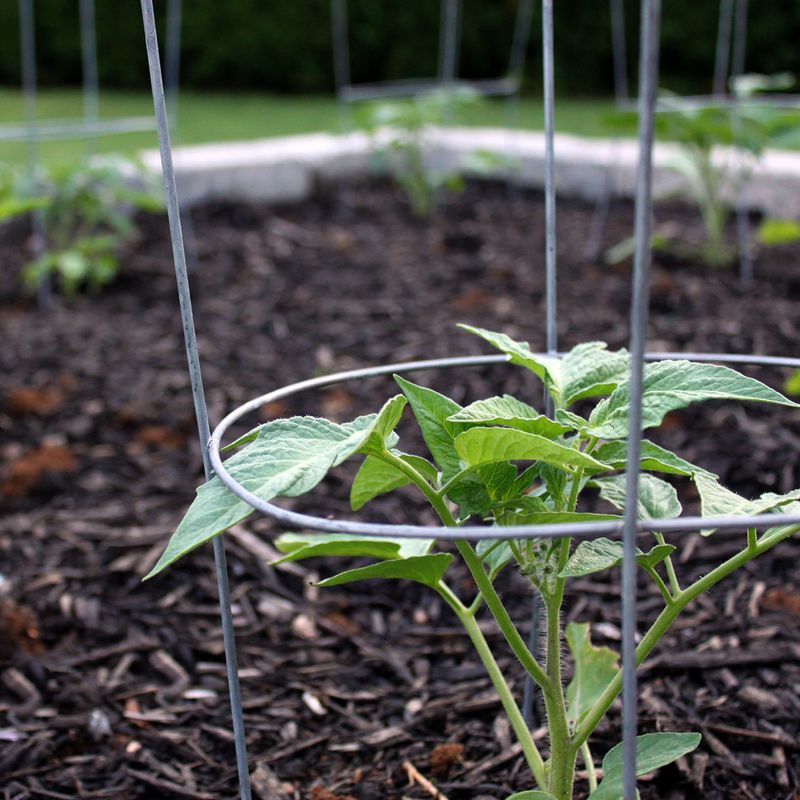
There is a window right after flowering begins when tomato plants still feel manageable, light, and easy to handle. That window closes faster than most gardeners expect.
Once fruit starts to set and swell, the weight on each branch increases quickly, and trying to install supports at that point risks snapping stems and losing fruit you have been carefully growing for weeks.
North Carolina summers bring strong afternoon thunderstorms that can roll in with little warning. A plant that is not properly supported going into storm season is vulnerable to branch breakage and root disturbance from heavy rain and wind.
Getting cages, stakes, or trellises in place right now means your plants are ready before conditions get rough.
Tomato cages work well for determinate varieties that stay compact, but indeterminate types, which keep growing all season, often need taller stakes or a trellis system to handle their full height and fruit load.
Wooden stakes driven at least twelve inches into the ground offer solid support, and you can tie stems loosely with soft garden twine as the plant grows upward.
When tying stems to stakes, make sure the ties are snug enough to support but loose enough not to cut into the plant. A figure-eight loop between the stake and the stem works perfectly and gives the plant a little room to move without rubbing.
Setting up your supports right after flowering begins is one of those small steps that pays off in a big way when harvest season arrives in your North Carolina garden.
5. Improve Airflow By Pruning Lower Leaves
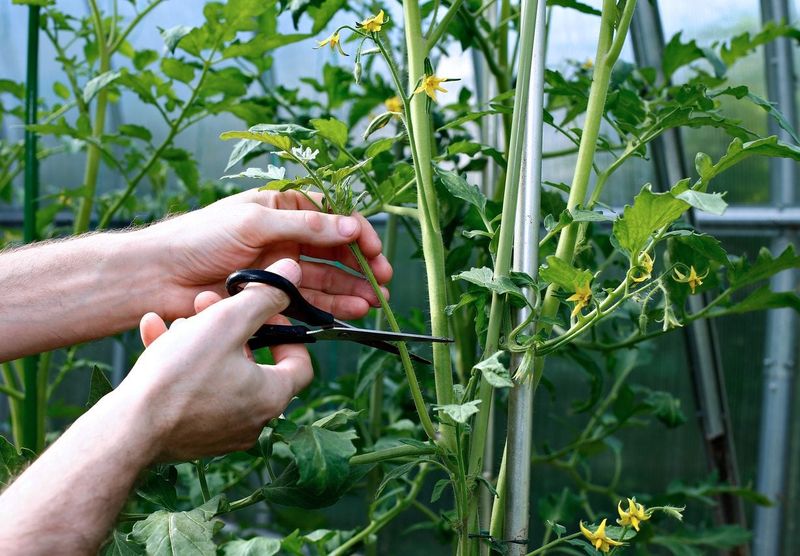
Humidity is part of life for North Carolina gardeners, and while it keeps your skin happy, it creates a perfect environment for fungal diseases to spread on tomato plants.
Improving airflow around your plants right when they start to flower is one of the most effective ways to stay ahead of problems like early blight, Septoria leaf spot, and other fungal issues that love warm, moist conditions.
Start by removing any leaves that are touching or close to the soil surface. Soil splashes up during watering and rain, and those splashes carry fungal spores directly onto lower leaves.
Once those leaves get infected, the problem moves upward through the plant quickly. Removing the bottom six to twelve inches of foliage creates a clean buffer zone between the soil and your plant.
Beyond the lower leaves, look at how crowded your plants are overall. If branches are crossing and tangling together, air cannot move freely through the canopy, and moisture stays trapped after rain or morning dew.
Thinning out some of that growth opens up the plant and lets sunshine reach more of the interior, which helps leaves dry out faster after wet weather.
North Carolina summers are long and humid, so giving your tomatoes breathing room is not optional, it is essential. You do not need to go overboard with pruning, just focus on leaves that are low, damaged, or packed tightly together.
A little careful pruning right at the start of flowering sets your plants up for a healthier, more productive season from top to bottom.
6. Watch Closely For Hornworms And Early Disease
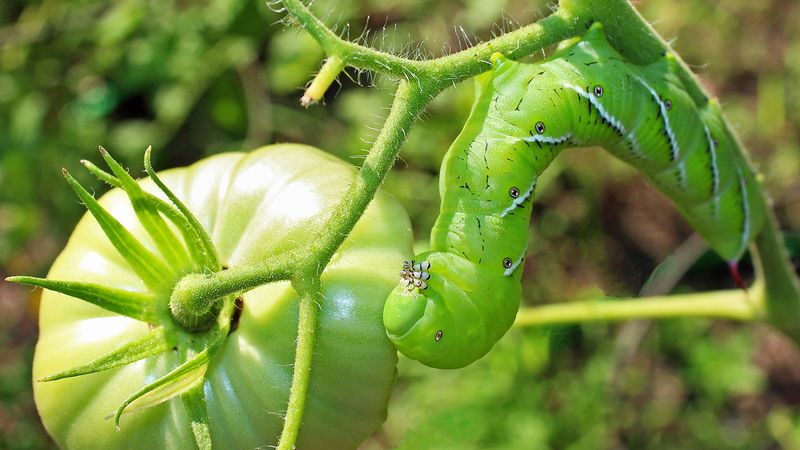
Tomato hornworms have a talent for blending in that borders on impressive.
These large, bright green caterpillars can strip a plant of its leaves almost overnight, and because they match the color of tomato foliage so closely, many gardeners do not notice them until the damage is already significant.
Flowering is exactly when these pests tend to become more active, so starting your inspections now puts you way ahead.
Walk through your North Carolina garden every two to three days and look carefully along stems and on the undersides of leaves. Hornworm droppings, which look like small dark pellets on leaves below, are often easier to spot than the caterpillars themselves.
Finding and removing them by hand early keeps populations from exploding later in the season.
Pest pressure is not the only thing to watch for at this stage. Early blight and Septoria leaf spot both tend to appear around the same time flowering begins, especially in the humid conditions that are common across North Carolina.
Look for yellowing leaves with brown spots or dark rings, and remove affected foliage right away before spores spread to healthy growth.
Keeping a close eye on your plants during this window is genuinely one of the most valuable habits a tomato grower can build. Problems caught early are almost always easier and cheaper to address than ones that have had weeks to spread.
A few minutes of careful observation every couple of days during flowering can protect months of hard work and keep your harvest on track all the way through summer.
7. Water The Soil, Not The Leaves, In The Evening
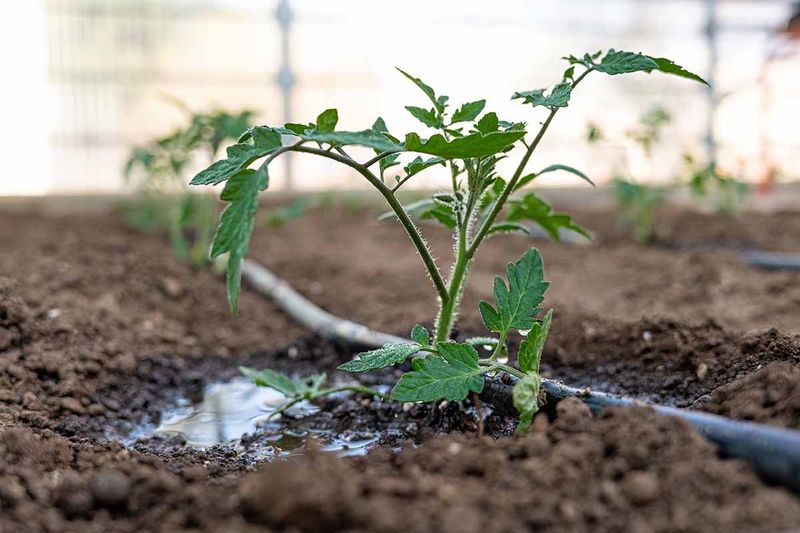
Evening is a beautiful time in a North Carolina garden, with temperatures dropping and the air smelling like warm soil and green plants. It is also the time when fungal diseases find the perfect conditions to spread, especially when tomato leaves stay wet overnight.
Changing how and where you water as soon as flowering begins can protect your plants from some of the most common and frustrating problems of the season.
The rule is straightforward: water the soil, not the plant. When water splashes onto leaves and sits there through the night, it creates ideal conditions for fungal spores to germinate and spread.
Diseases like early blight, gray mold, and powdery mildew all love that combination of warmth and moisture that North Carolina evenings provide from late spring through summer.
If you need to water in the evening, use a soaker hose or drip line that delivers water directly to the root zone. These systems keep moisture exactly where the plant needs it while leaving the foliage completely dry.
If you use an overhead sprinkler or hand watering, try to shift your schedule to early morning instead, giving leaves all day to dry before nightfall.
This one habit change makes a surprising difference over the course of a season. Plants that stay dry on their leaves through humid overnight hours show far less fungal damage than those that get wet regularly in the evening.
For North Carolina gardeners dealing with the region’s naturally high summer humidity, protecting leaves from extra moisture is a smart, proactive step that supports a strong and healthy tomato harvest.