How Ohio Gardeners Fill Raised Beds Without Wasting Money On Bagged Soil
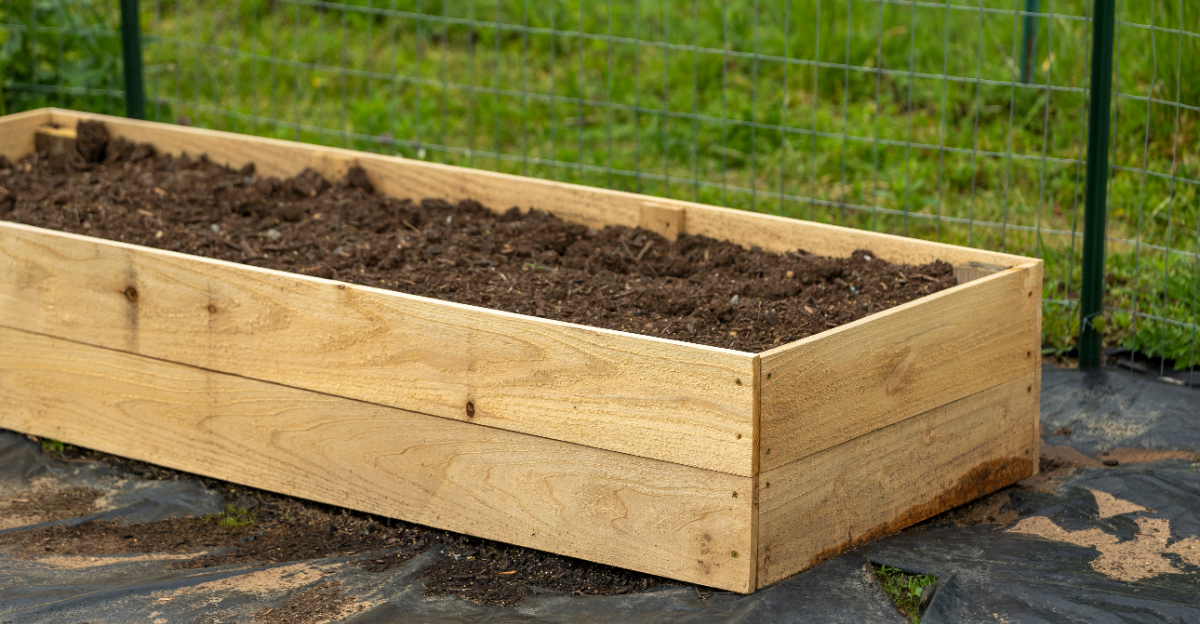
Raised beds have a way of humbling your wallet fast. You build the frame, feel good about it, and then stand in the garden center doing the math on how many bags of soil it takes to fill the thing.
The numbers add up quick, and if you have more than one bed, you are suddenly looking at a bill that makes the whole project feel a lot less satisfying. Most of that bagged soil is also not as impressive as the price tag suggests.
A lot of it is heavy on filler, light on actual nutrition, and breaks down faster than you expect. By the second season, your beds have sunk and you are buying more bags to top them off.
Ohio gardeners have figured out smarter ways to fill raised beds without starting from scratch at the garden center every spring. It takes a bit more planning upfront, but the approach pays for itself quickly and builds better soil over time.
1. Start With A Soil Test Before Buying Anything
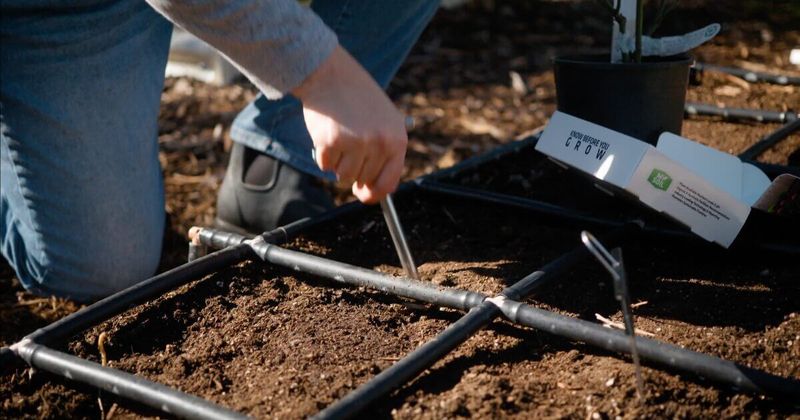
Before spending a single dollar on soil amendments or bulk topsoil, consider what you already know about your ground.
A soil test takes the guesswork out of the equation and can save gardeners real money by showing exactly what the soil needs rather than encouraging random purchases of products that may not help.
University Extension and local county Extension offices are trusted resources for soil testing guidance.
OSU Extension and local county Extension offices can help gardeners find reputable soil-testing labs and interpret results for pH, nutrient levels, organic matter, and lime recommendations.
If you plan to mix native soil into your raised bed or use it as part of the base, knowing its current condition is genuinely useful before you start hauling materials around.
Heavy clay soils common in central and western regions often have decent nutrient levels but poor structure and drainage. A test result might show you need more organic matter rather than fertilizer, which changes your buying decisions completely.
Urban gardeners should pay extra attention to lead and heavy metal screening, since contaminated soil near older homes or roads is a real concern in Ohio cities. Testing first means building smarter, not just spending more.
2. Use Local Topsoil As The Main Base
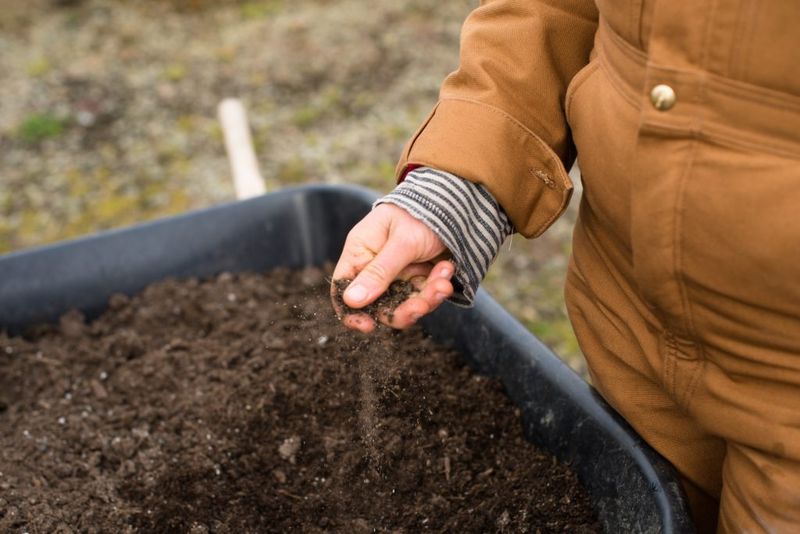
Screened, quality topsoil from a reputable local supplier is one of the most cost-effective ways to fill the bulk of a raised bed without relying entirely on bagged products.
Buying in bulk almost always costs less per cubic yard than stacking bag after bag from a hardware store, and a single delivery can fill multiple beds at once.
The word reputable matters here. Not all topsoil sold in the state is the same.
Ask suppliers whether the soil is screened, where it comes from, and whether it contains weed seeds or debris.
Mystery fill dirt from construction sites, roadside piles, or unknown sources can bring in weed seeds, rocks, compaction problems, and sometimes contamination that is hard to undo once it is inside your bed.
Your Ohio Garden Changes Every Week. Your Plan Should Too.
Gardening in Ohio changes quickly throughout the season. Every Friday you’ll receive a simple weekly plan showing exactly what to plant, prune, fertilize, harvest, and protect so you never miss the right timing.
Dense clay alone is not a great choice for a raised bed because it compacts easily and drains poorly, which can stress vegetable roots. However, a well-screened mineral soil blended with compost can work very well.
Aim for a loamy texture that holds moisture without becoming waterlogged after heavy spring rains. Good topsoil gives your bed a stable mineral foundation that compost and amendments can improve over time.
3. Mix In Compost To Improve Ohio Clay
Finished compost is one of the most reliable soil improvers available to vegetable gardeners.
When blended with mineral soil, compost loosens heavy clay particles, improves water movement, feeds soil biology, and makes beds easier to work with a trowel after a wet spring week.
That combination of benefits is hard to beat for the price.
The word finished is doing a lot of work in that sentence. Compost should be fully broken down, dark, crumbly, and earthy-smelling before it goes into a planting bed.
Fresh or partially finished compost can contain heat-generating microbial activity, recognizable food scraps, or high nitrogen levels that may stress plant roots. If it smells strong or you can still identify what went into it, give it more time in the pile.
A practical blended raised bed mix often uses compost as one ingredient alongside mineral soil or a soilless growing mix, rather than filling the bed with compost alone.
Compost alone tends to shrink significantly as it continues to break down, and a bed filled entirely with compost may hold too much moisture in rainy spring season.
Treat compost as an essential ingredient in a recipe, not the whole dish, and your vegetable plants will respond well.
4. Skip Cheap Fill That Can Bring Weeds And Trouble
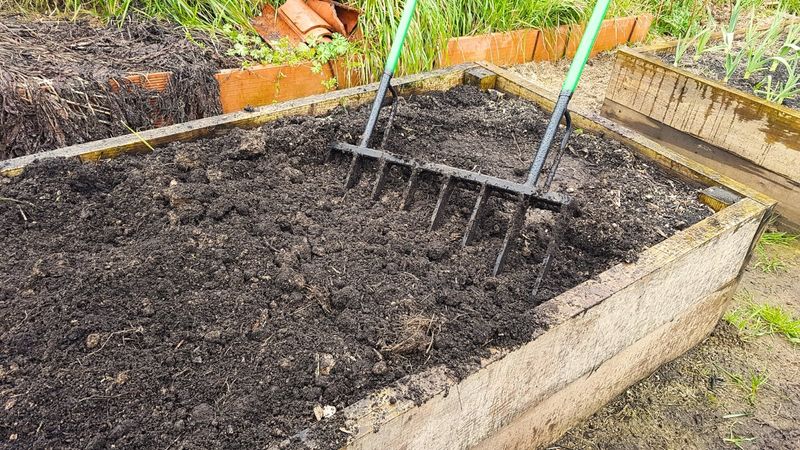
Bargain fill dirt sounds like a smart shortcut right up until the moment your raised bed sprouts more weeds than vegetables.
Low-cost or free fill from unknown sources is one of the most common and costly mistakes gardeners make when building their first raised bed, and the problems it creates can last for several growing seasons.
Construction debris, broken concrete chunks, and rocky subsoil can create drainage problems and compaction zones that roots cannot penetrate. Treated or painted wood scraps used as filler can leach chemicals into the soil near edible plants.
Pet waste introduces pathogens that have no place near food crops. Fresh manure, while eventually useful when properly composted, can burn plant roots and introduce harmful bacteria if applied directly to a vegetable bed.
Herbicide-contaminated compost or grass clippings from lawns treated with persistent broadleaf herbicides is another real concern in neighborhoods.
Some herbicide residues can remain active in plant material even after composting and can stunt or distort vegetable seedlings.
When in doubt about a material’s origin or history, leave it out of the bed entirely.
Protecting your planting space from contamination upfront is far less frustrating than troubleshooting crop failures all summer.
5. Fill Deep Beds In Layers With Clean Bulky Materials
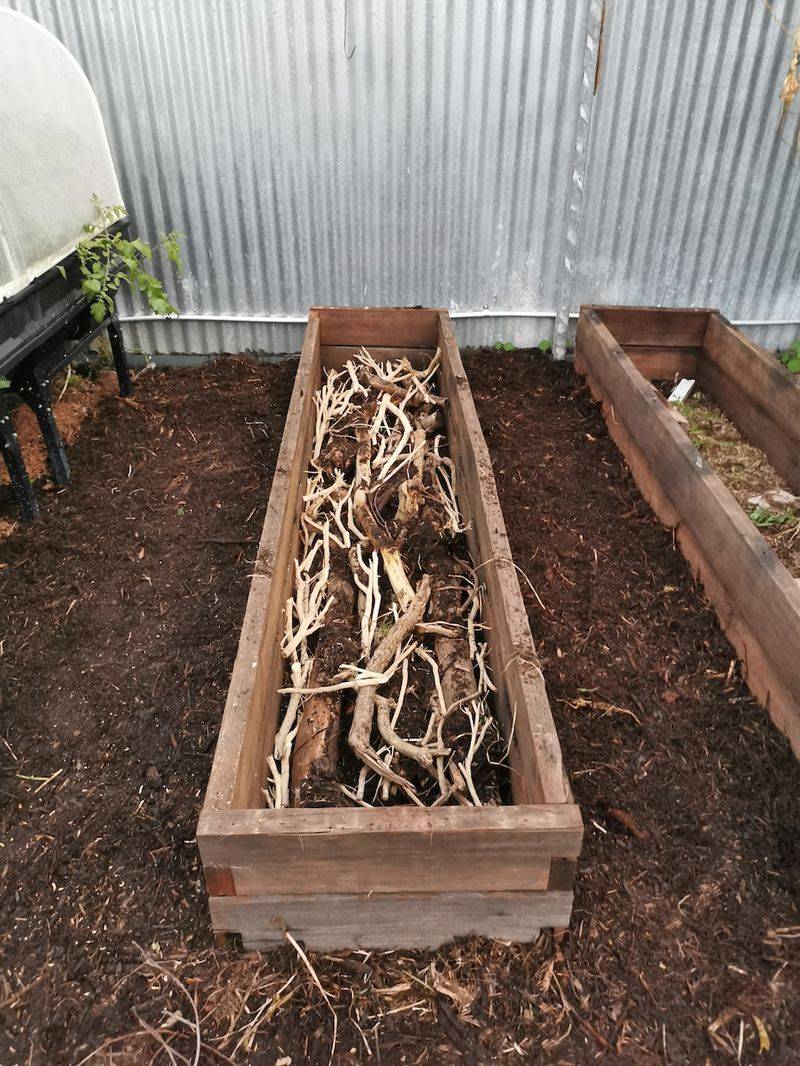
A raised bed that stands 18 inches or taller can require a surprising amount of material to fill completely, and purchasing premium soil mix all the way to the bottom is rarely necessary or economical.
Using clean, bulky organic material in the lower portion of a deep bed is a practical way to reduce costs without sacrificing the growing zone where roots actually spend most of their time.
Untreated logs, branches, straw, dry leaves, and woody plant debris can be layered into the bottom third of a deep bed. Just top them with a generous layer of quality soil and compost blend for the actual root zone.
The organic material breaks down slowly over time, eventually adding nutrients and structure to the bed. However, gardeners should expect settling as decomposition occurs.
A bed that looks full in May may sit noticeably lower by August, and that is normal.
The materials used in the lower layers must be clean and free of disease, pesticide residue, or treated wood. Diseased plant material from previous seasons should never go into a bed.
Sticks and logs from unknown sources or recently cut ornamental trees that may have been treated should be avoided. Northern gardeners with cooler, wetter springs may find decomposition in lower layers is slower than expected in the first season.
6. Save Bagged Soil For The Top Planting Layer
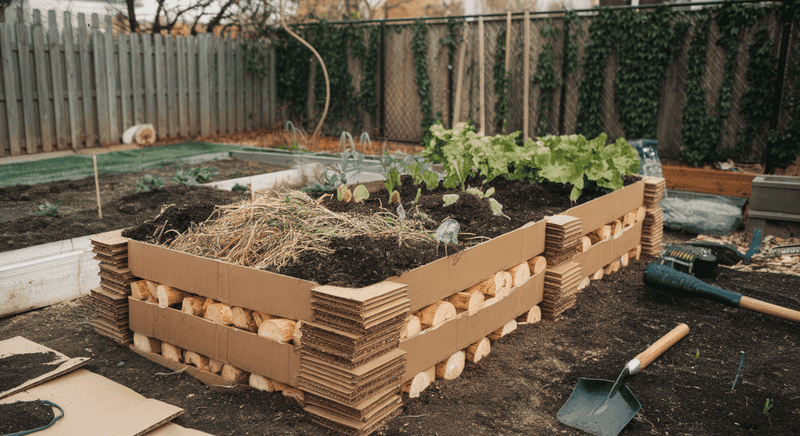
Bagged raised bed mix and quality potting products have a real place in the raised bed toolkit, but that place is not necessarily the entire bed from bottom to top.
Using bagged products strategically in the upper growing zone of a deep raised bed gives vegetable roots a consistent, well-drained, nutrient-rich start without requiring you to buy enough bags to fill the entire bed.
Most vegetable roots concentrate in the upper portion of the soil profile. Tomatoes, peppers, lettuce, and most common garden crops do the majority of their feeding and anchoring in the top foot of growing medium.
A quality planting layer in that zone, built with screened compost, good texture, and appropriate nutrients, matters far more than what sits at the very bottom of a deep bed.
Bagged potting mix alone may not be the best choice for large outdoor raised beds without blending. Many potting mixes are very lightweight and may dry out quickly in sunny locations or on paved surfaces.
Blending bagged mix with screened topsoil or finished compost often produces a better result than using any single product by itself. Small beds or container-style raised planters are situations where bagged products make the most practical sense on their own.
7. Buy Compost And Soil In Bulk When It Makes Sense
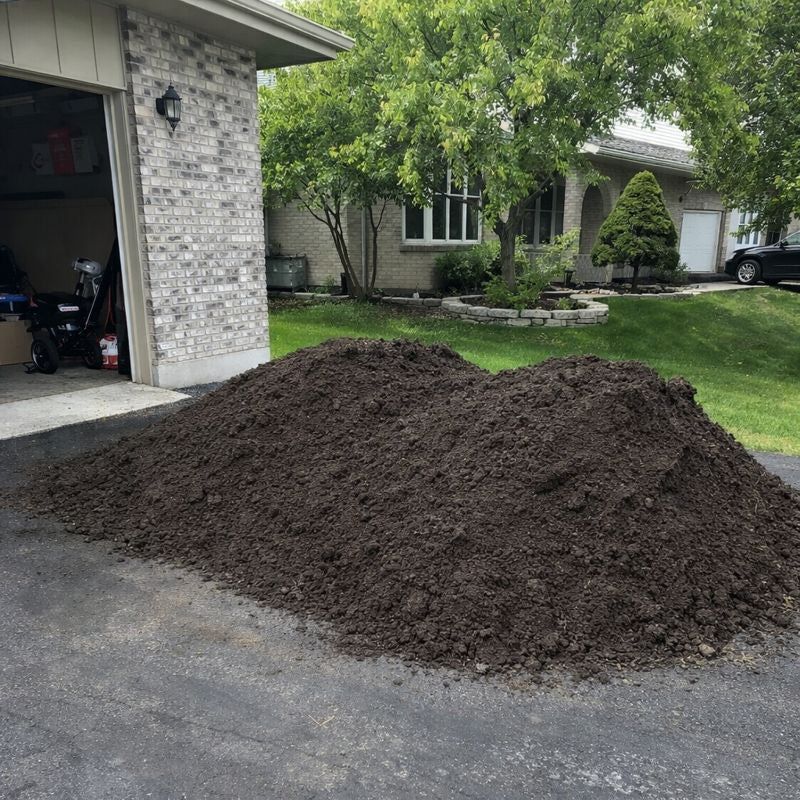
Buying soil and compost by the cubic yard rather than by the bag can cut costs significantly when you are filling multiple raised beds.
A single cubic yard of bulk compost covers roughly 27 square feet at a depth of one foot, and the price per unit of material is almost always lower than the equivalent volume in bags once you factor in the packaging markup.
Quality varies widely among bulk suppliers, so asking the right questions before ordering matters. Good questions include: Is the compost fully finished and tested?
What was the original feedstock? Has it been screened?
Does the mix contain manure, and if so, what kind and how long was it composted?
Suppliers who cannot answer these questions clearly may not be offering a product you want near your vegetable garden.
Herbicide risk is worth asking about specifically. Some bulk compost products made from municipal yard waste or hay have been found to contain residues from persistent broadleaf herbicides, which can damage vegetable transplants.
Asking about herbicide history is reasonable and a responsible supplier should be able to address the concern.
For very small beds or single-bed projects, delivery fees may make bulk purchasing less economical, and bagged products may still be the practical choice for that situation.
8. Leave Room For Settling After Spring Rain
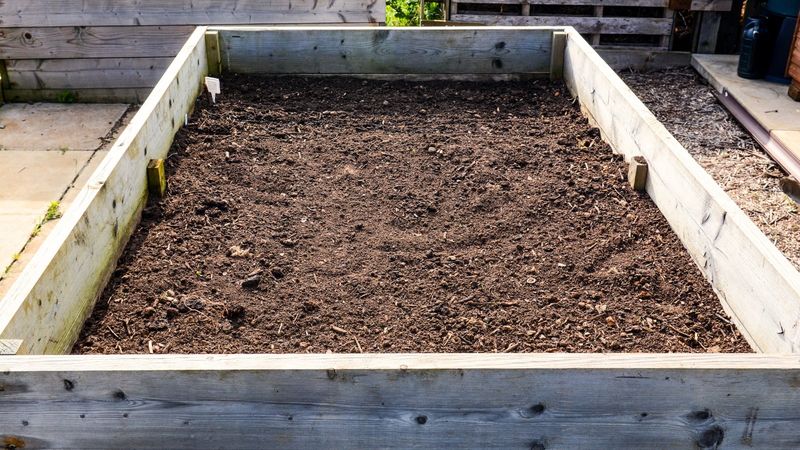
Fresh fill in a raised bed almost always settles more than expected, and spring rain tends to speed up that process considerably.
A bed that looks perfectly full in early April can drop two to four inches by mid-May after a few good rainstorms and a couple of watering sessions.
Planting into fluffy, unsettled fill before that happens can leave seedling roots hanging in air pockets as the soil shifts beneath them.
Filling the bed slightly higher than the frame edge, watering it thoroughly, and letting it rest for a week or two before transplanting gives the material time to compact naturally.
Topping off low spots with additional compost or soil mix before planting produces a more stable root environment from the start.
This small extra step is easy to skip in the excitement of early spring planting season, but it genuinely pays off.
Organic materials in the lower layers of deep beds will settle more dramatically over time as decomposition progresses. Expect to add a few inches of compost or quality soil mix to the top of the bed each spring as part of normal maintenance.
Raised beds in windy or very sunny locations, such as those on patios or driveways, may also dry and shrink faster than beds placed in sheltered areas with natural ground contact.
9. Refresh Beds Each Season Instead Of Refilling From Scratch
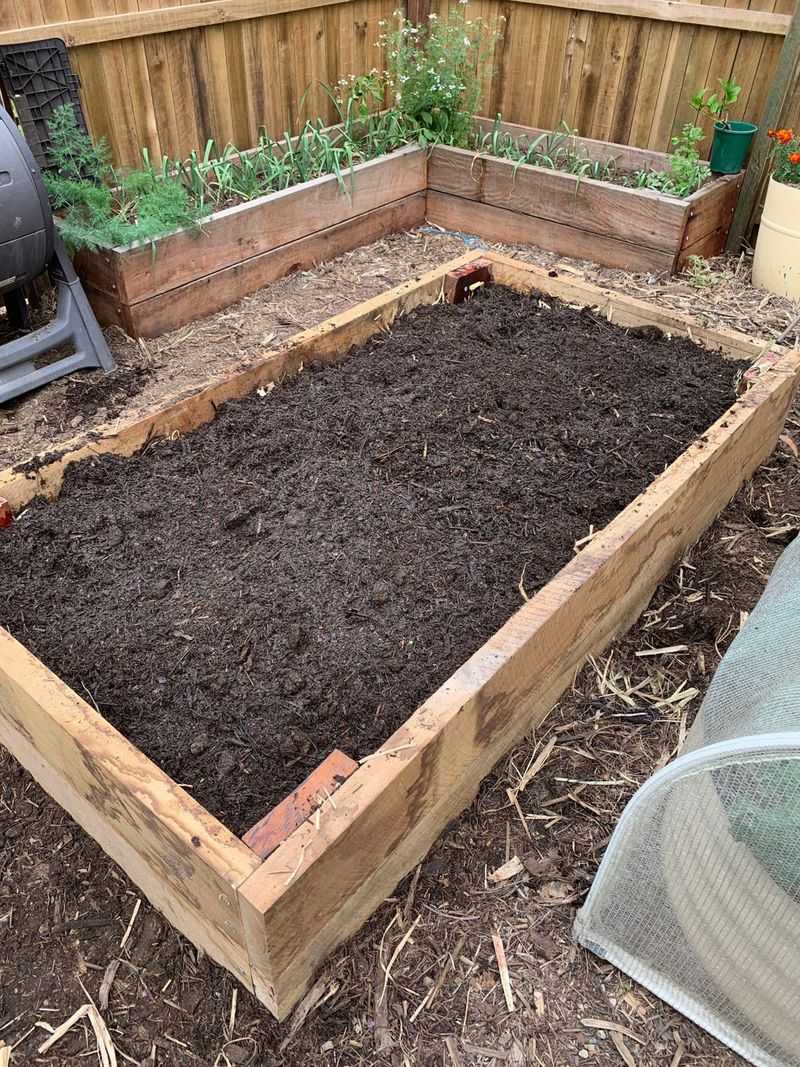
A well-built raised bed does not need to be completely refilled every year, and treating it that way would be both expensive and counterproductive.
Established raised bed soil improves over time when managed thoughtfully, developing better structure, stronger microbial activity, and more consistent moisture retention with each passing season.
Topping off with two to three inches of finished compost each spring is usually enough to replenish organic matter lost to decomposition and plant uptake.
Rotating crops from year to year reduces pest and disease pressure without requiring any special products.
Avoiding foot traffic inside the bed preserves the loose, well-aerated structure that makes raised beds productive in the first place, which is one of the main advantages over compacted native soils.
Mulching the surface with clean straw or shredded leaves during the growing season reduces moisture loss during humid but occasionally dry summer stretches and protects soil biology from heat stress.
Pulling spent plants at the end of the season and covering the bed with a light layer of compost or mulch over winter helps protect soil structure from compaction caused by heavy fall and winter rain.
Raised bed soil is an ongoing investment worth maintaining carefully rather than a one-time purchase that can be forgotten after the first planting season.