Why Some Georgia Gardeners Are Replacing Mulch With Pine Straw
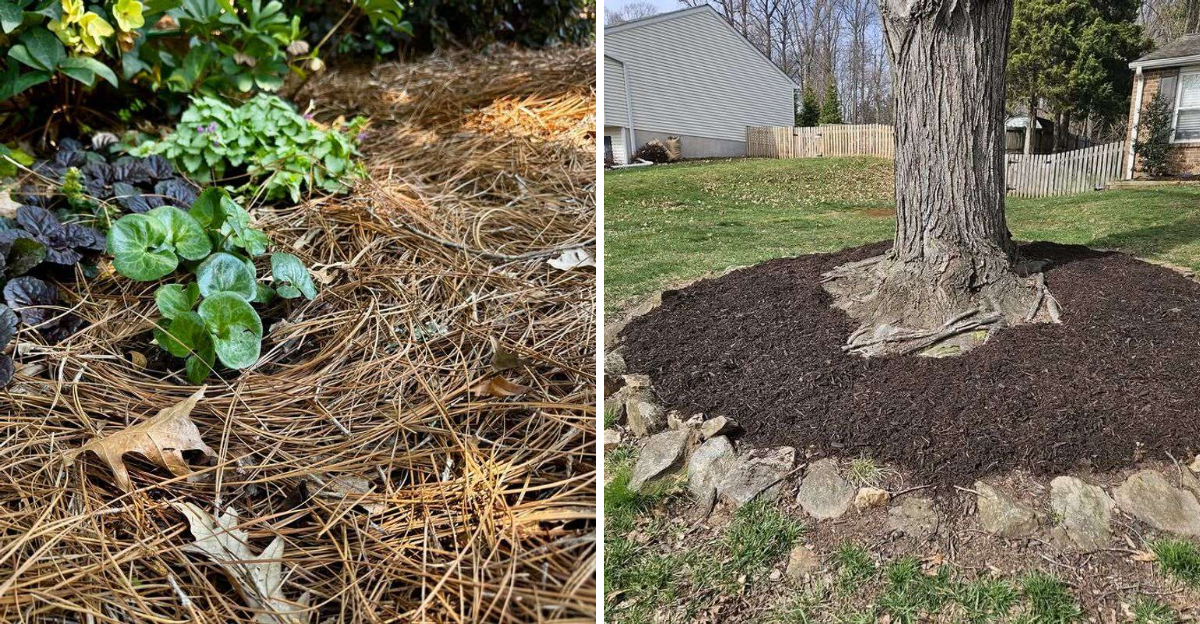
Flower beds across Georgia can start looking completely different once summer moisture settles in.
Thick mulch that looked tidy in spring sometimes turns dense and matted after weeks of rain and humidity, especially around shrubs and larger landscape beds.
Pine straw has been getting more attention because it reacts differently during long Southern summers. It stays looser around plants, handles heavy storms more easily, and gives many yards a lighter look without feeling messy or unfinished.
Some gardeners end up making the switch after dealing with soggy spots, faster mulch breakdown, or beds that feel harder to manage by mid summer.
The difference usually becomes noticeable sooner than expected once the rainy stretch begins.
1. Pine Straw Often Stays In Place Better After Storms
After a hard Georgia thunderstorm rolls through, checking the garden beds can be frustrating. Bark mulch and wood chips tend to float, scatter, and pile up in the wrong spots once heavy rain hits.
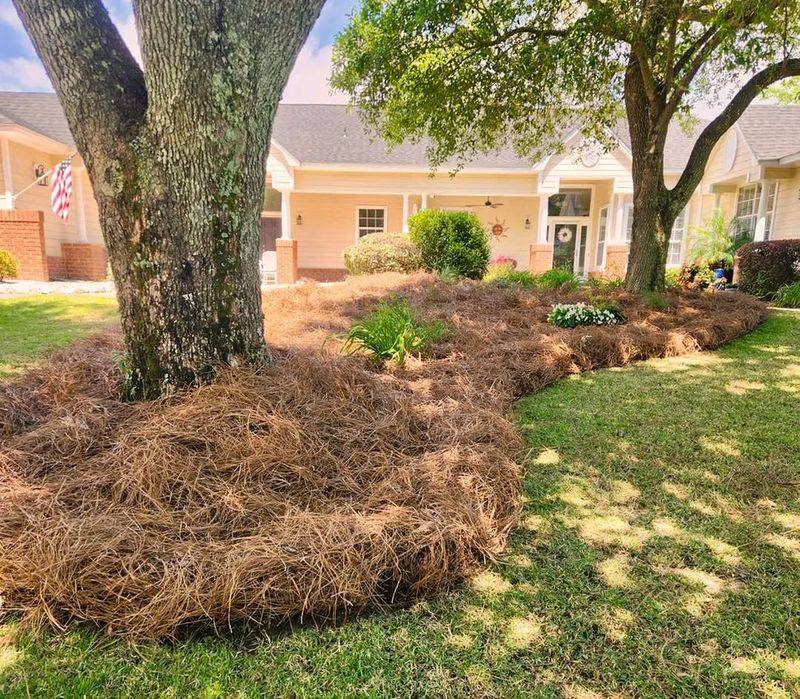
Pine straw behaves differently because the needles interlock with each other, forming a loose but connected mat that resists being washed away.
Georgia gets some of the most intense summer downpours in the Southeast. Rain events can drop an inch or more in under an hour, especially in the Atlanta metro area and along the coast near Savannah.
Under those conditions, lightweight mulch often ends up in the driveway, against the house foundation, or washed into the street. Pine straw tends to hold its position far better in those situations.
Part of what makes pine straw stable is the way the needles layer and weave together naturally. Even on sloped ground, a well-applied layer of pine straw will resist movement better than loose wood chips.
Gardeners in hilly North Georgia neighborhoods have noticed this especially, since their beds often sit on grades that make mulch displacement a constant problem.
2. Thick Mulch Layers Can Trap Too Much Moisture
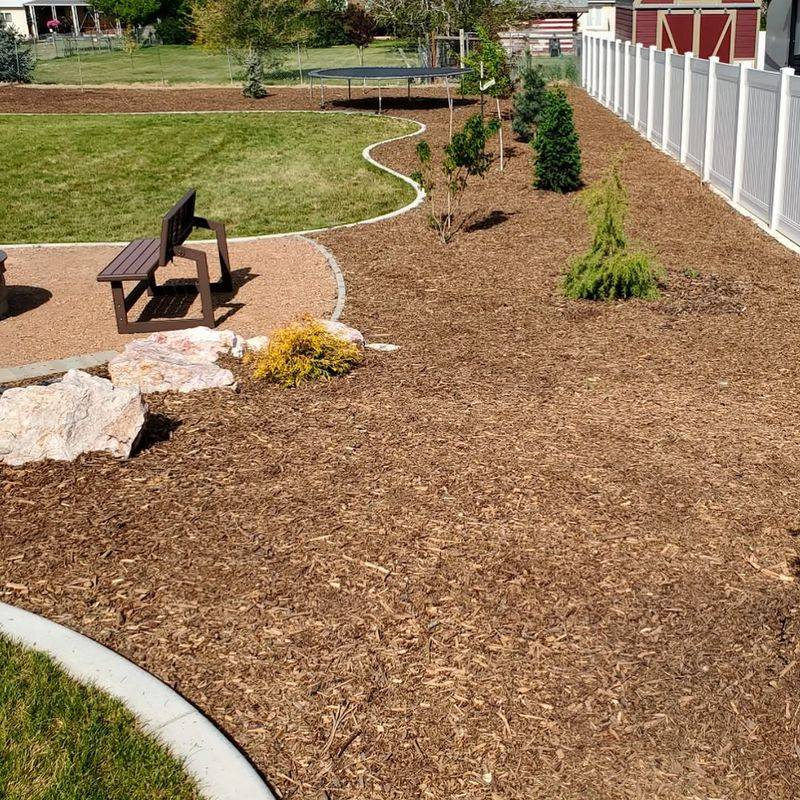
Soggy roots are one of the quietest problems in a Georgia garden. Bark mulch, especially when applied in thick layers, can hold onto water long after rain stops.
In Georgia’s humid climate, where summer air already carries a lot of moisture, that extra wetness sitting around plant bases can lead to root rot and fungal problems over time.
Wood chip mulch acts almost like a sponge. Applied at three or four inches deep, which is often recommended, it can stay wet for days.
Combine that with Georgia’s clay-heavy soils that already drain slowly, and you have a setup where moisture lingers far longer than most plants prefer.
Roses, azaleas, and ornamental grasses are especially sensitive to consistently wet conditions around their crowns.
Pine straw handles moisture differently. Its loose, airy structure allows water to pass through and reach the soil without pooling on the surface.
After a rainstorm in Macon or Columbus, a pine straw bed will feel damp but not waterlogged. Excess water drains through the needles rather than being absorbed and held in place.
Worth noting, pine straw is not a perfect solution for every plant or soil type.
Your Georgia Garden Changes Every Week. Your Plan Should Too.
Gardening in Georgia changes quickly throughout the season. Every Friday you’ll receive a simple weekly plan showing exactly what to plant, prune, fertilize, harvest, and protect so you never miss the right timing.
3. Pine Needles Usually Spread Faster Around Shrubs
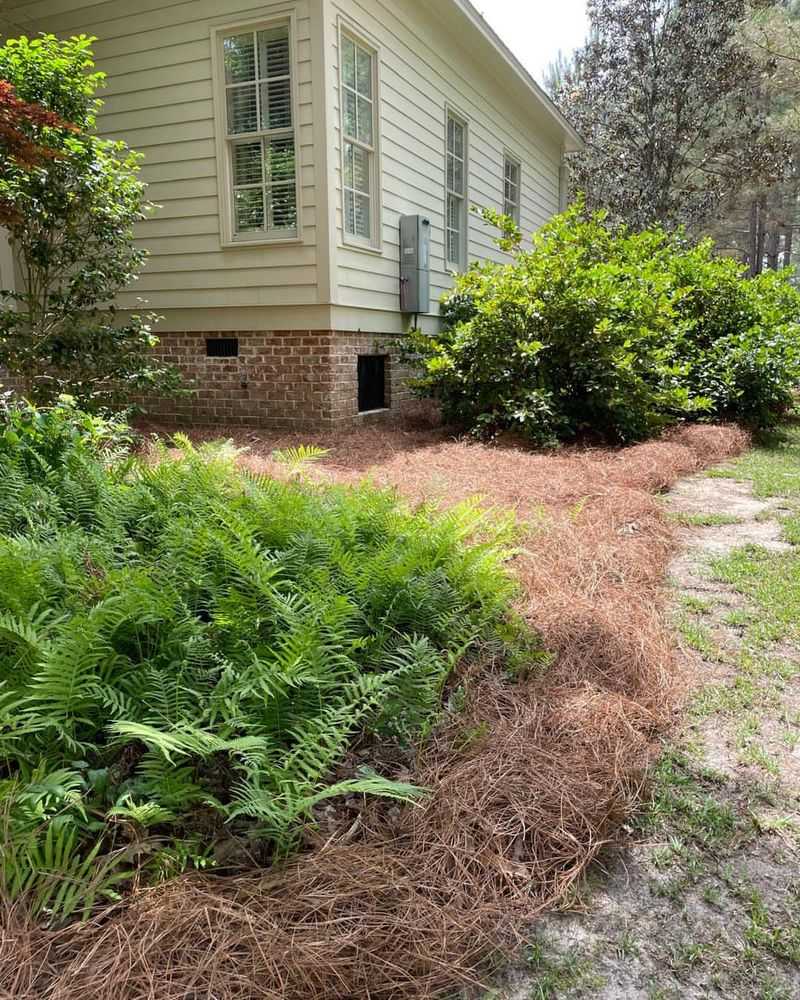
Spreading mulch around shrubs sounds simple until you are actually doing it. Bags of bark mulch are heavy, and getting chips to settle evenly around dense, branchy shrubs without disturbing roots takes real effort.
Pine straw is a noticeably lighter material that tucks into tight spaces around plant bases with much less fuss.
Across Georgia, azaleas, gardenias, and hollies are some of the most common landscape shrubs. These plants often grow with low-hanging branches and dense foliage close to the ground.
Pushing bark mulch under those branches without breaking stems or compacting soil near the roots can be awkward. Pine needles flex and slide easily under branches, filling in gaps without force.
Bales of pine straw are also easier to carry and store than bags of mulch. A single bale can cover a surprisingly large area, and spreading it takes only a few minutes with gloved hands or a light rake.
Homeowners in Alpharetta and Roswell who maintain large foundation plantings often say that switching to pine straw cut their seasonal bed prep time significantly.
Speed matters more than most gardeners admit. When spring arrives and there are multiple beds to refresh, anything that saves time without sacrificing results is worth considering.
4. Wet Bark Mulch Sometimes Clumps Near Plant Bases
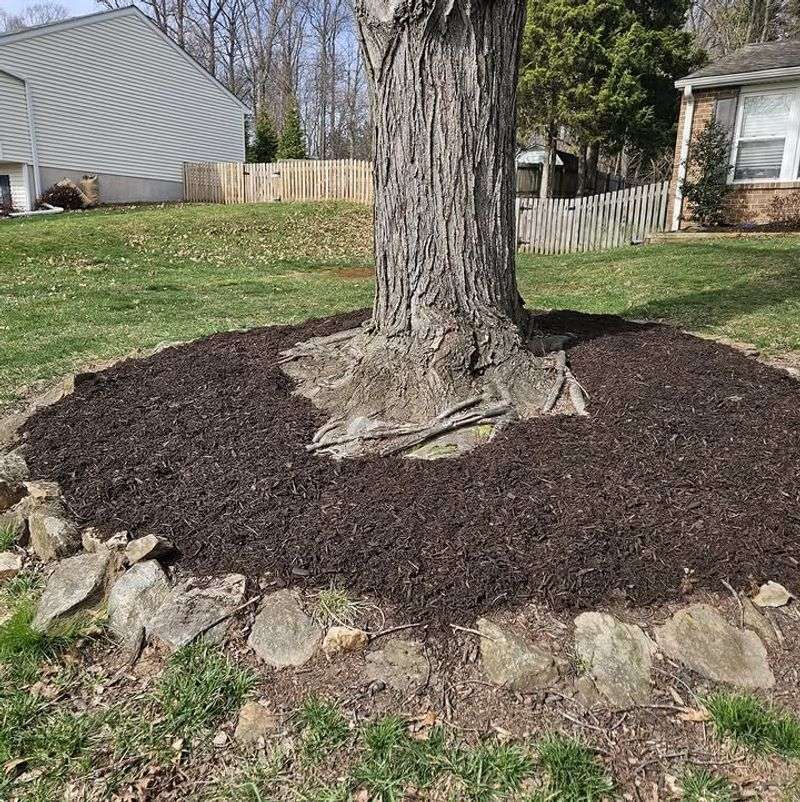
Clumped mulch is more than just an eyesore. When wet bark mulch compresses and clumps against the base of a tree or shrub, it creates a dense, moist mass that sits directly against the bark.
Over time, that constant contact with wet material can soften and damage the outer layer of the plant, leaving it vulnerable to pests and disease.
Georgia summers are long and humid, which means bark mulch rarely gets the chance to fully dry out between rain events.
Decomposing wood chips can also develop a condition sometimes called sour mulch, where anaerobic bacteria create compounds that are harmful to plants.
Gardeners in Augusta and Athens have reported seeing yellowing leaves and stressed plants that improved after removing clumped mulch from around the base.
Pine straw does not behave this way. Because the needles do not absorb water the same way wood does, they do not compress into a dense, soggy mass.
Even after several days of rain, pine straw stays relatively loose and airy at ground level. It sits near plant bases without pressing tightly against stems or trunks in the same problematic way.
5. Sloped Beds Often Need Less Cleanup With Pine Straw
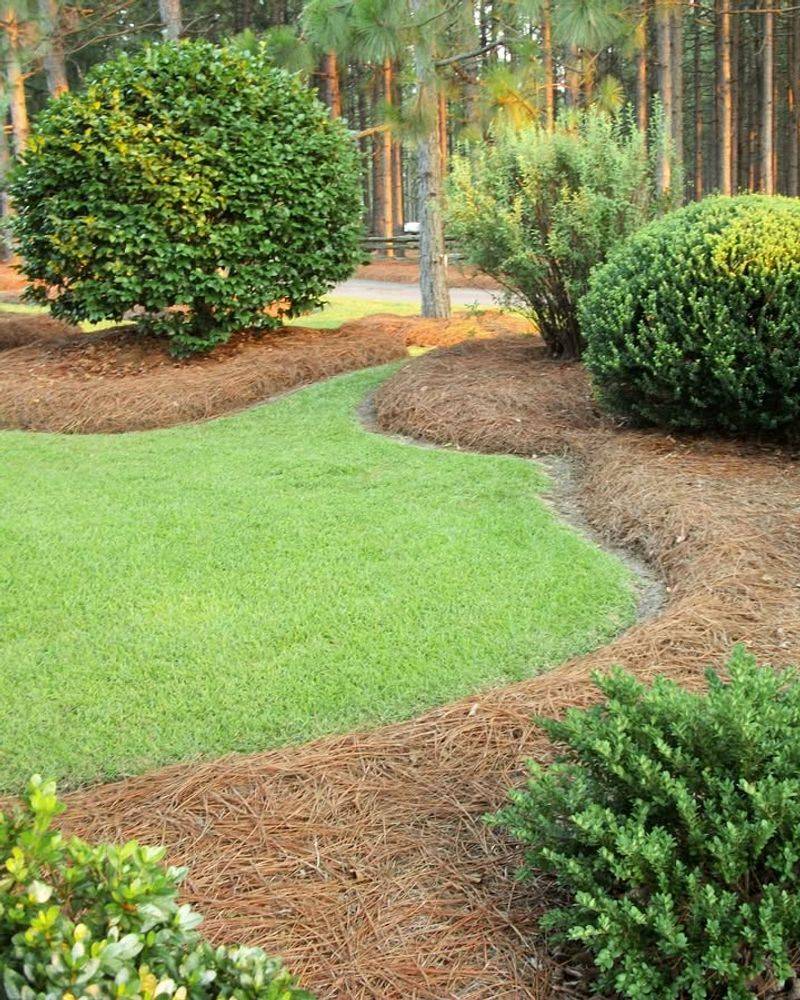
Sloped garden beds in Georgia are a common challenge. Whether you are working with the rolling terrain of the North Georgia foothills or a gentle grade in a suburban Marietta backyard, keeping mulch on a slope after rain is a constant battle.
Bark chips and shredded wood tend to migrate downhill with every significant rainfall, ending up in the grass or collecting at the bottom of the slope.
Cleanup after a storm can mean raking loose mulch back up the hill and redistributing it, which adds labor and cost over the season. Gardeners with multiple sloped beds can spend hours on this kind of maintenance.
Switching to pine straw can reduce that workload considerably because the interlocking needle structure resists sliding and displacement better than loose wood chips on a grade.
Pine straw has been used on slopes in the Southeast for generations, partly because it performs well in exactly these conditions.
Landscapers working in hilly areas around Dahlonega and Gainesville often recommend it specifically for inclined beds where erosion control and ground coverage both matter.
A well-laid layer of pine straw on a slope can last through multiple rain events without needing to be redistributed.
6. Airflow Around Roots Can Improve With Looser Coverage

Roots need more than just water and nutrients. Oxygen exchange in the soil is a real factor in plant health, and anything that blocks airflow at the soil surface can affect how well roots function.
Dense, compacted mulch layers can reduce that gas exchange, particularly in Georgia’s heavy clay soils where compaction is already a concern.
Bark mulch, when applied thick and left in place for a long season, gradually breaks down and compacts.
By late summer in Georgia, what started as a fluffy three-inch layer can become a dense, almost mat-like covering that sheds water and limits air movement into the soil below.
Plants sitting under that kind of coverage can show stress signs even when watered regularly.
Pine straw maintains a looser structure over time. Because the needles do not break down as quickly as wood chips, the layer stays more open and porous throughout the season.
Air can move through the needle bed more freely, which supports healthier conditions at the soil surface.
Gardeners in Savannah and Brunswick who grow camellias and native ferns have noted that these plants seem to respond well to the more breathable environment pine straw creates.
It is worth being realistic here. Soil health depends on many factors beyond ground cover, including watering habits, soil amendments, and drainage.
Pine straw alone will not fix compacted soil or resolve root problems caused by other issues.
7. Pine Straw Usually Looks More Natural Around Woodland Plants
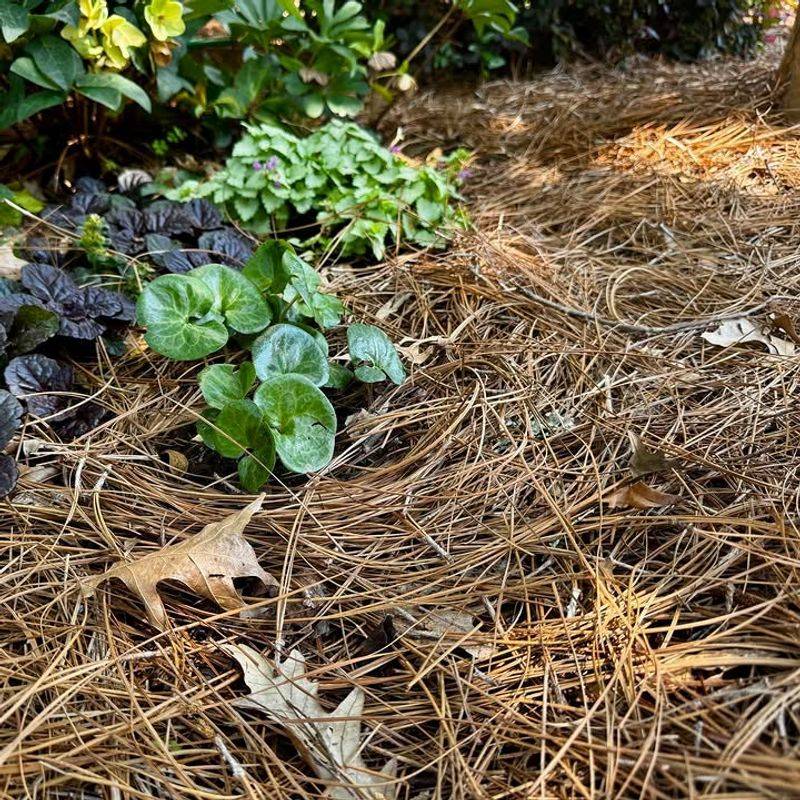
Walk into any Georgia pine forest and look at the ground. You will see a thick, natural carpet of fallen needles surrounding native plants, tree roots, and wildflowers.
That look is not just aesthetically pleasing; it actually mirrors the environment many woodland plants evolved in. Trying to replicate that with dark bark mulch often ends up looking a little off, like a costume that does not quite fit.
Native Georgia plants like oakleaf hydrangea, trillium, wild ginger, and native ferns are increasingly popular in home landscapes. These plants naturally grow in conditions where pine and hardwood needles form the ground layer.
Placing them in a bed covered with dyed wood chips or processed bark mulch creates a visual mismatch that many gardeners find unsatisfying once they notice it.
Pine straw blends into woodland garden designs with a naturalness that processed mulch rarely achieves. Its warm golden color weathers to a soft gray-brown over time, complementing the earthy tones of native plants and stone features.
In Georgia neighborhoods where naturalistic landscaping is trending, pine straw has become a go-to choice for gardeners who want their outdoor spaces to feel genuinely connected to the regional landscape.