7 Simple Ways Ohio Gardeners Treat Powdery Mildew On Zinnias Without Harsh Chemicals
Zinnias are supposed to be the easy win of the Ohio garden. You scatter the seeds, the plants take off, and by midsummer you have got color everywhere without much fuss.
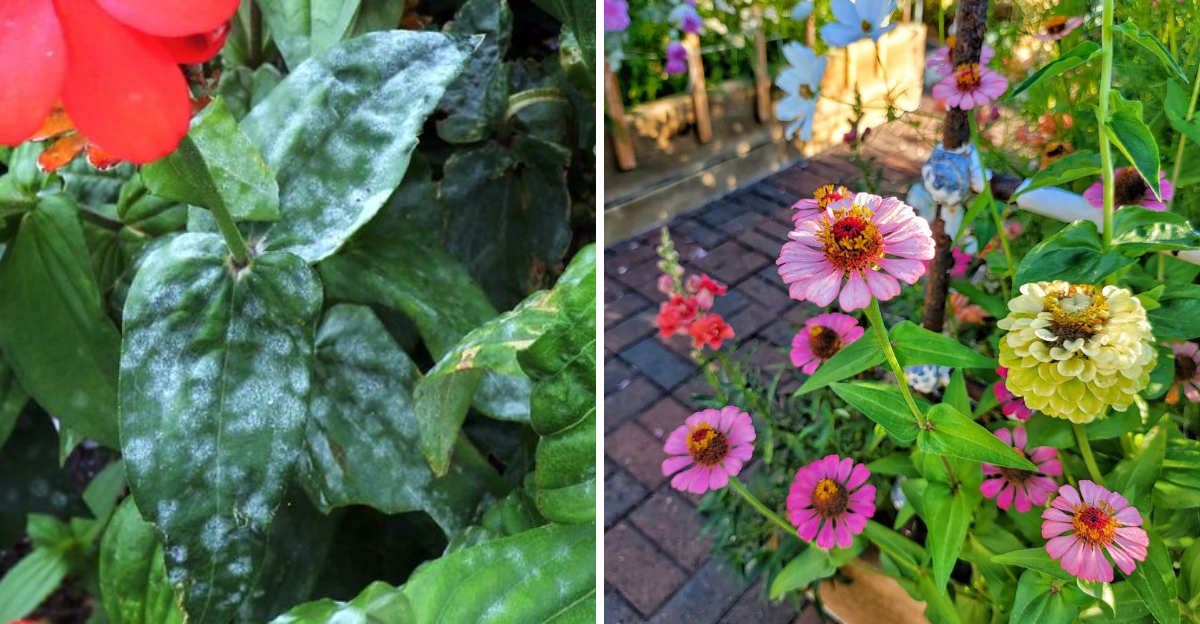
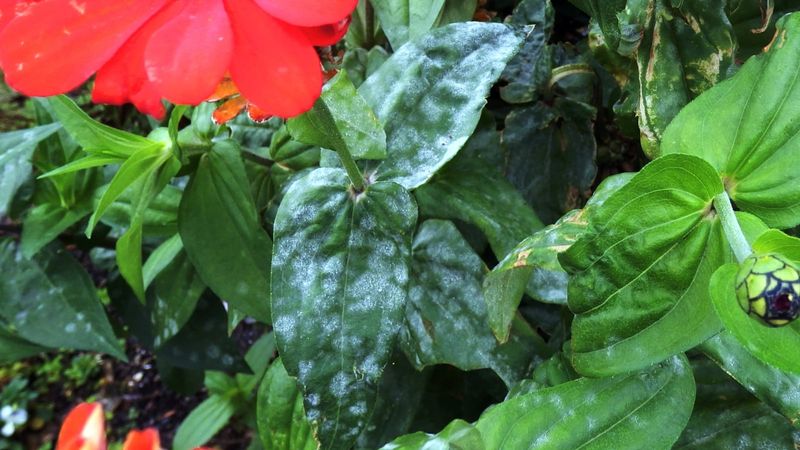
Then powdery mildew shows up and starts working its way across the leaves like someone dusted them with flour overnight. Suddenly your low-effort flower bed has a problem on its hands. It spreads fast, especially once Ohio’s humid summer nights settle in.
A few affected leaves become a whole plant, and a whole plant becomes several if you let it go. Most gardeners either ignore it and watch it get worse, or reach straight for the harshest spray on the shelf when something far simpler would have done the job.
There is a lot of middle ground between those two options. Powdery mildew on zinnias is manageable, and Ohio gardeners have been handling it for years with straightforward approaches that do not require a chemistry degree or a big box store run.
1. Start By Removing The Worst Infected Leaves
Grab a pair of clean snips or put on a pair of garden gloves, because the first step with powdery mildew is getting rid of the worst of what you see right now. Waiting rarely helps.
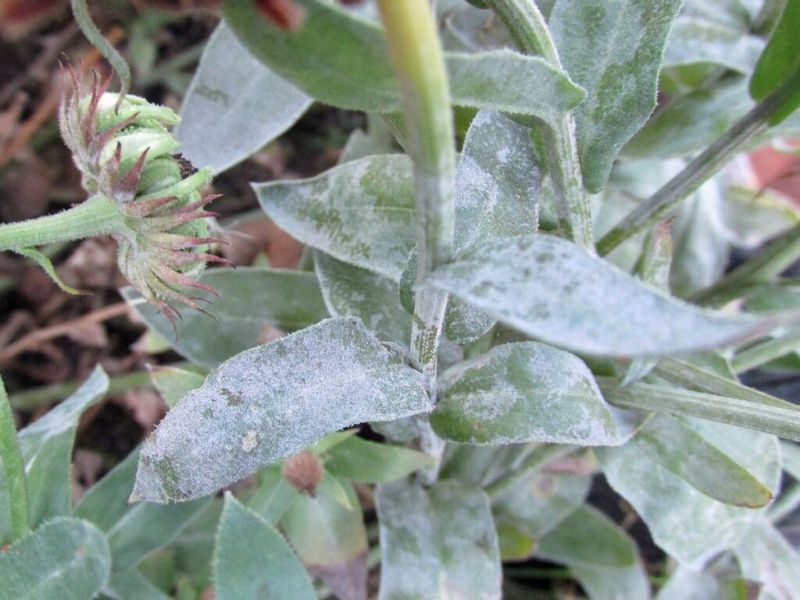
Once leaves are heavily coated with that white or gray powdery film, they are not going to recover, and they keep releasing spores into the air around your other plants.
Focus on removing only the leaves that look most infected, not every single leaf on the plant. Stripping a zinnia bare puts extra stress on it and does more harm than good.
Pull or snip off the worst-looking leaves, working your way down the stem where the damage is concentrated. Older lower leaves tend to show symptoms first, so check there before anything else.
One detail that catches a lot of gardeners off guard is what to do with the removed material. During a bad outbreak, tossing infected leaves into your backyard compost pile can keep fungal spores cycling back into the garden.
A better move is to bag them up and put them in the trash instead. Ohio State University Extension and other Midwest plant disease resources consistently recommend removing and disposing of infected plant material to reduce disease pressure in the bed.
After handling diseased leaves, wash your hands and wipe down your snips with a clean cloth. Cross-contamination between plants is easy to overlook but worth preventing.
Leaf removal alone will not cure a severe case of powdery mildew, but combined with better airflow and good watering habits, early cleanup genuinely reduces how fast the problem spreads to healthy growth.
2. Give Zinnias More Space For Better Airflow
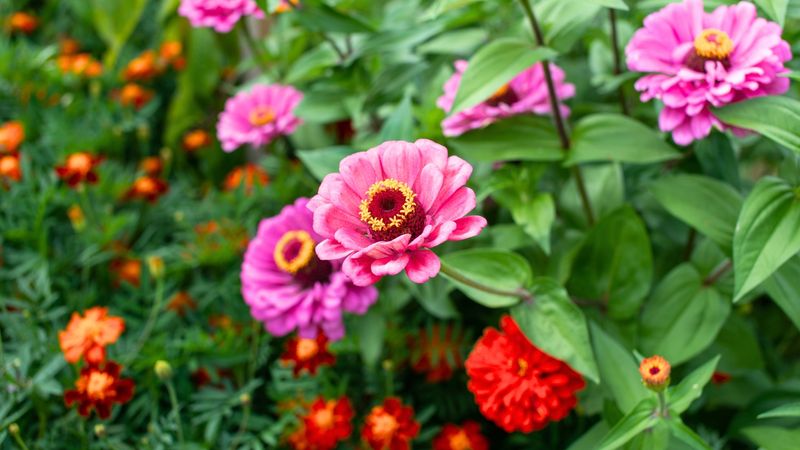
Planting zinnias too close together is one of the most common reasons powdery mildew gets a foothold in gardens.
When plants are packed tightly, humidity builds up between the leaves and stems, especially during the warm, muggy stretches that Ohio summers are known for.
That trapped moisture creates exactly the kind of environment where powdery mildew thrives.
Your Ohio Garden Changes Every Week. Your Plan Should Too.
Gardening in Ohio changes quickly throughout the season. Every Friday you’ll receive a simple weekly plan showing exactly what to plant, prune, fertilize, harvest, and protect so you never miss the right timing.
Most zinnia varieties need at least 12 to 18 inches between plants, and larger varieties like the tall Benary’s Giant types can benefit from even more room.
Seed packets and plant tags usually list the recommended spacing, and following those guidelines is worth the extra effort at planting time.
If you are already mid-season and your bed looks crowded, carefully removing a few plants to open up the space can still improve airflow even after the season has started.
Better airflow helps leaves dry out faster after rain, morning dew, or overhead watering. Foliage that dries quickly is less hospitable to fungal problems.
Northern gardeners near Lake Erie often deal with cooler, damper conditions that make this especially relevant. In those areas, giving plants extra breathing room is not just a nice idea, it is a practical defense against late-season disease pressure.
Thinning seedlings early in the season is much easier than trying to correct overcrowding once plants are full-grown. If you direct sow zinnias, thin them to proper spacing once they reach a few inches tall.
Resist the urge to leave every seedling in place. A slightly less crowded bed of healthy plants will outperform a dense, disease-stressed planting every single time.
3. Water The Soil Instead Of Soaking The Leaves
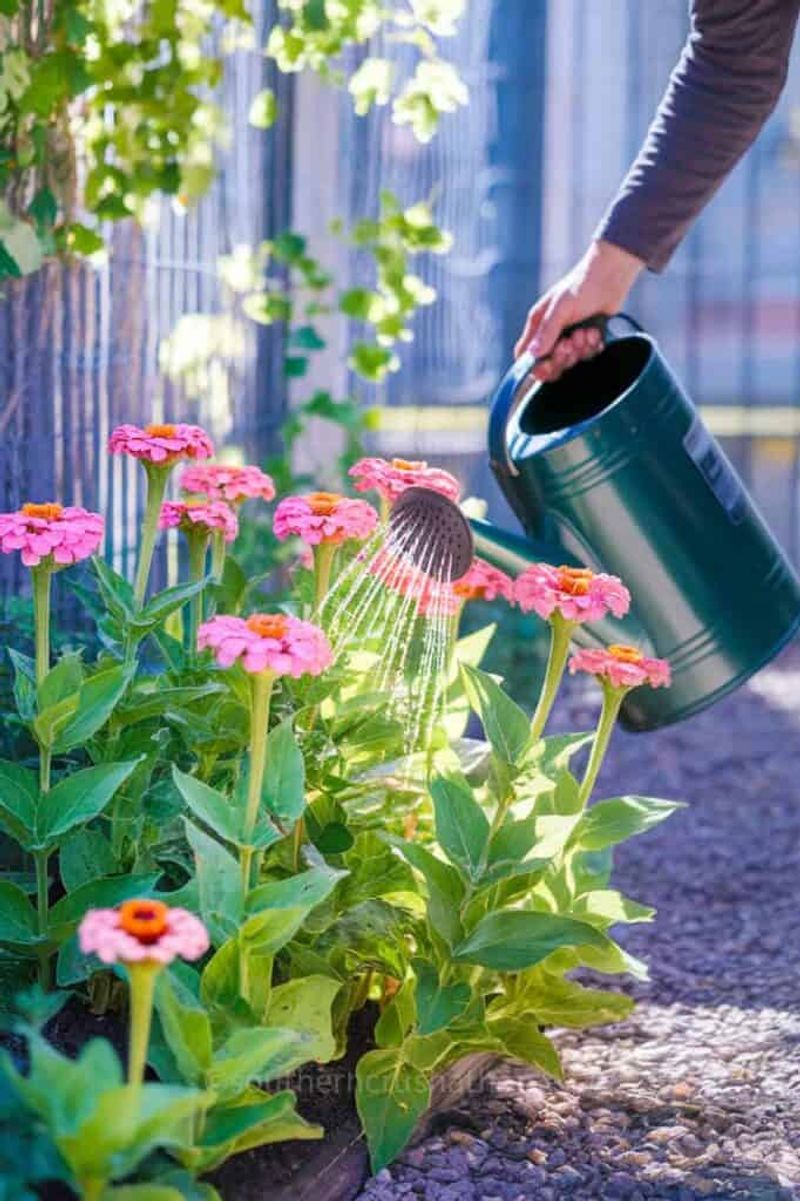
Picture this: it is a hot July evening in central region, and someone is standing over their zinnias with a sprinkler head, soaking every leaf from top to bottom right before sunset.
By morning, the bed is cooler, more humid, and slower to dry, which can add to the kind of stagnant conditions that make mildew problems worse.
Watering technique matters more than most gardeners realize.
Keeping water at soil level rather than raining it down on the foliage is one of the most straightforward adjustments you can make.
Drip irrigation and soaker hoses are excellent options because they deliver moisture directly to the root zone without wetting the leaves at all.
If you water by hand, aim the stream at the base of each plant and keep it low and gentle.
Timing matters too. Morning watering is generally better than evening because any accidental splash on the leaves has time to dry off during the warm part of the day.
Watering late in the afternoon or evening can leave the planting area cooler and more humid overnight, which favors many fungal problems and can worsen overall disease pressure.
University Extension and other Midwest horticulture resources recommend morning watering for this exact reason.
Zinnias are fairly drought-tolerant once established, but they still need consistent moisture during dry spells. The goal is not to water less overall, just to water smarter.
Keeping the root zone evenly moist while avoiding crowded, humid conditions is the sweet spot for reducing stress and mildew pressure.
Even switching from overhead watering to a simple wand held low to the ground can make a noticeable difference over the course of a season.
4. Move Future Plantings Into More Morning Sun
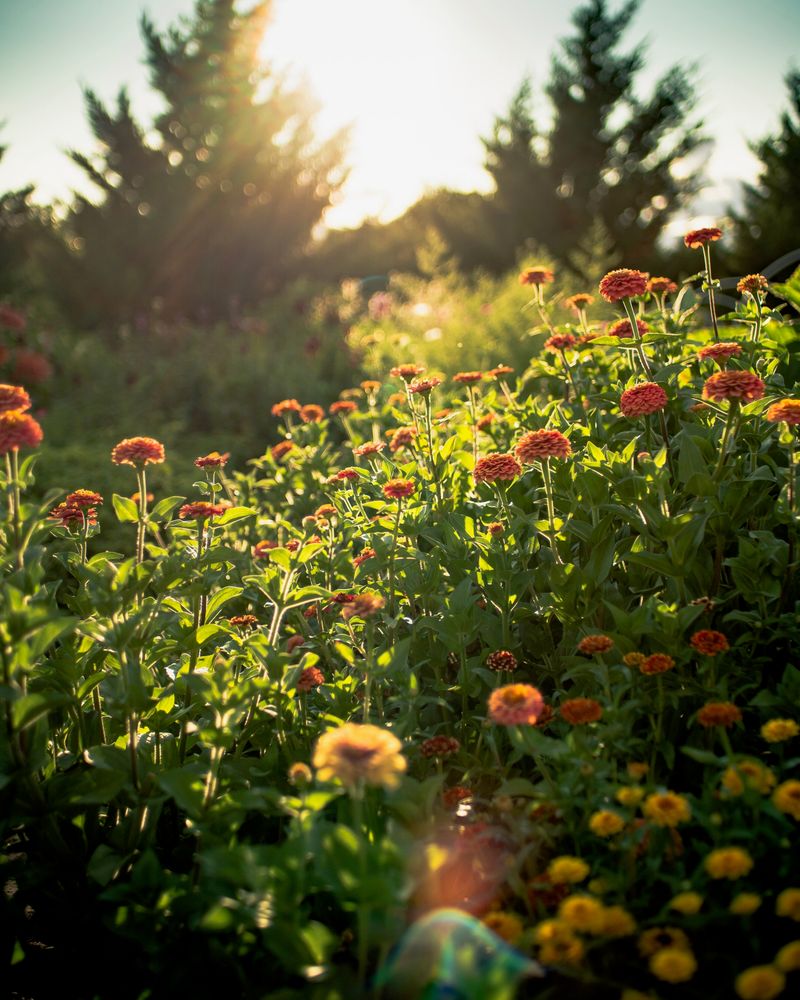
Shade is sneaky. A spot that looks perfectly sunny in April can turn into a half-shaded corner by July once trees leaf out fully and the sun angle shifts.
Many gardeners discover this the hard way when their zinnias start showing powdery mildew just as summer heats up, right around the time that spot stops getting the full sun it had in spring.
Zinnias genuinely prefer full sun, ideally six or more hours per day. Morning sun is especially valuable because it dries off dew and any overnight moisture quickly, shortening the window when wet foliage is vulnerable to fungal problems.
A bed that gets strong eastern exposure tends to do better than one that only catches afternoon light, which arrives after foliage has already been damp for hours.
Walk your yard on a summer morning and pay attention to which areas are still shaded at nine or ten in the morning. Those are the spots where powdery mildew tends to linger longest.
Sheltered patios, spots tucked against fences, or areas under large shade trees may look appealing for other plants but can work against zinnias. Still air compounds the problem because there is nothing to help foliage dry out between waterings or rain events.
If you are planning next year’s garden, take notes now about where the light actually lands in July and August rather than relying on memory from spring.
Moving your zinnia bed even a few feet into a sunnier, breezier location can reduce disease pressure noticeably without any sprays or treatments at all.
Site selection is one of the most underrated tools in managing fungal problems on flowering annuals.
5. Skip Heavy Nitrogen That Fuels Tender Growth
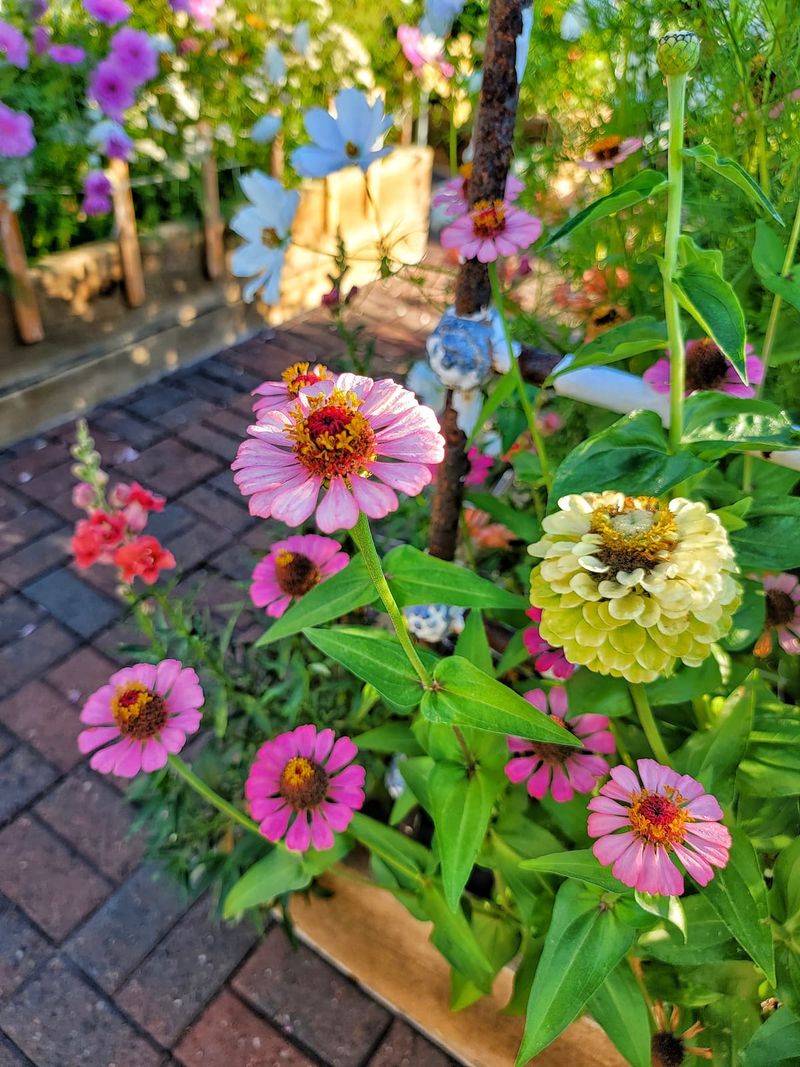
Fertilizer is not always the answer. When zinnias start looking pale or struggling, the instinct for many gardeners is to reach for a nitrogen-heavy fertilizer and feed the plants more.
But loading up on nitrogen mid-season can push out a flush of lush, soft new growth that tends to be more vulnerable to fungal problems, including powdery mildew.
Zinnias are not heavy feeders. In a reasonably prepared garden bed with decent organic matter, they often do fine with little or no supplemental feeding through the season.
If your soil is genuinely low in nutrients, a balanced fertilizer used at the recommended rate is a more thoughtful approach than repeatedly applying high-nitrogen products every few weeks.
University Extension recommends soil testing as the most reliable way to know what your garden actually needs.
A soil test through your county Extension office takes the guesswork out of fertilizing and can prevent over-application of any nutrient, not just nitrogen.
Over-fertilized plants often look impressive at first but can become more susceptible to stress and disease as the season wears on.
Compost worked into the soil before planting gives zinnias a gentle, slow-release nutrient boost without the sudden surge that synthetic nitrogen can cause.
If you have already fertilized heavily this season and powdery mildew is showing up, hold off on additional feeding and focus instead on airflow, watering technique, and leaf removal.
Giving the plant time to toughen up its new growth rather than pushing out more soft tissue is a smarter strategy when disease pressure is already present in the bed.
6. Clean Up Infected Plant Debris After The Season
Once the first frost settles in and zinnia season wraps up, a lot of gardeners leave the spent stems and leaves standing through winter. It is understandable since the garden can look tidy enough, and there is always something else to do in fall.
But when powdery mildew has been a problem during the season, leaving infected plant debris in the bed is essentially giving the disease a head start on next year.
Powdery mildew pathogens can survive on plant material left in the garden over winter.
Removing old zinnia stems, leaves, and fallen debris from the bed at the end of the season reduces the amount of infectious material that stays near the soil surface.
Rake out the bed thoroughly and dispose of heavily infected material in the trash rather than the compost pile if disease pressure was significant.
Sanitation is not a guarantee that powdery mildew will not return. Spores travel on the wind, and weather conditions in Ohio will always play a role in whether fungal problems develop in any given year.
A wet, humid summer in Cleveland or a long muggy stretch in southern Ohio near the Ohio River can bring powdery mildew back even to a perfectly clean bed. Cleanup simply removes one factor that works against you.
Combining end-of-season sanitation with better spacing, smarter watering, and resistant variety selection gives you a much stronger foundation for next year’s planting. Think of fall cleanup as one layer of a broader strategy rather than a single solution.
Each good habit stacks on the others, and over time, the overall health of your zinnia beds tends to improve.
7. Choose Mildew-Resistant Zinnias Next Time
One of the most practical things you can do for next year’s garden costs almost nothing extra and takes about thirty seconds at the seed rack.
Looking for zinnia varieties labeled as mildew resistant before you buy can make a real difference in how much disease pressure you deal with come August.
Variety selection is an underused tool, especially among gardeners who grab whatever looks prettiest on the packet without checking the fine print.
Not all zinnias have the same level of resistance to powdery mildew.
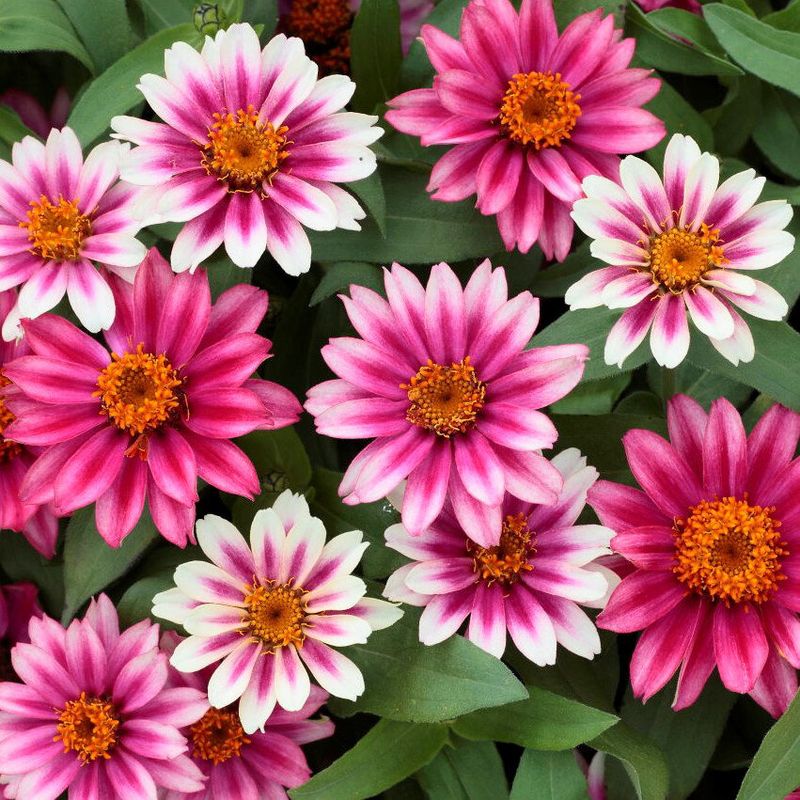
Some series, including certain Profusion and Zahara types, have been noted in horticultural trials and university variety evaluations for better disease tolerance compared to traditional large-flowered types.
Seed catalogs from reputable sources often include notes about disease performance, and it is worth reading those descriptions carefully rather than choosing by photo alone.
Resistant does not mean immune. Even a mildew-tolerant variety can develop symptoms when conditions are strongly in the disease’s favor, such as during an unusually humid summer with poor airflow and overhead watering.
Resistant varieties simply tend to show less severe symptoms and maintain better plant appearance later into the season compared to susceptible ones grown under the same conditions.
Pairing resistant varieties with good cultural practices, proper spacing, morning sun exposure, and careful watering gives you the strongest overall defense without any chemical sprays.
County Extension offices and University Extension plant disease resources are good places to look for trial data on zinnia performance in the Midwest.
Putting a little thought into variety selection at planting time is one of the most rewarding, low-effort investments you can make in your flower garden.