The Native Virginia Shrub That Creates a Natural Privacy Screen Worth Knowing About
Picture this: you are minding your own business on a quiet walk when a ten-foot wall of glossy green ambushes you from out of nowhere. No lumber.
No hardware store runs. No awkward conversations with a contractor.
Just one scrappy native shrub that apparently missed the memo about not being extraordinary. And here is the thing: nobody planted a fence.
Nobody strung up privacy netting or hired a landscaping crew. This plant just showed up, did the work, and left everyone wondering why they had not thought of it sooner.
Birds love it. Butterflies cannot get enough of it.
And your wallet? Your wallet will practically write it a thank-you note.
Virginia gardeners are waking up to what this quiet overachiever has been doing all along, growing fast, staying green year-round, and asking for almost nothing in return. If your yard needs a natural glow-up, buckle up. You are about to meet your new favorite neighbor.
1. Cost-Effective
Fences are expensive.
A standard wood privacy fence in Virginia carries significant upfront cost once materials and labor are factored in. For a typical backyard perimeter, that bill adds up quickly.
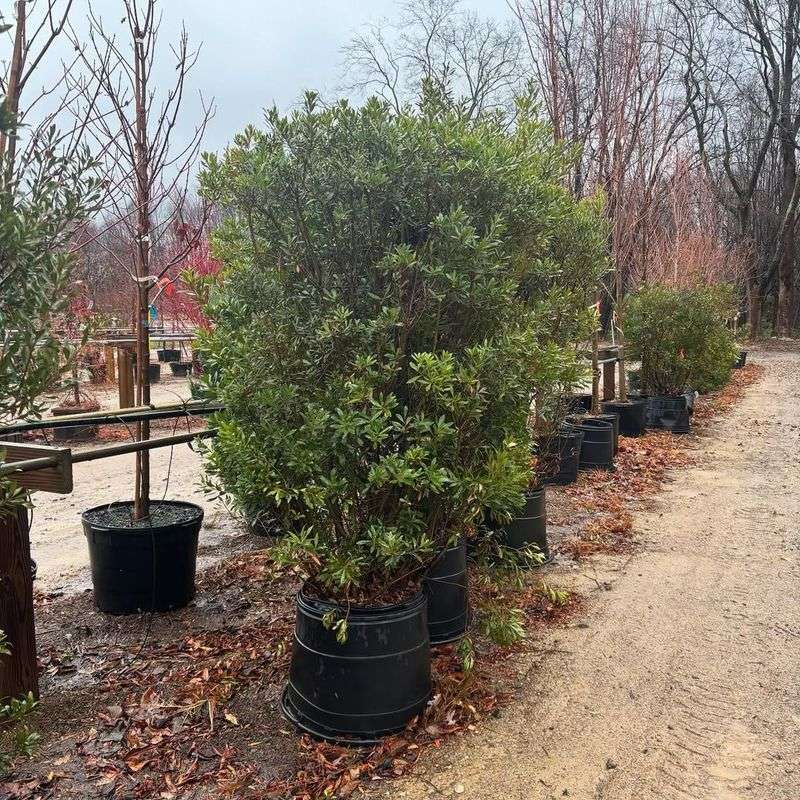
Wax Myrtle on the other hand, can be purchased at most Virginia native plant nurseries for a fraction of that cost per plant.
If you space them about four to five feet apart, you can cover a generous stretch of property line without breaking the bank.
Over time, each shrub fills in and connects with its neighbors, creating a seamless green wall that no wood fence can replicate naturally.
Beyond the upfront cost, this shrub saves you money year after year.
Wood fences rot, warp, and need repainting or replacing every decade or so.
A Wax Myrtle shrub, once established, asks for very little beyond an occasional trim.
There are no staining supplies to buy, no replacement boards to haul, and no contractor to call when a panel blows down.
Some Virginia counties offer landscaping rebates or eco-friendly planting incentives that may apply to native shrubs like this one.
Checking with your county extension office is worth the phone call.
Buying in bulk from a native plant sale or cooperative can bring the price per shrub down even further.
Virginia Master Gardener programs often host plant swaps where you can find this shrub for next to nothing.
Smart spending and smart planting go hand in hand here.
2. Eco-Friendly
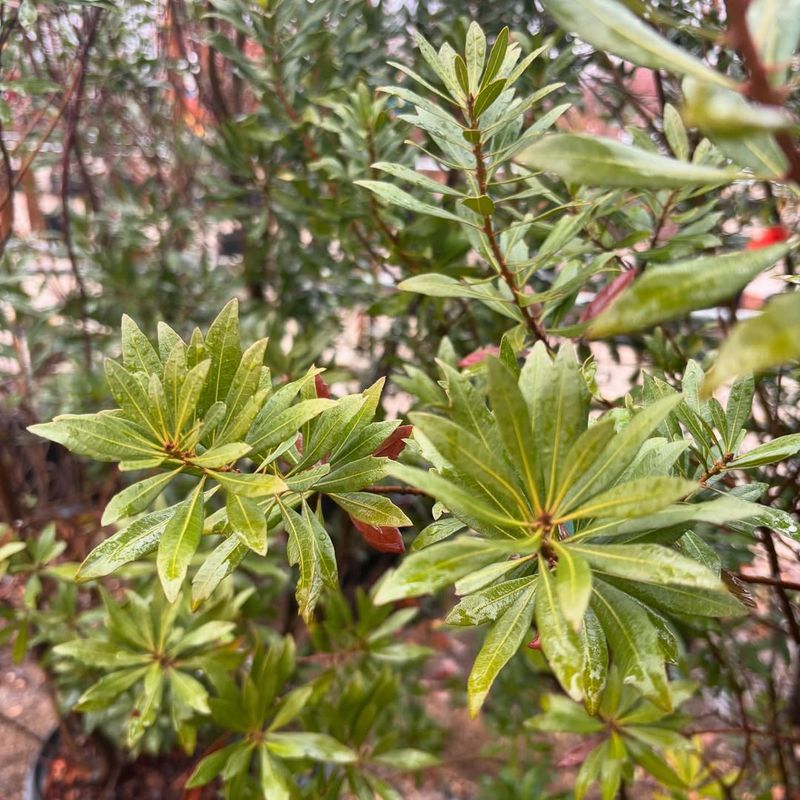
Growing up, my grandmother always said that the best garden works with nature, not against it.
This shrub is about as close to that ideal as a plant gets. It is native to Virginia and much of the eastern United States, which means it evolved here and fits naturally into local ecosystems.
It doesn’t need chemical support.
Unlike many ornamental shrubs imported from other regions, it does not require synthetic fertilizers to thrive in Virginia soils. Through a relationship with soil bacteria, it pulls nitrogen straight from the air.
The result is soil that gets a little better every season, simply by having this plant in it. That is a rare and genuinely useful trait for any landscape plant.
Your Virginia Garden Changes Every Week. Your Plan Should Too.
Gardening in Virginia changes quickly throughout the season. Every Friday you’ll receive a simple weekly plan showing exactly what to plant, prune, fertilize, harvest, and protect so you never miss the right timing.
Choosing native shrubs like this one also reduces the need for pesticides. Because it belongs here, local insects and birds already know how to interact with it, keeping pest pressure naturally balanced.
You are not introducing something foreign that disrupts the local food web.
Water use is another win. Once established, this shrub handles Virginia summers with minimal irrigation.
That saves water and reduces your environmental footprint without any extra effort on your part.
Trying to shrink your lawn and replace it with something that actually gives back? Start here.
Less grass means less mowing, less fuel, and less water running off into the street.
One thing worth knowing before you plant: this shrub spreads readily through bird-dispersed seeds and can sucker from its roots.
Occasional pruning keeps it honest in a managed yard. Near a natural area or a neighbor’s fence though, it is worth checking on now and then just to stay ahead of it.
3. Year-Round Privacy

Image Credit: © Ellie Burgin / Pexels
One of the biggest frustrations with deciduous privacy hedges is that the moment temperatures drop in Virginia, the leaves fall and your yard is suddenly exposed again.
Your neighbors can see your patio, your kids playing outside, and everything else you were trying to screen.
Wax Myrtle does not do that to you.
This shrub is evergreen, meaning it holds its glossy, aromatic leaves through every season.
Whether it is a hot July afternoon or a cold January morning in Virginia, that green wall stays put.
That consistency is something most other fast-growing shrubs simply cannot offer in this region.
The leaves themselves have a waxy coating that helps the shrub handle cold snaps without dropping foliage.
Virginia winters can be unpredictable, swinging between mild stretches and sharp freezes, and this shrub handles both with steady composure.
It is not bulletproof in extreme cold, but for most of Virginia it performs reliably through winter.
Year-round coverage also means year-round noise reduction and wind blocking, which we will get into more later.
But from a pure privacy standpoint, knowing your screen will not disappear every autumn is genuinely reassuring.
You plant it once and it keeps doing its job through every month of the year.
Homeowners in northern Virginia should know that in Zone 6b, hard winters can cause noticeable leaf drop, meaning the screen thins out during the coldest months. It typically rebounds in spring, but if year-round density is your priority in that region, planting a slightly denser row at the outset gives you better coverage during those leaner weeks.
4. Fast Growing
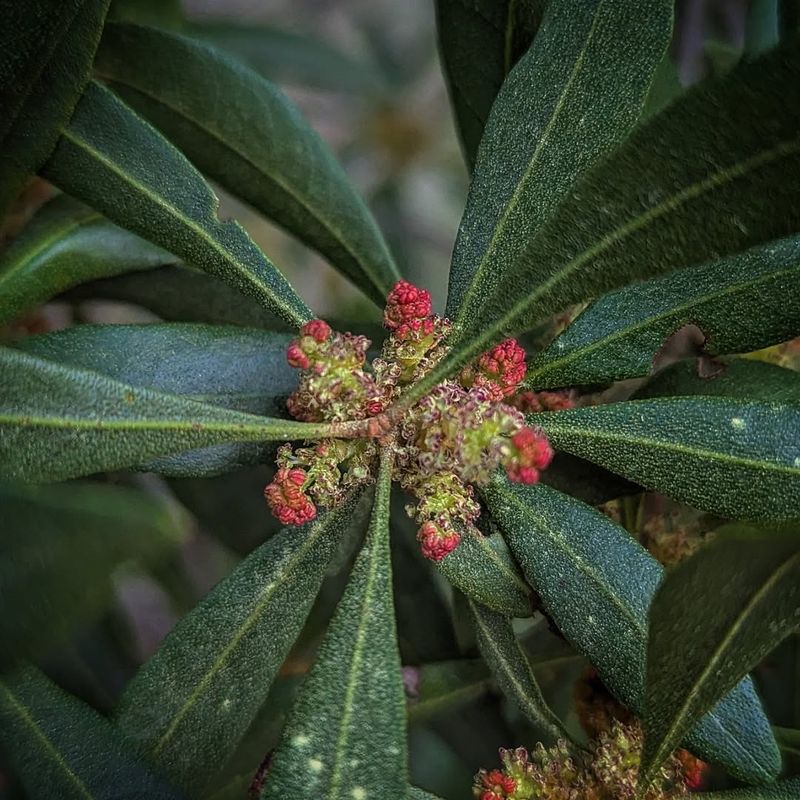
Patience is a virtue, but when you want privacy, waiting ten years for a hedge to fill in is a hard sell.
Wax Myrtle is one of the fastest-growing native shrubs you can plant in Virginia, and that speed is a genuine game-changer for homeowners who want results without a decade of wishful thinking.
Under good conditions, this shrub typically puts on one to three feet of new growth in a season, with vigorous plants pushing further in ideal circumstances.
That kind of pace means a small plant you set in the ground in early spring can make impressive progress toward eye level by late summer. Few native shrubs in Virginia can match that output without needing heavy fertilizing or constant watering once they settle in.
The secret is partly in the roots.
Wax Myrtle has a robust, spreading root system that establishes quickly in Virginia soils, from sandy coastal ground to heavier clay inland.
Once those roots grip, the shrub takes off with real energy.
I planted a row of these along a side yard in late April and by August, I was genuinely surprised by how much coverage they had already provided.
Neighbors asked what I had done differently.
The answer was simply choosing the right shrub for the right place.
For anyone replacing an old fence or starting from scratch, this growth rate means you are not stuck looking at an exposed yard for long.
Virginia summers give this shrub plenty of warmth and rain to push that growth along at a satisfying clip.
5. Wildlife Habitat
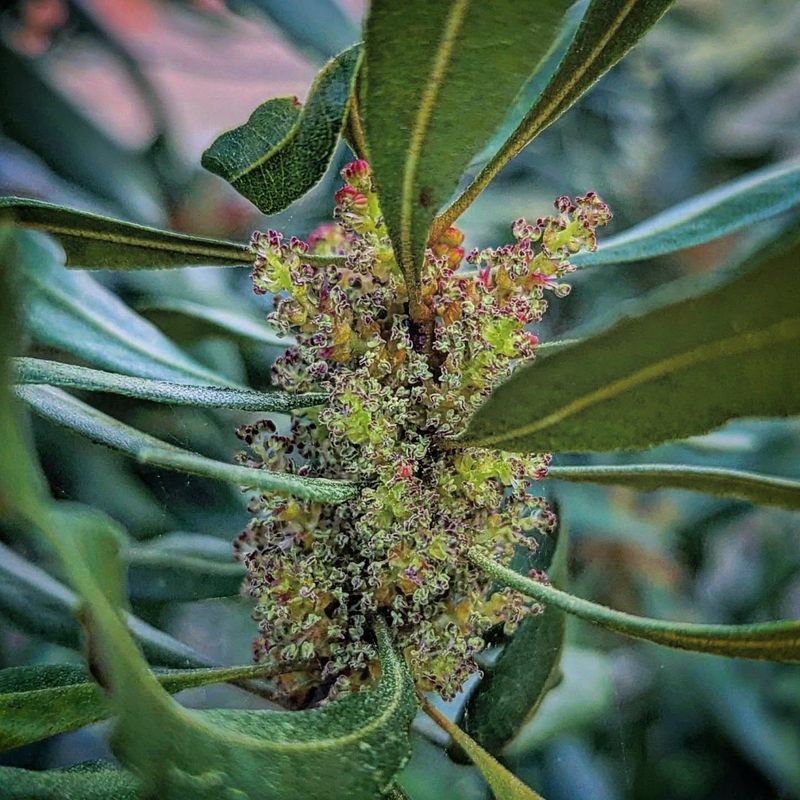
There is something quietly wonderful about planting a shrub and watching your yard come alive around it. The small waxy berries it produces are a high-fat food source that migrating birds depend on during fall and winter journeys.
Tree swallows, eastern bluebirds, Carolina wrens. Over thirty bird species feed on these berries regularly.
For anyone who enjoys watching wildlife from their window, this shrub does the work of a bird feeder.
And it never needs refilling.
One practical note before you buy: this plant is dioecious, meaning it has separate male and female plants, and only the females produce berries.
One thing worth knowing before you buy. For berries, you need female plants.
Include at least one male for every several females in your planting and pollination takes care of itself.
Most reputable native plant nurseries in Virginia can tell you which is which, and it is absolutely worth asking before you leave the counter.
Beyond birds, this shrub provides dense cover that small mammals and beneficial insects use for shelter. The thick branching structure creates protected nesting spots close to the ground, which ground-nesting birds and small creatures appreciate.
You are not just planting a screen, you are building a small habitat.
Native bees and butterflies also visit the flowers in spring, which are modest but ecologically useful. The shrub supports the broader food web in ways that a wooden fence or synthetic screen never could.
Virginia has seen significant habitat loss over recent decades as development expands. Every native shrub planted in a yard or along a property line helps push back against that loss, even in a small way.
That alone makes choosing this plant feel like it matters.
The berries of this shrub are not edible and can cause mild stomach upset if ingested by humans, dogs, or cats. They are perfectly safe for birds, which is the whole point, but it is sensible to be aware of this if small children play near the planting.
Imagine what happens if enough Virginia homeowners make just one thoughtful plant swap this season. One yard becomes a refuge.
Then another. Then the whole street starts to look different.
6. Wind & Noise Buffer
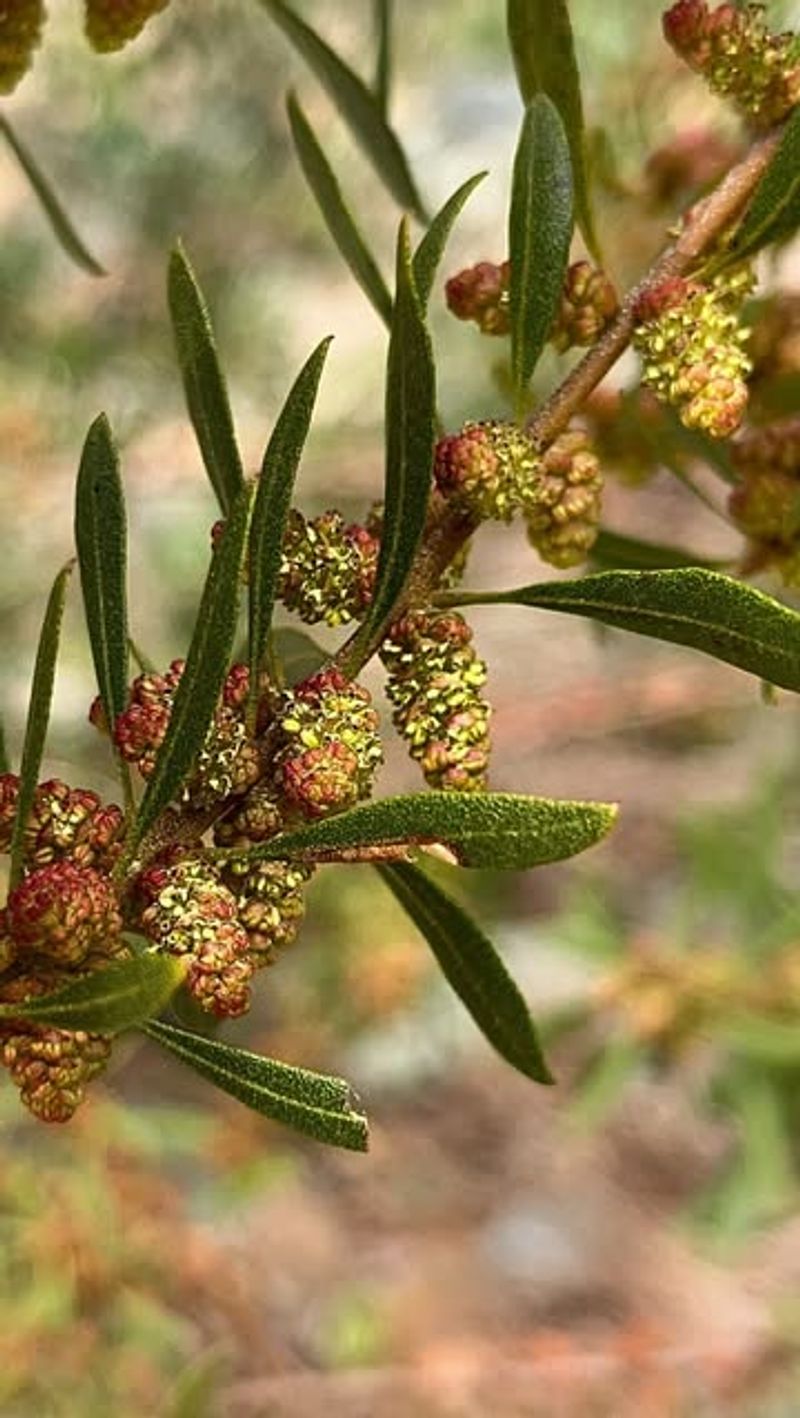
Living near a busy road in Virginia taught me something fast: plants absorb sound in ways that fences simply cannot replicate.
A solid wood fence reflects noise back into the street.
A dense living shrub, with all its layered leaves and branches, actually traps and diffuses sound waves, softening what reaches your ears on the other side.
Wax Myrtle is particularly effective as a noise buffer because of how densely it branches.
Unlike shrubs that have open, airy structure, this one grows thick from the ground up, creating a multi-layered wall of foliage with very few gaps.
That density is what makes the difference between a decorative planting and a functional acoustic screen.
Wind buffering works on the same principle.
The interlocking branches and leaves slow incoming wind, which protects garden beds, outdoor seating areas, and even the exterior walls of your home from constant exposure.
In coastal Virginia, where wind off the water is a constant presence, this function is especially valuable.
A well-established row of these shrubs can reduce wind speed significantly on the sheltered side.
That reduction makes outdoor spaces noticeably more comfortable.
It may also offer a modest buffer against drafts near the house, though the effect on energy bills will vary depending on your home’s insulation and exposure.
It is a quiet, practical benefit that most people do not think about until they experience it.
Planting this shrub along a property line that faces a road, a neighbor’s yard, or an open field gives you a buffer that works on multiple levels at once.
Virginia homeowners with corner lots or exposed sides of their property find it especially useful for creating a calmer, quieter outdoor experience year-round.
7. Storm-Resilient
Virginia is no stranger to rough weather.
From nor’easters rolling up the coast to summer thunderstorms that drop inches of rain in a single afternoon, the plants in your yard have to be tough enough to handle whatever comes.
Wax Myrtle has earned its reputation as one of the more resilient native shrubs in this region.
The root system is a big part of that story.
Deep, spreading roots anchor this shrub firmly in the ground, making it far less likely to uproot or topple during high-wind events compared to shallow-rooted ornamentals.
In sandy or loose coastal Virginia soils, that anchoring ability is especially important.
The branches of this shrub are flexible rather than rigid.
Instead of snapping under wind pressure the way brittle-wooded trees can, this shrub bends and springs back, which is a real structural advantage in rough conditions.
After storms have tracked through coastal Virginia, this shrub has a consistent track record of coming through with minimal damage. Fences and shallower-rooted plants rarely fare as well.
It is not indestructible, but its track record in tough conditions is genuinely impressive.
For homeowners who have watched a fence blow down in a single storm and faced the cost and hassle of replacing it, the resilience of this shrub starts to look very attractive.
A living screen that bends without breaking and keeps growing after the storm passes is a practical investment that a wooden board simply cannot match.
8. Curb Appeal

Not every privacy solution looks good from the street. A chain-link fence wrapped in plastic slats gets the job done technically, but it does not exactly make your home look welcoming.
Wax Myrtle takes a different approach entirely, offering privacy and genuine visual appeal at the same time.
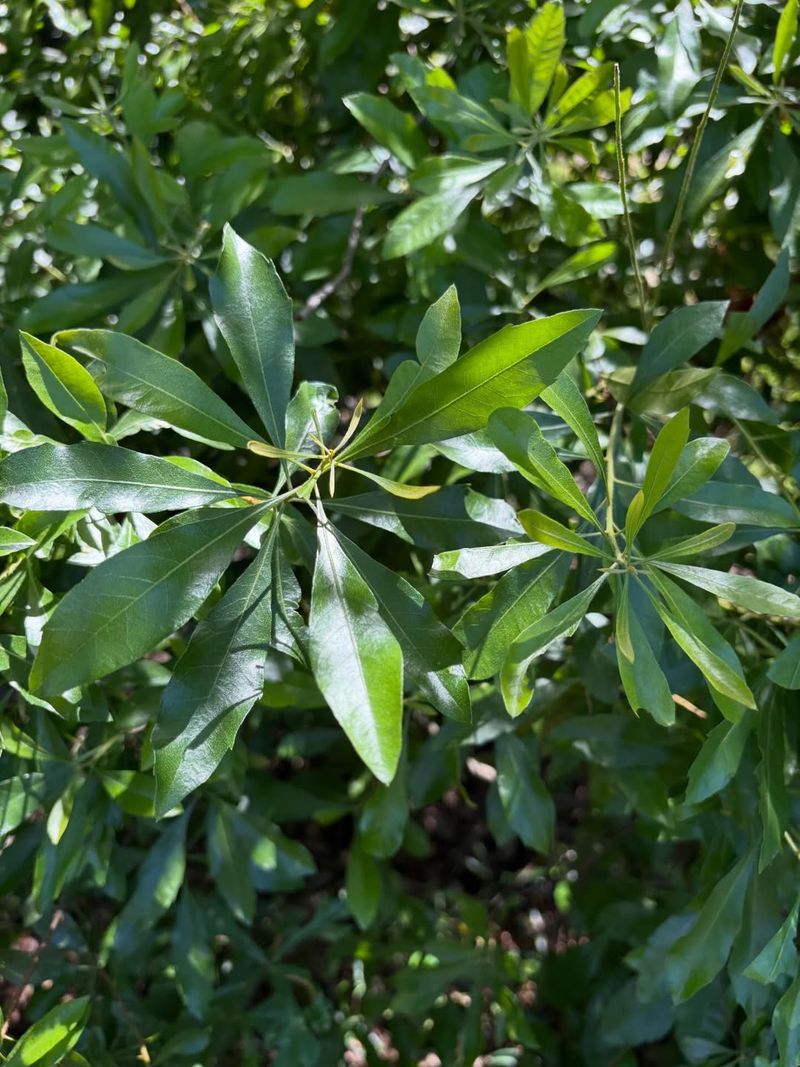
The glossy, aromatic leaves of this shrub catch light in a way that makes the hedge feel alive and textured rather than flat and static. When trimmed neatly, it creates a clean, structured look that complements both traditional and modern Virginia home styles.
In spring, the shrub pushes out fresh lime-green growth that brightens the landscape after winter.
By fall, clusters of small blue-gray berries add another layer of visual interest that most ornamental hedges cannot offer.
Real estate agents in Virginia have noted that mature, well-maintained native plantings can positively influence a home’s perceived value.
Neighbors tend to notice when a yard looks cared for without looking overdone.
A Wax Myrtle hedge communicates that the homeowner made a thoughtful, informed choice rather than defaulting to the nearest convenient option.
That subtle signal matters more than people often admit.
Whether you are preparing to sell your Virginia home or simply want to enjoy a yard that looks as good as it functions, this shrub delivers on both counts without demanding constant grooming or expensive upkeep to stay presentable.