Oregon Vegetables You Can Still Plant In May For A Summer Harvest
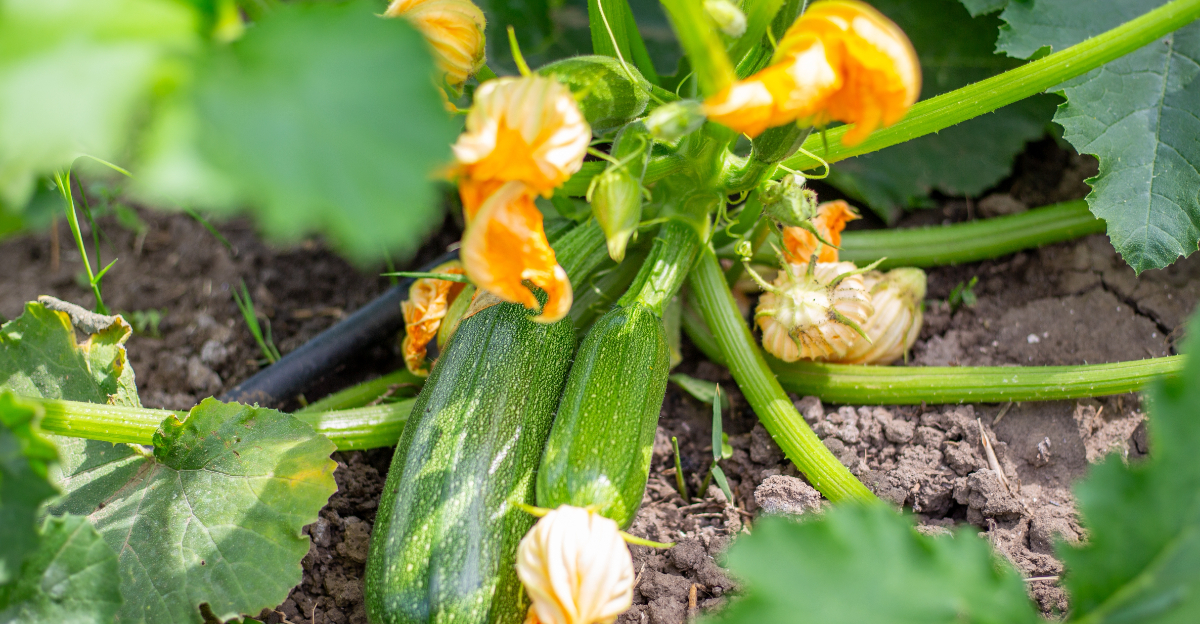
May feels late to some Oregon gardeners, but the planting window is wider than most people think. The soil has warmed up, the days are getting longer, and a solid lineup of vegetables still has plenty of time to produce before summer wraps up.
The mistake most gardeners make is assuming that if they did not get seeds in the ground by April, they missed their chance. That is not how Oregon summers work.
The season stretches long enough for fast-growing crops to go from seed to table with room to spare.
Some vegetables actually prefer going in now rather than earlier when the soil was still cold and unpredictable. You do not need a head start or a greenhouse to pull off a strong harvest.
You just need to know which vegetables are worth planting right now and which ones are better saved for next spring.
1. Bush Beans
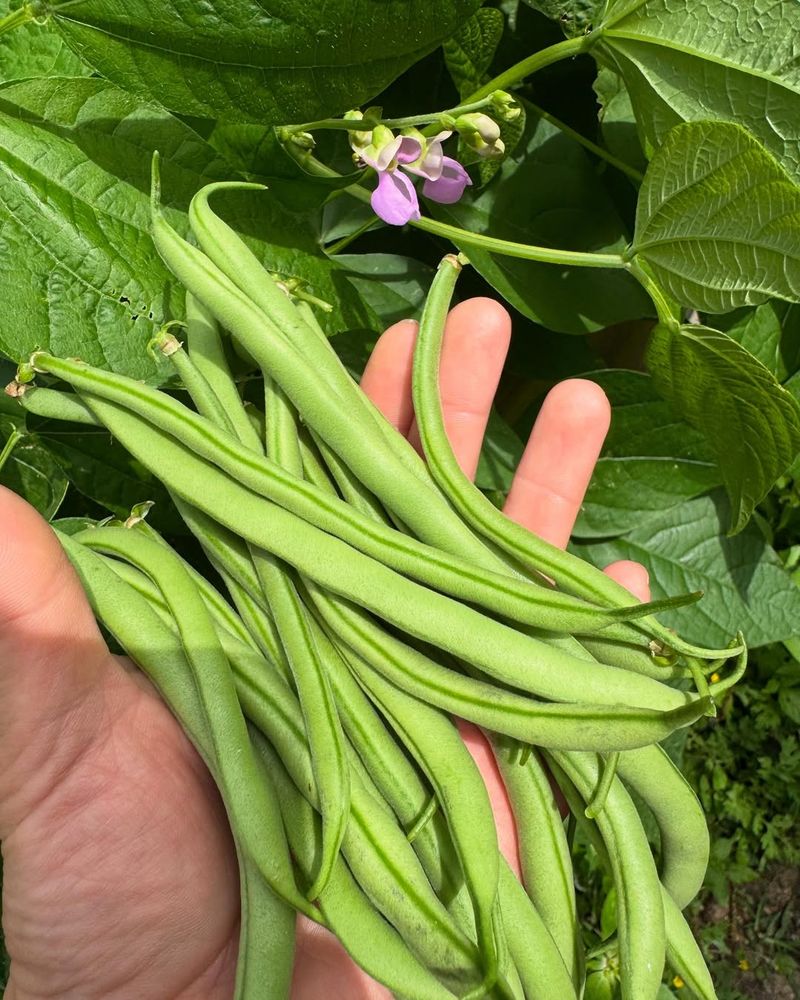
Few things beat the satisfaction of snapping a fresh bean right off the plant and eating it on the spot. Bush beans are one of the easiest and most rewarding vegetables you can plant in May.
They grow low to the ground without any support, which makes them perfect for beginner gardeners or anyone short on space.
Plant seeds directly into the soil about one inch deep and two to four inches apart. Bush beans do not like to be transplanted, so always sow them straight into the ground.
They prefer full sun and well-drained soil with a slightly acidic pH between 6.0 and 6.8. Make sure the soil temperature has reached at least 60 degrees Fahrenheit before planting, which is usually easy to achieve by mid-May in most parts of the state.
Water consistently but avoid soaking the soil. Bush beans are fairly drought-tolerant once established, but they do best with about an inch of water per week.
Most varieties are ready to harvest in just 50 to 60 days, meaning you could be picking beans by early July. Try planting a second round in late May or early June to extend your harvest through the summer.
Popular varieties include Blue Lake 274, Provider, and Contender. These reliable options produce heavy yields and hold up well to varied summer weather.
2. Pole Beans
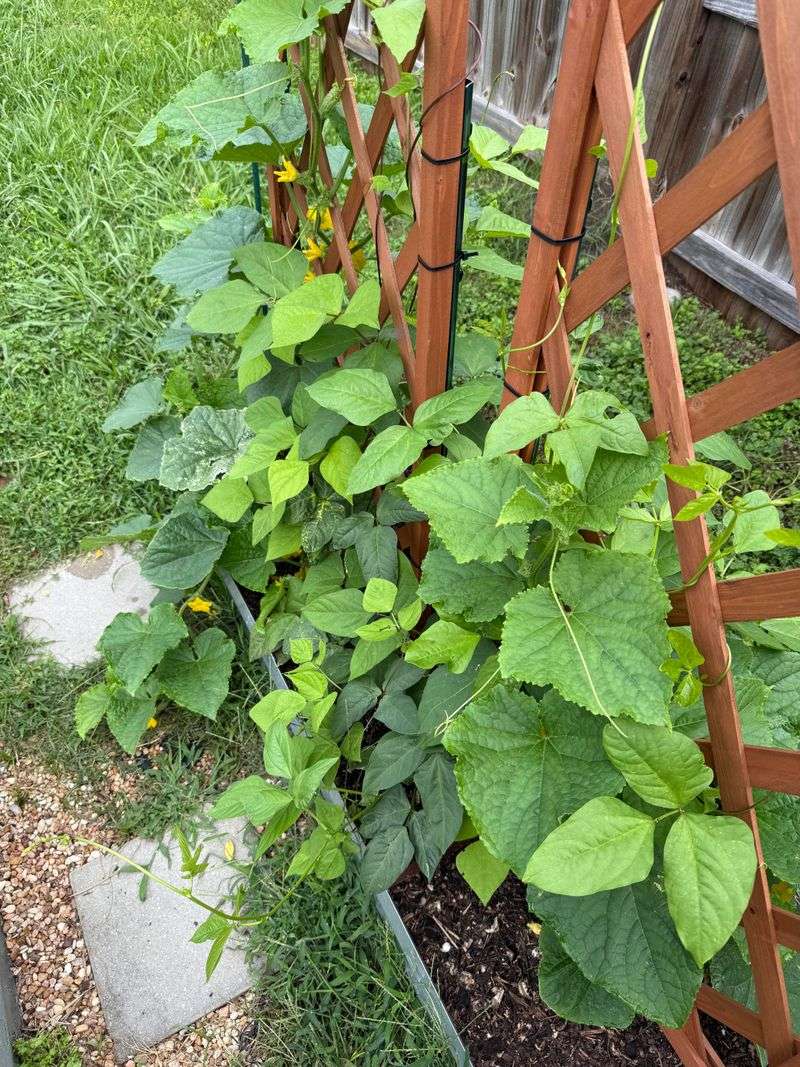
If you want a bean that keeps producing all season long, pole beans are your answer. Unlike bush beans, which tend to produce one big flush of pods and then slow down, pole beans are climbers that keep flowering and setting new pods for weeks on end.
That means more beans with less replanting.
Pole beans need something to climb, so set up a trellis, teepee of stakes, or fence before you plant. They can reach six to eight feet tall, so make sure your support is sturdy enough to handle the weight.
Plant seeds one inch deep and four to six inches apart at the base of your support structure. Like bush beans, they prefer direct sowing and warm soil, so mid-May is a great time to get them in the ground.
Your Oregon Garden Changes Every Week. Your Plan Should Too.
Gardening in Oregon changes quickly throughout the season. Every Friday you’ll receive a simple weekly plan showing exactly what to plant, prune, fertilize, harvest, and protect so you never miss the right timing.
Full sun is a must for a strong harvest. Give them at least six to eight hours of direct sunlight each day.
Water regularly, especially once the plants start flowering, since dry conditions during bloom time can cause pods to drop before they fully develop. Pole beans typically take 60 to 70 days to mature, so a mid-May planting should reward you with a steady harvest from mid-July all the way through September.
Great varieties include Kentucky Wonder, Rattlesnake, and Blue Lake Pole. These are all known for their flavor and long production windows.
3. Cucumbers
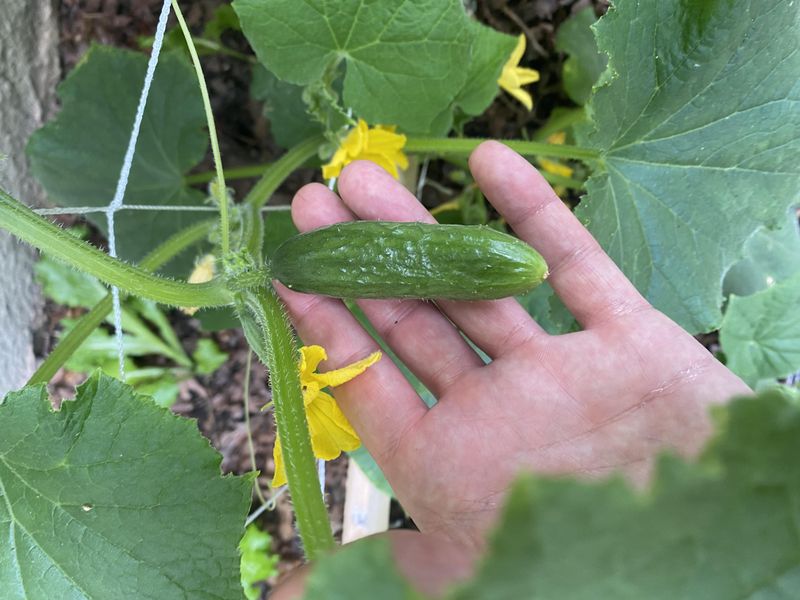
Cucumbers love heat, and by May, the conditions are just right to get them started. These fast-growing vines can go from seed to harvest in as little as 50 to 65 days, making them one of the most satisfying warm-season crops you can grow.
Slice one up on a hot July afternoon and you’ll understand why so many gardeners make room for them every year.
You can start cucumbers from seed directly in the garden or transplant seedlings you started indoors a few weeks earlier. Either way, they need rich, loose soil with good drainage and plenty of organic matter mixed in.
Space plants about 12 inches apart if growing on a trellis, or 18 to 24 inches apart if letting them sprawl on the ground. A trellis setup keeps the fruit clean and makes harvesting much easier.
Cucumbers are thirsty plants. They need consistent, deep watering to prevent the fruit from turning bitter or developing a tough texture.
Aim for about one to two inches of water per week and try to water at the base of the plant rather than overhead to reduce the risk of fungal issues. Mulching around the plants helps retain moisture and keep the soil temperature steady.
Popular varieties include Marketmore 76, Straight Eight, and Spacemaster. Pick cucumbers when they are firm and bright green for the best flavor and texture.
4. Zucchini
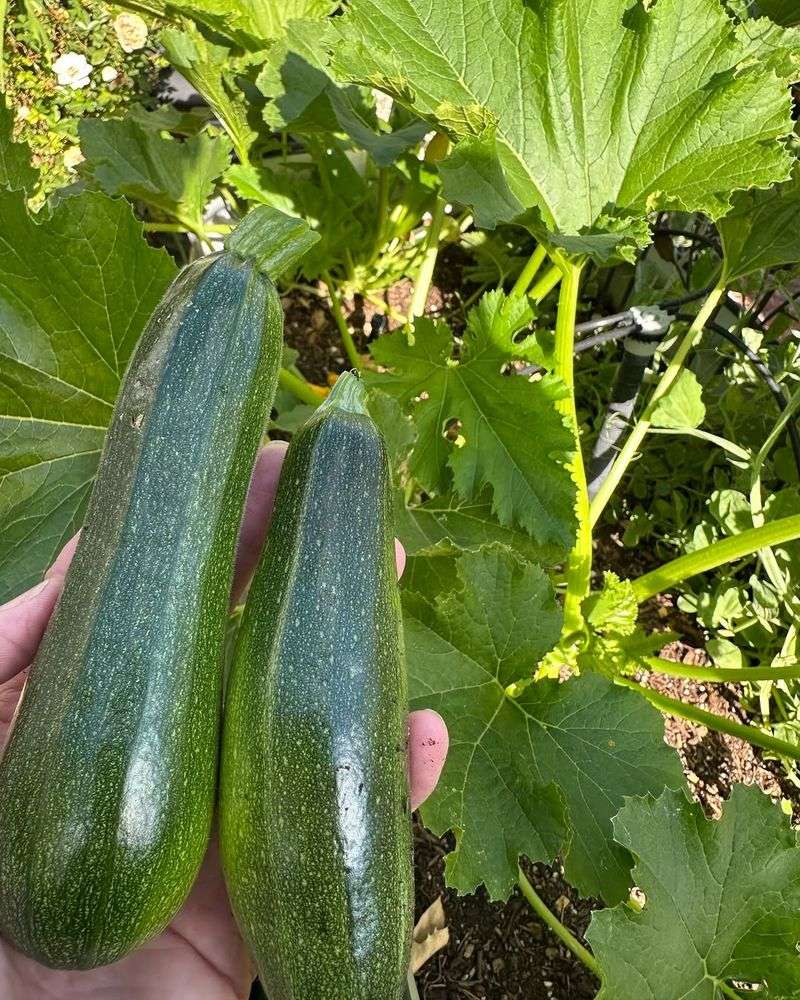
Zucchini has a well-earned reputation as the most productive plant in the garden. Experienced gardeners know that one or two plants are usually more than enough to keep a whole family fed through the summer.
Plant too many and you might find yourself leaving bags of zucchini on your neighbors’ doorsteps.
May is the perfect month to plant zucchini in Oregon. The soil is warm, the risk of frost is mostly behind you, and the plants have plenty of time to grow before fall.
You can start from seed directly in the garden or use transplants. Plant seeds about one inch deep and space plants at least two to three feet apart since they spread out quickly.
Choose a sunny spot with rich, well-draining soil for the best results.
Zucchini plants are heavy feeders, meaning they use up a lot of nutrients as they grow. Work compost or a balanced vegetable fertilizer into the soil before planting and side-dress with fertilizer once the plants begin flowering.
Water deeply and regularly, especially during hot spells. One of the most important tips for zucchini is to harvest the fruit while it is still small, around six to eight inches long.
Smaller zucchini are more tender and flavorful than oversized ones that can get woody and bland. Check your plants every couple of days once they start producing because they grow surprisingly fast in warm summers.
5. Summer Squash
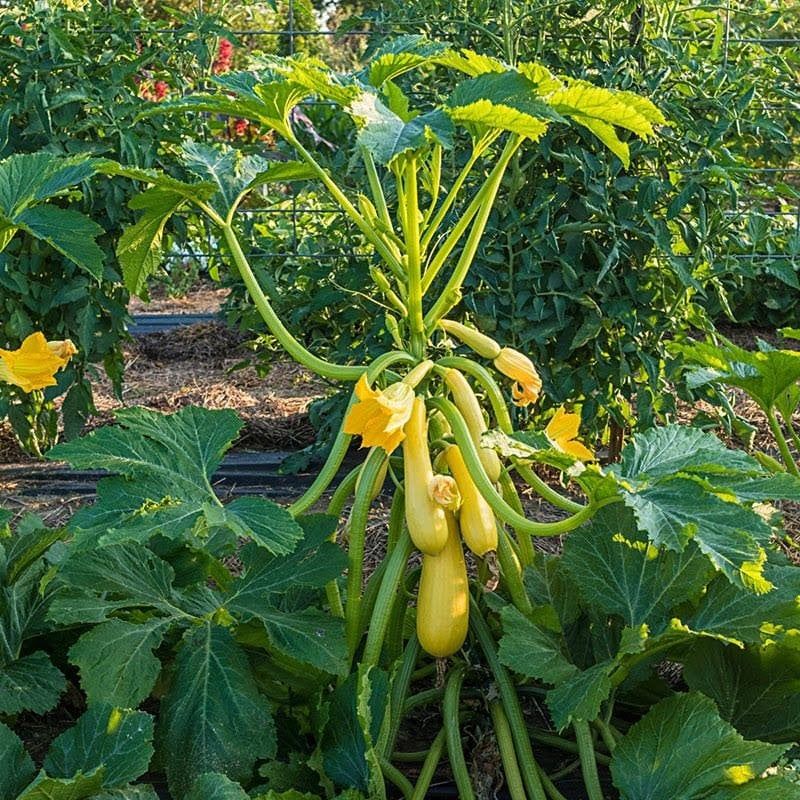
Beyond zucchini, summer squash comes in a wonderful range of shapes, sizes, and colors that can make your garden look as good as it tastes. Yellow crookneck, straightneck, and pattypan varieties all thrive in warm summers and can be ready to harvest in just 45 to 55 days from planting.
That makes May an ideal time to get seeds or transplants into the ground.
Summer squash grows best in full sun with rich, fertile soil. Add compost before planting to give your plants a strong nutritional start.
Space plants about two to three feet apart to give them room to spread out and get good airflow between the leaves. Good airflow matters because squash can be prone to powdery mildew, a common fungal problem in sometimes humid summer evenings.
Consistent watering is key to keeping summer squash healthy and productive. Water at the base of the plant and avoid wetting the leaves when possible.
Mulching around each plant helps the soil stay moist and reduces the need for frequent watering. Like zucchini, summer squash tastes best when harvested young and tender.
Yellow varieties are usually at their peak when they are four to six inches long. Pattypan squash is best picked when it is about three inches across.
Keep harvesting regularly to encourage the plant to keep producing new fruit all the way through late summer.
6. Pumpkins
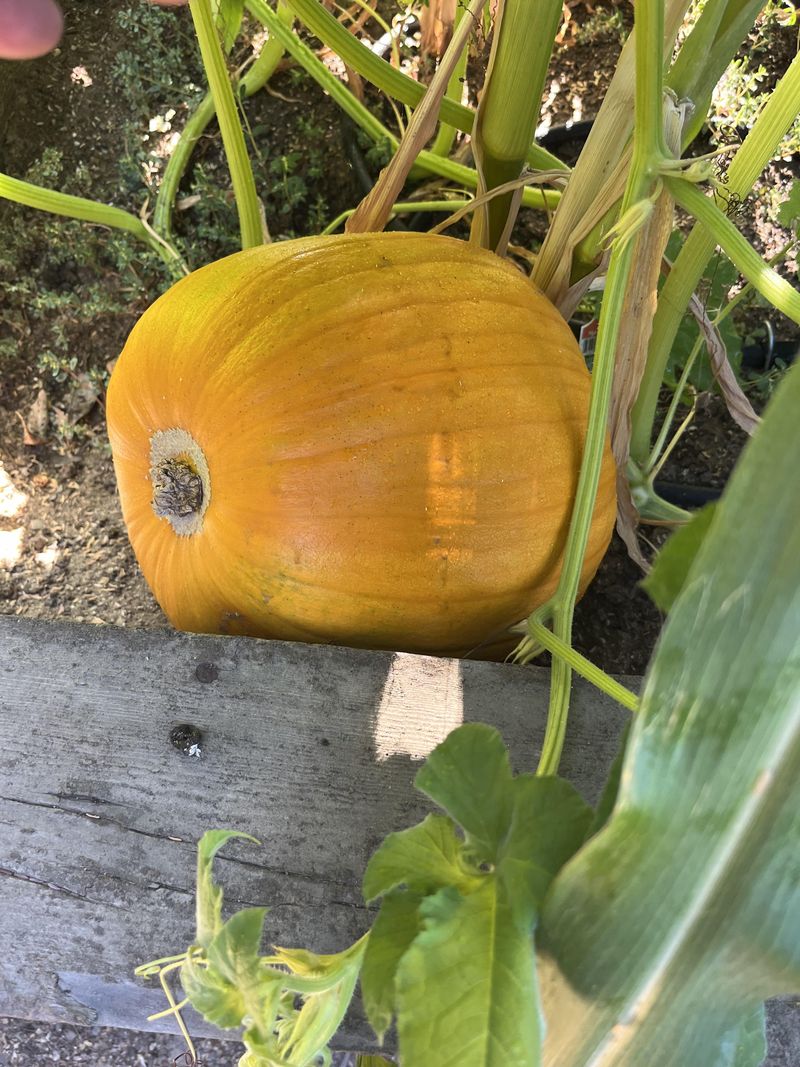
Growing your own pumpkins is one of the most fun and rewarding projects a home gardener can take on. Whether you want small sugar pumpkins for pie or big carving pumpkins for Halloween, May is actually the last good window to get them planted and still expect a full harvest before the fall frost arrives.
Pumpkins need a lot of space. Most vining varieties spread six to ten feet in every direction, so plan accordingly.
Plant seeds one inch deep in groups of two to three, then thin to the strongest plant once they sprout. Choose a location with full sun and rich, well-draining soil.
Pumpkins are heavy feeders, so work plenty of compost into the planting area before you start. A raised mound or hill of soil helps with drainage and warms up faster in the sun.
Most pumpkin varieties take between 90 and 120 days to mature, which means a late May planting puts your harvest right around mid-September to October. That timing lines up perfectly with fall.
Keep the vines well-watered, especially during dry stretches in July and August. Drip irrigation or soaker hoses work great for pumpkins because they deliver water directly to the roots without wetting the leaves.
Watch for squash vine borers and cucumber beetles, which are the most common pests in pumpkin patches. Bush-type varieties like Cinderella and Sugar Pie work well for smaller gardens.
7. Winter Squash
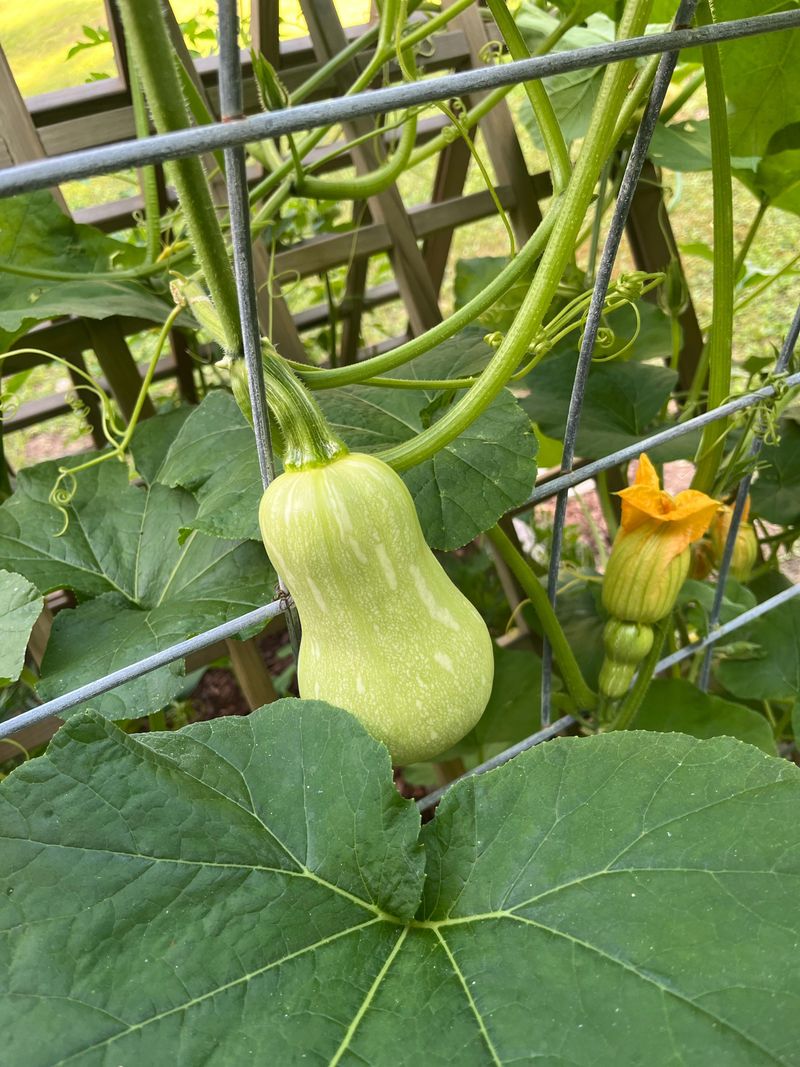
Do not let the name fool you. Winter squash is planted in the warm months and harvested in fall, but it earns its name because the hard-skinned fruit can be stored for months through the winter.
Varieties like butternut, acorn, delicata, and spaghetti squash all do well and can be started from seed in May with great results.
These plants need space, patience, and warm soil to get going. Most winter squash varieties take 80 to 110 days to reach full maturity, so planting in May gives them just enough time to ripen before the first fall frost in most valleys.
Choose a sunny spot and prepare the soil with compost before planting. Sow seeds one inch deep and space plants at least three to four feet apart, or give vining types even more room if you have it.
Water deeply once or twice a week rather than giving shallow, frequent waterings. Deep watering encourages strong root growth, which helps the plants handle occasional summer dry spells.
Once the fruit starts to develop, you can ease back slightly on watering to encourage the skin to toughen up for storage. Harvest winter squash when the skin is hard enough that you cannot dent it with your fingernail and the stem has begun to dry out.
Cure the fruit in a warm, dry spot for a week or two after harvest to extend its shelf life.
8. Corn
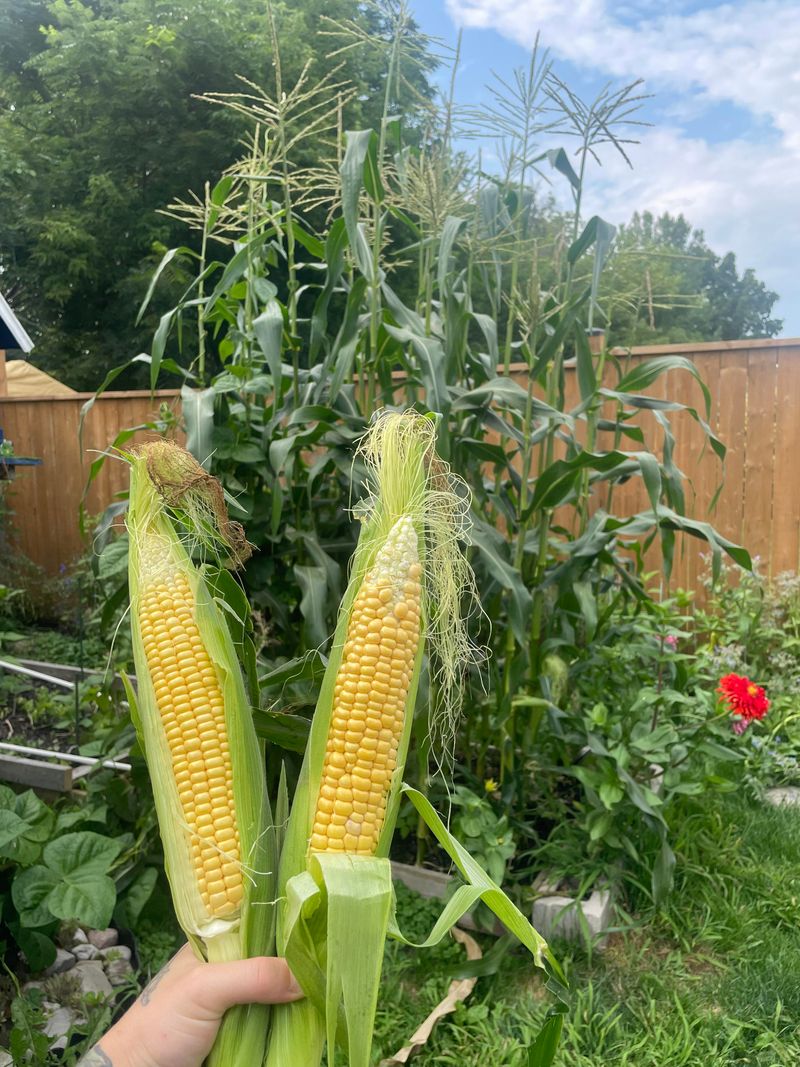
Sweet corn fresh from the garden is one of summer’s greatest pleasures, and yes, you can absolutely grow it in Oregon with a May planting. The key is choosing a fast-maturing variety and making sure the soil is warm enough before you drop a single seed in the ground.
Corn needs soil temperatures of at least 60 degrees Fahrenheit to germinate well, and most of Oregon hits that mark by mid-May.
Corn is wind-pollinated, which means it needs to be planted in blocks rather than single long rows. A block of at least four rows side by side gives the pollen a much better chance of landing on the silks of neighboring plants.
Poor pollination leads to ears with missing kernels, which is one of the most common corn-growing frustrations. Plant seeds one inch deep and eight to twelve inches apart in rows that are spaced about two to three feet apart.
Corn is a heavy feeder and loves nitrogen-rich soil. Side-dress plants with a balanced fertilizer when they are about knee-high and again when the tassels appear at the top.
Water consistently, especially during the silking stage, when dry conditions can seriously reduce your yield. Most sweet corn varieties mature in 70 to 85 days, putting your harvest right in the middle of August.
Great short-season varieties include Earlibird, Sugar Buns, and Bodacious, all of which deliver sweet, tender kernels in a reasonable time frame.
9. Tomatoes
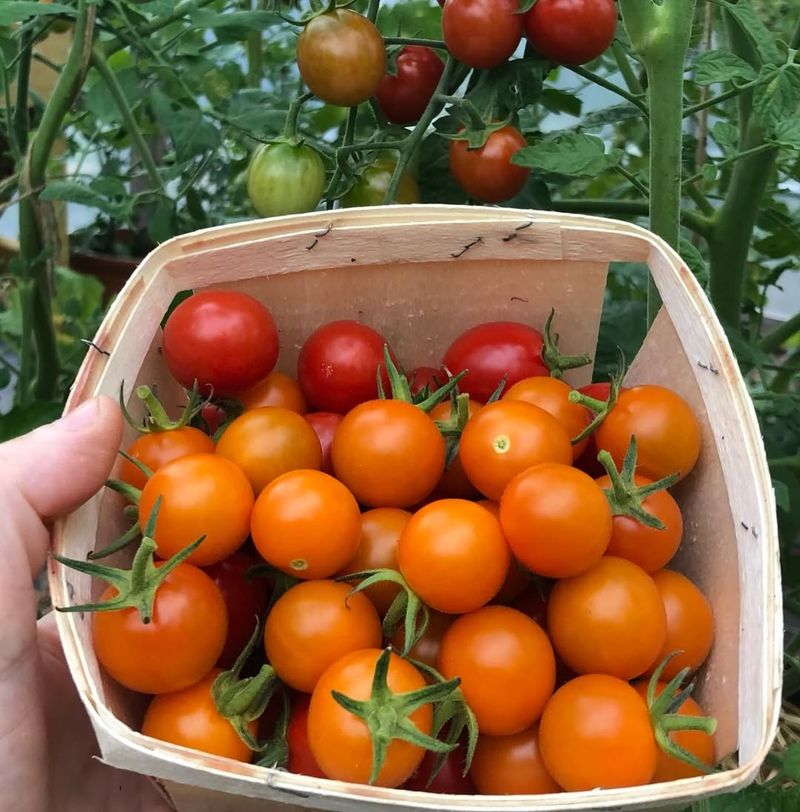
Nothing says summer garden quite like a vine-ripened tomato still warm from the sun. Tomatoes can be a bit tricky because the growing season is shorter than in warmer states, but May is actually the right time to get transplants in the ground, especially west of the Cascades where temperatures stay mild and relatively consistent through the summer.
Always start with transplants rather than seeds in May since direct-seeded tomatoes would not have enough time to mature before fall. Choose varieties that are known to perform well in the Pacific Northwest, such as Willamette, Siletz, Legend, or any of the Early Girl types.
These varieties were bred or selected specifically to set fruit in cooler conditions, which is a real advantage in cloudy summers. Plant transplants deep, burying the stem up to the lowest set of leaves to encourage strong root development.
Tomatoes need full sun, at least six to eight hours per day, and consistent moisture to avoid problems like blossom end rot and cracking. Use a cage, stake, or trellis to support the plants as they grow.
Mulch around the base to keep the soil evenly moist and warm. Feed plants with a tomato-specific fertilizer every two to three weeks once they start flowering.
Avoid heavy nitrogen feeding after the plants set fruit, as this encourages leafy growth at the expense of ripening. With the right care, you can be harvesting ripe tomatoes from late July through September.