This One Native Flower Can Turn An Ohio Yard Into A Hummingbird And Butterfly Haven
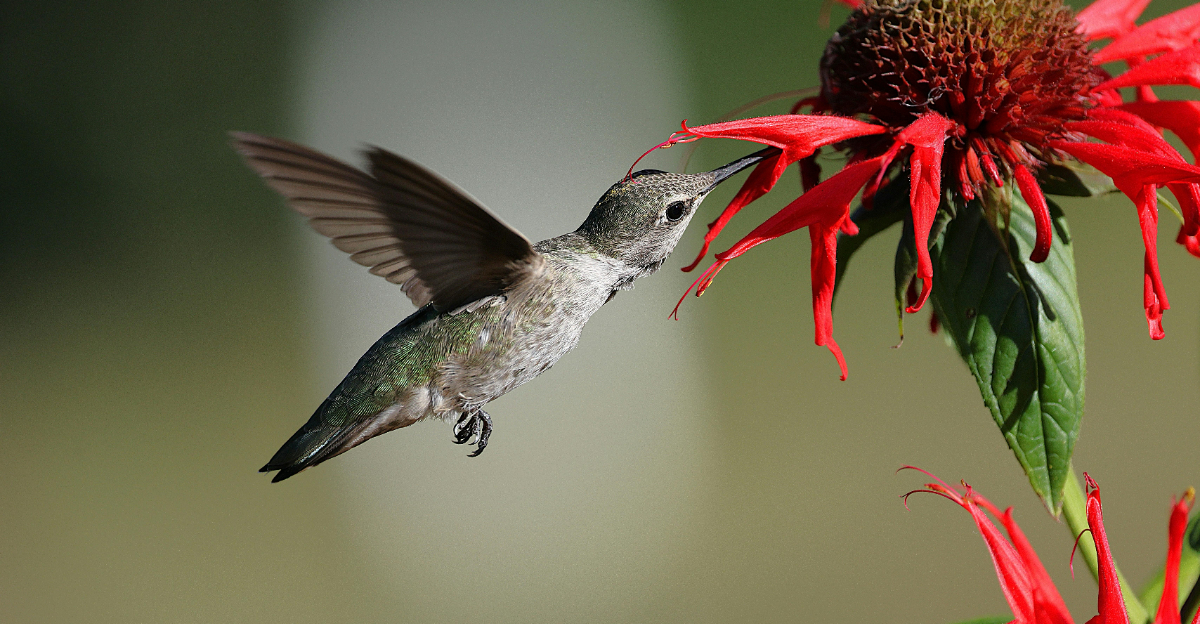
One plant. That is all it takes to flip an ordinary Ohio yard into a hummingbird and butterfly hotspot that stops people in their tracks.
Bee balm has been doing exactly that for centuries, growing wild across Ohio long before anyone thought to put it in a garden bed. Pollinators did not need convincing.
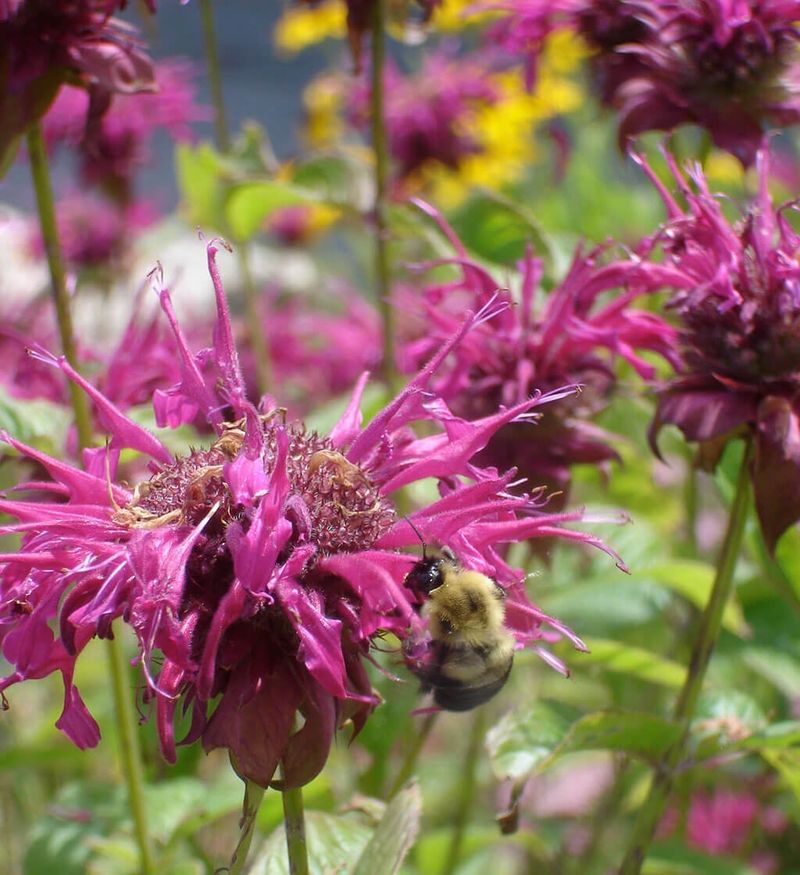
Ruby-throated hummingbirds zero in on those tubular blooms like they have a GPS lock. Swallowtails treat a mature patch like an all-day buffet.
Bumblebees show up early and refuse to leave. What makes bee balm so hard to ignore is the combination it brings to the table: bold color, heavy nectar production, and a toughness that laughs at Ohio clay, late frosts, and August humidity.
It spreads, it returns every year, and it gets better with age. Plant one patch this season and by midsummer your yard will have more wings in it than you know what to do with.
1. Plant Bee Balm As Your Native Pollinator Magnet
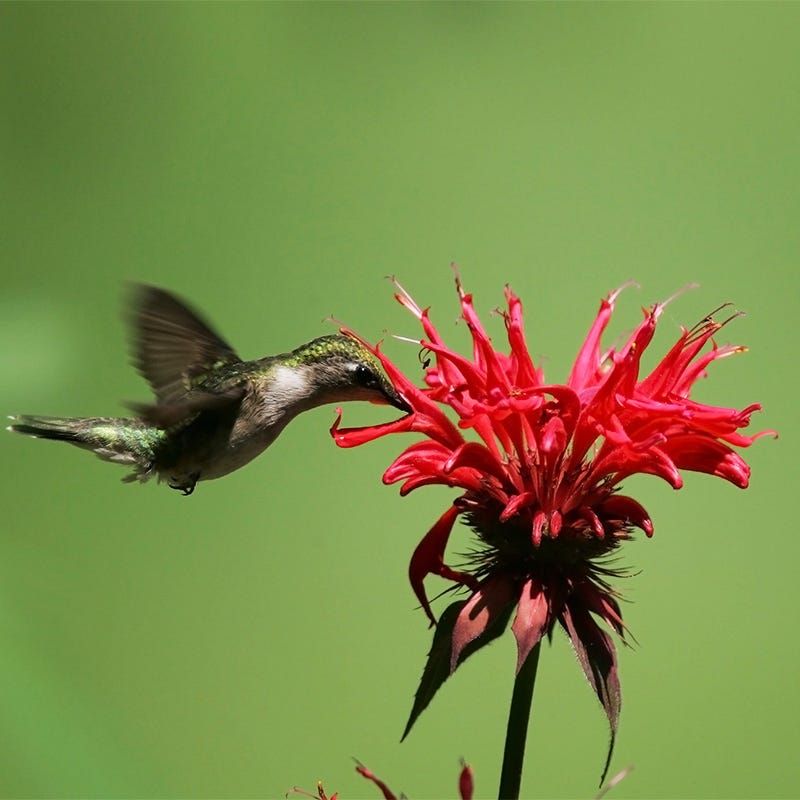
Few native plants pack the wildlife punch that bee balm delivers during a summer. The tubular flower shape of scarlet bee balm, known botanically as Monarda didyma, is practically designed for a ruby-throated hummingbird’s long bill.
The blooms sit in dense, crown-like clusters on upright stems, offering nectar that hummingbirds, swallowtail butterflies, and bumblebees actively seek out from late June through August.
Wild bergamot, Monarda fistulosa, is the lavender-flowered bee balm species native to drier sites. It draws an impressive range of native bees, including specialist bees associated with Monarda pollen.
Both species are genuinely native to Ohio and offer real ecological value in a way that many ornamental plants simply cannot match.
Expecting hummingbirds to appear the first afternoon after planting is unrealistic, but a well-established patch of bee balm in a visible, sunny spot will reliably attract pollinators season after season.
The nectar production is strong, the bloom period lasts several weeks, and the plant spreads gradually to form a patch that becomes more noticeable to wildlife over time.
Starting with two or three plants gives a better result than a single stem tucked into a corner.
2. Choose The Right Bee Balm For Your Ohio Yard
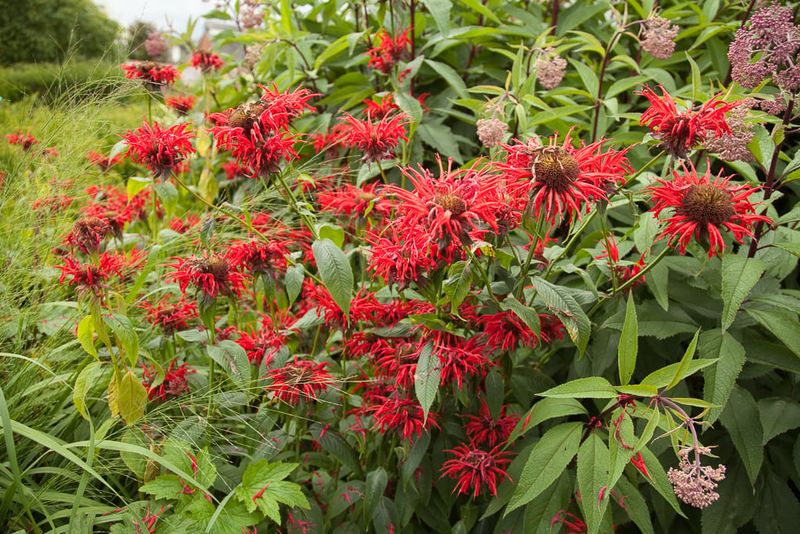
Not every bee balm behaves the same way, and picking the right one for your specific yard can make a real difference. Scarlet bee balm grows taller, often reaching three to four feet, and prefers consistently moist soil with good sun.
Wild bergamot handles drier, sunnier spots better and tends to be slightly more compact, making it a smart choice for open pollinator beds or sunny slopes in central and western regions.
Spotted bee balm, Monarda punctata, is a shorter, drought-tolerant native that thrives in well-drained, sandy, or gravelly soils. It is less commonly found in nurseries but worth seeking out for dry, sunny sites where other bee balm types struggle.
Spotted bee balm also attracts a fascinating variety of native bees and is worth considering for southern gardens with lighter soils.
Mildew-resistant cultivars like ‘Jacob Cline,’ ‘Raspberry Wine,’ and ‘Fireball’ are popular choices for gardeners who want the wildlife benefits without constant disease pressure.
Your Ohio Garden Changes Every Week. Your Plan Should Too.
Gardening in Ohio changes quickly throughout the season. Every Friday you’ll receive a simple weekly plan showing exactly what to plant, prune, fertilize, harvest, and protect so you never miss the right timing.
Keep in mind that some cultivars are hybrids, and their nectar value or pollen availability may differ from straight native species.
Buying from reputable native plant nurseries or native plant sales ensures a better chance of getting a plant suited to local conditions and genuine wildlife value.
3. Give The Flowers Enough Sun To Put On A Show
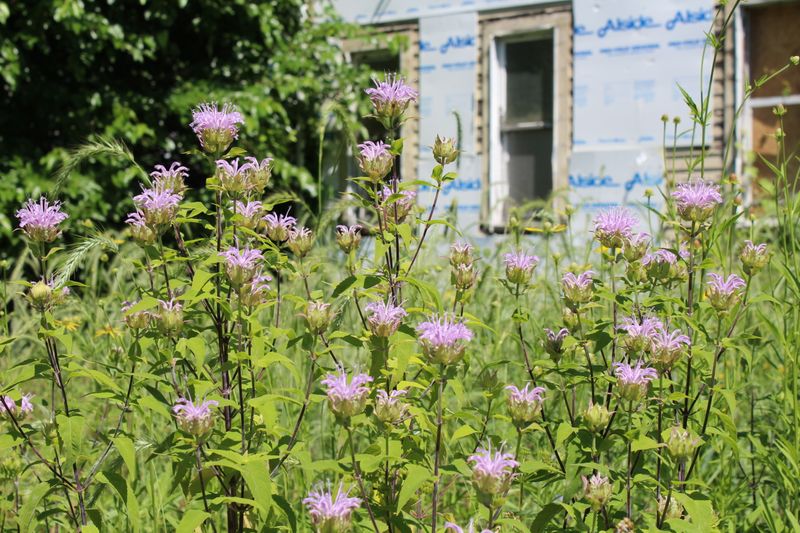
A yard with mature shade trees can feel like the perfect garden setting, but bee balm has strong opinions about sunlight. Most types flower most freely with at least six hours of direct sun each day.
Planting bee balm in a shadier corner might keep the plant alive, but the bloom count will drop noticeably, and the risk of powdery mildew climbs when air circulation is poor and light is limited.
Sunny borders along fences, open pollinator beds away from large trees, and bright spots near patios or driveways tend to give bee balm the conditions it prefers.
Rain garden edges that receive full sun for most of the day can also work well, especially for scarlet bee balm, which appreciates slightly more moisture.
Wild bergamot is a better fit for open, windy, sun-baked spots in central regions where reflected heat from pavement can dry out less tolerant plants.
Part shade, meaning roughly four hours of direct sun, can work for some cultivars, particularly in southern regions where summer heat is intense.
Choosing a spot with morning sun and afternoon shade in those warmer regions can reduce stress on the plant while still producing enough blooms to attract pollinators.
The goal is consistent, quality light rather than the most exposed corner of the yard.
4. Leave Room For Airflow In Humid Ohio Weather
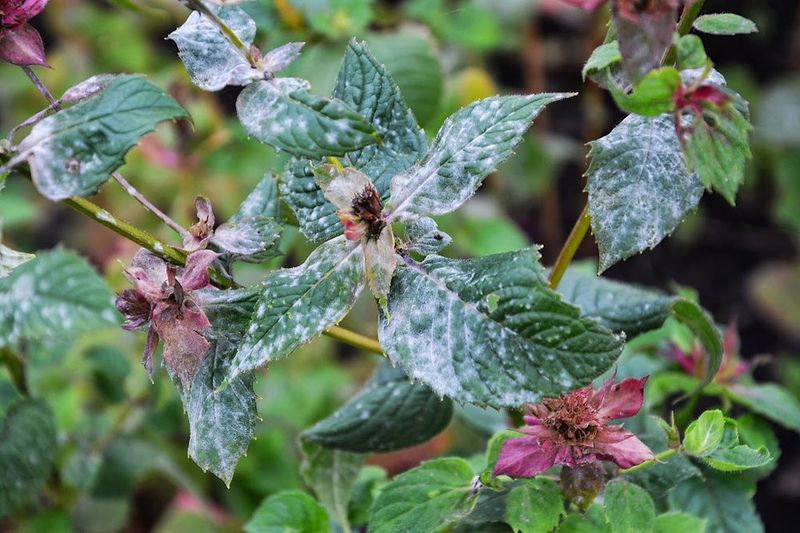
Ohio summers are reliably humid, and bee balm knows it. Powdery mildew, the white chalky coating that appears on foliage during warm, damp stretches, is one of the most common complaints from gardeners growing Monarda in the Midwest.
The frustrating part is that mildew rarely destroys the plant outright, but it does make the patch look tired and ragged by late summer when the foliage should still look respectable.
Spacing plants at least 18 to 24 inches apart gives each stem room to breathe. Crowded clumps trap humidity around the foliage and create the still, stagnant conditions that powdery mildew favors.
Thinning out the center of an established clump every two or three years improves airflow significantly and keeps the patch healthier overall. Avoid planting bee balm directly against walls, fences, or dense shrubs where air movement is blocked.
Choosing a mildew-resistant cultivar is one of the most practical decisions a gardener can make.
Varieties developed specifically for mildew resistance, such as ‘Jacob Cline’ or ‘Claire Grace,’ perform noticeably better in humid lake-effect areas near Lake Erie or in shaded older neighborhoods where air movement is limited.
Wild bergamot also tends to show better mildew tolerance than scarlet bee balm in open, sunny plantings across interior counties.
5. Keep Soil Moist Without Letting Roots Stay Soggy
Clay soil is a reality for a large portion of gardeners, and it changes how bee balm behaves in the ground.
Heavy clay holds moisture well, which scarlet bee balm appreciates during dry spells, but it can stay waterlogged after heavy rain in ways that stress the roots over time.
Amending clay beds with compost before planting improves drainage without making the soil too dry for bee balm’s preferences.
Raised beds and gentle slopes drain faster than flat clay borders, so plants in those spots may need more frequent watering during July and August dry stretches.
Mulching lightly with two to three inches of wood chips or shredded leaves helps retain soil moisture between watering sessions and keeps roots cooler during hot weather.
Avoid piling mulch directly against the base of the stems, which can hold excess moisture near the crown.
Watering at the base of the plant rather than overhead keeps foliage drier and reduces the conditions that encourage powdery mildew. During prolonged dry periods, a slow, deep watering once or twice a week is more effective than frequent light sprinkles.
Containers dry out faster than garden beds and need closer attention in summer. Wild bergamot and spotted bee balm both handle drier conditions better than scarlet bee balm if drainage is a persistent problem.
6. Group Plants Together So Pollinators Notice Them
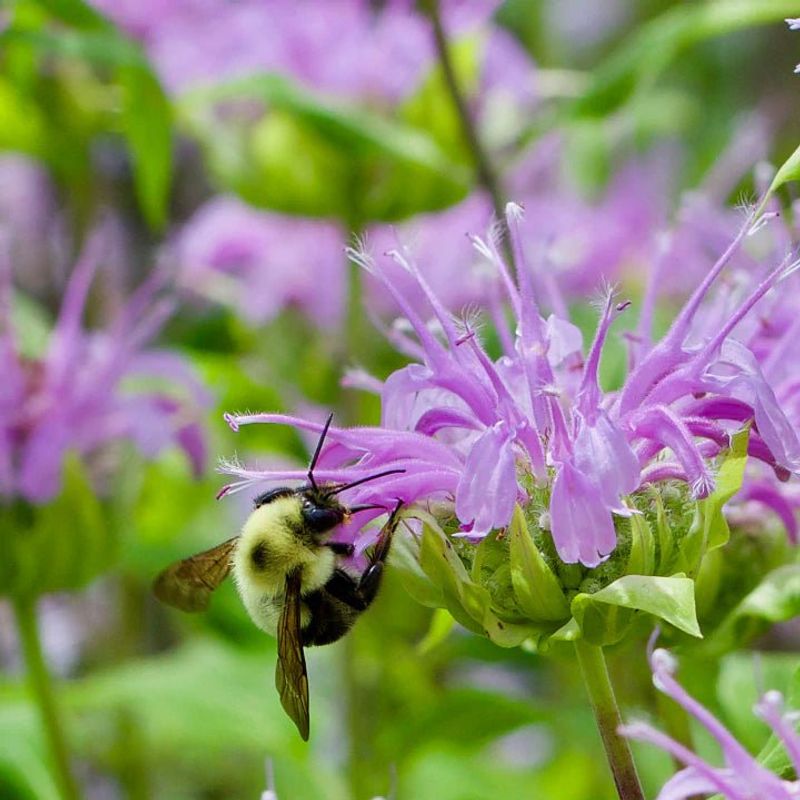
A single bee balm plant in a large yard is easy for pollinators to overlook.
Hummingbirds and butterflies tend to key in on patches of color rather than individual stems, so grouping three to five plants together in one spot gives the planting much more visual weight from a distance.
Even a modest cluster along a sunny fence line can become a regular stop on a hummingbird’s daily route through the neighborhood.
Small pollinator beds work well when bee balm is planted in a loose drift rather than a single straight line. A natural, irregular grouping looks more like a meadow edge and tends to feel more inviting to wildlife than a rigid row.
Placing the patch where it can be seen from a patio, kitchen window, or outdoor seating area also means the gardener gets to enjoy the activity up close without disturbing the plants.
Keep walkways and smaller companion plants in mind when deciding where to position the cluster. Bee balm spreads by underground rhizomes and can expand more quickly than expected once it settles in.
Planting near a pathway edge risks the patch creeping into foot traffic zones within a few seasons. A spot with open space on at least two sides gives the planting room to grow naturally without becoming a maintenance problem for surrounding beds.
7. Trim Faded Blooms To Keep The Patch Looking Fresh
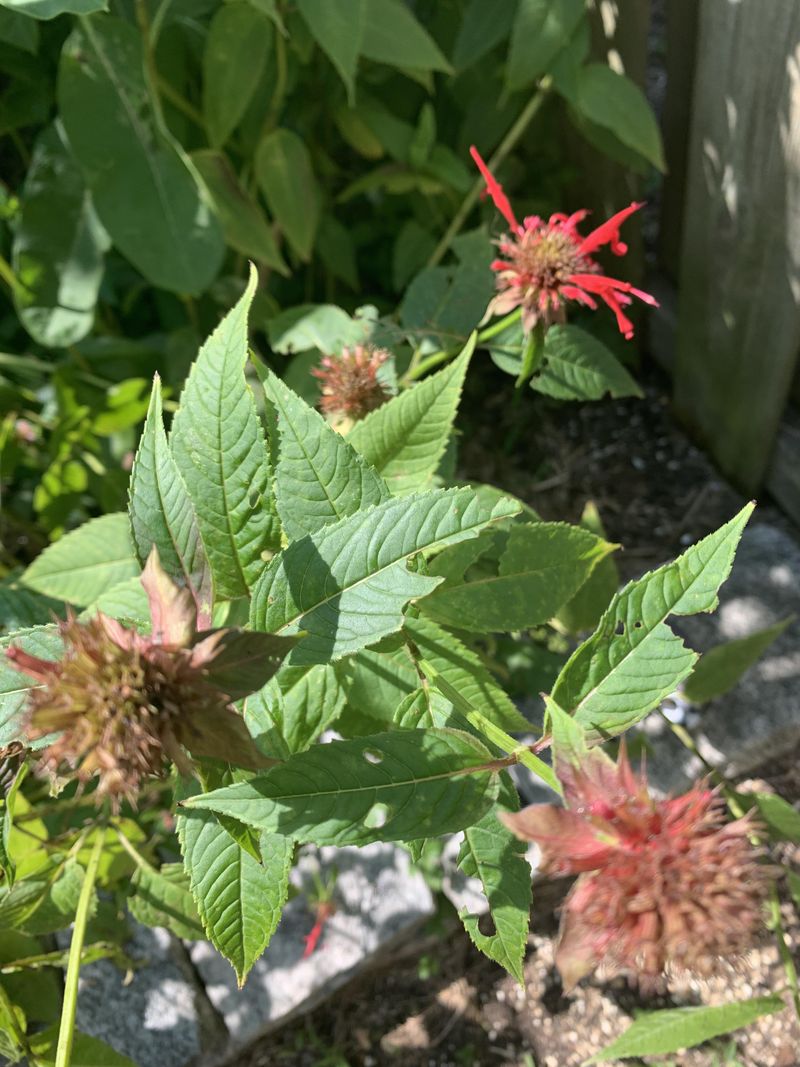
Once the first flush of bee balm flowers begins to fade, the patch can start looking a little worn around the edges.
Remove spent flower heads by cutting the stem back to the next set of healthy leaves. This keeps the plant tidy and can encourage a second round of blooms on some cultivars, especially mildew-resistant varieties with strong late-summer foliage.
It takes only a few minutes and makes a noticeable difference in how the planting looks from the yard or street.
Cutting back tired stems to about half their height after the main bloom period also reduces the weight of the plant and helps it stay upright during late-summer storms.
Gardens can see significant rain and wind in August, and a heavy, top-loaded bee balm patch can flop badly without some timely trimming.
Thinning the stems at the same time improves airflow and reduces mildew pressure heading into the hottest part of the season.
Leaving a portion of the later seed heads intact through fall is worth considering. The seed heads offer texture in the fall and winter garden, while also giving the patch a more natural look after bloom.
A tidy middle ground between a perfectly groomed bed and a fully natural look is easy to achieve by trimming the front of the patch while leaving the back rows less disturbed.
8. Pair Bee Balm With Other Natives For A Longer Season
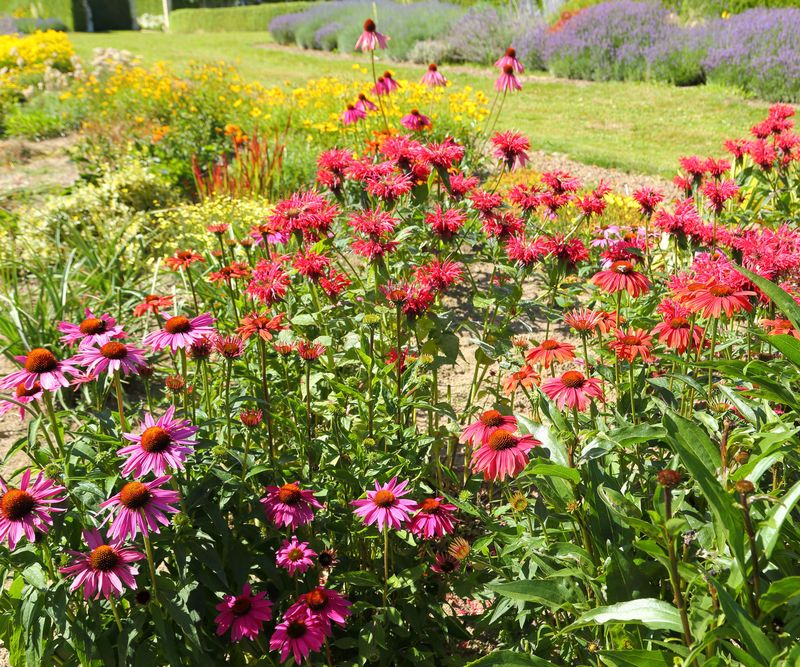
Bee balm is a strong mid-summer performer, but pollinators need food from spring through fall, not just during July and August.
Pairing it with native plants that bloom earlier and later creates a more complete habitat that supports a wider range of wildlife across the whole season.
Wild columbine blooms in spring and bridges the gap before bee balm opens. Milkweed overlaps with bee balm in early summer and is essential for monarch butterflies passing through the state.
Coneflower and black-eyed Susan bloom alongside or just after bee balm and keep the color going into August.
Mountain mint, a native plant that University Extension recognizes as a top pollinator plant, blooms in midsummer and attracts an impressive variety of bees and wasps when planted near bee balm.
Native asters and goldenrods carry the season into October and provide critical late-season nectar for migrating monarchs and native bees preparing for winter.
Bee balm remains the centerpiece and the reason hummingbirds may visit more consistently during summer. The companion plants extend the season, add visual variety, and strengthen the overall habitat value of the planting.
A bed that combines bee balm with four or five of these seasonal partners creates a genuinely useful wildlife garden rather than a brief summer spectacle.
Choosing plants suited to the same light and moisture conditions makes the combination easier to manage over time.
9. Divide Established Clumps To Keep Plants Vigorous
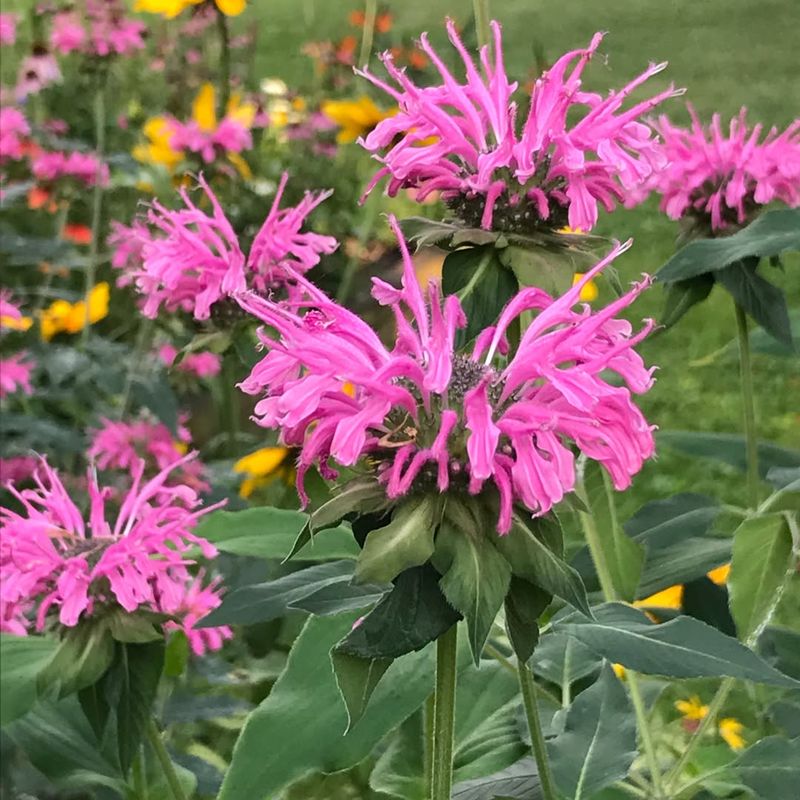
After three or four years in the ground, a bee balm clump can develop a hollow center where the oldest growth has faded and new shoots push outward in a ring. The plant is not in trouble, but it is telling you something useful.
Dividing the clump every three to four years refreshes the planting, improves flowering, and gives the gardener extra plants to fill new spots or share with neighbors who want to start their own pollinator patch.
Early spring, just as new shoots emerge from the soil, is the best time to divide bee balm. The ground is usually workable by late March or early April in most parts of the state, and the plants recover quickly when divided before summer heat arrives.
Using a sharp garden fork or spade to separate the outer sections of the clump and discarding the worn-out center gives the best results. Replant the divisions at the same depth they were growing before.
Each division should have several healthy shoots and a good section of root attached.
Watering divisions thoroughly after replanting and keeping the soil consistently moist for the first few weeks helps them establish without stress.
Dividing also resets the clump’s shape and prevents the spreading rhizomes from overtaking neighboring plants. In smaller urban yards or compact front-yard pollinator beds, regular division is one of the most practical ways to keep bee balm well-behaved and productive.