These Mistakes Destroy Alocasia Slowly In Pennsylvania Homes
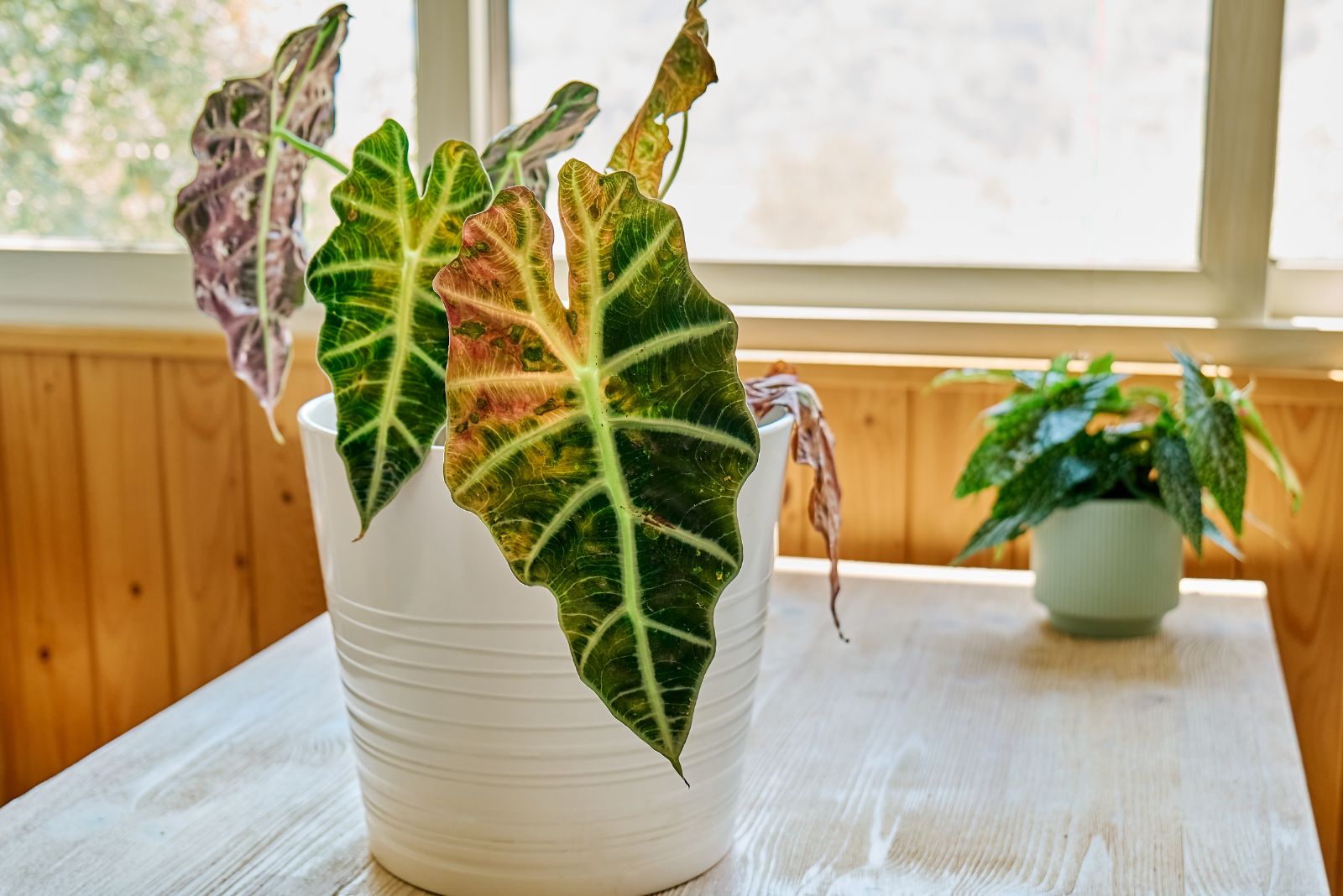
Alocasia is one of those houseplants that looks absolutely stunning when it is thriving, with those bold dramatic leaves that turn any room into something special. Getting it to actually thrive inside a Pennsylvania home though is where a lot of people run into trouble.
This plant has a reputation for being finicky, and in some ways that reputation is earned. Pennsylvania winters mean low light, dry indoor air from heating systems, and temperature swings near windows that can stress this plant in ways that are not always obvious right away.
The damage tends to happen gradually, a yellowing leaf here, some browning edges there, and by the time something looks seriously wrong, the mistakes have already been building up for weeks.
Most of them are easy to fix once you know what to look for, and catching them early makes all the difference for keeping this plant healthy long term.
1. Overwatering In Low Light
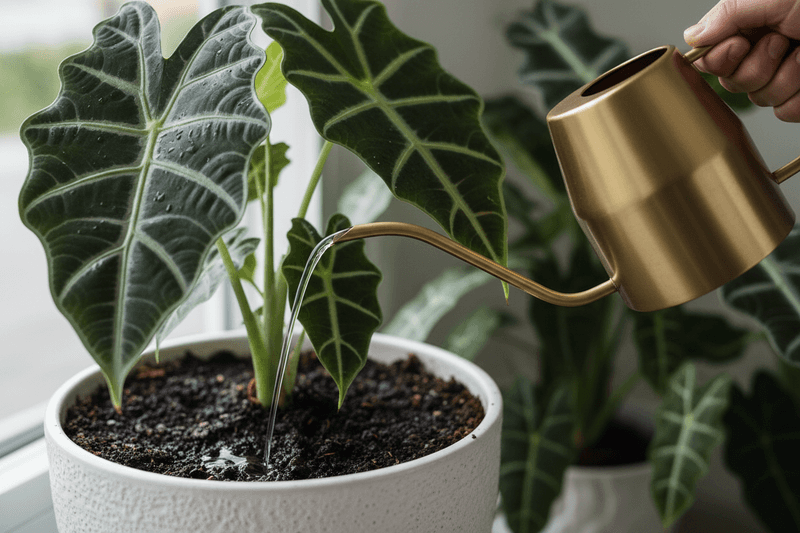
Most plant owners water on a schedule, but Alocasias do not work that way. In Pennsylvania homes, fall and winter bring shorter days and weaker sunlight.
That lower light slows the plant’s growth significantly. When growth slows, the plant uses far less water than it did during spring and summer.
Watering on the same schedule year-round is one of the fastest ways to cause trouble. The soil stays wet for too long, and the roots begin to sit in moisture they cannot use.
Over time, that standing water creates the perfect environment for root rot to develop. Root rot is sneaky because you cannot always see it happening until the damage is already serious.
Signs of overwatering include yellowing leaves, mushy stems near the base, and soil that never seems to fully dry out. If you press your finger two to three inches into the soil and it still feels damp, hold off on watering.
Pennsylvania winters can be especially tricky because heating systems run constantly, making it feel like the plant needs more water when it actually does not.
A simple moisture meter can take all the guesswork out of watering. They are inexpensive and widely available.
Always check the soil before adding any water. During the colder months in Pennsylvania, your Alocasia might only need watering once every ten to fourteen days.
Give the soil time to partially dry between waterings. Your plant will thank you with healthy, upright leaves and steady growth when the season turns warmer again.
2. Letting The Plant Sit In Cold Drafts
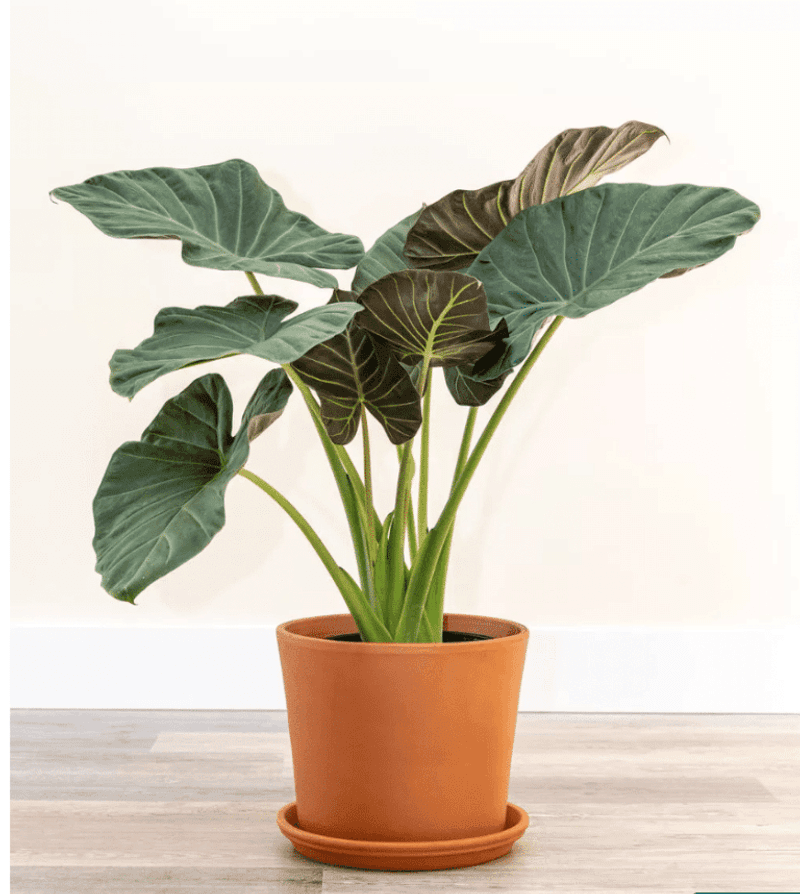
Alocasias are tropical plants through and through. They come from warm, humid regions where temperatures rarely drop below sixty degrees Fahrenheit.
Pennsylvania winters are nothing like that. Temperatures outside can plunge well below freezing, and that cold air finds its way inside more often than you might think.
Drafty windows are a huge problem in older Pennsylvania homes. Even a small gap around a window frame can let in enough cold air to stress your Alocasia.
The same goes for exterior doors that open and close frequently, especially in entryways or mudrooms. Cold air blasts hitting the plant repeatedly cause the leaves to droop, turn yellow, and eventually fall off.
Your Pennsylvania Garden Changes Every Week. Your Plan Should Too.
Gardening in Pennsylvania changes quickly throughout the season. Every Friday you’ll receive a simple weekly plan showing exactly what to plant, prune, fertilize, harvest, and protect so you never miss the right timing.
You might notice the damage shows up first on the leaves closest to the window or door. That is a clear sign the plant is reacting to temperature changes rather than a watering or lighting issue.
Moving the plant even a few feet away from a drafty spot can make a noticeable difference within a week or two.
Check your windows and doors during Pennsylvania’s colder months. Feel for air movement around the edges.
If you can feel a draft, your Alocasia definitely can too. Weatherstripping or a draft stopper at the base of doors can help protect both your plant and your heating bill.
Keep your Alocasia in a room where temperatures stay consistently between sixty-five and eighty degrees Fahrenheit.
Stable warmth is one of the kindest things you can do for this plant during a long Pennsylvania winter. Consistency matters more than anything else here.
3. Using Heavy, Poorly Draining Soil
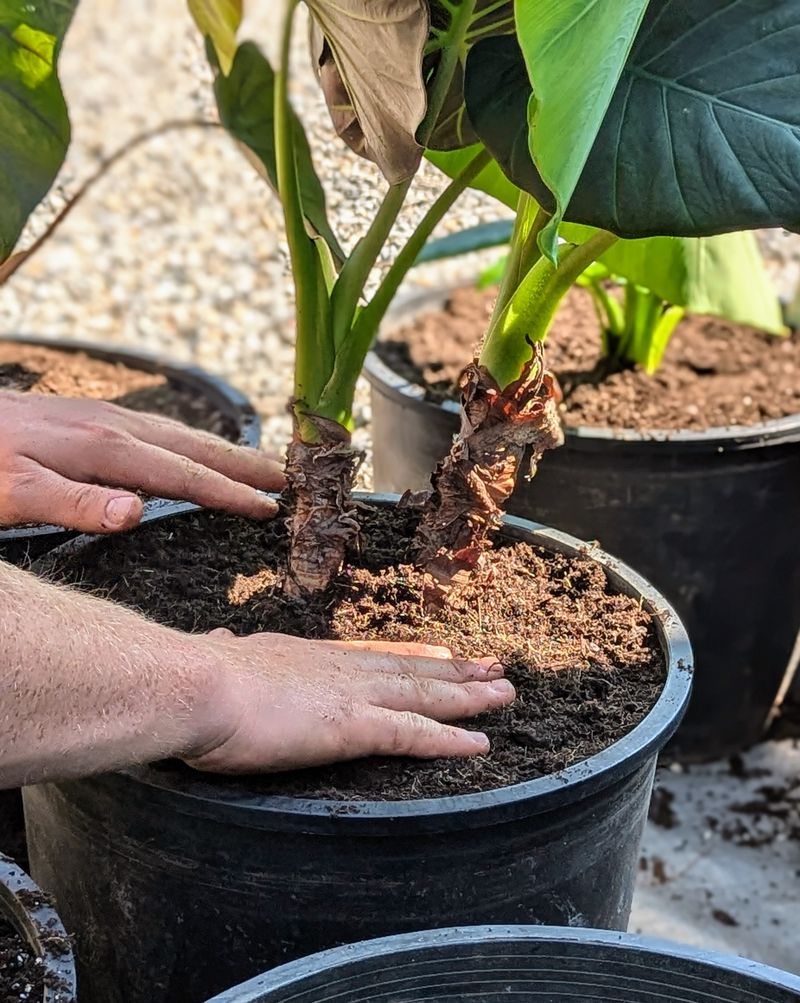
Grab a handful of standard potting soil and squeeze it. Notice how it clumps together and holds its shape?
That dense texture is great for some plants, but it is a real problem for Alocasias. These plants want their roots to breathe. Heavy soil traps moisture around the roots for far too long, which is a recipe for rot.
Many plant owners in Pennsylvania make the mistake of using whatever bagged potting mix is available at the local garden center without checking the ingredients. A lot of those mixes are designed for outdoor vegetables or general-purpose use.
They are too dense for tropical plants like Alocasia that need quick drainage and airflow around the roots.
A good Alocasia mix should feel light and chunky. Try blending regular potting soil with perlite and orchid bark.
A rough ratio of about forty percent potting soil, thirty percent perlite, and thirty percent orchid bark works really well. This combination allows water to flow through quickly while still holding just enough moisture for the roots to absorb what they need.
Repotting into a better soil mix can completely transform a struggling Alocasia. If your plant has been sitting in the same dense soil for more than a year, it might be time for a refresh.
Spring is the best time to repot in Pennsylvania, right as the longer days return and the plant begins actively growing again. Always use a pot with drainage holes so excess water can escape freely.
Good soil combined with proper drainage is one of the most reliable ways to keep your Alocasia healthy long-term.
4. Ignoring Humidity Needs
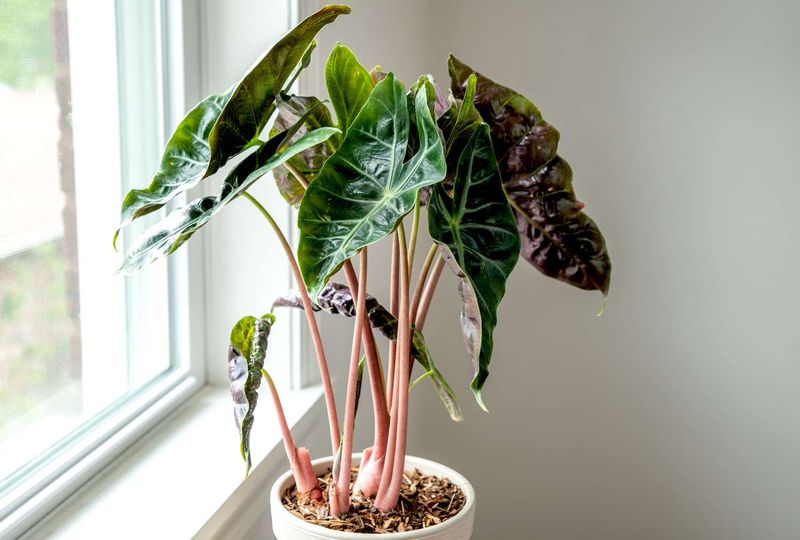
Pennsylvania winters are notoriously dry indoors. Once the heating system kicks on in October or November, the air inside most homes drops to humidity levels well below what any tropical plant enjoys.
Alocasias evolved in steamy jungle environments where humidity regularly sits above sixty percent. Most Pennsylvania homes in winter hover somewhere between twenty and thirty percent. That gap is significant.
Low humidity shows up on your Alocasia in a very specific way. The leaf edges start turning brown and crispy, almost like the tips are being slowly toasted.
The rest of the leaf might still look green and healthy, but those brown edges are a distress signal. If you ignore it, the browning spreads inward and the leaves begin to look ragged and worn.
Boosting humidity does not have to be complicated or expensive. A small humidifier placed near your Alocasia can make a dramatic difference almost immediately.
Run it for a few hours each day, especially during the coldest months when Pennsylvania heating systems work overtime. Another option is grouping your tropical plants together.
Plants naturally release moisture through their leaves, and clustering them raises the humidity in that small area.
A pebble tray is another easy trick. Fill a shallow tray with small pebbles, add water just below the top of the pebbles, and set the pot on top.
As the water evaporates, it creates a small humid zone around the plant. Misting the leaves can help briefly, but it is not as effective as a humidifier for long-term results.
Consistent humidity is one of the biggest keys to a thriving Alocasia in any Pennsylvania home.
5. Too Much Direct Sunlight Indoors
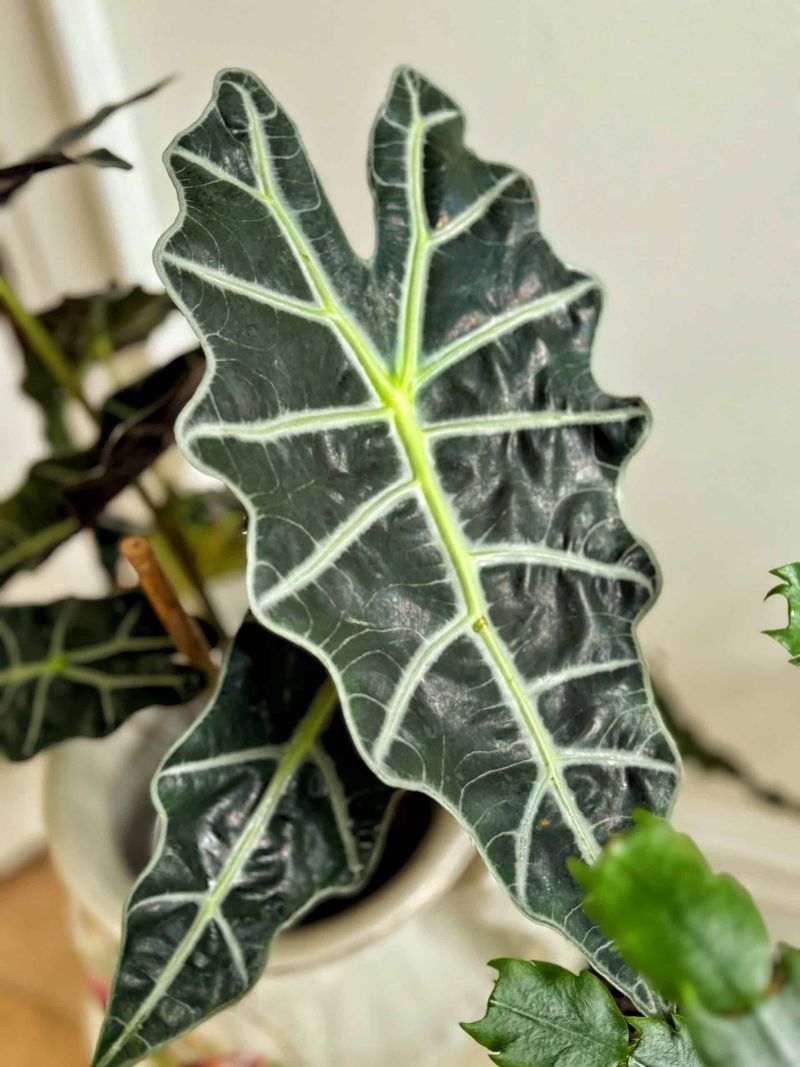
Bright light and direct sunlight are not the same thing, and mixing them up can seriously harm your Alocasia. A lot of plant owners assume that more light is always better.
So they move their Alocasia right in front of a sunny window, thinking they are doing the plant a favor. But harsh, direct sun can actually scorch those beautiful big leaves in a surprisingly short time.
South-facing and west-facing windows in Pennsylvania homes are the most intense. In the afternoon especially, the light streaming through those windows is strong enough to bleach and burn Alocasia leaves.
You will notice pale, washed-out patches on the leaf surface, or edges that look crispy and dry even when the soil has enough moisture. Once a leaf is scorched, that damage does not reverse. The leaf stays marked for its entire lifespan.
The fix is simpler than you might expect. Move the plant back a foot or two from the window, or add a sheer curtain to filter the incoming light.
East-facing windows are often the sweet spot for Alocasias in Pennsylvania homes. They get gentle morning light that is bright but not harsh.
North-facing windows can work too, though the light may be a little too low during the shorter days of winter.
Rotating your plant every week or two also helps. It ensures all sides of the plant get even exposure and prevents one side from getting too much while the other stretches toward the light.
Bright, indirect light is the golden rule for Alocasia success, and getting this right makes a noticeable difference in the vibrancy and size of the leaves over time.
6. Letting It Go Completely Dry For Too Long
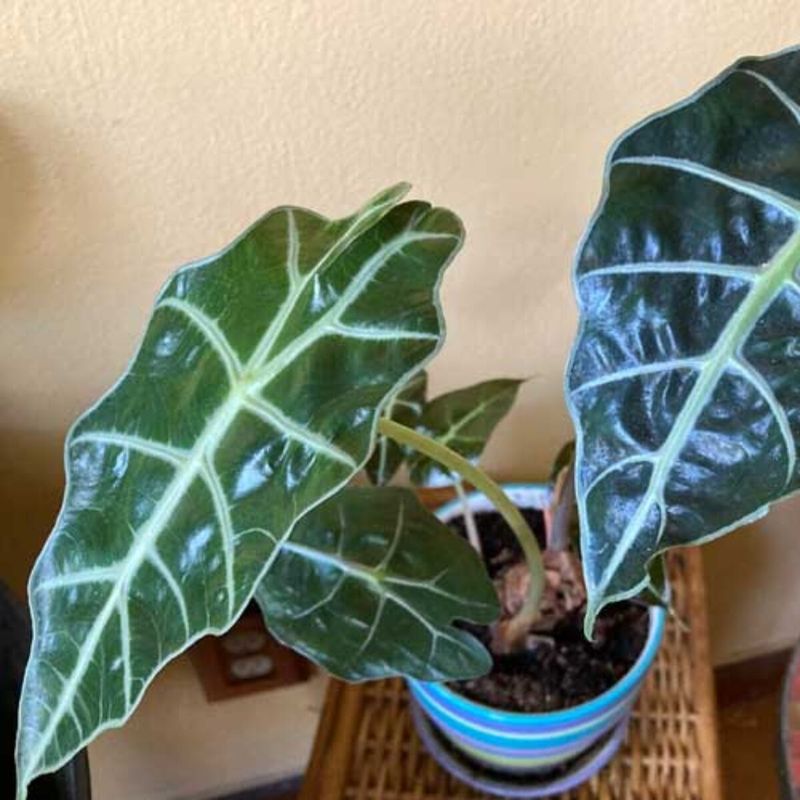
Overwatering gets most of the attention when it comes to Alocasia care, and for good reason. But swinging too far in the other direction causes its own set of problems.
Letting the soil go completely bone-dry for days or even weeks at a stretch puts your Alocasia under serious stress. The plant responds quickly and dramatically when it runs out of moisture.
The first sign you will notice is drooping. Those big, proud leaves that normally stand upright start to droop and hang down.
It can happen within just a day or two of the soil drying out completely. At first, the drooping is reversible.
Give the plant a thorough watering and it often perks back up within hours. But if the dry period goes on too long, the damage becomes more permanent. Leaves turn yellow, lose their firmness, and eventually fall off the plant entirely.
Pennsylvania winters make this issue trickier to manage. Heating systems dry out the air and the soil faster than you might expect.
A pot that takes two weeks to dry out in summer might dry out in under a week when the furnace is running constantly. Checking the soil regularly, at least once or twice a week, helps you catch dryness before it becomes a crisis.
The goal is to find the middle ground. Let the top two to three inches of soil dry out between waterings, but do not let the entire root zone go completely dry.
Think of it like keeping a consistent rhythm rather than following a rigid schedule. Your Alocasia will grow stronger, hold its leaves longer, and look far healthier with that balanced approach throughout every Pennsylvania season.