Grow These Plants Under Squash In Pennsylvania For Fuller Beds And Natural Pest Control
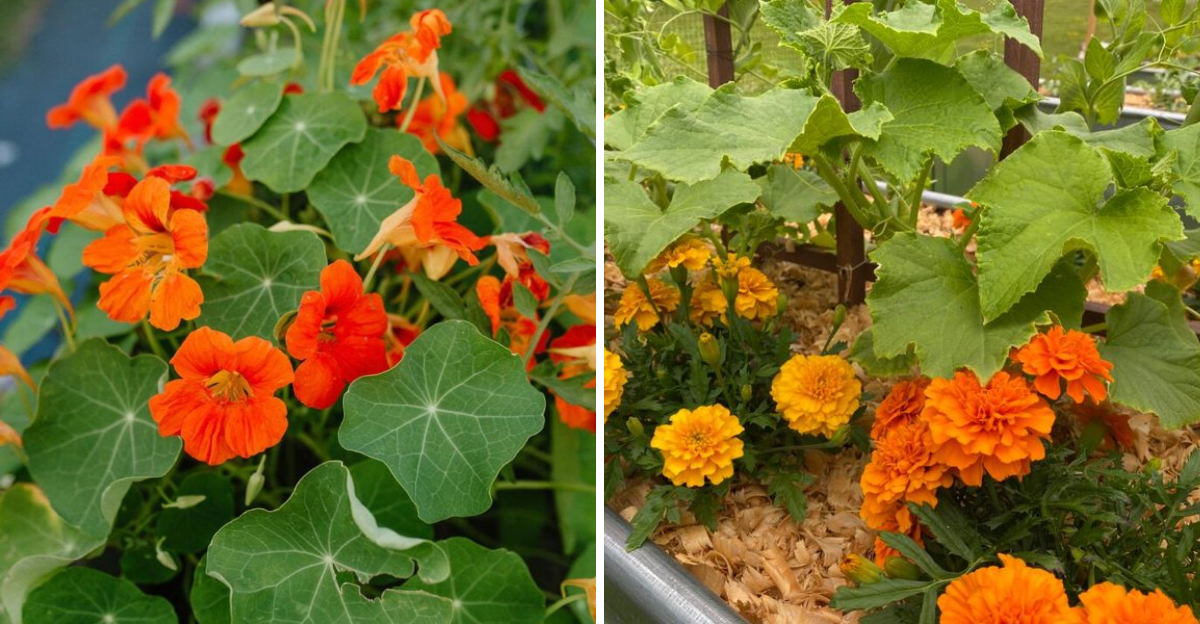
Squash takes up a lot of real estate in a Pennsylvania vegetable garden, and for most of the growing season that space underneath those big sprawling leaves sits empty and underutilized.
It looks like dry space, but it’s actually one of the better growing environments in the garden – partially shaded, moisture retentive, and protected from the kind of temperature swings that exposed soil experiences during the hottest stretches of summer.
Companion planting under squash is one of those strategies that experienced Pennsylvania gardeners swear by and newer gardeners rarely hear about until they’ve already spent a few seasons leaving that space completely bare.
The right plants tucked underneath squash do double duty, filling out the bed visually while actively working to suppress weeds, confuse pests, attract beneficial insects, and improve the overall growing conditions for everything sharing that space.
Fuller beds and natural pest control from the same planting decision is exactly the kind of efficiency a productive Pennsylvania garden is built on.
1. Nasturtium
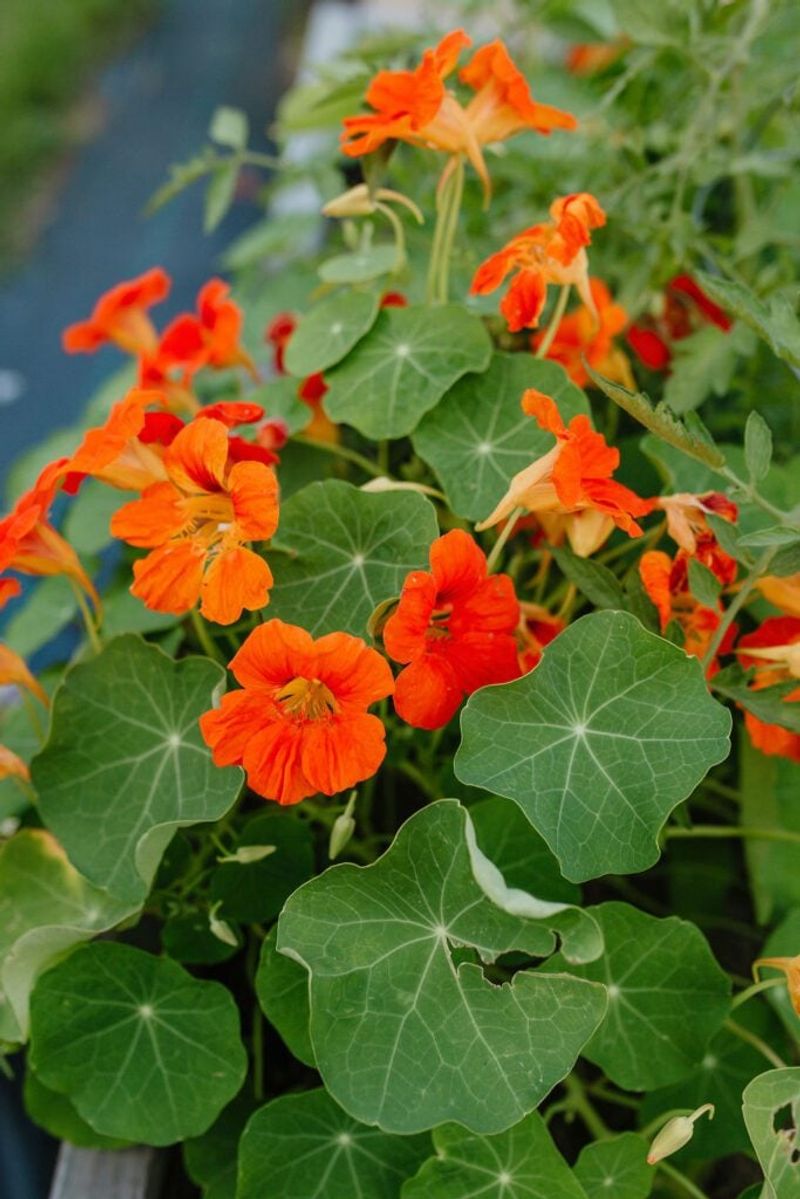
Few plants earn their spot in a garden quite like nasturtiums do. These cheerful, bright-flowered plants are one of the most popular companion planting choices for squash growers across Pennsylvania, and for good reason.
They do double duty by pulling in pollinators and pulling pests away from your squash at the same time.
Nasturtiums act as a trap crop for aphids. Aphids love nasturtiums even more than they love squash, so they tend to flock to the flowers and leave your vegetable plants alone.
That means less damage to your squash without having to reach for any spray bottle. It is a simple, natural solution that works season after season.
Planting nasturtiums is easy, even for beginner gardeners in Pennsylvania. You can direct sow the seeds right into the ground after your last frost, which in most parts of the state falls between late April and mid-May.
They grow fast, spread out nicely, and fill in empty spaces under squash vines beautifully. Both the flowers and the leaves of nasturtiums are edible, which is a fun bonus. They have a peppery taste that works well in salads.
The flowers come in shades of red, orange, and yellow, making your garden look colorful and full all summer long. If you are growing squash in Pennsylvania, adding nasturtiums to your bed is one of the smartest moves you can make.
2. Marigold
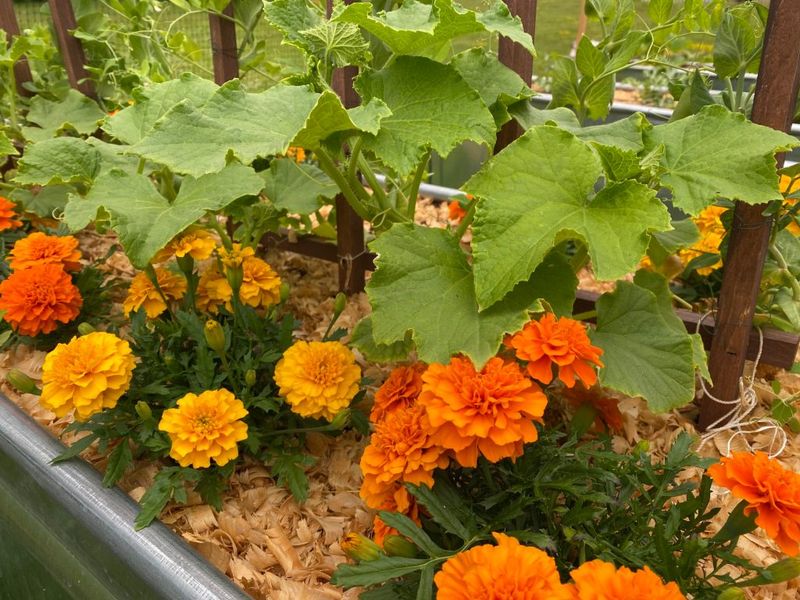
Marigolds might look like simple decorative flowers, but experienced Pennsylvania gardeners know they bring serious benefits to a squash bed.
These bright blooms have been used in vegetable gardens for generations, and they are still one of the most recommended companion plants you can grow.
One of the biggest reasons gardeners plant marigolds near squash is their strong scent. Certain garden pests, including squash bugs and cucumber beetles, are believed to find the smell of marigolds off-putting.
While no plant is a guaranteed pest shield, marigolds can help reduce pest pressure in your beds when planted in good numbers throughout the season.
Your Pennsylvania Garden Changes Every Week. Your Plan Should Too.
Gardening in Pennsylvania changes quickly throughout the season. Every Friday you’ll receive a simple weekly plan showing exactly what to plant, prune, fertilize, harvest, and protect so you never miss the right timing.
Marigolds also attract beneficial insects like hoverflies and parasitic wasps, which feed on or lay eggs inside common squash pests. That means your garden gets its own natural pest management team working around the clock.
Pennsylvania summers give marigolds plenty of warm, sunny days to bloom and do their job well.
French marigolds tend to work especially well in vegetable beds because they stay compact and do not crowd out your squash plants. You can tuck them along the edges of your bed or in any open gaps between vines.
They bloom all the way from early summer through fall frost, giving your garden long-lasting color and protection.
Starting marigold seeds indoors about six to eight weeks before your last frost date gives them a head start in Pennsylvania’s shorter growing season.
3. Radish
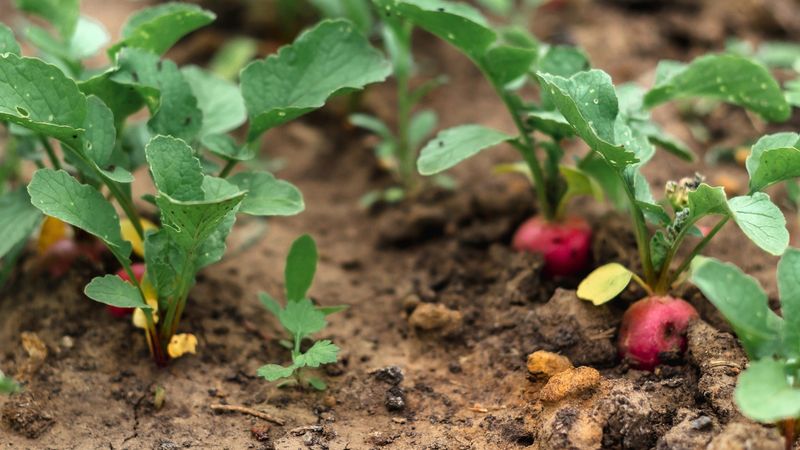
Radishes are one of those underrated garden heroes that do not get nearly enough credit. In Pennsylvania squash beds, they can serve as both a food crop and a functional companion plant, making them one of the most practical additions you can make to your growing space.
Because squash vines spread out and take up a lot of horizontal room, the soil underneath often goes to waste. Radishes solve that problem.
They are compact, grow straight down into the soil, and can be ready to harvest in as little as three to four weeks. You can sow them in the gaps between squash plants and pull them before the vines get too crowded.
Some gardeners also use daikon radishes as a trap crop for flea beetles, which are a common nuisance in Pennsylvania gardens. Flea beetles tend to be drawn to radish leaves, which can help reduce the number of beetles that find their way to your squash.
It is not a perfect fix, but it adds another layer of natural pest management to your garden strategy.
Radishes also help break up compacted soil as their roots push down through the ground. This mild aeration can improve drainage and make it easier for squash roots to spread.
Planting a fresh round of radishes every few weeks throughout the spring and early summer keeps your garden productive and your soil working harder. For Pennsylvania growers, radishes are a quick win in any squash bed.
4. Basil
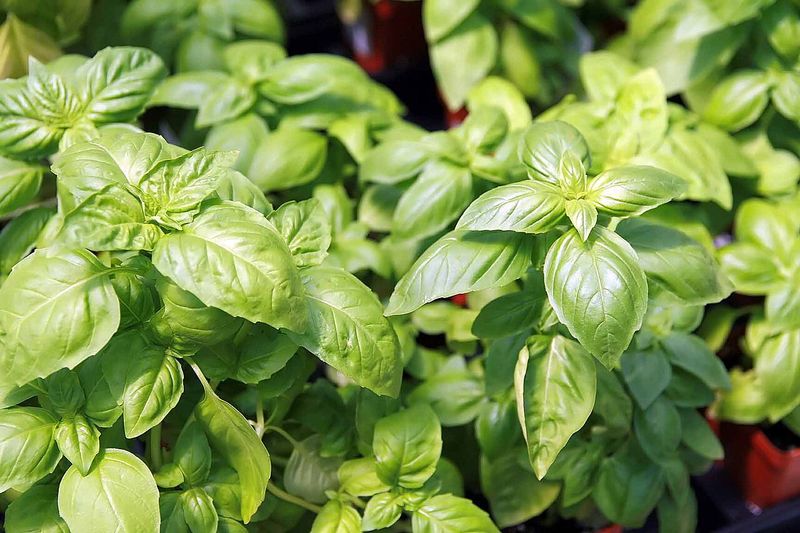
Basil is a kitchen staple that also pulls serious weight in the garden. Many Pennsylvania gardeners grow it purely for cooking, but planting it near squash gives it an extra purpose that goes well beyond the dinner table.
Its strong fragrance is thought to confuse and repel certain insects that would otherwise target your squash plants.
Squash vine borers and aphids are two pests that gardeners in Pennsylvania deal with regularly throughout the summer. While basil is not a proven fix for either, its aromatic oils may help mask the scent of nearby plants, making it harder for pests to locate their target.
Combining basil with other companion plants like nasturtiums and marigolds creates a more layered defense for your squash bed.
Basil also brings in beneficial insects. Bees and other pollinators are drawn to basil flowers, which means letting a few basil plants bolt and bloom can actually help your squash set more fruit.
Squash plants need pollinators to transfer pollen between male and female flowers, so encouraging bee activity nearby is always a smart move.
Pennsylvania summers are warm enough for basil to thrive when planted in a sunny spot. It grows well in the same conditions squash prefers, which makes the two a natural pair.
Start basil indoors a few weeks before the last frost or buy transplants from a local nursery. Keep it watered consistently and pinch off the top growth regularly to keep the plant bushy and productive all season long.
5. Clover
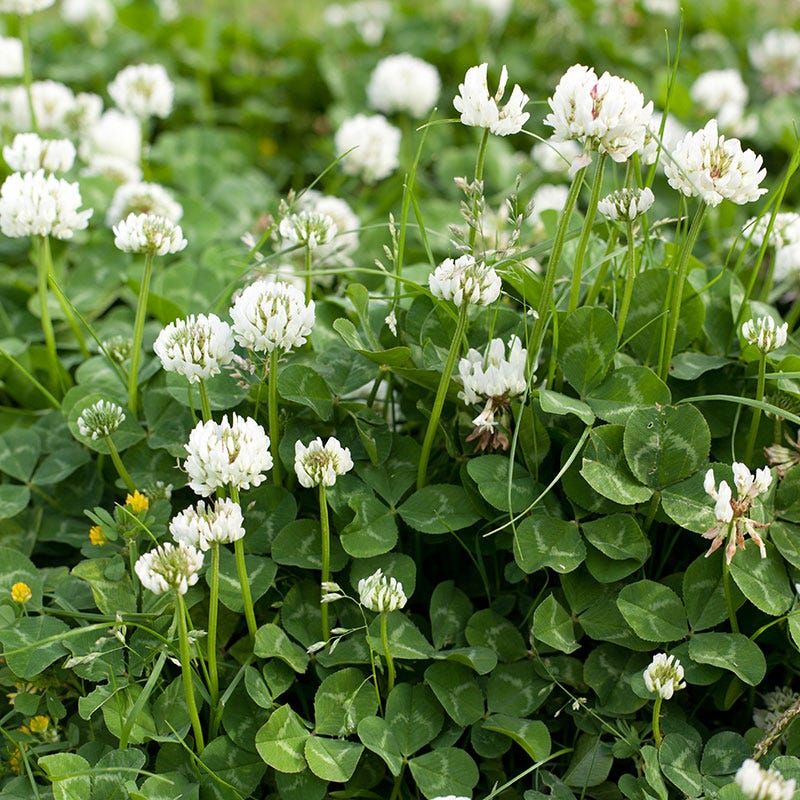
Clover might look like a lawn weed to some people, but in a Pennsylvania squash bed it is actually a valuable garden ally.
Used as a living mulch, clover spreads low across the soil surface and works quietly in the background to make your whole garden healthier and more productive.
One of clover’s biggest strengths is its ability to fix nitrogen from the air and deposit it into the soil. Squash is a heavy feeder that needs plenty of nutrients to produce those big, juicy fruits.
Having clover growing nearby helps replenish nitrogen naturally, which can reduce how much fertilizer you need to apply throughout the season. That is good news for your garden budget and for the environment.
Clover also does a great job suppressing weeds. When it spreads across the soil under your squash, it crowds out unwanted plants before they get a chance to establish.
Fewer weeds mean less competition for water and nutrients, and less time spent pulling plants you do not want. Pennsylvania gardens can get weedy fast during warm, rainy summers, so having a ground cover doing that work for you is a real advantage.
White clover is the most commonly used variety for this purpose. It stays low, tolerates some foot traffic, and blooms with small white flowers that attract bees and other beneficial insects.
Sow it between your squash transplants in spring, and it will fill in quickly. It works especially well in raised beds and in-ground plots throughout Pennsylvania.
6. Lettuce
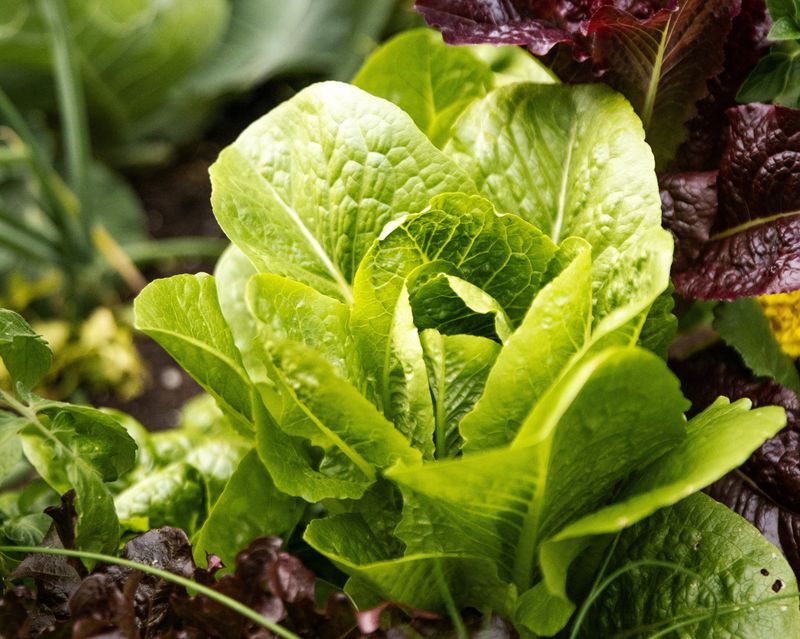
Here is a clever trick that Pennsylvania gardeners use to stretch their lettuce harvest well into the warmer months: grow it under squash. Lettuce is a cool-season crop that tends to bolt, or go to seed quickly, once temperatures climb.
But the wide, overlapping leaves of squash plants create natural shade that keeps the soil cooler and slows that process down.
In Pennsylvania, summer heat can arrive suddenly and push lettuce past its peak before you have had a chance to enjoy it. Tucking lettuce plants beneath squash vines gives them a shadier, cooler microclimate that can extend your harvest by several weeks.
It is one of the most practical ways to get more out of your garden space without adding any extra beds or containers.
The timing works out well too. You can start lettuce from seed or transplants in early spring and let it establish before your squash really takes off.
By the time the squash canopy fills in and starts casting shade, the lettuce is already growing strong and benefiting from the cooler conditions underneath. It is a natural hand-off that makes good use of every inch of your garden.
Loose-leaf varieties like Black Seeded Simpson or Red Sails tend to do especially well in this setup because they do not need as much direct sunlight as head lettuces.
Give them consistent moisture and they will keep producing tender leaves throughout much of the Pennsylvania summer, even as the heat ramps up around them.
7. Borage
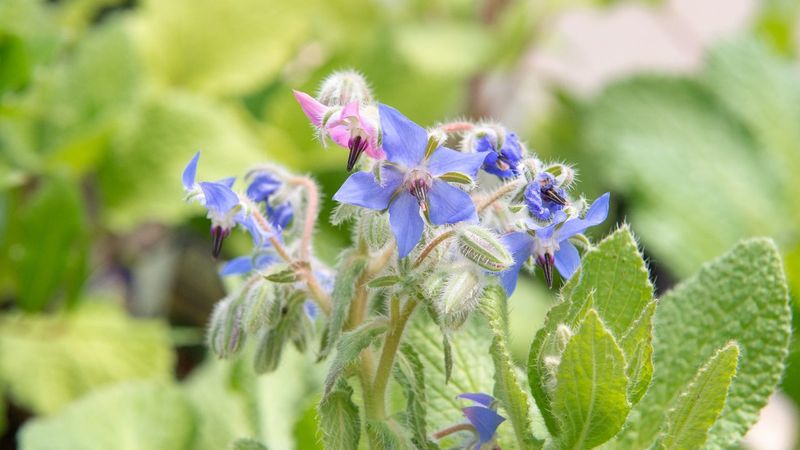
Borage is one of those plants that looks almost too pretty to be practical, but do not let the delicate blue star-shaped flowers fool you.
In a Pennsylvania squash bed, borage is a workhorse that pulls in pollinators, fills empty garden space, and even improves the health of nearby plants according to many experienced growers.
Bees absolutely love borage. The flowers produce nectar consistently throughout the blooming period, which makes borage one of the best plants you can grow for attracting pollinators to your garden.
Since squash plants rely on bees to move pollen between flowers, having borage blooming nearby can directly improve your squash yield. More bees in the garden means more fruit on your vines.
Borage is also said to repel tomato hornworms and cabbage worms, and some gardeners believe it can deter squash bugs as well.
Whether or not you notice a dramatic change in pest numbers, the beneficial insect activity borage brings to your garden creates a more balanced ecosystem overall.
Pennsylvania gardens with a diverse mix of plants tend to have fewer serious pest problems than those growing just one or two crops.
Growing borage in Pennsylvania is straightforward. It prefers full sun, tolerates average soil, and reseeds itself readily once established, so you may only need to plant it once.
The leaves and flowers are edible and have a mild cucumber-like flavor, which makes them a fun addition to summer drinks and salads. Plant it in spring after the last frost and watch it take off quickly.