9 Arizona Flowers That Keep Reseeding For More Seasonal Blooms
Harsh sun has a way of wearing down even the prettiest yard once late spring rolls around. Bright color fades fast, empty patches start showing up everywhere, and constantly buying new plants gets old quicker than most people admit.
Arizona landscapes usually look their best with flowers that know how to handle rough conditions without needing non-stop attention.
Few things feel more satisfying than spotting new petals popping up where nothing grew before. Tiny seeds scatter quietly, cooler months pass, then suddenly another round of color starts showing up again without much effort at all.
Garden beds slowly look richer, fuller, and more settled over time instead of turning sparse after every heat-wave.
Long-lasting color feels different when blooms keep returning naturally instead of needing another trip to the nursery every few weeks.
1. Globe Mallow Sends Up New Growth From Fallen Seed
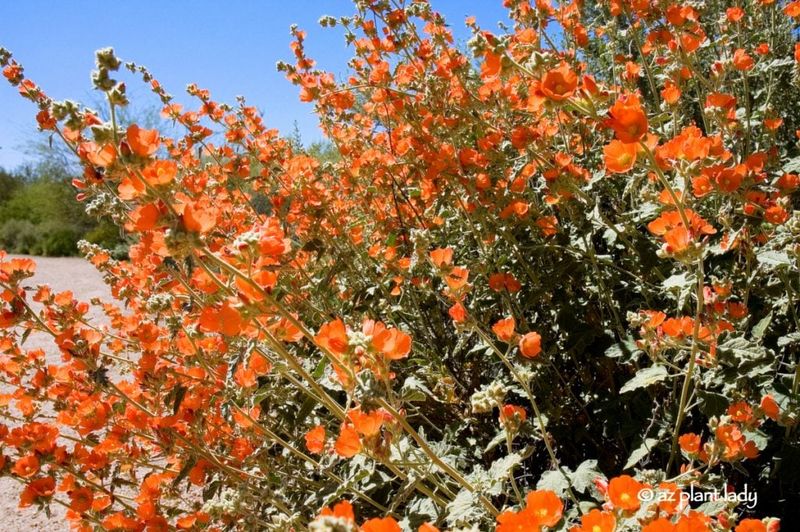
Globe mallow is one of Arizona’s most reliable native wildflowers, and it has been thriving in this state long before anyone started planting gardens. You can spot it growing along roadsides, in washes, and across open desert flats throughout much of the state.
Its cup-shaped flowers come in shades of orange, red, pink, and even lavender, making it a standout in any sunny space.
What gardeners love most about globe mallow is how effortlessly it multiplies. After flowering, the plants produce small round seed capsules that break apart and release seeds directly onto the soil below.
Those seeds are hardy enough to survive Arizona’s intense summer heat and will sprout once cooler temperatures and moisture arrive. You can expect new seedlings to pop up near the parent plant and in spots where seeds may have blown or washed.
Globe mallow is extremely drought tolerant once established, making it a natural fit for water-wise Arizona landscapes. It thrives in full sun and rocky or sandy soil, conditions that are easy to find across the state.
Give it room to spread and avoid heavy watering, which can actually cause more problems than it solves.
This tough little wildflower rewards patient gardeners with season after season of cheerful blooms.
2. Desert Bluebells Return Following Seasonal Rainfall
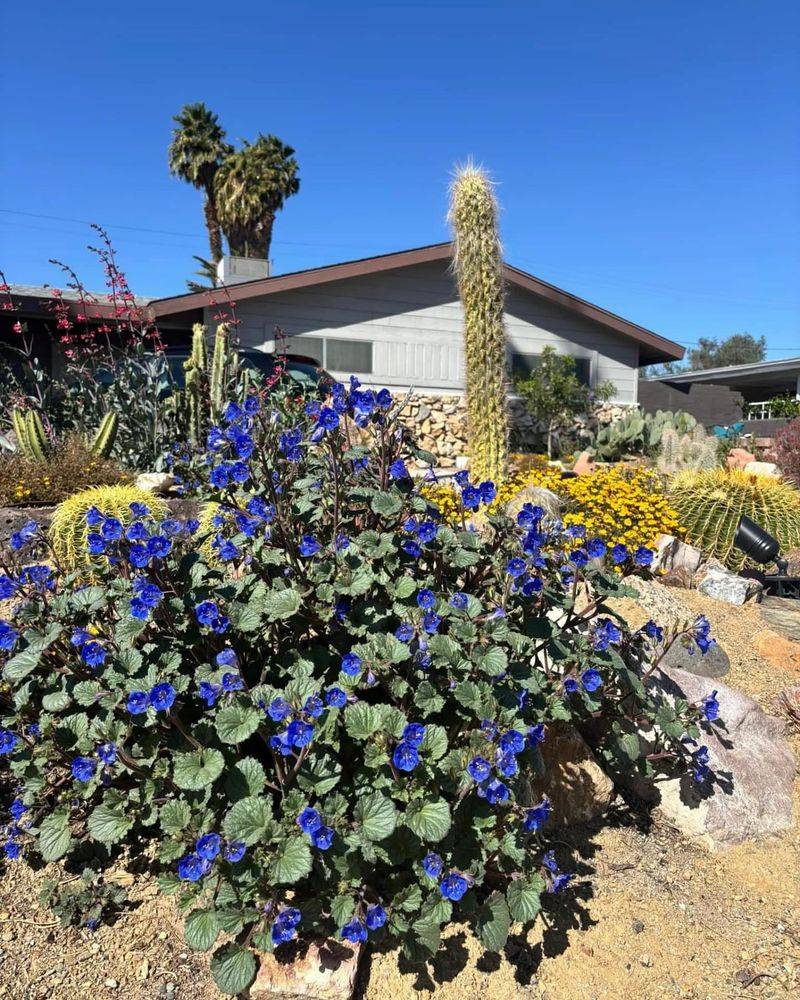
Desert bluebells bring a soft, violet-blue color to Arizona landscapes that feels almost surprising given the rugged terrain they grow in.
These native wildflowers are often found growing in sandy washes, rocky slopes, and open desert flats, particularly across central and southern Arizona.
Their bell-shaped blooms appear in late winter and early spring, usually triggered by winter rainfall.
The reseeding habit of desert bluebells is one of their most useful qualities. After blooming, the plants set seed quickly and drop them into the surrounding soil.
Those seeds can remain dormant through the brutal Arizona summer and then germinate when cooler, wetter conditions return.
This means that once you establish desert bluebells in your garden or yard, you can expect them to reappear without much intervention on your part.
To encourage strong reseeding, resist the urge to clean up the plants too early in the season. Let the seed pods mature and dry naturally before removing any spent growth.
Your Arizona Garden Changes Every Week. Your Plan Should Too.
Gardening in Arizona changes quickly throughout the season. Every Friday you’ll receive a simple weekly plan showing exactly what to plant, prune, fertilize, harvest, and protect so you never miss the right timing.
Desert bluebells do best in well-drained soil and full to partial sun, which are conditions found easily throughout Arizona.
They also work well when planted alongside other native wildflowers, creating a layered, naturalistic look that feels right at home in the desert Southwest. Their quiet beauty rewards those who let them grow on their own terms.
3. Cosmos Fill Empty Garden Spaces On Their Own
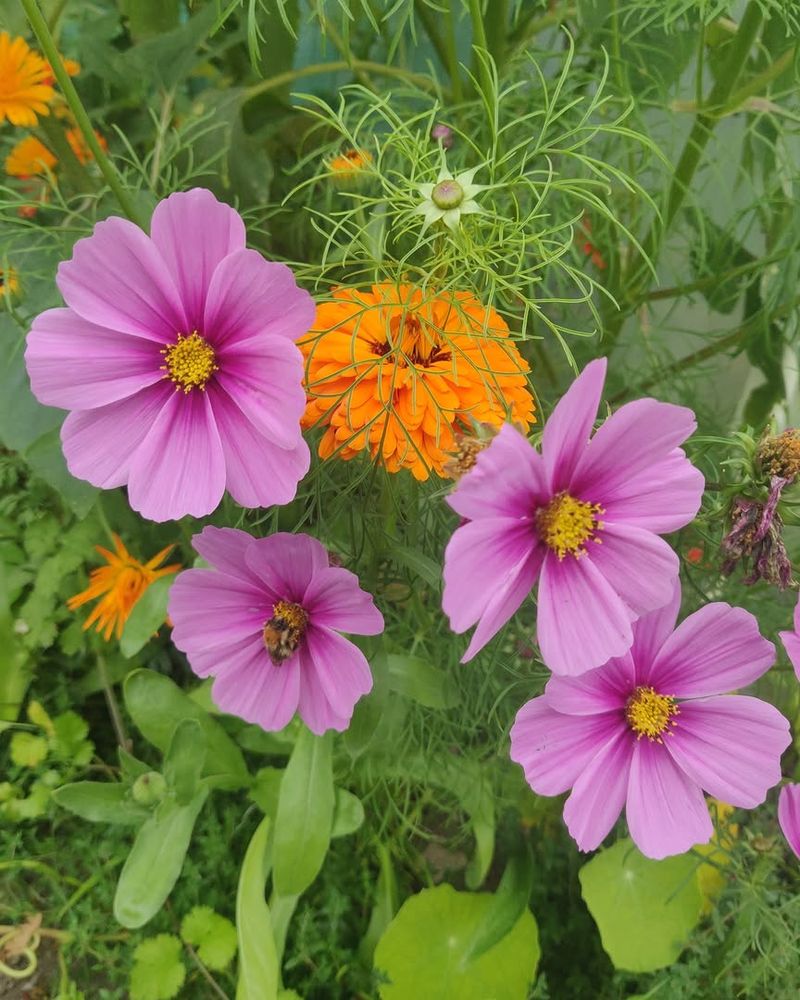
Cosmos are the kind of flower that seems almost too easy to grow, and they live up to that reputation beautifully. These feathery-leaved plants produce an abundance of daisy-like blooms in shades of pink, white, magenta, and red throughout the warm months.
They are cheerful, fast-growing, and remarkably good at filling in bare spots in the garden.
One of the best things about cosmos is how freely they self-seed. As the season winds down, spent flowers dry on the stem and release seeds that fall directly into the garden bed.
Come the following spring or after summer monsoon rains, new seedlings begin popping up right where you need them most. Arizona gardeners who let their cosmos go to seed often find entire patches filling in naturally without ever sowing a single seed again.
Cosmos actually prefer lean, slightly dry soil, which makes them a great match for local growing conditions. Too much fertilizer or water can cause them to produce more leaves than flowers, so a hands-off approach usually works best.
Plant them in a spot that gets full sun for most of the day, and they will reward you with months of color. Deadheading some blooms extends flowering, but leaving a few to go to seed ensures next season’s display takes care of itself.
4. Blanket Flowers Continue Appearing Through Dry Months
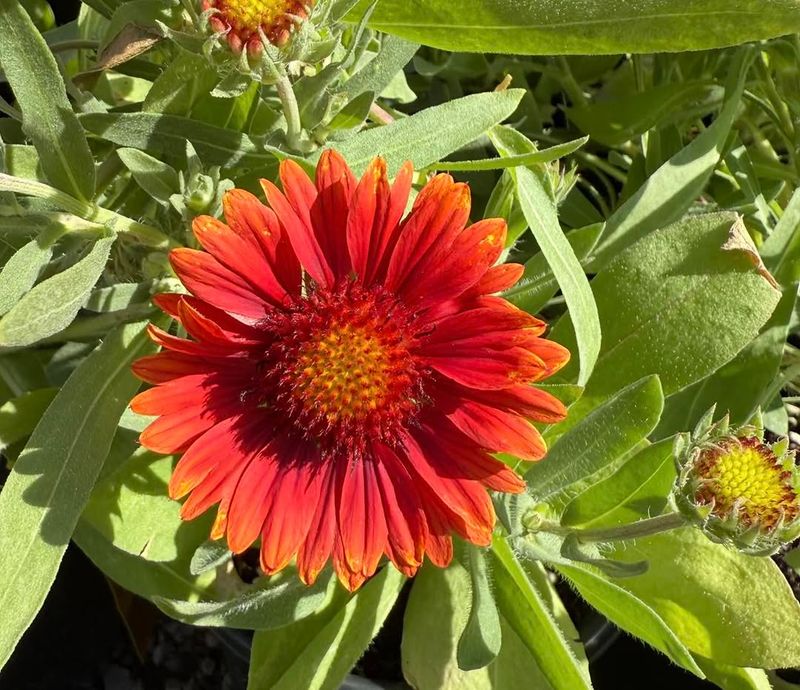
Blanket flowers, known scientifically as Gaillardia, are built for the kind of heat and sun that Arizona delivers in abundance.
Their bold red and yellow blooms look like little sunsets and keep appearing from late spring well into fall, even during the hottest stretches of summer.
Few flowers can match their staying power in the region’s intense climate.
Beyond their long bloom season, blanket flowers are impressive self-seeders. As each flower fades, it forms a round seed head packed with seeds that scatter into the surrounding soil when disturbed by wind or passing animals.
These seeds germinate readily in warm, dry conditions, which means local gardens are practically ideal for this process. New plants tend to sprout up near the original plants and can quickly spread to fill in a garden bed.
Blanket flowers prefer full sun and excellent drainage, so avoid planting them in areas where water tends to pool after monsoon rains.
They are quite drought tolerant once established and generally do not need supplemental watering except during extended dry spells.
Cutting back spent blooms encourages more flowering, but leaving a few seed heads to mature ensures you will have new plants returning the following season.
For low-maintenance color that thrives in tough conditions, blanket flowers are hard to beat.
5. Zinnias Pop Back Up From Last Summer’s Blooms
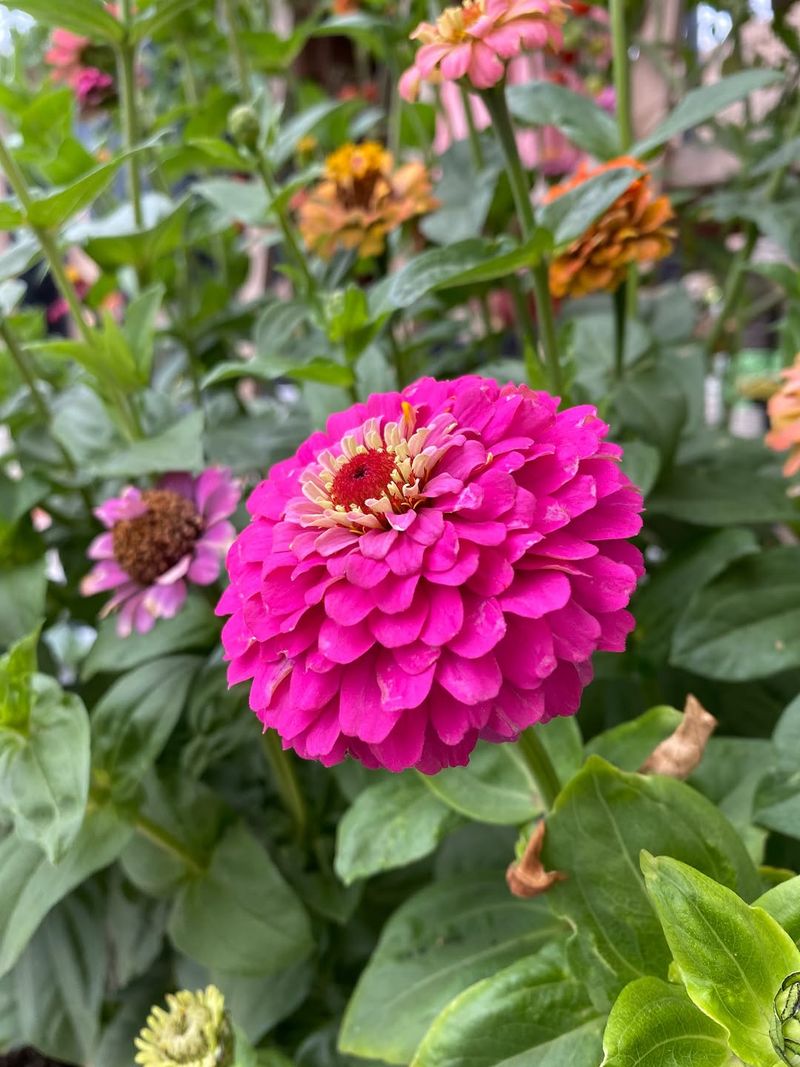
Zinnias are a summer staple in Arizona gardens, and for good reason. They love the heat, tolerate dry spells reasonably well, and produce some of the most colorful blooms of any annual flower.
From bold reds and oranges to soft pinks and creamy whites, there is a zinnia color for every garden style.
What surprises many first-time zinnia growers is how readily these flowers reseed themselves. When spent blooms are left on the plant to dry completely, they form seed-packed centers that eventually drop or scatter into the soil below.
In the warm local climate, those seeds can germinate quickly after the next watering or monsoon rain, bringing fresh new plants without any effort from the gardener. You may even find zinnia seedlings popping up in unexpected spots around your yard.
For the best reseeding results, let at least a portion of your zinnia plants complete their full cycle without deadheading.
Choose open-pollinated or heirloom varieties rather than hybrids, since hybrid seeds do not always produce plants that match the parent.
Zinnias thrive in full sun and well-drained soil, and they are particularly well-suited to long, hot summers in the region. With just a little patience and some strategic neglect, your zinnia patch can grow bigger and more colorful each year on its own.
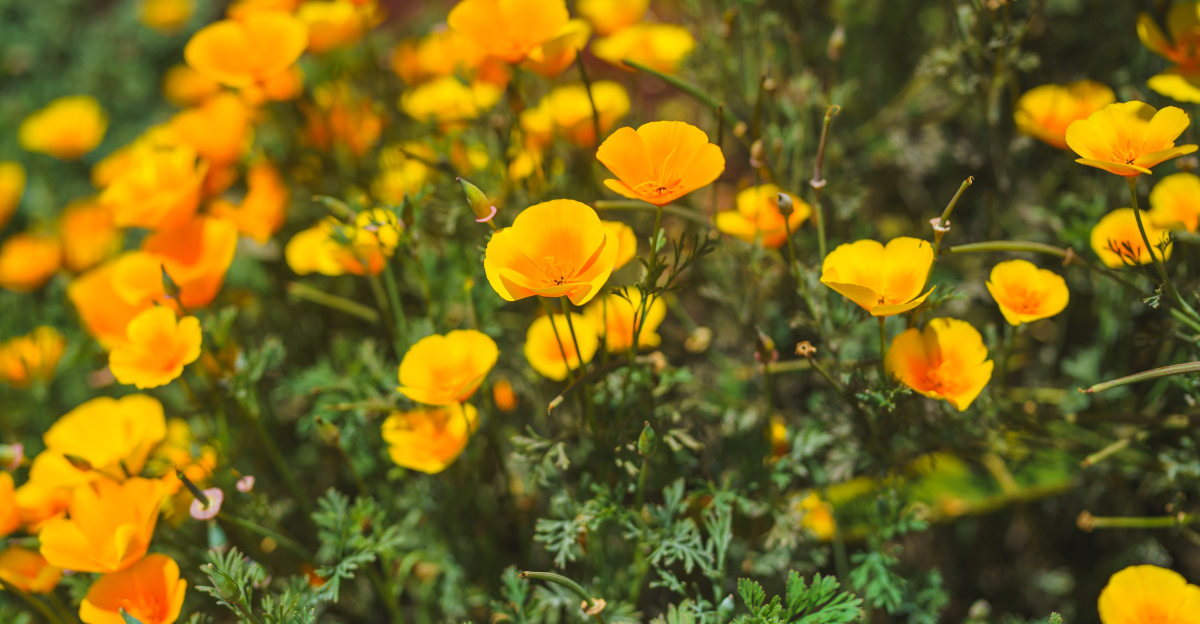
6. California Poppies Scatter Seeds After Spring Flowers Fade
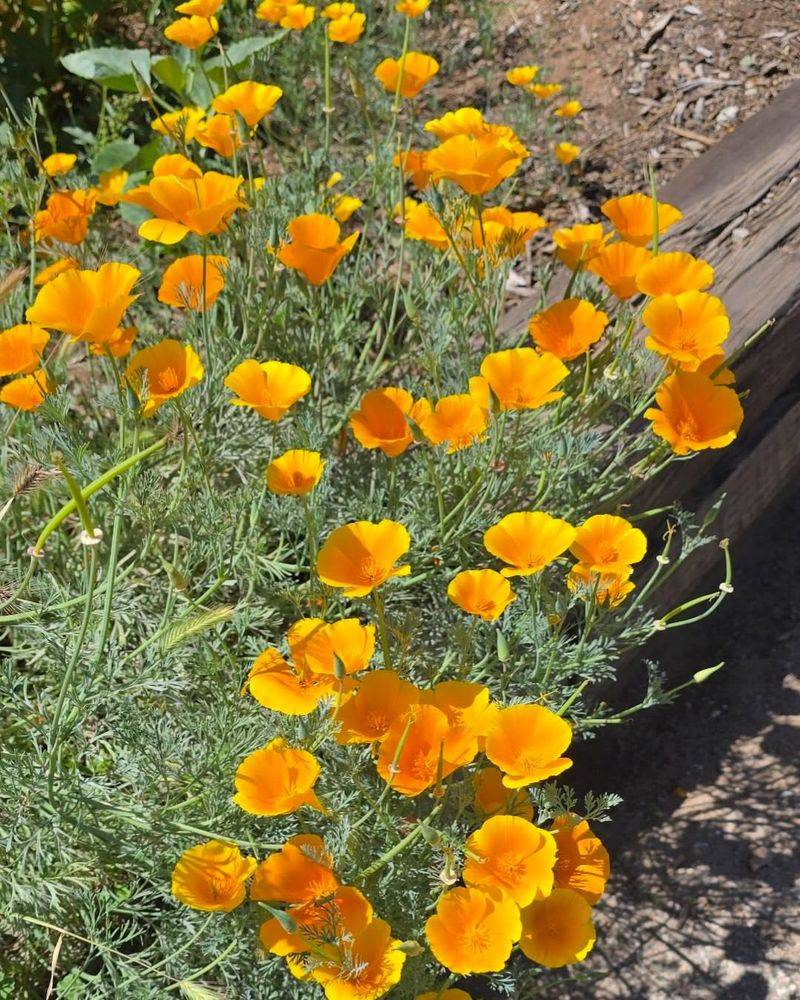
Few flowers put on a springtime show quite like California poppies. Across Arizona, these bright orange blooms light up roadsides, desert hillsides, and home gardens from late winter through early spring.
What makes them especially rewarding is what happens after the blooms fade.
Once the petals drop, the plants form long, slender seed pods that dry out in the sun and eventually burst open, scattering hundreds of tiny seeds across the surrounding soil.
Those seeds settle into the ground and wait patiently for the next round of cool temperatures and winter rain to wake them back up.
You do not need to collect seeds or do anything special to encourage this process.
In Arizona, the key to a strong poppy display is letting the plants complete their full cycle without cutting them back too early. Leave the seed pods in place until they turn brown and dry.
Poppies prefer sandy, well-drained soil and full sun, both of which Arizona has in abundance. Avoid overwatering, since these plants are built for dry conditions.
Once established in your garden, California poppies can return reliably for many years, giving you that golden-orange carpet of color each spring with almost no effort on your part.
7. Desert Marigolds Spread Naturally Across Sunny Soil
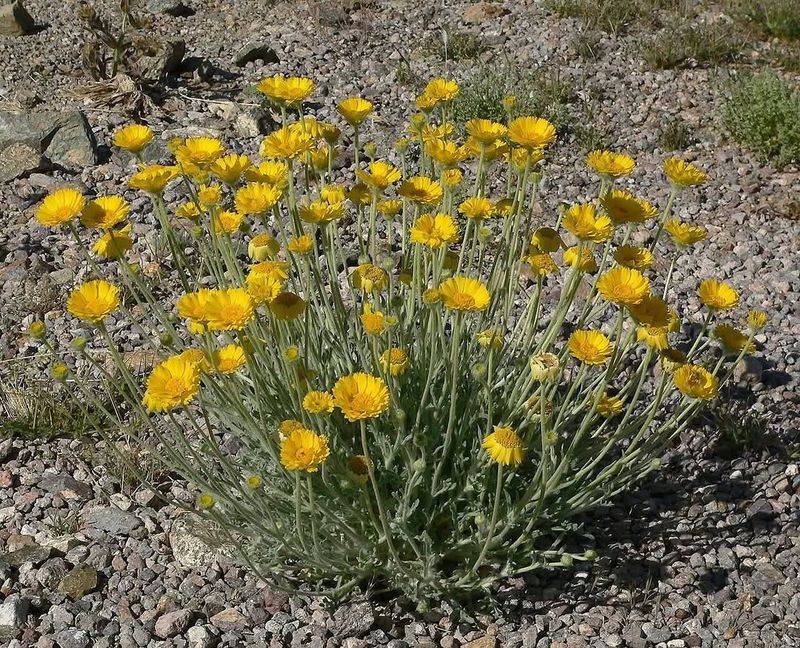
Desert marigolds are one of the most cheerful native wildflowers, and they have a habit of showing up exactly where you want them. Their bright yellow blooms sit atop silvery-gray foliage and pop against the warm tones of desert soil.
Unlike their garden-variety cousins, desert marigolds are completely at home in the harsh conditions that define much of the landscape.
These plants are prolific self-seeders. Each flower head produces a cluster of seeds that are carried by the wind to new locations, where they settle into the soil and wait for the right conditions to sprout.
This often means a flush of new growth following the summer monsoon season or after fall rains bring some moisture back to the soil. Over time, a single plant can produce a whole colony of blooms across a sunny hillside or garden bed.
Desert marigolds bloom for an exceptionally long season, often from spring all the way through fall with very little encouragement. They grow best in full sun and fast-draining soil, and they strongly dislike overwatering.
If you are building a water-wise garden, desert marigolds are an obvious choice. Let the spent flowers remain on the plant until they dry out completely to maximize seed dispersal.
Their golden color and easygoing nature make them a favorite among native plant enthusiasts of all experience levels.
8. Coreopsis Brings Fresh Color Without Much Replanting
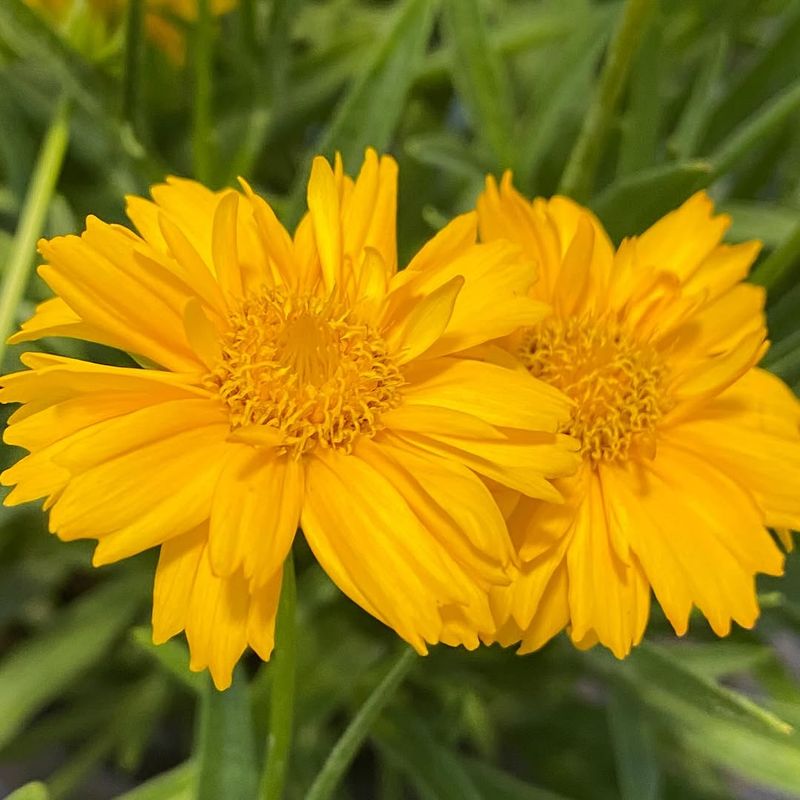
Coreopsis, sometimes called tickseed, is a sun-loving flower that fits right into a gardening lifestyle. It produces a cheerful sea of golden-yellow blooms that attract butterflies and bees throughout the warmer months.
The plants are compact, tidy, and surprisingly tough given how delicate their flowers look.
One of coreopsis’s best qualities is its ability to reseed itself season after season. After the blooms fade, the plants produce small, thin seeds that are easily scattered by wind and movement.
In open soil and sunny spots, these seeds find plenty of places to take root. Gardeners who let a few plants go to seed each year often find that their coreopsis patch gradually expands and fills in on its own without any extra effort.
Coreopsis performs best in full sun with well-drained soil, which makes it a natural match for most areas. It handles heat well and does not need much water once established, making it a smart choice for anyone trying to reduce irrigation.
Deadheading spent blooms regularly will extend the flowering season, but be sure to leave a few flowers to fully mature and drop their seeds before the season ends.
With minimal care, coreopsis returns reliably and adds a warm, golden glow to gardens year after year.
9. Blackfoot Daisy Sprouts Again In Rocky Landscapes
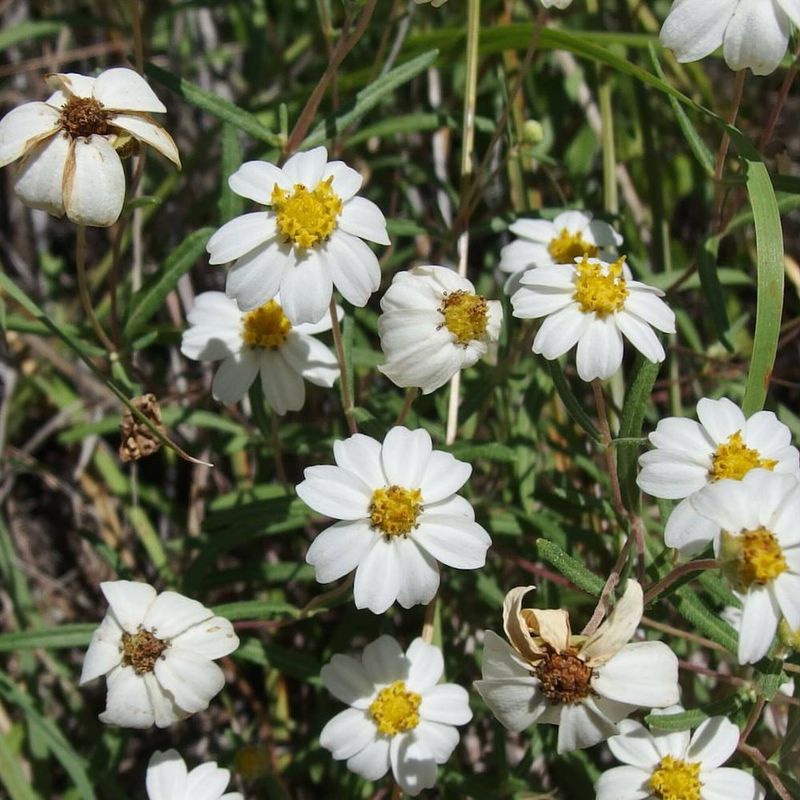
If you have ever spotted small white daisy-like flowers growing out of a rocky hillside and wondered how anything could bloom in such a tough spot, there is a good chance you were looking at blackfoot daisies.
These compact, mounding plants are native to the desert Southwest and have adapted beautifully to rocky, dry conditions.
Their white petals and yellow centers might look simple, but they carry a quiet charm that grows on you quickly.
Blackfoot daisies are reliable self-seeders in landscapes. After each bloom fades, the plant produces small seeds that drop into the surrounding soil, including rocky crevices and gravelly areas where other plants would struggle.
Those seeds sprout when conditions are right, gradually spreading the plant across a rocky slope or xeriscape garden.
Over several seasons, a few original plants can turn into a sprawling, low-maintenance ground cover dotted with cheerful white blooms.
These plants thrive in full sun and extremely well-drained soil. Excess moisture, especially around the roots, is one of the few things that can cause problems for blackfoot daisies.
Avoid heavy clay soils and areas that stay wet after monsoon rains. Plant them in rocky beds, along dry slopes, or in gravel gardens where drainage is excellent.
Their long bloom season, from spring through fall in many parts, makes them one of the most rewarding native flowers you can add to a low-water landscape.