Why Virginia Gardeners Keep Getting Moles Every Spring (And How To Finally Stop It )
One morning everything looks fine.
The next, your lawn looks like a tiny construction crew showed up overnight, worked in complete silence, and left without a trace.
No invoice.
No apology.
Just tunnels.
Moles are one of those garden problems that feel almost personal, like your yard was specifically chosen, your hard work specifically targeted.
And the frustrating part is that most of the advice floating around about how to deal with them is either outdated, ineffective, or both.
The good news is that moles aren’t random.
They show up in Virginia yards every spring for very specific reasons.
Once you understand what’s actually driving them underground into your lawn, the fixes start to make a lot more sense.
You don’t need expensive equipment or a landscaping degree.
You just need the right information, which is exactly what this is.
Spring Is Mole Season In Virginia
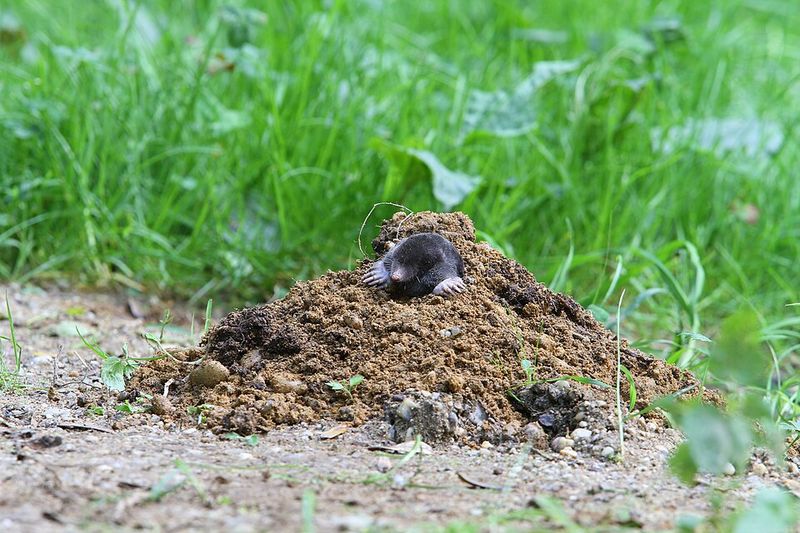
Moles don’t follow a random schedule.
Spring in Virginia is basically an all-you-can-eat buffet for them, and that’s exactly why they show up the moment temperatures start climbing.
When the ground warms up after winter, earthworms and grubs start moving closer to the surface.
Moles track that movement like a compass needle pointing north.
Virginia’s clay-heavy and loam-rich soils hold moisture especially well after spring rains.
Moist soil is soft and easy to tunnel through, which means less effort for the mole and more destruction for your lawn.
Male moles also get active in spring because it’s breeding season.
They travel longer distances underground searching for mates, which means more tunnels across more yards.
Female moles give birth to litters of three to five young between March and May.
A single mole can tunnel extensively in a single day during peak activity.
Understanding this seasonal pattern is the first step toward fixing the problem.
By the time summer arrives, the damage is done, and the next generation is already tunneling beneath your feet.
The Damage You Don’t See Coming
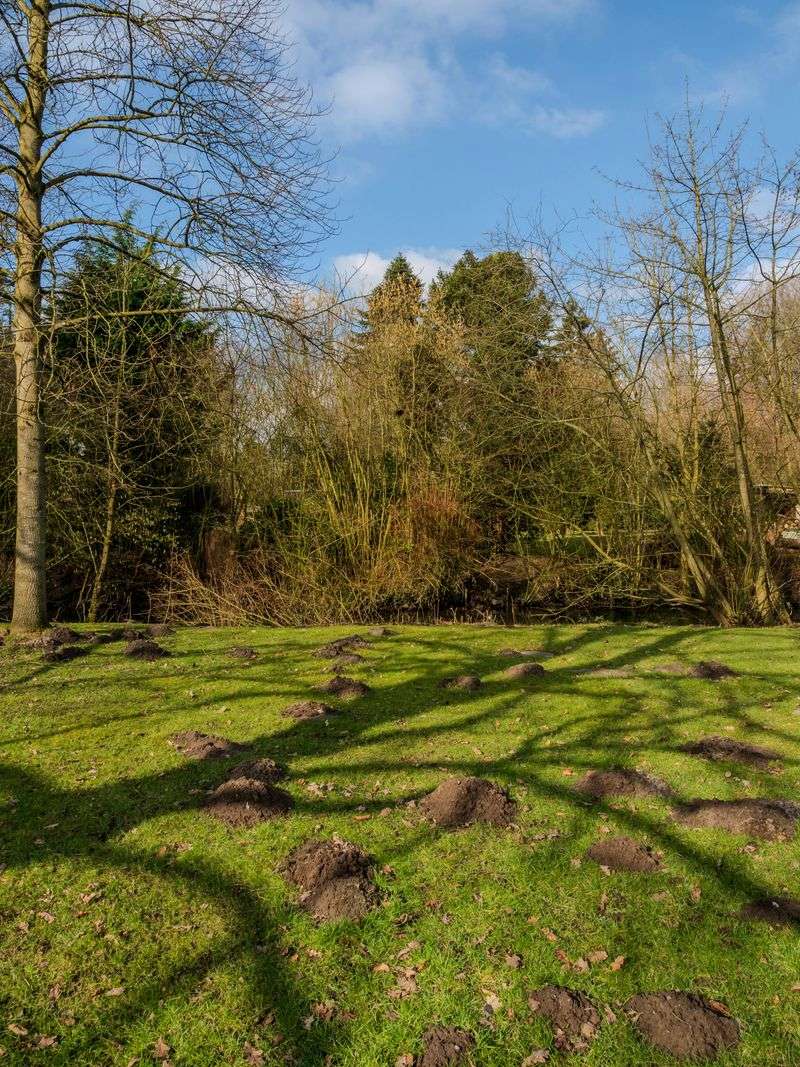
Your plants are struggling and they can’t even tell you why.
Mole activity doesn’t always look dramatic from above.
But what’s happening underground can seriously set back even a healthy vegetable garden in just a few weeks.
Moles create two types of tunnels.
Surface tunnels are the raised ridges you can spot easily.
Deep tunnels run several inches below the surface and are nearly invisible until the ground collapses under your foot.
Those deep tunnels are especially harmful to garden plants.
When moles dig through the root zone, they sever the fine root hairs that absorb water and nutrients.
Plants dry out and wilt even after rainfall, which makes the damage look like a watering problem instead of a mole problem.
Grass above surface tunnels turns yellow and dies because the roots lose contact with the soil.
You might blame drought or disease before ever suspecting the actual cause lurking below.
Your Illinois Garden Changes Every Week. Your Plan Should Too.
Gardening in Illinois changes quickly throughout the season. Every Friday you’ll receive a simple weekly plan showing exactly what to plant, prune, fertilize, harvest, and protect so you never miss the right timing.
Bulbs, seedlings, and perennials are all vulnerable.
Even plants that survive the initial disruption often struggle through the season because their root systems never fully recover.
Catch it in the first week or two of spring and you’re fixing a problem.
Wait any longer and you’re rebuilding a lawn.
What Moles Are Actually After In Your Garden
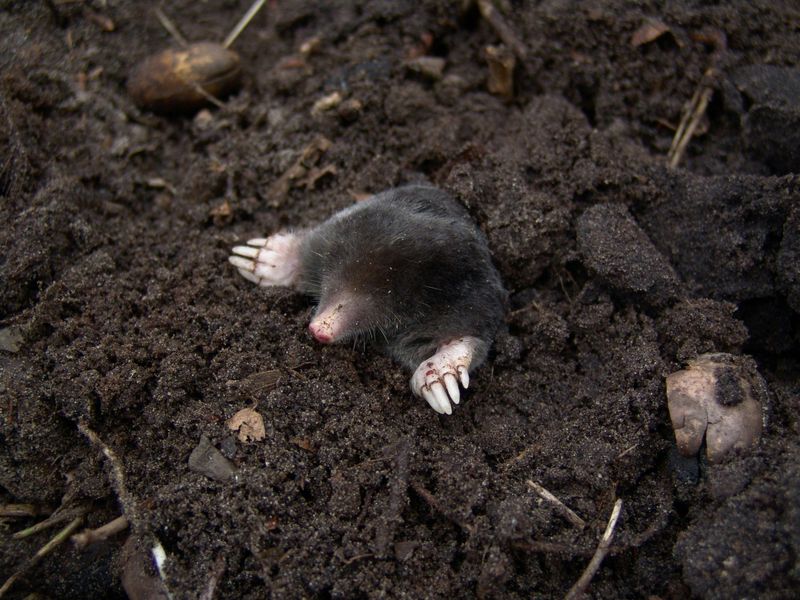
Moles don’t eat your flower bulbs.
Never have.
That rumor has sent generations of gardeners chasing the wrong fix entirely.
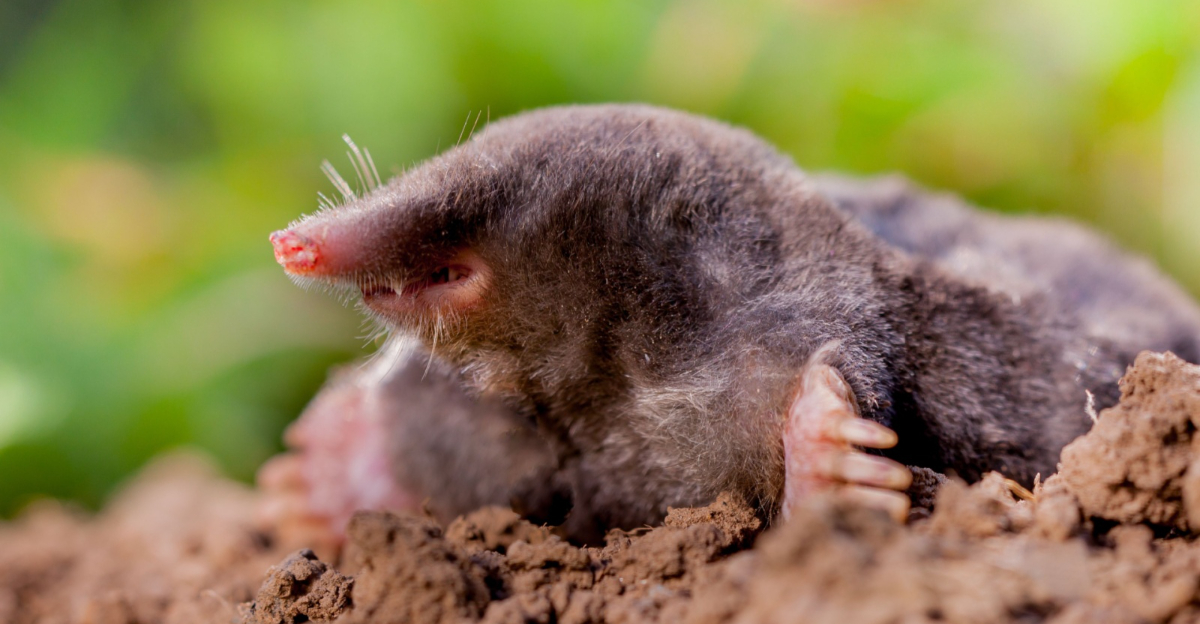
Moles are insectivores, meaning they eat insects, not plants.
Their primary food sources are earthworms, grubs, beetles, and other soft-bodied creatures that live in the soil.
Moles have a remarkably high metabolism and need to eat constantly to survive.
Healthy, fertile soil is actually what attracts moles most.
If your lawn is lush and well-maintained, congratulations, you’ve accidentally created a five-star mole restaurant.
Organic-rich soil supports large populations of earthworms, which are basically the mole’s favorite meal.
Grub infestations make the situation worse.
White grubs, the larvae of Japanese beetles and other beetles, are abundant in Virginia lawns and are a top food source for moles during spring and early summer.
Soil type matters too.
Sandy soil is harder to tunnel through and supports fewer worms, so moles tend to prefer loamy and clay-based soils.
Virginia’s varied landscape, from the Piedmont to the Shenandoah Valley, offers exactly the kind of terrain moles love most.
Cut off the food supply and you’re not just solving this spring’s problem, you’re making your yard far less appealing next year too.
That said, if moles are already active, trapping remains the most reliable way to get them out.
The Fixes That Actually Work
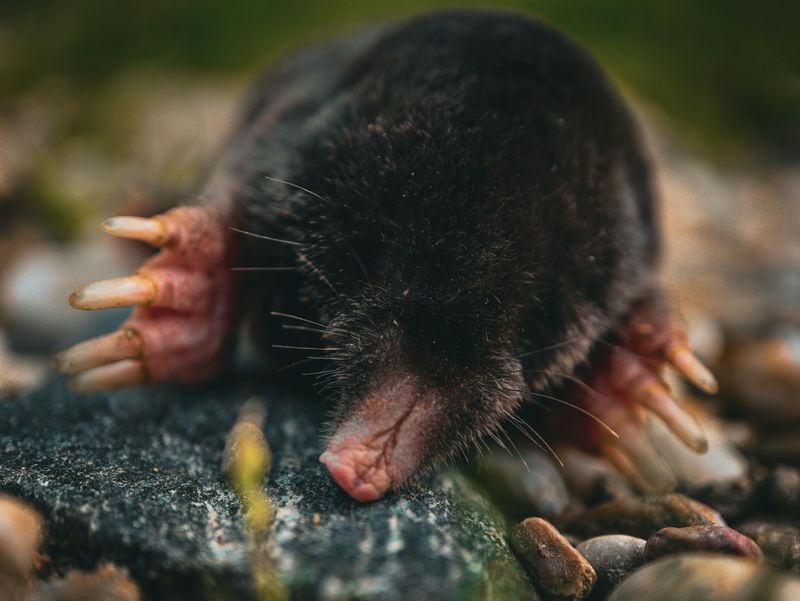
Trapping is the gold standard.
Pest control professionals and university extension programs across the country agree on one thing.
Trapping is the single most effective method for removing moles from a yard.
The most effective traps are the scissor-jaw style and the harpoon trap.
Both are placed directly in active surface tunnels, which you can identify by pressing down a section of tunnel in the morning and checking a few hours later.
Active tunnels will be pushed back up by evening.
Placement matters more than the type of trap.
Set traps in straight tunnel sections rather than curves or junctions.
Moles move fastest through straight corridors, which increases the chance of a successful catch.
Castor oil granules applied consistently across the entire lawn can push moles toward less-treated areas.
This works best as a companion strategy alongside trapping, not as a standalone fix.
Treating grub infestations with beneficial nematodes or milky spore bacteria removes a major food source.
Fewer grubs means less reason for moles to linger in your yard season after season.
Consistent effort over two to three weeks typically produces noticeable results.
The right tools and a little patience will outperform anything sold in a shiny box at the garden center.
When The Problem Is Bigger Than A Shovel Can Fix
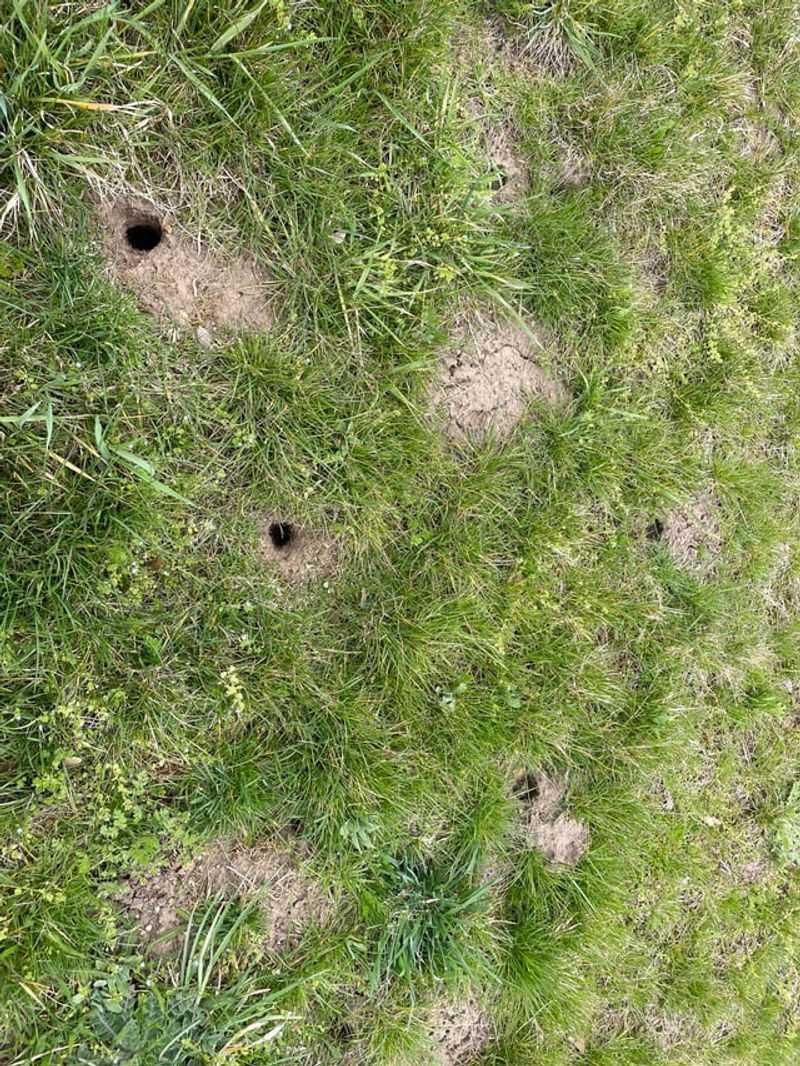
Some mole problems are simply beyond what a weekend warrior with a hardware store trap can handle.
Knowing when to call a professional can save you months of frustration and hundreds of dollars in lawn repairs.
Finding new tunnels every morning despite your best efforts?
That’s not a sign you’re doing it wrong.
It’s a sign the population in your yard is larger than expected.
Multiple moles can share overlapping territories, especially during spring breeding season, and that makes DIY control significantly harder.
Large properties with extensive lawn areas are particularly challenging.
A single homeowner managing traps across half an acre while also working and raising a family is fighting an uphill battle.
Professionals bring more equipment, more experience, and more efficient trap placement strategies.
Recurring infestations year after year are a strong signal that something structural is attracting moles to your specific property.
A licensed pest control specialist can assess soil conditions, grub populations, and drainage patterns.
That kind of diagnosis tells you exactly why your yard keeps getting targeted, and how to stop it.
Virginia has licensed pest management professionals who specialize in wildlife and turf pest control.
Look for companies that offer mole-specific services rather than general pest control, as the techniques are quite different.
Get ahead of it early in the season and your lawn has a real shot at a full recovery.
Wait until the damage is severe and you’re spending your summer fixing what spring already broke.
The Grub Connection Most Homeowners Completely Miss
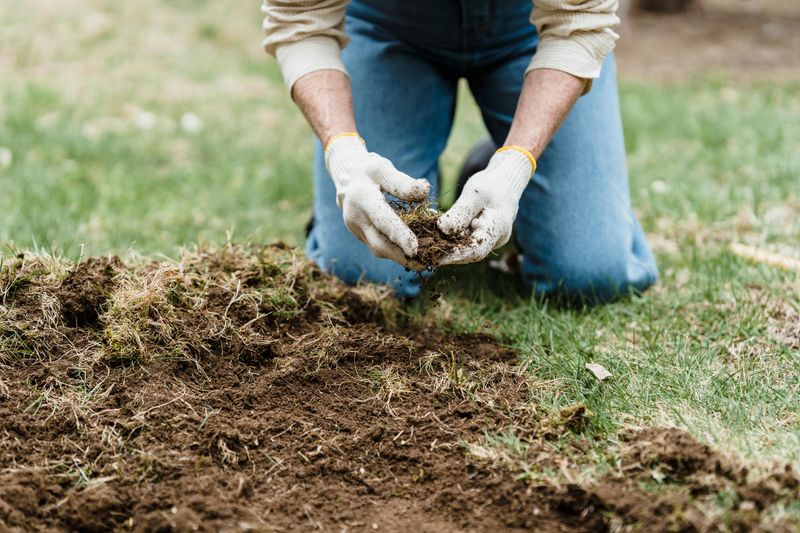
Pull back a patch of lawn in a mole-heavy yard and you’ll likely find them: fat, white, C-shaped grubs curled just beneath the surface.
These larvae are not just a lawn problem on their own.
They are the main reason moles keep returning to the same yard year after year.
Japanese beetle grubs are especially prevalent in Virginia and are active in the soil from late summer through spring.
Moles can detect them through vibration and smell even several inches underground.
Treating your lawn for grubs doesn’t produce instant results, but it creates a long-term deterrent.
Beneficial nematodes are microscopic organisms that parasitize grubs naturally.
They’re available at most garden centers and are safe for children, pets, and beneficial insects like bees.
Milky spore is another biological option.
It targets Japanese beetle grubs specifically and can remain active in the soil for years after a single application.
Results build gradually over one to three seasons, but the payoff is lasting.
Chemical grub treatments work faster but should be used carefully and only when grub populations are confirmed to be high.
Overusing pesticides can disrupt soil health and reduce the earthworm populations that keep your lawn fertile.
Addressing grubs alongside mole trapping is a two-pronged approach that breaks the cycle rather than just managing symptoms.
Keeping Moles Away For Good
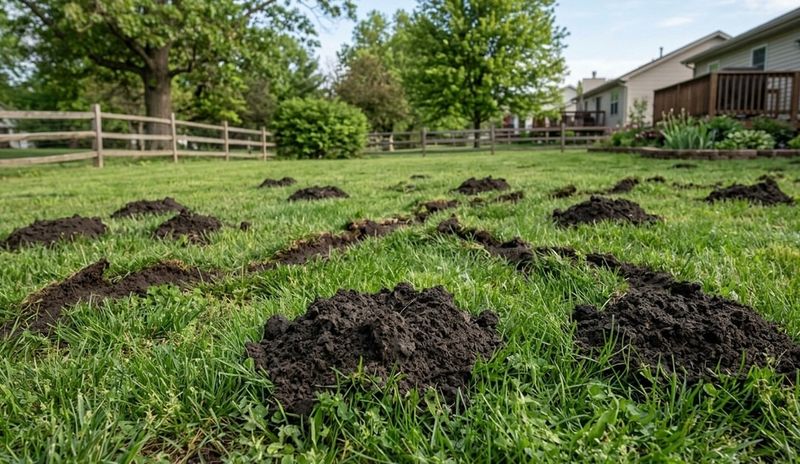
Getting rid of moles is one challenge.
Keeping them gone is a completely different game, and most homeowners skip this step entirely.
Once you’ve removed the active moles and treated the grub population, the goal shifts to making your yard less attractive on a consistent basis.
Castor oil granules applied two to three times per season create an ongoing sensory deterrent.
Moles dislike the smell and taste and tend to move toward untreated areas.
Maintaining a slightly drier lawn during peak mole season, typically March through June in Virginia, reduces the soft soil conditions moles prefer.
Adjusting irrigation timing so your lawn dries out between watering sessions makes tunneling less effortless for any scouts passing through.
Installing underground barriers around high-priority areas like vegetable gardens or flower beds provides physical protection.
Hardware cloth with a quarter-inch mesh is the most reliable long-term barrier option available.
Bury it deep enough and bend it outward at the bottom for best results.
Monitoring your lawn weekly in early spring allows you to catch new activity before it escalates.
A single fresh tunnel spotted and trapped early is far easier to manage than a full network discovered weeks later.
Consistency is the real secret.
Mole control isn’t a one-time event.
It’s a seasonal habit that pays off with a healthier, more beautiful lawn every single year.