How Georgia Gardeners Fertilize Hydrangeas For Fuller Summer Blooms
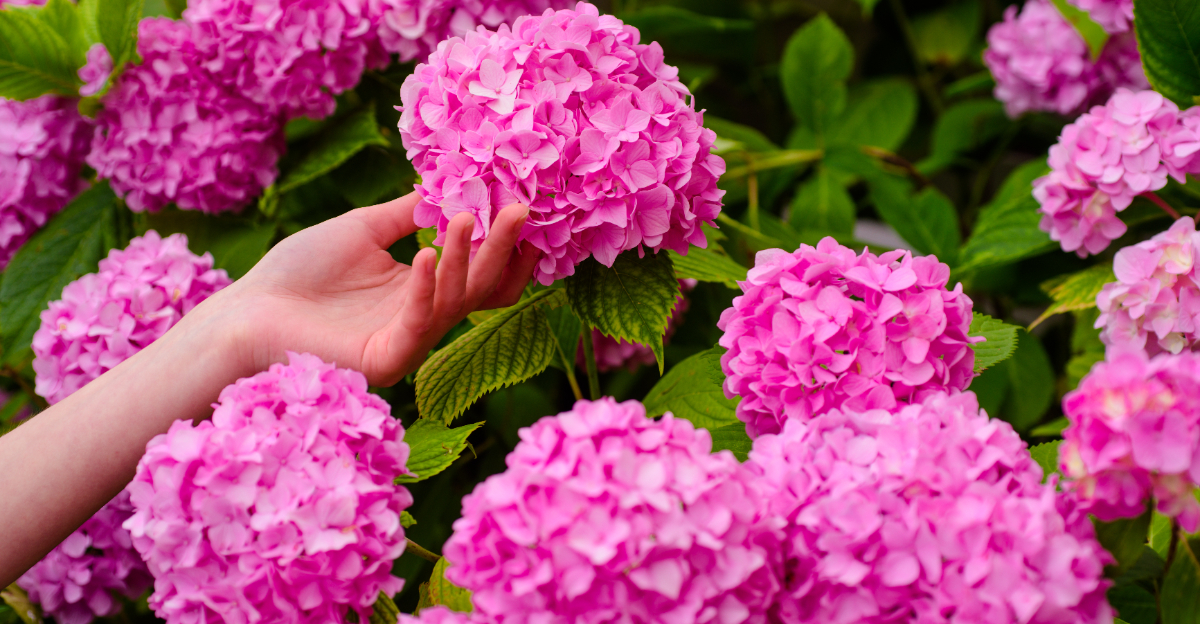
Hydrangeas can look perfectly healthy in Georgia through spring, then suddenly head into summer with fewer blooms than expected.
A lot of gardeners assume the plant just needs more water once the heat shows up, though feeding habits earlier in the season often matter more.
Heavy rain and Georgia humidity can push hydrangeas into growing extra leaves instead of stronger flowers. That shift usually starts quietly, especially when fertilizer timing misses the best blooming window.
Some hydrangeas stay covered in color well into summer while others end up with lots of green growth and surprisingly few blooms. Small fertilizing mistakes are often part of the reason.
1. Feed Before Flower Buds Start Expanding Too Quickly
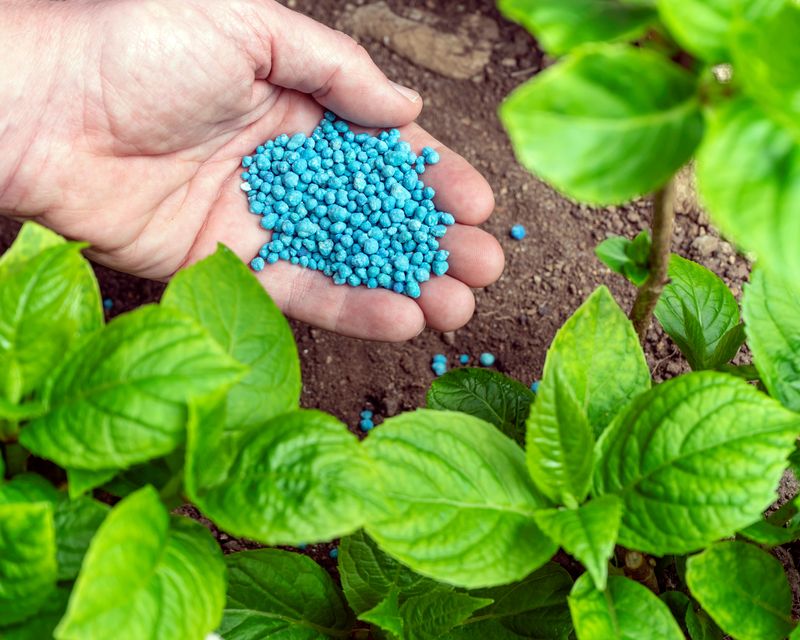
Timing your fertilizer application can be the difference between a plant loaded with blooms and one that looks like it barely tried. In Georgia, early spring is when hydrangeas start waking up and pushing out new growth.
Getting fertilizer down before those buds begin to swell gives the plant a steady supply of nutrients right when it needs them most.
A balanced fertilizer, something like a 10-10-10 formula, works well during this early phase. Apply it around the drip line of the plant, not right against the stem, so the roots can absorb it gradually.
Watering after application helps move nutrients into the soil where they become available to the roots.
Waiting too long to feed your hydrangeas means the plant has to work harder during a critical growth window. Once buds start visibly swelling and expanding fast, the plant is already deep into its energy demands.
Feeding at that point is still helpful, but it may not support early bud development as effectively as an earlier application would have.
Gardeners across Georgia have found that a late February or early March feeding, depending on how warm the season starts, tends to align well with the plant’s natural growth rhythm.
2. Too Much Nitrogen Can Lead To Fewer Flower Clusters
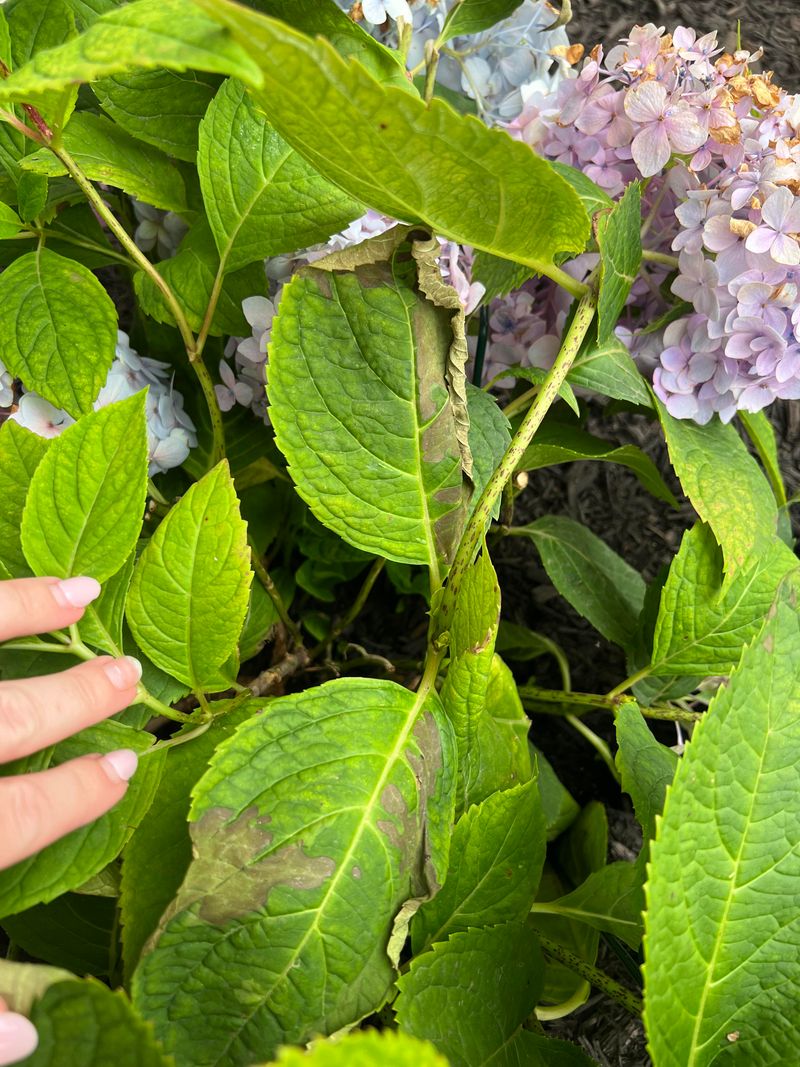
Lush, deep green leaves on a hydrangea can actually be a warning sign rather than a reason to celebrate. When nitrogen levels in the soil are too high, the plant puts most of its energy into producing foliage rather than flowers.
You end up with a full-looking shrub that has very little to show in terms of actual blooms.
Nitrogen is one of three main nutrients in most fertilizers, and it plays a key role in leaf and stem development. A little goes a long way, especially for flowering plants.
Applying a high-nitrogen product repeatedly, or using lawn fertilizer near hydrangeas, can push the plant toward vegetative growth at the expense of flower production.
In Georgia, where the growing season stretches long and warm, this imbalance can become noticeable by midsummer. Gardeners who notice lots of healthy leaves but sparse blooms should consider having their soil tested.
A basic soil test from your local county extension office can reveal whether nitrogen is out of balance and guide you toward a more appropriate fertilizer blend.
Your Georgia Garden Changes Every Week. Your Plan Should Too.
Gardening in Georgia changes quickly throughout the season. Every Friday you’ll receive a simple weekly plan showing exactly what to plant, prune, fertilize, harvest, and protect so you never miss the right timing.
3. Early Watering Helps Roots Take In Nutrients More Steadily
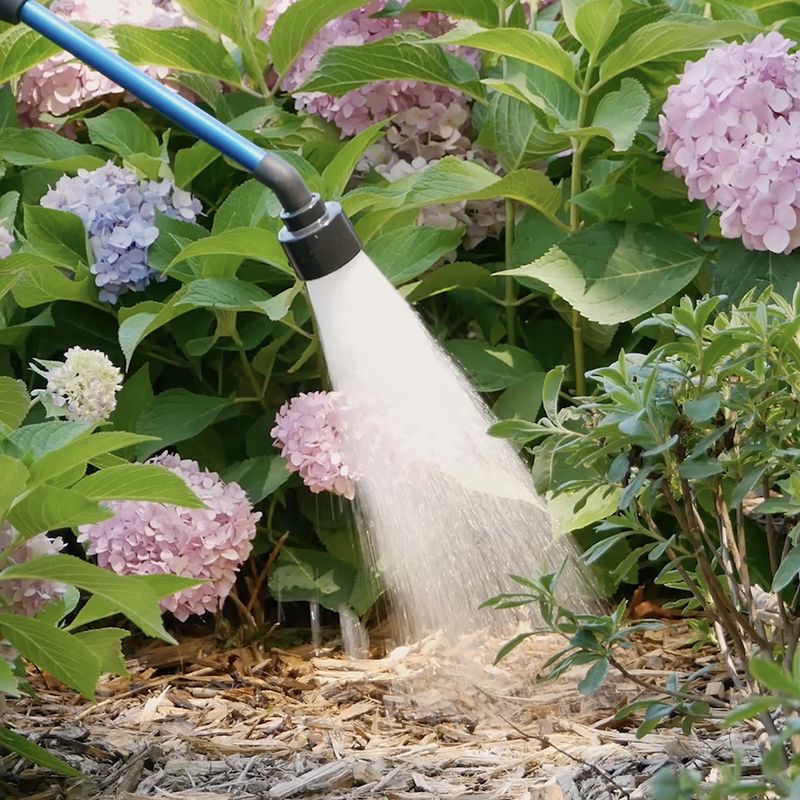
Fertilizer sitting in dry soil is about as useful as leaving food on a plate no one can reach. Water is what moves nutrients through the soil and into the root zone where the plant can actually absorb them.
Without consistent moisture, even a well-timed fertilizer application may not deliver the results you are hoping for.
Early morning watering is a habit that pays off in multiple ways for Georgia gardeners. Watering at the base of the plant before the heat of the day sets in allows moisture to soak deep into the soil rather than evaporating quickly.
Roots absorb nutrients most efficiently when soil moisture is steady rather than swinging between soaking wet and bone dry.
Hydrangeas in Georgia face real heat stress from June through August, and that stress affects how well roots function. A plant under heat stress may not take up fertilizer efficiently even if nutrients are present in the soil.
Keeping the root zone consistently moist during fertilizer applications, especially in summer, supports steadier nutrient uptake and reduces the chance of fertilizer burn.
Drip irrigation or soaker hoses are practical options for Georgia gardeners who want to maintain consistent soil moisture without overwatering.
Deep, infrequent watering encourages roots to grow downward, which improves overall plant stability and nutrient access.
4. Coffee Grounds Can Affect Hydrangea Soil Over Time
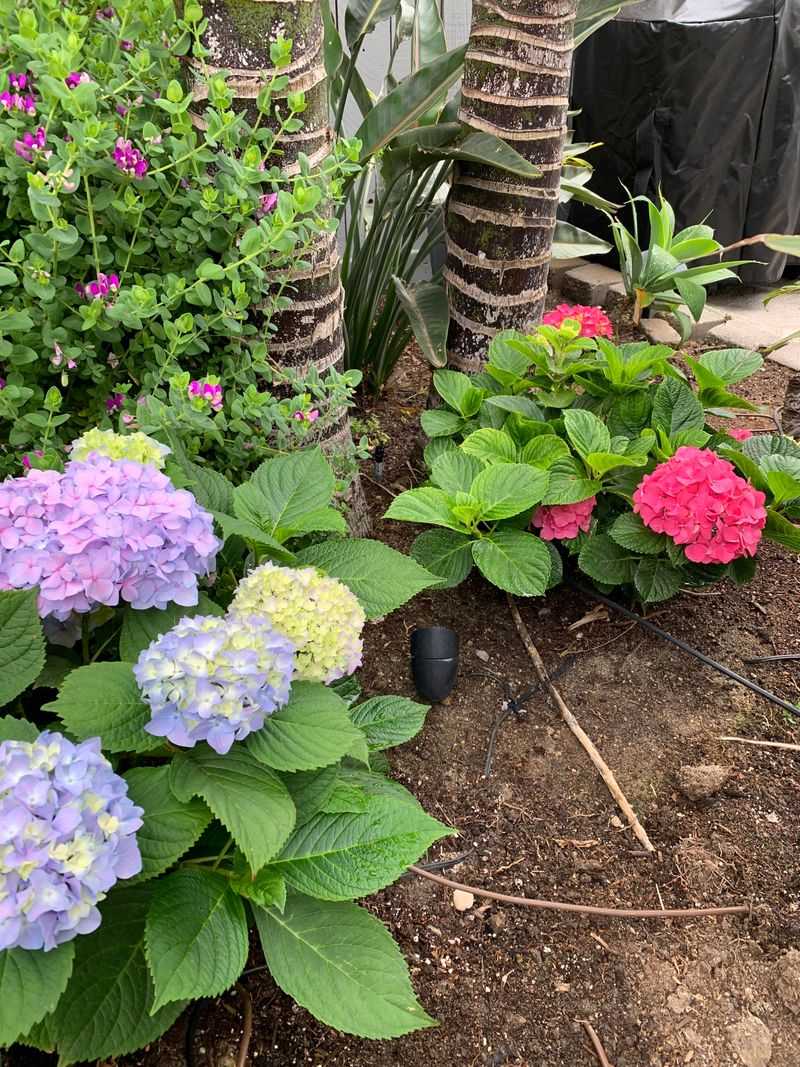
Coffee grounds have become a popular topic in gardening circles, and hydrangea growers in Georgia are no exception to the curiosity. Used coffee grounds are mildly acidic and can, over time, influence soil pH when added consistently.
Since hydrangeas in Georgia often grow in soils that trend toward acidity anyway, understanding what coffee grounds actually do is worth a closer look.
Adding coffee grounds around hydrangeas does not produce instant results, and the effect on soil pH tends to be gradual and modest.
Grounds also contribute small amounts of nitrogen to the soil as they break down, which can support overall plant health when used in moderation.
Piling them on heavily, though, can compact soil and reduce drainage, which is not ideal for hydrangea roots.
One thing Georgia gardeners find useful is mixing coffee grounds into compost rather than applying them directly in large quantities.
Composted grounds release their nutrients more evenly and are less likely to cause drainage problems or unintended pH swings.
A thin layer worked into the top inch or two of soil around the plant is generally more manageable than dumping a full pot’s worth at once.
Soil testing is still the most reliable way to know whether your garden in Georgia actually needs pH adjustment. Coffee grounds are a supplemental tool rather than a replacement for proper fertilization.
Used thoughtfully, they can be a low-cost addition to your hydrangea care routine without creating more problems than they solve.
5. Mulch Helps Hold Moisture Around Hungry Roots
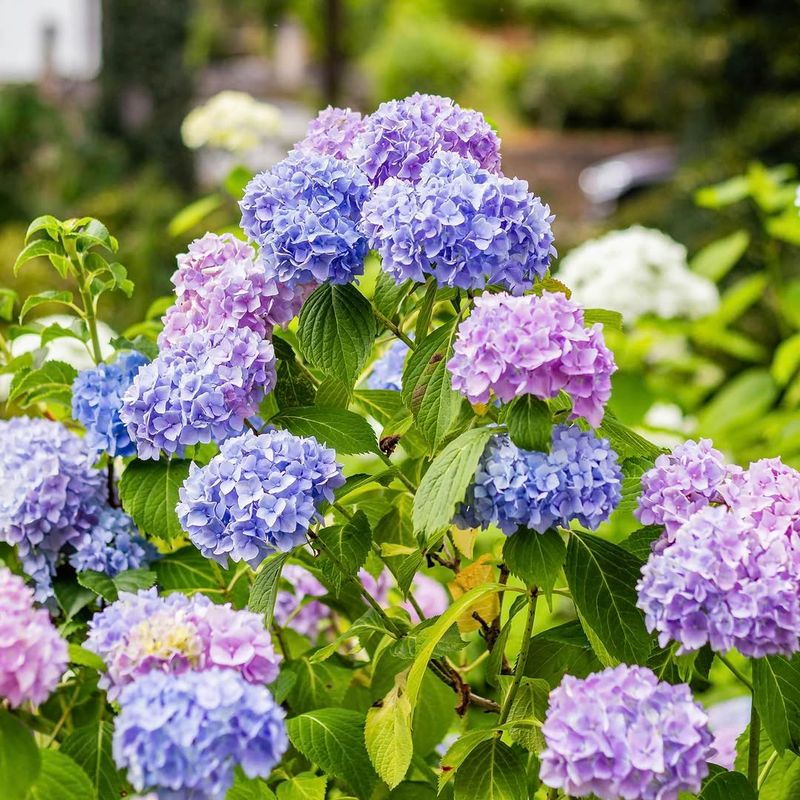
Georgia summers are not gentle, and hydrangea roots feel every bit of that heat radiating up from dry soil. Mulch acts as a protective layer between the harsh summer conditions and the sensitive root zone beneath.
A good layer of organic mulch can significantly reduce how often you need to water and how much stress your plants experience between feedings.
Pine bark mulch is widely available across Georgia and works particularly well around hydrangeas. It breaks down slowly, adding organic matter to the soil over time, and its slightly acidic nature suits the pH preferences of most hydrangea varieties.
Apply a layer about two to three inches thick, keeping it a few inches away from the main stem to allow airflow and reduce moisture buildup near the crown.
Beyond moisture retention, mulch also moderates soil temperature. Roots that stay cooler during a Georgia heat wave are better positioned to absorb water and nutrients efficiently.
A plant with stable root conditions tends to respond more predictably to fertilizer applications, which makes your feeding schedule more effective overall.
Refreshing mulch once or twice a year is a simple maintenance step that many gardeners overlook. As the material breaks down, it becomes less effective at holding moisture and insulating roots.
6. Slow Release Fertilizer Usually Lasts Longer Between Feedings
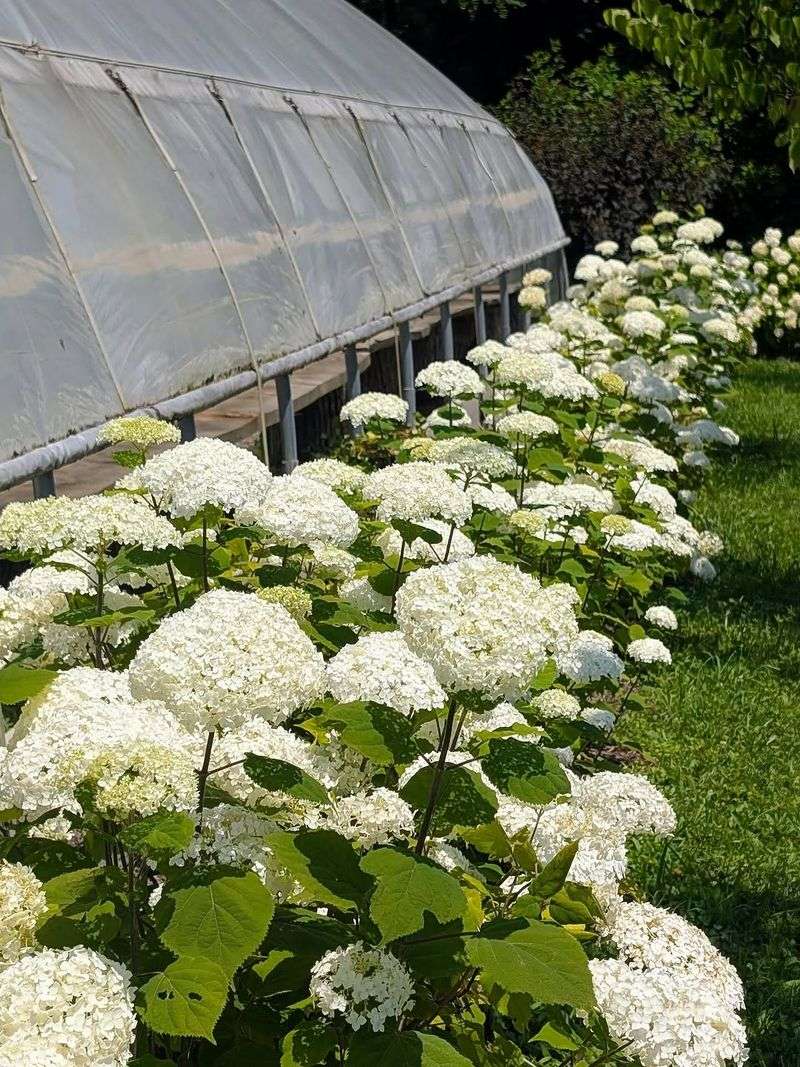
Not every fertilizer works the same way, and the difference between fast-release and slow-release products matters more than most gardeners realize.
Slow-release fertilizers are coated granules that break down gradually over several weeks or months, delivering nutrients to the soil in smaller, steadier amounts.
For hydrangeas in Georgia, where the growing season runs long, this kind of sustained feeding can be a practical advantage.
Fast-release fertilizers deliver nutrients quickly, which sounds appealing but comes with trade-offs. A sudden surge of nutrients can encourage rapid, soft growth that is more vulnerable to heat stress and pest pressure.
Slow-release products reduce that risk by keeping nutrient levels more consistent in the soil rather than spiking and then dropping off sharply.
Most slow-release granular fertilizers marketed for flowering shrubs last anywhere from three to six months, depending on rainfall, soil temperature, and the specific product.
In Georgia, where warm temperatures and regular summer rain accelerate breakdown, you may find products releasing faster than the label suggests.
Checking in on your plants mid-season and watching for signs of nutrient deficiency, like pale or yellowing leaves, helps you decide whether a supplemental feeding is needed.
Applying slow-release fertilizer in early spring, just as new growth begins, sets up a steady nutrient supply through much of the blooming season.
Some Georgia gardeners add a second light application in early summer to carry the plant through the peak heat months.
Reading product labels carefully and avoiding over-application keeps feeding schedules practical, safe, and genuinely useful for long-term plant health.
7. Poor Flowering Can Sometimes Trace Back To Soil pH Issues
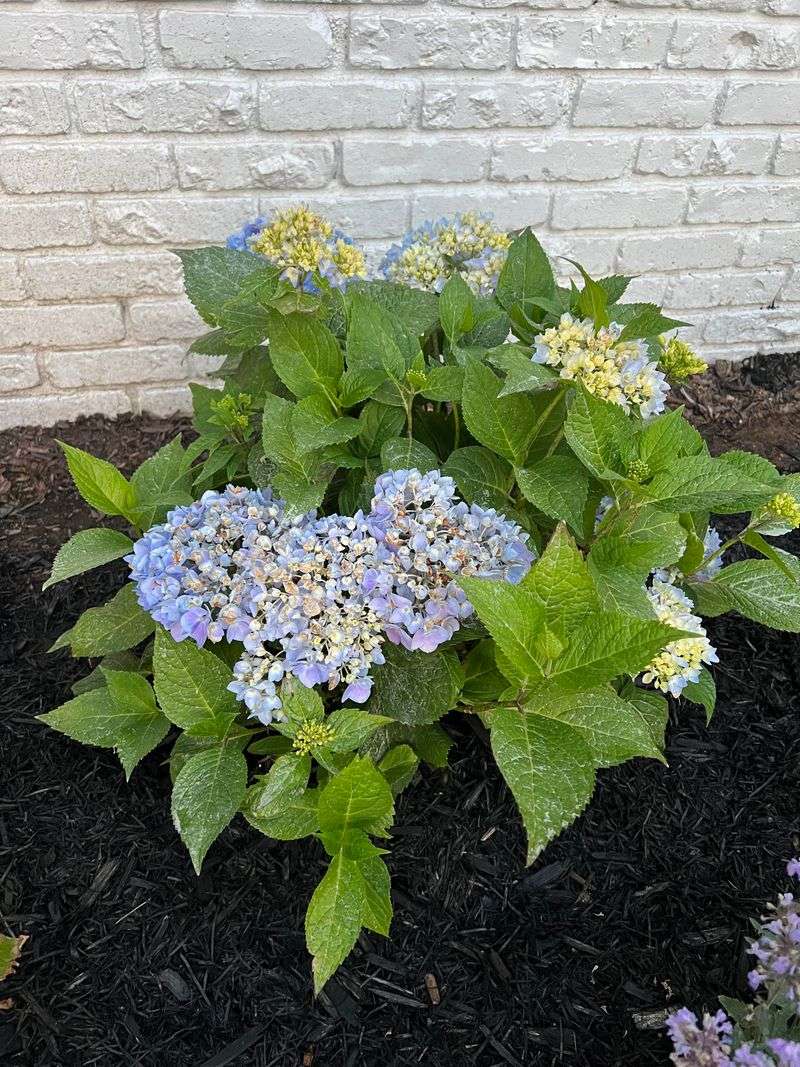
Sparse blooms on an otherwise healthy-looking hydrangea can be genuinely frustrating, especially when you have been fertilizing on schedule. Soil pH is one of the less obvious culprits that often goes unchecked for years.
When soil pH falls outside the range a plant prefers, nutrient absorption slows down even if those nutrients are technically present in the soil.
Most hydrangeas grow best in soil with a pH between 5.5 and 6.5, which is mildly acidic.
Georgia soils naturally vary quite a bit across the state, with some areas leaning more acidic and others more neutral or slightly alkaline depending on local geology and land use history.
A simple soil test, available through your local Georgia cooperative extension office, takes the guesswork out of knowing where your garden actually stands.
If pH is too high, iron and other micronutrients become less available to the plant, which can lead to pale leaves and reduced flowering.
Sulfur amendments are commonly used to bring pH down gradually in Georgia gardens, but changes happen slowly over months rather than days.
Aluminum sulfate works more quickly and is often used specifically around hydrangeas, with the added benefit of shifting bloom color in certain varieties like bigleaf types.
Addressing pH is not a one-time fix since soil conditions shift with rainfall, decomposing organic matter, and ongoing fertilizer use.