Mosquitoes Avoid These Plants And Maryland Gardeners Can’t Get Enough Of Them
You bought the citronella candles.
You tried the sprays.
You may have even attempted that one weird trick someone posted in a neighborhood Facebook group.
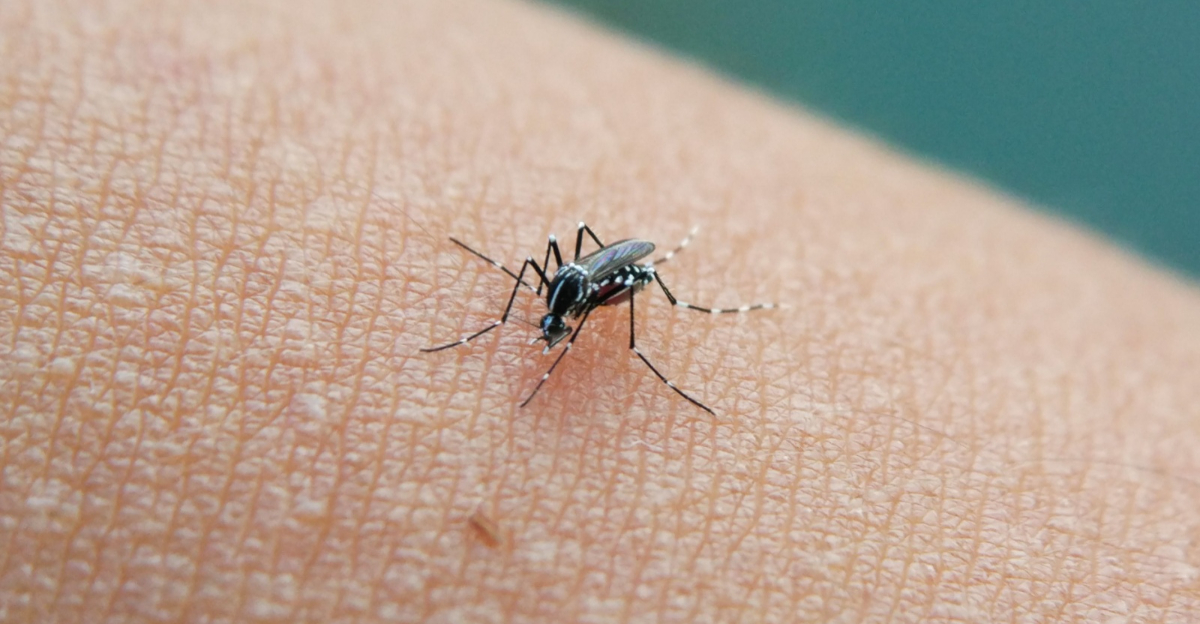
And yet, every summer, the mosquitoes show up right on schedule like tiny, relentless freeloaders who never got the memo.
Here’s the thing though, there’s a more elegant solution, and it involves making your outdoor space look and smell incredible in the process.
Certain plants produce natural oils and compounds that mosquitoes find genuinely unbearable.
And they do it quietly, continuously, and without making your patio smell like a chemical plant.
Maryland’s climate happens to be well-suited to all of them.
These ten plants are small additions that make a big difference, and your summer evenings are about to prove it.
1. Lavender
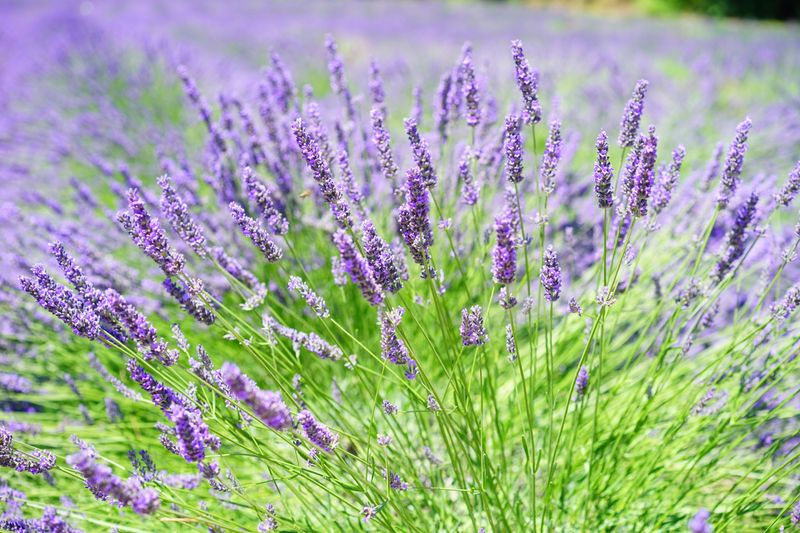
Mosquitoes actively avoid lavender, and honestly, that makes growing it feel like a small, fragrant act of revenge.
This purple beauty has been used for centuries in France and across the Mediterranean.
Not just for its gorgeous color, but for its powerful natural oils.
The same scent that makes lavender candles fly off store shelves is the exact thing that sends mosquitoes packing.
Planting lavender along a walkway or near a patio creates a natural scented barrier that works around the clock.
In Maryland, lavender thrives in well-drained soil with plenty of sunshine, making it a solid choice for raised garden beds or sunny borders.
It blooms from late spring into summer, which lines up perfectly with peak mosquito season.
Beyond pest control, lavender attracts bees and butterflies, so your garden stays lively and pollinator-friendly.
You can even snip a few stems and bring them inside to freshen up a room.
Dried lavender sachets tucked into drawers are a bonus trick many Maryland homeowners swear by.
Plant it once, enjoy it all summer, lavender asks for very little and delivers more than most.
2. Marigold
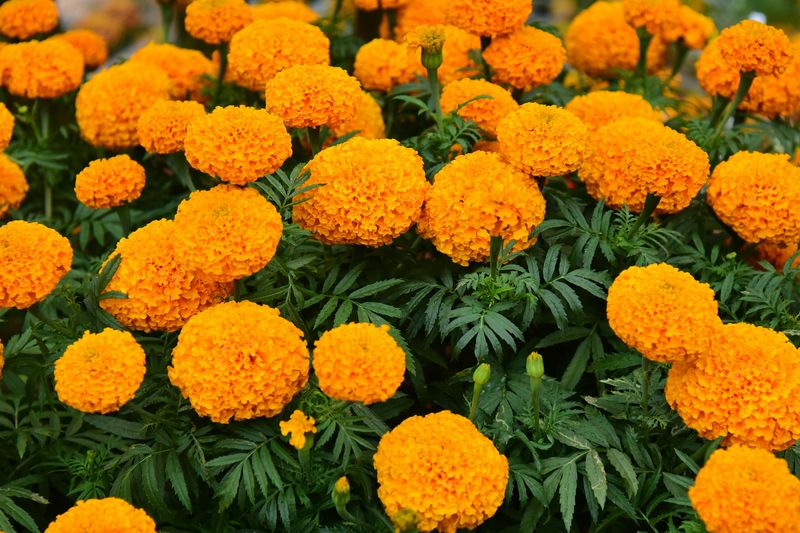
Marigolds look like something you’d plant just to brighten up a border.
Turns out, they’re quietly one of the hardest-working mosquito repellents in your garden.
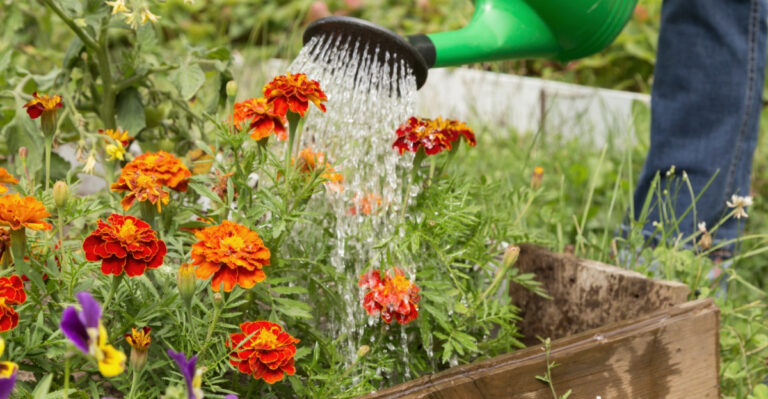
Those cheerful orange and yellow blooms contain natural compounds called thiophenes, which insects find deeply off-putting and actively avoid.
Mosquitoes pick up on that scent fast and tend to steer clear of wherever marigolds are planted.
Gardeners across Maryland love tucking marigolds along garden borders, near vegetable beds, and in containers on porches.
Not only do they repel mosquitoes, but they also deter aphids, whiteflies, and even deer, making them one of the hardest-working plants in any yard.
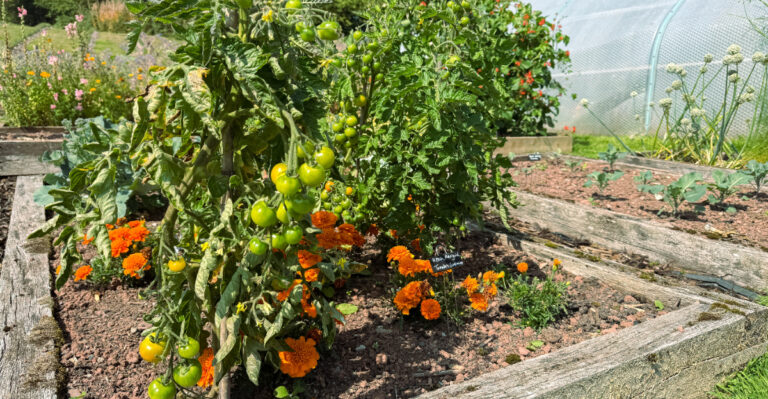
Planting them near tomatoes or peppers is a classic companion planting trick that seasoned growers swear by.
Marigolds are incredibly easy to grow from seed, even for beginners.
They prefer full sun and moderately dry soil, so overwatering is the only real mistake to avoid.
The blooms last from early summer all the way through the first frost, giving you months of color and protection.
Snipping spent flowers regularly encourages even more blooms to pop up.
Your Maryland Garden Changes Every Week. Your Plan Should Too.
Gardening in Maryland changes quickly throughout the season. Every Friday you’ll receive a simple weekly plan showing exactly what to plant, prune, fertilize, harvest, and protect so you never miss the right timing.
Few plants give you this much: color, fragrance, and a mosquito-free patio, for this little effort.
3. Lemongrass
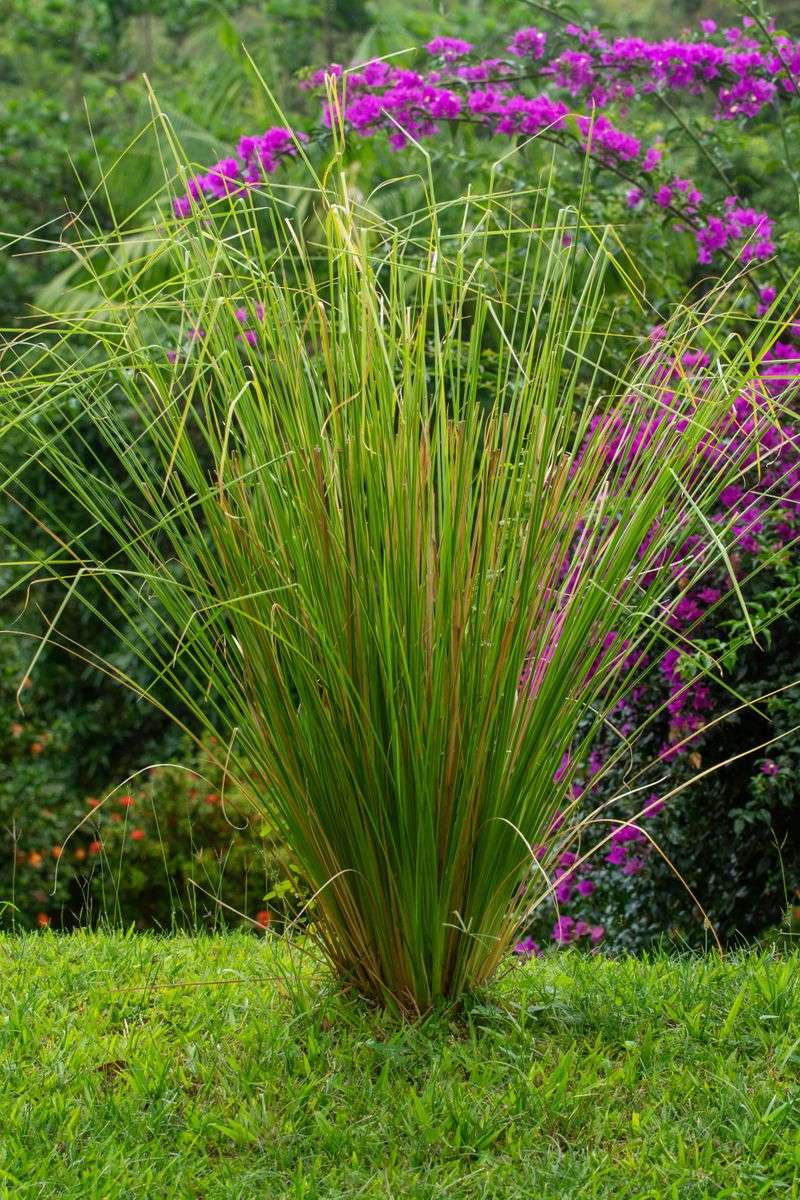
Lemongrass and citronella grass are botanical cousins.
They share one very useful trait.
The scent that mosquitoes absolutely cannot stand.
That means planting lemongrass in your yard is essentially putting the source material right where you need it most.
Rub a leaf between your fingers and you get an instant burst of that familiar lemony scent that mosquitoes want nothing to do with.
Lemongrass grows fast and tall, sometimes reaching six feet in a single season.
In Maryland, it does best in large containers since it is a tropical plant that cannot survive a hard freeze.
Bringing the pots indoors before the first frost keeps it alive year after year, saving you money on replanting.
Strategically placed pots near seating areas, doors, or around fire pits create a fragrant, functional boundary.
The bold, architectural shape of lemongrass also adds a tropical feel to any outdoor setup.
As a bonus, fresh lemongrass stalks are a fantastic addition to soups, curries, and marinades, so the plant earns its space in the kitchen too.
Useful, beautiful, and ruthlessly effective, lemongrass earns every inch of space you give it.
4. Citronella Geranium
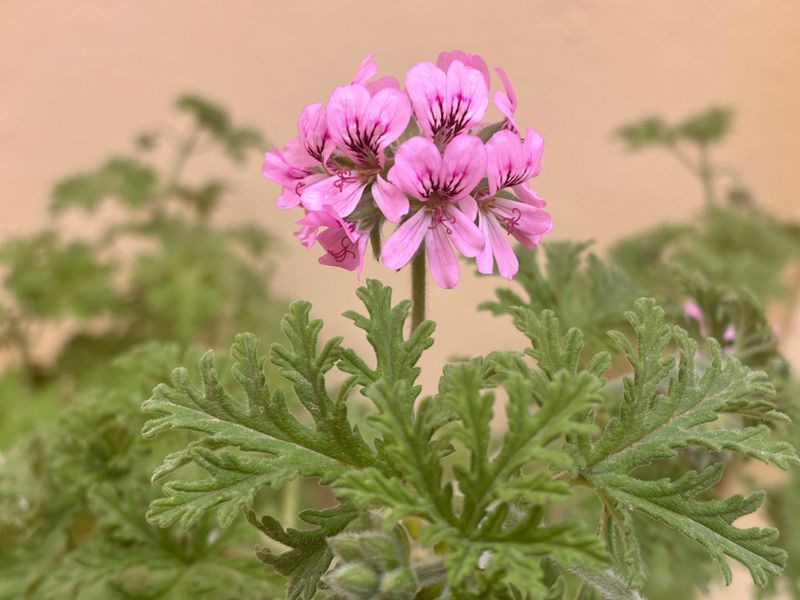
Brush against a citronella geranium’s leaves once and you’ll immediately understand why mosquitoes keep their distance.
The strong citrus-rose scent that releases from the foliage is pleasant to people but deeply off-putting to biting insects.
This is not your average geranium, it is a pest-fighting powerhouse dressed up in pretty leaves.
Technically a Pelargonium, citronella geranium is widely sold at garden centers throughout Maryland each spring.
It grows well in containers, window boxes, and raised beds, making it flexible enough for any garden size.
Full sun and well-draining soil keep it happy, and it rewards minimal effort with lush, fragrant growth all season long.
Placing a few pots near outdoor seating or along a doorstep creates an aromatic buffer zone that genuinely works.
Some homeowners crush a few leaves and rub them lightly on their skin for a quick, natural alternative to spray repellents.
The plant also produces delicate lavender-pink flowers that add a soft, cottage-garden charm to patios and porches.
Low maintenance, high impact, and genuinely effective, citronella geranium is one of those rare plants that earns its spot every single day.
5. Mint
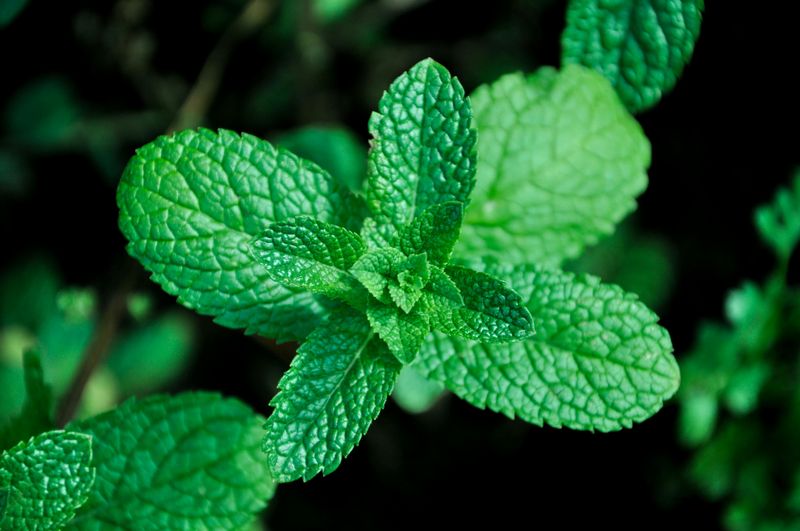
Mint is aggressive, aromatic, and completely unbothered by mosquitoes, and frankly, that kind of confidence belongs on every patio.
The menthol compounds in mint leaves create a scent profile that repelling insects find overwhelming.
Mosquitoes, ants, and even spiders tend to avoid areas where mint is growing nearby.
Maryland gardeners are often warned to plant mint in containers rather than directly in the ground.
That advice is worth taking seriously, because mint spreads fast and wide if left unchecked in a garden bed.
A few well-placed pots along a fence line, around a deck, or flanking a back door can make a noticeable difference in outdoor comfort.
Beyond pest control, mint is one of the most useful herbs you can grow.
Fresh sprigs go into iced tea, lemonade, salads, cocktails, and desserts without a second thought.
There are dozens of varieties to explore, including spearmint, peppermint, chocolate mint, and apple mint, each with its own unique scent and flavor.
Crushing a few leaves and tucking them into a pocket or rubbing them on your wrists is a quick, fragrant trick for outdoor events.
Mint is proof that the best solutions are often the simplest ones.
6. Catmint
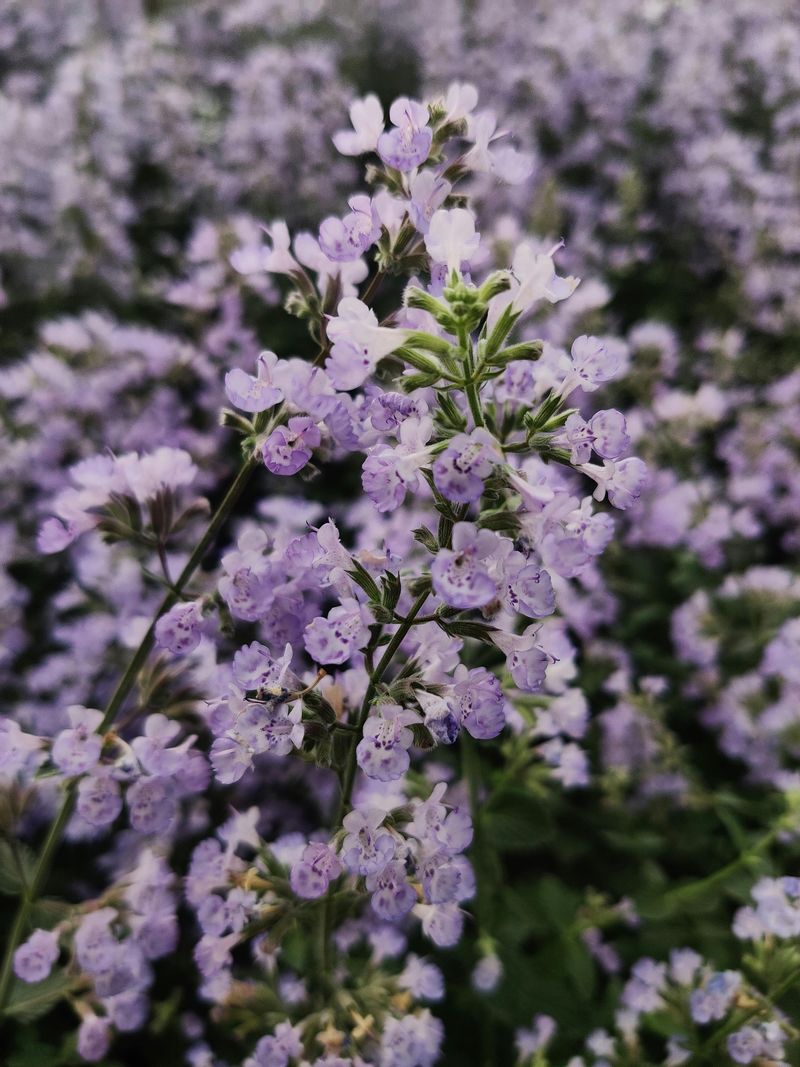
Iowa State University researchers found that nepetalactone, the active oil in catmint, outperformed DEET in controlled lab conditions.
The plant won’t replace your bug spray entirely, but it’s one of the most scientifically supported options on this list.
Nepetalactone is the natural oil responsible for making cats go wild.
It also turns out to be a serious insect deterrent that science has only recently started paying attention to.
Catmint, not to be confused with catnip, is a garden-friendly, low-growing perennial that blooms in soft waves of lavender-blue flowers.
It thrives in Maryland summers, handles heat well, and actually improves with regular trimming.
Cutting it back after the first bloom encourages a second flush of flowers, extending both its beauty and its pest-repelling power.
Pollinators adore catmint, so planting it near vegetable gardens or fruit trees gives you double duty protection.
Bees flock to the flowers while mosquitoes stay far away, creating a surprisingly balanced ecosystem right in your backyard.
Catmint pairs beautifully with roses, lavender, and ornamental grasses for a layered, cottage-style look.
It is drought-tolerant once established, meaning it handles Maryland’s dry summer spells without complaint.
For a plant that works this hard, catmint is remarkably easy to please.
7. Rosemary
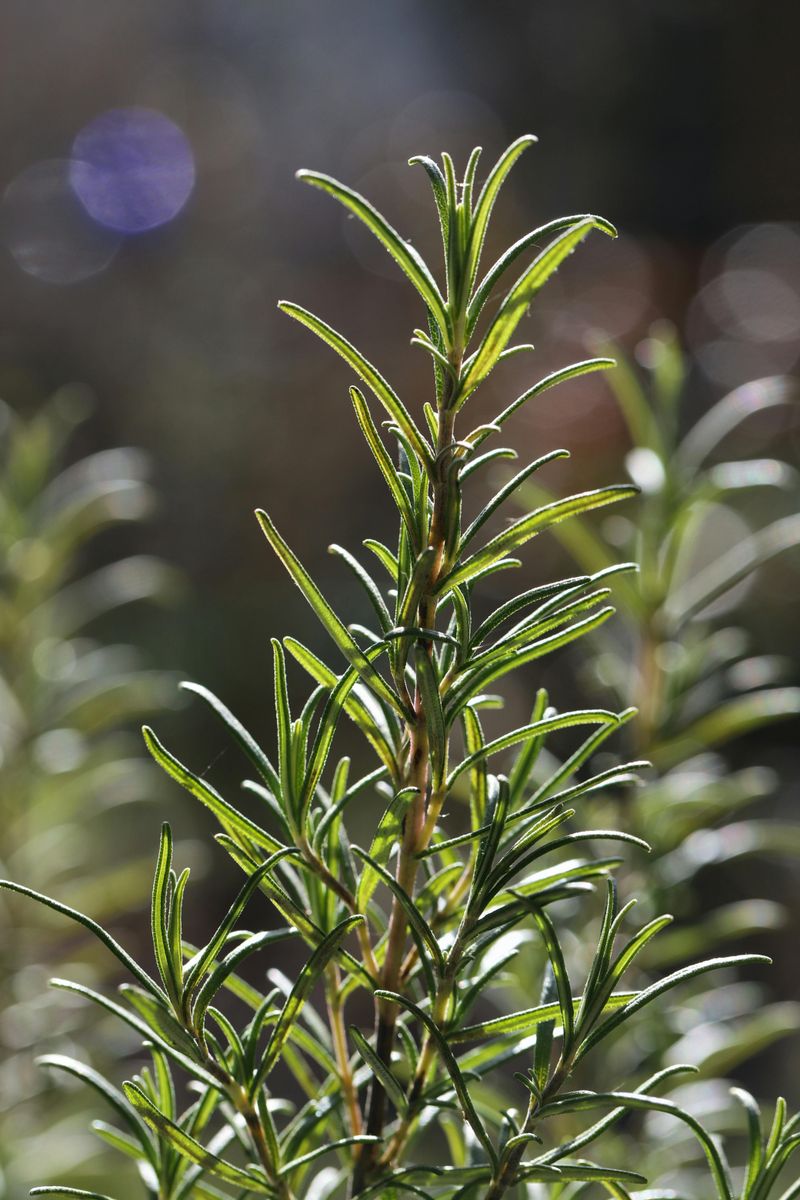
Rosemary makes roasted chicken smell incredible.
It turns out, mosquitoes find that exact same scent completely unbearable.
Rosemary produces a strong, woody, camphor-like scent that mosquitoes find deeply unpleasant.
Toss a few sprigs onto a backyard fire or grill and the smoke creates a fragrant, pest-deterring cloud that covers your entire outdoor area.
Rosemary is a Mediterranean native that loves heat, sunshine, and well-drained soil, conditions that Maryland summers provide in abundance.
It grows as a compact shrub or can be trained into topiaries and hedges for a more formal garden look.
Once established, it is remarkably drought-tolerant and requires very little attention beyond occasional pruning.
Planting rosemary near a patio edge or along a garden path means every time someone brushes against it, that protective scent gets released into the air.
Smaller varieties grow well in containers and can be moved indoors during Maryland winters to survive until spring.
Fresh rosemary is also endlessly useful in the kitchen, from focaccia to grilled vegetables to infused olive oil.
A plant that smells like Sunday dinner and doubles as a pest repellent is not something you pass up.
8. Agastache
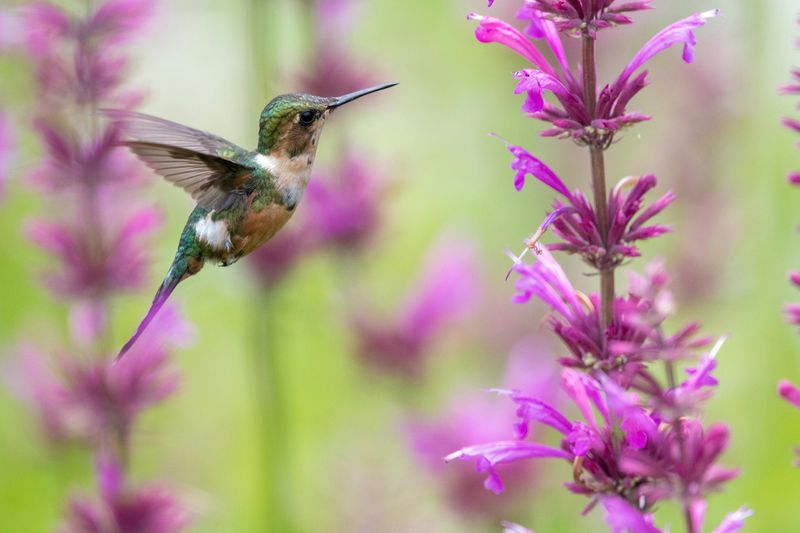
Agastache has been quietly repelling mosquitoes for years.
Maryland gardeners are just now catching on.
Also called hyssop or hummingbird mint, this tall, striking perennial produces dense spikes of flowers in shades of orange, purple, pink, and blue.
The foliage carries a strong anise-mint fragrance that mosquitoes avoid while pollinators absolutely swarm toward it.
Hummingbirds, bees, and butterflies treat agastache like a buffet all season long.
The plant blooms from midsummer through early fall, which covers the most intense part of mosquito season in the mid-Atlantic region.
In Maryland’s climate, most varieties are reliably hardy and come back stronger each year with almost no extra care.
Agastache thrives in full sun and dry to average soil, making it a smart choice for spots where other plants struggle.
It pairs well with ornamental grasses, coneflowers, and black-eyed Susans for a naturalistic, low-maintenance garden design.
Taller varieties can reach four feet, creating a bold visual anchor in any planting bed.
The dried flower spikes hold their shape beautifully into winter, adding structure to the garden even after the season ends.
Agastache is the rare plant that stops people in their tracks and stops mosquitoes in theirs.
9. Basil
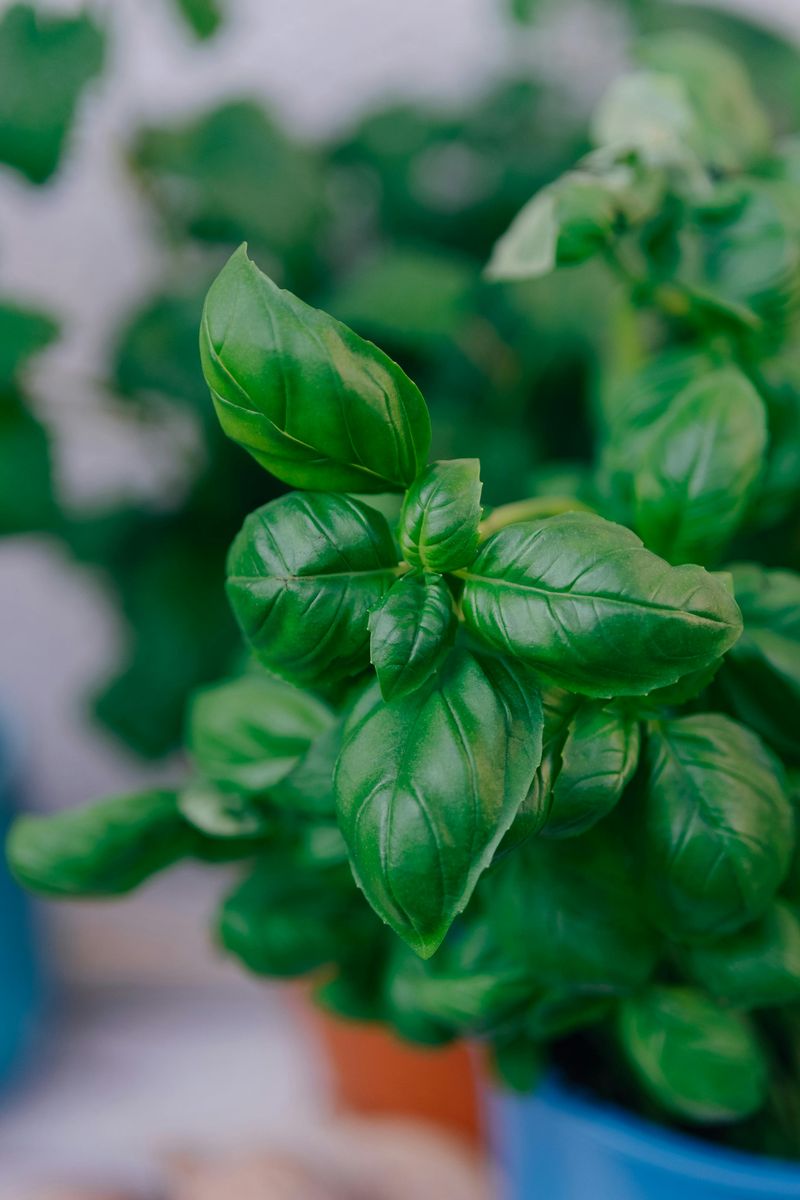
You probably already know basil from your kitchen, but your patio needs it just as much as your pasta does.
Basil is one of the most versatile mosquito-repelling plants you can grow on a Maryland patio.
It earns its place as a mosquito repellent and a kitchen staple at the same time.
The strong, pungent scent comes from essential oils, primarily linalool and estragole, that mosquitoes find overwhelming and actively avoid.
Unlike many repellent plants that only work when you crush or rub the leaves, basil releases its oils continuously into the surrounding air.
This makes it effective just by sitting in a pot near your seating area.
In Maryland’s warm, humid summers, basil absolutely thrives, it loves the heat and grows vigorously from late spring through early fall.
Plant it in full sun with well-drained soil, water regularly, and it will reward you with lush, fragrant growth all season long.
For maximum mosquito-repelling effect, place several pots directly around your patio perimeter or along entry points.
Thai basil and lemon basil are particularly potent varieties worth trying alongside classic sweet basil.
As an added bonus, keeping basil near your outdoor dining area means fresh leaves are always within reach for cooking.
It won’t survive Maryland winters outdoors, but given everything it does for your patio, replanting it each spring feels like an easy call.
10. Bee Balm
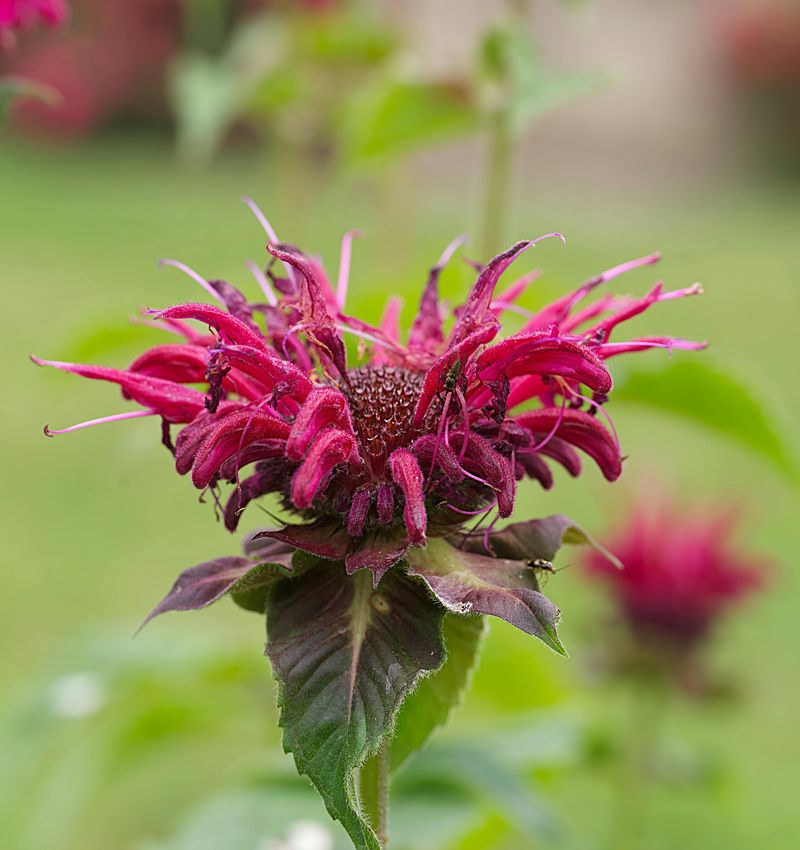
If you want a plant that works hard, looks stunning, and belongs in Maryland, Bee Balm was practically made for your yard.
Bee Balm, known botanically as Monarda, is a standout choice for Maryland homeowners because it’s not just effective, it’s native to the region.
That means it’s perfectly adapted to local soil conditions, rainfall patterns, and temperature swings without any extra effort from you.
The plant contains high concentrations of thymol, a natural compound also found in thyme, which is well known for its insect-repelling properties.
Mosquitoes are particularly sensitive to thymol and tend to avoid areas where Bee Balm is growing in any significant quantity.
Beyond its practical benefits, Bee Balm is strikingly beautiful, producing red, pink, or purple flowers from midsummer through early fall.
It grows happily in full sun to partial shade and handles Maryland’s clay-heavy soils better than most plants.
Once established, it’s genuinely low-maintenance and comes back stronger every year, gradually spreading to fill your garden border.
Hummingbirds and pollinators love it, so you’ll be trading mosquitoes for something far more welcome.
For best results, plant Bee Balm in clusters along the edges of your patio rather than as isolated specimens.
The denser the planting, the stronger the natural barrier, and the more spectacular it looks doing its job.