8 Native Tennessee Plants That Handle Heat Like Champions And Put Mulch Out Of A Job
My neighbor did something bold last summer. She ripped out a patch of faded gray mulch and replaced it with low-growing native plants.
By mid-July, her yard looked like a magazine spread. That got me digging.
Tennessee is loaded with native ground covers that laugh at brutal heat, shrug off drought, and spread on their own without turning into a nightmare. No babying.
No bark mulch that smells like wet cardboard and vanishes by October. These plants didn’t just arrive here.
They evolved here. That means they already know how to handle sticky summers and clay-heavy soil. Unpredictable weather that beats back everything else? These plants barely notice.
Shady slope? There’s a plant for that.
Sunny strip by the mailbox? Covered.
That dry corner where little else manages to take hold? Something on this list will thrive there.
I’m talking tiny yellow flowers, trailing strawberry runners, soft purple blooms. Real texture.
Real color. Real ground coverage.
If you’ve been grabbing mulch bags out of habit, it might be time to stop.
1. Goldenstar
Most ground covers just sit there. Goldenstar puts on a show.
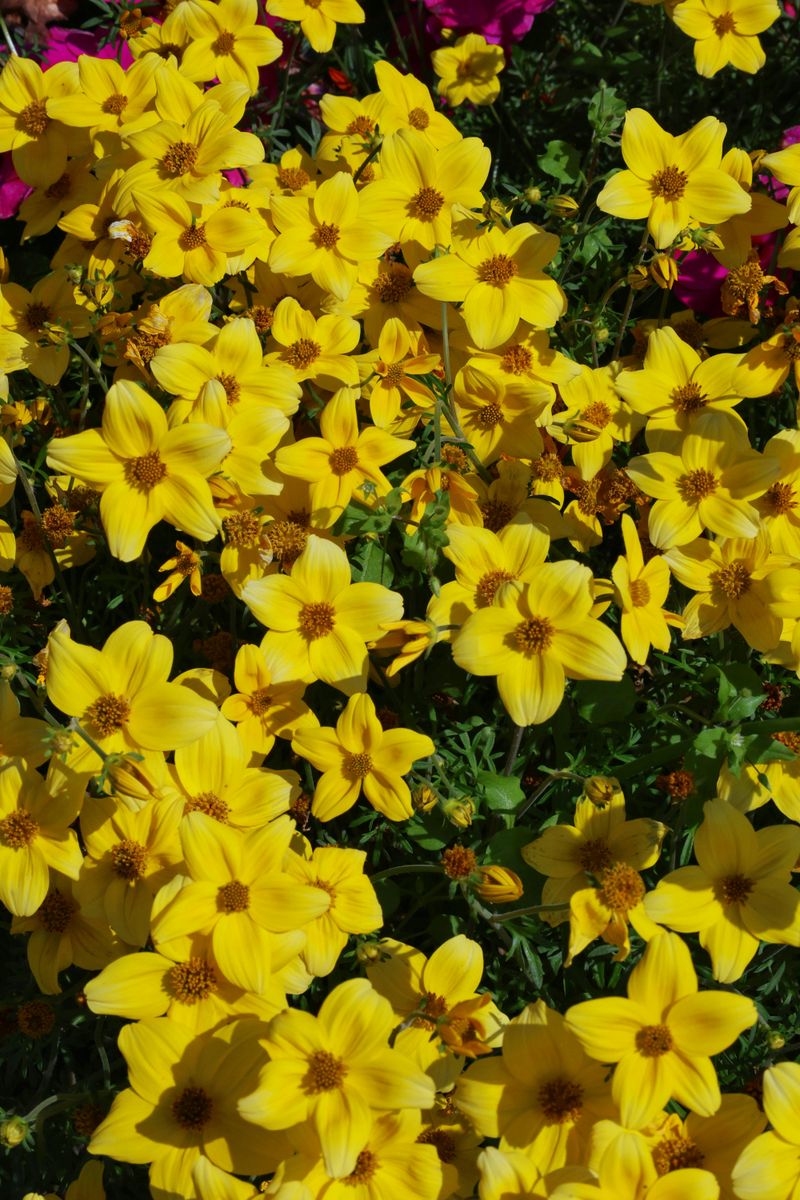
Bright yellow stars push up through the shade beneath a canopy of oak trees, looking almost too cheerful to be real.
The bright yellow flowers pop against the dark, glossy leaves in a way that stops you mid-stride. It belongs in shady woodland spots where other plants struggle to keep up, making it as practical as it is pretty.
It is worth noting that Goldenstar is native only to parts of East Tennessee and is listed as a Threatened Species in the state. If you are sourcing plants, make sure to buy from a reputable native plant nursery rather than collecting from the wild.
It earned its name honestly, and once you see it in person, you get it immediately.
Goldenstar is a low-growing evergreen native to the eastern United States, and it thrives in the shaded and semi-shaded spots that most plants avoid.
It handles the heavy clay soils found across much of Tennessee without complaining.
Once established, it spreads slowly through runners, filling in gaps and creating a lush mat that looks intentional and polished.
The flowers bloom in spring, usually from April through June, and the foliage stays green well into winter.
That means you get year-round coverage without replanting every season.
For anyone tired of refreshing mulch twice a year, that kind of staying power is a genuine relief.
Goldenstar handles heat surprisingly well for a shade-loving plant.
It does best with some afternoon shade, especially during Tennessee’s peak summer weeks when temperatures regularly climb into the nineties.
A little morning sun keeps the blooms coming without scorching the leaves.
Pollinators love it, particularly bees looking for early-season nectar.
Planting it near a patio or walkway means you get color and wildlife activity right where you can enjoy it.
For a plant that asks for so little, it gives back a remarkable amount.
Your Tennessee Garden Changes Every Week. Your Plan Should Too.
Gardening in Tennessee changes quickly throughout the season. Every Friday you’ll receive a simple weekly plan showing exactly what to plant, prune, fertilize, harvest, and protect so you never miss the right timing.
2. Wild Blue Phlox
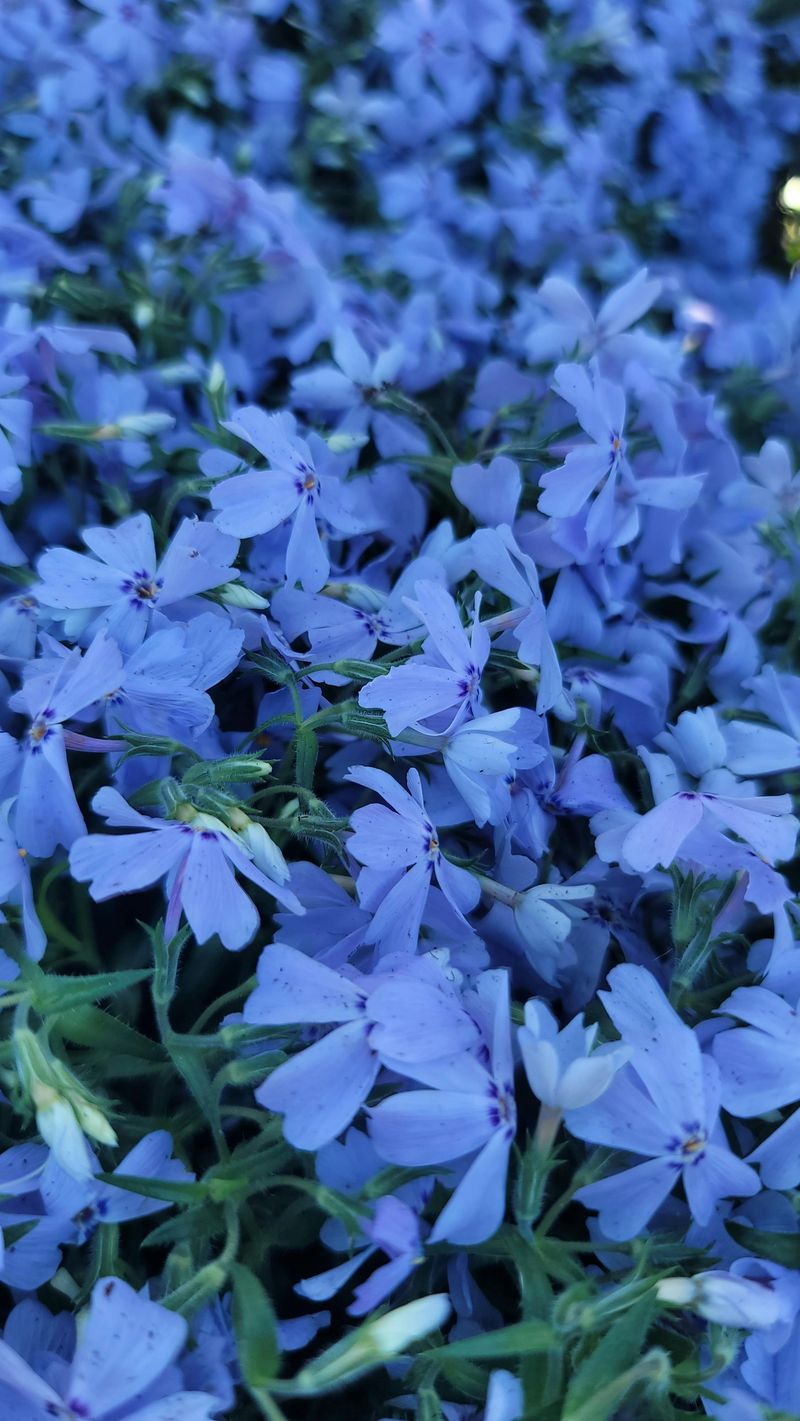
Ever walked past a plant and stopped mid-step because something smelled incredible, but you could not figure out what it was?
That is Wild Blue Phlox doing its thing.
It opens quietly in early spring in shady woodland edges where it genuinely thrives. No dramatic entrance.
Just soft lavender-blue clusters appearing almost overnight, carrying a gentle sweetness that hits you before your eyes even find the source. You smell it first.
Then you see it. Then you want more of it everywhere.
It is a true Tennessee native, found naturally in rich woodlands and along stream banks across the state. It grows well in part shade to full shade, which makes it useful in exactly the spots where many ground covers struggle.
The plant stays low, reaching about ten to twelve inches during bloom, then settles back into a tidy mat of semi-evergreen foliage through the rest of the season.
It spreads gradually through both self-seeding and short surface runners, filling in bare ground without crowding out its neighbors. In a shaded border or under a canopy of deciduous trees, it creates a soft, natural-looking carpet that holds soil and suppresses weeds without any intervention.
Clay-heavy or average garden soil suits it well, as long as it stays reasonably moist and has some organic matter worked in. It is not demanding.
Once established, this plant largely takes care of itself through Tennessee summers, needing only occasional deep watering during extended dry stretches.
Butterflies and native bees visit the blooms consistently during its spring flowering period. It is also completely non-toxic to dogs, cats, and people, which makes it a straightforward choice for family gardens.
For a shaded spot that needs color and coverage, it delivers on both. It is rare to find a plant that the butterflies, the bees, the dog, and the toddler can all agree on but here it is.
3. Foamflower
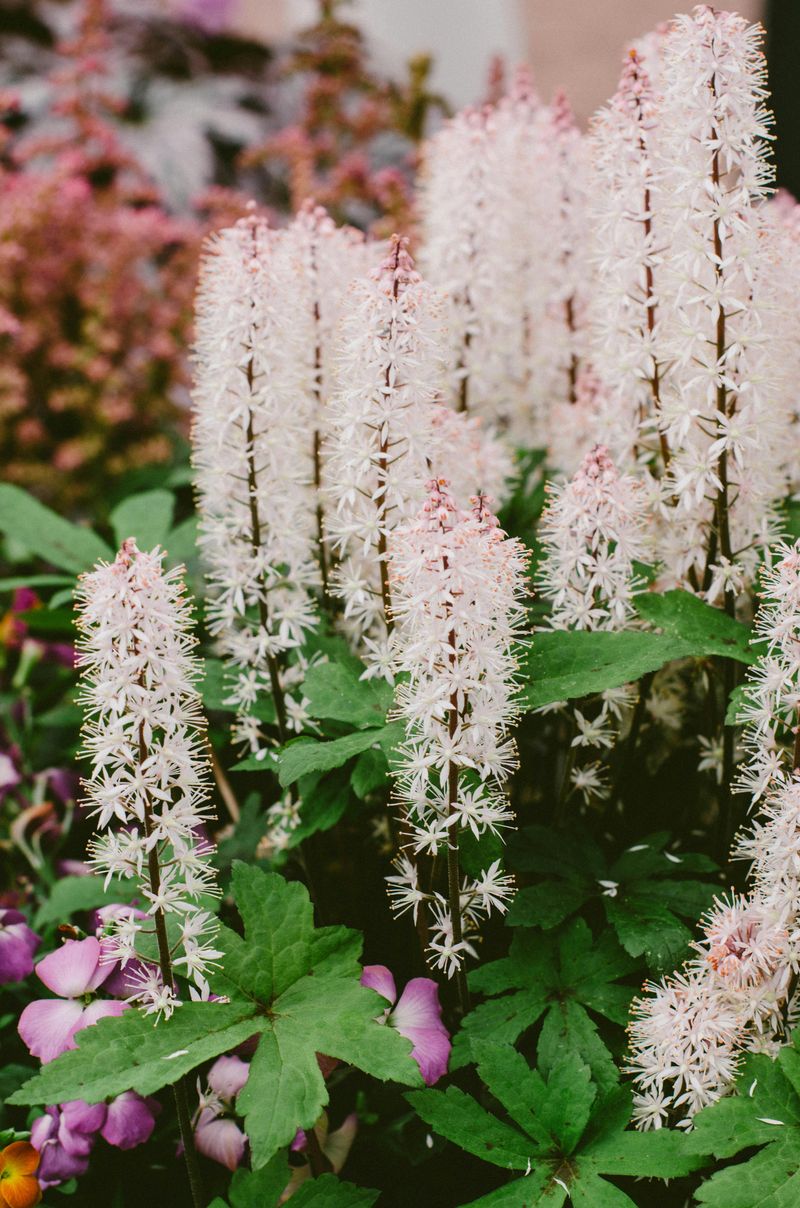
Walk into a Tennessee woodland in late April and look down. There it is.
Tiny white foam scattered across the forest floor like nature forgot to clean up after a party.
That is Foamflower doing its thing, and it is one of the most quietly stunning native plants this state has to offer.
The flower spikes are airy and soft, hovering above the foliage like something out of a fairy tale. Foamflower belongs in shady woodland spots where the light filters through and the soil stays cool and moist.
Foamflower is a shade-garden workhorse that handles the deep, humid shade under mature trees where grass simply refuses to cooperate.The heart-shaped leaves have attractive burgundy markings that deepen in color as the season progresses.
Even after the flowers fade, the foliage remains interesting and textured through the growing season.
Unlike some woodland plants that struggle to establish quickly, Foamflower spreads through stolons and forms colonies over time.
In a shaded Tennessee garden, it can fill a bare patch under a tree in just a couple of seasons without becoming invasive.
That kind of steady, controlled spread is exactly what a ground cover needs to be useful.
Foamflower handles the humid Tennessee summers better than many imported shade plants.
It prefers consistently moist, well-drained soil with plenty of organic matter, which is easy to achieve in a woodland-style bed.
Mulching around it lightly helps retain soil moisture during dry spells without smothering the crowns.
Hummingbirds and native bees visit the blooms, making Foamflower a wildlife-friendly addition to any shaded corner.
It is a plant that rewards patience and looks better every year as it fills in.
4. Wild Ginger
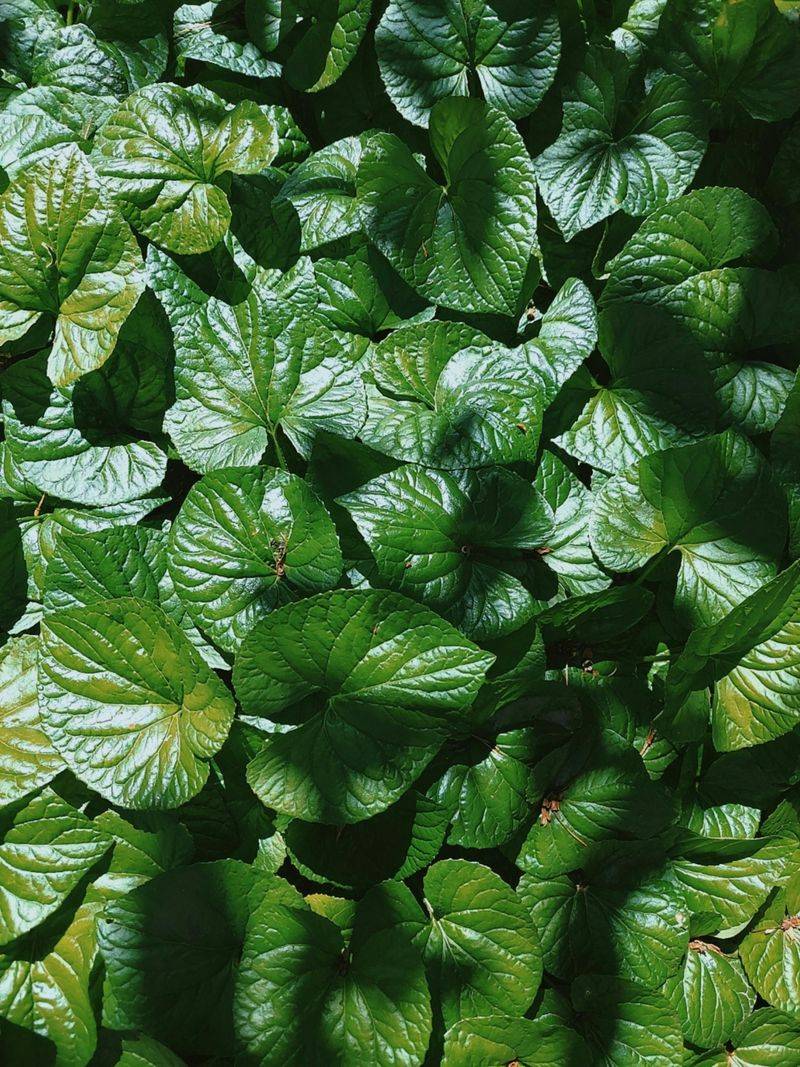
Image Credit: © Ірина Пригода / Pexels
Wild Ginger does not try to impress you with flowers. It does not need to.
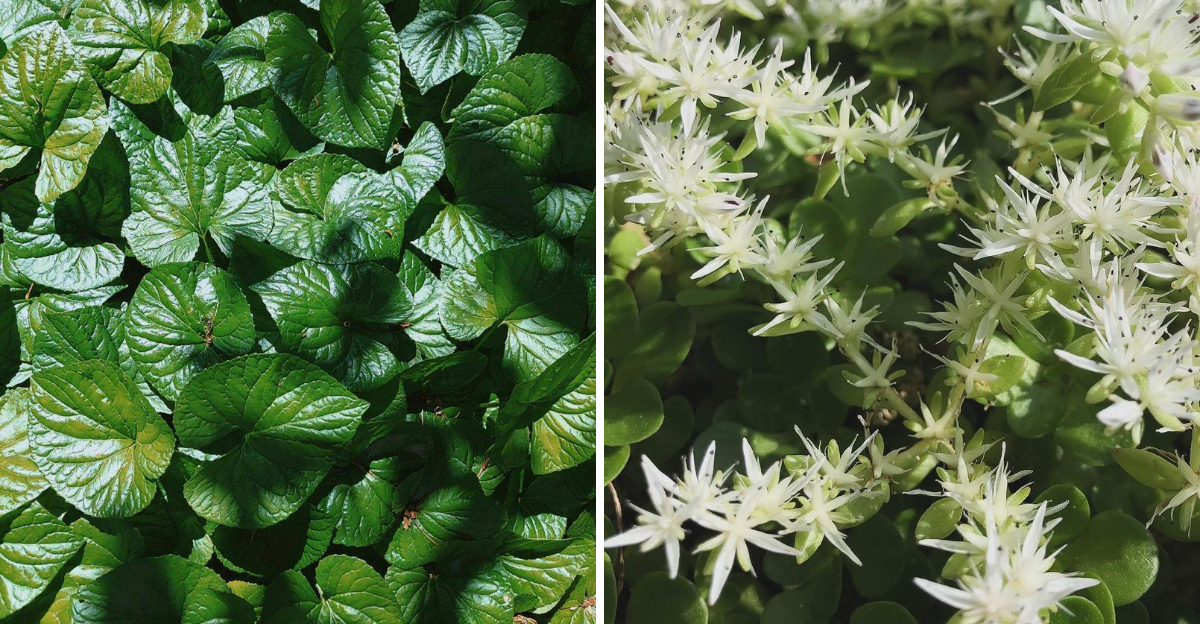
The large, velvety, heart-shaped leaves do all the work, forming a dense, lush mat across shady woodland floors where little else bothers to show up. Even the darkest corner of a Tennessee garden looks intentional and well-considered with Wild Ginger filling it in.
This plant is native to rich woodland soils throughout Tennessee and much of the eastern United States.
Under mature trees, where the soil is dry, the roots are everywhere, and the light is almost nonexistent, most plants give up before they start. Wild Ginger treats it like home.
It spreads slowly through underground rhizomes, expanding outward year by year without jumping boundaries or crowding out neighboring plants. That measured pace means it takes a season or two to fill in, but once it does, the coverage is dense and weed-suppressing.
It rarely needs any attention after the first year.
The flowers exist, small, brownish-red, and tucked right at soil level beneath the leaves, but they are not the point. The foliage is the feature, staying attractive and green from spring through fall before dying back in winter.
In a woodland planting, Wild Ginger pairs well with Foamflower and native ferns to create layered, textured coverage that looks like it belongs there.
No fussing over soil conditions. Wild Ginger prefers moist, humus-rich soil but adapts quietly to dry shade where little else copes.
It is best treated as an ornamental groundcover rather than an edible plant. The name suggests kitchen potential, but this is one to grow for its looks and quiet reliability, not its flavor.
It just shows up, fills in, and stays. For a shaded Tennessee garden that needs dependable coverage, that kind of no-drama performance is genuinely hard to find.
5. Wild Stonecrop
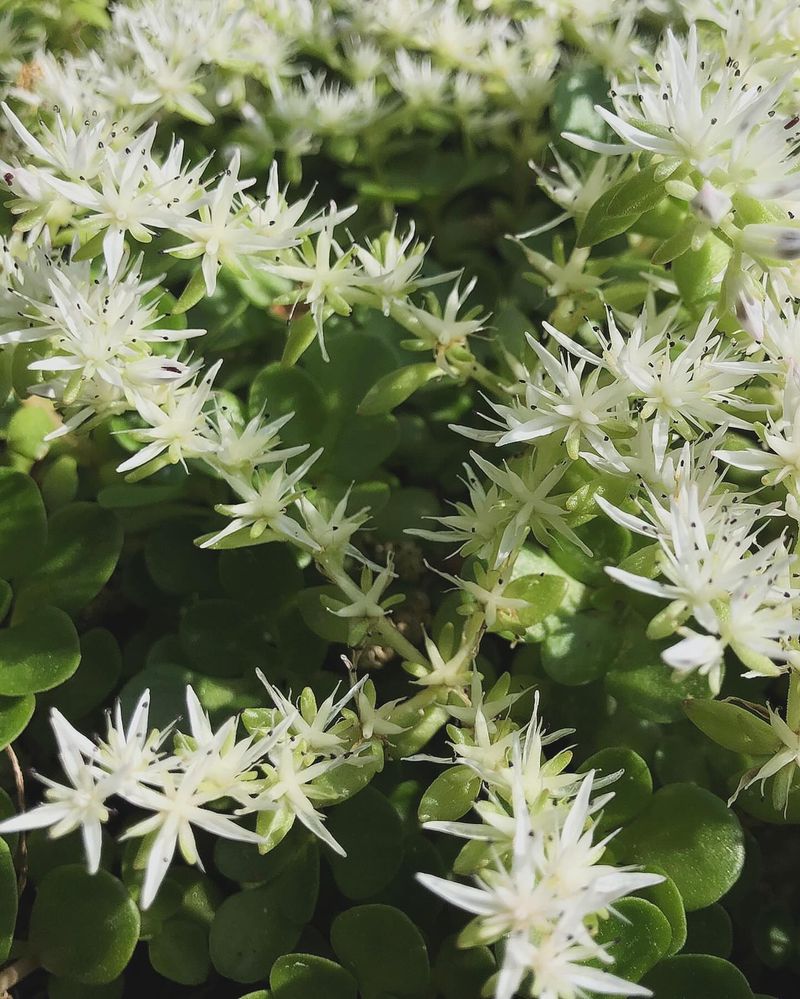
Wild Stonecrop is the plant that makes other gardeners ask what your secret is.
It grows on rocky outcroppings, dry ledges, and gravelly soil in sunny, dry spots where most plants would give up entirely.
In Tennessee, where summer heat radiates off rock walls and stone pathways, Wild Stonecrop just shrugs and keeps going.
The fleshy, succulent-like leaves store water, which is how it handles drought conditions that would stress out less-adapted plants.
The leaves have a slightly waxy coating that reflects light and reduces moisture loss.
That same quality gives the plant a subtle shimmer in bright sunlight, which is a nice visual bonus.
Flowers appear in late spring to early summer, forming flat-topped clusters of tiny white or pale yellow stars.
They are not flashy, but they are charming in a quiet, understated way.
Pollinators, especially small native bees, visit the blooms regularly and seem to appreciate the low profile of Wild Stonecrop as a landing pad.
Tennessee gardeners dealing with thin, rocky, or sandy soil will find this plant to be one of the most practical choices on this list.
It does not need rich soil or regular fertilizing.
In fact, too much fertility causes it to get leggy and less compact, so lean soil is actually preferred.
Plant it in a rock garden, along a stone path, or in a raised bed with sharp drainage.
Once it is settled in, it spreads slowly and steadily without becoming aggressive.
It is the kind of dependable, low-key plant that earns its place every single season.
6. Wild Strawberry
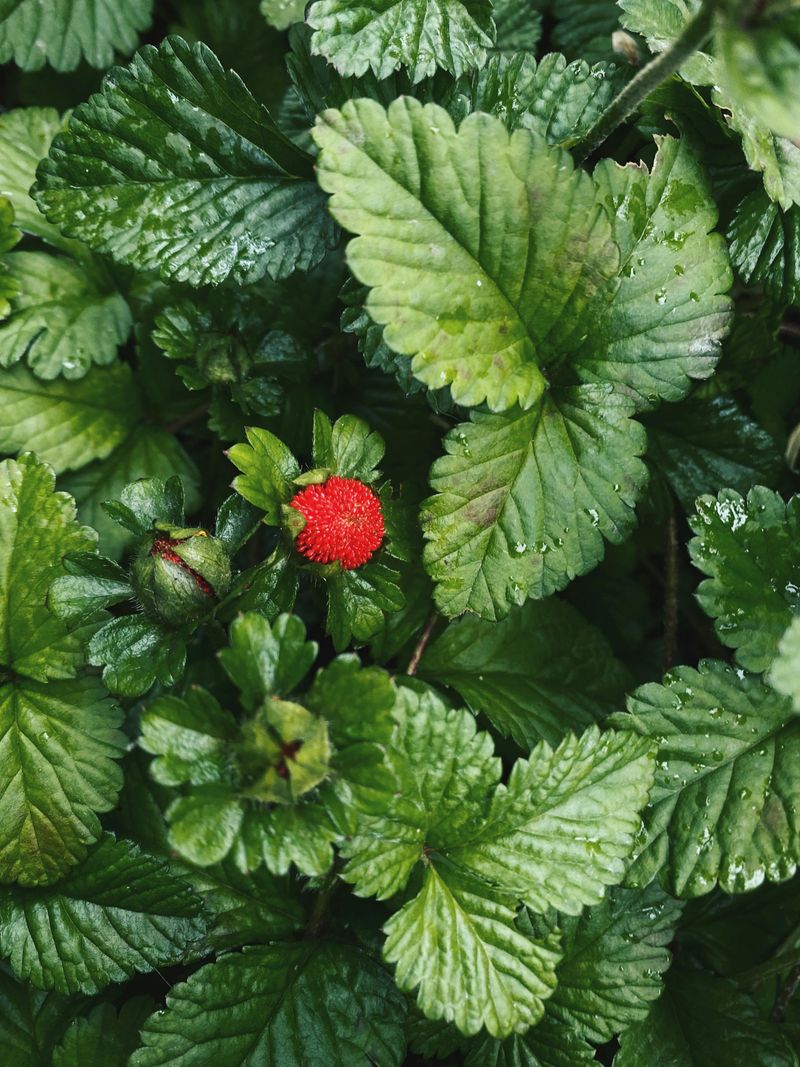
Most ground covers ask you to admire them from a distance. Wild strawberry lets you eat it.
White spring flowers, bright red miniature berries in early summer, and foliage that stays green well into fall.
Kids love it, birds love it, and honestly, most adults end up snacking on the berries before they ever make it inside.
Wild strawberry is native to much of eastern North America, including Tennessee, which means it has spent thousands of years adapting to sunny, dry spots and everything this region throws at it.
It handles a range of soil types, from sandy to clay-heavy, and grows in both full sun and partial shade.
That kind of flexibility makes it genuinely useful in a variety of landscape situations.
The plant spreads through runners, similar to the cultivated strawberries you find in grocery stores, but it stays much lower and more compact.
Over time, it creates a dense, weed-suppressing mat that holds soil on slopes and fills in awkward bare patches.
In Tennessee, where summer thunderstorms can erode bare soil quickly, that erosion control benefit is practical and real.
Heat does not seem to bother this plant much once it is established.
It does appreciate some moisture during Tennessee’s driest summer weeks, but it is far more forgiving than most fruiting plants.
A deep watering every week or so during a drought is usually enough to keep it looking healthy.
Wild strawberry also supports pollinators during its bloom period in spring.
Planting it along a sunny path edge gives you beauty, function, and a snack all in one spot.
7. Robin’s Plantain
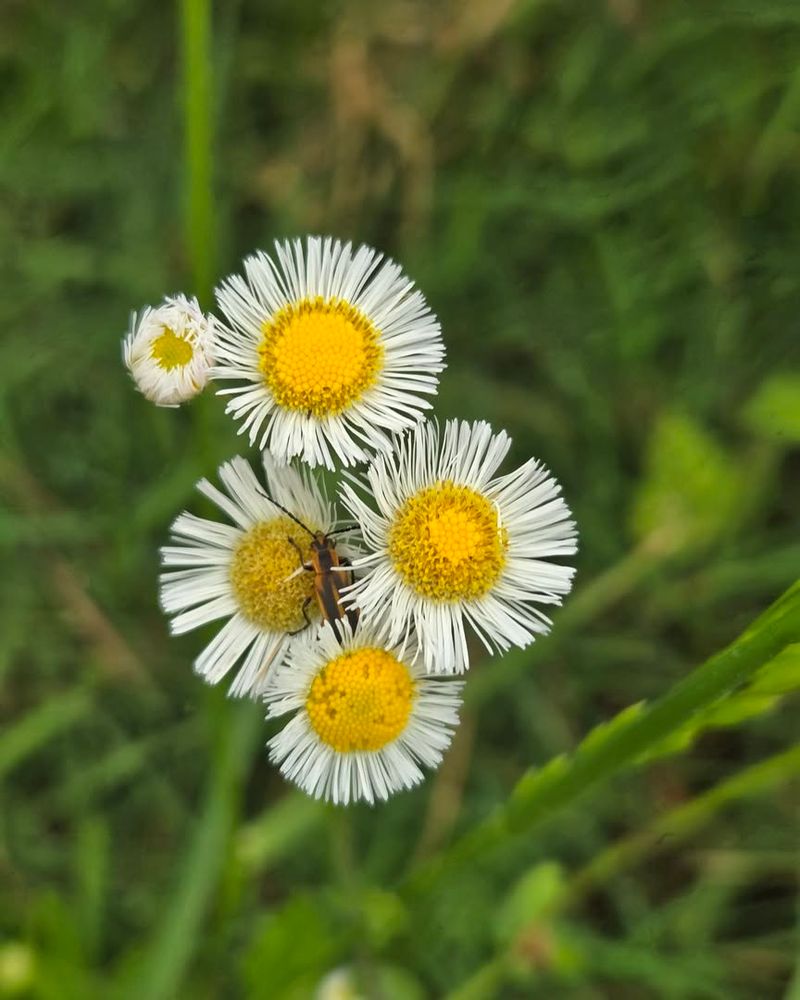
Robin’s Plantain looks like someone crossed a daisy with a wildflower and then dialed up the charm by about thirty percent.
The lavender to pale purple blooms have thin, delicate rays surrounding a yellow center. They appear in late spring in sunny to partly shaded spots.
Just when the garden needs something fresh and energetic.
It is a native Tennessee wildflower that most people walk past without knowing what it is, and that is a shame.
Robin’s Plantain grows in open woods, meadow edges, and rocky slopes throughout Tennessee.
It handles dry to average soil conditions and does not need rich, amended beds to perform well.
In fact, it often looks better in slightly lean soil, where it stays compact and produces more flowers relative to its leaf mass.
The plant forms a low rosette of soft, hairy leaves at the base, and the flower stems rise to about twelve inches tall during bloom time.
After flowering, it settles back into a tidy basal clump that blends into a meadow planting without looking messy.
Robin’s Plantain self-seeds modestly, so you gradually get more plants without having to do anything extra.
Butterflies and native bees are drawn to the flowers, making Robin’s Plantain a strong choice for pollinator gardens across the state.
It pairs well with other low-growing natives and does not crowd out its neighbors aggressively.
For a meadow-style planting in Tennessee, it adds exactly the kind of casual, natural look that feels effortless but takes real thought to achieve.
Robin’s Plantain is genuinely underused in home landscapes, and that makes it feel like a find worth sharing.
8. Barren Strawberry
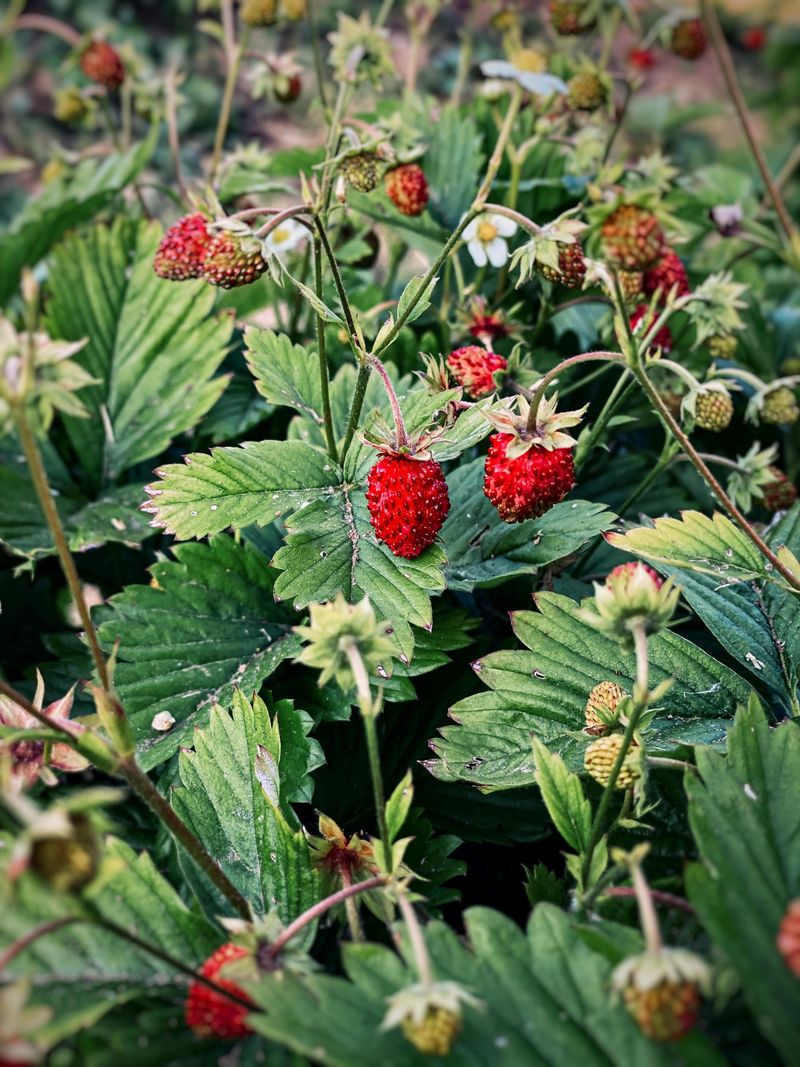
Someone named this plant on a bad day. Barren strawberry sounds like a letdown before you even see it.
Look past the name.
The fruit is dry and inedible, sure, but that is the least interesting thing about it. Barren strawberry belongs in sunny, dry spots where it genuinely earns its keep.
It is one of the most underappreciated ground covers available to Tennessee gardeners. Once you see it thriving where other plants struggle, you start to understand why it deserves far more attention.
Barren strawberry forms a low, spreading mat of semi-evergreen leaves that closely resemble those of a true strawberry plant.
In spring, it produces cheerful yellow flowers that look like tiny wild roses, which makes sense since it belongs to the rose family.
The blooms are small but numerous, and they cover the plant in a bright yellow flush that is genuinely eye-catching in a shaded or semi-shaded border.
What sets Barren strawberry apart from many ground covers is its ability to handle dry shade. That is one of the most challenging conditions in a Tennessee garden.
Large maples and oaks are greedy with their roots and stingy with their moisture. Barren strawberry moves in anyway and holds its ground.
It spreads steadily through runners and fills in bare areas without becoming aggressive or weedy.
The foliage turns bronzy red in fall and often persists through winter. It gives the garden color and coverage during the months when most other plants have gone dormant.
For Tennessee gardeners dealing with shaded slopes or dry woodland edges, it is one of the most practical and rewarding choices available.
Barren strawberry earns its spot in any native planting plan with almost no drama.