Michigan Gardeners Who Do This Get Way More Lantana Blooms All Summer
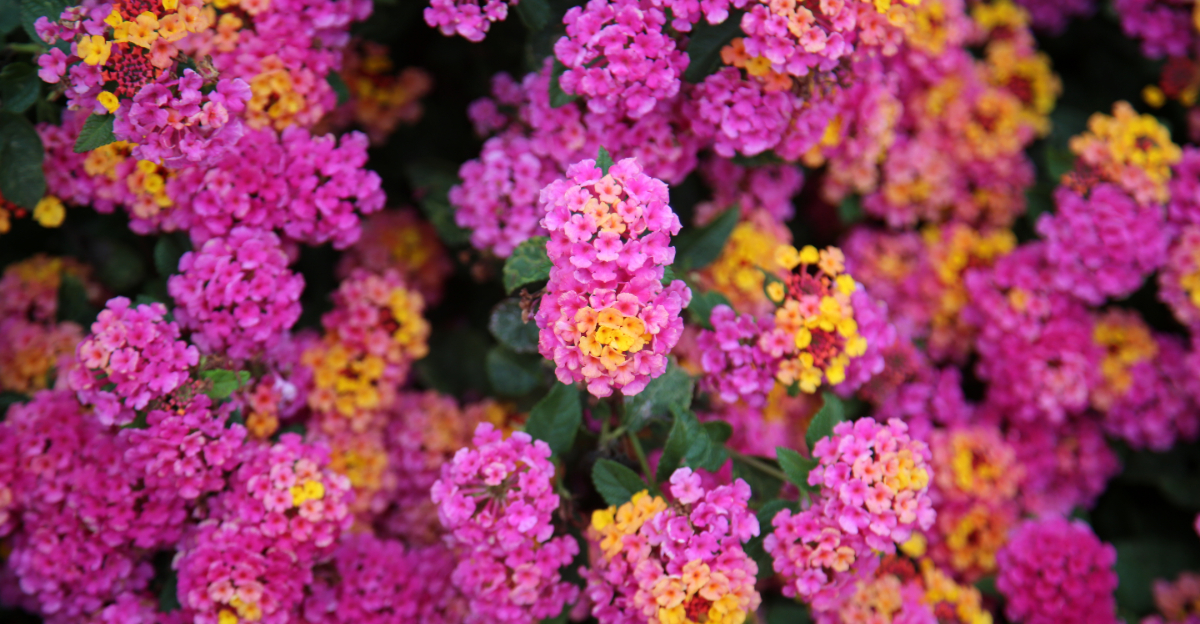
Lantana is one of the hardest working summer plants a Michigan gardener can grow. It handles heat, shrugs off dry stretches, and pulls in butterflies and pollinators from the moment it starts flowering.
The problem is that most people plant it, water it occasionally, and accept whatever they get. What they get is usually decent but nowhere near what lantana is actually capable of producing.
Michigan’s shorter season makes this worth paying attention to, because you want lantana performing at full capacity for as long as possible before frost arrives.
The gardeners who get the most blooms out of their lantana are doing a few specific things consistently, and none of it is complicated.
Small adjustments in how you manage the plant through summer make a visible difference in bloom density and how long the flowering continues into fall.
1. Lantana Blooms Much More Heavily When Gardeners Stop Overwatering It
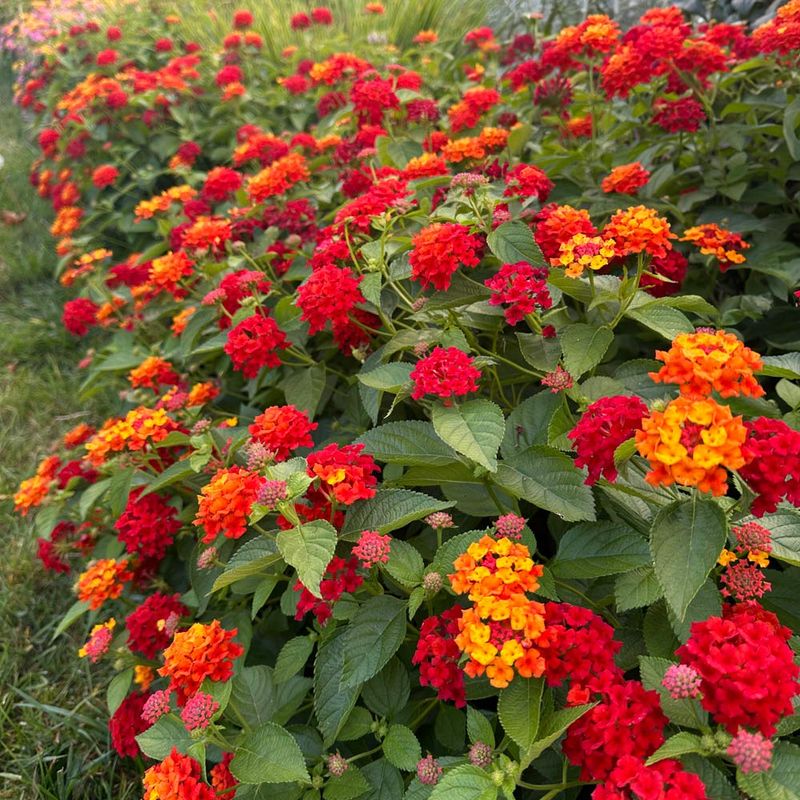
Watering less might sound counterintuitive, but lantana genuinely thrives when gardeners ease up on the hose. This plant evolved in warm, dry regions and carries that preference right into your Michigan garden.
Once it gets established, it wants soil that dries out between waterings rather than staying constantly moist.
Overwatering is actually one of the top reasons Michigan gardeners see green, leafy plants with very few flowers. When roots sit in wet soil too long, the plant puts its energy into surviving rather than blooming.
The stress from soggy conditions discourages flower production in a big way.
For containers and hanging baskets, water only when the top inch of soil feels dry to the touch. In raised beds, you can stretch that to every few days during average summer weather.
In-ground plantings often need watering only once or twice a week unless there is a real heat wave happening.
During rainy Michigan stretches, skip watering altogether and let nature handle it. Healthy lantana roots can handle short dry spells much better than constant moisture.
Giving your plant a chance to experience some dryness between waterings often triggers a noticeable burst of fresh blooms within just a week or two.
2. Containers Need Excellent Drainage For Healthy Lantana Blooms
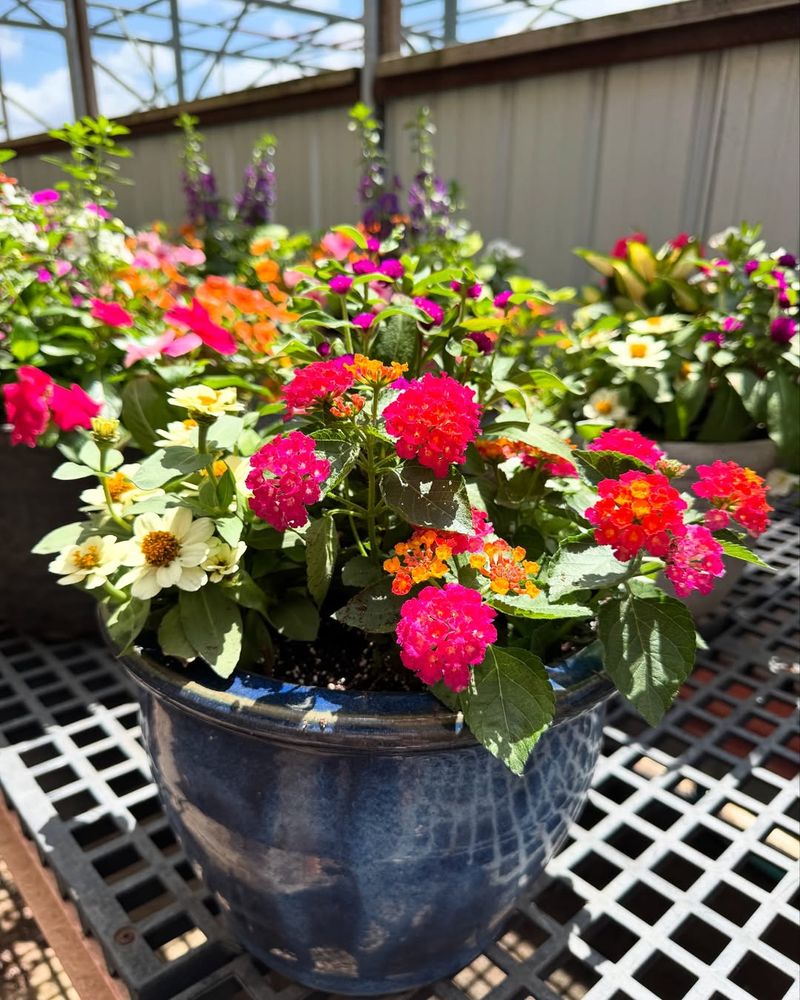
Picture this: a gorgeous pot of lantana sitting on your Michigan patio, absolutely packed with blooms all summer long. That kind of success almost always starts with one overlooked detail, and that detail is drainage.
Without it, even the sunniest spot cannot save your plant from struggling.
Soggy soil weakens roots quickly and signals the plant to slow down flower production. Lantana roots need oxygen just as much as they need water, and compacted or waterlogged soil cuts off that oxygen supply fast.
The result is a plant that looks okay on the surface but blooms far less than it should.
Choose pots with multiple drainage holes at the bottom, not just one small opening. Terracotta pots work especially well because they allow moisture to evaporate through the sides, keeping the root zone from staying too wet.
Avoid decorative pots without holes unless you are using a well-draining liner inside.
Your Michigan Garden Changes Every Week. Your Plan Should Too.
Gardening in Michigan changes quickly throughout the season. Every Friday you’ll receive a simple weekly plan showing exactly what to plant, prune, fertilize, harvest, and protect so you never miss the right timing.
For potting mix, skip heavy garden soil entirely. A blend made for containers, ideally one that includes perlite or coarse sand, drains quickly and keeps roots happy.
During Michigan’s humid summer months, good drainage becomes even more critical because humidity alone adds moisture to the environment.
Sharp drainage paired with the right soil mix can noticeably increase how many flower clusters your lantana produces from June straight through September.
3. Full Sun Is The Real Secret Behind Nonstop Lantana Flowers
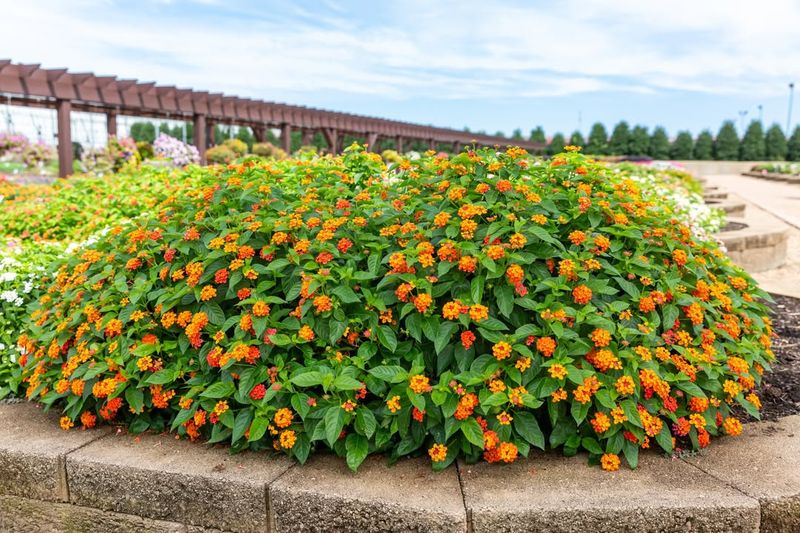
Sunlight is not just helpful for lantana. It is absolutely essential.
Most flowering plants can get by with partial sun, but lantana is in a different category entirely. It wants full, direct sun for six to eight hours every single day, and it rewards that exposure with an almost ridiculous amount of color.
When lantana gets planted in a shaded or partially shaded spot, something predictable happens. The plant shifts its energy toward growing more leaves to capture what little light it can find.
That means longer stems, bigger foliage, and far fewer flowers than you were hoping for when you brought that plant home from the nursery.
On Michigan patios and decks, position containers where they will catch uninterrupted morning and afternoon sun. South-facing and west-facing spots tend to work best through the summer months.
Avoid placing pots near tall fences, large shrubs, or under tree canopies where shade creeps in during peak sun hours.
In flower beds, choose the sunniest location available and resist the urge to tuck lantana near taller plants that might eventually shade it out. Even a couple of hours less sun per day can make a visible difference in bloom production.
Give lantana the brightest, most open spot in your yard and it will genuinely outperform almost every other summer annual you grow alongside it.
4. Michigan Gardeners Get More Blooms When They Avoid Rich Fertilizer
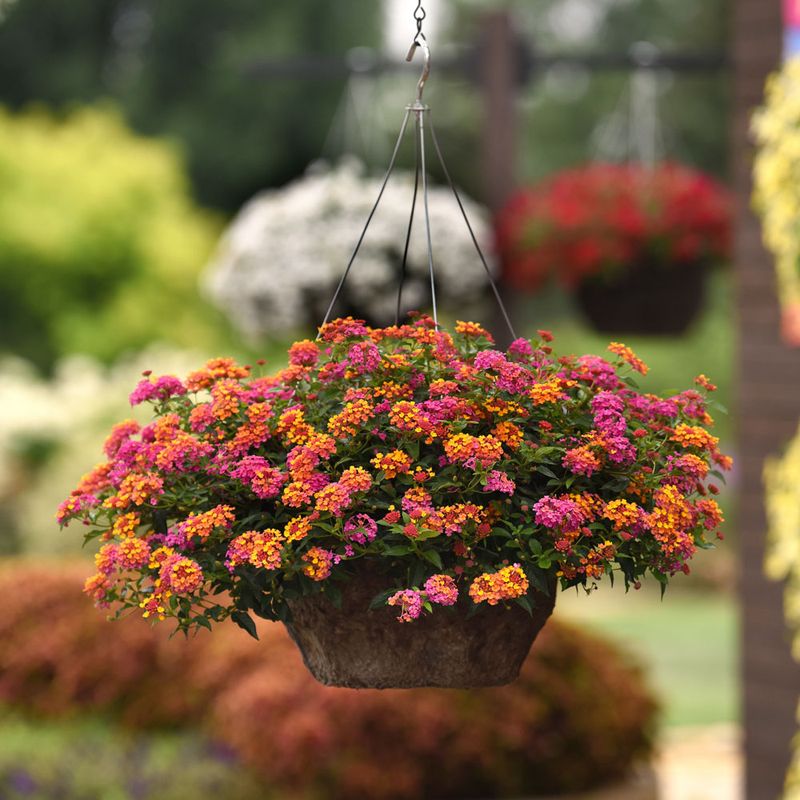
More fertilizer sounds like it should mean more flowers, but with lantana, that logic completely falls apart. Feeding this plant too much, especially with a nitrogen-heavy fertilizer, sends it into a leafy growth spurt that comes at the direct expense of flowering.
It is one of the most common mistakes Michigan gardeners make every single summer.
Nitrogen is the nutrient responsible for lush, green vegetative growth. When lantana gets flooded with it, the plant essentially decides that growing bigger and leafier is more important than producing blooms.
You end up with a full, bushy plant that looks healthy but delivers very little color through the season.
For in-ground plants growing in reasonably fertile soil, you may not need to fertilize at all. Lantana is naturally adapted to leaner soils and often performs better when nutrients stay on the modest side.
If your soil is very sandy or poor, a light application of a balanced slow-release fertilizer at planting time is usually enough to carry the plant through summer.
Container-grown lantana does need occasional feeding since nutrients wash out with each watering. Use a low-nitrogen, bloom-boosting fertilizer every three to four weeks at half the recommended strength.
Products labeled for flowering plants and higher in phosphorus than nitrogen work well. Keeping feeding light and infrequent encourages lantana to focus its energy where you actually want it, which is on producing as many flower clusters as possible.
5. Removing Spent Blooms Helps Lantana Keep Blooming Through Summer Heat
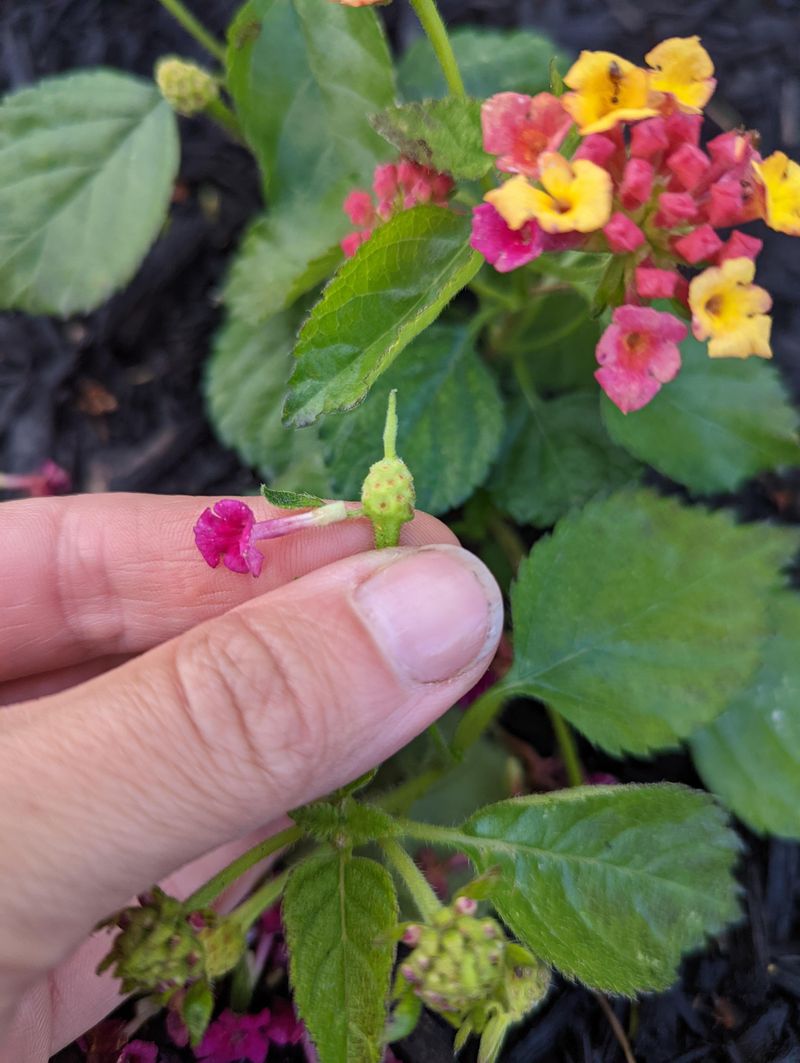
Faded flowers left on the plant are basically little energy drains. Once lantana blooms finish and begin to form seed heads, the plant naturally shifts its attention toward seed production rather than making new flowers.
Removing those spent clusters breaks that cycle and keeps the blooming momentum going strong all summer long.
Removing spent lantana blooms is refreshingly simple compared to some other flowering plants. You do not need precise cuts or special technique.
Just pinch or snip off the faded flower clusters right at the base of each bloom head, before they have a chance to develop into round, berry-like seed structures. Doing this regularly makes a real difference in how many new buds appear over the following weeks.
During peak Michigan summer heat in July and August, lantana can produce new blooms rapidly, which means removing spent flowers once a week keeps things looking fresh and encourages continuous bud development.
A quick five-minute pass through your containers or flower beds is all it takes to stay on top of it.
For hanging baskets especially, doing this is worth the effort because baskets tend to dry out faster and need every bit of plant energy directed toward flowering rather than seed making.
Combine regular removal with proper watering and sun exposure, and your lantana will stay in full, vibrant bloom from early summer right through the first cool nights of September without losing steam.
6. Warm Nights Help Lantana Finally Take Off
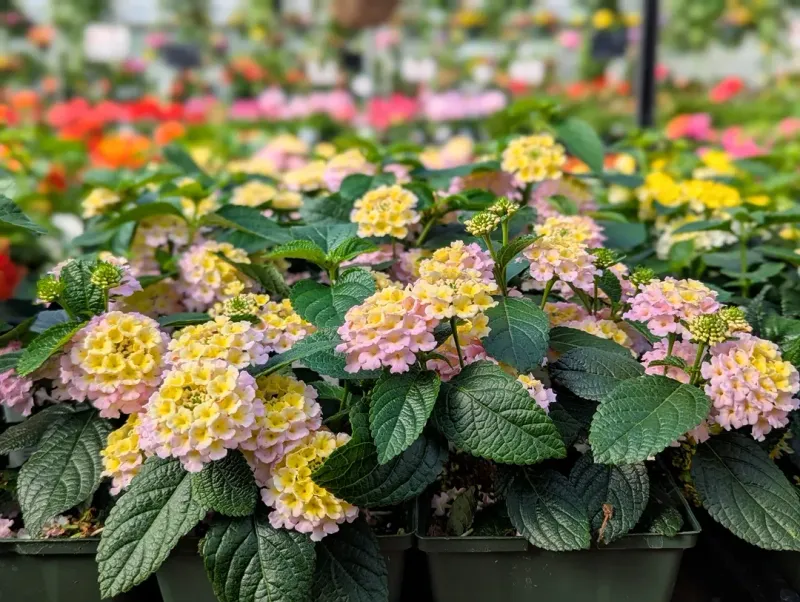
Every gardener who has grown lantana knows that slightly frustrating early-season phase where the plant just sits there looking unimpressed.
It does not seem to grow much, blooms are sparse, and the whole thing looks a little sad compared to the colorful photos on the plant tag. The good news is that this is completely normal and temporary.
Lantana is a true warm-weather plant that does not really wake up until both daytime and nighttime temperatures climb consistently. Cool spring nights, even when daytime temps feel pleasant, keep the plant in a slow, cautious mode.
Once Michigan nights settle above 55 degrees Fahrenheit and stay there, lantana practically transforms overnight.
Waiting until late May or even early June to plant lantana outdoors in Michigan gives it a much better start than rushing it out in early May when nights are still unpredictable.
Cold soil slows root development significantly, and a plant with weak roots going into summer will always bloom less than one that got established in genuinely warm conditions.
Once summer heat truly arrives, lantana accelerates fast. New growth pushes out quickly, flower clusters multiply, and the plant fills in with surprising speed.
Gardeners who plant a little later often find their lantana catches up to and surpasses earlier plantings by mid-July. Patience during the cool weeks pays off with a much stronger, more floriferous plant once the warm nights finally settle in for good.
7. Airflow Keeps Lantana Blooming Longer
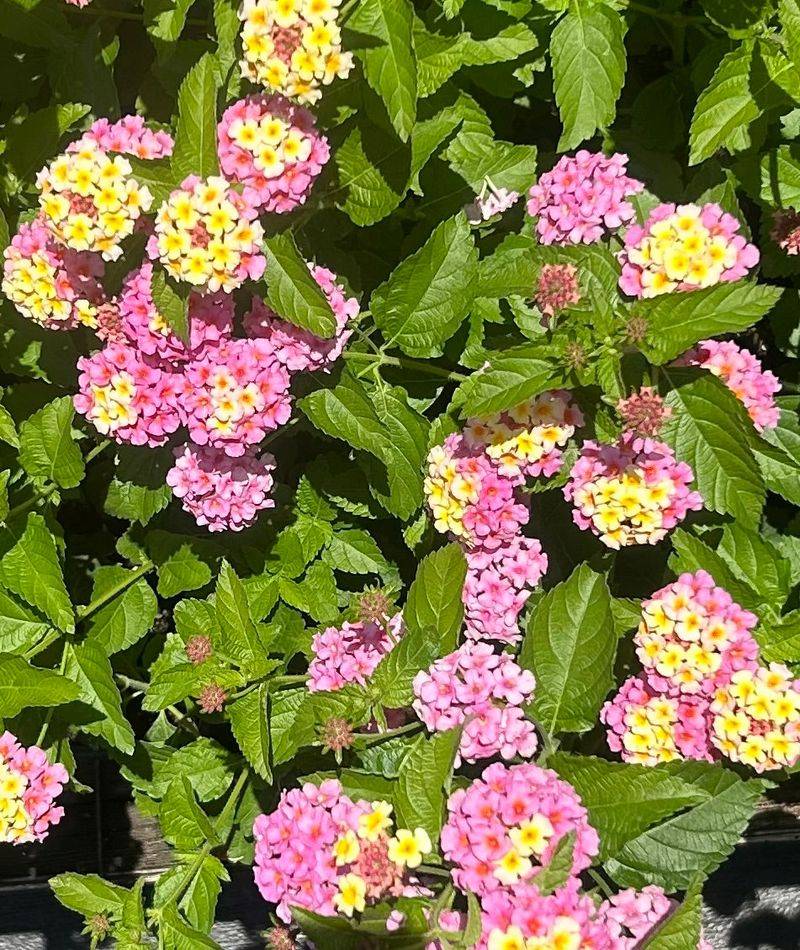
Michigan summers can get surprisingly humid, especially in July and August. That humidity is great for some plants but can quietly work against lantana when the plant is crowded or poorly positioned.
Good airflow around lantana keeps the foliage dry, reduces disease pressure, and helps the plant stay focused on producing flowers instead of fighting off stress.
Crowded containers are a common culprit. When multiple plants are packed tightly together, air cannot move freely around the stems and leaves.
Moisture lingers, foliage stays damp longer after rain or watering, and the overall environment becomes more hospitable to fungal issues that sap plant vigor. Fewer blooms are usually the visible result even if the plant does not look obviously unhealthy.
Spacing matters in flower beds too. Lantana planted in the ground should have at least eighteen to twenty-four inches of space between plants to allow air to circulate naturally.
This spacing also reduces competition for soil moisture and nutrients, both of which contribute to stronger flowering through the season.
On patios and decks, avoid pushing containers up against walls or fences where air movement is restricted. Leaving even a few inches of open space around each pot makes a difference during humid stretches.
Light pruning to remove congested inner branches also opens up the plant structure and improves circulation. A well-aired lantana plant stays healthier, looks better, and keeps pushing out those cheerful flower clusters well into late summer.
8. Slight Dry Spells Often Trigger Better Lantana Flowering
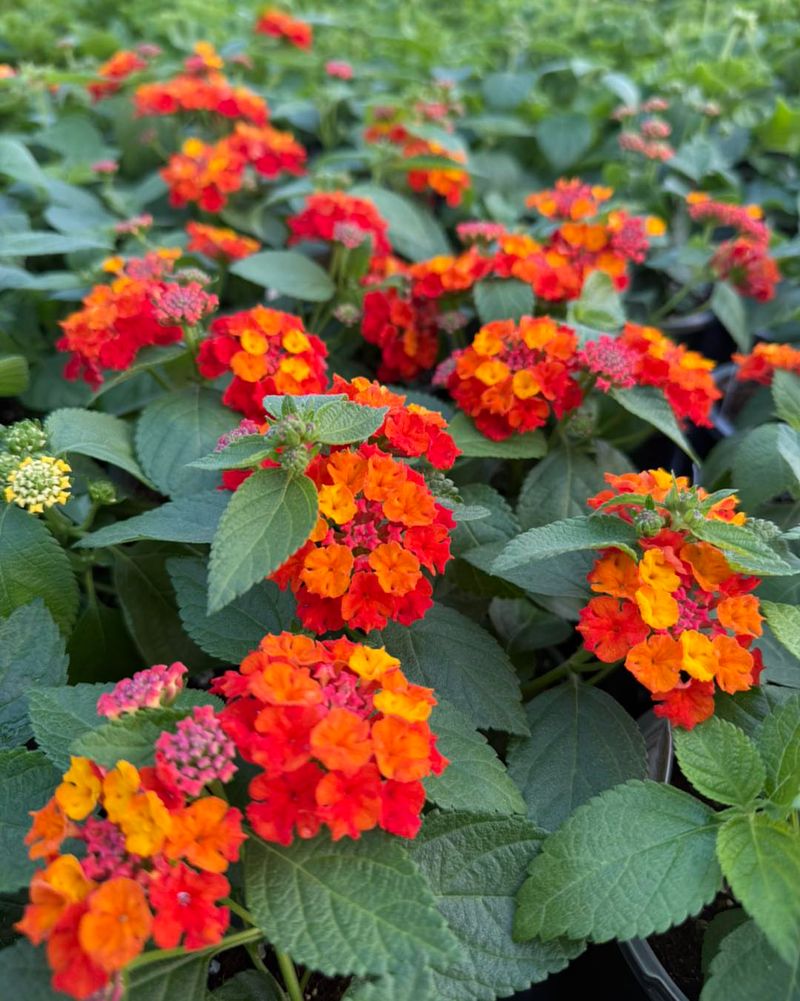
Here is something that surprises many first-time lantana growers: letting the plant get a little dry on purpose can actually trigger a beautiful flush of new blooms.
Lantana has deep roots in dry, sun-baked environments, and mild drought stress activates a natural survival response that pushes the plant to flower more heavily.
It is one of nature’s most useful quirks for summer gardeners.
When lantana senses that moisture is becoming limited, it shifts into reproductive mode. The plant essentially prioritizes making seeds to ensure the next generation survives, and flowers are how that process begins.
From a gardener’s perspective, this means a noticeably heavier bloom set after a period of slightly drier conditions.
For container-grown plants, this is easy to manage. Simply let the pot dry out a little more than usual between waterings, waiting until the top two inches of soil feel dry before adding water again.
The plant may look slightly less perky for a day or two, but it will bounce back quickly and often responds with a wave of new buds.
In landscape beds, established lantana handles brief Michigan dry stretches without any intervention needed. Resist the urge to water every time the soil surface looks dry, especially during weeks when rainfall has been reasonable.
Trusting the plant’s natural toughness and allowing some dryness between waterings is one of the simplest and most effective ways to keep blooms coming strong from midsummer all the way to the end of the season.
9. Gardeners Who Trim Lantana Lightly In Mid Summer Get A Second Flush Of Blooms
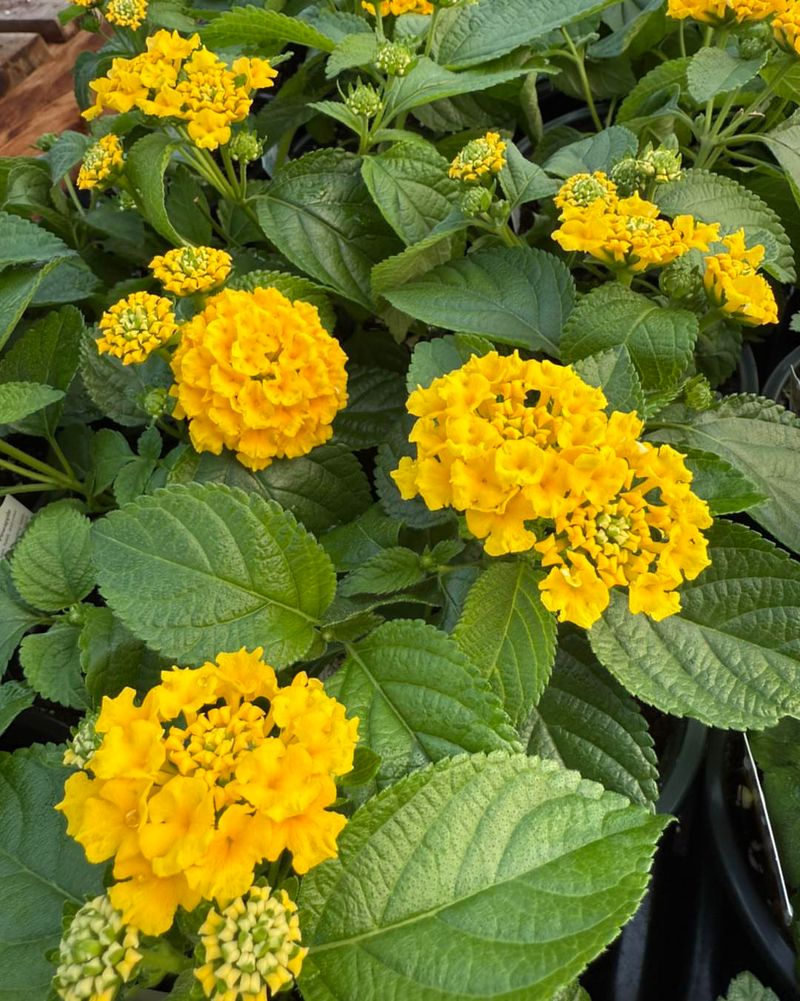
By mid-July, many lantana plants start looking a little tired and stretched out. The stems get long, the lower part of the plant looks sparse, and flowering slows down noticeably.
This is the perfect moment for a light trim that most gardeners skip, even though it is one of the best things you can do for a second round of strong blooming.
A light midsummer trim does not mean cutting the plant back hard. The goal is gentle shaping, removing about one third of the stem length to encourage fresh branching.
Each cut you make prompts the plant to send out two or more new shoots from just below the trimming point, and those new shoots are exactly where the next round of flowers will appear.
Timing matters when you decide to trim. Doing it in mid-July gives the plant plenty of warm weeks ahead to recover, branch out, and produce a strong second flush of blooms before Michigan’s summer winds down.
Waiting too long, say into late August, leaves the plant with fewer warm days to respond before cooler weather arrives.
After trimming, give the plant a thorough watering to support new growth and, if it is a container plant, a light feeding with a low-nitrogen bloom fertilizer to help fuel recovery.
Within two to three weeks, you should see noticeably fresh growth and a building wave of new flower clusters that can carry your lantana beautifully right through September.