Texas Fruit Trees That Need Attention In May Before Summer Shuts Down Growth
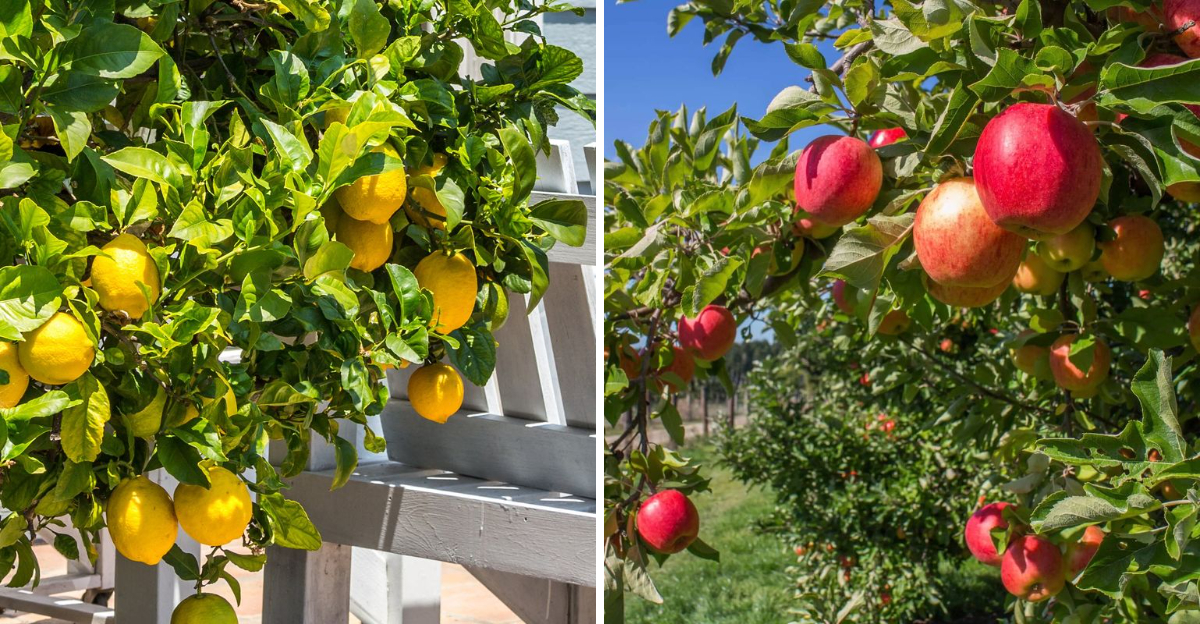
May is the last month Texas fruit trees will tell you what they need before summer arrives and makes everything harder.
The window between manageable spring temperatures and the kind of sustained heat that slows fruit development, stresses root systems, and limits what you can do without causing additional damage is shorter than most Texas gardeners account for.
Missing it has real consequences for the harvest you’re counting on later in the season. Fruit trees in Texas are actively doing some of their most important work right now.
Fruit is sizing up, root systems are pushing deep ahead of summer, and the decisions you make about watering, fertilizing, pest management, and structural pruning in May directly influence how well each tree handles the brutal months ahead.
A fruit tree that goes into summer well prepared performs completely differently than one that didn’t get the attention it needed while conditions were still cooperative. This is the month to act, and these are the trees that need your attention most right now.
1. Peach Tree
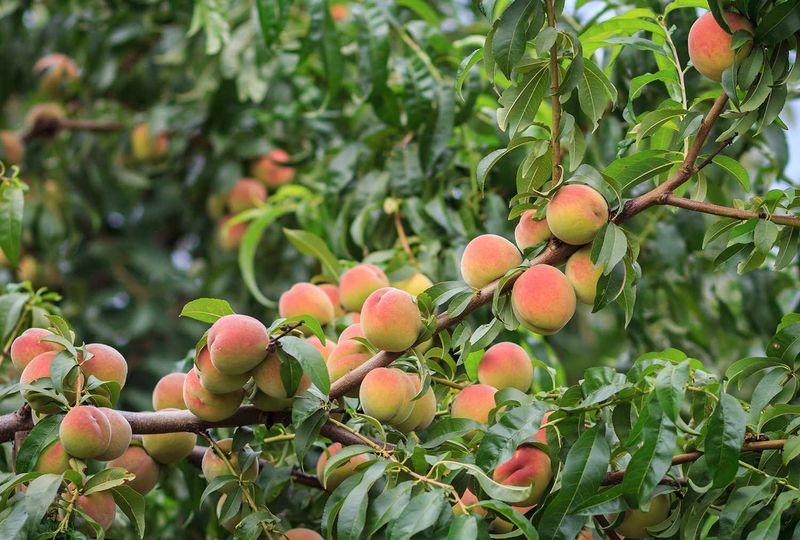
Few things feel more rewarding than picking a fresh, sun-warmed peach right from your own tree. Peach trees are one of the most popular fruit trees in Texas, and May is absolutely the month to give them your full attention.
The heat is coming, and once it arrives, your peach tree will shift most of its energy toward survival rather than fruit development.
Start by checking your soil moisture levels. Peach trees need deep, consistent watering in May, especially if rainfall has been low.
Water slowly and deeply at the base of the tree, allowing moisture to reach the roots. Shallow watering does not help much and can actually encourage weak root growth over time.
Pest pressure is another big concern in May. The peach tree borer and Oriental fruit moth are two insects that can cause serious damage during this time.
Walk around your tree every few days and look for signs of damage on the bark, leaves, or developing fruit. Catching problems early makes them much easier to handle.
Fertilizing is also worth doing in early May if you have not already done so this spring. A balanced fertilizer helps fuel fruit development and keeps foliage looking strong and green.
Avoid over-fertilizing, though, because too much nitrogen can push leafy growth at the expense of fruit.
Finally, thin out any overcrowded fruit clusters if your tree is loaded. Leaving too many peaches on one branch puts stress on the tree and often results in smaller, lower-quality fruit. Give each peach room to grow and you will be glad you did come harvest time.
2. Citrus Tree
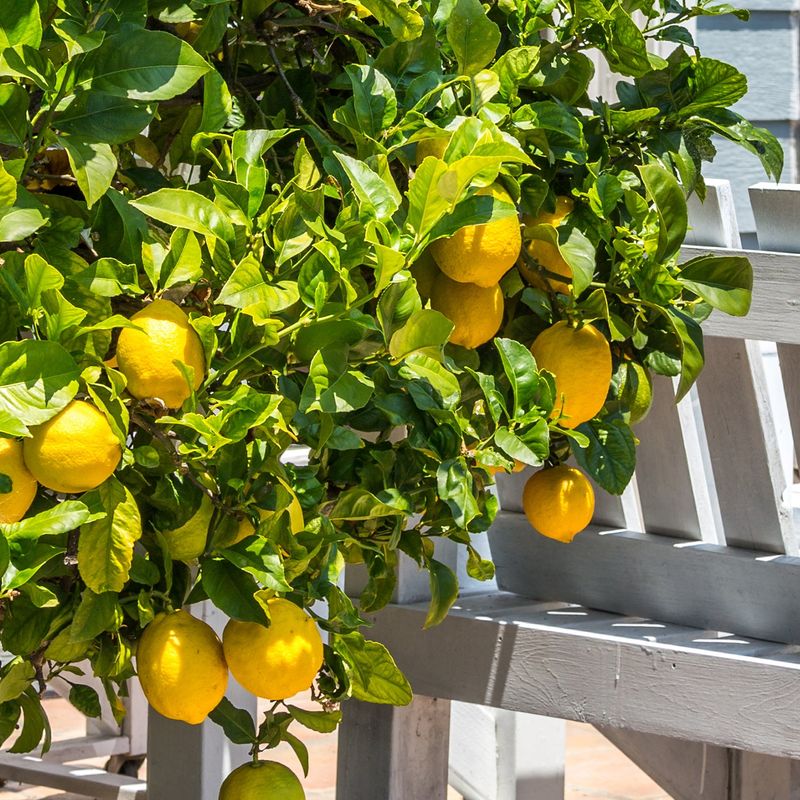
Citrus trees have a certain magic to them. There is something special about growing lemons, oranges, or grapefruits in your own Texas yard.
But citrus trees are also somewhat demanding, and May is a critical time to make sure they get what they need before summer heat pushes temperatures into triple digits.
Deep watering is one of the most important things you can do for citrus right now. These trees have deep root systems, and they need water that actually reaches those roots.
Your Texas Garden Changes Every Week. Your Plan Should Too.
Gardening in Texas changes quickly throughout the season. Every Friday you’ll receive a simple weekly plan showing exactly what to plant, prune, fertilize, harvest, and protect so you never miss the right timing.
Watering lightly and often creates problems because the roots stay shallow and the tree becomes more vulnerable to heat stress. Instead, water deeply once or twice a week depending on rainfall and soil type.
Nutrient support is also key in May. Citrus trees are heavy feeders and respond well to a citrus-specific fertilizer that includes iron, zinc, and manganese.
Yellow leaves are often a sign of nutrient deficiency, so keep an eye on your foliage. If you notice pale or yellowing leaves, a foliar spray or soil treatment can help correct the issue quickly.
Check for pests like Asian citrus psyllid and citrus leafminer, both of which are active in Texas during warm months. These insects can weaken the tree and spread disease if left unchecked.
A neem oil spray or insecticidal soap can help manage light infestations without harsh chemicals.
Mulching around the base of your citrus tree is another smart May move. A few inches of organic mulch helps retain soil moisture, regulate temperature, and reduce weed competition. Keep the mulch a few inches away from the trunk to avoid rot issues.
3. Fig Tree
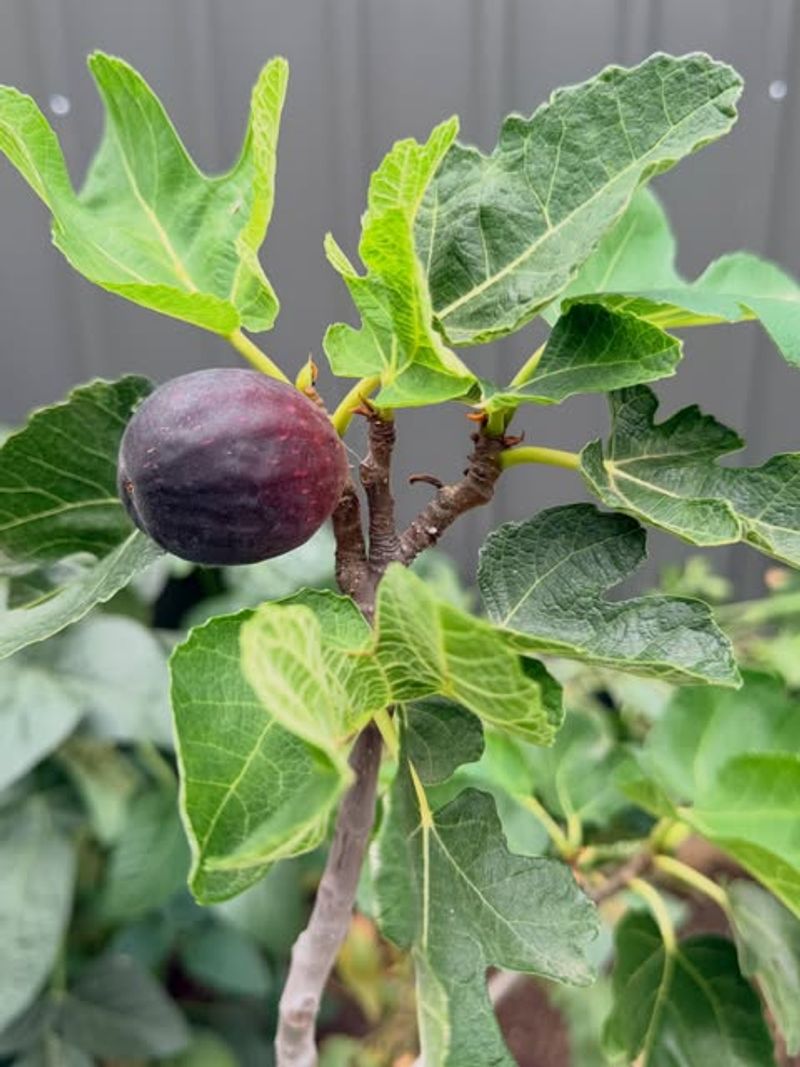
Fig trees have been grown in Texas for generations, and it is easy to see why. They are tough, productive, and surprisingly forgiving.
But even the most resilient fig tree benefits from a little extra care in May, especially when it comes to moisture management and fruit support.
One of the best things you can do for a fig tree this month is add a fresh layer of mulch around its base. Figs have shallow roots that dry out quickly in the Texas heat.
A thick layer of wood chips or straw, about three to four inches deep, helps lock in soil moisture and keeps root temperatures from spiking during hot afternoons. Just keep the mulch pulled back a few inches from the trunk itself.
Watering should be consistent but not excessive. Fig trees do not like waterlogged soil, but they also struggle when they dry out completely during fruit development.
In May, aim to water deeply once or twice a week. If your soil is sandy, you may need to water more frequently since sandy soils drain faster.
May is also a good time to do a light pruning pass if you notice any crossing branches or dry wood from winter. Removing these helps improve airflow through the canopy, which reduces the risk of fungal issues later in the season when humidity rises.
Watch for fig rust, a fungal disease that shows up as yellow spots on leaves. It is more common later in summer but can start developing in late spring.
Catching it early gives you the best chance of keeping your tree healthy and productive through the growing season.
4. Pomegranate
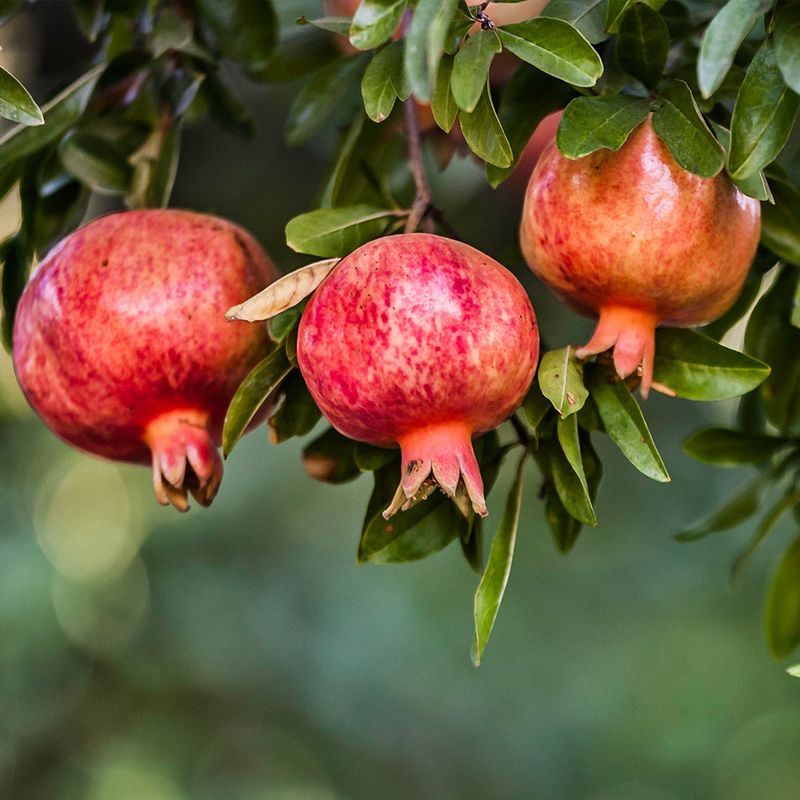
Pomegranates are one of the most drought-tolerant fruit trees you can grow in Texas, but do not let that reputation fool you.
Young pomegranate trees, especially those planted within the last year or two, are still building their root systems and need reliable moisture support in May before extreme summer conditions arrive.
Right now, those showy orange-red flowers you see on your pomegranate are doing important work. They are the beginning of your fruit.
If the tree gets too stressed from lack of water during flowering, blooms can drop before fruit sets. That means a lot of waiting and very little reward at harvest. Keep the soil consistently moist but not soggy throughout May to support strong fruit set.
Pomegranates grown in containers are especially vulnerable this time of year. Pots heat up fast and dry out quickly in Texas.
If your pomegranate is in a pot, check the soil moisture every day or two during warm spells. Moving the container to a spot that gets afternoon shade can also help reduce moisture loss.
Fertilizing in May with a balanced, slow-release fertilizer gives the tree a steady supply of nutrients heading into summer. Avoid high-nitrogen formulas, which push leafy growth over fruit production.
A fertilizer with a slightly higher middle number, like a 5-10-5, supports flowering and fruiting better.
Pest pressure on pomegranates is generally lower than on other fruit trees, but keep an eye out for leaf-footed bugs. These insects love pomegranate fruit and can cause significant damage if populations build up unchecked during warm months.
5. Pear Tree
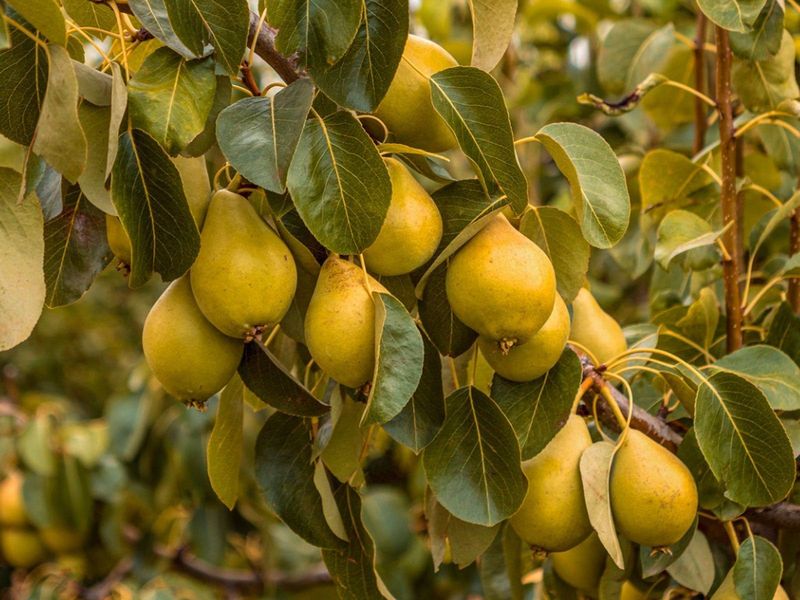
Pear trees are a surprisingly good fit for many parts of Texas, especially fire blight-resistant varieties like Kieffer and Orient.
But even tough pear trees need attention in May, because this is the time when fungal diseases and summer stress can quietly start causing problems that show up more severely later in the season.
Fire blight is the most serious threat to pear trees in Texas. Look for branches where the tips look like they have been scorched by fire, turning brown and curling downward.
If you spot this, prune out the affected wood immediately, cutting several inches below the visible damage. Sterilize your pruning tools between cuts using a diluted bleach solution to avoid spreading the bacteria further.
Deep watering is just as important for pear trees as it is for other fruit trees in May. Pear roots run deep, and surface irrigation often does not reach them effectively.
Use a slow drip or soaker hose to deliver water directly to the root zone over a longer period. This encourages strong, deep root growth that helps the tree handle summer heat better.
Check your tree for signs of pear psylla, a small insect pest that feeds on pear foliage and can weaken the tree over time. Sticky honeydew residue on leaves is often the first sign of an infestation.
Neem oil or insecticidal soap applied in the early morning works well for managing light to moderate pest pressure.
Adding a fresh layer of mulch around the base of your pear tree also helps retain soil moisture and regulate root temperature as the season heats up.
6. Apple Tree
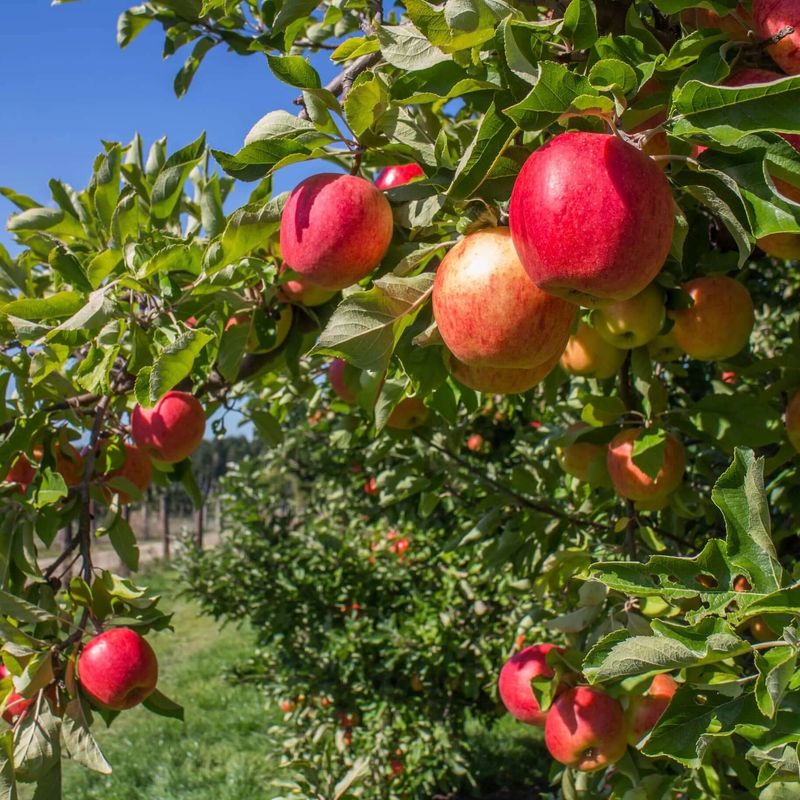
Growing apples in Texas is not for the faint of heart. Most apple varieties were bred for cooler climates, and the Texas summer is about as far from cool as you can get.
But with the right variety and the right care in May, you absolutely can grow apples here. The key is working with the tree, not against the heat.
Low-chill apple varieties like Dorsett Golden, Anna, and Gala are the best bets for Texas growers. If you already have one of these trees in the ground, May is your most important month to focus on fruit and foliage health.
Once temperatures regularly hit the upper 90s, the tree will begin slowing down and conserving energy rather than pushing new growth.
Watering deeply and consistently is critical right now. Apple trees developing fruit need steady moisture to size up properly.
Inconsistent watering leads to a condition called bitter pit, where calcium deficiency causes dark spots inside the fruit. Keeping soil moisture even throughout May reduces this risk significantly.
Scab and powdery mildew are two fungal issues that can affect apple foliage and fruit in late spring. Check leaves regularly for white powdery coating or dark spots.
A copper-based fungicide or sulfur spray applied early helps keep these problems from spreading through the canopy.
Thin your apple fruit clusters in May if the tree is carrying a heavy load. Leaving one apple per cluster, spaced about six inches apart, allows each fruit to develop fully.
It feels counterintuitive to remove fruit, but the apples you keep will be larger, healthier, and much better tasting at harvest.