The Invasive Shrubs North Carolina Gardeners Are Finally Pulling Out This Spring
Spring is the most inspiring time of year in any garden, and across North Carolina a growing number of gardeners are using that energy to pull out shrubs they should have removed years ago.
Invasive shrubs have a way of becoming fixtures simply because they fill space and nobody gets around to dealing with them. The problem is that they do not stay contained.
They spread into natural areas, crowd out native plants, and create maintenance work that compounds every season they are left in place.
North Carolina has a specific list of invasive shrubs that show up repeatedly in residential yards, many of them originally planted on purpose before their behavior was fully understood.
Pulling them out this spring and replacing them with better alternatives is one of the most impactful improvements a North Carolina gardener can make, and the timing right now makes removal and replanting more manageable than any other point in the year.
1. Chinese Privet Has Completely Taken Over Some North Carolina Woodlands
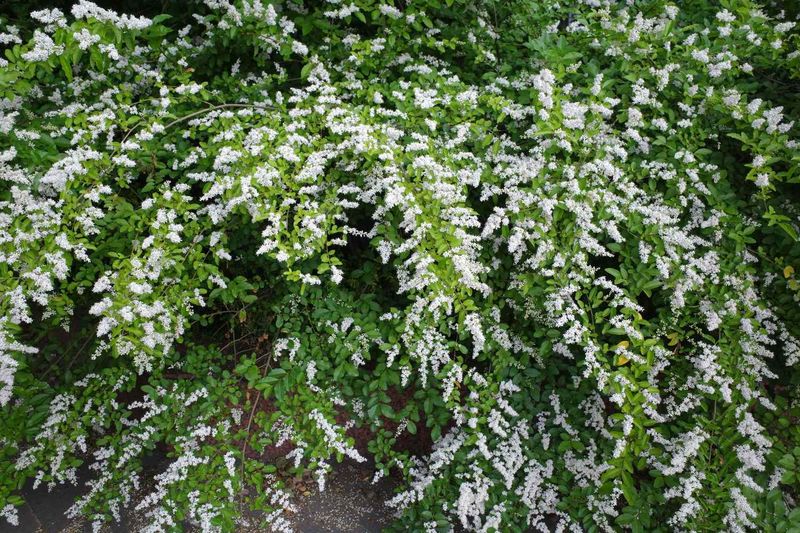
Walk into almost any disturbed woodland in North Carolina and you will likely find Chinese Privet lurking in the understory.
Ligustrum sinense is one of the most aggressive invasive shrubs in the Southeast, and it spreads relentlessly through bird-distributed seeds.
What starts as a few seedlings can become an impenetrable wall of shrubs within just a few growing seasons.
Spring is the ideal time to tackle Chinese Privet because new growth is easy to spot and the soil is moist enough to make root removal more manageable.
Small plants can be pulled by hand, but larger established shrubs require digging out the root system entirely.
Leaving roots behind almost guarantees regrowth, so thorough removal matters more than speed here. Once Chinese Privet is out, you have a real opportunity to restore a healthier understory.
Native alternatives like Virginia sweetspire (Itea virginica) offer gorgeous fragrant blooms and brilliant red fall foliage that Ligustrum simply cannot match.
American beautyberry (Callicarpa americana) is another outstanding choice, producing striking clusters of vivid purple berries that birds genuinely flock to.
Both shrubs grow well across North Carolina and provide privacy, seasonal interest, and real ecological value.
Clearing out Chinese Privet is hard work, but the reward of watching native plants reclaim the space is absolutely worth the effort.
2. Japanese Barberry Creates More Problems Than Most Gardeners Realize
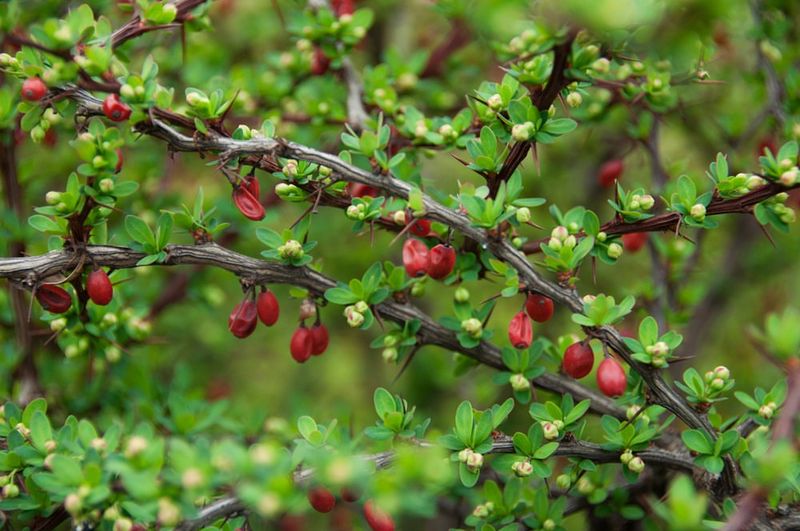
Japanese Barberry might look like a tidy, colorful shrub in a garden center display, but Berberis thunbergii has a reputation that gardeners across North Carolina are finally taking seriously.
Its dense, thorny growth forms nearly impenetrable colonies that push native plants out of woodland edges and disturbed areas faster than most people expect.
The shrub thrives in humid conditions, and North Carolina’s climate is practically ideal for it to spread.
One particularly concerning issue with Japanese Barberry is that its dense canopy creates humid microclimates at ground level, which research has linked to higher tick populations. That alone has motivated many gardeners to start removing it this spring.
Your North Carolina Garden Changes Every Week. Your Plan Should Too.
Gardening in North Carolina changes quickly throughout the season. Every Friday you’ll receive a simple weekly plan showing exactly what to plant, prune, fertilize, harvest, and protect so you never miss the right timing.
The thorns make removal uncomfortable, so wearing thick gloves and long sleeves is a must before you start digging.
Fortunately, there are plenty of native alternatives that offer similar structure and color without the invasive risk.
Inkberry holly (Ilex glabra) provides year-round evergreen structure and small black berries that birds love.
For gardeners who want that reddish-purple foliage look, native ninebark (Physocarpus opulifolius) cultivars deliver stunning color and interesting peeling bark with zero invasive concerns.
Making the swap from Japanese Barberry to a native shrub is a straightforward change that pays off in both garden beauty and ecosystem health over the long run.
3. Heavenly Bamboo Keeps Escaping Into Natural Areas
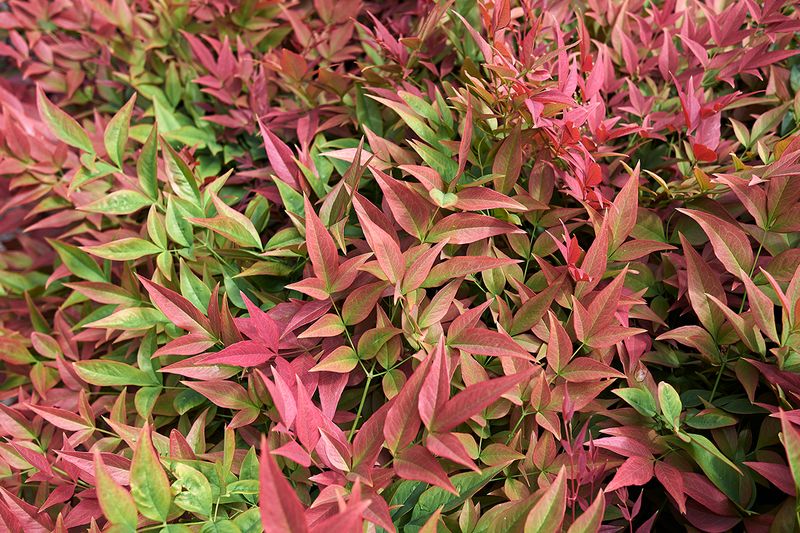
Heavenly Bamboo has been a Southern landscape staple for decades, prized for its feathery foliage and clusters of bright red winter berries.
The problem is that Nandina domestica is not bamboo at all, and its cheerful berries are carried by birds into natural areas where the plant establishes itself aggressively.
In parts of North Carolina, it has become a genuine concern in natural areas and forest understories.
Beyond the spread issue, those attractive red berries contain compounds that can be harmful to certain bird species, particularly cedar waxwings, when consumed in large quantities.
That fact alone has shifted many gardeners away from planting new Nandinas and toward removing existing ones.
Spring removal works well because the soil is workable and you can clearly see new seedlings emerging before they get established.
When removing Nandina, dig out as much of the root clump as possible since the plant resprouts readily from remaining root material. Native replacements offer just as much visual appeal without the ecological baggage.
Beautyberry (Callicarpa americana) delivers an equally dramatic berry display in vivid purple, while Virginia sweetspire (Itea virginica) brings fragrant summer blooms and fiery fall color.
Both plants feed and shelter native wildlife in ways that Heavenly Bamboo simply does not. Swapping it out is a genuinely rewarding upgrade for any North Carolina garden.
4. Burning Bush Is Falling Out Of Favor Across North Carolina
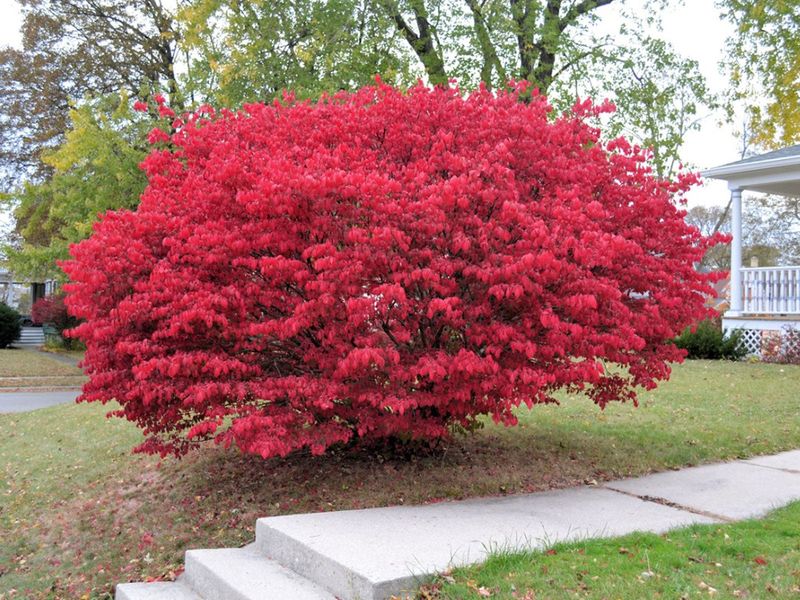
Few shrubs put on a fall color show as bold as Burning Bush, which is exactly why Euonymus alatus became such a popular landscape plant across the Southeast.
Nurseries sold it by the thousands, and homeowners planted it in foundation beds, hedgerows, and garden borders without any concern.
The trouble is that birds spread its seeds widely, and Burning Bush has been escaping into forests and woodland edges throughout North Carolina for years.
Once established in a natural area, Burning Bush forms dense thickets that shade out native wildflowers and shrubs that rely on filtered light to survive. It leafs out early in spring, giving it a competitive head start over many native plants.
Removal is most effective in spring when you can spot new seedlings before they become established, and the moist soil makes pulling roots much easier.
The good news is that native alternatives can deliver equally stunning fall color without spreading aggressively.
Highbush blueberry (Vaccinium corymbosum) turns a blazing orange-red in fall, produces edible fruit, and supports native bees and birds throughout the season.
Oakleaf hydrangea (Hydrangea quercifolia) is another standout, offering creamy summer blooms, cinnamon-colored peeling bark, and rich burgundy fall foliage.
Both plants are perfectly suited to North Carolina gardens and give you all the seasonal drama of Burning Bush with genuine ecological benefits.
5. Bush Honeysuckle Crowds Out Native Plants Faster Than Many Gardeners Expect
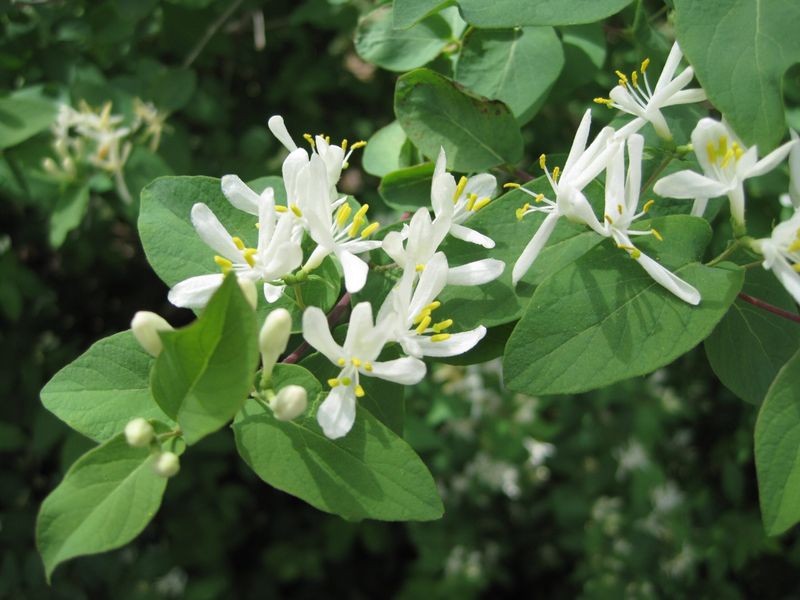
Bush Honeysuckle sounds harmless enough, but Lonicera maackii and Lonicera morrowii are among the most ecologically disruptive invasive shrubs found in North Carolina.
These plants leaf out earlier in spring than almost any native shrub, giving them a significant advantage over native wildflowers that depend on spring sunlight to bloom.
By the time native plants are waking up, Bush Honeysuckle has already formed a dense canopy that blocks the light they need.
Birds enthusiastically spread the bright red berries across wide areas, which means a single established shrub can produce seedlings in places far from your yard.
The speed of spread surprises many gardeners who assumed the plant was staying put in their garden border.
Catching seedlings early in spring is the most practical way to manage regrowth after removing mature plants. For wildlife-friendly replacements, native shrubs offer far more ecological value.
Buttonbush (Cephalanthus occidentalis) is a showstopper near water features, producing unique globe-shaped flowers that pollinators absolutely love.
Elderberry (Sambucus canadensis) grows quickly, offers flat-topped white flower clusters, and produces dark berries that attract more than 50 species of birds.
Spicebush (Lindera benzoin) is another excellent native option, supporting spicebush swallowtail butterflies and providing fragrant yellow spring blooms.
Replacing Bush Honeysuckle with any of these natives is a meaningful step toward a healthier landscape.
6. Glossy Buckthorn Is Quietly Spreading Through Moist Areas
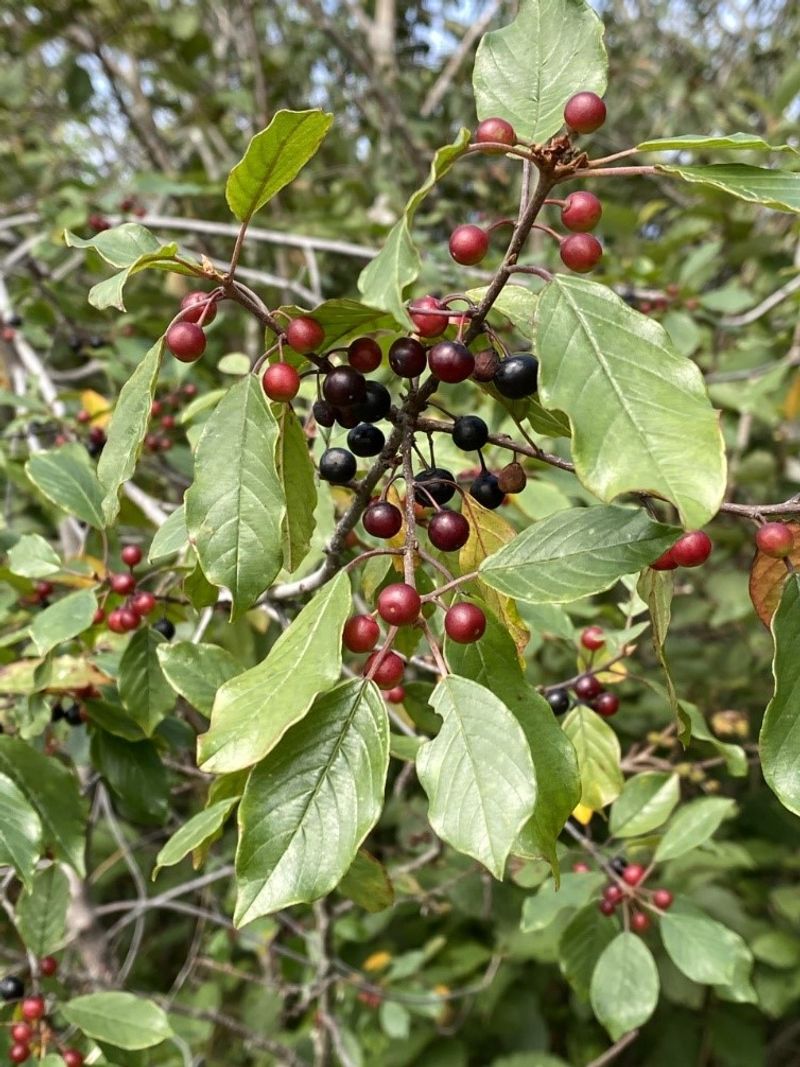
Glossy Buckthorn does not get nearly as much attention as some of the flashier invasive shrubs in North Carolina, but Frangula alnus is steadily spreading through moist soils, streambanks, and wet woodland edges across the state.
It is a patient, persistent plant that thrives in conditions where many other invasives struggle, making it particularly effective at colonizing rain gardens, low-lying areas, and seasonally flooded spots.
One reason Glossy Buckthorn is so difficult to manage is that it produces abundant berries that birds carry into new areas constantly.
The seeds have a strong germination rate, meaning even a few berries dropped in a suitable spot can establish a new colony within a couple of growing seasons.
Spring is a smart time to scout for new growth, especially along stream corridors and the edges of wet meadows.
For wet or moist landscape areas, native shrubs offer much better ecological performance. Swamp rose (Rosa palustris) handles wet feet beautifully and produces fragrant pink blooms that pollinators seek out.
Buttonbush (Cephalanthus occidentalis) is another outstanding native for wet spots, growing vigorously and supporting a wide range of native insects and birds.
Virginia willow (Itea virginica) rounds out the list with elegant fragrant flowers and reliable fall color in moist soils.
Replacing Glossy Buckthorn with any of these options transforms a problem area into a thriving native habitat patch.
7. Autumn Olive Has Spread Across Too Much Of Our Rural Parts
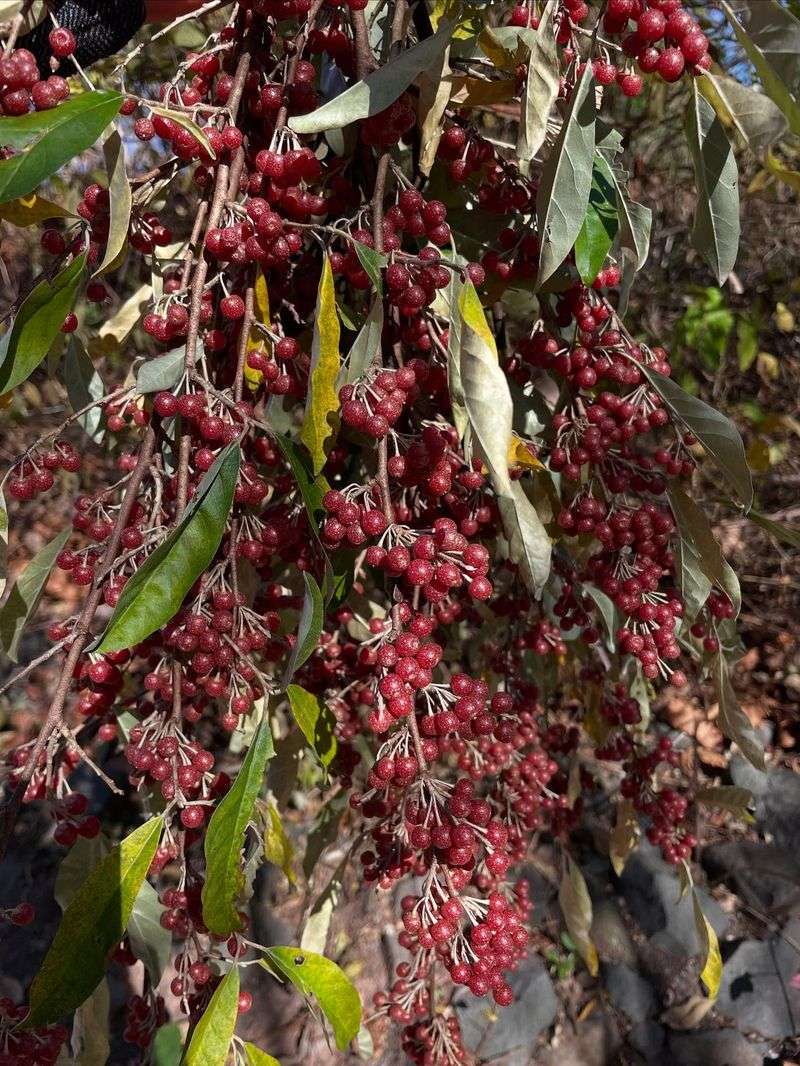
Autumn Olive was once promoted as a beneficial plant for wildlife habitat and soil improvement, which is how Elaeagnus umbellata ended up planted across so many rural North Carolina properties.
The silver-green leaves and fragrant spring flowers seemed like a bonus, and the abundant red berries did attract birds.
The problem nobody anticipated was just how aggressively those birds would spread the seeds across fields, roadsides, and forest edges throughout the region.
Today, Autumn Olive is considered one of the more problematic invasive shrubs in the rural Southeast.
It fixes nitrogen in the soil, which sounds helpful but actually alters soil chemistry in ways that favor other invasive plants over native species.
Once it takes hold in an open field or woodland edge, it can form dense thickets that shade out native grasses, wildflowers, and young trees.
Spring is an excellent time to start removal because young plants are actively growing and easier to identify among other vegetation.
For screening and wildlife value without the invasive risk, native alternatives are a much smarter investment.
Serviceberry (Amelanchier canadensis) provides spring blooms, summer berries, and gorgeous fall color.
Elderberry (Sambucus canadensis) grows fast, feeds birds generously, and supports a wide range of pollinators.
Both species establish well in rural settings and create genuine habitat value that Autumn Olive ultimately undermines rather than supports.
8. Japanese Spirea Is Being Replaced In More Pollinator Gardens
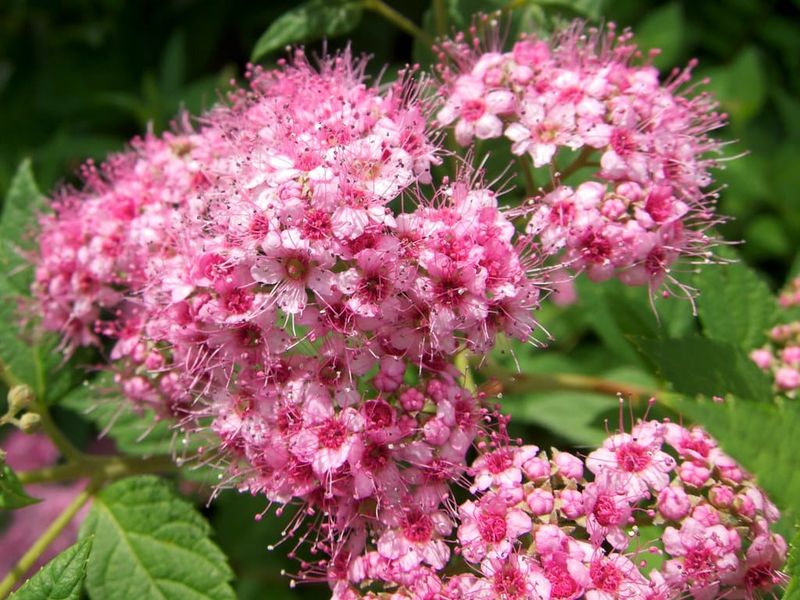
Japanese Spirea has been a go-to flowering shrub for North Carolina gardeners for a long time, and it is easy to see why.
Spiraea japonica blooms reliably, stays compact, and comes in dozens of cultivated varieties with colorful foliage.
The problem is that even cultivated forms produce viable seeds that spread into natural areas, where the plant competes with native vegetation along streambanks, roadsides, and open woodlands.
Pollinators do visit Japanese Spirea flowers, but native flowering shrubs support pollinators in far more meaningful ways by providing the specific resources that native bees and butterflies co-evolved with.
Many gardeners focused on supporting pollinators have started replacing their Spiraea japonica plants with native alternatives that offer much stronger ecological connections.
Mountain mint (Pycnanthemum species) is not a shrub but a perennial that draws more pollinators per square foot than almost any other plant in the garden.
For a true native shrub replacement, buttonbush (Cephalanthus occidentalis) and native azaleas (Rhododendron species) are both outstanding options that thrive in North Carolina and provide real habitat value.
Wild azaleas in particular offer spectacular spring blooms in shades of white, pink, and orange that rival any ornamental.
Removing Japanese Spirea and replacing it with these native plants is a straightforward upgrade that makes your garden genuinely more valuable for the pollinators you want to support.
9. Leatherleaf Mahonia Is Escaping Older Southern Landscapes
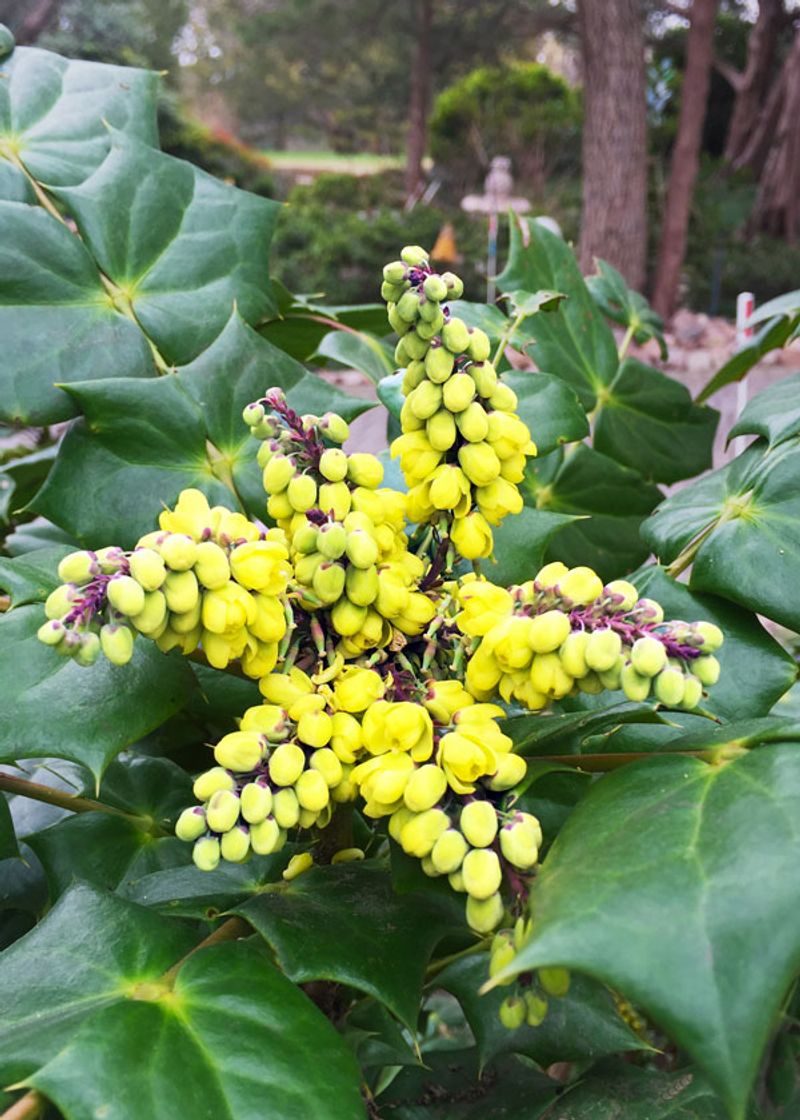
Leatherleaf Mahonia has long been a fixture in shaded Southern gardens, valued for its bold architectural foliage and early yellow flowers that bloom when almost nothing else does.
Mahonia bealei has an undeniable presence in a shade garden, and for decades gardeners planted it freely without concern.
The issue is that birds spread its blue-purple berries into nearby woodlands, where seedlings establish themselves in the understory and begin crowding out native plants.
In North Carolina, Leatherleaf Mahonia has shown up in natural areas far from any garden planting, a clear sign that it is spreading on its own.
Its spiny leaves deter browsing animals, allowing it to grow undisturbed while native understory plants around it struggle.
Spring is a good time to remove established plants before new berries form and create another round of seedlings in surrounding woodlands.
For shaded gardens that need year-round structure and early seasonal interest, native evergreen alternatives are genuinely satisfying replacements.
Florida anise (Illicium floridanum) offers glossy evergreen foliage and unusual burgundy-red spring flowers in deep shade.
Native leucothoe species, including Leucothoe fontanesiana, provide graceful arching stems, glossy leaves, and beautiful winter color in shaded spots.
Both plants are well suited to shade gardens and deliver the bold structure that Mahonia bealei fans appreciate, without the risk of spreading into natural areas.
10. Multiflora Rose Forms Thorny Thickets That Take Over Fast
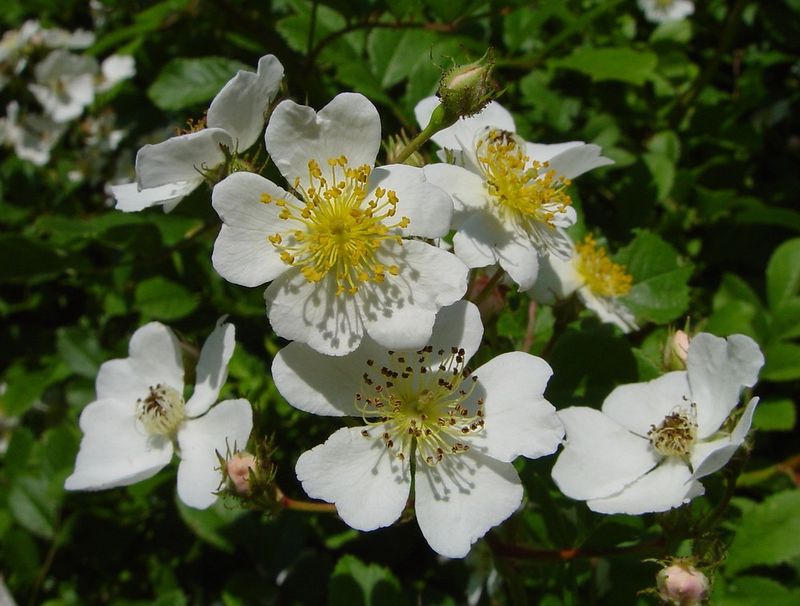
Multiflora Rose was introduced to North Carolina decades ago for erosion control and wildlife habitat, but Rosa multiflora turned out to be far more aggressive than anyone anticipated.
A single mature plant can produce hundreds of thousands of seeds annually, and birds spread them across pastures, roadsides, and forest edges with remarkable efficiency.
The thorny thickets that form are nearly impossible for wildlife to move through and completely overwhelm native plants trying to grow nearby.
Farmers and land managers across North Carolina have been fighting Multiflora Rose for years, and now more homeowners and gardeners are joining the effort.
Spring is one of the best times to tackle it because the canes are actively growing and new seedlings are easy to spot before they develop a serious root system.
Thick gloves and protective clothing are absolutely essential since the hooked thorns catch on everything. Once Multiflora Rose is cleared, native shrubs with real ecological value can take its place.
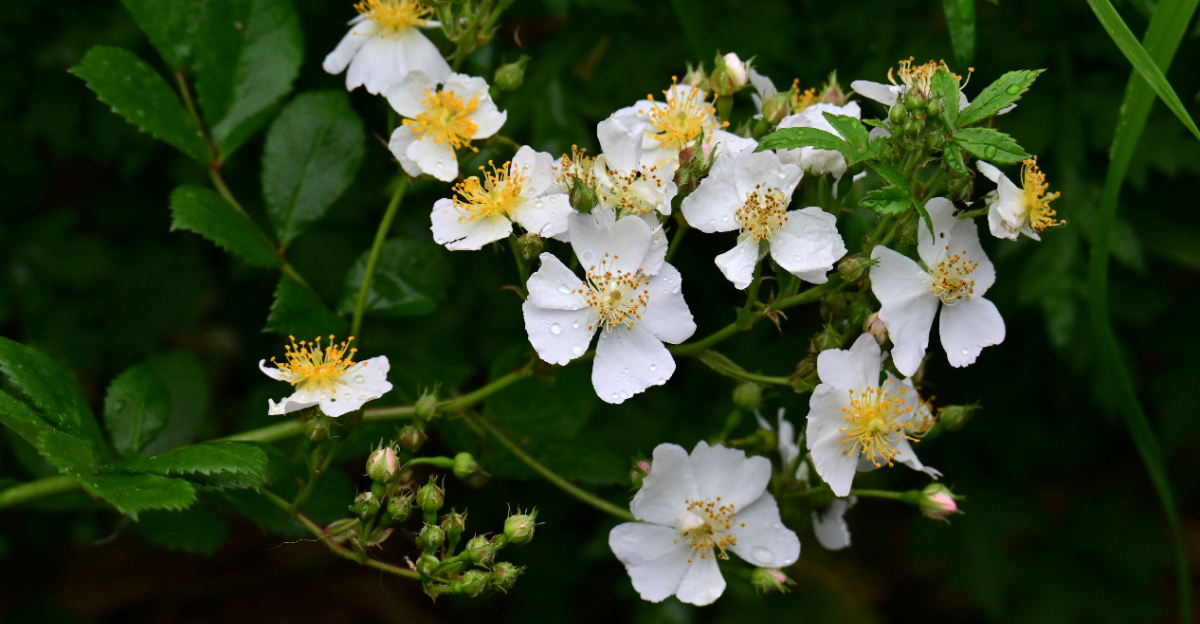
Native roses like Swamp rose (Rosa palustris) and Pasture rose (Rosa carolina) offer beautiful blooms and rose hips for wildlife without spreading invasively.
For a completely different look with strong habitat value, arrowwood viburnum (Viburnum dentatum) grows quickly, produces white flower clusters, and provides dark blue berries that dozens of bird species rely on through fall and winter.
Replacing Multiflora Rose with these options restores genuine habitat value to the landscape.