What North Carolina Azaleas Need In May To Stay Healthy After Spring Blooming
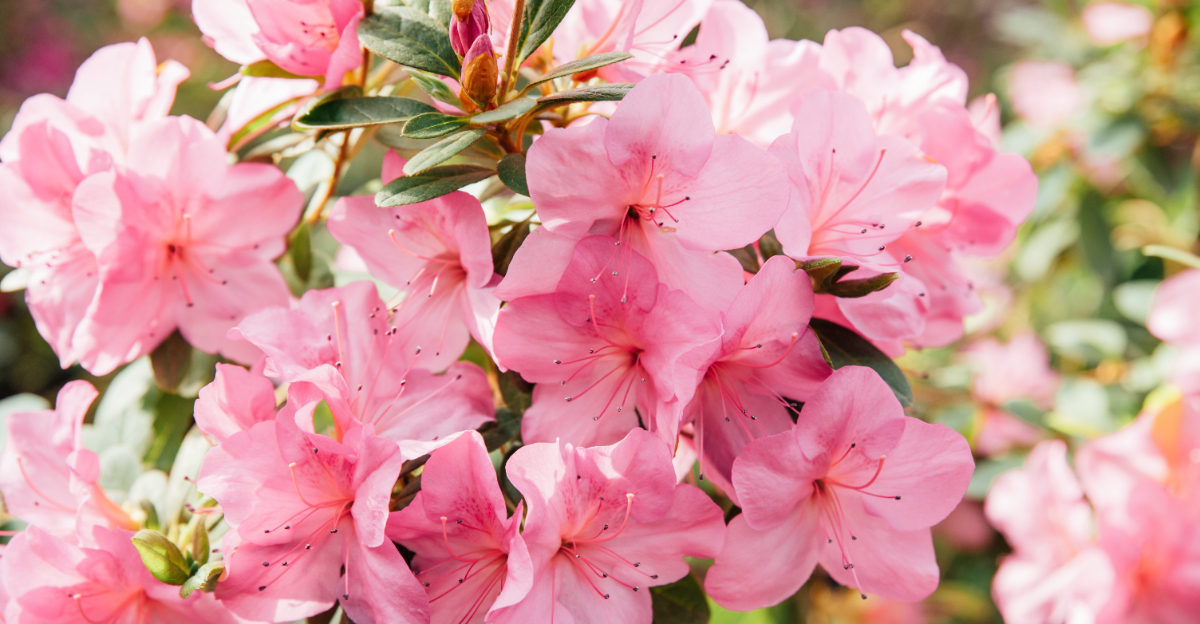
Azaleas put on their best show in spring, and then most North Carolina gardeners walk away and assume the work is done until next year. That assumption costs them.
What happens in May, right after blooming ends, directly affects how healthy the shrub stays through summer and how well it blooms the following spring.
This is the window where the plant shifts energy from flowering into new growth and root development, and what it gets from you during this period shapes the entire season ahead.
North Carolina’s heat and humidity arrive fast after spring, and azaleas that go into that stretch without the right care show the effects by midsummer.
A few straightforward tasks handled in May make a genuine difference in plant health, disease resistance, and next year’s bloom quality. Here is exactly what your azaleas need right now.
1. Removing Faded Azalea Flowers Helps Plants Focus On New Growth
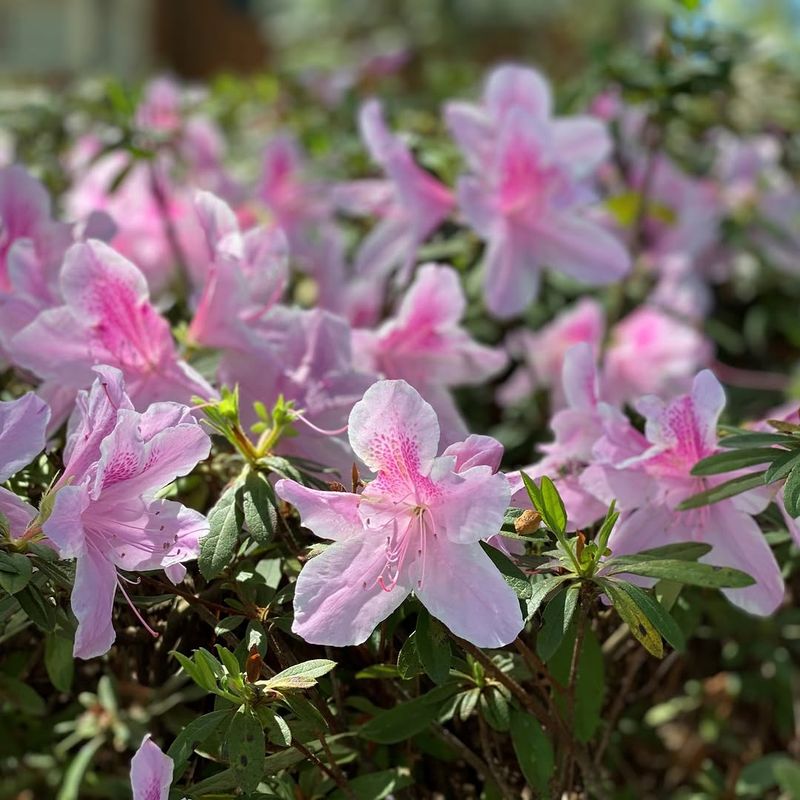
Most gardeners do not realize just how much energy a plant spends trying to turn old flowers into seeds. For azaleas, known botanically as Rhododendron spp., that energy is far better used building strong roots, healthy branches, and next year’s flower buds.
Snapping off spent blooms, a process called deadheading, is one of the simplest ways to give your plants a real boost heading into summer.
Timing matters depending on where you garden in North Carolina. Along the coast, azaleas finish blooming earlier, sometimes by late April, so deadheading should happen right away in early May.
In the Piedmont, mid-May is usually the sweet spot. Mountain gardeners often have a little more time, with blooms lingering into late May before cleanup becomes urgent.
The technique is straightforward. Pinch or snap each faded flower cluster at the base, just behind where the bloom connects to the stem.
Be careful not to damage the small growth buds sitting just below each spent flower, because those buds are already forming for next spring. A light touch and a little patience go a long way here.
Removing old blooms also keeps the plant looking tidy and reduces the chance of fungal problems developing on decaying petals during North Carolina’s notoriously humid late spring weather.
Spending even thirty minutes doing this simple task pays off for months to come.
2. North Carolina Azaleas Need Steady Moisture Before Summer Heat Arrives
Azaleas have surprisingly shallow root systems, and that makes them more vulnerable to dry spells than many gardeners expect.
Rhododendron spp. pull most of their moisture from the top few inches of soil, which dries out fast once North Carolina temperatures start climbing in May.
Getting watering right before summer heat locks in can mean the difference between a thriving plant and a stressed one struggling to push out new growth.
Soil type changes everything when it comes to watering frequency. Gardens with heavy clay soil in the Piedmont hold moisture longer, so watering every five to seven days may be plenty.
Sandy coastal soils drain quickly and may need water every two to three days during dry stretches. Woodland gardens with natural leaf litter tend to stay moist longer, while raised beds dry out faster than in-ground plantings and need closer monitoring throughout May.
Your North Carolina Garden Changes Every Week. Your Plan Should Too.
Gardening in North Carolina changes quickly throughout the season. Every Friday you’ll receive a simple weekly plan showing exactly what to plant, prune, fertilize, harvest, and protect so you never miss the right timing.
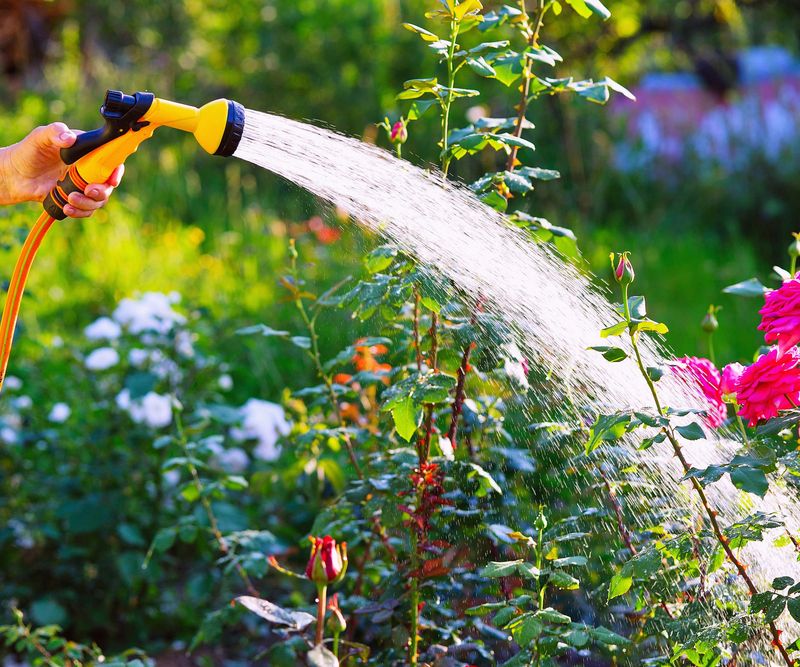
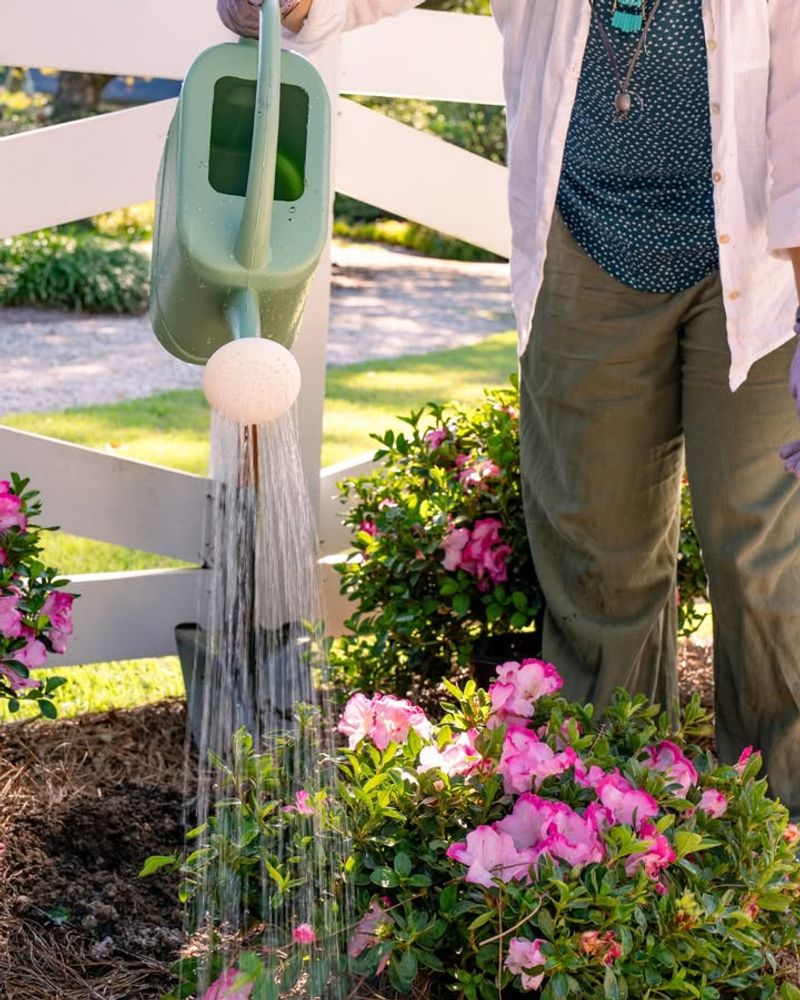
Always water deeply and slowly at the base of the plant rather than spraying the foliage. Wet leaves during humid weather invite fungal issues that spread quickly across azalea beds.
Early morning is the best time to water, giving foliage a chance to dry before evening. Aim for about one inch of water per week total, counting rainfall.
Sticking your finger two inches into the soil is one of the most reliable ways to judge whether your azaleas actually need a drink that day.
3. Mulch Helps Protect Azalea Roots During North Carolina Summers
Pine bark mulch and azaleas have been a classic pairing in Southern gardens for generations, and there is a very good reason for that.
Rhododendron spp. have fine, fibrous roots that sit close to the soil surface, making them extremely sensitive to temperature swings and moisture loss.
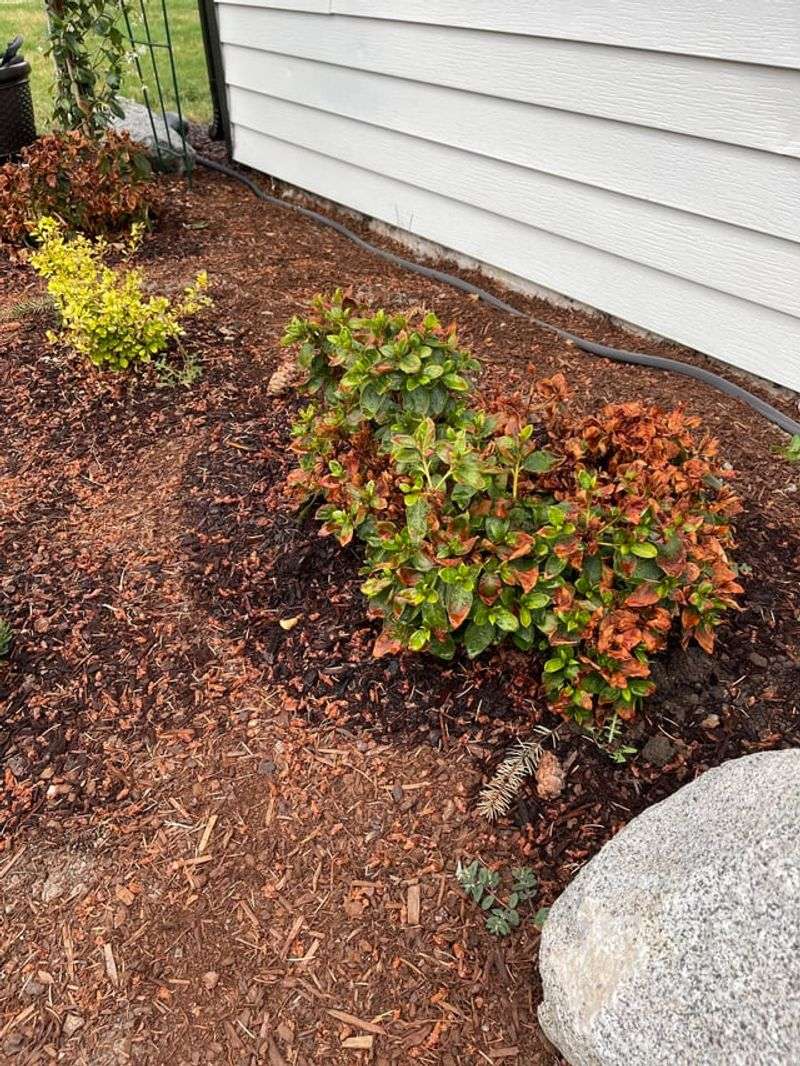
A fresh layer of mulch in May acts like a protective blanket, keeping roots cooler and the soil consistently moist as North Carolina summers heat up fast.
Aim for a mulch layer about two to three inches deep around your azaleas. Anything thinner provides little benefit, while anything thicker can start to suffocate roots and trap too much moisture against the stem.
Pine bark, pine straw, and shredded hardwood all work well and break down gradually, improving soil structure over time.
Pine straw is especially popular in the coastal plain because it stays in place during heavy rain and naturally lowers soil pH as it decomposes, which azaleas love.
One important rule that every gardener should follow is keeping mulch pulled back a few inches from the base of the main stem. Piling mulch directly against the stem traps moisture and creates conditions where rot and disease can take hold easily.
Spread mulch outward to the drip line of the shrub for the best coverage. Refreshing your mulch layer each May is one of the smartest and easiest habits you can build into your azalea care routine.
4. Light Pruning In May Helps Azaleas Stay Fuller And Healthier
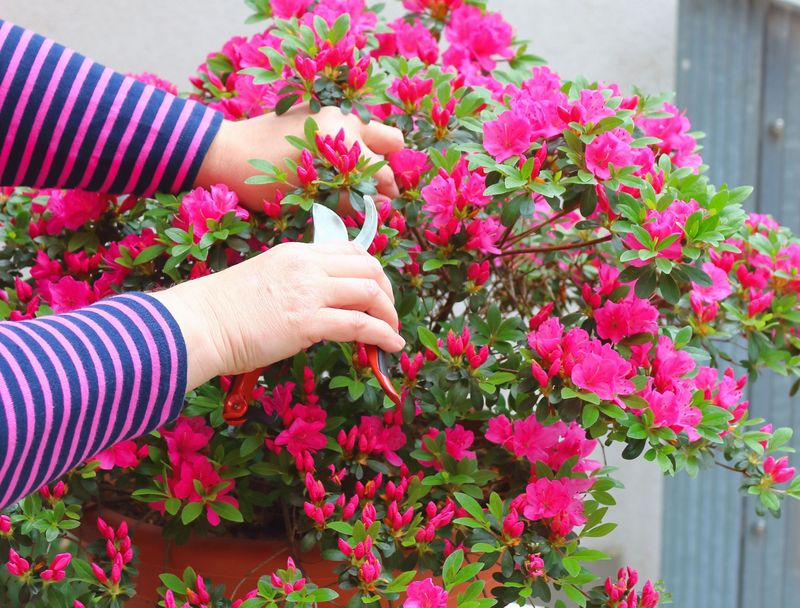
Timing is everything when it comes to pruning azaleas, and May is genuinely the best window you have all year.
Rhododendron spp. begin setting next year’s flower buds just weeks after spring blooming ends, so pruning too late in summer means cutting off buds before they even have a chance to develop.
Getting in early after blooming gives your plants time to fill back in beautifully before those buds form.
Light shaping is the goal here, not heavy renovation. Remove any branches that cross awkwardly, rub against each other, or grow inward toward the center of the plant.
Tipping back long, leggy stems by a few inches encourages the plant to branch out and become fuller. Better branching means more bloom sites next spring, which is exactly what every gardener wants to see.
Sharp, clean tools matter more than most people realize. Dull pruners crush stems rather than cutting them cleanly, leaving ragged wounds that heal slowly and invite fungal problems during humid weather.
Wipe blades with rubbing alcohol between plants to avoid spreading any disease from one shrub to another. Resist the urge to cut everything back hard unless the plant is seriously overgrown.
Azaleas respond beautifully to gentle, thoughtful pruning but can take years to recover from overly aggressive trimming. A little restraint in May rewards you with a fuller, healthier plant come next spring.
5. North Carolina Humidity Makes Airflow Extremely Important For Azaleas
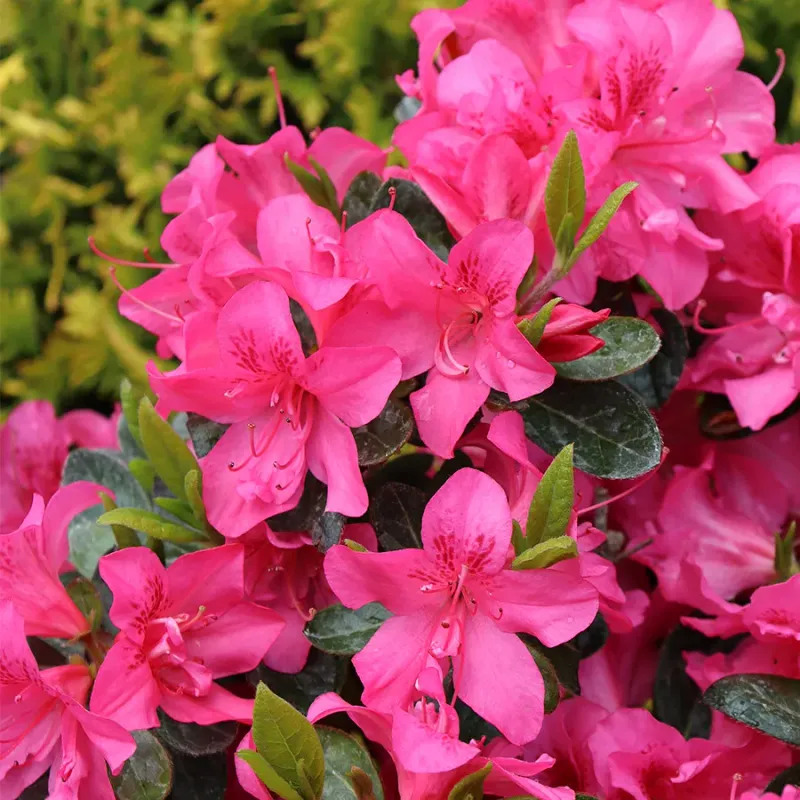
North Carolina summers are famously hot and sticky, and that humidity creates real challenges for azaleas growing in crowded conditions.
Rhododendron spp. are prone to several fungal diseases, including petal blight and leaf spot, and poor airflow through and around the plant is one of the biggest reasons those problems spread so quickly.
May is the right time to assess your garden layout and make adjustments before summer humidity peaks.
Crowded branches inside the plant trap moist air and create the perfect environment for fungal spores to thrive. Thinning out a few interior branches during your May pruning session improves airflow dramatically without changing the overall shape of the plant.
Nearby shrubs, groundcovers, and perennials planted too closely can have the same effect, so giving azaleas a little breathing room from their neighbors goes a long way.
Placement is worth thinking about for anyone planning new beds or moving existing plants. Azaleas tucked tightly against fences, walls, or dense hedges rarely get the airflow they need to stay healthy through a southern summer.
Even a few extra feet of open space around each plant can reduce fungal pressure noticeably. Morning sun also helps by drying dew off leaves quickly, which is another reason east-facing spots in the garden tend to produce healthier azaleas over the long run.
Small changes in spacing and placement add up to significantly healthier plants when humidity climbs.
6. Azaleas Need Acidic Soil To Stay Healthy In North Carolina

Here is something that surprises a lot of new gardeners: the color and vigor of your azalea leaves can tell you a lot about your soil. Rhododendron spp. are acid-loving plants that perform best in soil with a pH between 4.5 and 6.0.
When soil pH climbs above that range, azaleas struggle to absorb iron and other key nutrients even when those nutrients are physically present in the soil. The result is often yellowing leaves with dark green veins, a condition called chlorosis.
North Carolina soils vary widely across the state. Much of the Piedmont has naturally acidic red clay, which suits azaleas reasonably well.
Coastal plain soils can be more variable, and mountain soils often stay naturally acidic under hardwood forests.
The most reliable way to know exactly where your soil stands is a simple pH test, available at most garden centers or through your local NC Cooperative Extension office for a small fee.
Sulfur is the most common and natural way to lower soil pH over time. Acidifying fertilizers designed for azaleas, hollies, and blueberries also help maintain the right range.
Mulching with pine straw or pine bark contributes mild acidity as it breaks down, making it a perfect long-term strategy for keeping pH in check.
Testing your soil every two to three years keeps you ahead of any drift toward higher pH before it causes visible problems with your plants.
7. Feeding Azaleas Too Late In Spring Can Cause Problems Later
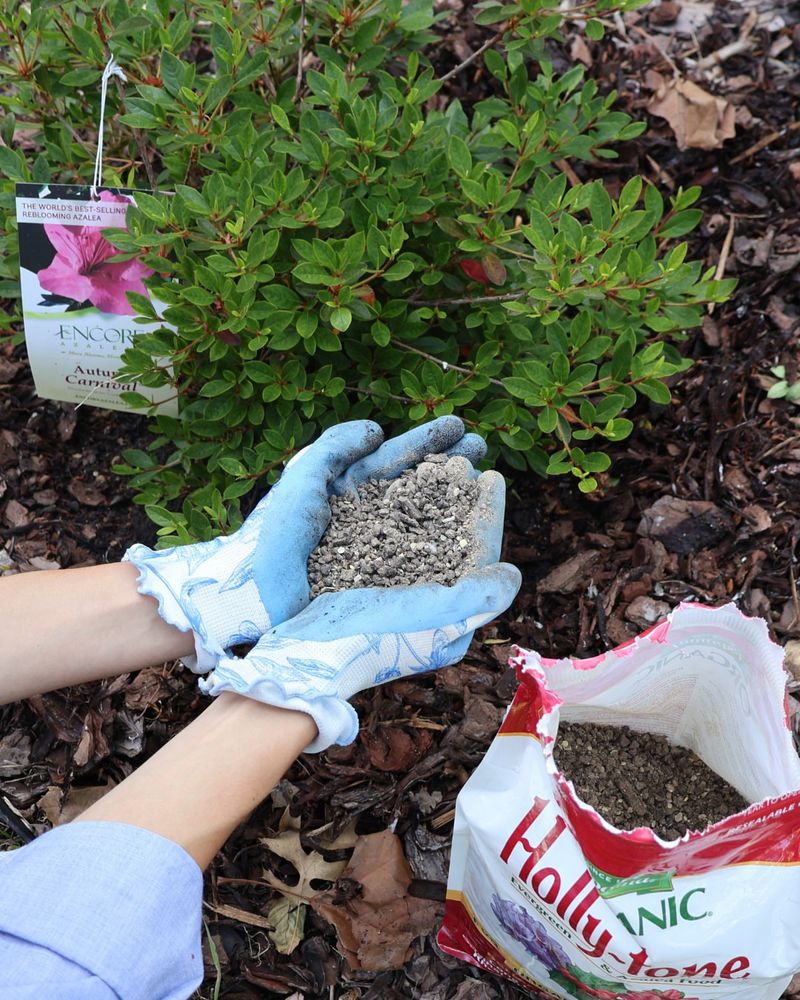
Fertilizing azaleas feels like a straightforward task, but the timing and amount matter far more than most gardeners expect.
Rhododendron spp. benefit from a light feeding right after blooming finishes in spring, which gives them a gentle nutrient boost exactly when they need it most.
The goal is to support healthy new leaf and root growth without pushing the plant to produce a flush of soft, tender growth right before summer heat arrives.
Soft new growth produced late in spring is vulnerable. It has not had time to harden off before high temperatures and stress arrive, which can leave plants looking rough by midsummer.
Feeding too heavily or too late in May can trigger exactly that kind of weak, fast growth that struggles when conditions get tough.
A light application of a slow-release fertilizer formulated for acid-loving plants is a much smarter approach than a heavy dose of fast-acting granules.
Look for fertilizers labeled for azaleas, rhododendrons, or acid-loving plants, as these typically contain the right balance of nitrogen, phosphorus, and potassium along with minor nutrients like iron and sulfur.
Apply according to label directions and water in thoroughly after application.
Avoid fertilizing azaleas after late May or June in North Carolina, as late feeding can interfere with hardening and bud development heading into fall. One well-timed feeding in early to mid-May is usually all these plants truly need to thrive.
8. Cleaning Up Old Flower Debris Helps Prevent Summer Problems
Fallen petals and old flower clusters might look harmless lying on the soil beneath your azaleas, but they can quietly cause real trouble as the weather warms.
They are particularly susceptible to petal blight, a fungal disease that spreads through infected flower material left on the ground.
Cleaning up that debris in May removes one of the main sources of fungal spores before summer humidity gives them the perfect conditions to multiply.
Raking or gently hand-collecting fallen petals and spent flower clusters from around the base of the plant takes very little time but delivers noticeable benefits.
Bag the debris and remove it from the garden rather than adding it to a compost pile, since composting infected material can allow fungal spores to survive and spread.
Once the area is cleared, a fresh layer of mulch helps create a clean barrier between the soil surface and the base of the plant.
Old debris also tends to hold moisture against the soil and stem, which is the last thing you want heading into a humid North Carolina summer.
A clean, well-mulched garden bed dries more evenly and resists fungal buildup far better than one cluttered with decaying organic matter.
Think of this cleanup as a fresh start for your azaleas after their big spring show. A tidy garden bed in May sets the tone for a much healthier plant through the rest of the growing season.
9. North Carolina Gardeners Should Watch For Lace Bugs After Blooming Ends
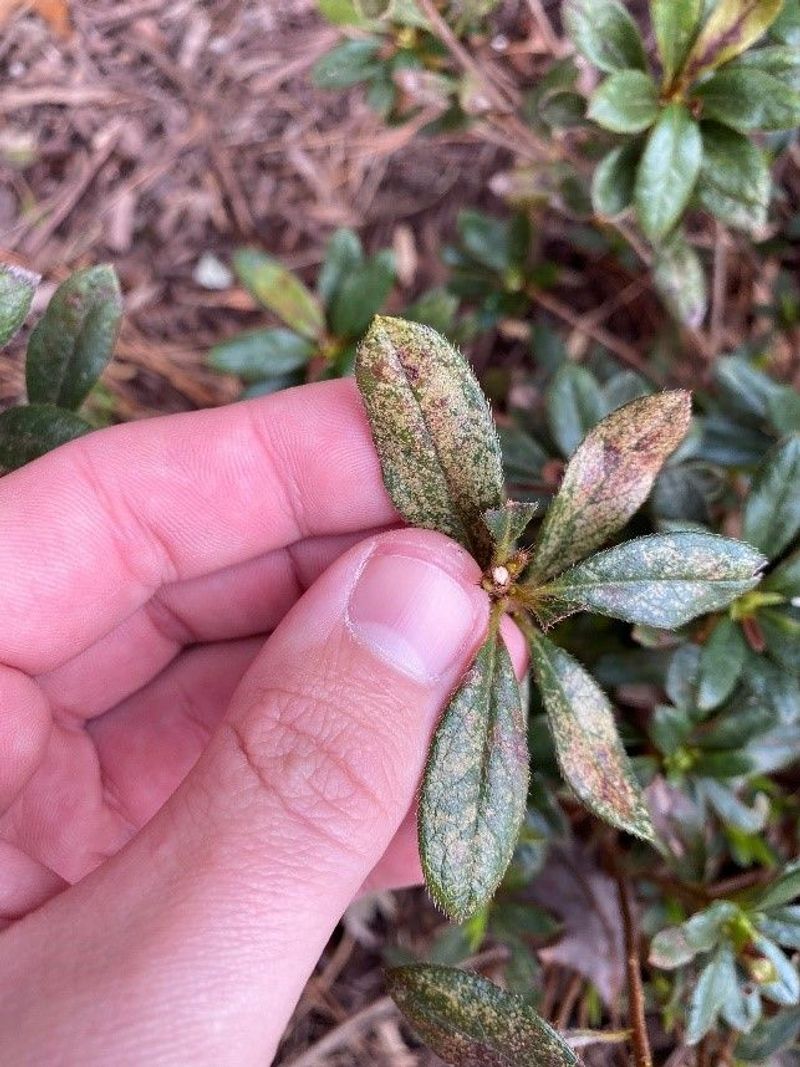
Lace bugs are one of the most common and frustrating pest problems azalea growers face in North Carolina, and warm May weather is exactly when their populations begin to build.
Azaleas grown in sunny locations tend to attract lace bugs more heavily than those in shade, though no plant is completely immune once an infestation gets going nearby.
Catching the problem early makes a significant difference in how much damage your plants actually suffer.
The early warning signs show up on the upper surface of leaves as a pale, silvery or grayish stippling that looks almost like someone lightly sandpapered the leaf.
Flip the leaf over and you will often find tiny brown specks of excrement along with the insects themselves, which have distinctive lacy, transparent wings.
A light infestation may not cause serious harm, but a heavy one can leave azaleas looking bleached and tired all summer long.
Control options that are gentle on pollinators and beneficial insects include insecticidal soap sprays and neem oil, both of which work best when applied directly to the undersides of leaves where lace bugs actually feed and shelter.
Spray in the early morning or evening to avoid harming bees visiting nearby flowers.
Repeat applications every seven to ten days are usually needed to break the pest cycle effectively. Keeping plants well-watered and healthy also helps, since stressed azaleas tend to attract heavier lace bug pressure than vigorous, well-maintained ones.
10. Morning Sun Helps Azaleas Recover Better After Blooming
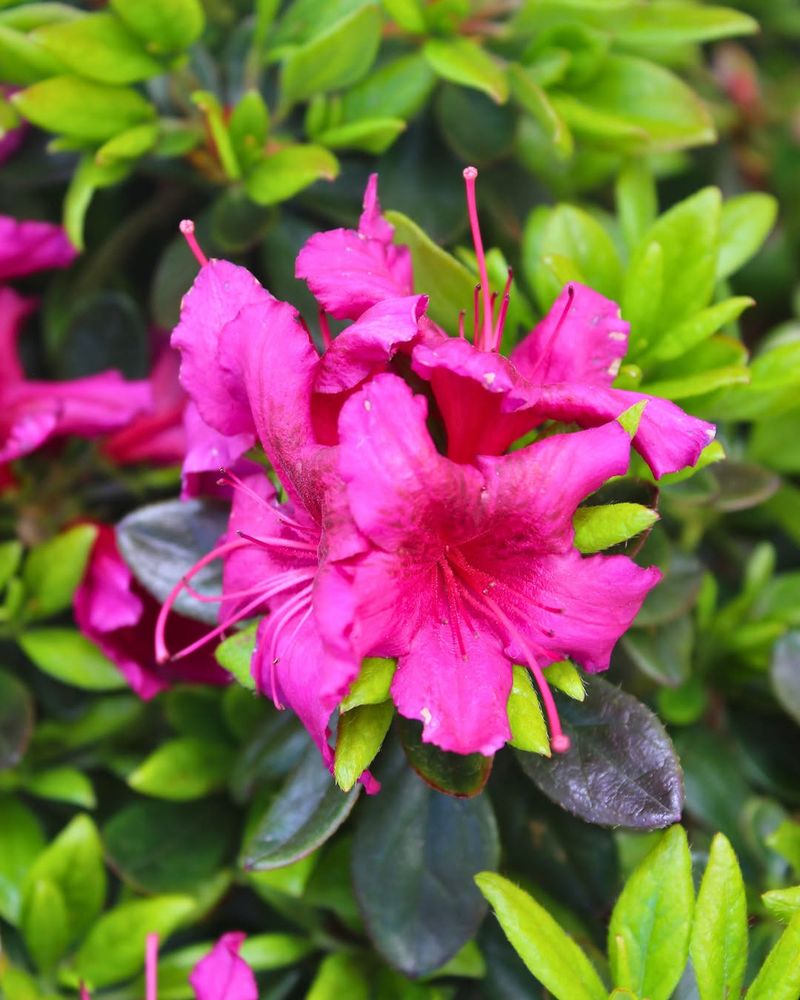
Sunlight placement is one of those factors that quietly shapes how well your azaleas perform year after year.
Rhododendron spp. are woodland plants at heart, and they genuinely thrive when they receive bright morning sun followed by gentle afternoon shade.
That combination gives them enough light to fuel strong growth and bud development without the intensity of direct afternoon sun, which can scorch leaves and stress plants during North Carolina’s hot summer months.
After the energy spent on spring blooming, azaleas need to rebuild.
Morning sun supports photosynthesis during the cooler, more comfortable part of the day, helping plants produce the sugars and energy they need to push out healthy new foliage and begin forming next year’s flower buds.
Afternoon shade acts as a natural buffer against the harshest heat, reducing water loss through leaves and keeping root zone temperatures more stable.
Placement advice varies a little by region. Coastal North Carolina gardens deal with intense sun and reflected heat, making afternoon shade even more valuable there.
Piedmont gardens often work well with east or northeast-facing beds near deciduous trees that provide summer shade but allow winter light through bare branches.
Mountain azaleas can handle a bit more sun due to cooler temperatures, but they still benefit from some afternoon protection during July and August heat waves.
Choosing the right spot, or adjusting placement when possible, pays dividends in plant health for years.
11. Root Competition From Trees Often Weakens Older Azaleas
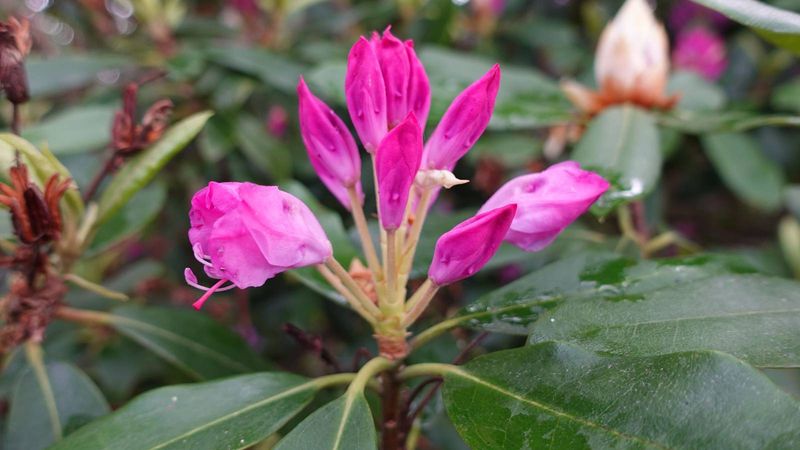
Woodland gardens in North Carolina are stunning in spring, but they come with a challenge that catches many gardeners off guard.
Azaleas planted beneath large trees often face serious competition from tree roots that spread aggressively through the same shallow soil layer where Rhododendron spp. roots live and feed.
As trees mature, that competition intensifies, especially during late spring and summer when both trees and azaleas have high water and nutrient demands at the same time.
Shallow-rooted trees like maples, sweet gums, and dogwoods are particularly aggressive competitors.
Their fine feeder roots can essentially crowd out azalea roots over time, leaving the shrubs chronically stressed and struggling to push out healthy new growth after blooming.
Signs of this problem include smaller leaves, reduced flowering, and a general thinning of the plant that seems to worsen each year despite regular care.
Extra watering during dry spells in May and June helps offset some of the competition, but it is not a complete solution on its own.
A generous, consistent layer of mulch extending well beyond the drip line of the azalea creates a buffer that holds moisture and reduces root competition from annual weeds and groundcovers.
In some cases, relocating heavily stressed azaleas to a spot with less tree root competition is the most practical long-term fix. Adding organic matter to the soil around azaleas each year also helps them maintain stronger, more competitive root systems of their own.
12. North Carolina Azaleas Recover Faster When Gardeners Avoid Heavy Soil Disturbance
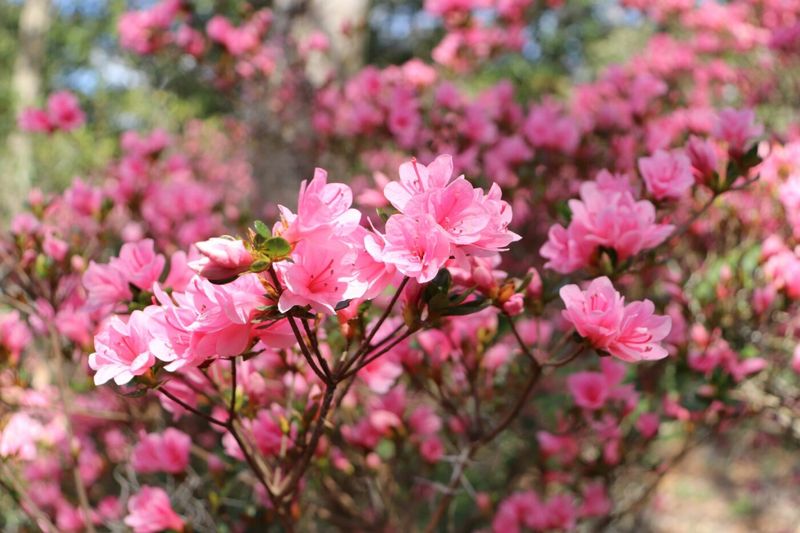
Azaleas are not fans of having their roots disturbed, and May is one of the most sensitive times of year for that kind of disruption.
Rhododendron spp. produce a dense network of fine, fibrous roots that stay remarkably close to the soil surface, often within the top six to eight inches.
Digging, cultivating, or even aggressive raking near established azaleas can sever many of these roots before the plant has had a chance to recover fully from the effort of blooming.
Root damage right after blooming is especially stressful because the plant is already working hard to push out new foliage, build root reserves, and begin the long process of developing next year’s flower buds.
Interrupting that process by disturbing the root zone forces the plant to redirect energy toward healing rather than growing, which can set it back noticeably for the rest of the season.
The simplest way to protect shallow roots is to keep a consistent layer of mulch over the soil around each plant and avoid planting annuals or perennials directly beneath azaleas.
If you need to add new plants nearby, dig carefully and keep as far from the azalea root zone as possible.
Hand-pulling weeds is far safer than using a hoe or cultivator close to the base of the shrub.
Treating the area beneath your azaleas as a no-dig zone through May and beyond is one of the most effective and underrated habits for keeping these plants genuinely healthy long-term.