These Are The 7 Best Zinnia Types To Grow In Your Florida Garden
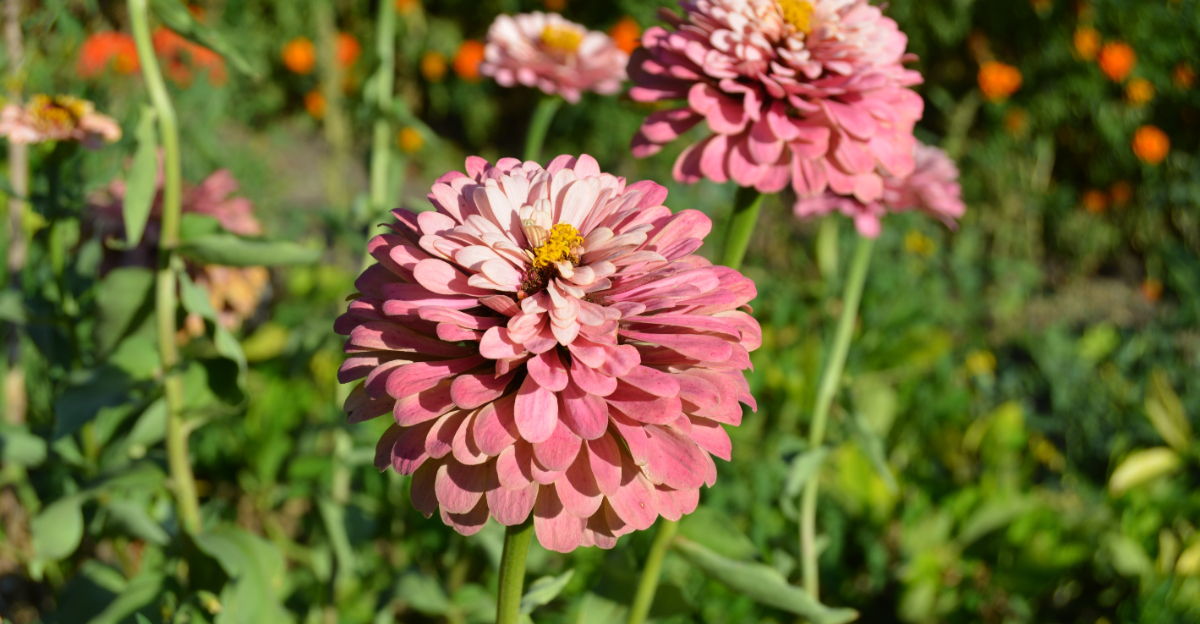
Zinnias are the kind of flowers that make a garden feel generous. Cut a few for a vase, and more blooms keep coming.
Let them stand in the sun, and butterflies show up like they got an invitation. In Florida, that easy charm is exactly why gardeners keep planting them.
The catch? “Zinnia” covers more than one look, size, and habit, and choosing the right type can change the whole feel of your garden. Want neat little mounds along a walkway?
Tall stems for bouquets? A bold patch that looks cheerful from the street?
There is a zinnia for that. These types are worth knowing before you plant.
In a climate with heat, humidity, and heavy rain, they can separate the real performers from the pretty seed-packet promises.
1. Profusion Zinnias Handle Humidity Better Than Most
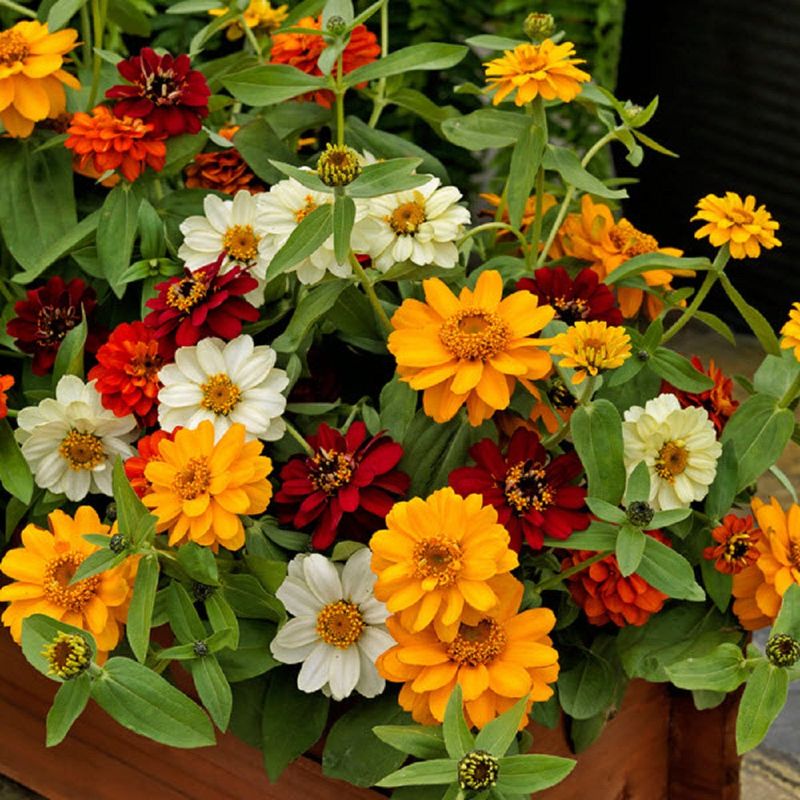
Compact, cheerful, and surprisingly tough, Profusion zinnias have earned a loyal following among gardeners who want steady color without constant babysitting.
These plants stay low and bushy, usually topping out around 12 to 18 inches, which makes them a natural fit for borders, containers, and sunny bed edges.
Their smaller size also helps with one of the biggest zinnia challenges in humid gardens: airflow.
Good air circulation around zinnia stems and leaves slows the spread of powdery mildew and other fungal issues that tend to flare up in warm, sticky conditions.
Profusion zinnias have shown improved disease tolerance compared to many older zinnia types, but that does not mean you can crowd them together and expect perfection.
Spacing plants properly, at least 6 to 12 inches apart, still makes a real difference in how they perform through the season.
Profusion zinnias were developed as an interspecific hybrid, meaning they carry genetics from more than one zinnia species. That background gives them extra heat tolerance and a more self-cleaning growth habit, so spent blooms tend to drop without deadheading.
They come in a solid range of colors including orange, cherry, white, coral, and yellow. UF/IFAS has recognized Profusion types as strong performers in warm-climate trials.
Planting timing matters depending on where you garden. In Central and South gardens, early spring planting works well before the rainy season ramps up humidity.
Panhandle gardeners often have a longer window into late spring. Full sun, at least six to eight hours daily, and well-drained soil give these plants their best shot at a long, colorful run.
2. Zahara Zinnias Bring Bold Color With Stronger Disease Resistance
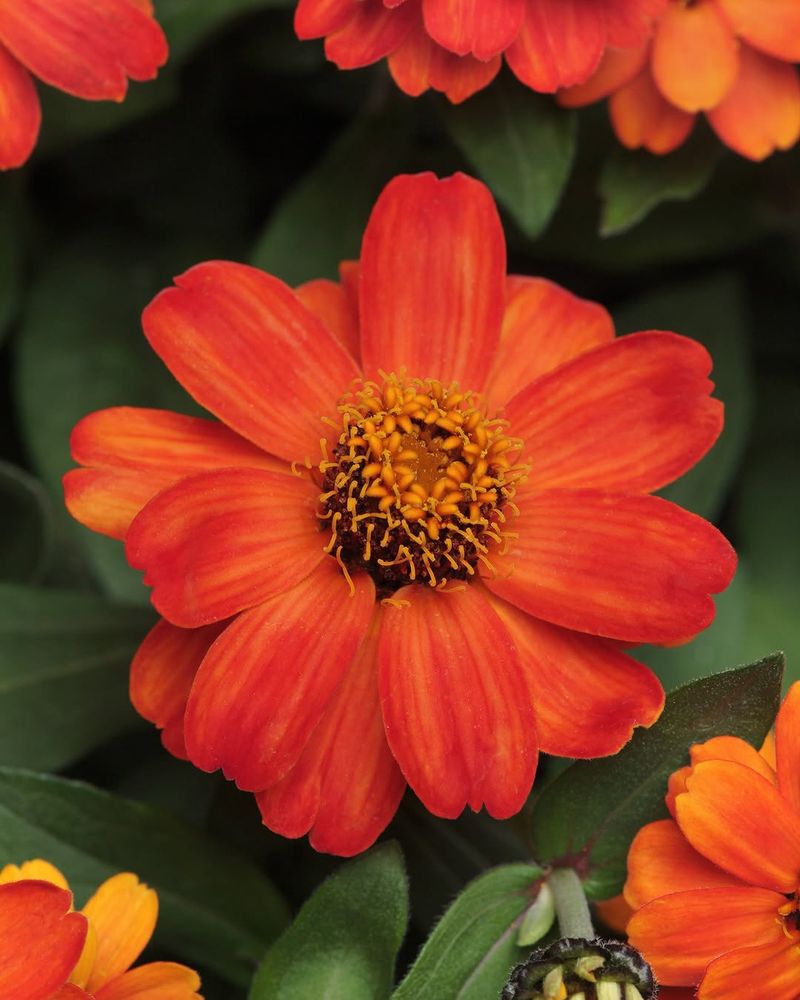
Florida gardeners who have fought powdery mildew on their zinnias before will appreciate what Zahara types bring to the table. Zahara zinnias are bred for improved disease resistance and heat tolerance.
That makes them a go-to choice for warm, humid gardens where summer can be brutal.They bloom freely, hold their color well, and keep growing even when temperatures climb.
Zahara zinnias stay compact, typically reaching 12 to 18 inches tall, similar to Profusion types. Their flowers are single to semi-double and come in a vivid range including red, coral, orange, yellow, white, and bicolor mixes.
Your Florida Garden Changes Every Week. Your Plan Should Too.
Gardening in Florida changes quickly throughout the season. Every Friday you’ll receive a simple weekly plan showing exactly what to plant, prune, fertilize, harvest, and protect so you never miss the right timing.
The plants tend to branch well on their own, filling in a border or container with a full, rounded shape that looks tidy without much effort from the gardener.
One thing worth repeating: improved disease resistance does not mean these plants are immune. Crowding zinnias together, watering from overhead late in the day, or planting in shady spots will still invite problems.
Giving Zahara zinnias full sun, good drainage, and enough space for air to move freely around each plant is still the most important thing you can do for them.
Zahara types have performed well in university Extension trials in warm climates, showing solid results in heat and humidity compared to older zinnia selections. If you are planting in a coastal garden or a yard that tends to stay humid through summer, Zahara is a smart pick.
Start seeds indoors a few weeks before your last frost date, or direct sow once soil temperatures warm up and conditions are settled.
3. Narrowleaf Zinnias Stay Neat In Hot Sunny Beds
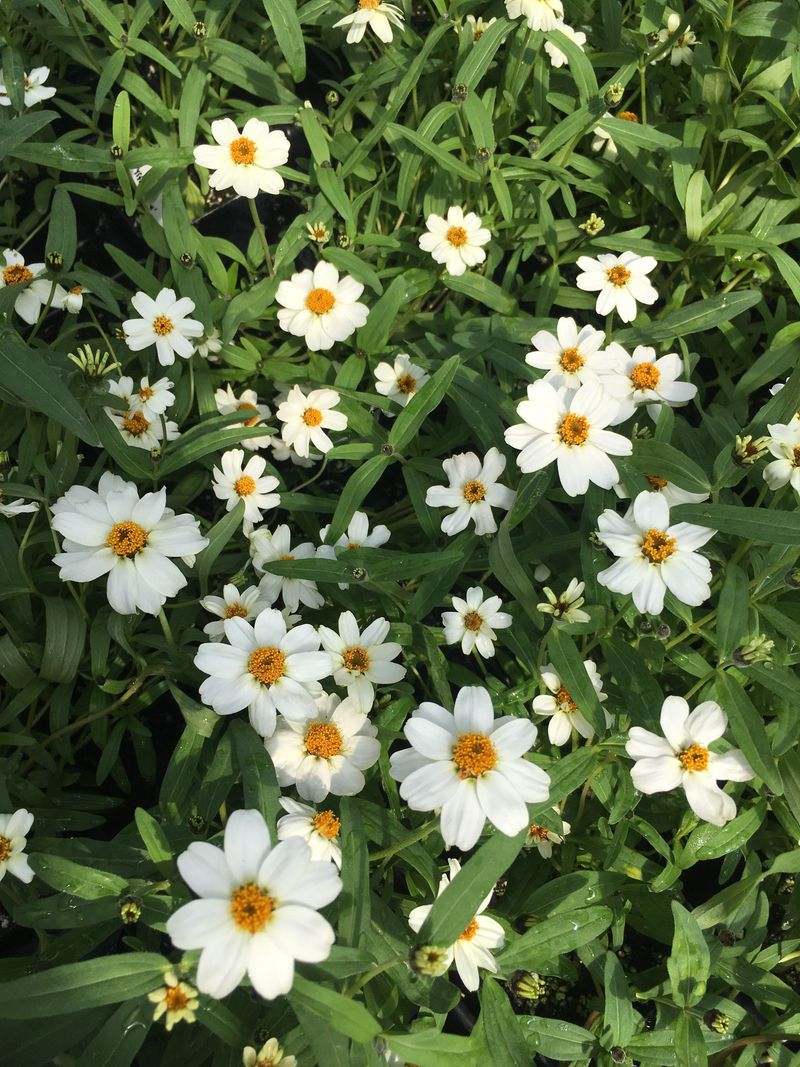
Most people picture big, bold blooms when they think of zinnias, but narrowleaf zinnias take a different approach entirely.
Also known as Zinnia angustifolia, this species produces smaller, daisy-like flowers on a tidy, spreading plant that rarely grows more than 12 to 16 inches tall.
The result is a low-maintenance plant with a clean, structured look that works beautifully along bed edges and in informal sunny borders.
One of the standout qualities of narrowleaf zinnias is how well they handle intense summer heat. Their smaller leaf surface and open growth habit help with airflow, which matters a lot in gardens where humidity stays high for weeks at a time.
They are also more naturally resistant to powdery mildew than many of the large-flowered types, making them a quieter but reliable performer when conditions get tough.
The flowers are charming rather than showy, usually in shades of orange, white, or yellow with a simple, open petal arrangement. They attract pollinators consistently and bloom for a long stretch through the warm season.
Because the plants stay compact and do not flop or spread aggressively, they are easy to work into mixed plantings without overwhelming neighboring flowers.
If you have a spot where larger zinnias feel too bulky or where you need something that edges cleanly without much trimming, narrowleaf types are worth a close look. They grow well in sandy, well-drained soil with full sun, which describes a lot of warm-climate garden beds perfectly.
Seed is widely available and germinates quickly once temperatures are warm and consistent, making them easy to get started from scratch.
4. State Fair Zinnias Make Big Blooms Worth The Space
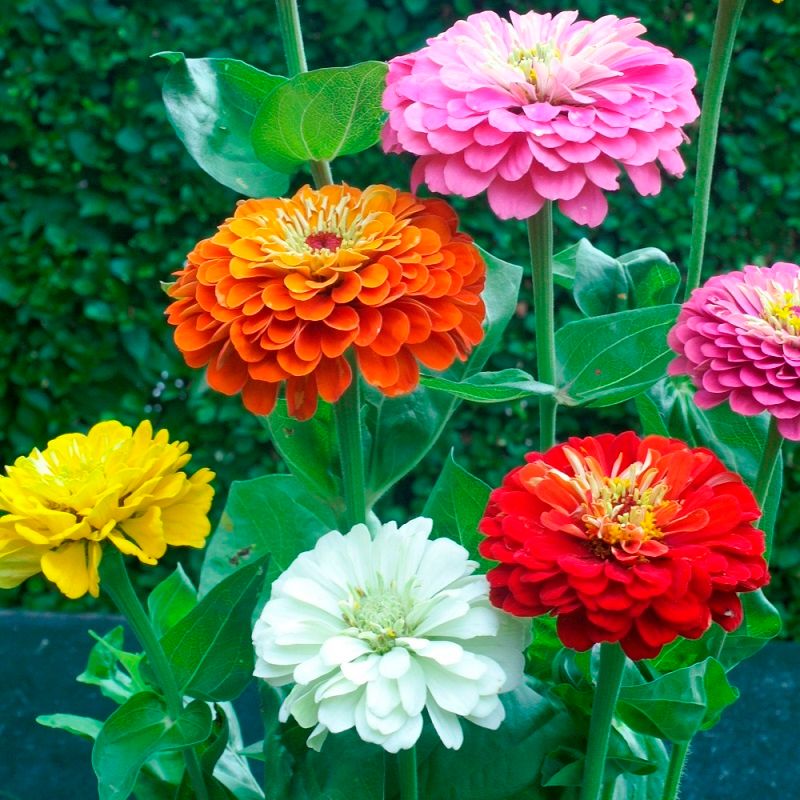
Bold, tall, and unapologetically showy, State Fair zinnias are the type that stop people in their tracks when they walk past a sunny bed.
These plants can reach two to three feet tall with flowers that stretch three to five inches across, making them one of the most dramatic zinnia options available.
If you want a statement planting that fills a large sunny border with color, this is a strong candidate.
That size comes with some practical requirements. State Fair zinnias need full sun, generous spacing, and good airflow to perform well in warm, humid conditions.
Crowding these tall plants together is one of the fastest ways to invite fungal problems, since their large leaves and dense growth can trap moisture close to the stems. Giving each plant at least 12 inches of breathing room, and ideally more, helps keep them healthier through the growing season.
Because of their height, State Fair zinnias may not be the best fit for small containers or tight spots near walkways where they could become leggy or top-heavy. They shine in wide, open beds where their vertical presence adds structure and drama.
Staking is sometimes needed in exposed spots where afternoon winds are common, particularly in coastal gardens or open yards.
Planting timing matters with tall zinnias. Getting them in the ground early enough to establish before peak summer heat gives them a stronger start.
In South gardens, that often means early spring planting. Panhandle gardeners can push into late spring.
Direct sowing is fine once soil is warm, and these fast-growing plants typically begin blooming within two months of germination.
5. Benary’s Giant Zinnias Are Best For Cutting Gardens
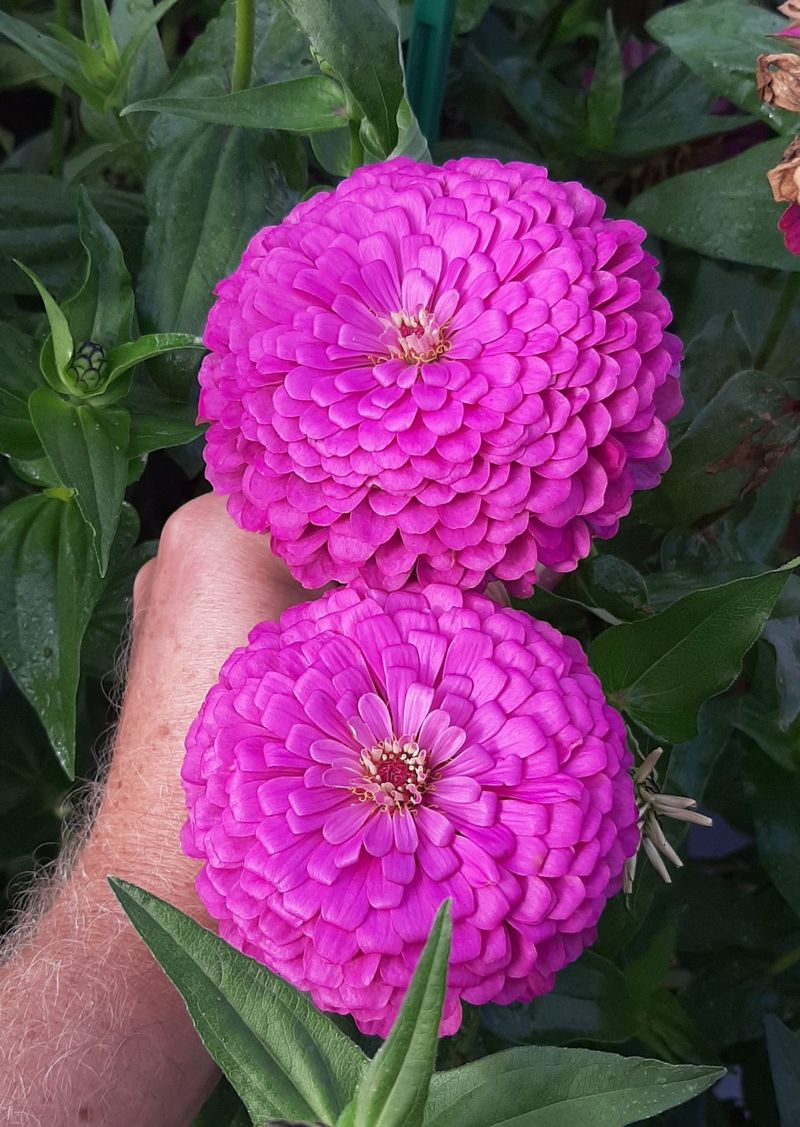
Ask almost any serious cutting garden grower which zinnia they reach for first, and Benary’s Giant comes up again and again. These tall, sturdy plants produce large, fully double blooms on long stems that hold up beautifully in a vase.
For anyone who loves bringing fresh flowers indoors through the warm season, they are hard to beat for sheer cutting-garden value.
Benary’s Giant plants typically grow two to three feet tall, sometimes taller in ideal conditions, with blooms that can reach four inches or more across. The color range is impressive, covering deep red, coral, orange, purple, lime, salmon, and white.
Stems are strong enough to support the large flower heads without flopping, which is one of the qualities that sets this series apart from older tall zinnia types.
That said, these plants need room to breathe. In warm, humid gardens, spacing is critical.
Planting too close together creates the kind of still, damp environment where powdery mildew and other fungal issues get a foothold. Aim for at least 12 inches between plants, water at the base rather than overhead, and plant in a spot with full sun and good drainage.
Benary’s Giant zinnias are not marketed as disease-resistant varieties. Good spacing, careful watering, and strong airflow matter more here than with some other types.
They are best started from seed indoors a few weeks before transplanting, or direct sown once conditions are warm and settled.
For gardeners in Central or South gardens aiming for spring and early summer bouquets, getting seeds started early gives the best results before intense heat arrives.
6. Dreamland Zinnias Keep Containers Compact And Colorful
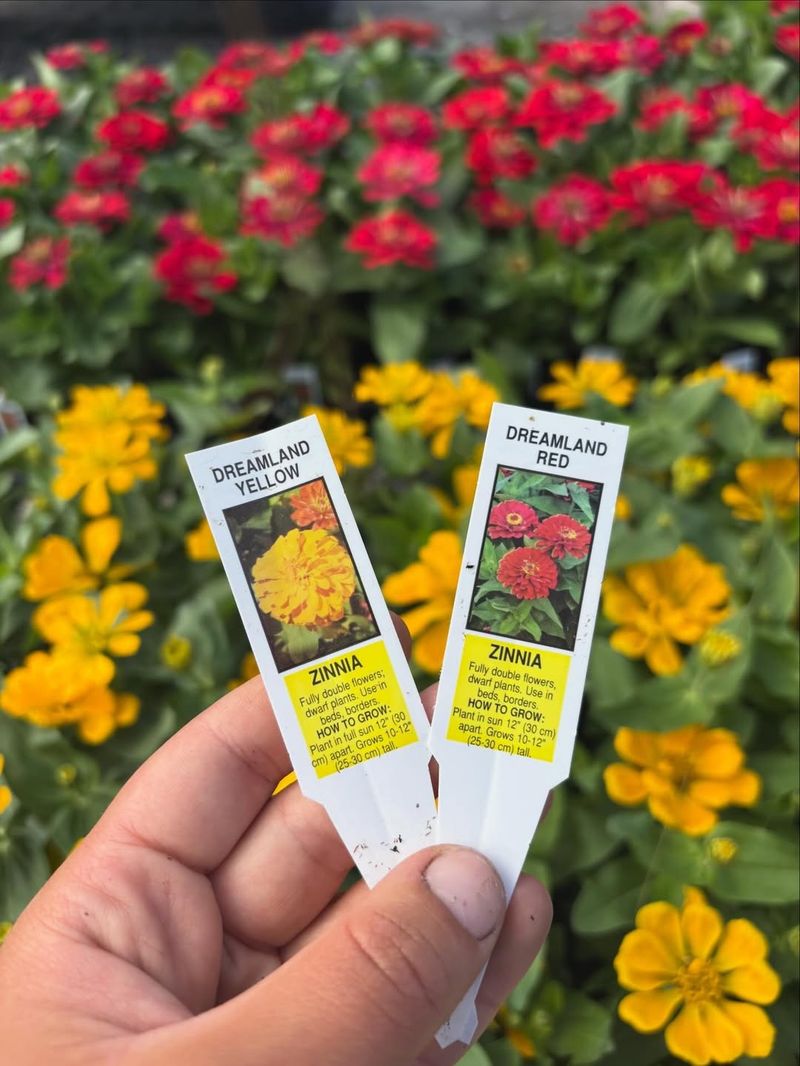
Not every gardener has wide open beds to work with. For smaller spaces, patios, balconies, and front-of-border spots, Dreamland zinnias fill the role that taller cutting types simply cannot.
These compact plants stay around 10 to 12 inches tall while still producing large, double flowers that look almost oversized for the plant size. That combination of bold blooms and restrained growth is exactly what makes them so useful in tight spaces.
Dreamland zinnias are a solid container choice, but containers come with their own set of demands. Drainage is non-negotiable.
A pot that holds water at the bottom will stress the roots and make the plant more vulnerable to disease. Use a well-draining potting mix, make sure the container has drainage holes, and avoid leaving saucers full of standing water under your pots.
Full sun exposure, at least six hours daily, keeps the blooms coming steadily.
Container plants also dry out faster than in-ground plantings, especially during hot, dry stretches. Checking soil moisture regularly and watering at the base of the plant rather than over the foliage helps keep these zinnias healthy and blooming.
A slow-release fertilizer at planting time can support steady growth without the need for frequent feeding.
Color options in the Dreamland series include red, pink, yellow, orange, coral, and white, giving gardeners plenty of flexibility for coordinating container combinations.
They work well paired with trailing plants or lower-growing annuals that share the same sun and drainage needs.
For Panhandle gardeners with a longer cool season, Dreamland zinnias keep containers colorful from spring into fall. You may not need to switch plants as often.
7. Queen Series Zinnias Add Vintage Color To Sunny Borders
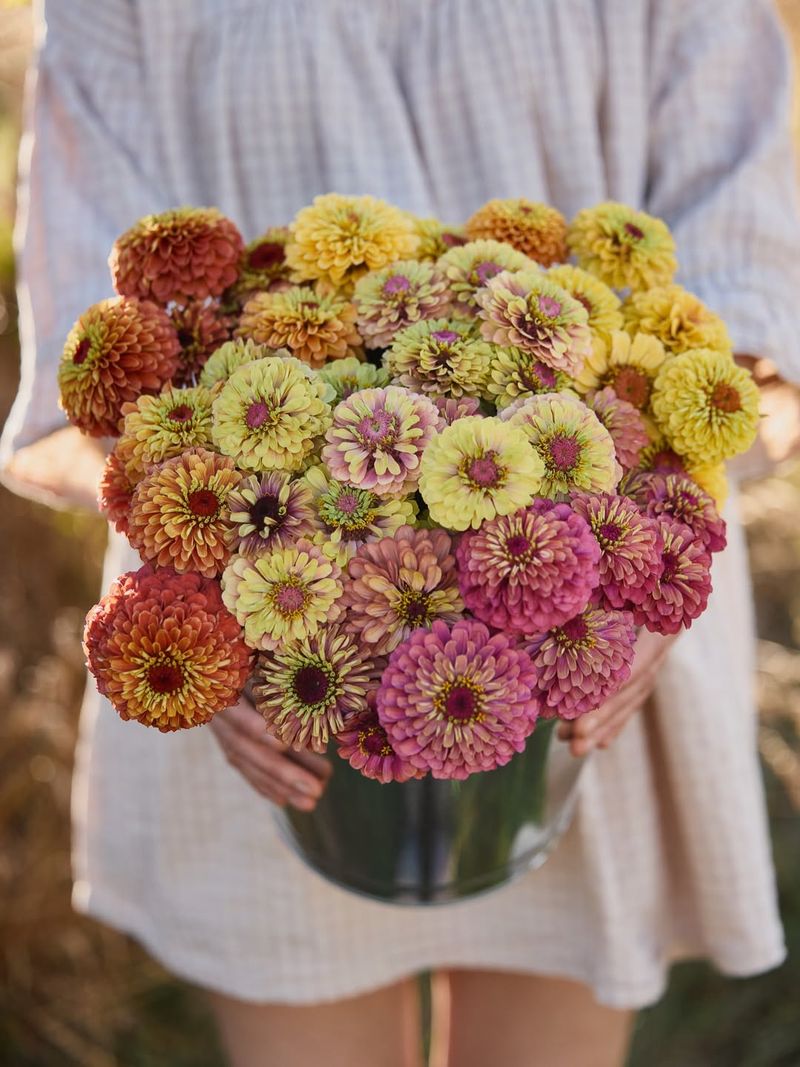
There is something genuinely different about Queen series zinnias. While most zinnias lean into saturated reds, bright oranges, and vivid pinks, Queen types offer a softer, more nuanced palette.
Think antique lime, blush, apricot, dusty rose, and warm orange tones that feel more like a vintage botanical print than a modern annual display. For gardeners who want something with a little more design personality, this series is worth knowing about.
Queen series zinnias are tall plants, often reaching two to three feet, and they produce large, semi-double to fully double blooms on long, sturdy stems. That height and stem length make them genuinely useful in cutting gardens alongside other specialty flowers.
The muted tones also pair beautifully with herbs, ornamental grasses, and other plants that have a more naturalistic feel in the garden.
Like all tall zinnias, Queen types need full sun, well-drained soil, and enough space between plants to allow air to circulate freely.
They are not marketed specifically as disease-resistant varieties, so following the same best practices that apply to other zinnias matters here too.
Water at the base, avoid overhead irrigation late in the day, and give each plant room to breathe.
Seed availability for Queen series zinnias has grown in recent years as more gardeners have discovered their design appeal. They are often found through specialty seed suppliers rather than big-box garden centers.
Starting seeds indoors a few weeks before your intended planting date gives you a head start on the season. In South and Central Florida gardens, early spring planting sets them up for the strongest performance before the peak of summer heat and humidity settle in.