Do These 7 Things The Moment Your Tomatoes In Ohio Start Flowering
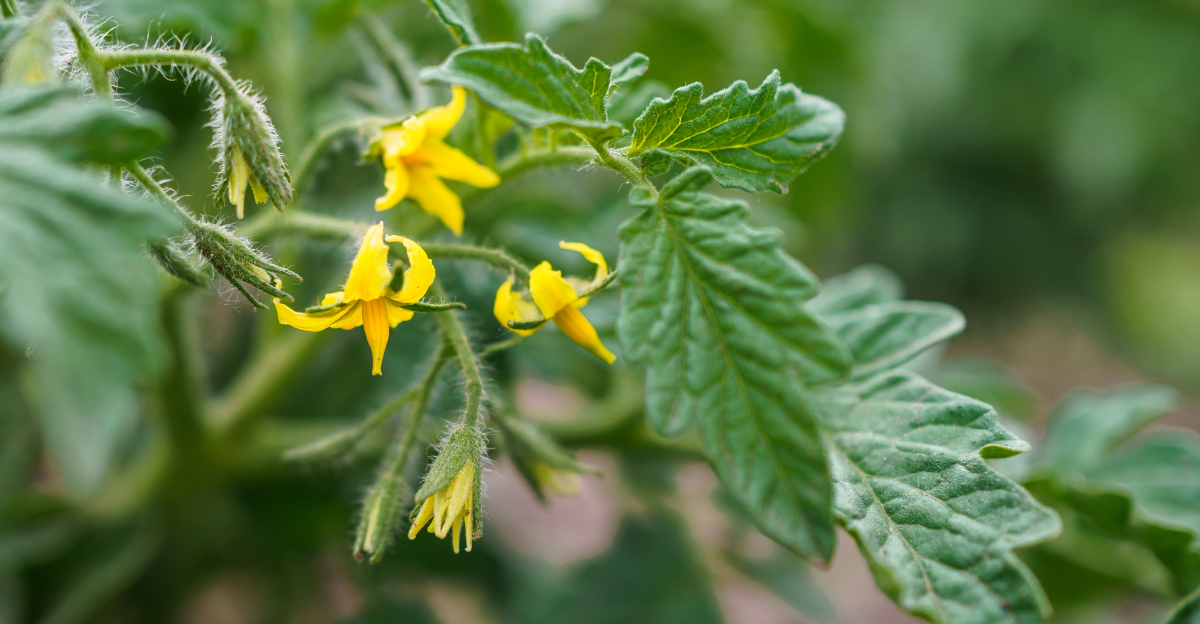
Tomato flowers feel like the garden’s first little promise. You spot those yellow blooms and immediately start picturing BLTs, sauce, salsa, and bowls of tomatoes on the counter.
But in Ohio, flowering is also the moment your plants stop being cute little transplants and start making demands. Water gets more important.
Feeding gets trickier. Support suddenly matters.
Heat, humidity, pests, and blossom drop can crash the party fast. Miss this window, and you may still get tomatoes, but not the kind of harvest you were bragging about in June.
The moment those first flowers open, your job changes from “keep the plant alive” to “help it set fruit.” These simple moves can make that shift smoother and give your Ohio tomatoes a much better shot at a heavy, healthy crop.
1. Check That Flowers Are Getting Good Pollination
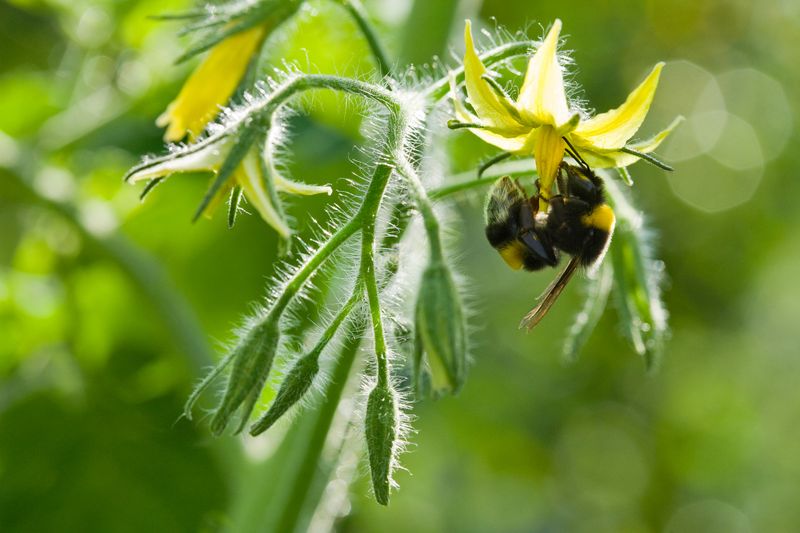
Good fruit starts with a flower that gets properly pollinated, and that part is not always guaranteed. Tomato flowers are self-fertile, meaning the male and female parts are in the same blossom.
But pollen still needs to move, and that usually happens with help from wind, vibration, or visiting insects like bumblebees.
According to Ohio State University Extension, bumblebees are especially effective at a behavior called buzz pollination, where they vibrate their bodies against the flower to shake pollen loose. Without that kind of movement, pollen can stay stuck and fruit may not form well.
You can gently shake flowering stems by hand if pollinator activity seems low, but that is not a fix for every situation.
Heat stress is one of the bigger threats to fruit set during flowering. When daytime temperatures climb well above 85 degrees Fahrenheit or nights stay too warm, pollen viability can drop.
Cool, wet weather creates its own problems by limiting pollinator activity and slowing pollen release. Humidity levels that are too high or too low can also affect how well pollen sticks.
Southern counties that heat up fast in early summer may see blossom drop before growers even notice a problem. Northern gardens with cool late-spring nights may experience slower fruit set early in the season.
Neither situation means the plant is failing. It usually means conditions need to shift slightly before fruit set improves.
Keeping plants healthy with steady water and good nutrition helps reduce overall stress. A stressed plant is less likely to hold its blossoms and set fruit, no matter how many pollinators are present.
2. Water Consistently Before Fruit Starts Swelling
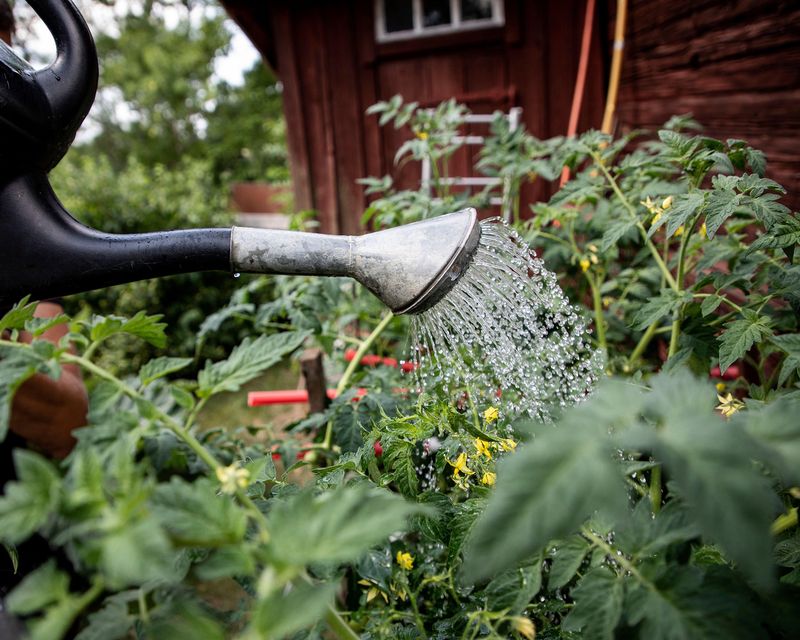
Steady soil moisture matters more during flowering and early fruit development than almost any other time in the growing season. Once blossoms appear and tiny fruit begins to form, uneven watering can stress the plant.
Later, that stress may show up as cracked fruit, poor texture, or blossom-end rot.
Blossom-end rot is not a disease. It is a calcium-related disorder that is often triggered by inconsistent soil moisture, which limits how well roots take up calcium.
OSU Extension notes that keeping soil moisture steady is one of the most important steps for reducing this problem. The goal is to water deeply and at the soil level rather than spraying foliage, which can promote disease.
Your Ohio Garden Changes Every Week. Your Plan Should Too.
Gardening in Ohio changes quickly throughout the season. Every Friday you’ll receive a simple weekly plan showing exactly what to plant, prune, fertilize, harvest, and protect so you never miss the right timing.
How often you need to water depends on your soil type, recent rainfall, temperatures, and whether your plants are in the ground or in containers. Heavy clay soil common in many parts of the state holds moisture longer but can become waterlogged after summer storms.
Sandy or loose soil drains faster and may need more frequent checking. Container plants dry out much faster than in-ground plants and need closer attention, especially during hot stretches.
Urban gardens that deal with reflected heat from pavement or walls may find soil drying out faster than expected. A simple way to check is to push a finger about two inches into the soil.
If it feels dry at that depth, it is likely time to water. Morning watering gives the soil time to absorb moisture before the heat of the day.
Avoid watering on a rigid schedule without checking conditions first. Plants in different spots of the same yard can have very different moisture needs.
3. Mulch The Soil Before Rain Splashes Leaves
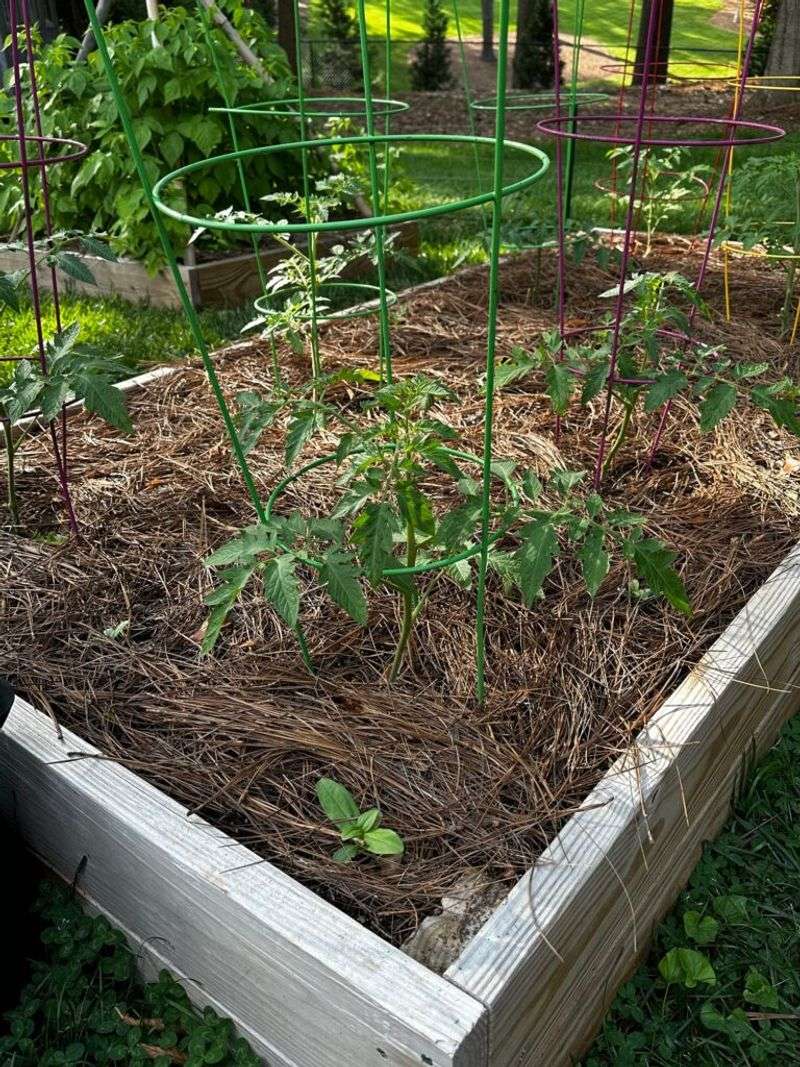
Mulch is one of those tools that does several jobs at once, and flowering time is exactly when you want it in place. A good layer of mulch helps soil hold moisture longer between waterings and keeps weeds from competing for nutrients.
It also reduces bare soil splashing onto lower leaves during rain or watering.
That last point matters more than it sounds. Soil splash is one of the main ways fungal diseases like early blight spread to lower leaves.
OSU Extension recommends mulching as part of a broader strategy to reduce disease pressure on tomato plants. Organic mulches like straw or wood chips work well for most home gardens.
Plastic mulch is also used by some growers and has its own advantages for warming soil and blocking weeds.
Whatever type you use, keep mulch from being piled directly against the stem. Mulch touching the stem can hold moisture against it and create conditions that invite problems.
Leave a small gap around the base of the plant and spread the mulch out a few inches in every direction.
A mulch layer of about two to four inches is generally recommended, though the right depth can vary by material. Thicker is not always better, especially with dense materials that can limit water from reaching the soil.
Northern gardens and lake-influenced areas that get more spring rain may especially benefit from mulch as a buffer against wet conditions. In urban gardens with compacted soil, mulch can also help slow runoff and give water more time to soak in.
Getting mulch down before the heaviest summer storms arrive is better than waiting.
4. Secure Stems Before Heavy Fruit Pulls Them Down
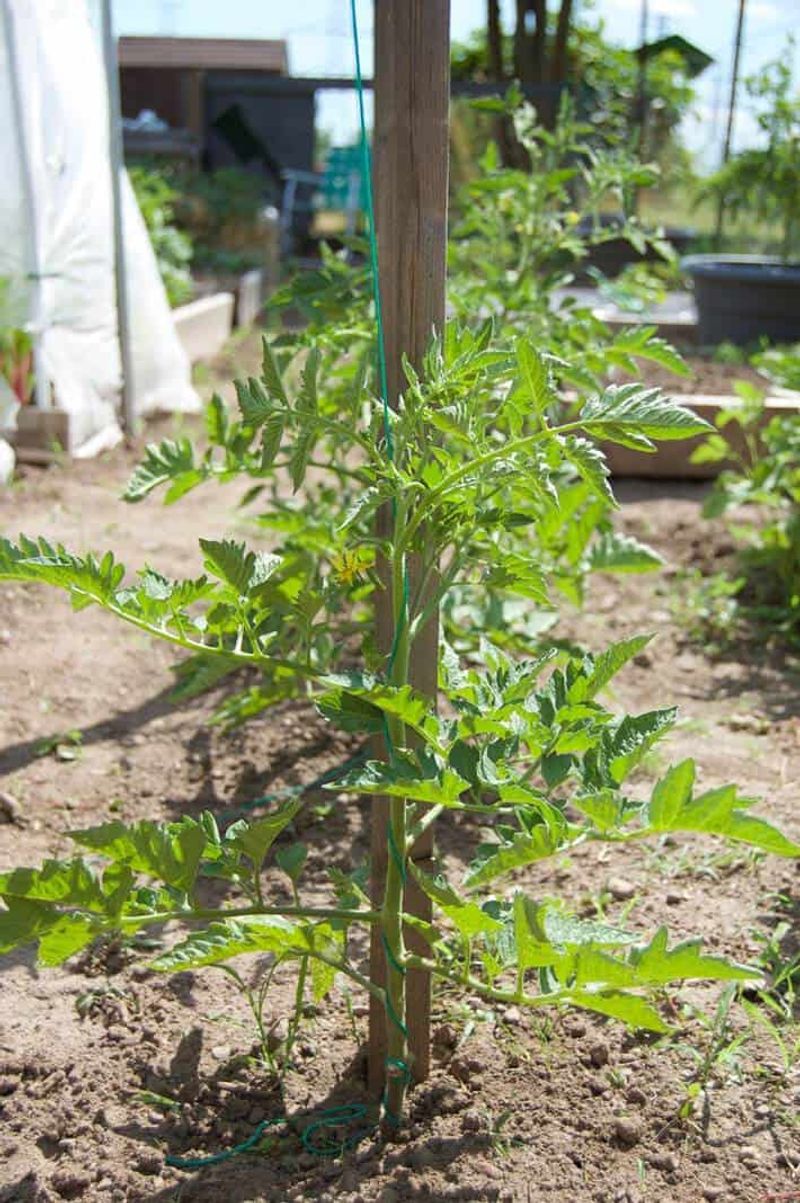
Flowering is the signal that fruit weight is coming, and support structures need to be ready before that weight arrives. A plant that falls over or bends under developing fruit is harder to manage.
It is also more prone to disease from soil contact and harder to harvest cleanly. There are several support options that work well for home gardens.
Cages work for many determinate and some indeterminate varieties, though standard wire cages sold at garden centers are often too small for vigorous indeterminate types.
Sturdy stakes driven deep into the ground work well when paired with soft ties that hold stems without cutting into them.
Trellis systems and Florida weave techniques are also used by growers who have multiple plants in a row.
OSU Extension notes that support choice often depends on the tomato type and the space available in your garden. Indeterminate varieties keep growing and setting fruit all season.
They usually need taller, sturdier support than determinate types that fruit over a shorter period.
Check your supports now, before the plant gets heavier. A cage that tips over or a stake that was not driven deep enough can become a real problem once fruit is forming.
Tie stems loosely with soft garden tape or strips of cloth. Tight ties can damage stems as they thicken.
Urban gardeners using containers should make sure the container is heavy enough to stay stable once a support stake is added. A tall plant in a light container can tip easily.
Southern counties that get afternoon wind and storm activity may want to check ties after every major storm to make sure nothing has shifted or tightened.
5. Improve Airflow Before Disease Pressure Builds
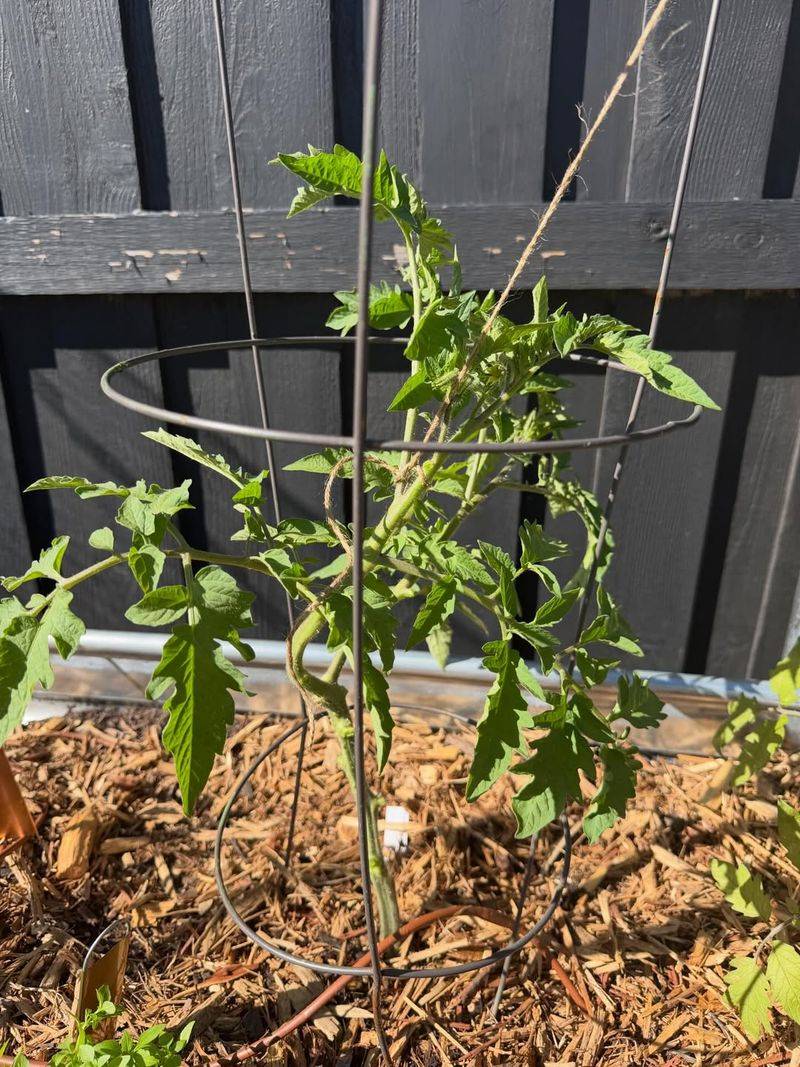
Summer humidity and crowded plants are a combination that tends to favor fungal diseases. Once tomatoes start flowering, the canopy fills in fast.
Leaves that are packed closely together stay wet longer after rain or morning dew, and that extra moisture creates conditions where diseases like early blight and Septoria leaf spot can spread more easily.
Improving airflow is one practical way to reduce that risk. OSU Extension guidance on tomato diseases emphasizes proper spacing and lower-foliage management.
Both are part of an integrated approach to disease control. Removing leaves that are touching or very close to the soil surface can help reduce the main entry points for soil-borne pathogens.
This is especially useful when combined with mulch.
Pruning beyond that takes more caution. Removing too many leaves reduces the plant’s ability to photosynthesize and can stress it during fruiting.
Focus first on lower leaves that are yellowing, damaged, or in contact with the soil before removing anything else.
Spacing plants according to the recommendations on the seed packet or transplant tag matters from the start. Plants set too close together are harder to fix once they are established.
If your garden is already crowded, focus on managing the lower canopy and making sure water is directed to the soil rather than sprayed over the top of the plants.
Lake-influenced areas that stay cooler and wetter into summer may see disease pressure arrive earlier than gardens in drier parts of the state. Heavy clay soil that drains slowly can also keep the base of plants wetter for longer after storms.
Good airflow does not prevent all disease, but it gives leaves a better chance to dry out between wet periods.
6. Feed Carefully So Leaves Do Not Outpace Fruit
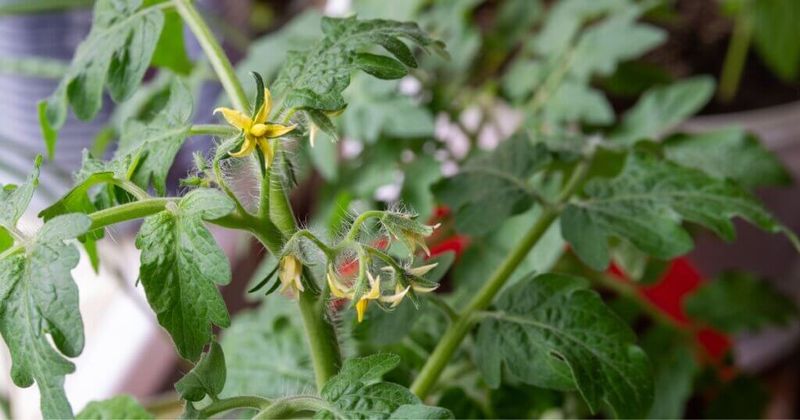
Fertilizing at the right time with the right product can support fruiting, but getting it wrong can push the plant in the wrong direction. Too much nitrogen after flowering begins often results in lush, dark green leafy growth while fruit development lags behind.
That trade-off is frustrating when you are hoping for tomatoes, not a bushy plant.
OSU Extension recommends getting a soil test before adding fertilizer, especially if you have not tested your soil recently. A soil test tells you what nutrients are actually available so you are not guessing or over-applying something the soil already has enough of.
Your local OSU Extension office can provide guidance on how to get a soil test done and how to read the results.
Once flowering starts, many growers shift to fertilizers with lower nitrogen and higher phosphorus and potassium. The goal is to support root health and fruit development.
But the right approach for your garden depends on what your soil test shows, not on a general rule that applies to every situation.
Container plants need more attention here because nutrients wash out of containers faster with regular watering. A plant in a pot on a patio in an urban garden may need more consistent feeding than one growing in well-amended garden soil.
Even so, more is not always better. Follow label directions and Extension guidance rather than doubling up on applications.
Keep records of what you apply and when. If something goes wrong later in the season, having notes about your fertilizer timing and products makes it much easier to figure out what happened and adjust for next year.
7. Watch Early Problems Before They Spread Fast
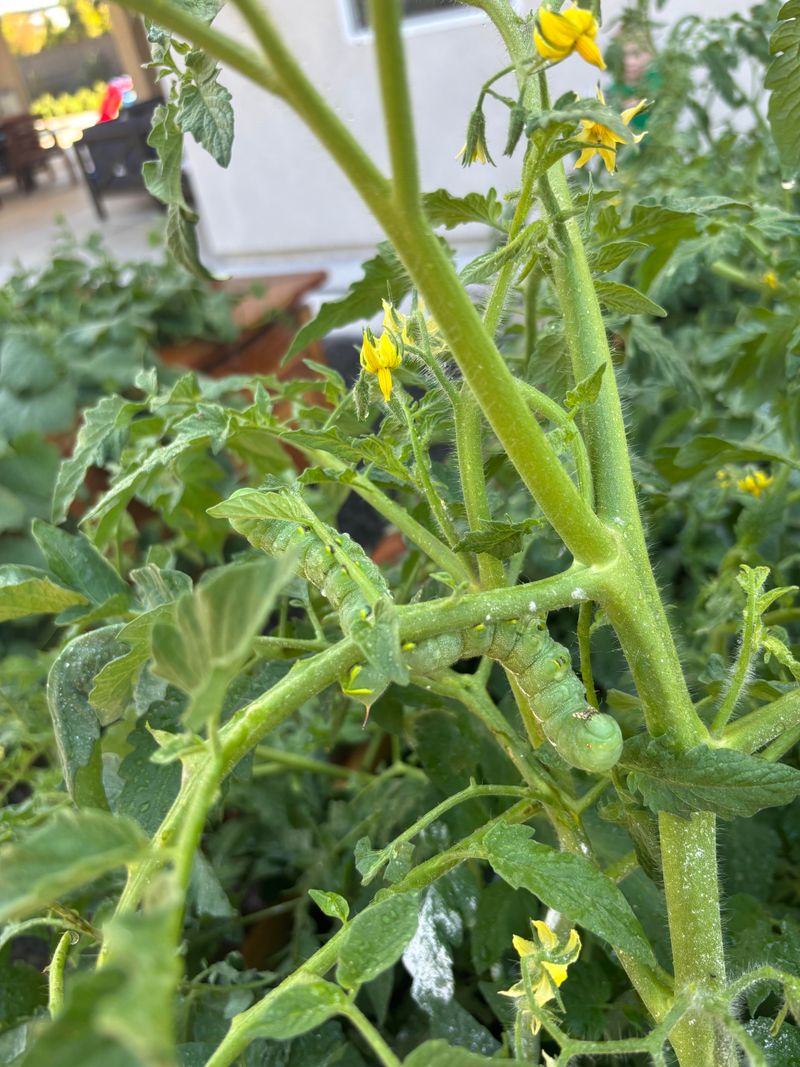
The weeks right after flowering begins are when small problems can quietly become big ones. A few yellowing leaves, a handful of chewed edges, or a couple of wilted stems can each be easy to overlook when you are focused on watching blossoms form.
But catching issues early gives you more options and usually means less work overall.
Walk through your garden regularly and look at the whole plant, not just the fruit. Check the undersides of leaves for insects, eggs, or webbing.
Look at lower leaves for dark spots, yellow halos, or powdery residue that might signal a fungal issue. Check the base of the plant for any soft or discolored tissue.
Look at developing fruit for dark, sunken spots at the blossom end, which can signal the calcium and moisture issue mentioned earlier.
OSU Extension and OSU Ohioline offer identification guides for common tomato problems in the region, including early blight, Septoria leaf spot, hornworms, aphids, and other pests. Using those resources for diagnosis is far more reliable than guessing.
Treatments vary depending on what the actual problem is, and applying the wrong product wastes time and money.
Northern gardens dealing with a shorter season may feel pressure to push through problems rather than address them. But a plant managing a heavy disease load or pest pressure during fruiting will struggle more than one that got early attention.
Southern counties that warm up fast may see certain pests arrive earlier in summer.
Not every spot or chewed leaf is a crisis. But knowing what you are looking at helps you decide whether to act now or simply keep watching.
That awareness is one of the most useful habits a home grower can build.