The Reason Minnesota Gardeners Are Burying Pine Cones And Why It Works
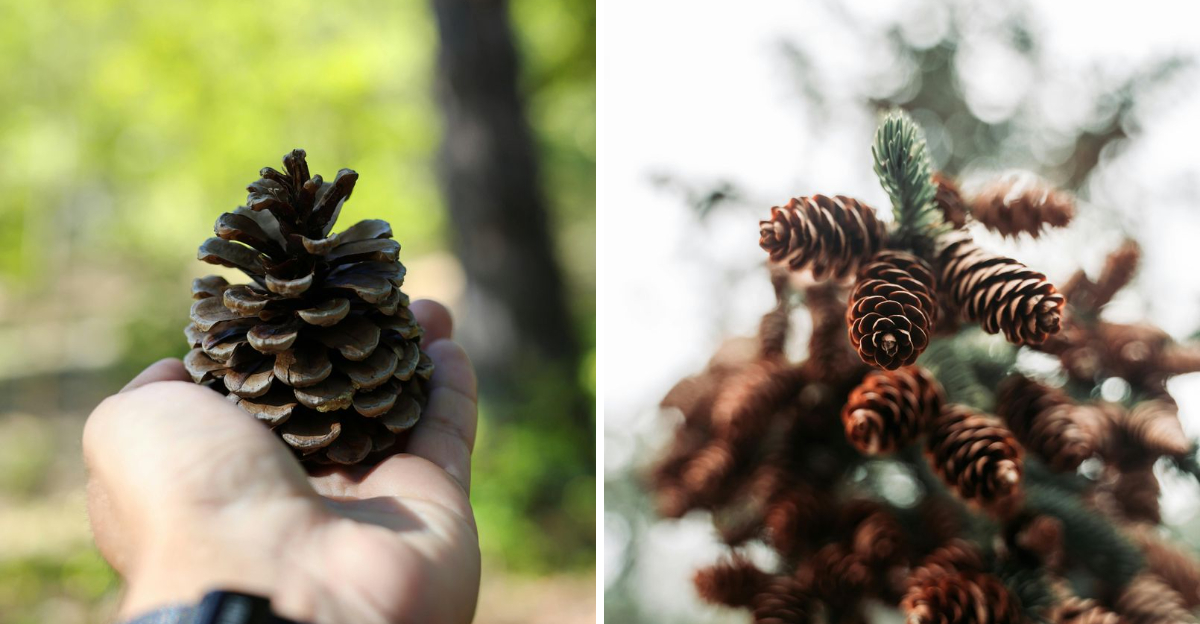
Your pine cones called. They want a job in your garden.
Minnesotans across the state are skipping the expensive soil bags and burying what is already falling from their trees. And their gardens are quietly thriving because of it.
The idea is simple. Buried pine cones break down slowly into organic matter, helping loosen compacted soil, improve drainage, and give roots a little more room to breathe.
Minnesota soil can be pretty uncooperative, and sometimes the best solution comes from the forest floor rather than a pricey bag at the garden center. No special tools, no complicated steps.
Just pine cones doing what pine cones have always done, only this time on purpose. So before you bag up that pile of cones by the fence, you might want to hear what they can actually do for your garden first.
1. Your Soil Is Drowning And Pine Cones Can Help
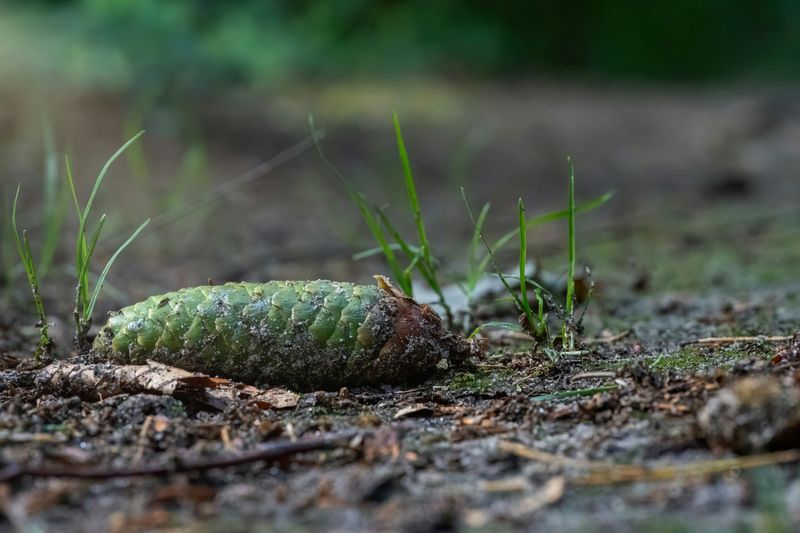
You did everything right. You watered carefully.
The rain came at just the right time, and then you walked outside to find your garden beds sitting under an inch of standing water. Sound familiar?
The rain is rarely the villain here. More often than not, the soil is the one letting you down.
Minnesota clay soil is notorious for holding water too long.
It compacts easily, leaves almost no room for air pockets, and basically suffocates roots from below.
That is where pine cones come in, and the fix is simpler than you might expect.
When you bury pine cones a few inches below the surface, they create tiny gaps and channels in the soil.
Those gaps allow excess water to drain through instead of pooling around your plant roots.
Over time, as the pine cones slowly break down, they also add organic matter that loosens the soil even further.
Think of pine cones as natural spacers working quietly beneath the surface. They create small gaps that give water somewhere to go.
And as they slowly break down over the years, they add organic matter that helps keep those channels open. In a state like Minnesota where spring rain can be relentless, having natural drainage built into your beds makes a real difference.
You do not need expensive tools or bags of soil amendment, just the pine cones already falling in your yard.
2. Compacted Soil Ruins Roots And Here Is What Helps
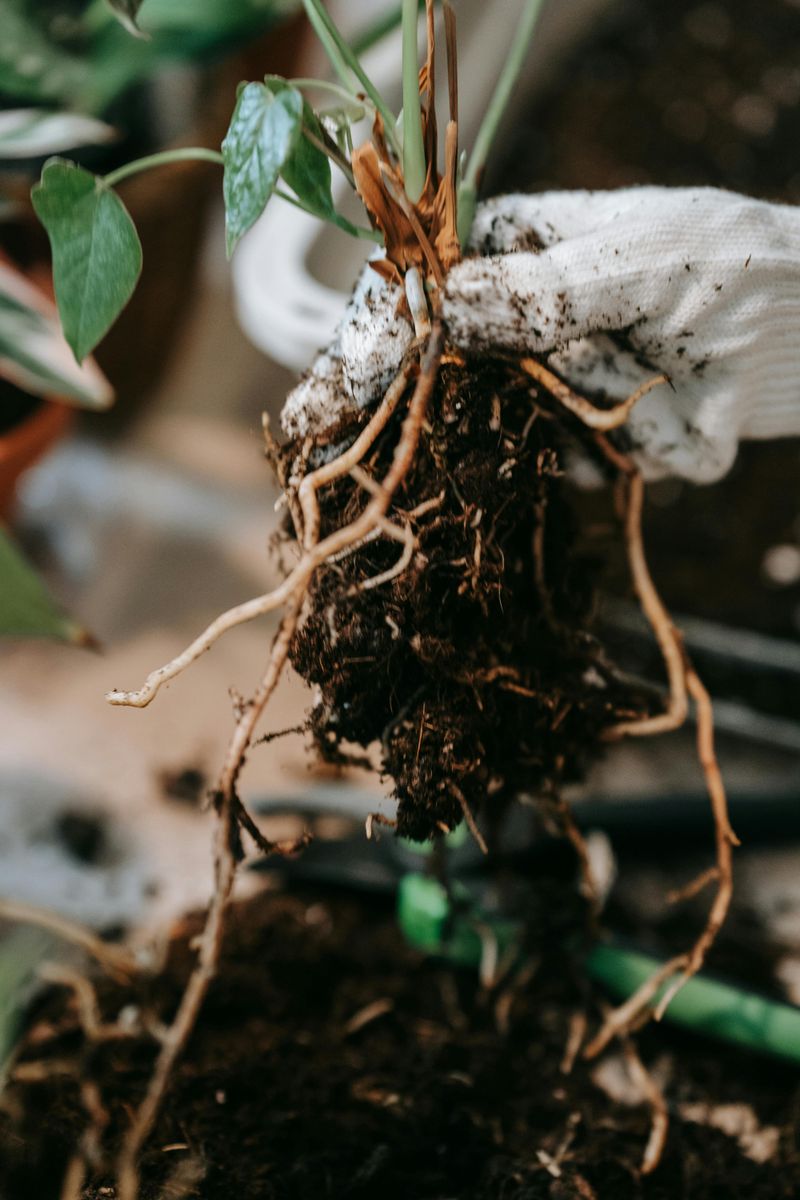
Roots need room to breathe, stretch, and grow downward without resistance. In Minnesota, foot traffic, heavy equipment, and repeated freeze-thaw cycles gradually turn garden soil dense and unforgiving by midsummer.
Once compaction sets in, even resilient plants begin to show the strain.
A tiller can help short term, but it disrupts soil structure over time and brings dormant weed seeds to the surface. Burying pine cones in problem areas offers a gentler, longer-lasting alternative.
As they decompose over two to five years, they contribute carbon-rich organic matter that slowly improves soil texture and gives roots more room to move through.
Your Minnesota Garden Changes Every Week. Your Plan Should Too.
Gardening in Minnesota changes quickly throughout the season. Every Friday you’ll receive a simple weekly plan showing exactly what to plant, prune, fertilize, harvest, and protect so you never miss the right timing.
Earthworms are naturally attracted to decomposing organic material, and their tunneling through the soil does additional loosening work without any effort on your part.
Results take time. Pine cones are dense and break down gradually, so noticeable changes in soil texture tend to develop over several seasons rather than one.
For faster improvement, pair buried pine cones with a surface layer of compost and try to limit foot traffic across your beds. A handful of cones spaced roughly every twelve inches throughout a bed is a reasonable starting point.
Patience is part of the process.
Ready to trade compacted, struggling soil for something your roots will actually enjoy growing through?
3. Pine Cones Can Help Soil Hold Moisture Longer
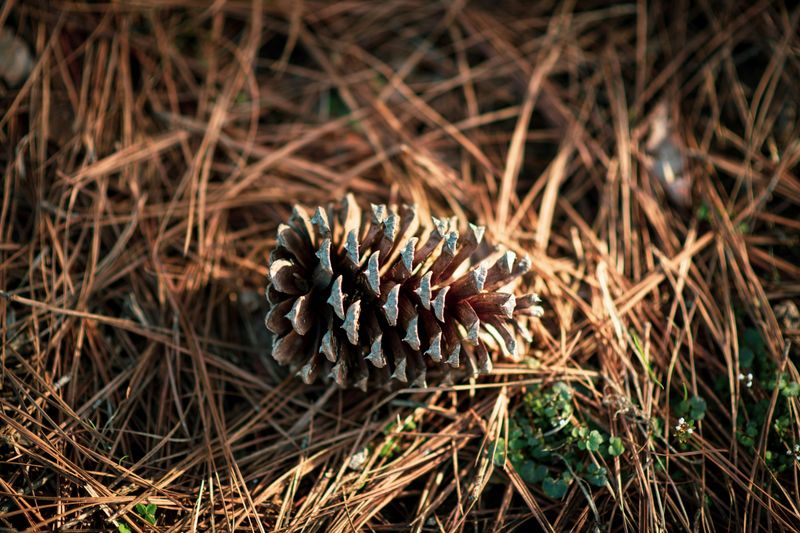
Watering every single day during a Minnesota summer gets exhausting fast. You drag the hose out, soak the beds, and two days later the soil is bone dry again.
Buried pine cones can help modestly with moisture retention. As woody organic matter, they absorb some water during rain or irrigation and release it slowly as the surrounding soil dries.
The effect is real but modest. Pine cones are dense and resinous, so they hold far less water than dedicated amendments like coconut coir or perlite mixes.
Think of them as a small supplemental buffer, not a replacement for good soil structure.
The more significant benefit comes as pine cones break down over years, adding organic matter that improves the soil’s overall ability to hold moisture. That long-term improvement is worth more than any short-term water-holding effect.
For best results, bury pine cones four to six inches deep and combine them with compost, which provides immediate and substantial moisture retention benefits. Together they make a stronger combination than either would alone.
4. Free Surface Mulch Already In Your Yard Helps More Than You Think
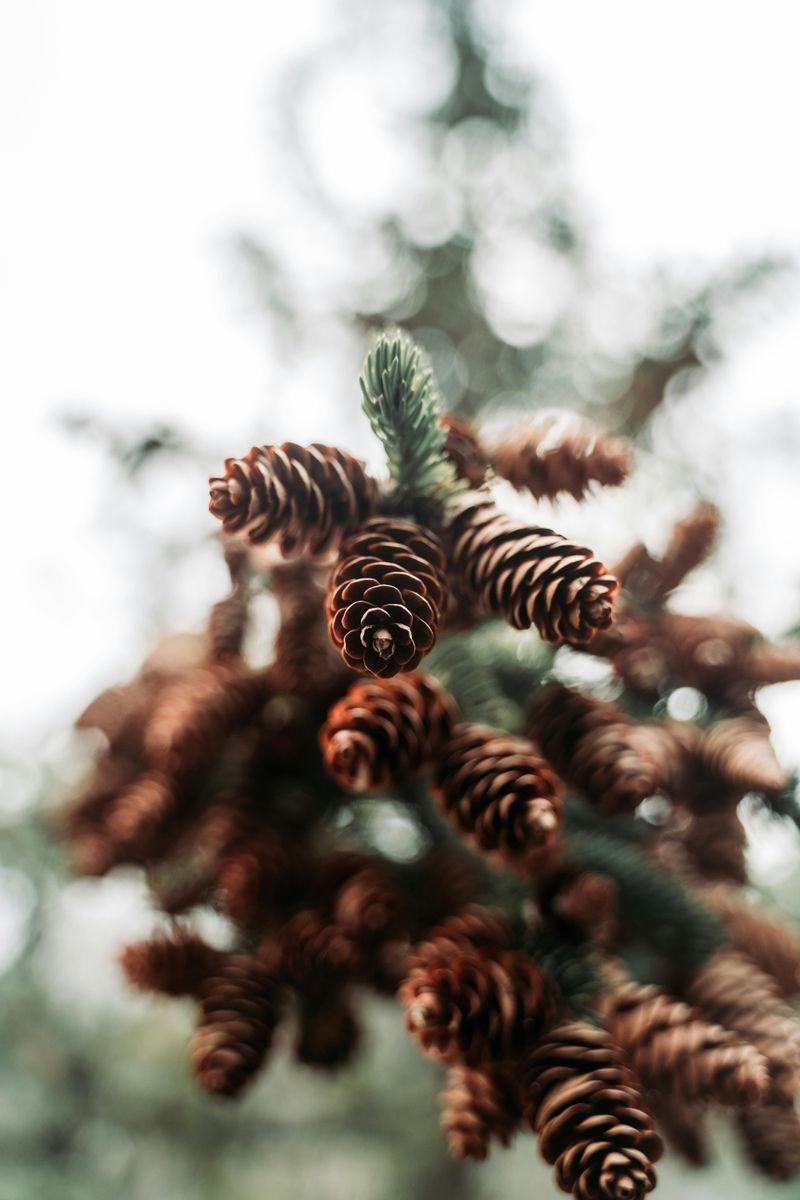
Image Credit: © James Smith / Pexels
Every fall in Minnesota, pine cones drop by the hundreds across lawns and garden beds.
Most people rake them up and toss them in the trash, not realizing they are throwing away some of the best free organic matter available.
That is a missed opportunity worth fixing.
Pine cones are loaded with carbon-rich material that breaks down into a coarse, crumbly compost over time.
When buried in garden soil, they feed the microbes and fungi that keep your soil biology healthy and active.
Healthy soil biology means stronger plants, better nutrient uptake, and fewer problems overall.
The decomposition process for pine cones is slower than leaves or grass clippings, which is actually a good thing.
Slow decomposition means a steady, long-term release of nutrients rather than a quick spike that fades fast.
For Minnesota perennial beds and vegetable gardens that need consistent feeding across a long season, that slow burn is exactly what you want.
You can speed up the breakdown by cracking or crushing pine cones before burying them.
Smaller pieces decompose faster and integrate into the soil more quickly.
If you have several pine trees on your property, you have a nearly unlimited supply of free soil amendment right outside your door.
Minnesota gardeners who compost regularly will find pine cones a useful complement to what they are already doing. They are not a replacement for compost, which delivers far more in the way of nutrients.
As a long-term carbon source to support soil biology, though, they earn their place in any bed.
One thing worth keeping in mind is that pine material lowers soil pH as it breaks down. Most vegetables and many flowering plants prefer a neutral to mildly acidic soil.
If you are already gardening on the more acidic end of the spectrum, it is worth testing your soil periodically and adjusting with lime if needed. Used in reasonable quantities this is easy to manage, but it is good to know going in.
5. Surface Mulch From Pine Cones Helps Nourish Your Soil For Seasons
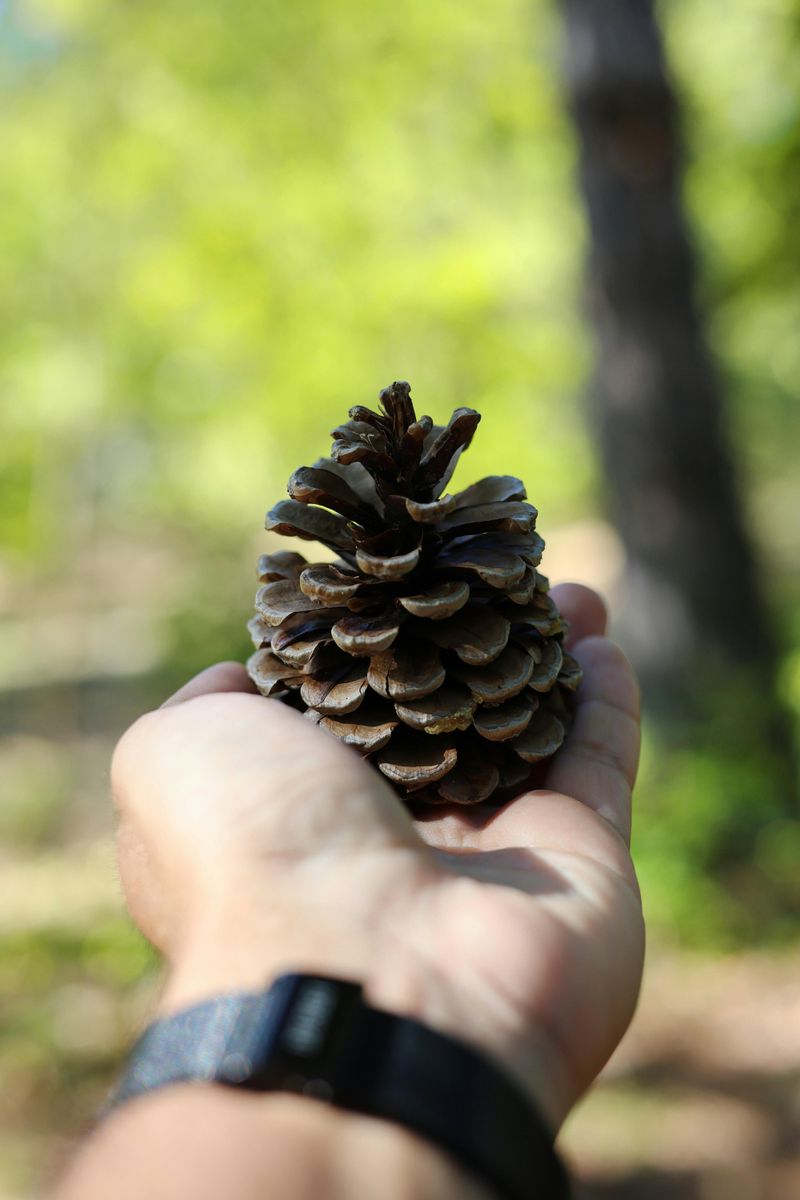
Image Credit: © Ivan Georgiev / Pexels
Most garden amendments demand a yearly commitment. Buy it.
Spread it. Repeat it next spring.
Buried pine cones work on a completely different timeline, and that is exactly what makes them worth knowing about.
A single buried pine cone can take two to five years to fully decompose, depending on soil moisture, temperature, and cone size.
During that time it is slowly releasing carbon that feeds the microbes and fungi responsible for healthy soil biology. Strong soil biology means better nutrient cycling, improved structure, and more resilient plants over time.
It is worth being clear about what pine cones do not provide: they are not a nutrient source.
Their nitrogen, phosphorus, and potassium content is negligible, so they cannot replace compost or fertiliser for feeding your plants. They feed the soil ecosystem, not the plants directly.
The tannins in pine cones are also worth understanding honestly. They do have some antifungal properties, which can be a mild benefit.
However, tannins are also allelopathic, they can inhibit seed germination and suppress plant growth in the surrounding soil.
This effect is generally stronger with fresh pine material than well-decomposed cones. It is worth avoiding burying large quantities of pine cones directly around seedlings or in beds where you are sowing seeds.
Around established perennials and shrubs, the risk is considerably lower.
6. Frost Heaving Is Ruining Your Bulbs Every Single Spring

If you have ever planted bulbs in fall and come out in April to find them sitting on top of the ground instead of under it, you have experienced frost heaving.
It is one of the most common and discouraging problems for Minnesota bulb gardeners.
The soil freezes, expands, thaws, contracts, and in the process, it pushes bulbs right up to the surface where they are exposed and vulnerable.
Buried pine cones help reduce frost heaving by improving soil structure and drainage.
When water cannot drain properly, it pools in the soil, freezes, and expands with extra force.
Pine cones create drainage channels that allow that water to move through rather than sitting and freezing around your bulbs.
The insulating effect of pine cones also keeps soil temperatures more even, which reduces the freeze-thaw cycling that causes heaving in the first place.
Fewer temperature swings mean less soil movement, and less soil movement means your bulbs stay where you planted them.
Place pine cones a couple of inches below your bulb layer when planting in fall.
This puts them right where the drainage and insulation are needed most.
Minnesota gardeners who have tried this report noticeably fewer heaved bulbs come spring, and a lot more blooms to show for it. Do the work once in October and let May take care of the rest.
Your tulips will thank you.
7. Pine Cone Surface Mulch Helps Keep Your Weeds Away
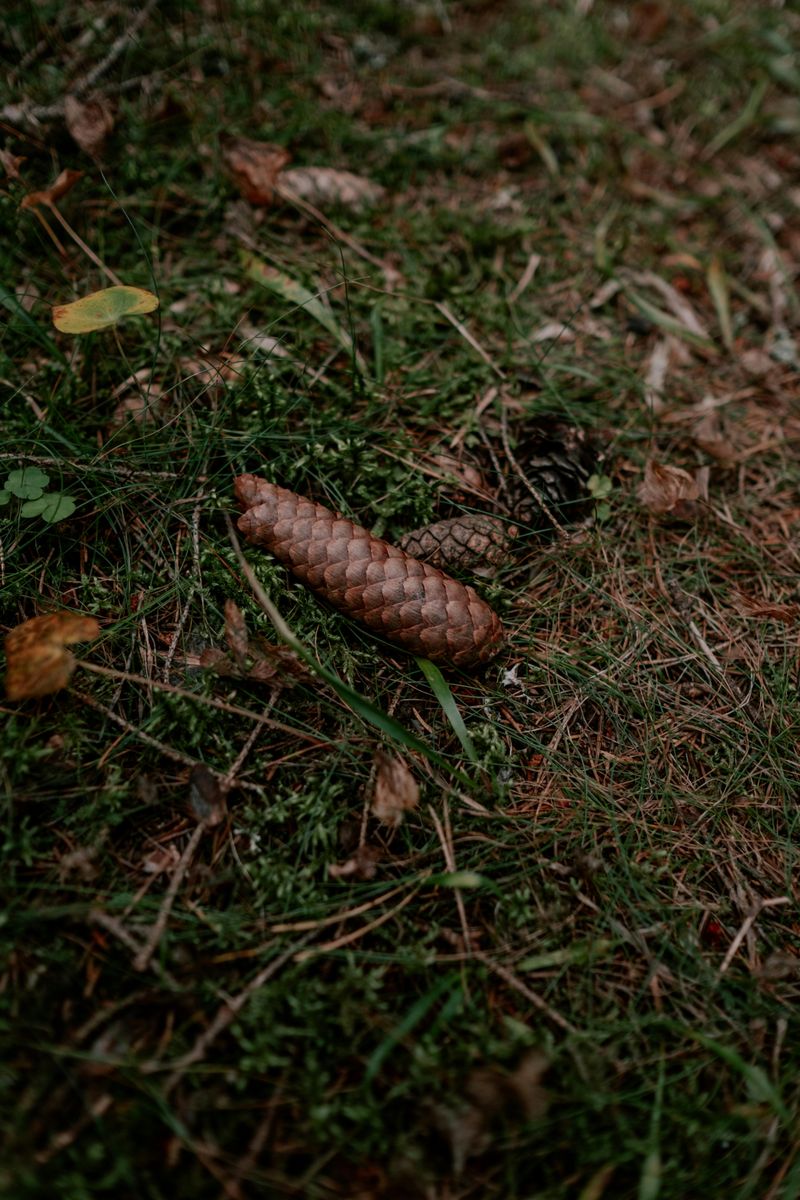
Weeds in Minnesota are relentless. They sprout before your vegetables, spread faster than your flowers, and seem to laugh at every attempt to stop them.
Pine cones can be part of your approach to managing them, but knowing where they work well and where they do not makes all the difference.
Used as a surface mulch layer, pine cones block some sunlight from reaching weed seeds in the soil, which can slow germination of certain weeds.
The tannins they release also have mild allelopathic properties that can suppress weed seed germination near the surface over time.
That same allelopathic effect applies to your garden plants too, not just weeds. Tannins do not distinguish between a weed and a vegetable seedling.
They suppress whatever is trying to germinate nearby. That makes pine cone mulch a natural fit for established perennials, shrubs, and ornamental beds.
Keep it well away from anywhere you are regularly sowing seeds. Young transplants are just as vulnerable and deserve the same caution.
Scatter it in an active vegetable bed and you may find your crops struggling to get started for reasons that are not obvious until it is too late in the season to recover. In established ornamental beds, bury pine cones below the surface for long-term soil structure.
Layer whole cones on top for weed suppression. Top with a few inches of wood chip or bark mulch to close the gaps, because determined weeds will find them.
Used in the right place, pine cones are a genuinely free and low-effort addition to your weed management routine. Used in the wrong place, they can work against you.
Pick your beds wisely and let them do their job.