The Arizona Vegetables That Reward Gardeners With Early Harvests
Arizona vegetable gardens can feel like a race against the weather once spring fully kicks in. Cool mornings never seem to last long enough, afternoon sun gets harsher every week, and suddenly slow-growing crops start feeling like a risky investment.
Waiting forever for a harvest becomes frustrating fast when summer heat is already creeping closer by the day.
Early-producing vegetables completely change the mood of the season. Fresh picks start showing up while gardening still feels fun instead of exhausting, which makes the whole yard feel more rewarding right away.
Backyard gardens also stay exciting longer when something is finally ready to harvest instead of sitting there testing patience for weeks.
Fresh vegetables always taste better when they arrive before summer heat takes over for the rest of the season.
1. Radishes Mature Faster Than Many Spring Vegetables
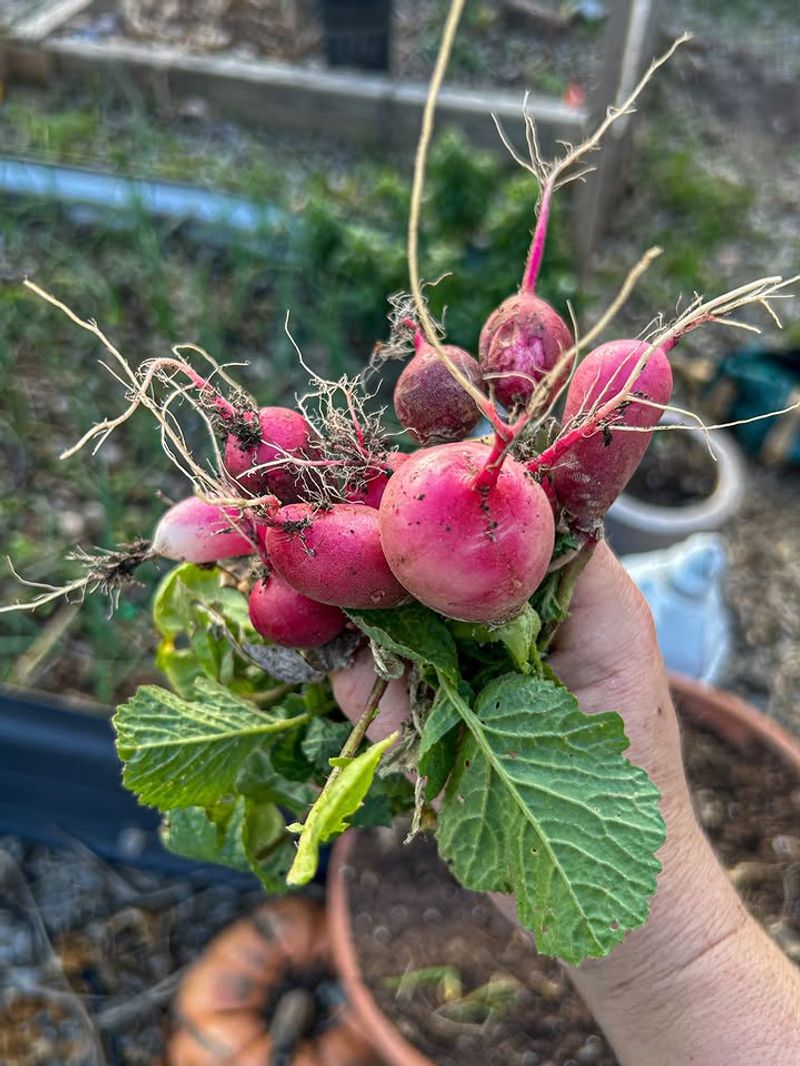
Few vegetables move as fast as a radish. In Arizona, you can direct-sow radish seeds in late January or early February and be pulling crisp roots from the ground in as little as 22 to 30 days.
That speed makes radishes one of the most satisfying crops for anyone who wants quick results without a lot of waiting around.
Radishes actually prefer the cooler soil temperatures that Arizona’s early spring delivers. Once daytime highs start climbing past 80 degrees Fahrenheit, radishes tend to bolt and lose their mild flavor.
Planting them early takes advantage of that sweet spot before the desert heat takes over.
Spacing matters more than most beginners expect. Overcrowded radishes produce more leaf than root, so thinning seedlings to about two inches apart makes a real difference.
Loose, well-draining soil helps roots develop round and smooth rather than cracked or stunted.
Tucson and Phoenix gardeners often fit in two or three successions of radishes before temperatures make growing impractical. Sowing a small batch every ten days stretches the harvest window considerably.
Harvesting them while they are still young ensures the best crunch and keeps the flavor mild instead of sharp or woody.
Leaving them in the ground too long in warming conditions can quickly turn a perfect crop into one that feels tough and overdeveloped.
2. Green Onions Are Ready To Harvest Surprisingly Early
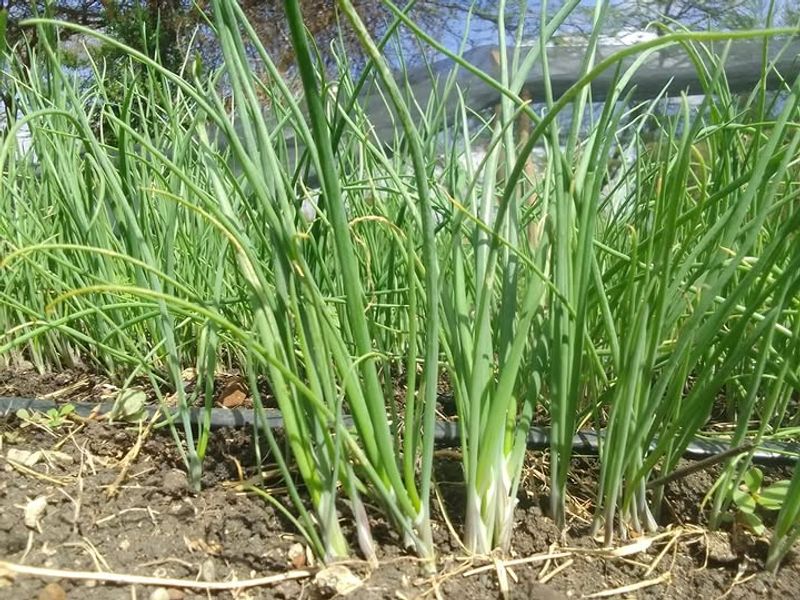
Green onions might be the most underrated fast crop in an Arizona garden. Plant sets or seeds in late fall or very early spring, and you can start snipping tender green tops in as little as three to four weeks.
Unlike bulb onions that need months to develop, green onions reward patience on a much shorter timeline.
Arizona’s mild winters in lower elevation zones like Phoenix make it possible to keep green onions growing almost continuously from October through March. Soil in raised beds warms quickly, which encourages steady root development even when nights are cool.
A little compost worked into the planting area goes a long way toward feeding consistent growth.
Harvesting green onions does not have to mean pulling the whole plant. Snipping the tops a few inches above the soil lets the base regrow, giving you multiple harvests from a single planting.
Your Arizona Garden Changes Every Week. Your Plan Should Too.
Gardening in Arizona changes quickly throughout the season. Every Friday you’ll receive a simple weekly plan showing exactly what to plant, prune, fertilize, harvest, and protect so you never miss the right timing.
Over time, this cut-and-come-again method stretches your supply without any extra effort.
Evergreen Hardy White and Parade are two varieties that hold up well under Arizona’s variable spring temperatures. Both produce slender, flavorful stalks that work well in salads, stir-fries, and fresh salsas.
Keeping the soil consistently moist without waterlogging it helps green onions grow straight and strong rather than floppy or thin.
3. Leaf Lettuce Produces Quickly During Mild Spring Weather
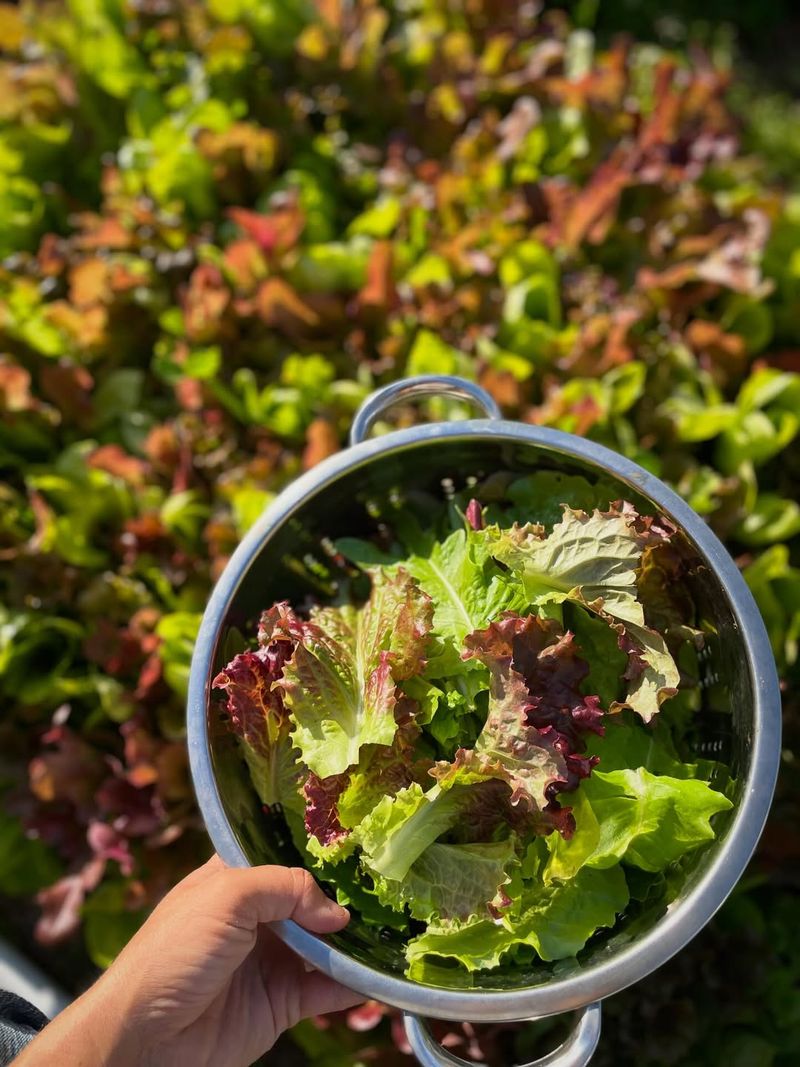
Leaf lettuce is one of those crops that practically grows itself when conditions are right, and Arizona’s mild early spring is exactly the window it needs.
Sow seeds in late January through February in low-elevation areas, and you can expect to start cutting outer leaves within 30 to 45 days.
It does not get much more satisfying than that.
Unlike head lettuce, which needs more time and consistent cool temperatures to form properly, leaf varieties like Black Seeded Simpson and Red Sails are forgiving and productive.
Cutting outer leaves while leaving the center intact encourages continuous regrowth.
One well-tended row can supply fresh salad greens for several weeks before heat shuts the plant down.
Afternoon shade helps a lot in Arizona. Even in spring, temperatures can spike unexpectedly, and lettuce wilts fast under direct afternoon sun.
Planting near a taller crop or along a wall that blocks late-day rays keeps leaves tender and delays bolting by days or even a couple of weeks.
Soil moisture is the other key factor. Lettuce roots are shallow, so frequent light watering works better than deep, infrequent soaks.
Tucson gardeners often use drip irrigation set to run in the early morning, which keeps the root zone consistently moist without encouraging fungal problems.
Starting seeds indoors a few weeks early and transplanting also gives lettuce a reliable head start in Arizona gardens.
4. Bush Beans Begin Producing Before Summer Heat Peaks
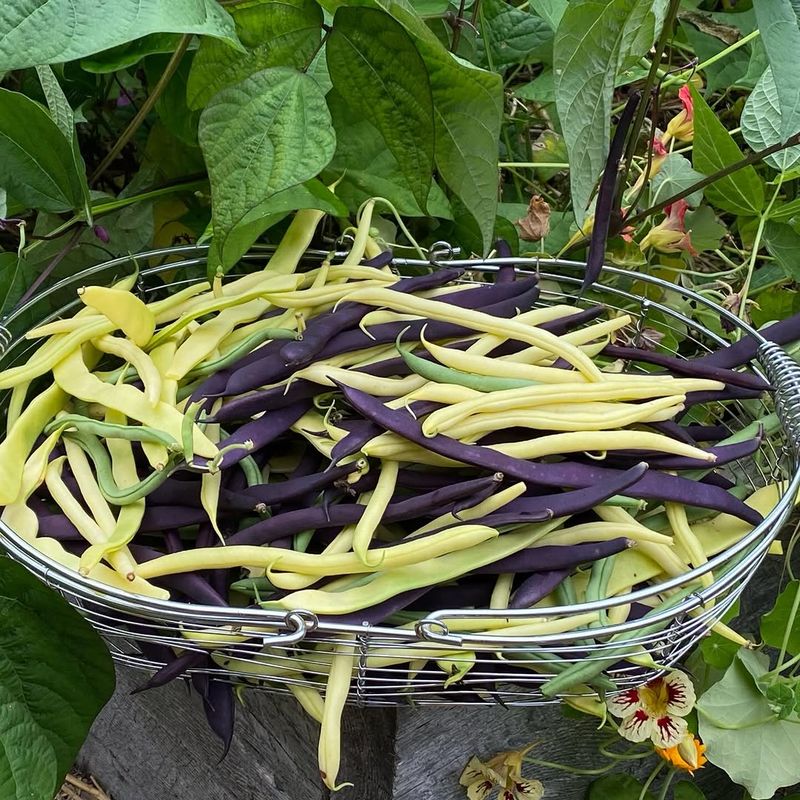
Bush beans are a warm-season crop, which makes them a perfect fit for Arizona’s rapidly warming spring. Plant seeds directly in the ground once soil temperatures reach at least 60 degrees Fahrenheit, and most varieties will start setting pods in 50 to 60 days.
Timing the planting just right means you can squeeze in a full harvest before the brutal summer heat makes growing difficult.
In Phoenix and other low-desert areas of Arizona, planting in mid-February through early March usually hits that productive window perfectly. Bush beans do not need staking or trellising, which keeps things simple.
They grow in compact mounds, produce heavily for a few weeks, and then slow down as heat intensifies.
One thing that trips up beginners is overwatering early on. Bean seeds planted in cool, wet soil tend to rot before they sprout.
Waiting until the soil has genuinely warmed and then watering moderately gives seeds the best chance of germinating cleanly and quickly.
Provider and Contender are two varieties that consistently perform well in Arizona’s spring climate. Both tolerate a bit of heat at the tail end of the season without dropping all their flowers immediately.
Planting two short rows a week apart can extend the harvest window slightly and ensures you are not overwhelmed with beans all at once.
Fertilizing lightly at planting time and again when flowers appear supports strong pod development throughout the season.
5. Baby Carrots Can Be Pulled Earlier Than Expected
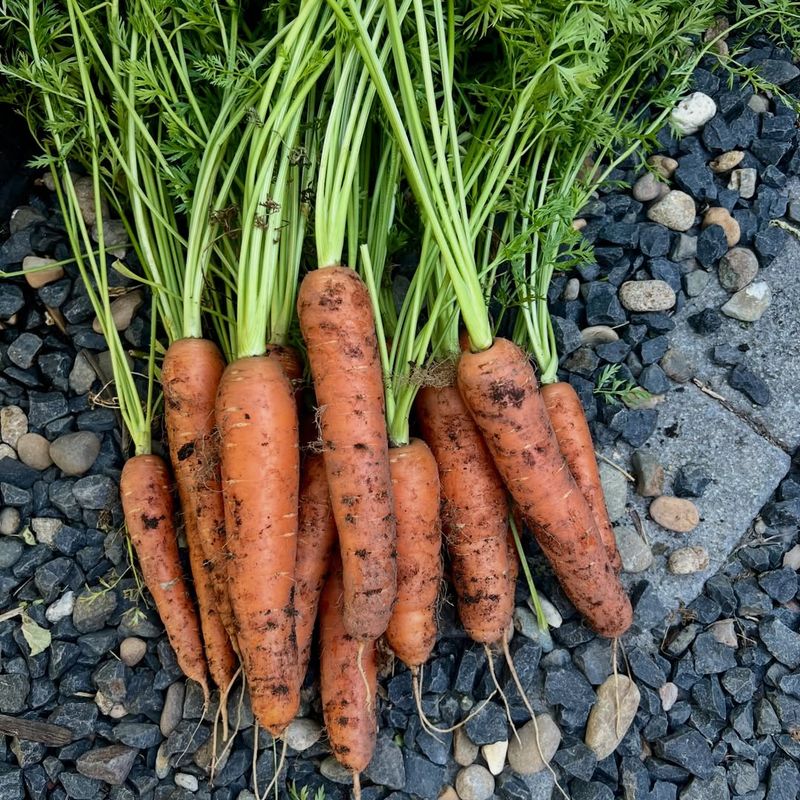
Carrots have a reputation for being slow, but baby carrots challenge that idea completely.
In Arizona, planting carrot seeds in loose, amended soil in late January or early February means you can start pulling small, tender roots in as little as 50 to 60 days rather than waiting the full 70 to 80 days for full-sized roots to develop.
Soil preparation is everything with carrots. Rocky or compacted ground forces roots to fork or stunt, which delays harvest and reduces quality.
Working compost and a little sand into the top 10 to 12 inches of soil before seeding gives young roots the loose environment they need to push downward cleanly and quickly.
Nantes and Chantenay varieties are shorter and stockier than standard carrots, making them well-suited to Arizona gardens where deep, perfectly prepared soil is not always realistic.
Both reach a harvestable baby size earlier than longer varieties and still deliver excellent sweetness and texture when pulled young.
Thinning carrot seedlings is a step that genuinely cannot be skipped. Crowded carrots compete for space and produce spindly, misshapen roots that take longer to size up.
Thinning to about two inches apart once seedlings reach two inches tall makes an immediate difference.
In Arizona, consistent moisture during germination is critical since desert air can dry the soil surface fast enough to prevent seeds from sprouting evenly without regular light watering.
6. Spinach Grows Fast Before Temperatures Start Rising
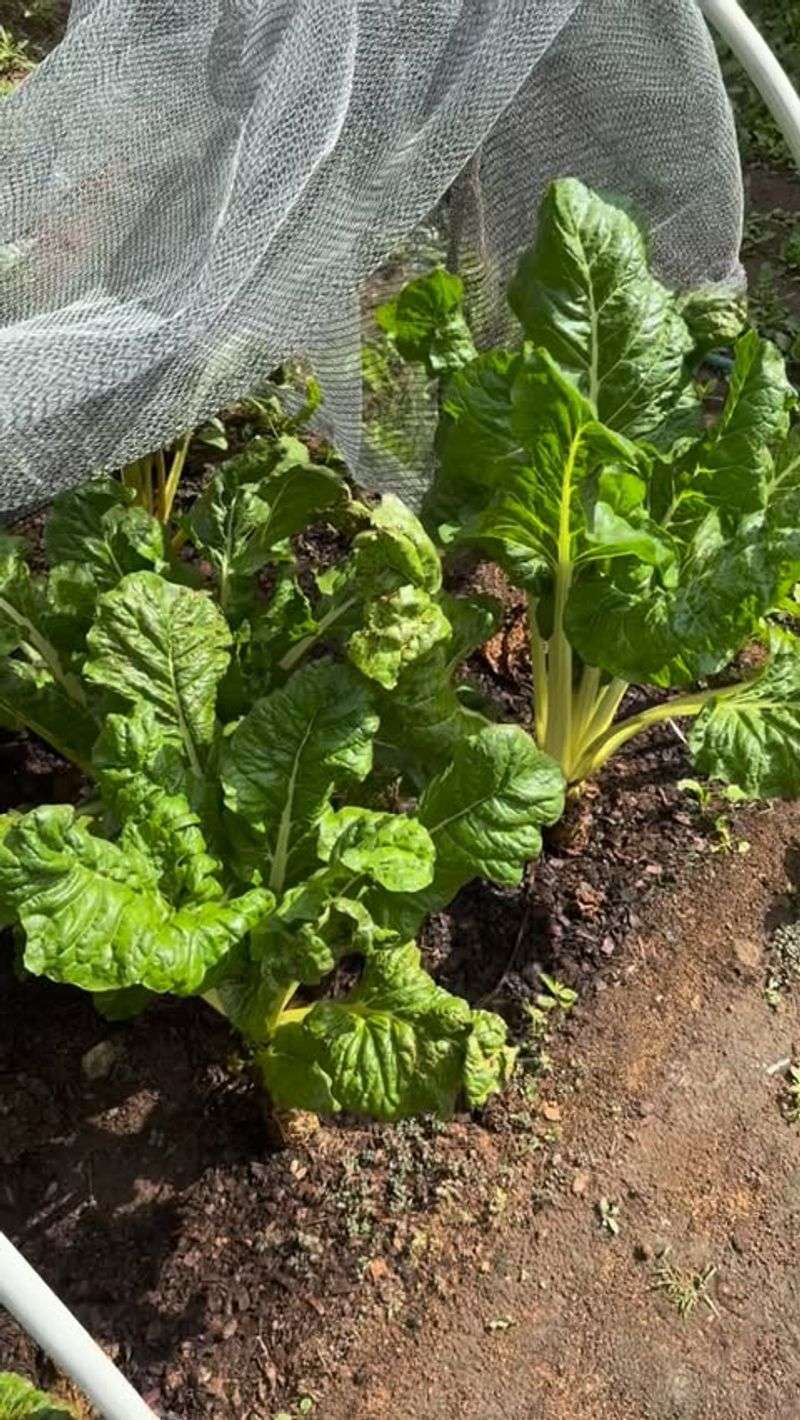
Spinach is in a race against the sun, and planting early is how you win it.
Sow seeds in late November through January in low-desert areas, and spinach will establish roots during the coolest weeks of the year before pushing out a flush of tender leaves as days get slightly longer and warmer in February and March.
Slow bolt varieties like Bloomsdale Long Standing and Space give gardeners the best chance of a meaningful harvest before heat triggers early flowering.
Once spinach bolts, leaves turn bitter almost immediately, so variety selection and planting timing work together as a team.
Getting both right means you can harvest for four to six weeks before bolting becomes an issue.
Spinach appreciates nitrogen-rich soil. Working a balanced vegetable fertilizer or well-aged compost into the bed before seeding supports those dark, glossy leaves that are both more flavorful and more nutritious.
Sandy soils often lack organic matter, so amending before each planting season matters more here than in regions with naturally richer ground.
Harvesting outer leaves regularly keeps plants producing longer. Pulling whole plants all at once wastes the regrowth potential that young spinach has during its short productive window.
In Tucson, spinach planted in a spot that gets morning sun and afternoon shade consistently outlasts plants grown in full desert sun, which is a detail worth keeping in mind when planning a garden layout each season.
7. Swiss Chard Continues Producing Through Warm Spring Days
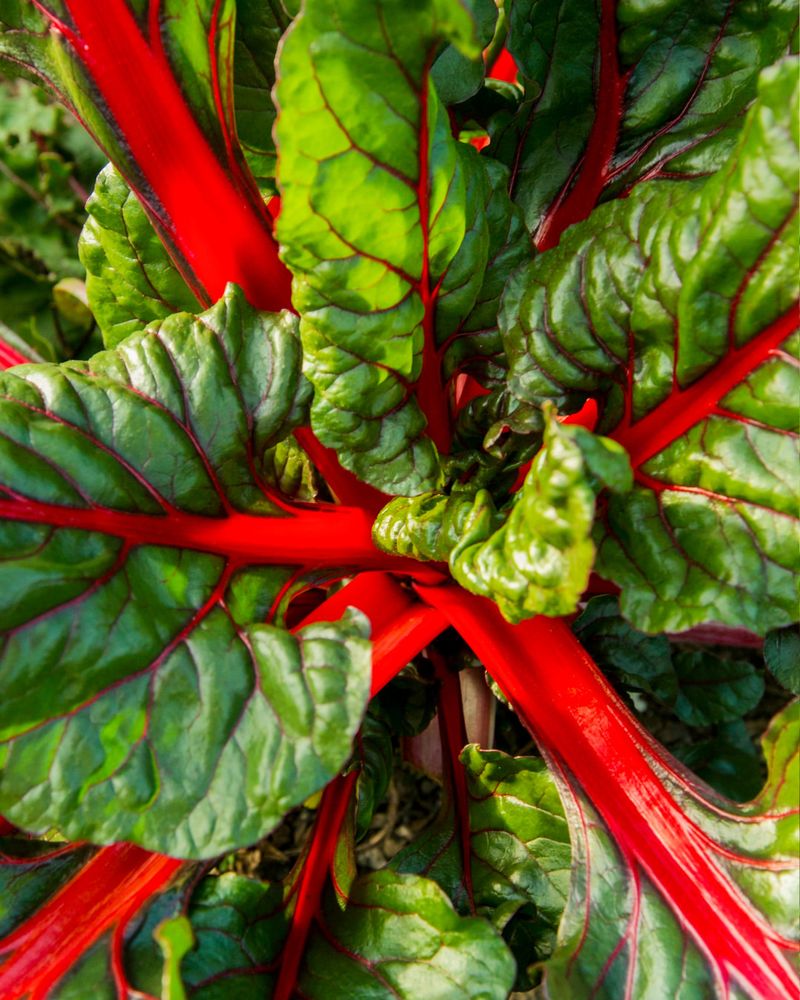
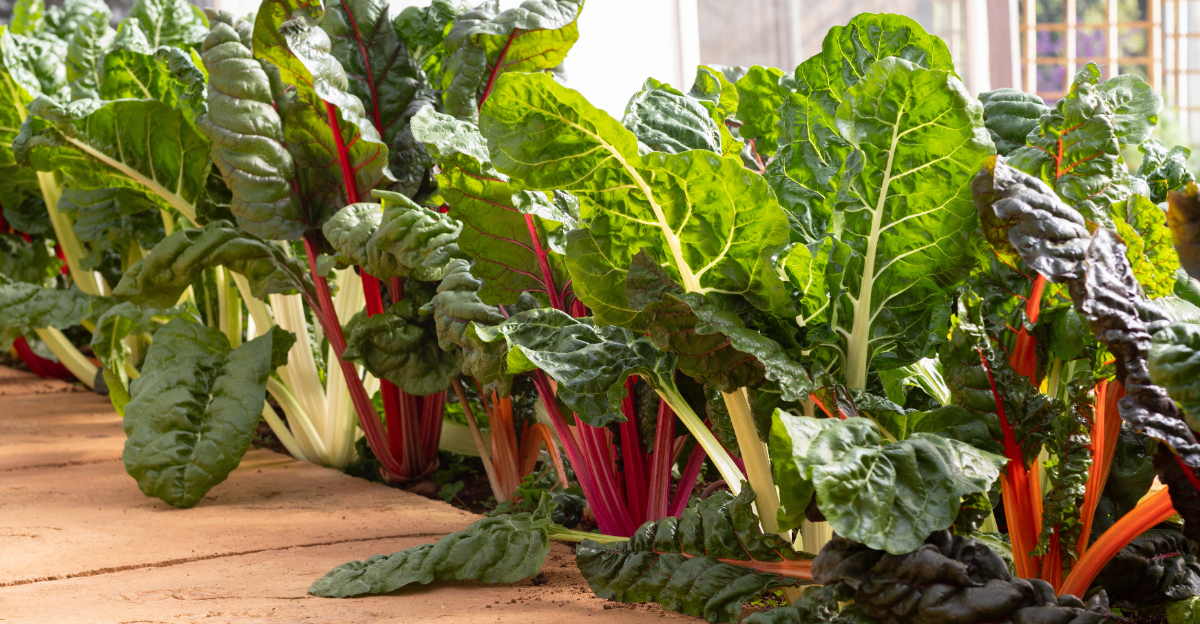
Swiss chard does something most cool-season vegetables refuse to do: it keeps growing even as temperatures start climbing.
While spinach bolts and lettuce fades, Swiss chard holds steady through mild heat and continues pushing out fresh leaves well into late spring.
That extended productivity makes it genuinely valuable in a garden.
Planting Swiss chard in late January or February gives it time to establish before warmer days arrive.
Once established, it tolerates daytime highs in the mid-80s without much complaint, which gives gardeners a production window that stretches several weeks longer than most other leafy greens can manage.
Rainbow chard varieties like Bright Lights bring color to the garden and perform just as reliably as standard green varieties.
Harvesting is straightforward. Cutting outer stalks at the base while leaving the inner growth point intact keeps plants productive for months.
New leaves emerge from the center regularly, and as long as you keep up with harvesting, plants rarely become overcrowded or unproductive.
Watering needs increase as spring progresses. Chard planted in the ground may need watering every two to three days once temperatures consistently hit the mid-70s.
Raised beds dry out faster and may need daily attention during warmer spells.
Mulching around the base of plants holds moisture in the soil and keeps root temperatures more stable, which directly supports continued leaf production even as the season pushes toward summer.
8. Beets Offer Early Greens Before Roots Fully Develop
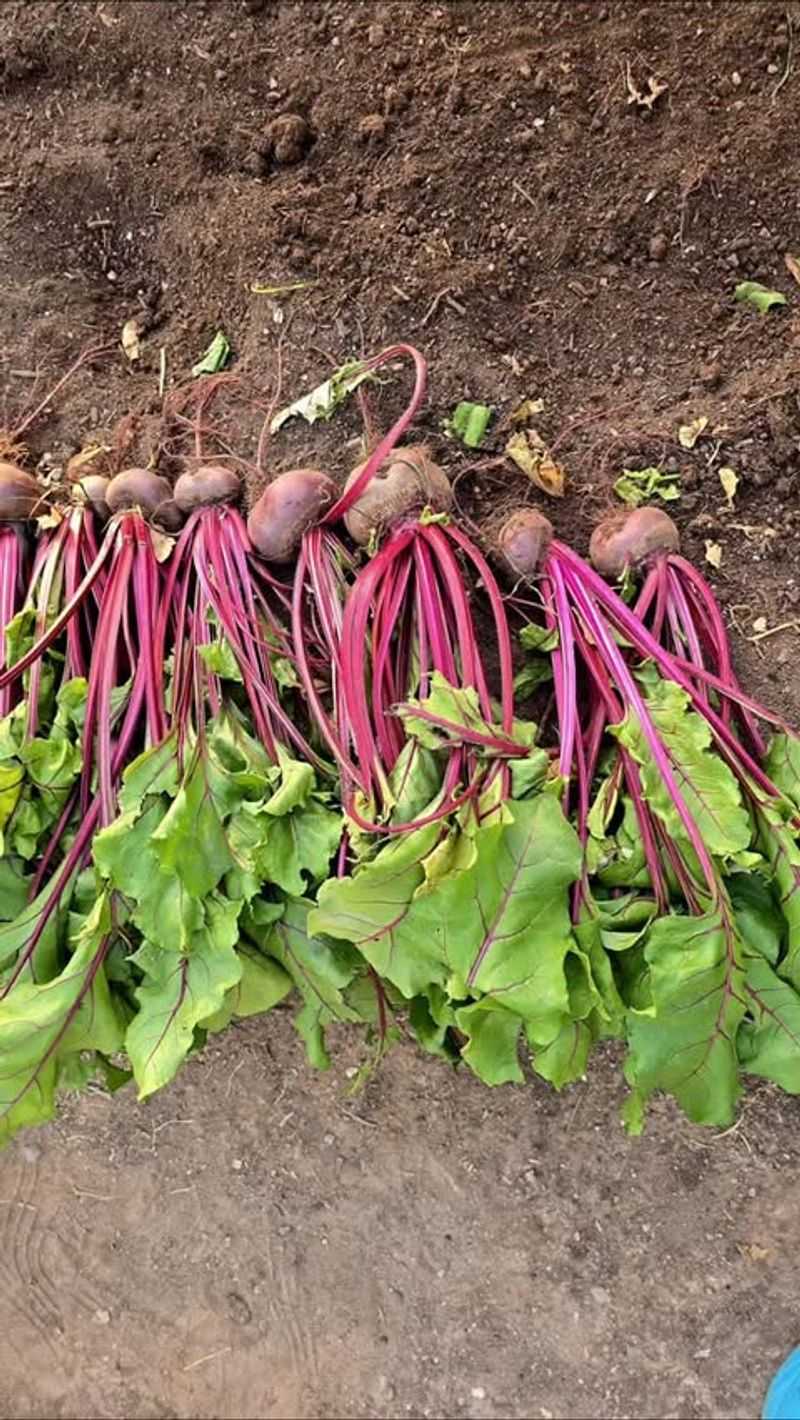
Beets are a two-for-one crop that Arizona gardeners do not always take full advantage of. While the roots are still developing underground, the leafy tops are completely edible and genuinely delicious.
Young beet greens can be harvested starting around three weeks after germination, giving you fresh food from the garden long before the roots are ready to pull.
Planting beet seeds from late January through early March works well in most lower-elevation areas. Beets prefer loose, deep soil with good drainage, and they do not perform well in heavy clay.
Raised beds filled with a mix of compost and native soil tend to produce the cleanest, most evenly shaped roots with the least amount of effort.
Detroit Dark Red and Early Wonder Tall Top are two varieties that consistently deliver in warm spring conditions.
Early Wonder lives up to its name by maturing roots in about 48 to 55 days under good conditions, which fits neatly into the spring growing window before intense heat sets in around late May or June.
Thinning beet seedlings early is one of those tasks that pays off noticeably. Each beet seed is actually a cluster of seeds, so multiple sprouts often emerge from one spot.
Thinning to about three to four inches apart redirects energy into root development rather than leaf competition. Consistent watering during root formation prevents the cracking and woodiness that sometimes affects beets grown in dry desert conditions.