8 Invasive Arizona Perennials That Can Take Over Your Garden
Some perennials look completely harmless when they first go into the ground in Arizona. A small patch turns into a larger clump, then suddenly nearby plants start struggling while the same flowers keep spreading farther every season.
Certain varieties handle heat so well that they keep expanding long after other plants slow down for summer.
What starts as an easy filler plant can slowly take over corners of the yard, crowd garden beds, and push into places where it was never supposed to grow.
Removing them is not always simple either. Deep roots, fast spreading growth, and stubborn regrowth can turn one small planting mistake into a frustrating cleanup project later on.
That is why invasive perennials keep catching so many gardeners off guard once a landscape has had a few years to settle in.
1. Fountain Grass Can Spread Far Beyond One Planting Area
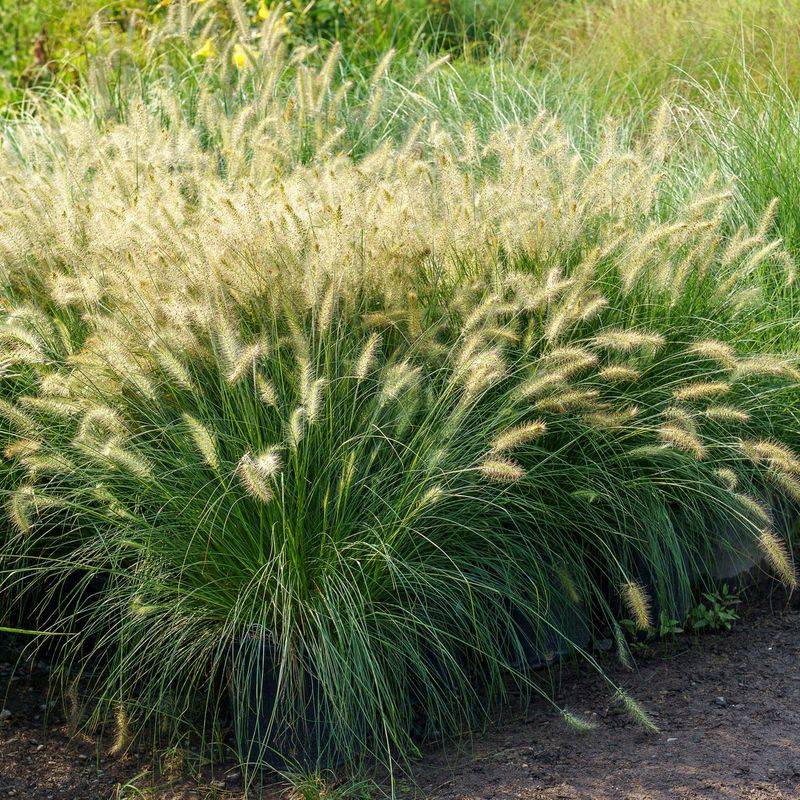
Fountain grass looks amazing when you first plant it. Those tall, feathery plumes sway in the breeze and give any yard an elegant, natural feel.
But what most gardeners do not realize is that this plant is a serious spreader that can take over large areas in just a few seasons.
Each fountain grass plant can produce thousands of seeds every year.
The wind carries those seeds far and wide, which means new plants can pop up in places you never intended.
In dry, warm climates that suit this grass perfectly, it can quickly escape your garden and spread into natural desert areas nearby.
Purple fountain grass, one of the most popular varieties sold in nurseries, is actually considered invasive in many parts of the state.
Once it gets into desert washes or open land, it outcompetes native plants and changes the natural landscape. It also adds extra dry fuel that increases wildfire risk during hot summers.
If you already have fountain grass in your yard, stay on top of trimming it before the seed heads mature.
Removing spent flower stalks early in the season can help reduce how many seeds get released.
Some gardeners choose to replace fountain grass with native ornamental grasses that offer a similar look without the invasive risk.
2. Mexican Primrose Often Takes Over Nearby Garden Beds
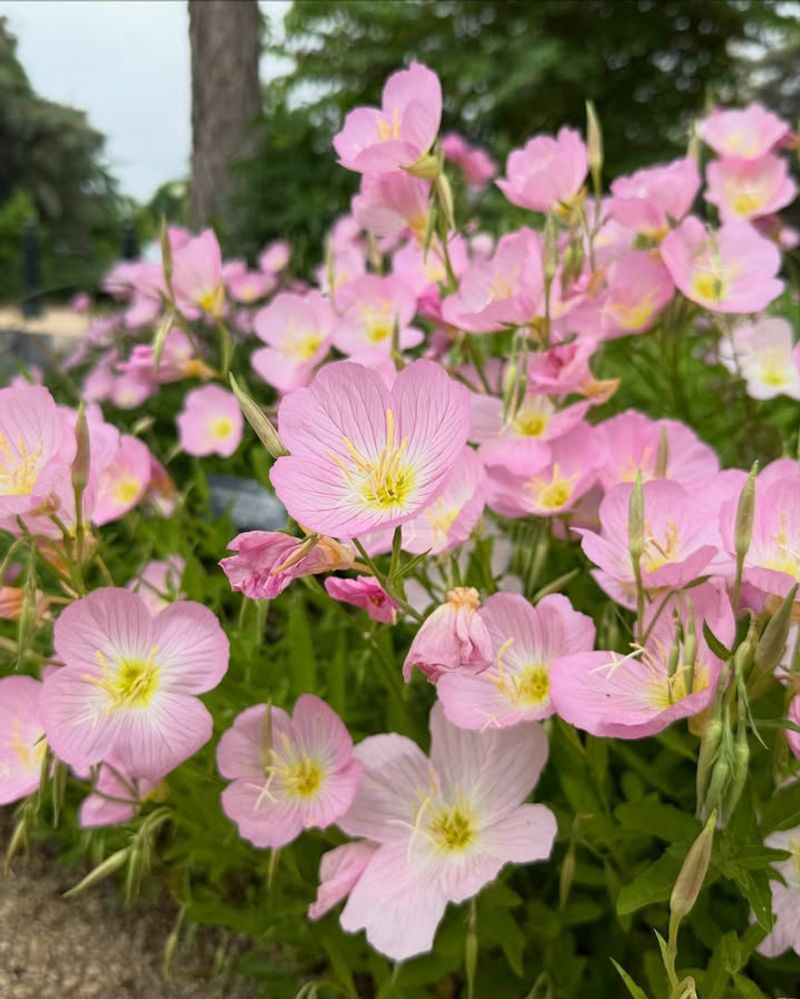
Walk past a garden in spring and you might spot a sea of bright pink blooms hugging the ground, and Mexican primrose is one of those plants that looks absolutely charming the first time you see it.
Gardeners often plant it because it thrives in heat and needs very little water to survive, but the problem starts when it decides it likes your garden a little too much.
It spreads through underground rhizomes, which are root-like stems that creep outward in every direction, and before long it pops up in spots you never planted it, pushing out other flowers, herbs, and shrubs you actually wanted to keep.
In many areas, this plant is almost impossible to fully remove once it gets established, since every small piece of root left in the soil can grow into a new plant.
Your Arizona Garden Changes Every Week. Your Plan Should Too.
Gardening in Arizona changes quickly throughout the season. Every Friday you’ll receive a simple weekly plan showing exactly what to plant, prune, fertilize, harvest, and protect so you never miss the right timing.
This means that digging it up without getting every single root fragment often just makes the problem worse.
If you want to keep Mexican primrose in your garden without letting it run wild, try planting it inside a buried root barrier or in containers sunk into the ground, and regular edging around the plant’s borders can also help slow its spread.
Being consistent with monitoring is key, because this plant will always find a way to creep a little further if you are not paying close attention.
3. Periwinkle Creates Thick Growth That Is Hard To Control
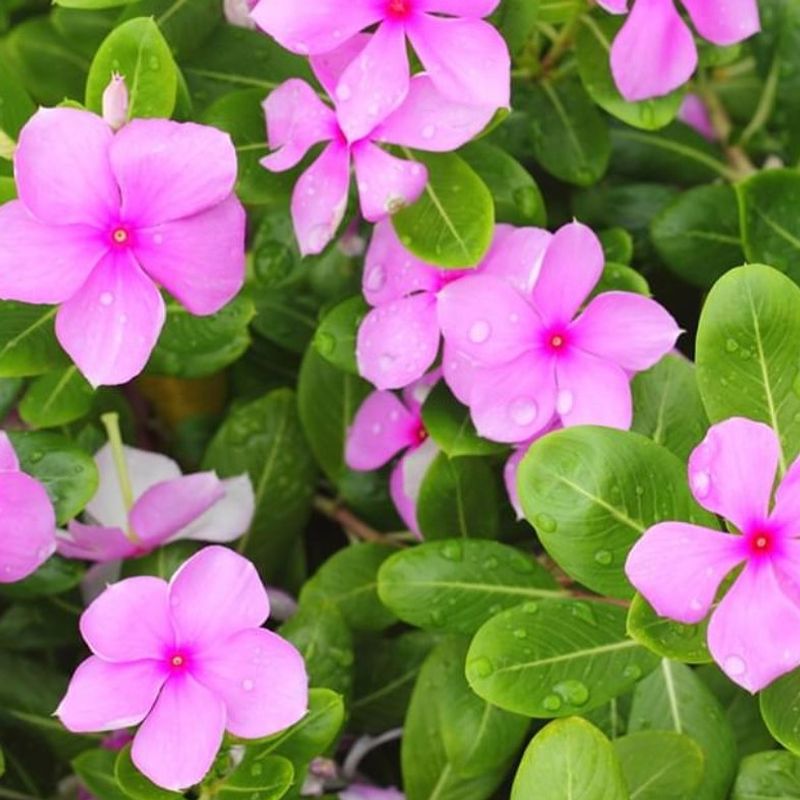
Periwinkle has been a favorite ground cover for Arizona gardeners for decades. Its shiny dark green leaves and small purple or blue flowers make it look neat and tidy when it is first planted.
Many people use it to fill in shaded spots under trees where grass will not grow. Here is the catch: periwinkle does not stay where you put it.
It sends out long trailing stems that root wherever they touch the ground, forming thick mats that are incredibly hard to pull up.
Over time, a small patch of periwinkle can become a dense carpet that smothers everything underneath it, including tree roots and native plants.
Periwinkle tends to do well in areas that get some shade and occasional water, like irrigated landscapes around homes and parks.
Once it spreads into natural areas, it can push out native desert plants that local wildlife depends on.
It is listed as a plant of concern in several southwestern states because of how aggressively it colonizes new ground.
Keeping periwinkle in check requires regular trimming and pulling back any stems that wander outside their intended area. Physical barriers like deep edging can help, but they need to be checked often.
For gardeners looking for a low-maintenance ground cover that stays put, native options like desert zinnia or blackfoot daisy are much safer choices.
4. English Ivy Slowly Smothers Plants In Shaded Areas
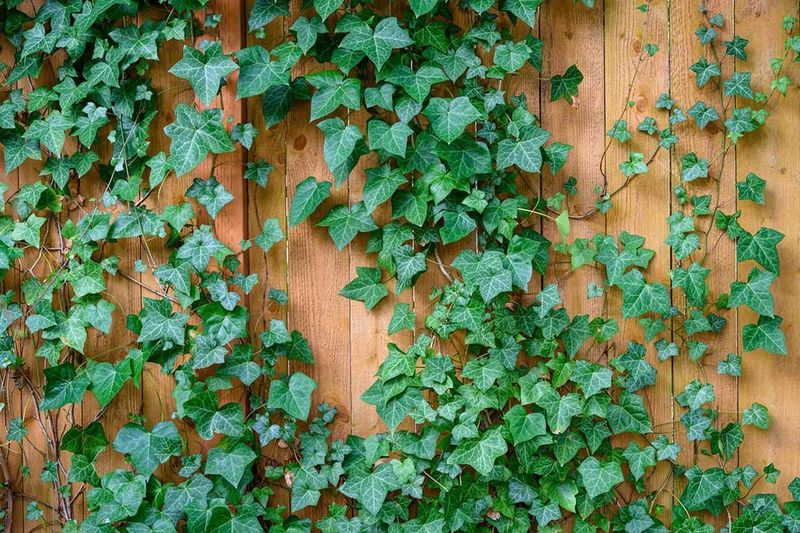
English ivy has a reputation for being a classic, elegant ground cover, and plenty of Arizona homeowners have planted it in shaded corners of their yards. At first, it seems like a perfect solution for those tricky spots where nothing else wants to grow.
But English ivy is one of the most aggressive spreaders you can introduce to a landscape. Over time, English ivy forms such thick layers on the ground that nothing else can grow through it.
It also climbs trees, fences, and walls, weighing down branches and blocking sunlight from reaching the plants beneath it.
In heavily shaded parts of gardens, especially in Tucson and Phoenix neighborhoods with mature trees, this plant can take over entire sections of a yard within just a few years.
What makes English ivy especially tricky is that birds eat its berries and spread the seeds to new locations.
This means it can show up in places far from where you originally planted it, including natural desert areas and riparian zones.
Removing it is a slow and labor-intensive process that often requires multiple rounds of cutting and pulling.
Gardeners who want a shady ground cover should look into native alternatives like trailing lantana or even decomposed granite with shade-loving succulents.
These options are much easier to manage and far less likely to become a problem that spreads beyond your property line.
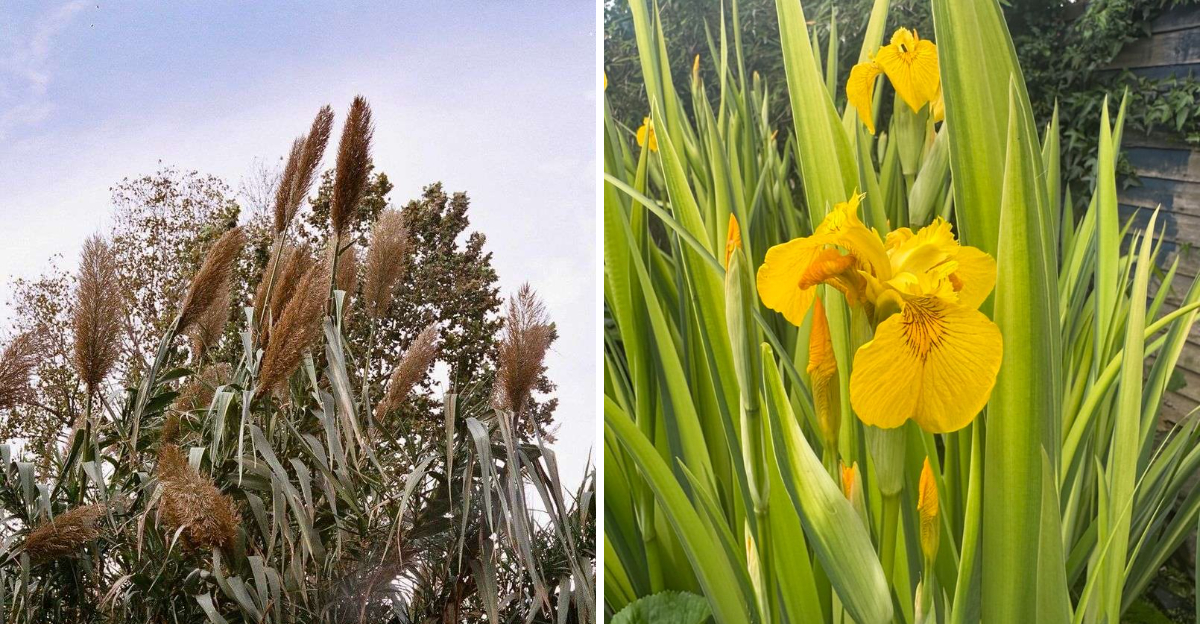
5. Yellow Flag Iris Crowds Out Plants Near Water Sources
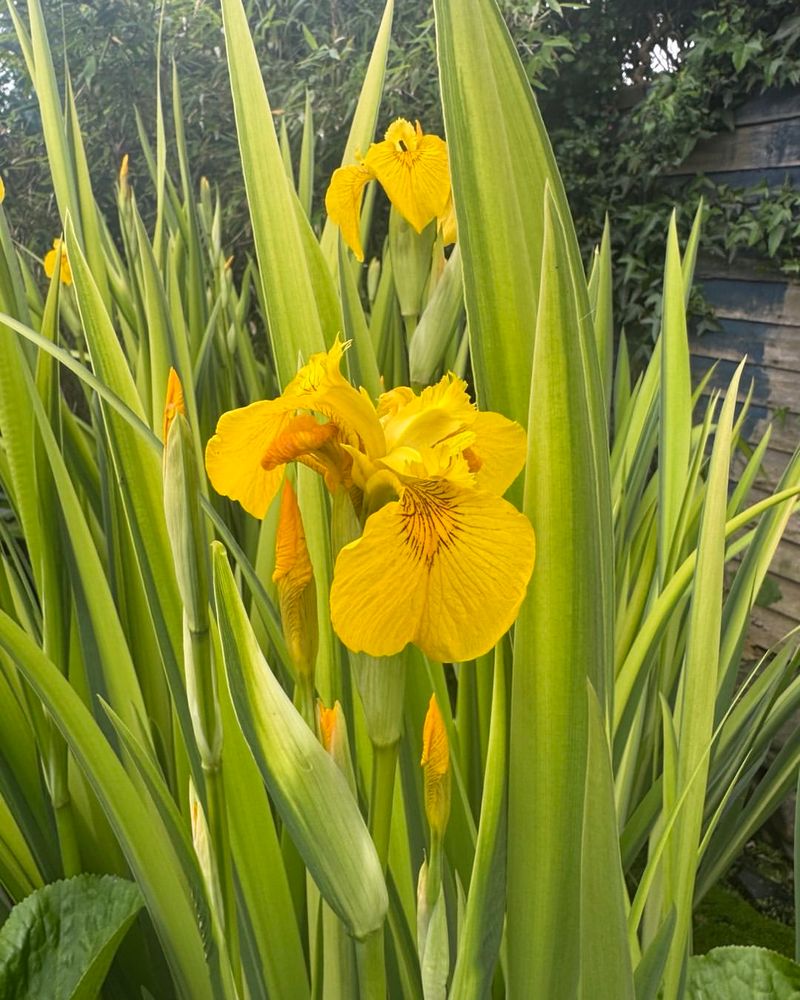
Few plants are as eye-catching as yellow flag iris when it is in full bloom. Those bold yellow flowers rising above tall green blades look stunning near a garden pond or along an irrigation channel.
Arizona gardeners who love water features often plant yellow flag iris for exactly that reason.
Unfortunately, yellow flag iris is one of the most problematic plants you can put near any water source in Arizona.
It spreads rapidly through both seeds and thick underground rhizomes, forming dense colonies that crowd out every other plant nearby.
Native plants that animals and insects depend on get pushed out quickly once yellow flag iris gets a foothold.
In , where water is a precious resource and riparian areas support unique ecosystems, this plant can cause serious damage.
It has been found spreading in irrigation ditches, canals, and along the banks of rivers and streams throughout the state.
Once it establishes itself in a waterway, it is extremely hard to remove without disturbing the surrounding environment.
If you have a water feature in your garden, consider replacing yellow flag iris with native aquatic or moisture-loving plants like cattails or native rushes. These plants support local birds, frogs, and insects while staying much more manageable.
Checking the area around your water features regularly helps you catch any new growth early before it becomes a bigger challenge to handle.
6. Bermuda Buttercup Returns Quickly After Removal Attempts
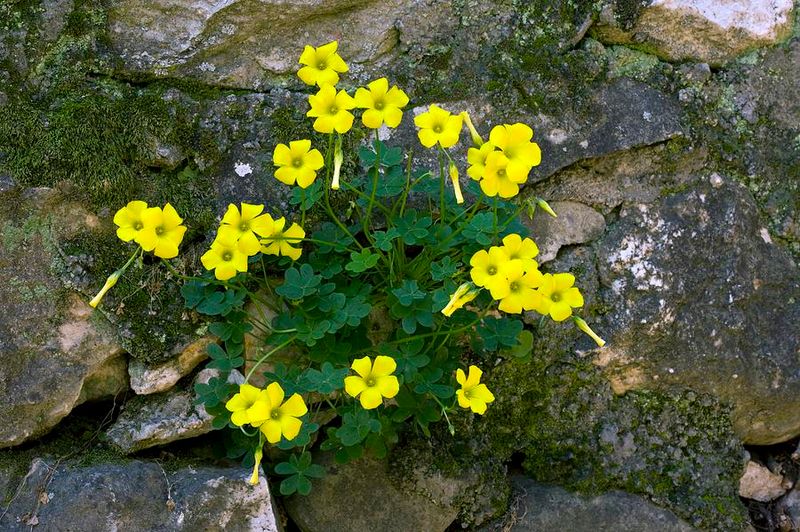
Bermuda buttercup is one of those plants that fools you with its cheerful yellow flowers and clover-shaped leaves. In winter and early spring, it carpets the ground in a way that almost looks intentional, like someone planted it on purpose.
But ask any Arizona gardener who has dealt with it, and they will tell you it is one of the most stubborn plants they have ever faced.
What makes Bermuda buttercup so hard to get rid of is its underground bulbs. Each plant produces dozens of tiny bulblets that break off easily when you try to pull the plant out.
Those little bulblets stay in the soil and sprout into new plants the following season, which means your removal efforts can actually make the problem worse if you are not careful.
In Arizona, Bermuda buttercup is most common in areas with mild winters and some moisture, like parts of Tucson and other lower-elevation communities.
It spreads easily in garden beds, lawns, and along pathways, and it tends to come back stronger each year if not managed consistently.
The most effective approach in Arizona is to remove plants before they set seed and to carefully sift through the soil to get as many bulblets as possible. Mulching thickly can help reduce new growth.
Patience and persistence are your best tools, because this plant rarely gives up without a serious, season-long effort from the gardener.
7. Giant Reed Spreads Aggressively Near Ditches And Washes
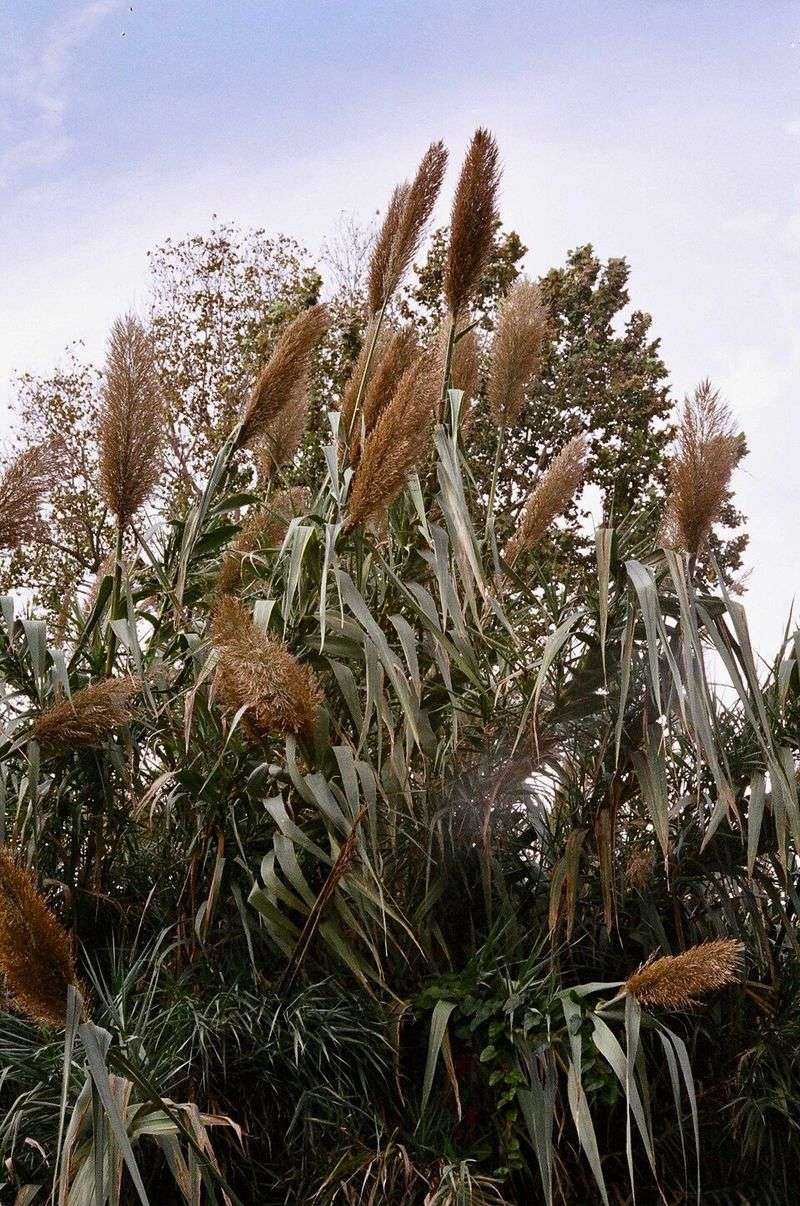
Giant reed, known scientifically as Arundo donax, is not a plant that sneaks up on you slowly. This massive grass can grow more than 20 feet tall, forming walls of thick, bamboo-like canes that block sunlight and crowd out everything nearby.
Along Arizona washes, riverbanks, and irrigation ditches, giant reed has become one of the most destructive invasive plants in the state.
Originally brought to the American Southwest for erosion control and other uses, giant reed turned out to be far too aggressive for the landscape.
It spreads through underground rhizomes and through stem fragments that float downstream and take root in new locations.
Arizona waterways like the Santa Cruz River and the Salt River have seen significant infestations that have taken years and enormous resources to address.
Giant reed is also a fire hazard during Arizona’s dry months. The thick stands of dry canes burn hot and fast, and the plant can regrow from its roots even after a fire, making fire management much more complicated.
Wildlife that depends on native riparian plants finds little food or shelter in areas dominated by giant reed.
Removing giant reed from an Arizona property is a major undertaking that often requires professional help.
Cutting the canes down repeatedly over multiple seasons can weaken the plant, but the roots must also be removed or treated to prevent regrowth.
Preventing new growth early is always easier than dealing with a fully established stand.
8. Tree Of Heaven Sends Up New Shoots Across A Yard
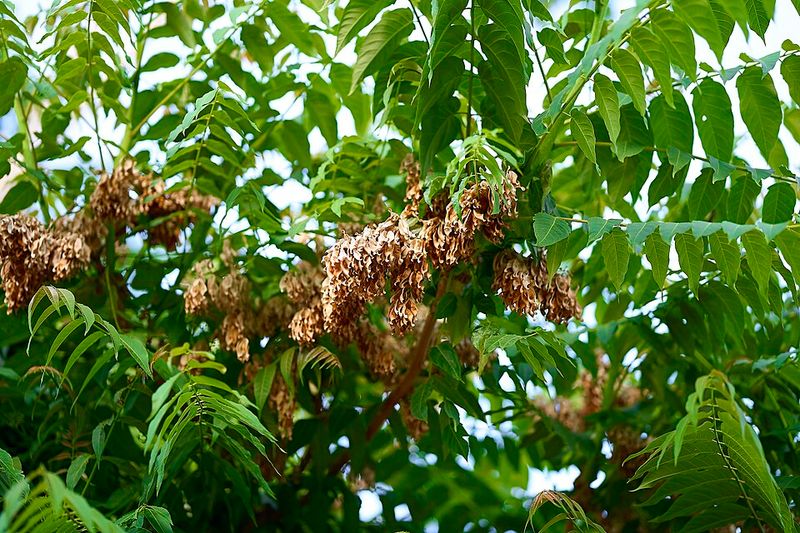
Tree of Heaven sounds like it belongs in a paradise garden, but Arizona homeowners who have dealt with it know the truth.
This fast-growing tree, originally from China, earns its troublesome reputation by sending up suckers from its roots in spots all over your yard.
You might cut one tree down and end up with a dozen new sprouts popping up within a few weeks.
Ailanthus altissima, its scientific name, can grow several feet in a single season and tolerates almost any soil condition Arizona can throw at it. It thrives in disturbed areas, along fences, in sidewalk cracks, and in neglected corners of the yard.
The seeds are also carried by wind, so new trees can appear far from the original plant, making it especially hard to track and manage.
One distinctive feature of Tree of Heaven is its strong, unpleasant smell, which is most noticeable when leaves or stems are crushed.
The tree also releases chemicals into the soil that can prevent other plants from growing nearby, a process known as allelopathy.
In Arizona cities like Phoenix and Tucson, it shows up frequently in older neighborhoods and along roadsides.
Getting rid of Tree of Heaven in Arizona takes real commitment. Cutting the tree repeatedly at the base can eventually exhaust the root system, but it takes several seasons of consistent effort.
Avoiding damage to the roots during removal is important, since any disturbance can trigger even more sucker growth around your yard.