8 Clues A Skunk Is Visiting Your Indiana Yard After Dark

You step outside with your morning coffee, ready to enjoy the quiet before the day starts, and something smells deeply, unmistakably wrong. No, the neighbor did not change their fertilizer brand. You have a skunk problem.
Indiana’s striped skunk is a master of the midnight shift, slipping through yards, gardens, and neighborhoods while most people are fast asleep. By the time you notice something is off, it has probably made itself quite comfortable on your property. The good news is that skunks are creatures of habit, and they leave behind plenty of evidence.
From suspicious holes in your lawn to a garbage can that looks like a crime scene, knowing what to look for puts you one step ahead. Your yard did not ask for a roommate, and frankly neither did you. Here is everything you need to know to politely but firmly show it the door.
1. That Unmistakable Smell Hits You First

Before you see a single track or a flipped-over garbage can, your nose is going to tell you something was here.The musky, sulfur-like odor that striped skunks release is one of the most recognizable smells in the animal kingdom, and even a low-level spray or gland secretion can linger in the air for hours.
In Indiana, warm and humid summer nights can actually hold that scent longer, making it easier to detect early in the morning when you step outside.
You might not always get the full-strength blast.Sometimes the smell is faint, almost like a distant burning rubber or a very strong garlic mixed with something chemical.
That lighter version often means the animal felt only mildly threatened, or it simply passed through and released a small amount while marking territory.Either way, it is a signal worth paying attention to.
If the odor is coming from a specific corner of your yard, near a shed, fence line, or garden bed, that is a clue about where to look for other signs.Skunks tend to follow the same routes night after night, so a recurring smell in the same area is a strong indicator of a regular visitor.
To reduce their interest in your property, remove outdoor food sources like fallen fruit, pet food, or open compost bins.Motion-activated sprinklers can also startle and deter them without causing harm.
Addressing the smell source early is always smarter than waiting for a direct encounter.
2. Shallow Cone-Shaped Holes Dot The Lawn
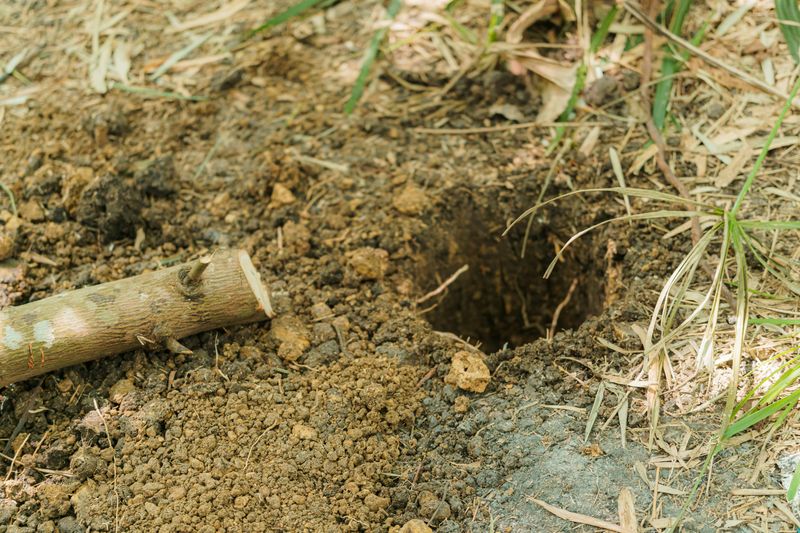
Overnight, something turned your yard into its personal buffet.
Skunks use their strong front claws to dig into turf in search of grubs, beetles, earthworms, and other insects living just below the surface.
The holes are usually about three to four inches wide and only a couple of inches deep, which helps separate them from the deeper damage caused by other animals like raccoons.
In Indiana, late summer and early fall are peak times for this kind of digging because grub populations are high and close to the surface.
Your Indiana Garden Changes Every Week. Your Plan Should Too.
Gardening in Indiana changes quickly throughout the season. Every Friday you’ll receive a simple weekly plan showing exactly what to plant, prune, fertilize, harvest, and protect so you never miss the right timing.
If your lawn has a Japanese beetle or June bug problem, you may be unintentionally setting out a buffet.
The best long-term fix is treating the underlying grub infestation using a lawn-safe grub control product, which removes the food source that keeps drawing them back.
Filling the holes and reseeding the grass is a short-term fix, but without addressing the grubs, the digging will continue.
You can also try applying a natural repellent like castor oil-based granules around the lawn perimeter.
These products irritate the animal’s sense of smell and taste without causing harm.
Consistent application after rain is key since they wash out quickly.
If the damage is spreading across a large area, contacting a licensed Indiana wildlife removal service may be your most effective option for getting lasting results.
3. Five-Toed Tracks In Soft Soil Or Mud
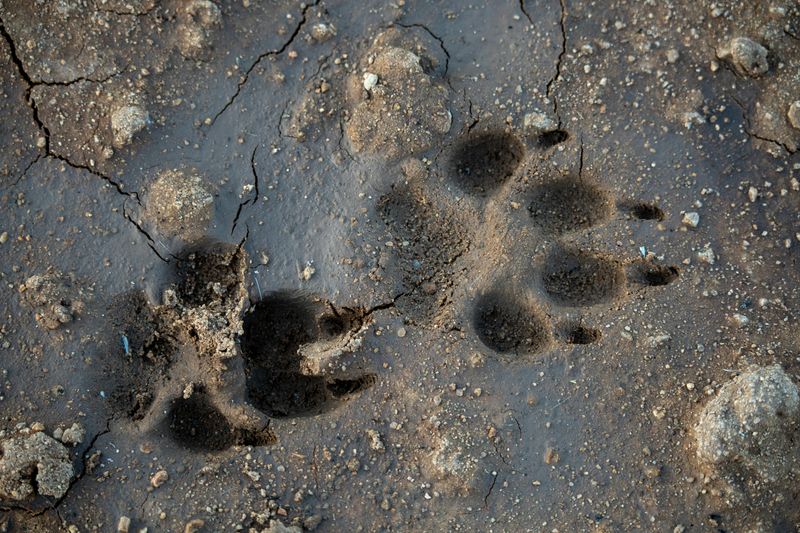
Mud near a garden bed, a soggy patch of lawn after rain, or the soft soil along a fence line can hold a perfect print overnight.
Think of it as nature’s security footage, no Wi-Fi required.
Striped skunks leave behind five-toed tracks on both their front and back feet, which is one of the distinguishing features that sets them apart from cats or rabbits.
The front prints are smaller and show longer claw marks because those are the feet they use for digging.
The back prints are slightly larger and more rounded, similar in shape to a tiny human handprint.
Track size matters when you are trying to figure out what animal paid you a visit.
Skunk prints typically measure between one and two inches wide, which puts them in a middle range between a large house cat and a raccoon.
If you find prints near areas of disturbed soil or alongside those shallow digging holes, you can be fairly confident about your nighttime visitor.
A simple way to confirm your suspicion is to smooth out a patch of soft soil or sand near suspected entry points and check it the next morning.
Indiana homeowners can use this tracking method to figure out which direction the animal is coming from and where it tends to go.
Once you identify a travel path, you can place deterrents like ammonia-soaked rags, commercial repellent granules, or motion-activated lights directly along that route.
Blocking gaps under fences with hardware cloth can also redirect the animal away from your property.
Identifying the tracks early gives you a real advantage in managing the situation before it escalates.
4. Ransacked Garbage Cans Or Pet Food Bowls
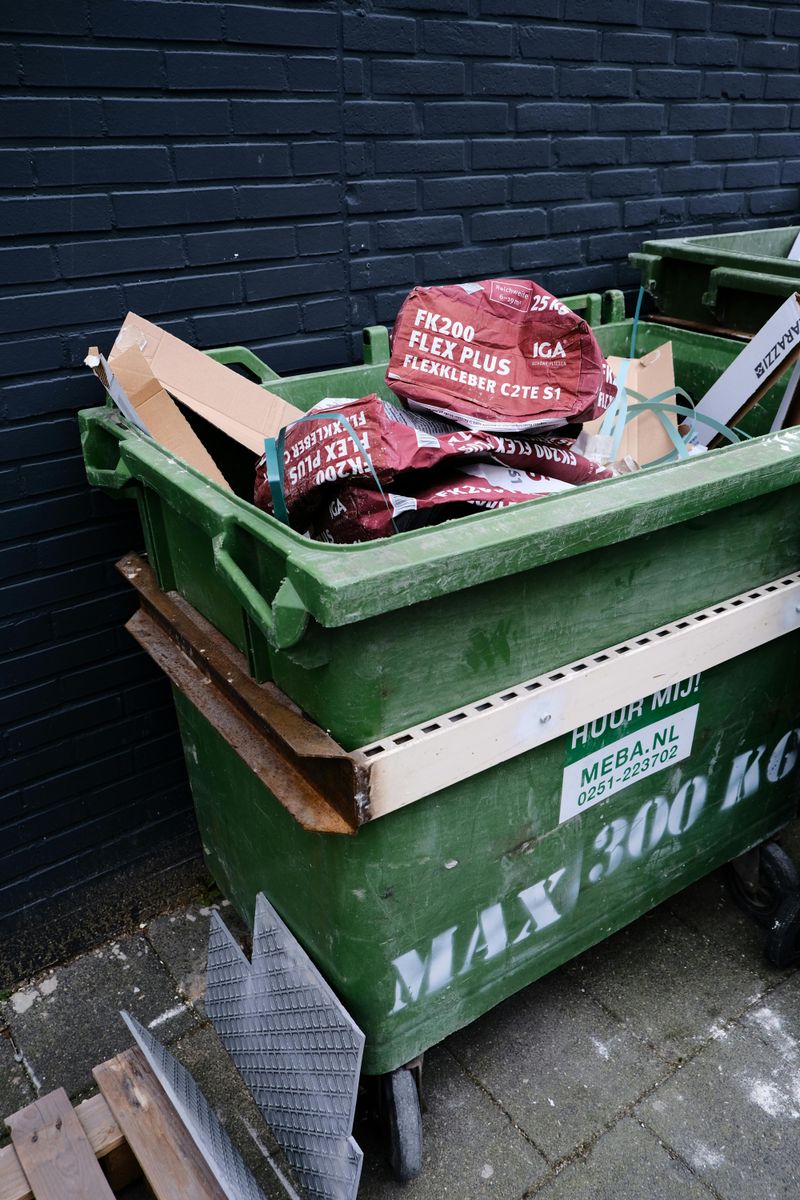
Few things are more annoying than walking outside in the morning to find your garbage scattered across the driveway.Skunks are opportunistic feeders, which means they will take the easiest meal available before spending energy hunting insects.
Unsecured garbage cans, especially those with food scraps, are a major attractant that can turn a one-time visit into a nightly habit.Pet food left outside overnight is equally tempting, and many Indiana homeowners do not realize they are unintentionally inviting wildlife to the yard.
The good news is that this is one of the easiest signs to address.Switching to garbage cans with locking lids or securing existing lids with bungee cords can make a significant difference almost immediately.
Bringing in pet food bowls before dusk removes another reliable food source, and cleaning up any spilled birdseed or fallen fruit from trees does the same.Skunks have a strong sense of smell and can detect food from a surprising distance, so even small amounts of accessible food matter.
Indiana residents who live near wooded areas or fields are at higher risk because wildlife corridors bring these animals closer to neighborhoods regularly.If you share a fence with a neighbor who leaves food outside, a conversation about coordinated prevention can go a long way.
Consider adding a motion-activated light near your trash area as an extra layer of deterrence.With a few consistent habits, you can make your yard a much less appealing stop on a forager’s nightly route without much ongoing effort.
5. A Burrow Appeared Under Your Deck Or Shed
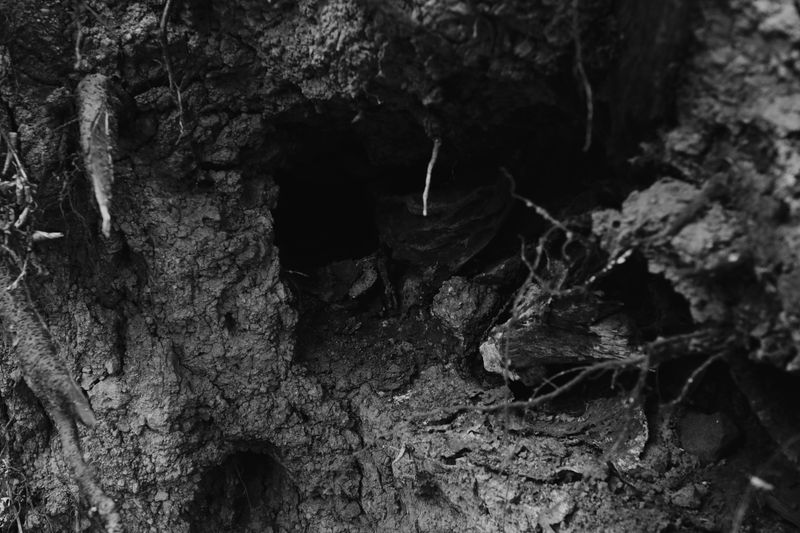
A hole beneath your deck means one thing: you have a new roommate. They chose the basement unit, and they’re not paying rent.
Skunks prefer to use existing structures for shelter rather than dig elaborate underground tunnels from scratch.
The space under a low deck, porch, or shed offers exactly what they look for: darkness, warmth, and protection from predators.
In Indiana, females often seek out these spots in late winter or early spring when they are preparing to give birth.
A burrow entrance is usually about four to six inches wide, just large enough for the animal to squeeze through comfortably.
You might also notice scratch marks on nearby wood or concrete, loose soil piled near the opening, or a faint musky odor even when no spray has occurred.
These are all signs that the space is being used actively, not just explored once and abandoned.
Sealing off these entry points is the right move, but timing matters.
You need to make sure no animals are inside before you close off the opening.
One method is to loosely stuff the hole with newspaper or straw and check back after a day or two.
If it has not been disturbed, the space is likely empty and safe to seal with hardware cloth buried at least 12 inches deep, bent outward in an L-shape.
For active burrows in Indiana, contacting a licensed wildlife removal professional is the safest and most humane approach to resolving the situation.
6. Disturbed Mulch, Compost, Or Garden Beds

Garden beds and compost piles are like an all-you-can-eat buffet for a foraging animal on a nightly route.Skunks root through mulch and loose garden soil looking for insects, larvae, and earthworms that tend to gather in warm, moist organic material.
If you are noticing that your carefully arranged mulch looks scattered and your compost bin has been tossed around, a nighttime visitor is a very likely explanation.The disturbance is usually patchy and concentrated in spots rather than spread evenly, which helps separate it from wind or heavy rain damage.
Compost bins that are not properly sealed are especially attractive because they contain food scraps that release strong odors at night.Switching to a fully enclosed compost tumbler or adding a secure lid to your existing bin can reduce the smell and cut off easy access.
For garden beds, a light application of cayenne pepper or commercially available wildlife deterrent granules along the border can discourage rooting without harming your plants.
Indiana gardeners dealing with repeated disturbance might also consider laying down a temporary wire mesh cover over vulnerable beds during the evenings.This works especially well during peak insect seasons when the digging is most intense.
Another useful trick is to water your garden beds earlier in the day rather than at night, since dry soil at dusk is slightly less attractive than moist soil teeming with surfaced insects.Small adjustments to your routine can make your garden a much less rewarding stop for a hungry forager passing through the neighborhood.
7. Motion Lights Or Cameras Trigger Late At Night

Modern home security setups have made it much easier to catch nighttime wildlife activity without ever stepping outside after dark.If your motion-activated lights are firing repeatedly between 10 p.m. and 3 a.m. and you are not finding any obvious explanation, a nocturnal animal is almost certainly the trigger.
Skunks are most active during those late-night hours, moving steadily and deliberately along familiar routes they have traveled before.A camera set to night vision mode can confirm the identity of your visitor within just a night or two of monitoring.
Reviewing your footage is worth the few minutes it takes.You might be surprised to discover not just one animal but a small family group, which is common in Indiana during late spring and early summer when mothers are moving their young.
Knowing whether you are dealing with one animal or several changes how you approach the deterrence strategy.
Once you confirm the culprit, you can use the camera footage to identify the exact entry point and timing of visits.This information is surprisingly useful when placing deterrents strategically.
Motion-activated sprinklers work well along travel paths and tend to be more effective than scent-based repellents in wet Indiana seasons when rain washes granules away quickly.Bright motion lights alone can also serve as a deterrent over time, since these animals prefer to move in darkness.
Positioning lights to cover fence gaps, compost areas, and under-deck spaces gives you the best chance of discouraging repeat visits without any confrontation.
8. Your Dog Is Acting Frantic At The Back Door
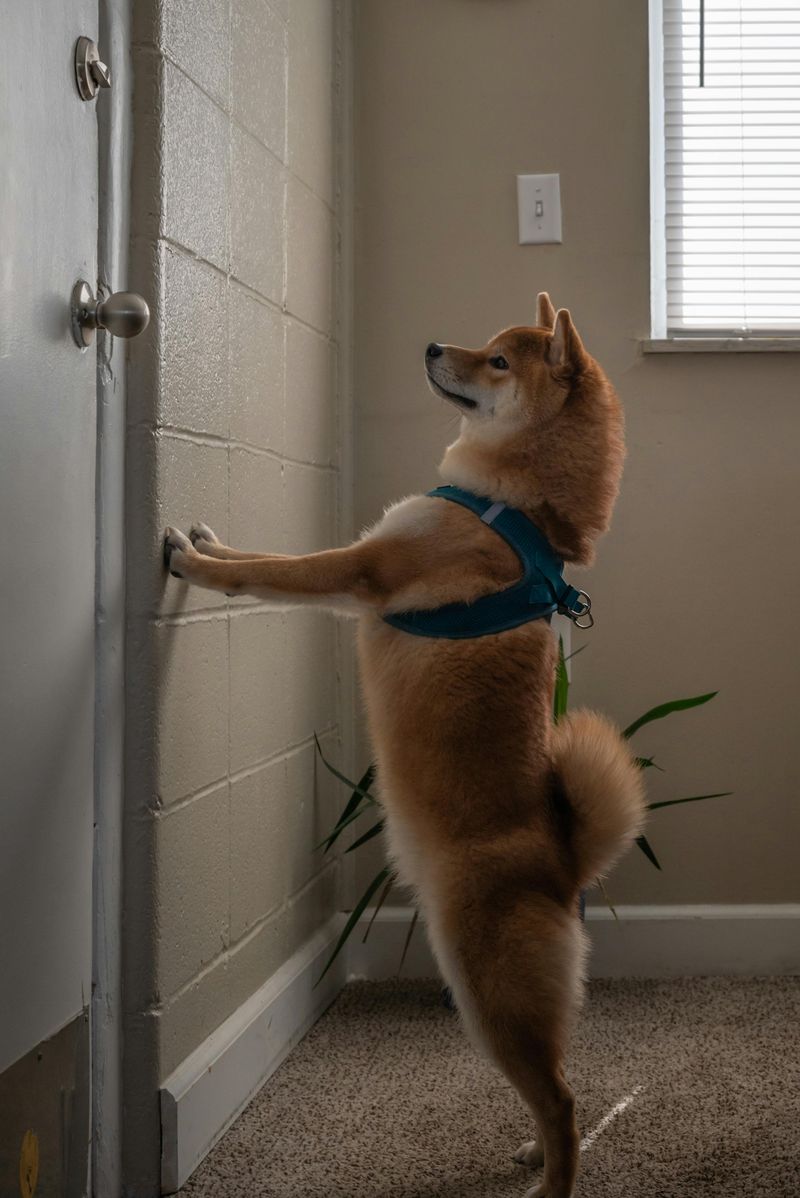
Dogs have a vastly more powerful sense of smell than humans, which means your dog may know about a nighttime visitor long before you do.
If your dog has already had a run-in, a mixture of hydrogen peroxide, baking soda, and a small amount of dish soap is widely recommended for neutralizing the odor on fur.
Apply it, leave it for a few minutes, then rinse thoroughly, keep it away from the eyes and avoid leaving it on dark fur too long as it can cause slight bleaching. Avoid using tomato juice, which is a popular myth and does not actually work well.
Animals pick up on scent trails and territorial markings that are completely invisible to us, and a dog’s reaction is often one of the earliest warning signs that something has been in the yard.
In Indiana, dogs that spend time outdoors in the evening are at real risk of a direct encounter, especially during warmer months when activity peaks.
A spray from a threatened animal is not just unpleasant; it can cause temporary eye irritation and is notoriously difficult to remove from fur.
Keeping dogs inside after dark during periods of suspected activity is a straightforward way to avoid that scenario entirely.
If your dog has already had a run-in, a mixture of hydrogen peroxide, baking soda, and a small amount of dish soap is widely recommended for neutralizing the odor on fur.
Avoid using tomato juice, which is a popular myth and does not actually work well.
For prevention going forward, walk the yard perimeter in the evening before letting your dog out and look for fresh signs of activity.
In Indiana, wildlife encounters are a normal part of suburban and rural life, but a little awareness goes a long way toward keeping your pets safe and your evenings drama-free.