Why Arizona Gardeners Paint Citrus Tree Trunks White Before Summer
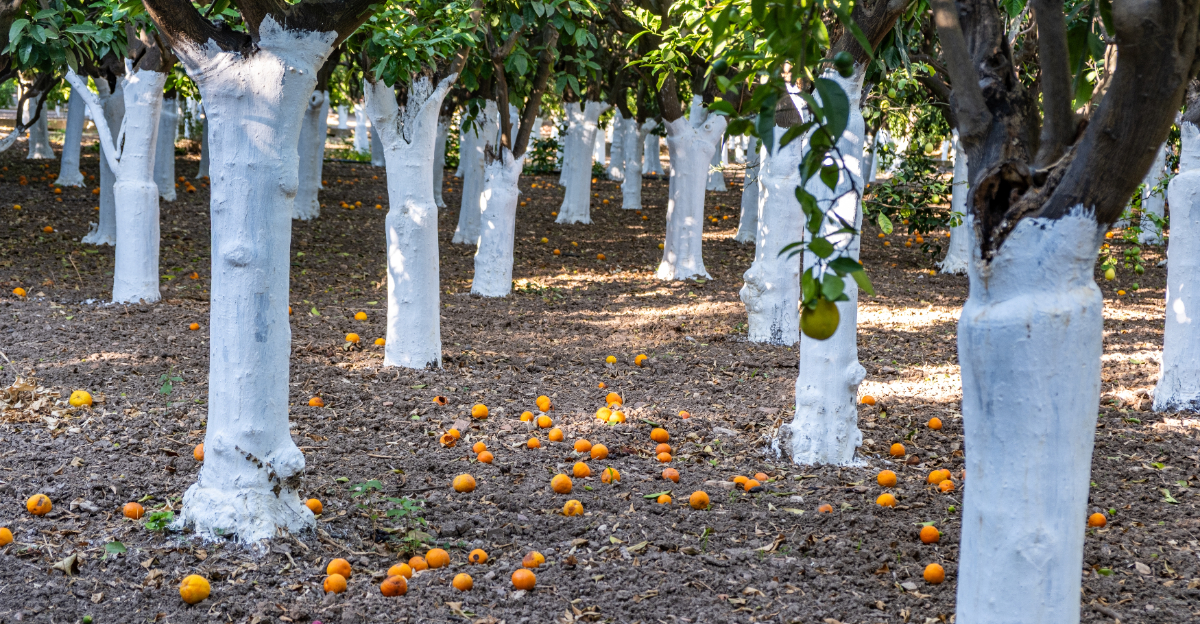
Citrus trees in Arizona can look completely fine right up until the hottest part of summer hits. Then suddenly the trunk starts looking rough, bark begins cracking, and parts of the tree end up stressed from heat that feels nonstop by July.
That is why white painted trunks start showing up more often this time of year. The look catches attention fast because it seems unusual at first, especially against bright green citrus leaves.
Still, there is a practical reason behind it that becomes a lot more obvious after a few brutal summers.
Strong afternoon sun can hit exposed trunks harder than expected in desert climates. Once bark gets damaged, recovery is not always quick.
A simple coat of white paint before extreme heat arrives has become one of those Arizona citrus habits that keeps sticking around because it genuinely helps.
1. Citrus Bark Can Burn Quickly In Extreme Summer Heat
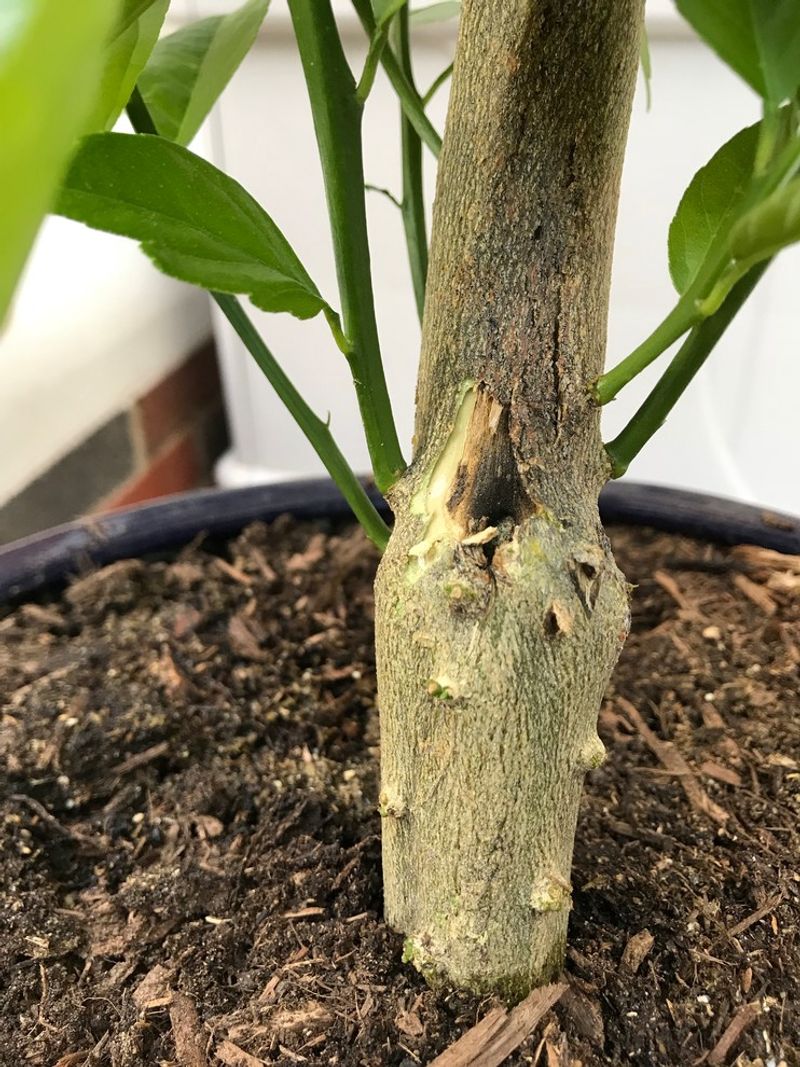
Most people do not realize that tree bark can actually get sunburned, but in Arizona, it happens all the time.
When summer temperatures push past 100 degrees and the sun hits full force, the bark on a citrus tree can heat up to temperatures far beyond what the air thermometer shows.
The surface of an exposed trunk can reach scorching levels that damage the living tissue underneath.
Unlike the leaves and fruit of a citrus tree, the bark does not have a natural way to cool itself down. It just sits there and absorbs every bit of heat the sun throws at it.
Over time, that heat causes the outer layer to crack, peel, and split, leaving the inner wood exposed and vulnerable to further damage.
Once the bark starts breaking down, the tree struggles to move water and nutrients up and down its trunk properly. This slows growth, reduces fruit production, and weakens the overall health of the tree significantly.
Arizona gardeners have learned through experience that preventing bark damage is far easier than trying to repair it after the fact.
2. White Coating Reflects Strong Afternoon Sun From The Trunk
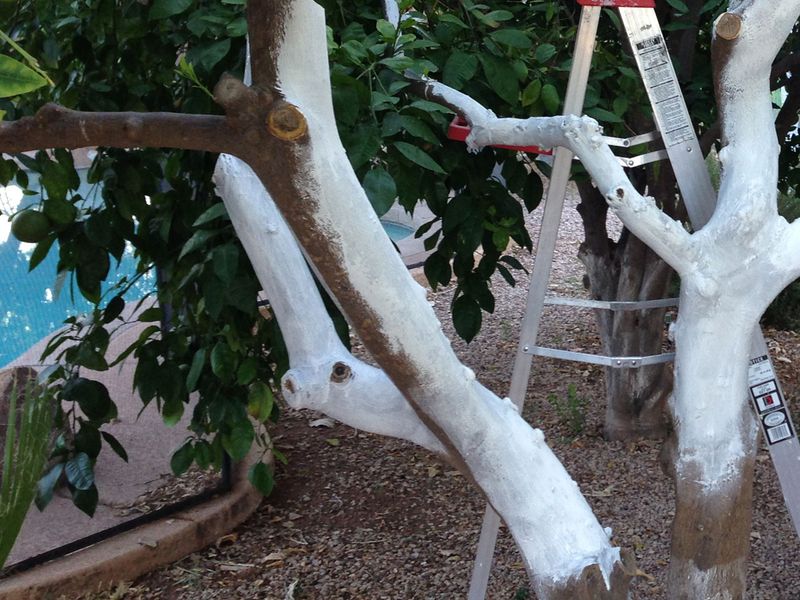
White surfaces reflect sunlight rather than absorbing it, which is exactly why people wear white clothing on hot summer days.
The same principle applies directly to citrus tree trunks in Arizona, where afternoon sun can be relentless from May through September.
When a trunk is left its natural brown or gray color, it absorbs a large amount of solar radiation throughout the day. That absorbed energy converts into heat, which builds up inside the bark layer.
Even a few hours of intense afternoon sun can push trunk temperatures to damaging levels when there is no reflective coating in place.
Painting the trunk white essentially gives the tree its own built-in sunscreen. The white paint or diluted latex coating bounces a significant portion of that solar energy away before it ever has a chance to penetrate the bark.
That protection becomes especially important for younger citrus trees with thin bark that has not fully hardened against intense sun exposure yet.
Your Arizona Garden Changes Every Week. Your Plan Should Too.
Gardening in Arizona changes quickly throughout the season. Every Friday you’ll receive a simple weekly plan showing exactly what to plant, prune, fertilize, harvest, and protect so you never miss the right timing.
Many gardeners use a mixture of white interior latex paint diluted with water because it protects the trunk without sealing in excess moisture or restricting airflow.
3. Young Trees Usually Need Protection Before Triple Digits Arrive
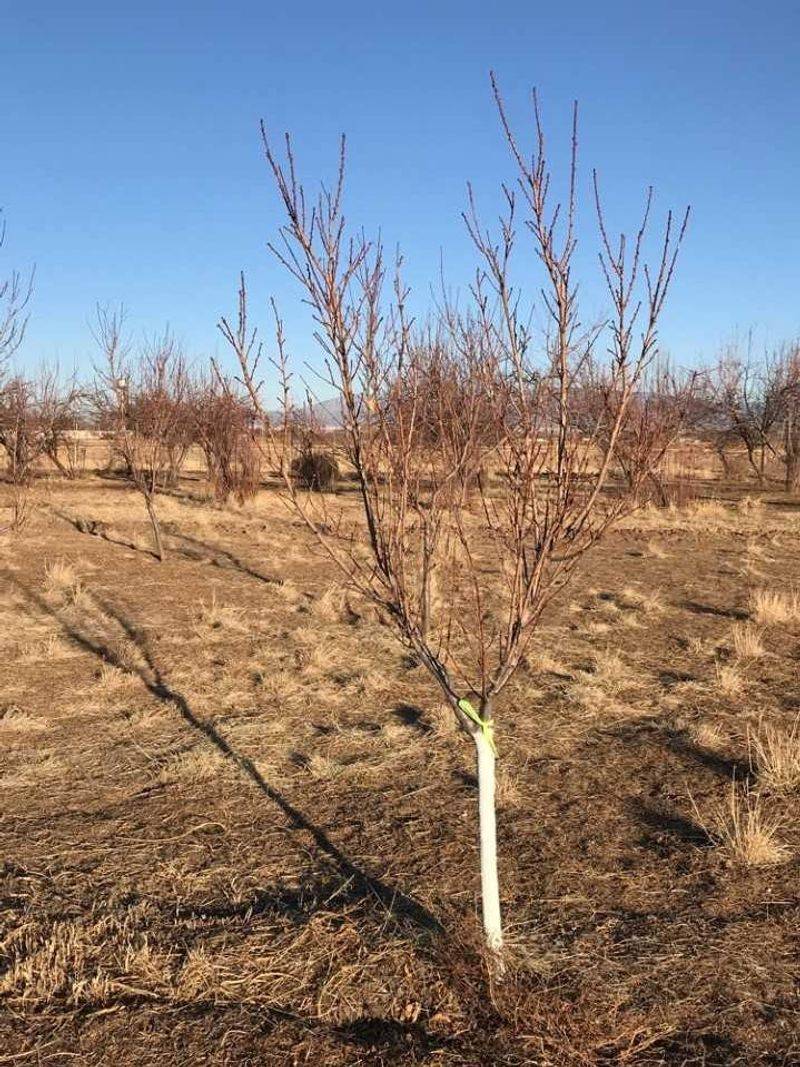
Newly planted citrus trees are in a tough spot when Arizona summer rolls around. They have not yet developed the thick, mature bark that older trees build up over many years of growth.
That thin, tender bark on a young tree is much more sensitive to heat and sun exposure than most gardeners initially expect.
When you plant a citrus tree in Arizona, whether it is a navel orange, a Meyer lemon, or a grapefruit, the first couple of summers are the most critical period for its long-term survival.
The root system is still getting established, and the tree is working hard to grow new branches and leaves.
Adding extreme sun stress on top of all that can really set a young tree back in a significant way.
Experienced Arizona gardeners typically apply white trunk coating to young trees in early spring, well before the first triple-digit days show up on the forecast.
Getting ahead of the heat gives the coating time to fully dry and bond to the bark before the intense sun arrives.
Waiting too long can mean the tree is already stressed before any protection is in place.
4. Freshly Pruned Branches Become More Exposed To Harsh Sun
Pruning is a regular part of keeping citrus trees healthy, but it comes with a side effect that Arizona gardeners have to think about carefully.
Every time a branch is removed, the area of trunk and limb that was previously shaded by that branch suddenly gets full sun exposure.
In a place like Arizona, that shift can be pretty dramatic.
Before pruning, the canopy of a citrus tree acts like a natural umbrella, blocking the sun from hitting the trunk directly. Once those branches come off, the trunk and lower limbs are wide open to whatever the Arizona sky throws at them.
During summer, that means hours of intense, direct sunlight with very little relief in between.
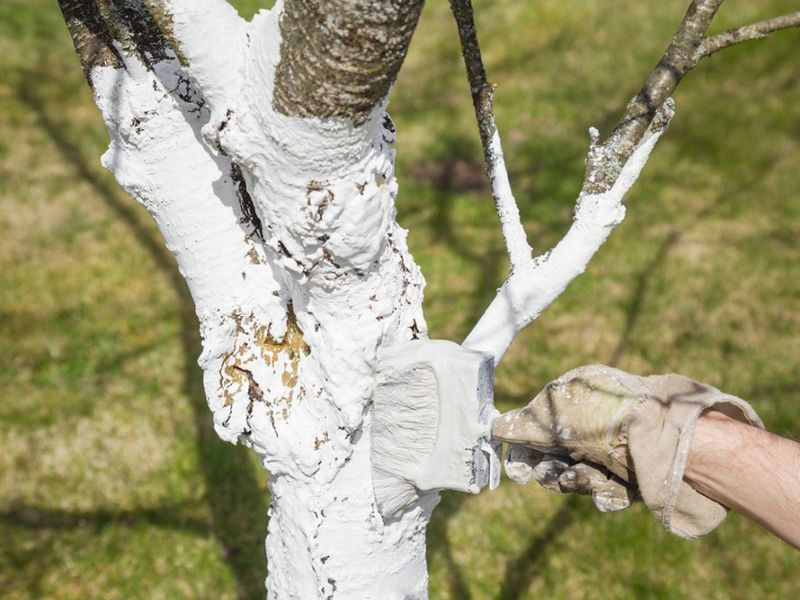
Applying white coating right after a pruning session is one of the best habits a gardener can develop.
It immediately compensates for the lost shade and gives the exposed bark a layer of protection before the heat has a chance to cause any harm.
Many experienced growers in the state make it a rule to never prune without having their white coating mixture ready to apply the same day.
Freshly exposed wood is also more susceptible to temperature swings, which can happen even in the desert when cooler nights follow scorching days.
5. Some Coatings Need To Be Mixed Before Application
Not all white trunk coatings come ready to use straight out of a container. Some of the most common and effective options used by Arizona gardeners are actually simple mixtures that you put together yourself at home.
Knowing the right ratio makes a real difference in how well the coating performs once it is on the tree.
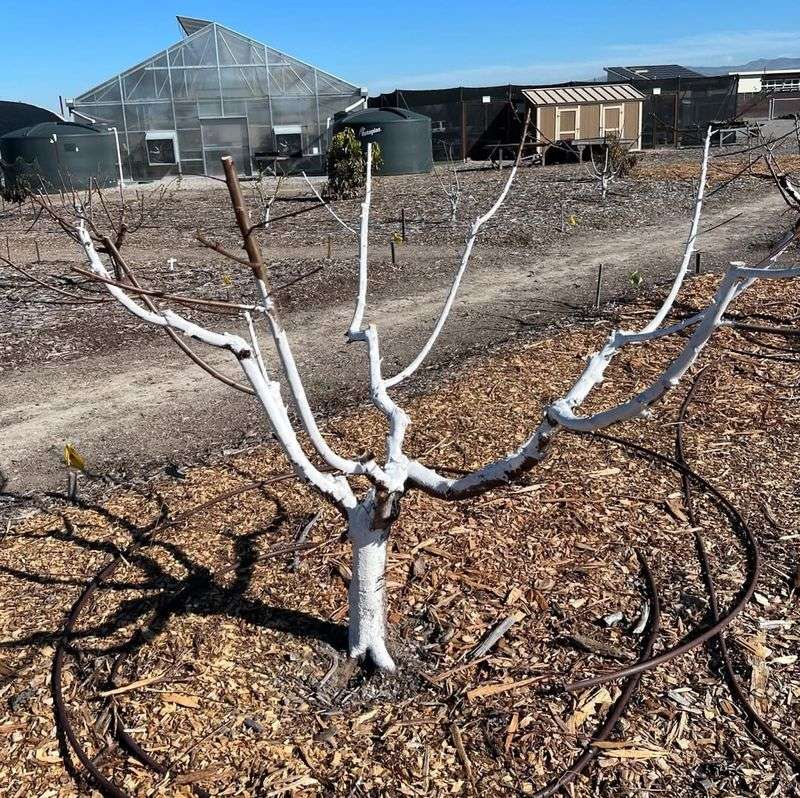
One of the most popular DIY approaches involves mixing interior white latex paint with water at roughly a 1-to-1 ratio. This diluted mixture goes on smoothly, bonds well to bark, and allows the trunk to breathe while still reflecting sunlight effectively.
Using undiluted paint can actually seal the bark too tightly and cause more harm than good over time.
There are also commercially prepared tree trunk paints and wraps available at garden centers across Arizona. These products are specifically designed for sun protection and sometimes include added ingredients to help resist insects or fungal growth.
Reading the label carefully before applying is always a smart move, especially for first-time users.
Some gardeners in Arizona prefer to add a small amount of agricultural lime to their mixture for extra reflectivity and a more traditional finish.
6. Lower Trunks And Main Limbs Usually Get Covered First
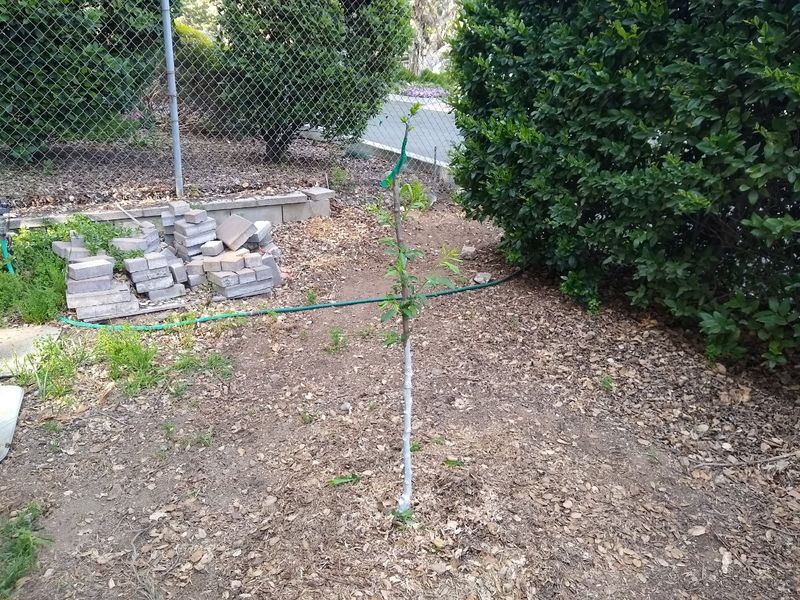
When Arizona gardeners get ready to protect their citrus trees, they do not just slap paint on randomly. There is a method to where the coating goes, and the lower trunk and main limbs are almost always the first priority.
Those areas take the most direct sun exposure and are the least protected by the canopy above.
The lower portion of the trunk, from the soil line up to where the first main branches split off, sits in the full path of afternoon sun for much of the day.
In desert climates, that afternoon sun comes in at a low angle during certain times of year, which actually makes the trunk more vulnerable than you might expect.
Covering this section thoroughly is the foundation of any good trunk protection routine.
Main limbs, meaning the large primary branches that grow directly from the trunk, also need attention because they are often thick, exposed, and slow to heal if they get damaged.
A good coat of white mixture on these limbs can significantly reduce heat stress during the hottest stretches of summer.
Some gardeners extend the coating up the limbs as far as two to three feet from the trunk depending on how open the canopy is.
Working from the bottom up is generally the easiest approach, and it ensures you do not miss the most critical zones.
7. Thin Layers Often Work Better During Hot Weather
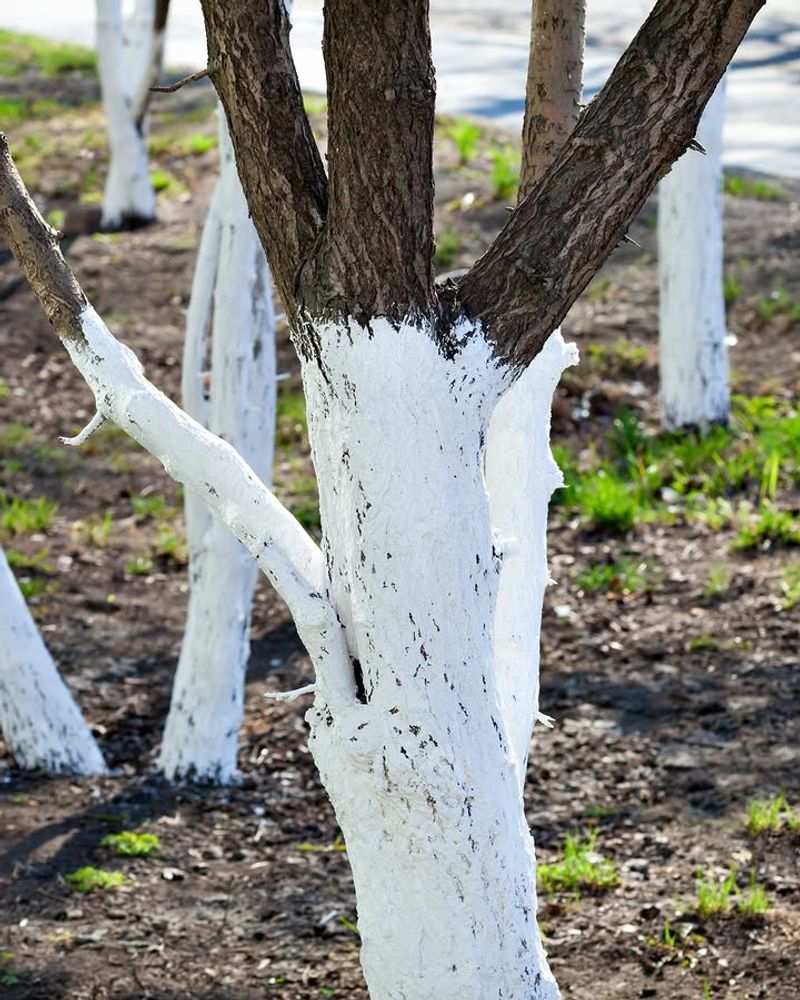
Slathering on a thick coat of paint might seem like the more protective option, but experienced gardeners will tell you the opposite is often true.
Applying white coating in thin, even layers tends to give better results, especially when temperatures are already climbing during the application process.
Thick coats of paint or whitewash can crack and peel much faster when they are exposed to intense heat.
When a thick layer dries unevenly, it can create small gaps and bubbles that lift away from the bark surface, leaving patches of wood exposed and unprotected right when protection matters most.
A thin layer bonds more consistently and holds up better over weeks of high heat.
Another practical reason to go thin is that it allows the bark to continue exchanging gases with the surrounding air. Trees breathe
through their bark to some degree, and sealing it too heavily can interfere with that process.
A light, breathable coat of diluted white latex paint or whitewash gives you the reflective benefit without creating an air-tight seal that could stress the tree.
In , where summer heat can bake surfaces to extreme temperatures day after day, applying two thin coats with drying time in between is often smarter than one heavy application.
The first layer creates a base, and the second layer fills any gaps and evens out the coverage.