What To Do If Peony Buds In Georgia Suddenly Become Covered In Ants
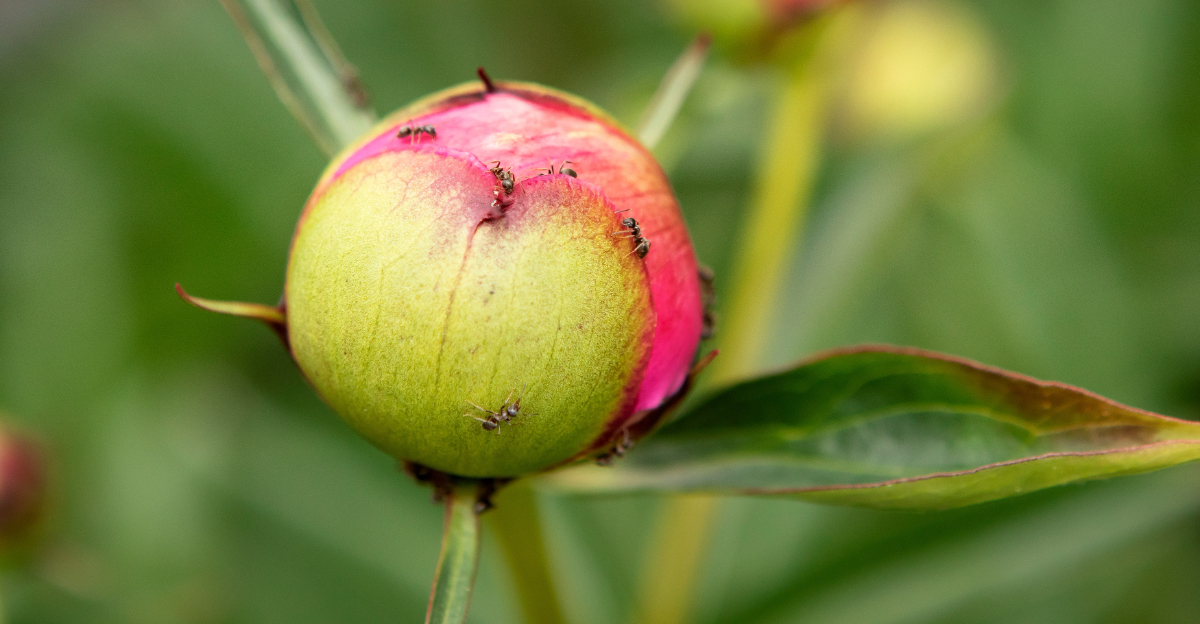
Nothing grabs attention faster than spotting peony buds suddenly covered in ants. Healthy flowers can look completely overwhelmed overnight, especially once dozens of ants start crowding around every bud at the same time.
Georgia gardens see this constantly during spring, yet the sight still catches many gardeners off guard every single year.
First instinct is usually to get rid of the ants immediately before the flowers open. Buds covered in crawling insects rarely look harmless, and panic kicks in fast once more ants keep showing up day after day.
Strange part is that peonies and ants have a much more complicated relationship than most gardens make it seem at first glance.
Wrong moves around the buds can sometimes affect the flowers far more than the ants ever would once blooming season reaches its peak.
1. Ants Are Usually Drawn To Sweet Liquid On Peony Buds
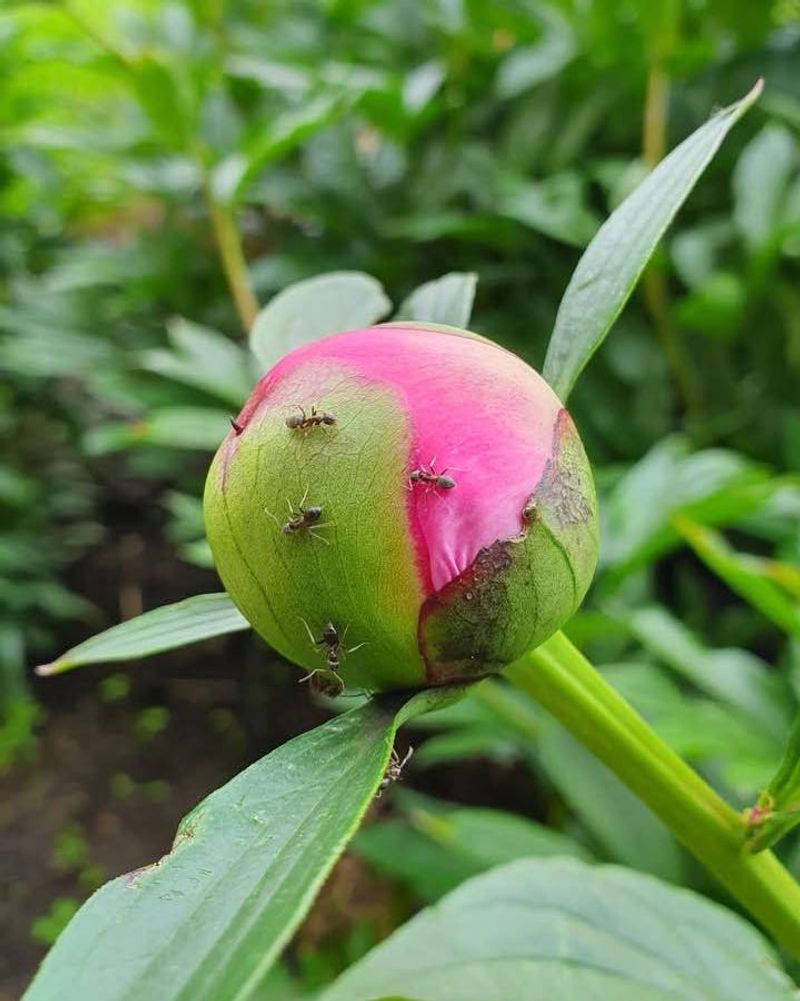
Seeing dozens of ants swarming your peony buds can feel alarming, but there is actually a very logical reason they show up every single year.
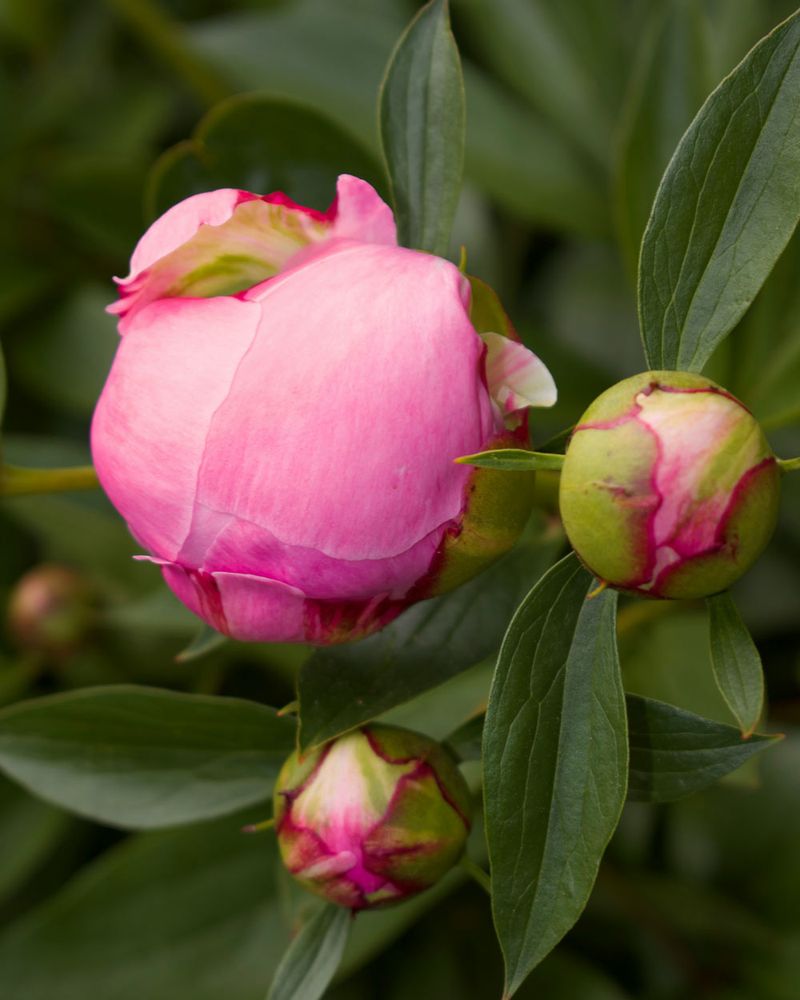
Peony buds produce a sugary liquid called extrafloral nectar, which sits right on the outer surface of the bud.
Extrafloral nectar is not a sign that your plant is struggling. Peonies naturally secrete this sticky substance as part of their growth cycle, and it tends to be most noticeable just before the buds prepare to open.
Gardeners across Georgia often notice the ants appear almost overnight, which makes sense once you understand how quickly ants communicate food sources back to the colony.
Some gardeners worry that the ants are harming the buds, but the ants are usually just after the sugary nectar coating the outside of the buds. They do not chew through the petals or stop the flowers from opening normally.
In some cases, ants may even help discourage other insects from lingering around the plant.
2. Strong Water Spray Can Wash Ants Off Buds Quickly
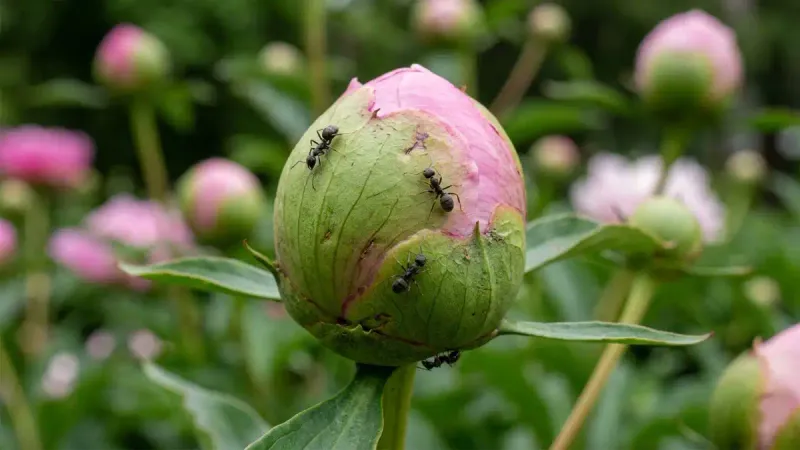
A sharp blast from a garden hose is one of the fastest ways to clear ants off peony buds without using any chemicals at all. Grab a hose with an adjustable nozzle, set it to a firm stream, and aim directly at the buds from a few inches away.
Most of the ants will scatter or wash off within seconds, leaving your blooms looking much cleaner right away.
The key is to use enough pressure to actually move the ants without being so forceful that you bruise the petals or snap a stem.
Aim the spray at different angles so you reach ants tucked between the outer petals and the base of the bud where they tend to cluster most heavily.
Keep in mind that this is a temporary fix. Ants will often return within a few hours once they follow the scent trail back to the nectar.
If you are cutting flowers to bring indoors, a quick rinse right before you cut is a smart habit to develop. Shake the stems gently after rinsing so water does not pool inside the petals.
Your Georgia Garden Changes Every Week. Your Plan Should Too.
Gardening in Georgia changes quickly throughout the season. Every Friday you’ll receive a simple weekly plan showing exactly what to plant, prune, fertilize, harvest, and protect so you never miss the right timing.
3. Pruning Nearby Aphid Covered Growth May Reduce Activity
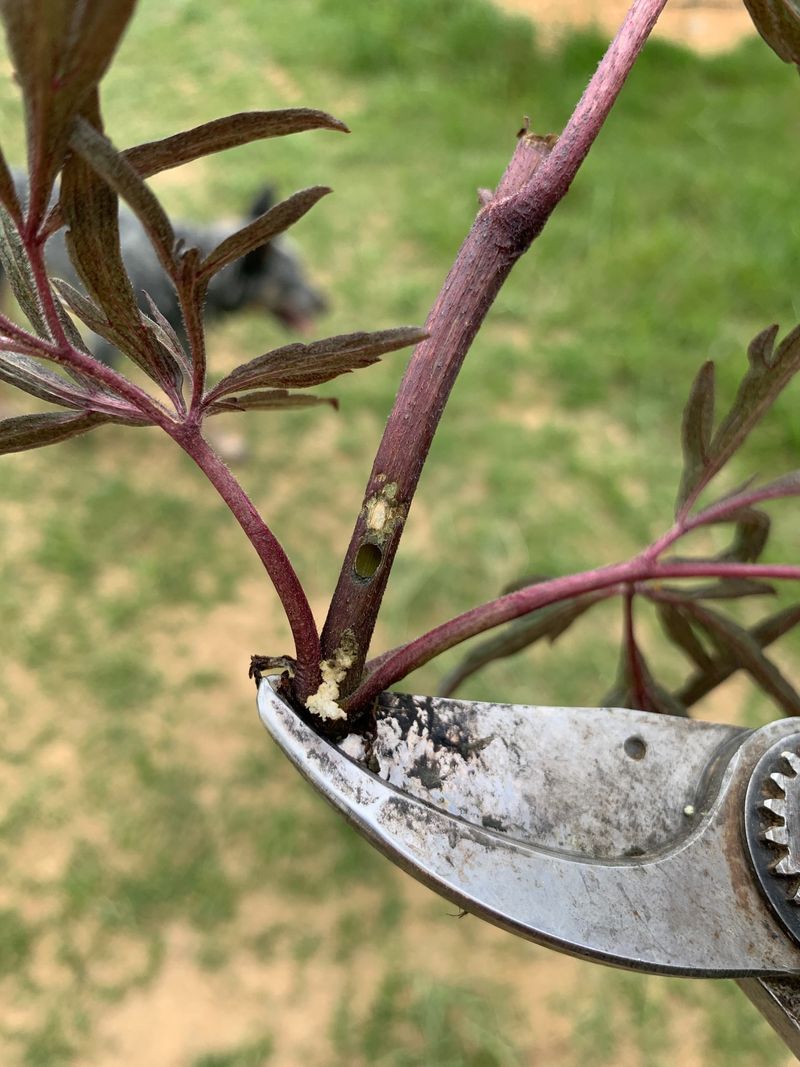
Aphids are a sneaky reason ant populations can explode around your peonies without any obvious explanation. Ants actively farm aphids, protecting them from predators in exchange for the honeydew aphids produce.
If you spot aphid colonies on nearby shrubs, roses, or vegetable plants, those aphids may be drawing in far more ants than the peony nectar alone ever would.
Pruning away aphid-covered stems and leaves reduces the overall food supply that keeps ants patrolling that area of your yard. Use clean, sharp pruning shears and cut the affected growth back to a healthy section of the plant.
Bag the clippings immediately and remove them from the garden so aphids do not simply migrate to a new spot.
Check plants within about ten feet of your peonies, since ants will travel that distance regularly once they establish a trail. Roses and soft-stemmed annuals are particularly popular aphid hosts in Georgia during spring.
Removing heavy infestations on those plants can noticeably reduce the ant traffic you see on your peony buds within just a few days.
4. Sticky Barriers Around Stems Can Block Crawling Ants
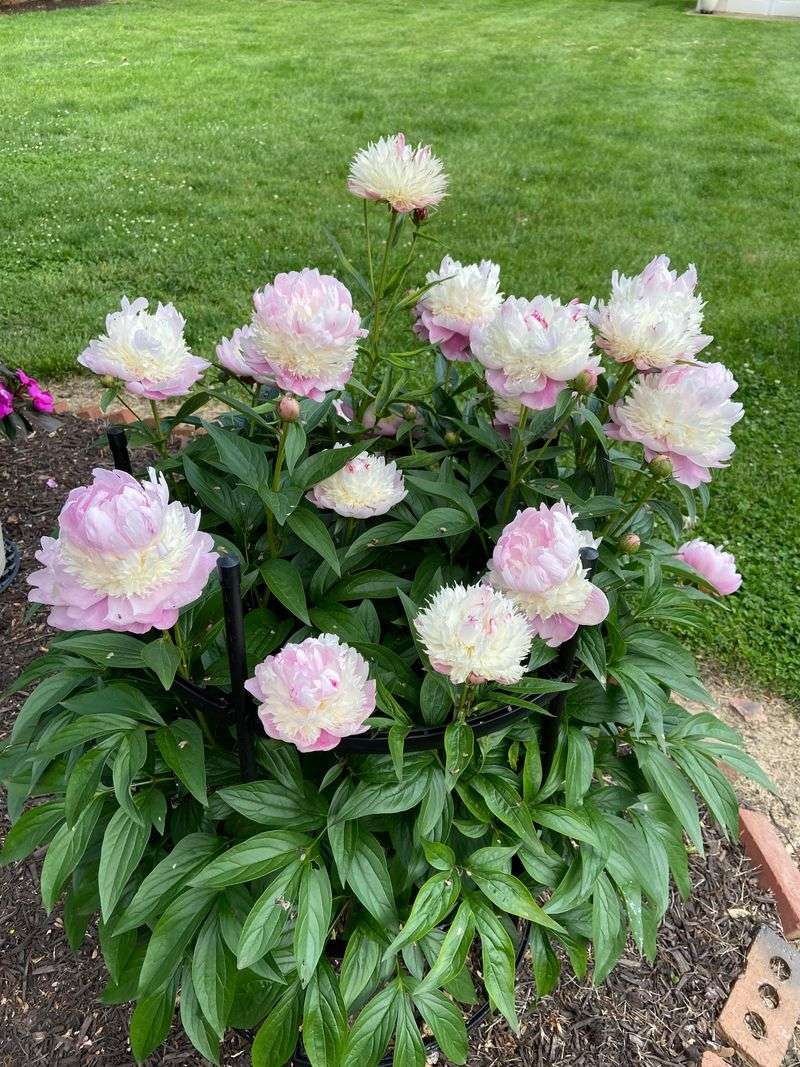
Ants cannot fly, which means every single one you see on your peony buds had to walk up the stem to get there. That simple fact makes sticky barriers one of the most effective physical tools available for managing ant traffic on your plants.
Products like horticultural sticky tape or Tanglefoot can be wrapped around the lower portion of the stem to create a barrier ants cannot cross.
Apply the sticky material to a small section of stem far enough from the ground that ants cannot simply jump over it.
Wrapping it around a stake placed next to the stem is a cleaner option that avoids direct contact with the plant tissue, which can occasionally cause issues if left on too long.
Either approach works well for Georgia gardeners dealing with heavy ant pressure during bloom season.
Check the barrier every few days since debris, soil, and captured insects can reduce its stickiness over time. Replace or reapply as needed to keep the barrier fully effective.
Sticky traps work best when combined with other steps since ants are resourceful and will sometimes find alternate routes if one path is blocked.
One thing worth mentioning is that sticky products can occasionally trap beneficial insects like lacewings or small beetles. Placing barriers thoughtfully and checking them regularly helps you avoid unintended consequences.
In Georgia’s diverse garden ecosystem, protecting beneficial insect populations matters for the overall health of your yard throughout the growing season.
5. Clearing Food Crumbs Nearby May Lower Ant Traffic
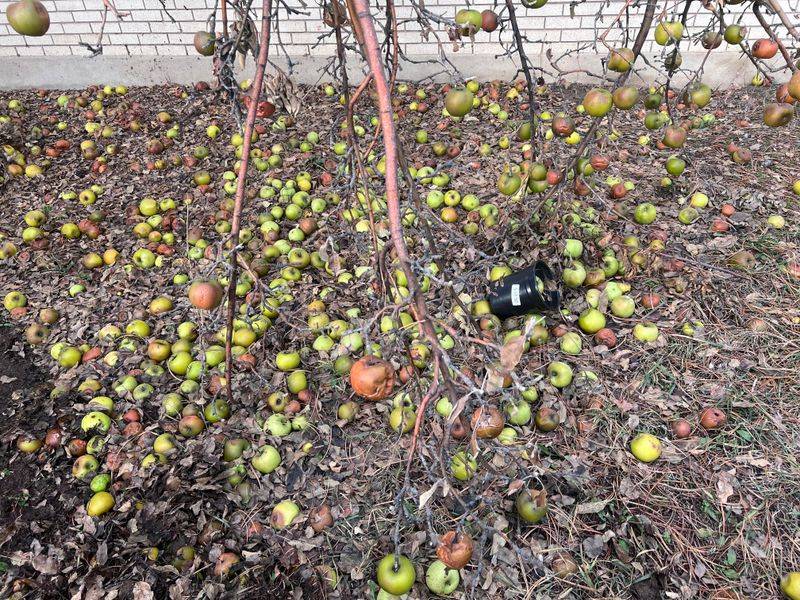
Ants rarely visit just one food source at a time, and your yard may be offering them more than just peony nectar.
Outdoor dining areas, pet food bowls, bird feeders, and even compost bins placed near your garden beds can all attract heavy ant colonies that then spread throughout your yard.
Cutting off those secondary food sources can meaningfully reduce the overall ant population active in your garden.
Start by looking around the base of your peony bed for anything that might attract foraging ants. Fallen fruit from nearby trees, spilled birdseed, or even a pet water dish with sweet residue can all serve as anchor points for ant trails.
Georgia is home to several aggressive ant species, including fire ants and Argentine ants, both of which are highly motivated foragers that will exploit every available resource.
Sweep patios and walkways near your garden regularly during spring and early summer when ant activity peaks. Store pet food in sealed containers and move bird feeders further from your flower beds if possible.
Small changes in how you manage food waste around your outdoor space can shift ant traffic patterns noticeably within a week or two.
6. Cinnamon Around The Base Can Disrupt Ant Trails
Cinnamon has earned a solid reputation among home gardeners as a natural ant deterrent, and it is worth trying when you want a chemical-free option.
Ground cinnamon sprinkled around the base of your peony plants creates a scent barrier that many ant species find disorienting.
Ants rely heavily on pheromone trails to navigate, and strong scents like cinnamon can interrupt those signals effectively.
Sprinkle a generous ring of ground cinnamon directly on the soil around each peony plant, keeping it a couple of inches away from the main stem.
You do not need a thick layer, but you want consistent coverage all the way around the base so ants cannot easily find a gap.
Reapply after rain since moisture breaks down the scent fairly quickly in humid conditions. Cinnamon sticks placed along the edges of the garden bed can supplement the ground cinnamon and last a bit longer between applications.
Some gardeners mix cinnamon with cayenne pepper for a stronger combination, though cinnamon alone is often enough to redirect ant trails away from peony beds. Neither ingredient harms the soil or the plant itself.
7. Early Morning Rinsing Often Removes Ants More Easily
Timing matters more than most people realize when it comes to managing ants on peony buds.
Early morning is when ant activity tends to be at its lowest, partly because overnight cooler temperatures slow them down and partly because many species return to the colony at night.
Rinsing your peonies first thing in the morning gives you the best chance of removing the most ants with the least effort.
Georgia mornings in spring can be genuinely cool, especially before 8 a.m., and ants moving slowly in that lower temperature are much easier to wash away with a gentle stream of water.
Waiting until afternoon when the sun is high means more ants are active, more alert, and quicker to return after being disturbed.
Early rinsing simply produces better results with the same amount of effort.
Use a watering can with a gentle rose attachment or a hose on a light setting to avoid damaging soft buds that are just beginning to swell open.
Direct the water from below the bud upward so ants fall away rather than getting pushed deeper into the petals.