Every Pennsylvania Gardener Should Grow This Native Perennial (Here’s Why)
There is a native perennial growing wild along Pennsylvania roadsides and meadows that most gardeners walk right past without giving it a second thought.
It has been misunderstood for decades, blamed for things it did not do, and pushed out of gardens in favor of showier plants that do far less for the local environment.
That reputation is not just unfair, it is completely backwards. This plant is one of the hardest working perennials you can put in a Pennsylvania garden.
It blooms late in the season when most other plants have already called it quits, feeding pollinators at exactly the time they need it most. It handles poor soil, tolerates drought, spreads on its own over time, and asks for almost nothing in return.
Once you understand what this plant actually brings to a garden, it is hard to imagine leaving it out.
1. Goldenrod – The Native Plant Every Pennsylvania Garden Needs
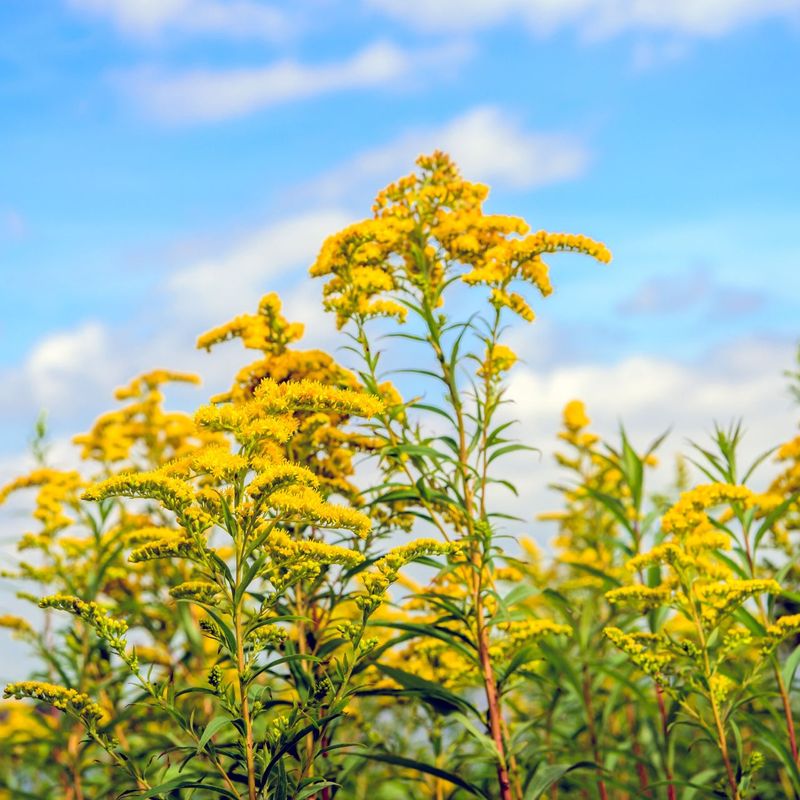
Pennsylvania gardeners who have not yet tried goldenrod are truly missing out on one of nature’s best-kept secrets. Goldenrod belongs to the genus Solidago, and there are dozens of native species found right here in Pennsylvania.
Many people overlook it because of a long-standing myth that links it to fall allergies, but that reputation is completely undeserved. The real culprit is ragweed, which blooms at the same time but goes mostly unnoticed because its flowers are tiny and green.
Goldenrod’s bright yellow blooms are actually too heavy and sticky to travel through the air and cause sneezing fits. Once you understand what goldenrod truly offers, it becomes one of the most exciting plants you can choose for a native garden.
2. Goldenrod Feeds Pollinators Late In The Season
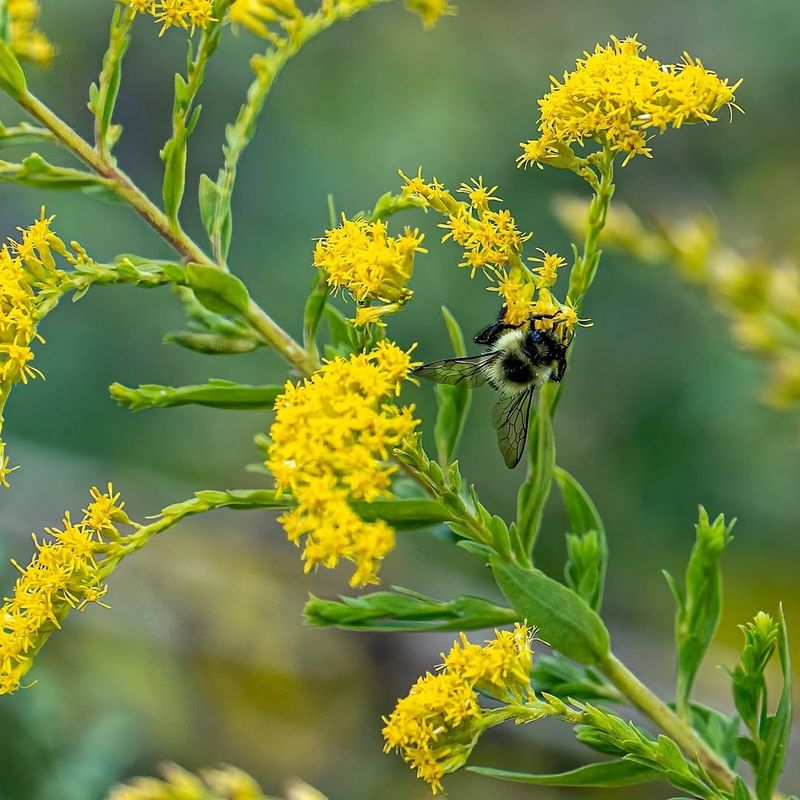
Most flowering plants wrap up their nectar production well before fall arrives. That leaves pollinators scrambling for food right when they need it most.
Goldenrod steps up exactly when other flowers step back, making it one of the most valuable plants in any Pennsylvania garden.
Bees are especially grateful for goldenrod. Honeybees and native bumblebees rely on late-season nectar to build up their energy stores before colder weather sets in.
A single goldenrod plant can attract dozens of bees on a warm September afternoon. Watching them work is honestly one of the most satisfying things a gardener can experience.
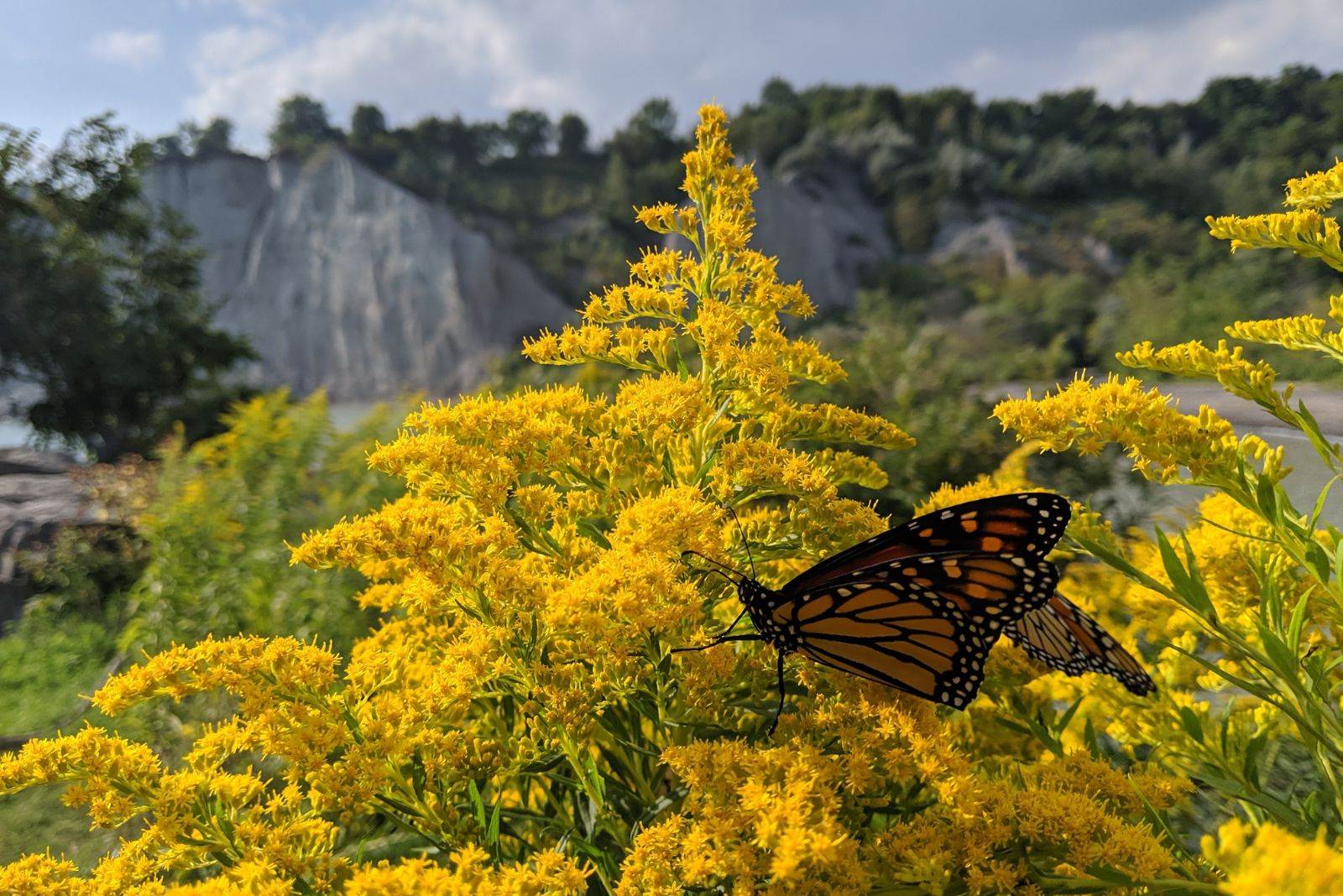
Butterflies also flock to goldenrod blooms. Monarchs passing through Pennsylvania during their fall migration frequently stop to feed on goldenrod nectar.
Other species like painted ladies, sulfurs, and skippers also visit regularly. Without late-blooming plants like goldenrod, these butterflies would have far fewer fueling stops along their journey.
Beyond bees and butterflies, goldenrod attracts a wide range of beneficial insects including parasitic wasps, hoverflies, and soldier beetles. These insects play important roles in controlling garden pests naturally.
A healthy goldenrod patch essentially acts like a living pest management system. Planting goldenrod means you are not just adding color to your yard. You are creating a critical food source at a time when pollinators are preparing for survival.
Your Pennsylvania Garden Changes Every Week. Your Plan Should Too.
Gardening in Pennsylvania changes quickly throughout the season. Every Friday you’ll receive a simple weekly plan showing exactly what to plant, prune, fertilize, harvest, and protect so you never miss the right timing.
Few other plants can claim that kind of seasonal importance. If feeding wildlife matters to you, goldenrod belongs at the top of your planting list.
3. It Adds Bright Color When Gardens Start Fading
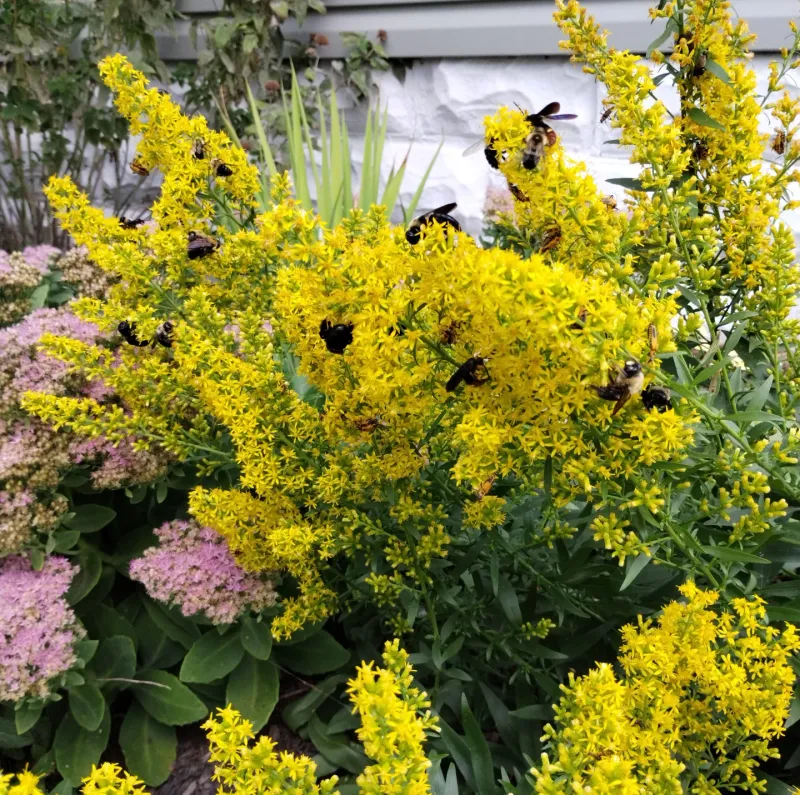
By August, a lot of gardens start looking a little tired. Spring bloomers are long gone, summer annuals are winding down, and most perennials have already had their moment. That is exactly when goldenrod decides to show off.
Goldenrod blooms from late summer well into fall, covering itself in arching sprays of tiny golden-yellow flowers. The color is warm, rich, and genuinely eye-catching.
In a garden that has started to look washed out, goldenrod brings back that vibrant energy you thought was gone until next year.
It works beautifully in native plant borders and meadow-style garden beds. The tall, upright stems give the planting structure and height, while the feathery flower clusters add a soft, natural texture.
It never looks stiff or formal, which makes it perfect for relaxed, naturalistic garden styles that are becoming increasingly popular in Pennsylvania landscapes.
Pairing goldenrod with purple or blue asters creates a stunning color contrast that many garden designers love. The warm yellow and cool purple play off each other perfectly.
Add some ornamental grasses like little bluestem into the mix and you have a fall garden combination that looks like it came straight out of a magazine.
Goldenrod also holds its structure well even after the blooms fade. The dried seed heads add texture and visual interest through late fall and into winter.
Rather than cutting everything back, leaving goldenrod standing gives your garden a natural, layered look that benefits wildlife too. It is genuinely one of the most versatile plants available to Pennsylvania gardeners.
4. Goldenrod Handles Pennsylvania Weather With Little Effort
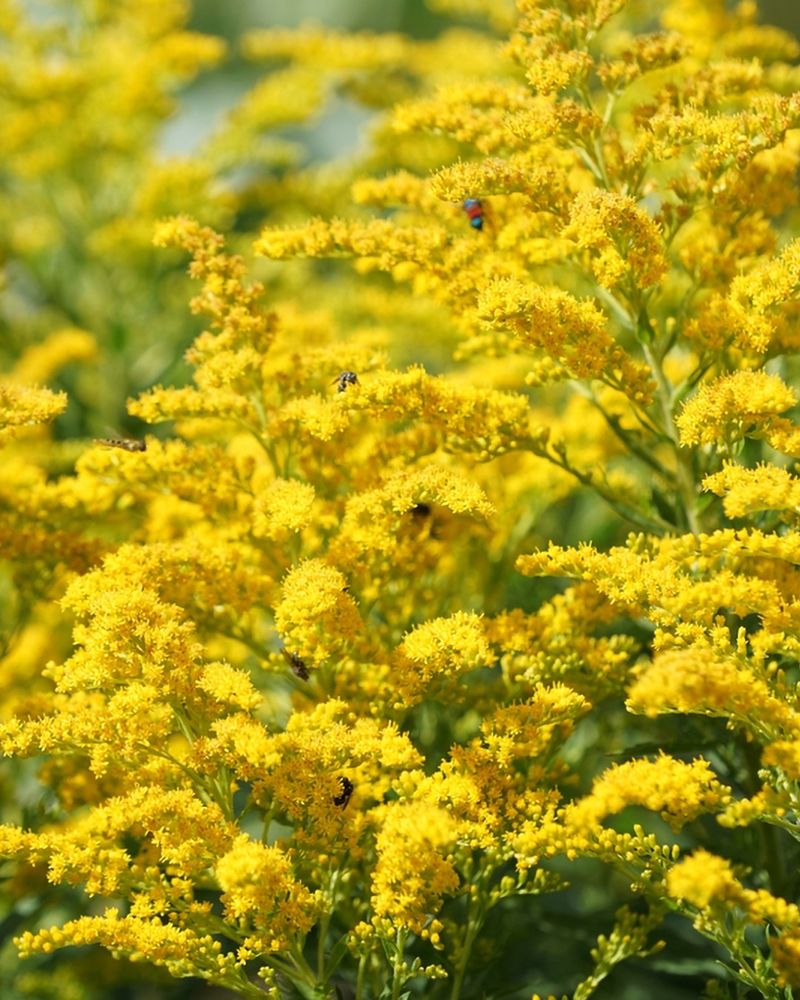
Pennsylvania weather can be unpredictable. Summers bring stretches of serious heat and drought. Winters can be brutal. Spring arrives with flooding rains and then sudden cold snaps.
Most ornamental perennials need a lot of help surviving all of that. Goldenrod, on the other hand, barely notices.
Once goldenrod gets established in your garden, it is remarkably self-sufficient. It tolerates heat and dry conditions far better than most cultivated perennials.
Its deep root system allows it to pull moisture from lower in the soil even when the surface looks bone dry. You will not need to run a sprinkler every few days just to keep it alive.
Poor soil quality is no problem either. Goldenrod actually thrives in lean, well-drained soils that would stress out many other plants.
You do not need to spend money on expensive soil amendments or fertilizers. In fact, overly rich soil can cause goldenrod to grow floppy and spread more aggressively than you might want. Lean soil keeps it tidy and well-behaved.
It adapts well to a wide range of light conditions too. Full sun brings out the most abundant blooms, but goldenrod will still perform respectably in partial shade.
That flexibility makes it easy to find a spot for it in almost any Pennsylvania yard, regardless of how the sunlight falls.
Compared to many popular ornamental perennials that need regular dividing, staking, spraying, and babying, goldenrod is refreshingly easygoing.
Plant it, give it a season to settle in, and then step back and let it do its thing. That kind of reliability is genuinely rare in the gardening world.
5. It Supports Birds And Backyard Wildlife
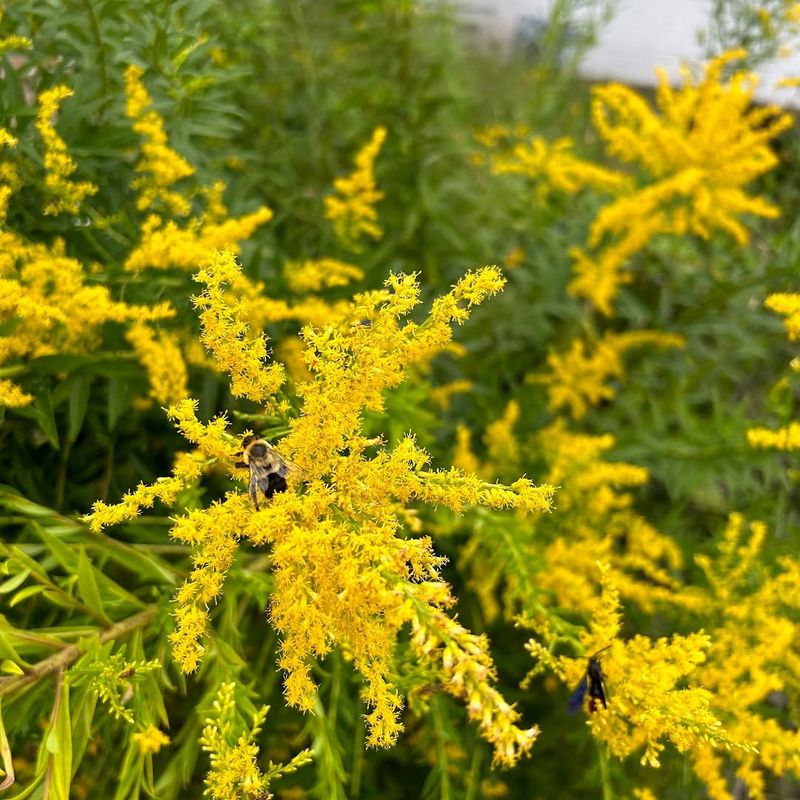
Did you know that goldenrod supports over 100 species of wildlife in North America? That number includes birds, insects, and small mammals that rely on it at various points throughout the year.
For a single plant species, that is an extraordinary level of ecological value. After the blooms fade, goldenrod produces small seeds that cling to feathery tufts and persist well into late fall and winter.
Finches, sparrows, and juncos actively seek out these seeds during the colder months when food becomes harder to find.
Leaving your goldenrod standing rather than cutting it back in fall gives birds a natural food source right in your own yard.
The insects that goldenrod attracts are just as important to birds as the seeds themselves. Many songbirds feed their nestlings almost exclusively on insects during the breeding season.
A garden rich in goldenrod draws in the kinds of small insects and caterpillars that nesting birds depend on. Supporting insect populations is one of the most effective ways to support bird populations at the same time.
Goldenrod galls, which are small round swellings on the stems caused by insects, also play a role in winter bird activity. Downy woodpeckers and black-capped chickadees are known to peck into these galls to extract the larvae inside.
It is a fascinating piece of backyard ecology that most people never notice until they start paying closer attention.
Adding goldenrod to your garden creates layered habitat value that few other plants can match. It feeds, shelters, and supports wildlife through multiple seasons without asking for much in return.
6. Goldenrod Helps Build A Healthier Native Garden
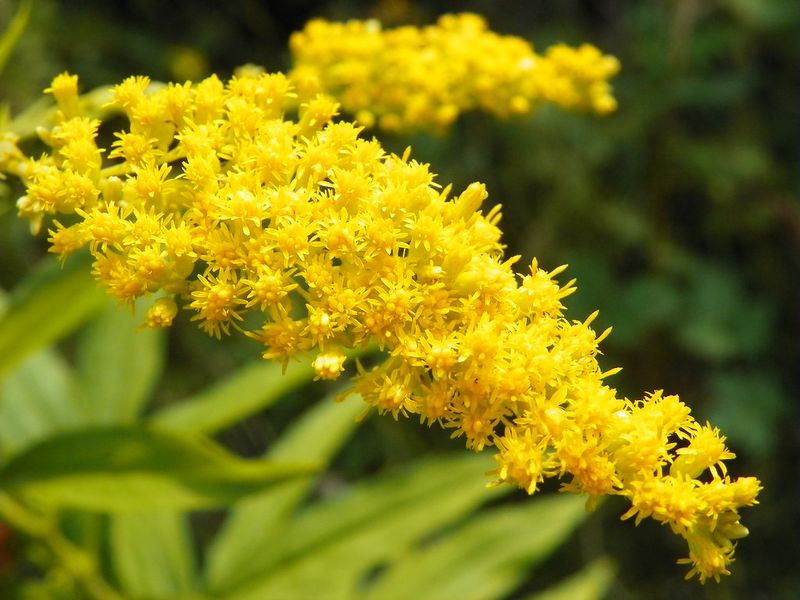
A garden filled with native plants is more than just pretty. It is a functioning ecosystem. Every native species you add strengthens the web of relationships between plants, insects, birds, and soil organisms that make a landscape truly healthy.
Goldenrod is one of the most powerful players in that web. Biodiversity is the key to a resilient garden. When you grow a variety of native plants, you reduce the risk that any single pest or disease will wipe out your whole planting.
Goldenrod plays well with other Pennsylvania natives like black-eyed Susans, wild bergamot, native asters, and ironweed. Together, these plants create a layered, diverse habitat that supports a much wider range of wildlife than any single species could alone.
Replacing non-native ornamentals with plants like goldenrod also reduces your garden’s environmental footprint. Many popular garden plants come from other continents and offer little to no value to local wildlife.
Native plants, by contrast, have evolved alongside local insects and animals over thousands of years. Those deep relationships cannot be replicated by exotic ornamentals, no matter how attractive they look.
Goldenrod also plays a role in strengthening the local pollinator ecosystem. Healthy pollinator populations do not just benefit your garden.
They support surrounding farms, wild areas, and natural spaces throughout your region. Every patch of goldenrod you plant contributes to that larger picture in a real and meaningful way.
Starting with goldenrod is one of the simplest and most rewarding steps any Pennsylvania gardener can take toward building a landscape that gives back to the natural world around it.