Best Ways To Keep Arizona Lantana From Going Woody Before Monsoon Season
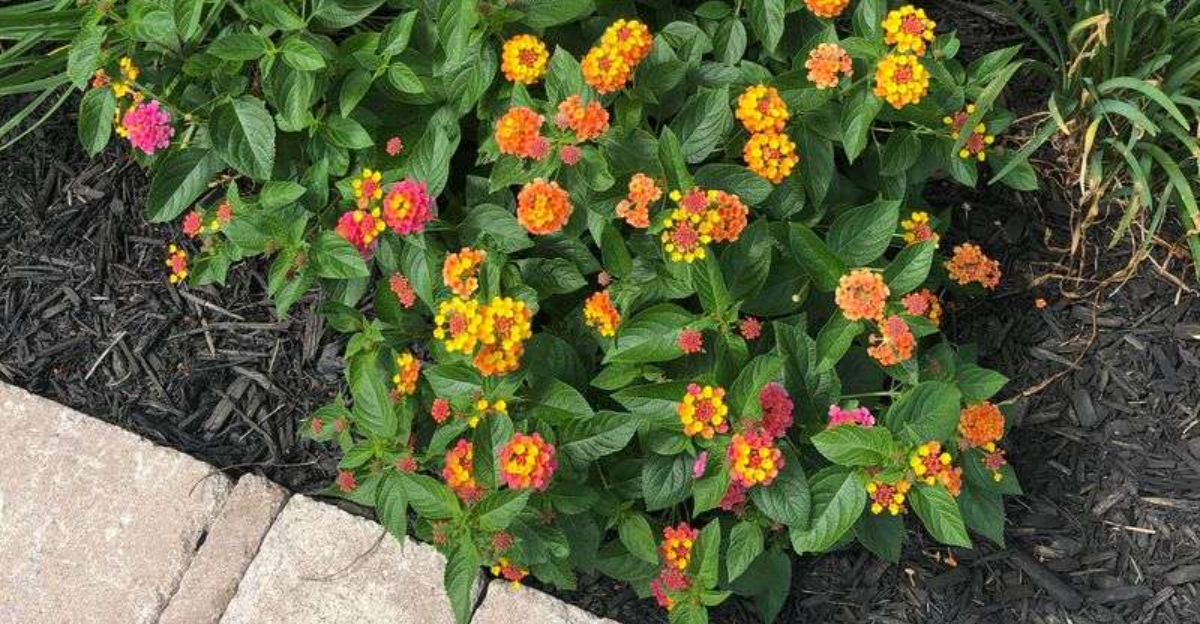
No one plants lantana with the idea of having to take care of it constantly. That’s really the whole idea behind it.
You let the desert sun do its job, and when monsoon season hits, you get this amazing burst of color. But sometimes, it doesn’t turn out like that.
You might find yourself with a shrub that resembles a bunch of gray sticks more than a flowering plant. The stems turn stiff and woody, and no matter how much you water it, it just won’t come back to life.
Does that sound familiar? Here’s the truth: Lantana didn’t let you down. The timing did.
Luckily, the solution is easier than most people think. A few trims before the summer heat kicks in can dramatically change how it looks by the time the rains come.
According to the University of Arizona Cooperative Extension, that pre-monsoon period is the most crucial time of the entire year. So, get ahead of it now. The monsoon will take care of the rest.
1. Prune After Frost Risk Passes
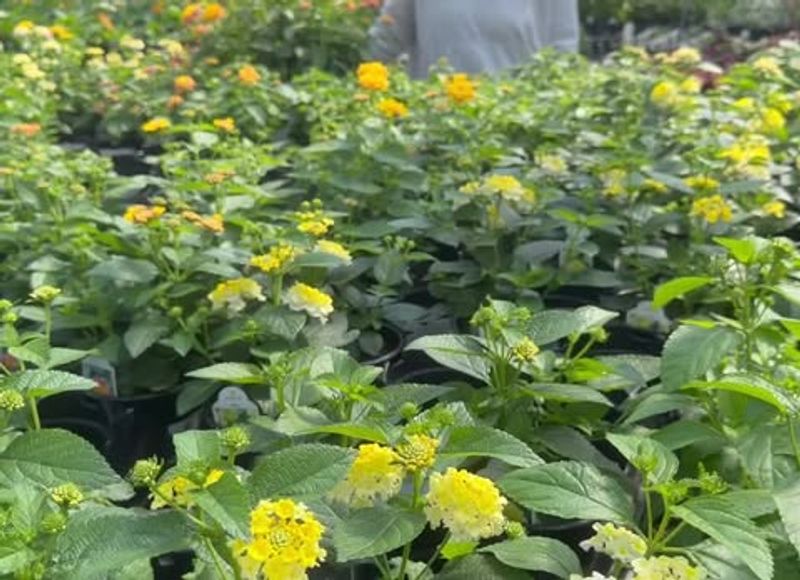
In Arizona, timing is crucial. Especially for monsoon season, and of course, for pruning your lantana. If you mess it up, you’ll feel the consequences all season long.
It’s best if you wait to do any serious pruning until the risk of frost has completely passed. For most lower-elevation valleys, this ideal time falls between late February and mid-March.
Your specific elevation and zip code might shift that timeframe a bit, so keep an eye on your own yard, too.
If you cut too early and a sudden cold snap hits fresh new growth, it can be really damaging. The plant will survive, but it will come back stressed and struggling.
A few extra weeks of waiting won’t cost you anything. However, rushing can ruin your entire spring growth. Look for the signs. The soil warming up.
Small buds starting to emerge from the base of the stems. That’s your green light, literally. Once the frost danger is gone, don’t hesitate. Lantana wakes up quickly when the temperatures rise.
If you wait too long, you’ll be pruning stems that are already in full growth mode. That’s not good for the plant or for you. The aim is to catch it after frost, but before the big growth surge.
If you hit that window perfectly, lantana will thrive. If you miss it, you’ll be trying to catch up until October.
2. Cut Old Stems Back To Fresh Growth
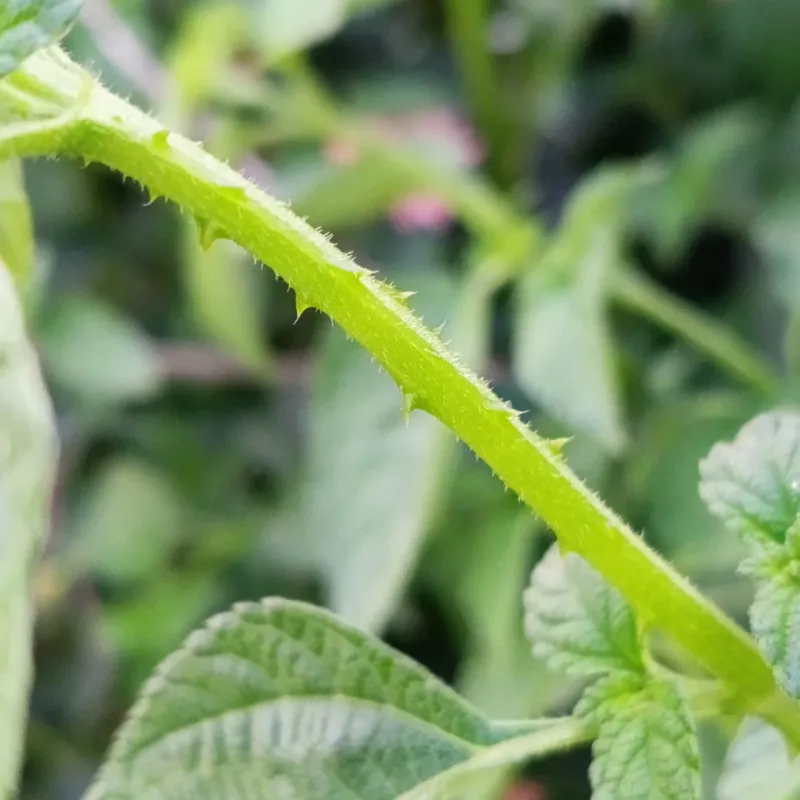
Think of old lantana stems as if they were old pipes. They may seem sturdy on the outside, but nothing useful is flowing through them anymore. The gray, brittle wood at the bottom isn’t just resting. It’s finished.
And while it remains attached to the plant, it’s taking energy that should be used for flowers. The solution is simple. Locate where the stem transitions from stiff to feeling alive again.
Your Arizona Garden Changes Every Week. Your Plan Should Too.
Gardening in Arizona changes quickly throughout the season. Every Friday you’ll receive a simple weekly plan showing exactly what to plant, prune, fertilize, harvest, and protect so you never miss the right timing.
That soft, green, flexible part is your goal. Cut just above it, and the plant will have a real starting point to grow from.
You don’t need to cut all the way down to the ground on every stem. Trimming one-third to one-half of the length is usually sufficient to reach healthy tissue.
If you combine this with the right timing, those fresh cuts will seal up quickly. The plant will stop wasting energy on wood and focus everything on the soft new growth. That’s exactly what you want as you head into monsoon season.
3. Thin Crowded Stems At The Base
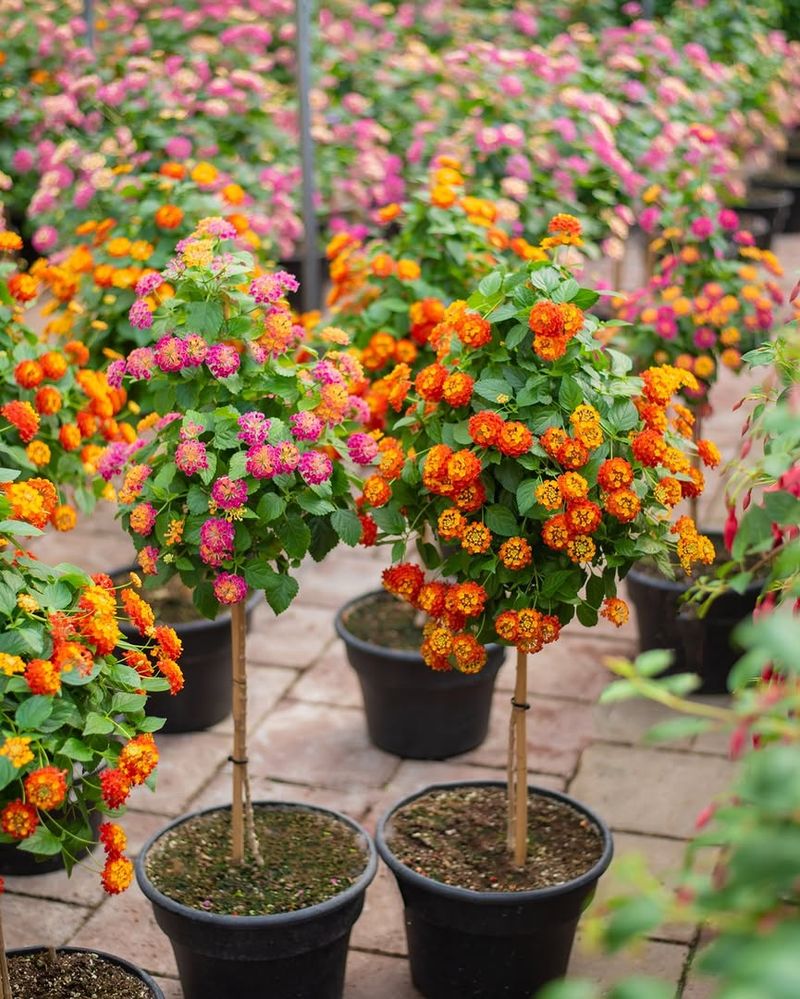
A quick trim at the top might seem neat initially, right? But, it seldom addresses the actual issue when lantana gets crowded near the ground.
Crowded stems fight for light and air, and the inner ones usually harden quicker since they don’t receive enough sunlight. Luckily, selective thinning at the base is one of the best methods to open up the plant’s structure.
Thinning involves picking specific stems to cut all the way down to the base. Look for stems that cross each other or grow inward toward the center of the plant. Removing these problematic stems creates space and lets sunlight reach the inside.
This is important for lantana before the monsoon season because the summer rains bring humidity and rapid growth.
A congested plant entering that wet season tends to face more issues than one that has been carefully thinned.
Try to remove only a few stems at a time to keep the overall shape balanced. Yes, thinning may not be dramatic, but it does a lot for the long-term health of the plant.
4. Shape Early Before Growth Gets Away
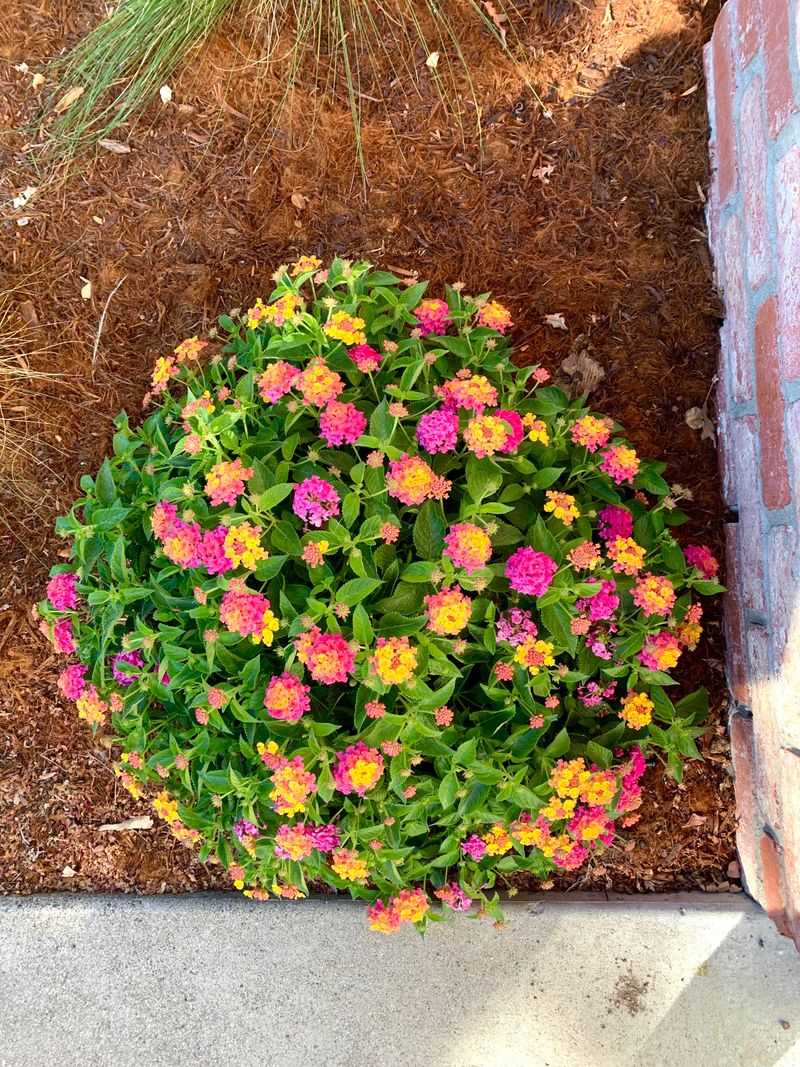
Arizona lantana doesn’t just ease into summer. One week, it seems under control. Three weeks later, it’s sprawling across the walkway. Once that warm-season growth kicks in, it’s tough to manage.
That’s why shaping it in early spring is more about being proactive than about looks. This isn’t a drastic cutback. Think of it as a quick edit.
A branch awkwardly reaching toward the patio. A stem encroaching on foot traffic. A few shoots that have noticeably outgrown their neighbors. A snip here, a snip there, and suddenly the whole plant is set up nicely for the season ahead.
It takes about ten minutes and pays off for months. The real perk is what happens afterward. Those light cuts encourage side shoots, and then they have the entire warm season to grow into full leafy branches.
By the time the monsoon clouds roll in, the plant looks organized and intentional. Waiting until the plant has already gone wild and then trying to prune it is tougher on both the lantana and you.
You end up cutting back growth that took weeks to develop and stressing a plant just when it should be flourishing. Get in early. Make a few smart cuts. Then step back and let the season do its thing.
5. Skip Repeated Shearing That Creates Woody Centers
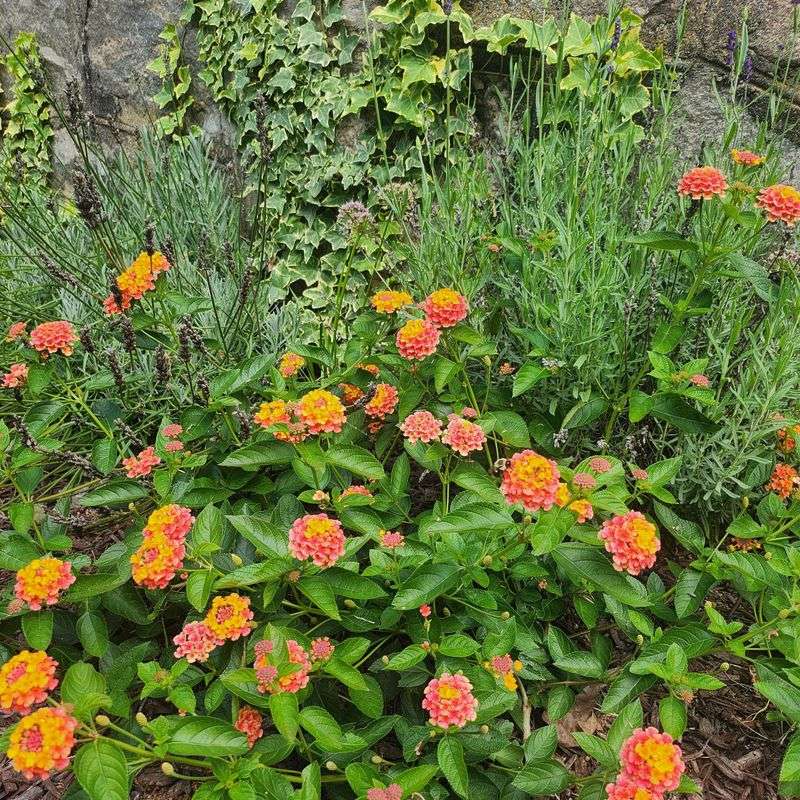
There’s a type of lantana that seems like it was cut with a mixing bowl turned upside down on it. Every stem is the same length, and every cut is at the same height. It looks perfectly uniform but is quietly withering inside.
When all the stems are cut to the same length, the plant starts pushing all its new growth from the outer tips. The inside doesn’t get any light, so it stops producing new shoots.
Over time, this creates a leafy shell around a core of hard wood. From ten feet away, the plant looks full, but from two feet, it appears empty. However, making staggered cuts completely breaks this cycle.
Some stems get a light trim, others are cut back by a third, and a few are cut down by half or more. This results in a plant that grows at different levels instead of all from the same tips.
It looks fuller, more open, and is less likely to get congested over time. This method also makes the whole pruning process feel more natural. You stop measuring and start observing.
A stem with strong buds near the tip just needs a little nudge, while one that has grown long and bare requires a deeper cut. You respond to what you see instead of sticking to a formula.
Varied cuts imitate the irregular way plants branch in nature. That randomness creates a more balanced shape than any perfectly measured trim could.
Forget the bowl shape. Allow it to be a bit uneven. The plant will appreciate it.
6. Remove No More Than A Quarter At Once
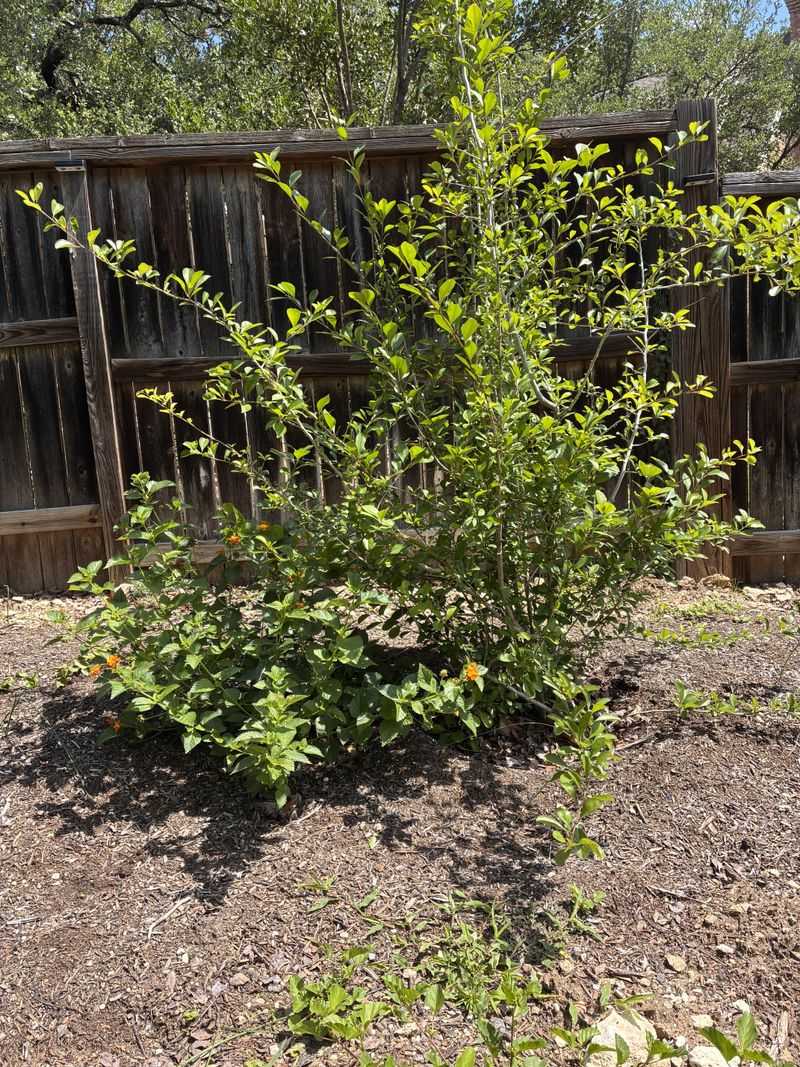
Every gardener experiences a pruning urge at least once. The plant may look messy, and suddenly you find yourself considering tearing it all down to start anew. But hold that thought.
If you cut too much at once, lantana goes into survival mode. Instead of producing new growth, the plant panics and sends out a few weak shoots. They end up being spindly and scattered, which is not what you intended.
The basic rule in gardening is straightforward. Never take away more than a quarter of a shrub’s total size in one go.
The plant needs enough leaves to cope with the sudden increase in heat that comes with summer rains. If you remove that buffer, it will enter the toughest part of the year running low on resources.
Yes, one quarter may seem like a small amount until you start cutting. But, you can achieve very noticeable results without overdoing it.
If the plant truly requires more than that, space it out. Conducting two or three pruning sessions a few weeks apart allows the lantana to show you how it’s responding before you proceed with the next round of cuts.
Taking a little time now ensures that your plant is ready to thrive during monsoon season instead of merely surviving it.
7. Shorten Leggy Shoots To Force Branching
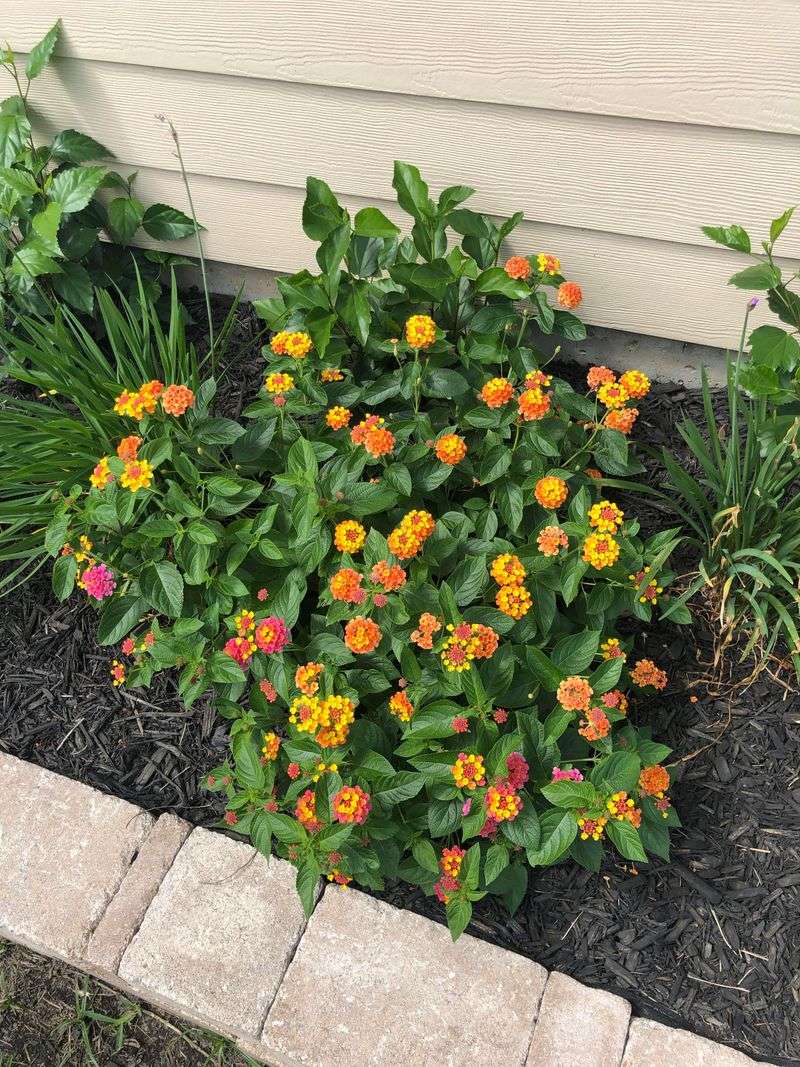
Leggy shoots are really easy to notice. They’re long, sparse, and seem to flop around like they forgot their purpose. There are wide gaps between the leaves, and the stem bends under its own weight.
But the good news is, they’re one of the easiest things to fix with just one cut. If you shorten a leggy shoot back to where leaves or buds are actually there, the plant perks up quickly. The dormant buds along the remaining part start to activate.
One long bare shoot can turn into two or three compact side branches growing exactly where you want them. They become fuller, bushier, and more purposeful. That’s the whole trick right there.
However, where you make the cut is important. You should cut just above a leaf node or a visible bud.
Avoid cutting in the middle of a long bare section with nothing nearby. That kind of stub just hardens over time.
Make sure to tackle leggy shoots in the spring before the monsoon season hits, so those new side branches have weeks of warm weather to grow strong.
By the time the rains come, they’ll be sturdy enough to handle the rapid growth that follows without flopping again. One good cut can lead to multiple branches. No more floppy stems. Totally worth every minute.
8. Renovate Overgrown Plants In Stages
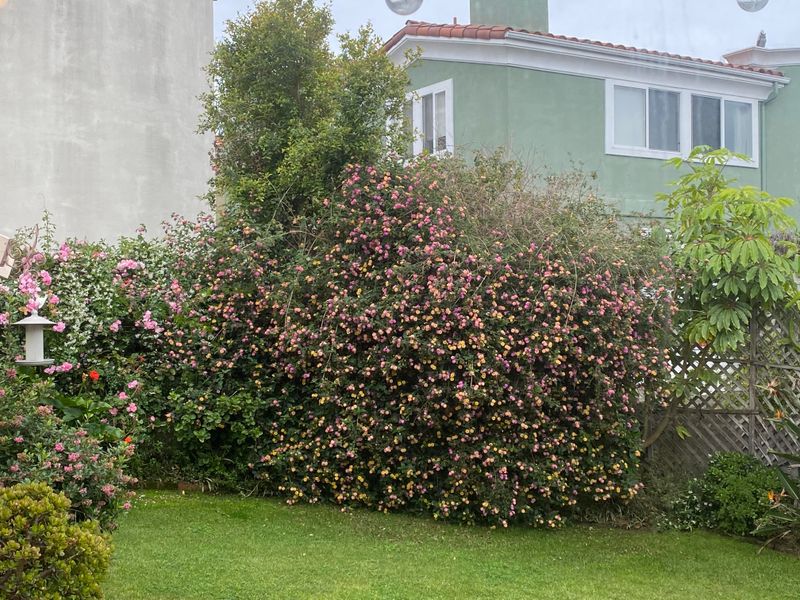
Some lantana bushes have reached a point where a simple trim won’t do. After years of being constantly pruned, these plants can end up looking like a woody stump with just a few leaves on top.
You know the type. A thick, hardened base, hardly any new growth, and an overall vibe of giving up. It’s totally understandable to want to chop the whole thing down and start fresh. But don’t do it.
Making drastic cuts all at once can really stress out a plant that’s already having a hard time. The recovery process is slow, uneven, and sometimes it never fully bounces back.
A plant that gets completely cut back in one go spends months just trying to survive instead of actually growing. Taking a gradual approach is the smarter choice. Begin with the worst parts. Remove the stems that are totally bare.
Get rid of any that are crossing and rubbing against each other. Cut away anything that’s growing in a weird direction.
Do this first and leave the rest alone. The remaining leaves will help keep the plant nourished and stable while it figures out its next steps. Then, be patient. Observe. After a few weeks, new shoots will start to appear.
Start this process before the monsoon season, as the summer rains will become your best tool for renovation. That influx of moisture encourages new growth from the freshly cut areas faster than anything else could.
Let the monsoon do the heavy lifting. It’s good at that.
9. Use Clean Cuts And Avoid Stubby Ends
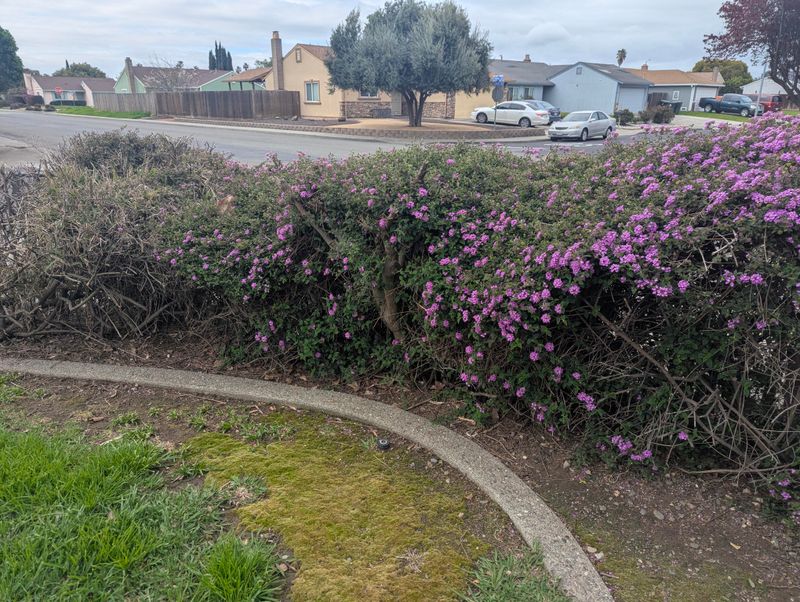
A poor cut doesn’t just appear messy. It lingers in the plant for years.
Jagged edges and cuts made too high above a growth node leave behind tissue that the plant struggles to seal properly. That exposed wood remains, hardens, and gradually contributes to the woody buildup.
Each bad cut is a minor setback. Accumulate enough of them, and you end up battling the plant instead of collaborating with it.
The tool you use is more important than many realize. Bypass pruners make a clean, scissor-like cut.
In contrast, anvil-style pruners and dull blades tend to crush the stem tissue before cutting through it. This crushing action delays healing and makes the wound more susceptible.
One clean cut in the right spot heals quickly and encourages new growth reliably. One careless cut creates a problem that worsens over the seasons. Sharp tools. Correct placement. Every time. That’s really all there is to it.